
The Use of Local Materials in Ancient Indian Architecture

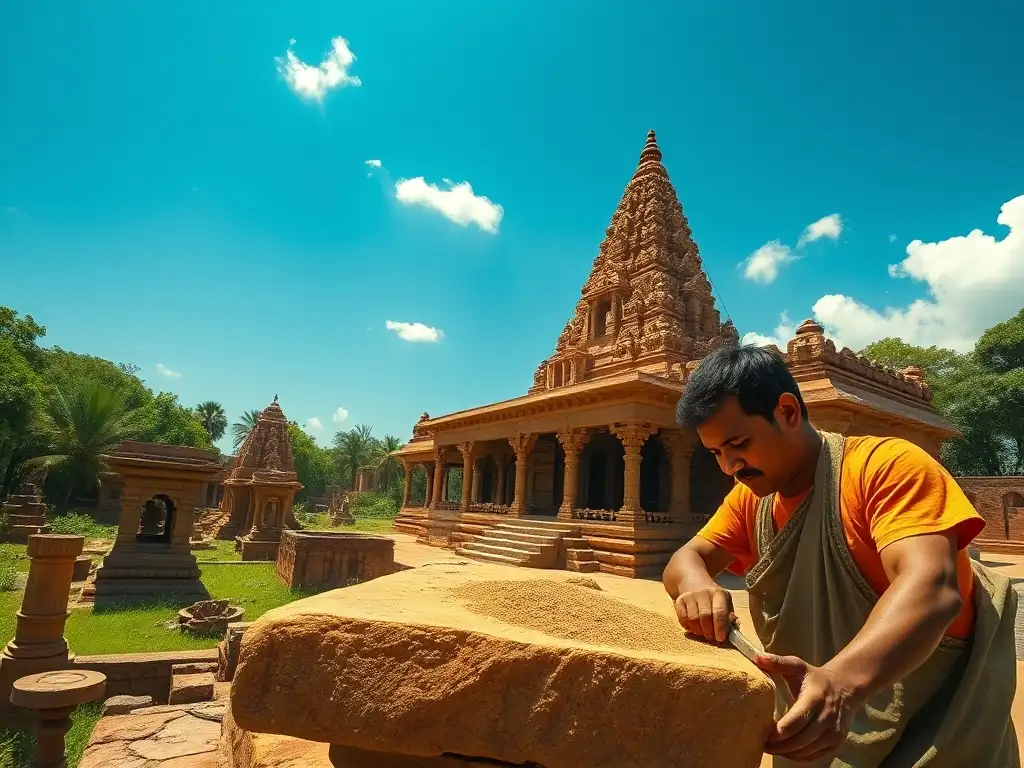
Welcome to Ancient India History, where we embark on a captivating journey through the rich tapestry of ancient Indian civilizations. Here, you will uncover the remarkable architectural materials that shaped the stunning structures of yesteryears. From the innovative use of local resources to the masterpieces that stood the test of time, our exploration of The Use of Local Materials in Ancient Indian Architecture will unveil the secrets behind the ingenuity and creativity of these ancient builders.
Prepare to be fascinated as we delve deeper into the technological and cultural innovations that continue to inspire generations. Discover the wonders that await you!
- Introduction to Ancient Indian Architectural Materials
- Types of Local Materials Used in Ancient Indian Architecture
- Regional Variations in Architectural Materials
- Techniques of Incorporating Local Materials
- Case Studies of Ancient Indian Structures Using Local Materials
- Conclusion
- References
-
Frequently Asked Questions
- What were the primary architectural materials used in ancient Indian structures?
- How did the geography influence material selection in ancient India?
- What are some examples of ancient Indian architecture that showcase these local materials?
- How did the use of local materials impact the durability of ancient structures?
- What role did craftsmanship play in the use of these materials?
- Final Reflection: Embracing the Legacy of Ancient Indian Architectural Materials
- Unveil the Beauty of Ancient Indian Architecture!
Introduction to Ancient Indian Architectural Materials
The architectural marvels of ancient India are a testament to the ingenuity and resourcefulness of its civilizations. From the intricate urban planning of the Indus Valley Civilization to the monumental temples of the Gupta Empire, the use of local materials played a pivotal role in shaping the architectural landscape of the subcontinent.
The study of ancient Indian architectural materials reveals not only the technical proficiency of artisans and builders but also the deep connection between the environment and cultural expression. By examining the types of materials utilized, we gain insights into the regional variations, trade practices, and technological advancements that characterized ancient Indian construction techniques.
Overview of Ancient Indian Architecture
Ancient Indian architecture is a rich tapestry woven from various influences, styles, and materials. This architectural journey spans several millennia, marked by significant periods such as:
- Indus Valley Civilization (c. 3300–1300 BCE): Known for its advanced urban planning, drainage systems, and use of baked bricks.
- Mauryan Empire (c. 322–185 BCE): Notable for monumental structures like the Ashoka Pillars, which utilized sandstone.
- Gupta Empire (c. 240–550 CE): Celebrated for temple architecture, characterized by intricate carvings and the use of local stone.
The materials used in these periods were not just functional; they reflected the aesthetic values and spiritual beliefs of the time. Common materials included:
- Bricks: Used extensively in urban centers, especially in the Indus Valley.
- Stone: Such as granite and sandstone, favored for durability and beauty in temples.
- Wood: Employed in residential structures and decorative elements, demonstrating local craftsmanship.
Importance of Local Materials in Construction
Utilizing local materials in ancient Indian architecture was crucial for several reasons:
- Sustainability: Local sourcing minimized transportation costs and environmental impact. Builders used what was readily available, which often meant materials that were well-suited to the local climate and geography.
- Cultural Identity: The choice of materials often represented local traditions and cultural significance. For example, certain stones might be sacred and thus preferred in temple construction.
- Adaptability: Builders showcased remarkable adaptability by employing varying materials based on the region. For instance:
- In northern India, sandstone was prevalent due to its availability and ease of carving.
- In southern India, granite was favored for its durability, especially in temple architecture.
- Technological Innovation: The use of local materials spurred technological advancements. Techniques evolved alongside the materials, leading to unique construction methods that enhanced structural integrity and aesthetics.
- Economic Factors: Local materials reduced costs and fostered the development of regional industries, contributing to the economic stability of ancient cities.
By examining these aspects, we can appreciate the complexity and sophistication of ancient Indian architectural practices, all rooted in the effective use of local materials. This approach not only shaped the physical landscape but also influenced the cultural and social dynamics of ancient Indian civilizations.
Types of Local Materials Used in Ancient Indian Architecture
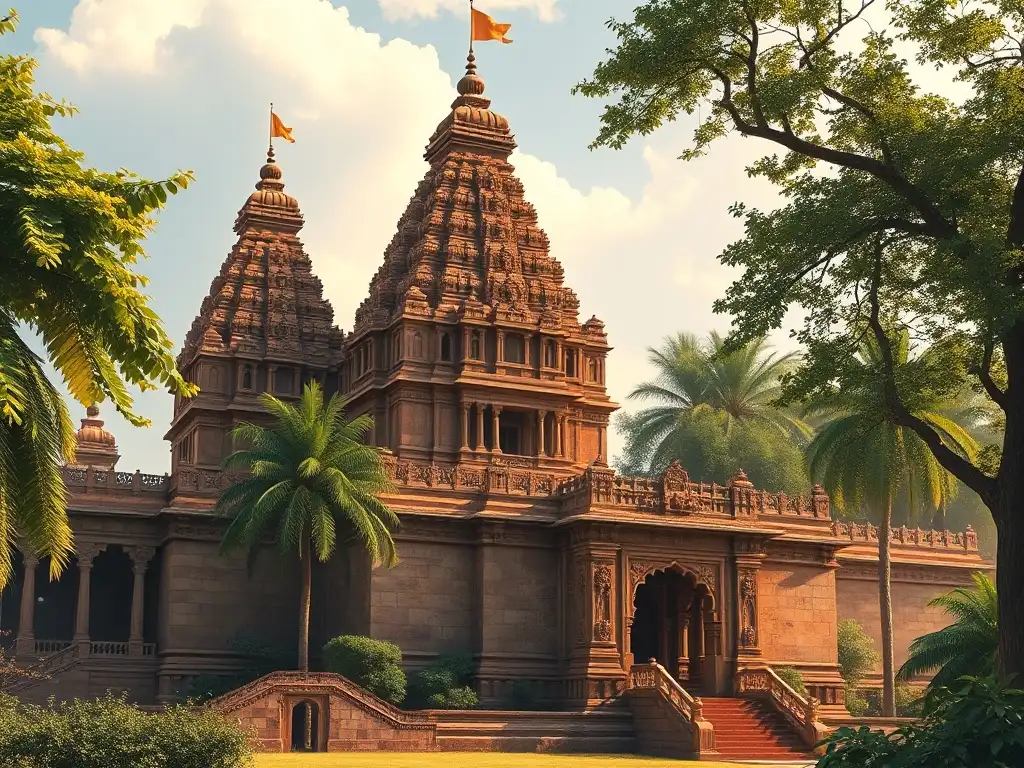
Ancient Indian architecture is notable for its innovative and diverse use of local materials that were readily available in the surrounding environment. These materials not only defined the aesthetic and structural qualities of the buildings but also reflected the cultural and regional identities of the civilizations that produced them. Among these materials, stone and wood stand out as fundamental components in the construction of temples, forts, and residential buildings across various ancient Indian civilizations.
Stone as a Fundamental Material
Stone has been a cornerstone of ancient Indian architecture, providing durability and strength to structures that have withstood the test of time. The choice of stone varied according to the geographical region, availability, and the specific architectural style being pursued.
Types of Stones Commonly Used
The diversity of stones used in ancient Indian architecture is vast, with several types being favored for specific purposes:
- Granite: Known for its hardness and durability, granite was extensively used in temple constructions, especially in South India. Its ability to withstand weathering made it ideal for monumental structures.
- Sandstone: This material was commonly used in Northern India, particularly in the construction of forts and palaces. It is easier to carve than granite, allowing intricate designs and sculptures.
- Limestone: Utilized primarily in the central regions, limestone was often used for decorative elements due to its softer texture, which facilitated detailed carvings.
- Laterite: A locally abundant material, laterite was used extensively in Western India. It was favored for its unique reddish hue and ease of quarrying.
Techniques for Quarrying and Shaping Stones
The methods employed for quarrying and shaping stones were crucial in determining the architectural outcomes. Ancient Indian builders utilized a range of techniques:
- Quarrying: The extraction of stone was done manually, using tools made from harder materials. Workers would create horizontal and vertical cuts to detach blocks from the quarry.
- Shaping: Once quarried, stones were shaped using chisels and hammers. Techniques like pecking and grinding were employed to smooth the surfaces and create desired forms.
- Transporting: Large stone blocks were transported using wooden sledges and rollers, often aided by manpower and animal power, demonstrating the ingenuity of ancient engineering practices.
Wood in Ancient Indian Construction
Wood also played a significant role in ancient Indian architecture, especially in regions where timber was abundant. It was used in various forms, from structural beams to decorative elements.
Types of Timber Utilized
Different types of timber were chosen based on their properties and availability:
- Teak: Highly valued for its durability and resistance to decay, teak was often used in temples and palatial structures.
- Sal: Known for its strength, sal wood was commonly used for beams and pillars, particularly in Northern India.
- Pine: In the hilly regions, pine wood was utilized for its availability and lightweight nature, suitable for roofing and flooring.
Joinery Techniques in Ancient Structures
The joinery techniques used in ancient Indian wooden structures were sophisticated, ensuring stability and longevity:
- Mortise and Tenon Joints: This technique involved fitting a tenon (a projection) into a mortise (a cavity), creating a strong connection between wooden elements.
- Dovetail Joints: Used for their resistance to pulling apart, dovetail joints were often employed in furniture and decorative woodwork.
- Bracing: Wooden beams were often reinforced with diagonal bracing to enhance structural stability, particularly in areas prone to seismic activity.
The use of local materials such as stone and wood in ancient Indian architecture not only highlights the ingenuity of ancient builders but also underscores the importance of sustainability and resourcefulness in construction practices. These elements, combined with advanced engineering techniques, laid the foundation for the remarkable architectural heritage that continues to inspire modern architecture today.
Clay and Mud in Architectural Design
Clay and mud have been pivotal in the architectural landscape of ancient India, serving as primary building materials for various structures. Their abundance and malleability made them ideal for construction, allowing artisans and architects to create intricate designs and durable edifices. The use of clay and mud dates back to the Indus Valley Civilization, where it was utilized for constructing homes, public buildings, and drainage systems. These materials not only provided structural integrity but also contributed to the thermal regulation of the buildings, keeping interiors cool during hot summers and warm in winters.
In addition to their practical benefits, clay and mud offered aesthetic versatility. Builders could easily mold these materials into various shapes, enabling the creation of decorative elements such as terracotta sculptures, intricate wall designs, and even intricate pottery that adorned homes and temples. The regional variations in clay and mud also led to unique architectural styles, reflecting the local culture and environment.
Moreover, the sustainability of clay and mud as building materials aligns with modern principles of eco-friendly construction. Ancient Indian architects recognized the importance of using locally sourced materials, which minimized transportation costs and ecological impact. This practice of utilizing local resources is a testament to the ingenuity of ancient civilizations in harmonizing their architecture with the surrounding environment.
Types of Clay Used in Ancient Buildings
Various types of clay were utilized in ancient Indian architecture, each with distinct properties and uses. The primary types include:
- Alluvial Clay: This type of clay, found in river valleys, was prized for its fine texture and plasticity. It was extensively used in making bricks and pottery, particularly in the fertile regions of the Ganges and Indus rivers.
- Black Cotton Soil: Rich in nutrients, this clay was primarily used in rural architecture. Its high swelling capacity made it suitable for constructing mud houses that could withstand the local climate.
- Kaolin: Known for its whiteness and fine quality, kaolin was often used in the production of ceramics and decorative elements in temples. Its ability to be fired at high temperatures made it ideal for pottery that required durability.
- Red Clay: Common in many regions, red clay was used for making bricks and tiles. Its natural color added a distinctive aesthetic to structures, while its availability made it a favored choice for local builders.
Each type of clay not only played a functional role but also contributed to the visual identity of ancient Indian architecture, making it a vital component in the construction of temples, homes, and public buildings.
Innovations in Mud Construction Techniques
Ancient Indian civilizations demonstrated remarkable innovation in mud construction techniques that have influenced modern practices. Some noteworthy innovations include:
- Stabilized Mud Blocks: This technique involved mixing mud with natural fibers or lime to enhance the strength and durability of mud blocks. This form of construction was particularly effective in regions prone to monsoon rains, as it improved the water resistance of structures.
- Wattle and Daub: A traditional method that involved creating a framework of wooden sticks (wattle) which was then filled with a mixture of mud and straw (daub). This technique provided insulation and was widely used in rural housing.
- Mud Plastering: Ancient builders perfected the art of plastering walls with a mud mixture to create smooth, aesthetically pleasing surfaces. This not only added beauty but also provided a protective layer against the elements.
- Earth Architecture: Techniques such as rammed earth and adobe construction emerged, allowing builders to create robust walls using compacted earth. This provided thermal mass, benefiting energy efficiency in buildings.
These innovations highlight the ingenuity of ancient Indian architects in utilizing local materials not just for structural purposes but also to enhance the comfort, aesthetics, and sustainability of their built environments. The legacy of these techniques continues to inspire contemporary sustainable architecture in India and beyond.
Regional Variations in Architectural Materials
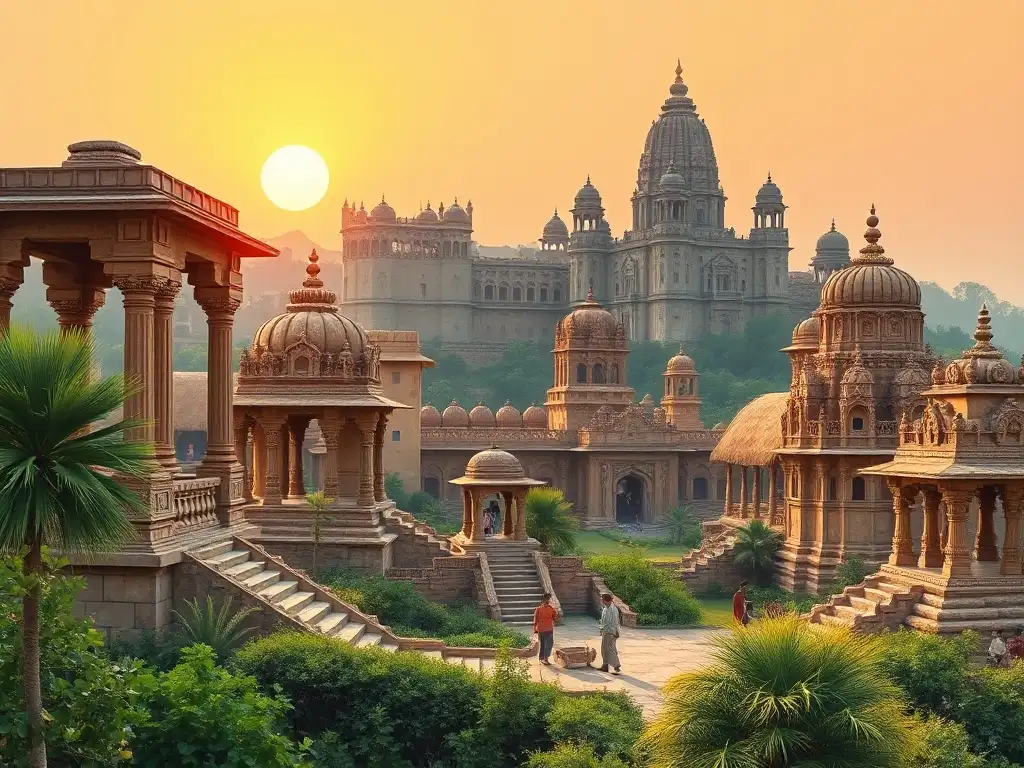
The architectural landscape of ancient India was profoundly shaped by the availability of local materials, influenced by the region’s geography, climate, and culture. From the grandeur of temples to the robust fortifications, the choice of materials was not only practical but also symbolic, reflecting the ethos and environment of the communities that built them.
The Influence of Geography on Material Selection
Geography played a pivotal role in determining the types of materials used in ancient Indian architecture. The diverse landscapes—from the snow-capped Himalayas in the north to the coastal plains in the south—offered a variety of resources that were harnessed by local builders.
Northern India: Himalayan Stones and Terai Timber
In Northern India, particularly in the regions bordering the Himalayas, the abundance of stone such as granite, slate, and limestone was extensively utilized. The durability of these materials made them ideal for constructing temples and forts.
- Granite: This hard stone was favored for its strength and ability to withstand the test of time. Temples such as the Brihadeeswarar Temple in Tamil Nadu showcase exquisite granite carvings.
- Slate and Limestone: Used for both structural and decorative purposes, these materials were locally sourced from the Terai region, allowing for efficient construction processes.
Additionally, timber from the Terai forests was commonly used in roofing and interior structures, providing a contrast to the stone exteriors.
Southern India: Granites and Laterite
Southern India presented a different material palette, prominently featuring:
- Granites: This region is rich in granite deposits, which were not only utilized for temples but also for palatial structures. The Meenakshi Temple in Madurai exemplifies the intricate use of granite in both structures and sculptures.
- Laterite: Known for its ease of extraction and workability, laterite was used extensively in building homes and fort walls. Its reddish hue added a distinctive character to the architecture of places like Fort Kochi.
The choice of materials in Southern India was deeply influenced by the availability of local resources, ensuring that structures were sustainable and in harmony with the environment.
Cultural Impacts on Material Use
The use of materials in ancient Indian architecture was not only functional but also steeped in cultural meanings and practices. Various materials were often imbued with religious significance or were a testament to local craftsmanship.
Religious Significance of Certain Materials
Certain materials were chosen for their spiritual connotations or their association with specific deities. For instance:
- Marble: Frequently used in temples, marble symbolized purity and was often selected for structures dedicated to gods. The famous Taj Mahal, made of white marble, is a prime example of this practice, reflecting not only beauty but also a connection to divinity.
- Wood: In many cultures, wood was considered sacred. Temples like the Jagannath Temple in Puri incorporated wood not only for structural elements but also for intricate carvings that depicted religious narratives.
Local Craftsmanship and Material Availability
The craftsmanship of local artisans was crucial in the effective use of architectural materials. Each region developed unique styles based on the materials available:
- Stone Carving: In regions with abundant stone, such as Rajasthan, artisans honed their skills in intricate stone carving, creating detailed facades and sculptures.
- Brick Making: In the fertile plains of the Indus Valley, skilled craftsmen produced standardized baked bricks, which were essential for urban planning and construction, as seen in the ruins of Mohenjo-Daro.
The integration of local craftsmanship with the available materials led to the emergence of distinct architectural styles, showcasing the ingenuity and adaptability of ancient Indian builders.
The exploration of ancient Indian architectural materials unveils a rich tapestry of regional variations influenced by geography and culture. This interplay not only facilitated practical construction techniques but also fostered a unique architectural identity that continues to inspire and inform modern practices.
Techniques of Incorporating Local Materials
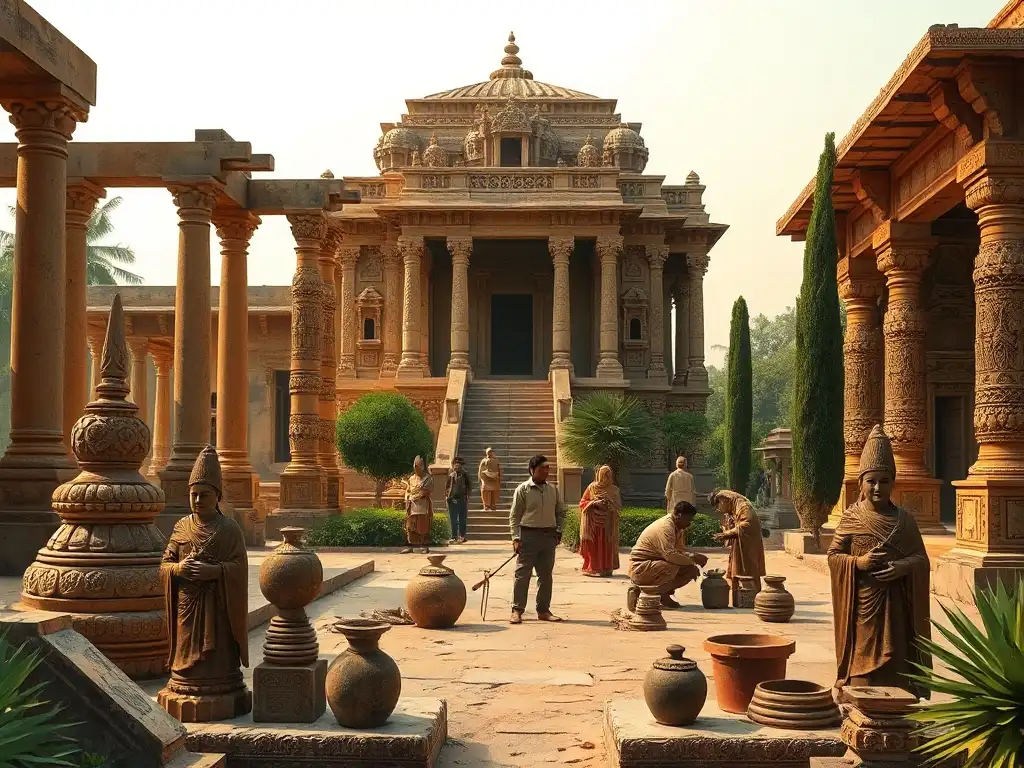
Traditional Construction Techniques
Ancient Indian architecture is renowned for its innovative use of local materials, reflecting the environmental context and cultural preferences of the time. The construction techniques employed varied significantly across regions due to the availability of resources, climatic conditions, and the distinct architectural styles that evolved. The integration of local materials not only enhanced the structural integrity of buildings but also contributed to their aesthetic appeal.
Use of Interlocking Stones
One of the hallmark techniques of ancient Indian architecture is the use of interlocking stones, particularly in temples and fortifications. This method involved shaping stones to fit together without the need for mortar, creating a stable and durable structure.
- Advantages:
- Seismic Resistance: The interlocking mechanism allows for flexibly, making structures more resilient during earthquakes.
- Natural Aesthetics: The visible joints in stonework often added to the beauty of the architectural design.
For example, the Khandariya Mahadeva Temple in Khajuraho showcases exquisite interlocking stone craftsmanship, which has withstood the test of time.
Natural Insulation with Local Materials
The ancient builders also harnessed local materials for thermal insulation. Structures were often designed to adapt to the local climate, utilizing materials that provided natural cooling or heating.
- Examples of Materials:
- Mud and Clay: Commonly used in rural architecture, mud offers excellent thermal mass, keeping interiors cool in the summer and warm in the winter.
- Thatched Roofs: Made from locally sourced grasses, these roofs provided effective insulation while being eco-friendly.
This approach is evident in the traditional wattle and daub construction, where a framework of wooden strips was filled with mud or clay, creating energy-efficient homes.
Innovations in Material Usage
As civilizations evolved, so did the techniques and materials used in construction. Innovations in material usage during ancient times played a significant role in enhancing the functionality and aesthetic appeal of buildings.
Blending Materials for Structural Integrity
Ancient Indian architects often experimented with blending various local materials to achieve greater strength and durability.
- Composite Materials:
- Brick and Lime Mortar: The combination of fired bricks with lime mortar created robust walls, as seen in the Indus Valley Civilization.
- Stone and Timber: In areas with abundant forests, the integration of timber beams with stone walls provided both structural support and flexibility.
This innovative blending is exemplified in the Ajanta Caves, where rock-cut architecture showcases the effective use of local stone in combination with other materials to create intricate designs and stable structures.
Decorative Techniques with Local Resources
The artistic expression in ancient Indian architecture was often achieved through the use of local materials for decorative purposes.
- Material Choices:
- Carved Stone: Local stones were intricately carved to depict deities, flora, and fauna, enhancing the spiritual ambiance of temples.
- Terracotta and Plaster: These materials were widely used for embellishing façades and interiors, providing a unique aesthetic quality that resonated with local culture.
The Sun Temple at Konark is a stunning example, where the use of intricately carved stone not only served functional purposes but also conveyed rich cultural narratives through art.
By focusing on local materials, ancient Indian architects not only demonstrated ingenuity but also created structures that resonated with their environment and culture. These techniques and innovations laid the foundation for architectural practices that continue to inspire modern construction.
Case Studies of Ancient Indian Structures Using Local Materials
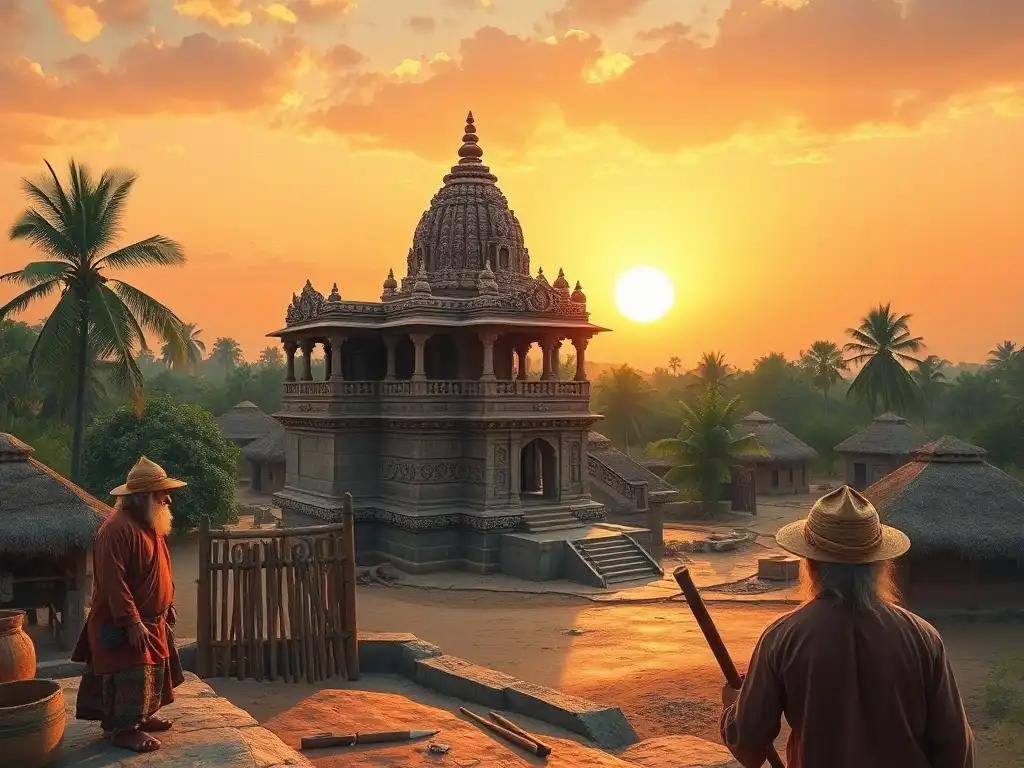
Examining the architectural marvels of ancient India reveals a profound understanding of local materials and their integration into design. This section highlights notable examples that utilized locally sourced materials, showcasing the ingenuity of ancient Indian architects while also emphasizing the significance of sustainability in their construction practices.
The Great Stupa at Sanchi
The Great Stupa, located in Sanchi, Madhya Pradesh, is one of the oldest stone structures in India and a pinnacle of Buddhist architecture. Constructed around the 3rd century BCE, the stupa is primarily made of local sandstone, which was abundant in the region.
- Material Characteristics:
- Sandstone: The use of sandstone not only provided structural integrity but also allowed for intricate carvings that adorn the stupa. The fine grain of the stone enabled artisans to achieve detailed relief sculptures representing various aspects of Buddhist teachings and narratives.
- Architectural Features:
- The hemispherical dome symbolizes the universe and is surrounded by a circular walkway (pradakshina patha). The stupa's design reflects the principles of Buddhist cosmology, integrating local materials into a spiritual narrative.
- Cultural Significance:
- Sanchi is recognized as a UNESCO World Heritage Site, reflecting its historical and cultural importance. The choice of local materials not only showcased the craftsmanship of the era but also emphasized harmony with the surrounding environment.
The Temples of Khajuraho
The Khajuraho temples, known for their stunning sculptures and intricate carvings, were built between 950 and 1050 CE during the Chandela dynasty. The temples predominantly feature local granite and sandstone, which were readily available in the region.
- Material Characteristics:
- Granite: This durable material allowed the builders to create elaborate structures that have withstood the test of time. The hardness of granite also provided a perfect surface for intricate carvings, which depict a variety of themes, including mythology, daily life, and sensuality.
- Sandstone: The softer sandstone was used for detailed sculptures, providing a contrasting texture that enhanced the visual appeal of the temples.
- Architectural Features:
- The temples are characterized by their Shikhara (spire), which rises majestically, symbolizing the sacred Mount Meru. The intricate erotic sculptures on the outer walls serve not only as aesthetic embellishments but also embody the philosophy of life and love in ancient Indian culture.
- Cultural Significance:
- Khajuraho is another UNESCO World Heritage Site, attracting scholars and tourists alike. The temples exemplify the integration of local materials into an architectural style that reflects the cultural values and artistic achievements of their time.
Forts of Rajasthan: A Study in Local Stone and Design
The forts of Rajasthan, including the iconic Amber Fort, Jaipur City Palace, and Mehrangarh Fort, serve as magnificent examples of the use of local stone in robust architectural designs.
- Material Characteristics:
- Red Sandstone: Predominantly used in Amber Fort, this locally sourced material not only provided strength but also added a warm aesthetic to the structures. The material's natural hue blended seamlessly with the arid landscape of Rajasthan.
- Limestone: Many forts also utilized limestone, which was both durable and easy to work with, allowing for elaborate carvings and decorative elements.
- Architectural Features:
- The forts exhibit a blend of Rajput and Mughal architectural styles, characterized by high walls, intricate jali (lattice) work, and expansive courtyards. These features not only provided defense but also allowed for ventilation in the hot desert climate.
- Cultural Significance:
- The forts are emblematic of Rajasthan's rich history and the strategic importance of its architecture. They served as royal residences, military strongholds, and administrative centers, showcasing the ingenuity of ancient engineers who maximized local resources.
The use of local materials in ancient Indian architecture not only reflects the available resources but also illustrates the creativity and adaptability of the builders. These case studies provide a glimpse into how ancient Indian civilizations harmonized their structures with the environment, leaving a lasting legacy of architectural brilliance.
Conclusion
Summary of the Significance of Local Materials
The use of local materials in ancient Indian architecture was not merely a practical choice but a profound reflection of the civilization's relationship with its environment. These materials—ranging from clay and stone to wood and metal—were selected based on their availability, durability, and suitability for the specific climatic conditions of each region. This approach not only minimized transportation costs but also fostered a deep connection between the structures and the landscapes they inhabited.
The significance of local materials can be categorized into several key aspects:
- Sustainability: Utilizing locally sourced materials ensured that the architectural practices were environmentally sustainable. This minimized the ecological footprint and promoted the use of renewable resources.
- Cultural Identity: Each region in ancient India developed its unique architectural style, heavily influenced by the local materials available. This led to a rich tapestry of architectural heritage that reflects the diverse cultures and traditions across the subcontinent.
- Adaptability: Local materials allowed for adaptations based on geographical and climatic variations. For instance, mud and thatch were commonly used in the arid regions of Rajasthan, while granite and marble were favored in the cooler climates of the north.
- Technological Innovation: The need to optimize local materials led to innovative construction techniques. For instance, the use of interlocking brick systems in the Indus Valley Civilization showcases the ingenuity in design that arose from material limitations.
The Legacy of Ancient Indian Architectural Materials in Modern Construction
The legacy of ancient Indian architectural materials continues to influence modern construction practices, both within India and globally. Several contemporary architects and builders are now revisiting these time-tested methods and materials, recognizing their benefits in sustainable design.
- Natural Materials: The resurgence of interest in natural materials like clay, stone, and timber echoes ancient practices. These materials not only offer aesthetic appeal but also enhance thermal efficiency and air quality.
- Eco-Friendly Techniques: Techniques such as rammed earth construction and the use of mud as a primary material are being integrated into modern architecture, promoting sustainability and reducing waste.
- Cultural Revival: There is a growing movement towards reviving traditional architectural styles that utilize local materials, which not only honors the rich heritage but also supports local economies by sourcing materials regionally.
- Resilience: The adaptability of ancient construction methods, which were designed to withstand local climatic conditions over centuries, provides valuable insights into creating resilient structures that can endure the challenges of contemporary environmental changes.
The exploration of ancient Indian architectural materials reveals not only the ingenuity of past civilizations but also offers a roadmap for sustainable and culturally relevant construction practices today. By embracing these materials and techniques, modern architects can create buildings that are not only functional but also deeply rooted in the heritage of their surroundings.
References

The study of ancient Indian architectural materials offers invaluable insights into the engineering and construction techniques of the time. The use of local materials not only reflects the availability of resources but also showcases the ingenuity of ancient builders. Below are essential resources that provide a deeper understanding of this subject.
Suggested Readings on Ancient Indian Architecture
-
"Architecture of the Indian Subcontinent" by James C. Harle
This comprehensive guide covers various architectural styles and materials used throughout Indian history, detailing the significance of local resources in construction.
-
"The Indus Valley Civilization: An Illustrated Guide" by Jonathan Mark Kenoyer
An essential read for understanding the early architectural practices in the Indus Valley, including the use of mud bricks and other locally sourced materials.
-
"Indian Temples: What They Are and How to Visit Them" by N. S. Ramesh
This book explores the architectural features of Indian temples, highlighting local stone and wood materials used in their construction.
-
"The Architecture of Mughal India" by Catherine Asher
An analysis of Mughal architecture that emphasizes the adaptation of local materials such as red sandstone and white marble.
-
"The Hindu Temple: An Introduction to Its Meaning and Forms" by George Michell
This work examines the materials and techniques used in temple construction, focusing on local stone and clay.
Academic Journals and Articles on Local Materials in Construction
-
"Local Materials in Indian Architecture: A Historical Perspective"
This article discusses various local materials employed across different periods in Indian architecture, analyzing their properties and cultural significance.
-
"The Sustainability of Ancient Indian Architectural Practices"
A research paper that examines how the use of local materials contributed to sustainable building practices in ancient India.
-
"Material Culture and Architectural Techniques in Ancient India"
This journal article provides a detailed study of the types of materials used, their sources, and the technology involved in ancient construction methods.
-
"The Role of Geography in Ancient Indian Architecture"
This paper highlights how geographical diversity influenced the selection of materials in different regions of ancient India.
-
"Indigenous Building Materials and Techniques in the Gupta Period"
Focusing on the Gupta Empire, this article explores the specific materials utilized in construction and their impact on architectural styles.
By delving into these resources, readers can gain a comprehensive understanding of the local materials that played a vital role in shaping ancient Indian architecture and its enduring legacy.
Frequently Asked Questions
What were the primary architectural materials used in ancient Indian structures?
Ancient Indian architecture predominantly utilized local materials such as stone, bricks, wood, and clay. These materials were selected based on their availability and suitability for the region's climate.
How did the geography influence material selection in ancient India?
The geography of ancient India played a crucial role, as builders used locally sourced materials that were abundant in their respective regions, such as granite in South India and sandstone in North India.
What are some examples of ancient Indian architecture that showcase these local materials?
Notable examples include the Indus Valley Civilization structures, which featured mud bricks, and the Gupta Empire temples, which often used sandstone and intricate carvings made from local stone.
How did the use of local materials impact the durability of ancient structures?
The choice of local materials greatly enhanced the durability of ancient structures, as they were adapted to withstand the local climate and environmental conditions, allowing many to survive for centuries.
What role did craftsmanship play in the use of these materials?
Craftsmanship was vital in ancient Indian architecture, as skilled artisans utilized local materials to create intricate designs and structures, showcasing both aesthetic beauty and functional strength.
Final Reflection: Embracing the Legacy of Ancient Indian Architectural Materials
The use of local materials in ancient Indian architecture is not just a historical curiosity; it is a profound testament to the ingenuity and adaptability of our ancestors. In a world increasingly dominated by globalization and uniformity, the wisdom embedded in these traditional practices serves as a reminder of the importance of sustainability and cultural identity. The architectural marvels of ancient India, crafted from locally sourced materials, stand as enduring symbols of harmony between human creativity and the natural environment.
The influence of ancient Indian architectural materials extends far beyond their physical presence; they shape our cultural narrative and identity. The intricate designs and sustainable practices of these structures continue to inspire modern architects and builders, urging us to reconsider our own approaches to construction and design. As Mahatma Gandhi once said, “The best way to find yourself is to lose yourself in the service of others.” This sentiment resonates deeply within the context of architecture, where the service to the community and the environment is paramount.
> “Architecture should speak of its time and place, but yearn for timelessness.” – Frank Gehry. This quote encapsulates the essence of ancient Indian architecture, where local materials were not merely resources but integral components of a living, breathing cultural expression.
As we reflect on the lessons from ancient Indian architectural materials, let us challenge ourselves to incorporate these principles into our lives today. Consider how you can embrace local resources, honor cultural heritage, and contribute to sustainable practices in your own community. Whether through supporting local artisans, advocating for environmentally friendly building practices, or simply appreciating the beauty of our surroundings, each of us has the power to carry forward the legacy of ancient wisdom. Together, we can build a future that respects the past while nurturing the present and future generations.
Unveil the Beauty of Ancient Indian Architecture!
Thank you for diving into the fascinating world of local materials in ancient Indian architecture! You've explored how these elements not only define the aesthetics but also the cultural identity of historical sites. Now, it's time to take that knowledge and transform it into action!
Here are a few ways you can engage further with this enriching topic:
- Explore a Nearby Historical Site: Visit a local historical site that showcases traditional architecture. Pay close attention to the materials used and reflect on their significance.
- Start a Discussion: Share your insights about ancient architecture in community forums or on social media. Your thoughts could spark a conversation that inspires others to appreciate our rich cultural heritage.
- Create a DIY Project: Incorporate materials reminiscent of ancient techniques in a small home project. Whether it’s crafting a garden path or a decorative piece, bring that legacy into your living space!
As you reflect on the intricate designs and sustainable practices of the past, consider this: How can we incorporate ancient techniques into modern architecture to preserve our heritage?