
The Interplay of Religion and Politics in Southern India's History

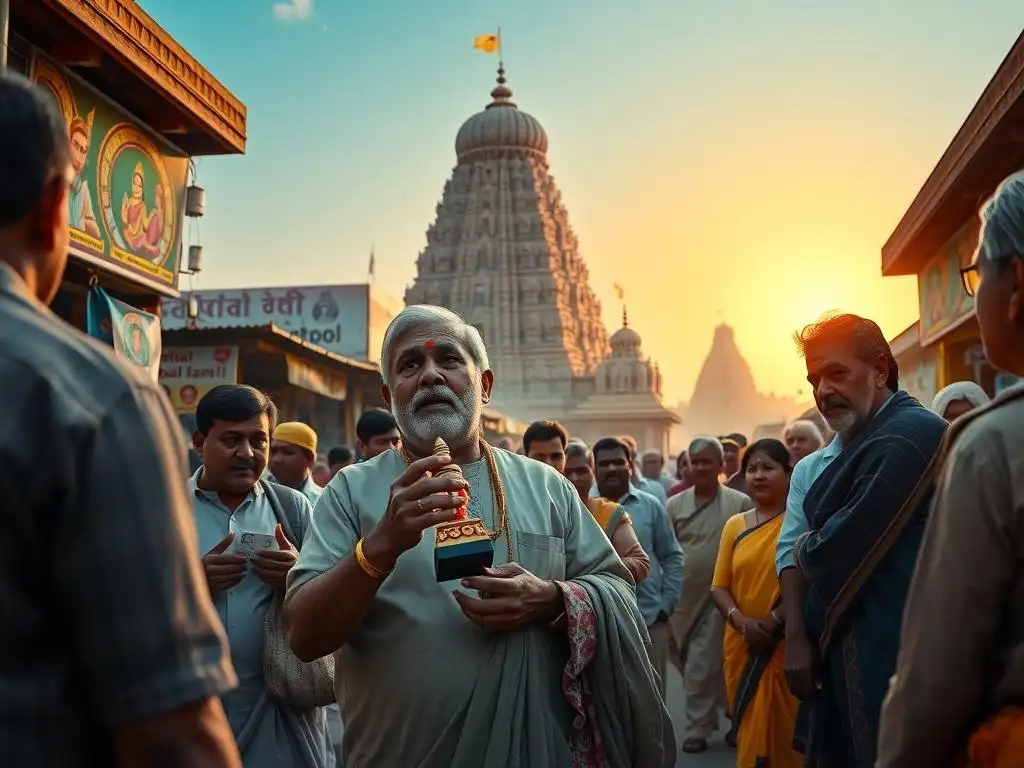
Welcome to Ancient India History, where we embark on a fascinating journey through time to uncover the rich tapestry of civilizations that flourished in the Indian subcontinent. In our featured article, The Interplay of Religion and Politics in Southern India's History, we delve into how spiritual beliefs shaped governance and societal structures, reflecting a unique blend of power and faith.
As you explore this intricate relationship, prepare to uncover how these dynamics have influenced Southern India's vibrant culture and legacy. Join us as we unravel the stories that have shaped a region steeped in history, inviting you to delve deeper into the past and discover its enduring impact on the present.
Introduction to Religion and Politics in Southern India
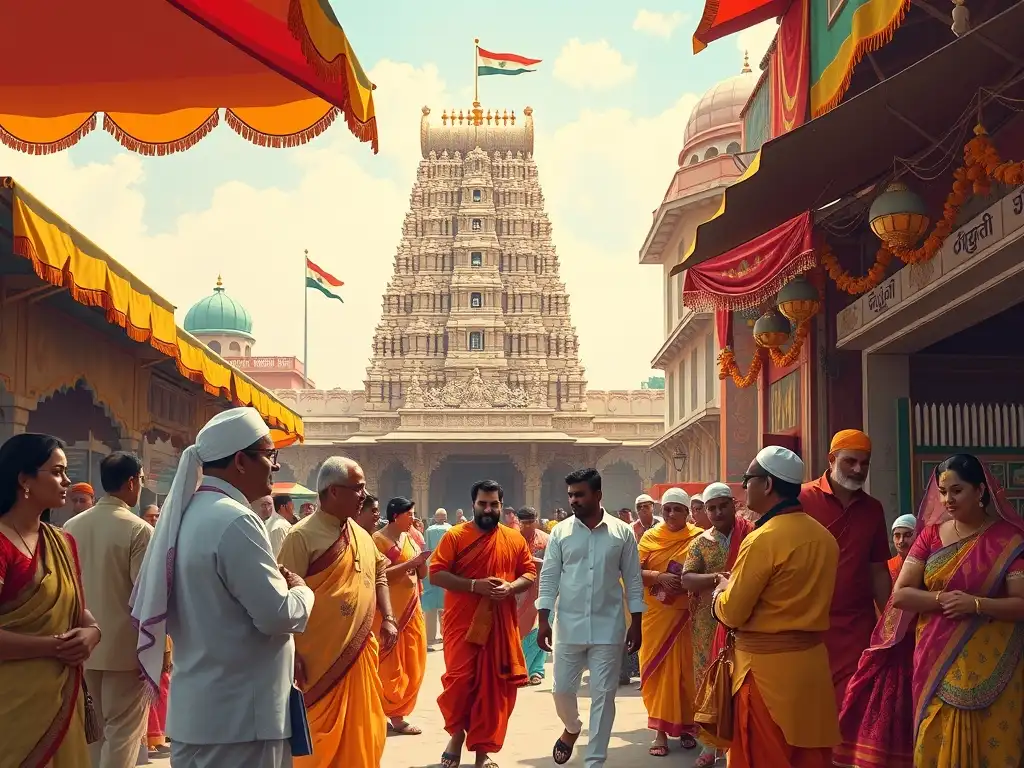
The intricate relationship between religion and politics has shaped the historical landscape of Southern India for centuries. This dynamic interplay has not only influenced governance and statecraft but has also played a pivotal role in the social fabric of the region. From the ancient kingdoms of the Indus Valley to the flourishing empires of the Gupta period, the role of religion in political affairs has been paramount. Understanding this interconnection provides essential insights into the historical trajectory of Southern India, revealing how faith has been both a unifying and divisive force in the region's governance.
Overview of Southern India's Historical Context
Southern India boasts a rich tapestry of history marked by diverse cultures, languages, and religions. The three major historical periods—ancient, medieval, and modern—each showcase unique political structures, influenced by prevailing religious beliefs. Major dynasties such as the Cholas, Pandyas, and Vijayanagara Empire not only engaged in territorial expansion but also utilized religion as a means of consolidating power and legitimizing their rule.
- Key Aspects:
- Geographical Diversity: Encompasses coastal plains, mountain ranges, and river valleys that have influenced settlement patterns and political organization.
- Cultural Syncretism: The blending of various religious practices, including Hinduism, Buddhism, Jainism, and later Islam, has contributed to a unique political identity.
- Trade and Cultural Exchange: Southern India's strategic location facilitated trade, leading to the influx of ideas and the establishment of religious institutions that shaped governance.
Importance of Religion in Southern Indian Politics
Religion has historically served as a critical pillar in the political domain of Southern India. Rulers often aligned themselves with religious institutions to gain legitimacy and authority. Temples were not merely places of worship; they were also centers of power and influence, often acting as conduits between the rulers and the populace.
- Functions of Religion in Politics:
- Legitimization of Authority: Kings often claimed divine right or were seen as incarnations of deities, enhancing their credibility.
- Social Cohesion: Religious festivals and rituals fostered community solidarity, which rulers leveraged to maintain order and allegiance.
- Economic Control: Temples played significant economic roles, managing land and resources, which contributed to the rulers' wealth and power.
Historical Evolution of Religious Influence on Politics
The historical evolution of religion's influence on politics in Southern India can be categorized into three distinct periods, each reflecting the changing dynamics of power and belief.
Ancient Period: The Role of Religions in Early Kingdoms
During the ancient period, various kingdoms emerged, each adopting and promoting specific religious ideologies. Hinduism was predominantly practiced, with rulers often engaging in temple construction and patronage to assert their dominance.
- Key Developments:
- Temple Architecture: The construction of grand temples served not only as places of worship but also as symbols of political power.
- Political Alliances: Marriages and treaties between kingdoms often involved religious undertones, enhancing ties through shared beliefs.
Medieval Period: Religion as a Tool for Political Legitimacy
The medieval era saw the rise of powerful empires such as the Vijayanagara, where religion became a central tool for political legitimacy. Rulers employed religious narratives to justify conquests and governance.
- Strategies Used:
- Patronage of Saints and Scholars: Support for religious leaders helped solidify a ruler's influence over both spiritual and temporal matters.
- Religious Tolerance and Conflict: While some rulers promoted inclusivity, others faced challenges from rival religious groups, leading to conflicts that shaped political landscapes.
Modern Era: The Intersection of Religious Movements and Political Change
In the modern era, the relationship between religion and politics in Southern India evolved further, with the rise of nationalist movements and the impact of colonialism. Religious identities became intertwined with political aspirations, leading to significant social and political change.
- Notable Trends:
- Emergence of Religious Movements: Leaders harnessed religious sentiments to mobilize the masses for independence and social reform.
- Post-Colonial Politics: The post-independence period witnessed the continued influence of religious organizations in shaping regional politics, impacting party dynamics and electoral strategies.
Through these periods, it becomes evident that the interplay of religion and politics has been a defining feature of Southern India's history, shaping its identity and governance structures in profound ways.
Major Religions Influencing Southern India
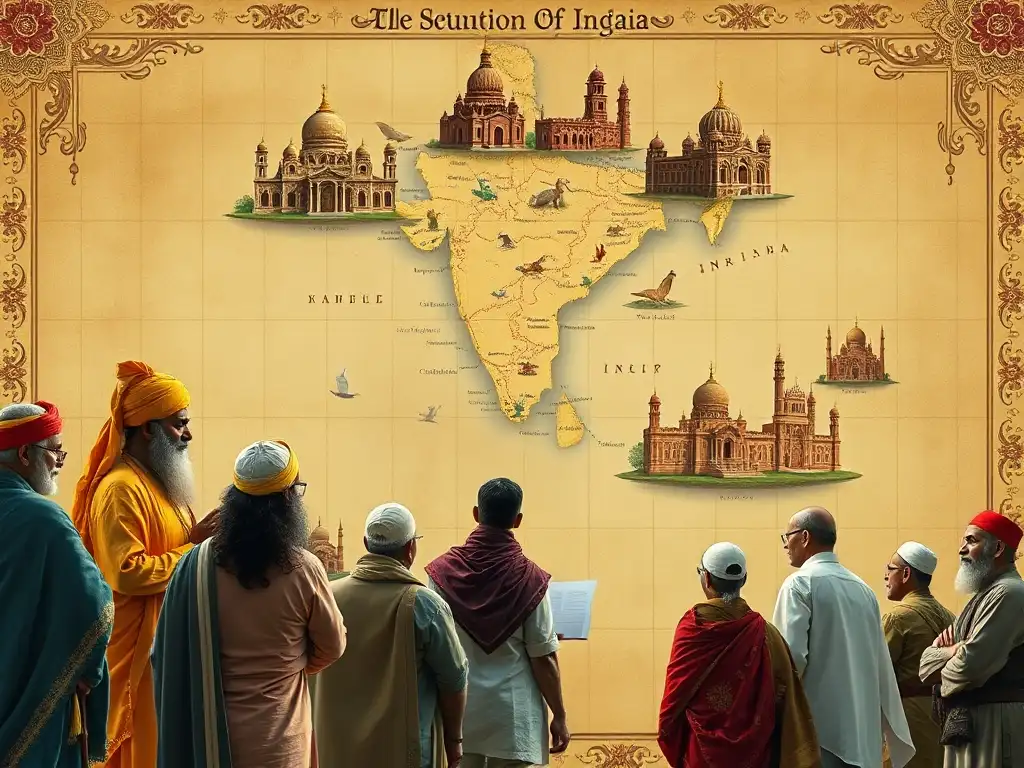
Southern India has been a crucible of diverse religious practices, each contributing uniquely to the socio-political landscape. The major religions that have influenced this region include Hinduism, Buddhism, and Jainism. Each of these faiths not only shaped cultural norms and practices but also provided frameworks for governance and political ideology. Understanding their interplay with politics reveals how religion was often harnessed to legitimize authority, establish social order, and mobilize communities.
Hinduism and Its Political Dimensions
Hinduism has been a predominant force in shaping the political landscape of Southern India. The religion's rich tapestry of beliefs, rituals, and texts, such as the Vedas and the epics of the Mahabharata and Ramayana, have not only guided personal spirituality but also informed governance. Kings often claimed divine right to rule, citing their connection to deities and their role as protectors of dharma (moral order).
The temple architecture from various dynasties, particularly during the Chola and Pandya periods, illustrates the intertwining of state and religion. Temples functioned not only as places of worship but also as administrative centers. They played a crucial role in the economy through land grants and donations, which were often used to support the ruling elite. This relationship between Hinduism and politics fostered a system where religious authority bolstered political power, and vice versa.
Buddhism's Impact on Political Structures
Buddhism, while less dominant than Hinduism, made significant contributions to the political framework of Southern India, especially during the early centuries CE. The Mauryan Emperor Ashoka's embrace of Buddhism marked a pivotal moment, where he used the religion to promote ethical governance and non-violence. His edicts, inscribed on pillars and rocks, emphasized moral values and social welfare, showcasing how religion could be a tool for political legitimacy.
In Southern India, Buddhist monasteries often served as centers of education and governance, influencing local politics. The presence of Buddhist rulers, such as those from the Kadamba dynasty, highlighted the adaptability of Buddhism within the political realm. This interdependence allowed for a unique political structure that valued compassion and ethical governance, setting a precedent for future rulers.
Jainism's Contribution to Political Thought
Jainism, with its emphasis on non-violence (ahimsa) and truth (satya), also influenced political thought in Southern India. Jain leaders often played pivotal roles in the courts of various dynasties, serving as advisors and ministers due to their extensive knowledge and ethical principles. The Jain concept of renunciation and asceticism resonated with many rulers, who sought legitimacy through moral authority.
The digambara and svetambara sects contributed to a diversity of thought that influenced laws and governance. Jainism's focus on environmental stewardship and sustainable governance also found relevance in the agrarian societies of Southern India, where rulers integrated these values into their policies. This symbiotic relationship between Jainism and political structures fostered a culture of ethical leadership and societal responsibility.
Case Studies of Religion and Political Dynamics
The Chola Dynasty: Religion as Statecraft
The Chola dynasty (circa 300 BCE to 1279 CE) epitomized the use of religion as a tool of statecraft. The Chola rulers, particularly Rajaraja Chola I and his son Rajendra Chola I, engaged in extensive temple building, viewing temples as symbols of political power as well as spiritual centers.
The Brihadeeswarar Temple in Thanjavur, a UNESCO World Heritage Site, not only served as a place of worship but also reflected the political ambitions of the Chola kings. The state funded these temples, which acted as hubs for economic activity and cultural exchange. Moreover, the Chola kings utilized religious festivals to reinforce their authority and gather support from the populace, effectively merging religious devotion with political allegiance.
The Vijayanagara Empire: Religious Pluralism and Political Strategy
The Vijayanagara Empire (1336–1646 CE) was characterized by its embrace of religious pluralism, which played a crucial role in its political strategy. Under rulers like Krishnadevaraya, the empire promoted various faiths, including Hinduism, Islam, and Jainism, fostering a culture of tolerance that enhanced its stability and cohesion.
The empire’s capital, Hampi, became a melting pot of cultures and religions, where temples and mosques coexisted. This religious inclusivity allowed the Vijayanagara rulers to mobilize a diverse population in their military campaigns, as they framed their political endeavors as initiatives to protect dharma. The royal patronage of different faiths also attracted scholars and artisans, enriching the cultural and intellectual life of the empire.
The Role of Bhakti Movements in Political Mobilization
The Bhakti movements, emerging around the 7th century CE, significantly impacted the political landscape of Southern India. These movements, which emphasized personal devotion to a deity over ritualistic practices, appealed to the masses and often challenged the established social order.
Saints like Ramanuja and Alvars preached messages that transcended caste barriers, empowering lower castes and marginalized communities. This grassroots mobilization had political implications, as it fostered a sense of identity and community among the oppressed, leading to social and political changes. Rulers had to engage with these movements to maintain stability, often supporting Bhakti saints to legitimize their rule and gain popular support.
The interplay of religion and politics in Southern India illustrates a complex relationship where religious ideologies shaped political structures, and political needs influenced religious practices. This dynamic has left an indelible mark on the region's history and continues to resonate in contemporary society.
The Impact of Colonialism on Religion and Politics
Colonialism profoundly transformed the religious and political landscape of Southern India, initiating a complex interplay that reshaped identities, institutions, and governance. During the British colonial period, policies were instituted that not only aimed to control the populace but also manipulated existing religious affiliations and power structures to maintain authority. The impact of colonialism can be observed through several dimensions, including the introduction of new legal frameworks, the promotion of certain religious ideologies, and the division of communities along religious lines.
The British employed a strategy of "divide and rule," which often exacerbated existing tensions among various religious groups, particularly between Hindus and Muslims. This manipulation of religious identities led to significant changes in communal relationships, fostering mistrust and rivalry. Furthermore, the colonial administration's involvement in religious matters—such as the regulation of temple practices and the patronage of certain religious institutions—altered traditional power dynamics and influenced how religion was practiced and perceived in the public sphere.
British Rule: Altering the Religious Landscape
British rule in Southern India marked a significant shift in the relationship between religion and politics. One of the most notable changes was the imposition of Western legal systems that often conflicted with indigenous customs and religious practices. For instance, the codification of laws surrounding marriage and inheritance disrupted traditional practices governed by religious texts, leading to tensions within communities.
Additionally, the British sought to categorize and define religious identities more rigidly, resulting in a more pronounced division between communities. Educational reforms and the establishment of missionary schools also played crucial roles in this transformation. They introduced new ideologies and social values that sometimes clashed with traditional beliefs, influencing a generation of young leaders and thinkers.
Religious movements, such as the reformist Hindu movements, emerged in response to colonial rule, seeking to address the challenges posed by Westernization while also appealing to nationalist sentiments. Figures like Swami Vivekananda and Arumuka Navalar sought to reinterpret Hinduism in a way that aligned with modern values, thereby reshaping the religious landscape to foster a sense of identity and unity among Hindus in the face of colonial challenges.
The Role of Religious Leaders in Independence Movements
Religious leaders played a pivotal role in the independence movements across Southern India, often acting as both spiritual guides and political leaders. Their influence was significant in mobilizing the masses and articulating the aspirations of various communities. Leaders such as Mahatma Gandhi, who emphasized the importance of non-violence and Hindu-Muslim unity, inspired a broad coalition against colonial rule.
In addition to Gandhi, several regional leaders emerged from religious backgrounds who contributed to the independence struggle. For instance, the contributions of figures like E.V. Ramasamy (Periyar), who advocated for social reform and the rights of marginalized communities, highlighted the intersection of religion and social justice within the political landscape.
Religious institutions also became centers for political activism, where leaders could rally support and foster a sense of community among followers. Temples, mosques, and churches served as venues for organizing movements, spreading nationalist ideas, and educating the populace about their rights and duties in the struggle for independence.
Contemporary Issues: Religion and Politics Today
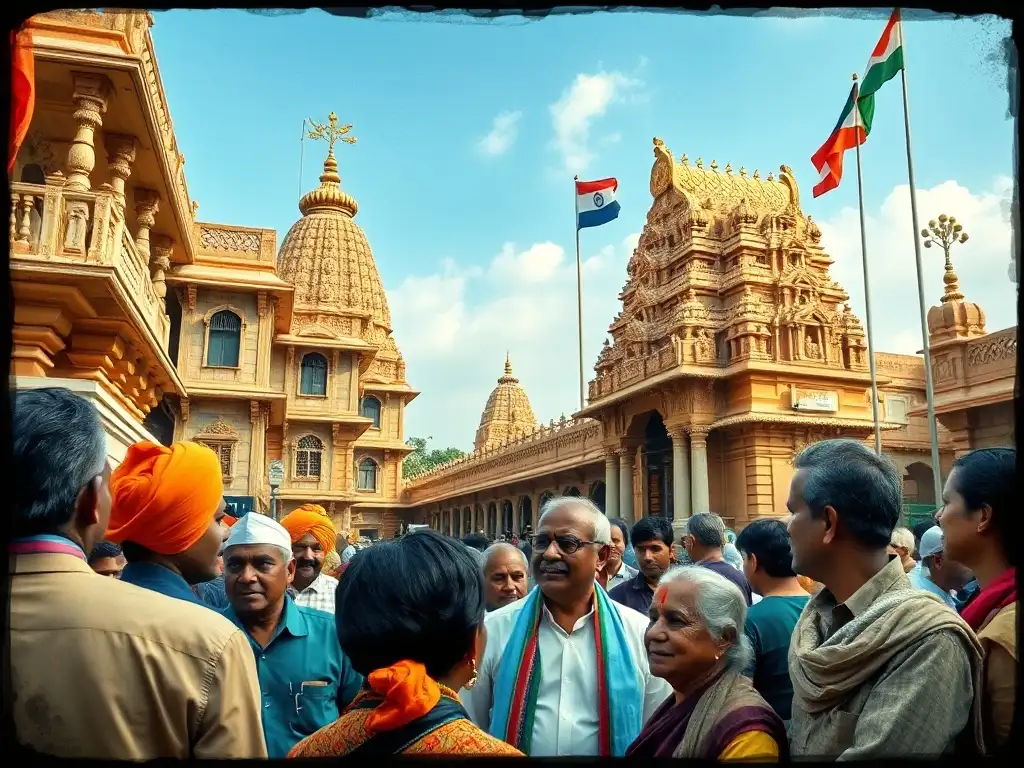
The legacy of colonialism and historical interactions between religion and politics continue to shape contemporary issues in Southern India. Today, the region grapples with the complexities of religious identities and their influence on political allegiances and governance. The dynamics of this interplay are evident in various aspects of society, including electoral politics, social movements, and inter-community relations.
Current Religious Dynamics in Southern Indian Politics
In contemporary Southern India, religion remains a significant factor in political mobilization and electoral strategies. Political parties often align themselves with specific religious communities to garner support, resulting in a landscape where religious identity heavily influences voting behavior. The rise of regional parties, such as the Dravida Munnetra Kazhagam (DMK) and the All India Anna Dravida Munnetra Kazhagam (AIADMK), has been accompanied by a focus on caste and regional identity, but religion still plays a critical role.
Additionally, issues such as temple management, pilgrimage rights, and religious festivals increasingly intersect with political agendas, leading to debates over secularism and religious freedom. The ongoing tensions between various religious communities, particularly between Hindus and Muslims in certain districts, illustrate the challenges of maintaining communal harmony in a politically charged environment.
Political Parties and Their Religious Affiliations
Political parties in Southern India often have explicit or implicit religious affiliations that shape their policies and public perceptions. For example, the Bharatiya Janata Party (BJP) has positioned itself as a champion of Hindu nationalism, appealing to the religious sentiments of the majority community. This has led to increased polarization, with some parties adopting stances that challenge the secular fabric of the state.
On the other hand, regional parties may adopt secular rhetoric while still catering to specific religious groups to secure votes. This duality complicates the political landscape, as parties navigate the expectations of their constituents while responding to broader national narratives.
The interplay between religion and politics in Southern India continues to evolve, reflecting the region's rich history and the ongoing challenges of governance in a diverse society. Understanding these dynamics is crucial for grasping the complexities of contemporary Southern Indian politics and its historical roots.
Conclusion: The Lasting Legacy of Religion and Politics in Southern India
The intricate relationship between religion and politics in Southern India has shaped the region's historical trajectory and societal structure. From the early kingdoms of the Cholas and Pandyas, who utilized religious patronage to legitimize their rule, to the consolidation of power by the Vijayanagara Empire through a blend of Hindu revivalism and military might, this interplay has been a defining feature of Southern Indian history.
The enduring influence of this relationship persists in contemporary politics, where religious identity continues to play a significant role in governance and social dynamics. Temples, rituals, and festivals not only serve as cultural touchstones but also as platforms for political mobilization. The legacy of religious influence on political authority has fostered a diverse tapestry of cultural practices that continue to thrive today.
Moreover, the historical narratives shaped by the intertwining of religion and politics have left an indelible mark on the region's identity, influencing everything from local governance to community relations. Understanding this legacy is crucial for comprehending the modern socio-political landscape of Southern India.
Summary of Key Points
- Historical Interconnections: The interplay between religion and politics has been pivotal in the governance structures of ancient Southern Indian kingdoms. Rulers often used religious legitimacy to reinforce their authority.
- Cultural Influence: Religious institutions have played a significant role in shaping cultural practices, community identities, and social hierarchies throughout Southern India's history.
- Contemporary Relevance: The legacy of religious and political interactions continues to influence modern political discourse and community organization in Southern India.
- Case Studies: Key historical events, such as the rise of the Bhakti movement and the patronage of temples by various dynasties, illustrate the profound interrelation between spiritual beliefs and political power.
Reflections on Future Implications of Religion and Politics
As Southern India continues to evolve, the implications of the historical interplay between religion and politics remain significant. Future political movements may increasingly draw upon religious sentiment to legitimize their agendas, reflecting the enduring relevance of these historical ties.
The changing demographics and the rise of new social movements may also lead to shifts in how religion and politics interact. For instance, as younger generations engage with global ideas of secularism and pluralism, traditional models may be challenged, leading to potential conflicts or collaborations between various religious and political entities.
Moreover, understanding this intricate relationship can enhance dialogue around contemporary issues, such as communal harmony and social justice, ultimately contributing to a more nuanced approach to governance in a diverse society.
References
Suggested Readings on Religion and Politics in Southern India
- "The Politics of Religious Identity in India" by A. R. Desai: This book explores how religious identities influence political affiliations in Southern India, providing historical context and contemporary analysis.
- "Temples and Politics in Medieval South India" by M. S. Krishnan: A detailed examination of the role that temple institutions played in the political landscape of medieval Southern India.
Academic Journals and Articles for Further Research
- "Journal of South Asian Studies": An academic journal that publishes research on the historical and contemporary intersections of religion and politics in the South Asian context.
- "Indian Historical Review": This journal includes articles focusing on the historical dynamics of religion and politics, particularly in Southern India, offering insights into various case studies and theoretical frameworks.
By engaging with these readings and journals, scholars and enthusiasts alike can deepen their understanding of the complex interplay of religion and politics in Southern India's rich history.
- Introduction to Religion and Politics in Southern India
- Overview of Southern India's Historical Context
- Historical Evolution of Religious Influence on Politics
- Major Religions Influencing Southern India
- Case Studies of Religion and Political Dynamics
- The Impact of Colonialism on Religion and Politics
- Contemporary Issues: Religion and Politics Today
- Conclusion: The Lasting Legacy of Religion and Politics in Southern India
- References
- What role did religion play in the politics of Southern India?
- How did the ancient kingdoms of Southern India integrate religion into their governance?
- What were the major religions in Southern India during ancient times?
- How did the Gupta Empire influence religion and politics in Southern India?
- Are there any notable examples of religious conflicts affecting politics in Southern India?
Frequently Asked Questions
What role did religion play in the politics of Southern India?
Religion greatly influenced political authority and governance, with many rulers claiming divine right or patronizing religious institutions to legitimize their rule.
How did the ancient kingdoms of Southern India integrate religion into their governance?
Ancient kingdoms, such as the Cholas and Pandyas, often used religious festivals and temple constructions as tools for political propaganda and to reinforce their power among the populace.
What were the major religions in Southern India during ancient times?
The primary religions included Hinduism, Buddhism, and Jainism, each contributing to the political landscape and social structure of the region.
How did the Gupta Empire influence religion and politics in Southern India?
The Gupta Empire promoted Hinduism as a unifying force, impacting local politics and leading to the rise of temple architecture and scholarship, which further intertwined religion with governance.
Are there any notable examples of religious conflicts affecting politics in Southern India?
Yes, inter-religious conflicts between Hindus, Buddhists, and Jains often led to significant political shifts, influencing power dynamics and territorial control during ancient times.
Final Reflection: The Enduring Dance of Religion and Politics in Southern India
The intricate relationship between religion and politics in Southern India remains profoundly relevant today, shaping societal norms and influencing governance. As we navigate an increasingly polarized world, understanding this interplay is crucial for fostering dialogue and promoting coexistence. The historical context provided in this article sheds light on how deeply embedded these dynamics are in the region's identity, reminding us that the past is never truly behind us.
The ongoing influence of religion on political landscapes in Southern India is a testament to the resilience of cultural narratives. From the rise of regional parties to the mobilization of religious communities, the echoes of history resonate in contemporary politics. Religion is not a mere accessory to politics; it is an integral part of the political fabric that shapes our society.
This observation underscores the necessity of recognizing these connections as we engage in discussions about governance and social justice.
As we reflect on the themes explored in this article, I invite you to consider your own role in this complex interplay. How can you contribute to a more inclusive dialogue that respects the diverse beliefs and values within your community? Embrace the lessons from Southern India's history to inspire a future where religion and politics coexist harmoniously, fostering understanding rather than division. The journey toward a more equitable society begins with each of us, and it is our collective responsibility to ensure that the past informs a brighter future.
Uncover the Rich Tapestry of Religion and Politics!
Thank you for diving into the intriguing interplay of religion and politics in Southern India's history! By exploring this rich theme, you've gained valuable insights into how these forces shaped the region's culture and society. Now, let's take this knowledge further and put it into action!
- Delve Deeper: Choose a significant historical figure or event from the article and research its impact on contemporary society.
- Share Your Insights: Discuss your findings with friends or on social media to spark meaningful conversations about the influence of religion and politics today.
- Join a Community: Participate in local or online forums focused on historical discussions—share your thoughts and learn from others' perspectives.
How do you think the historical relationship between religion and politics continues to shape modern Southern India?