
The Role of Spies and Intelligence in Chandragupta Maurya's Governance


Welcome to Ancient India History, where we embark on a fascinating journey through the vibrant tapestry of India's past. Dive deep into the intricate world of Chandragupta Maurya and discover how his intelligence strategies revolutionized governance during one of history's most pivotal eras. What role did espionage play in shaping the Mauryan Empire?
As you explore our latest article on The Role of Spies and Intelligence in Chandragupta Maurya's Governance, prepare to uncover remarkable insights that not only highlight the brilliance of ancient strategies but also their lasting impact on the landscape of modern governance. Join us as we unravel the secrets of a civilization that still resonates today!
- Introduction to Chandragupta Maurya's Governance
- The Foundation of Intelligence Strategies in Mauryan Empire
- Key Intelligence Strategies Employed by Chandragupta Maurya
- The Influence of Chanakya on Intelligence Strategies
- The Impact of Intelligence on Political Stability
- Case Studies of Successful Intelligence Operations
- Challenges Faced by Chandragupta Maurya in Intelligence Operations
- Conclusion: The Legacy of Chandragupta Maurya's Intelligence Strategies
-
Frequently Asked Questions
- What was the significance of spies in Chandragupta Maurya's governance?
- How did Chandragupta Maurya use intelligence strategies effectively?
- What types of intelligence methods were employed during his reign?
- How did the role of intelligence shape the Mauryan Empire's expansion?
- Are there any historical texts that discuss Chandragupta Maurya's intelligence strategies?
- Final Reflection: The Enduring Legacy of Chandragupta Maurya's Intelligence Strategies
- Unveil the Secrets of Governance!
Introduction to Chandragupta Maurya's Governance
Chandragupta Maurya, the founder of the Maurya Empire in ancient India, is often celebrated for his remarkable governance and strategic acumen. His reign, which marked a pivotal transition in Indian history, was characterized by an intricate web of political maneuvers and a deep understanding of statecraft.
Among the various strategies employed by Chandragupta, the use of intelligence and espionage played a crucial role in consolidating power and maintaining stability within his empire. This article delves into the intelligence strategies that defined his governance, examining how espionage not only supported his military campaigns but also facilitated effective administration and political control across his vast territories.
Overview of Chandragupta Maurya's Era
Chandragupta Maurya ascended to power in the 4th century BCE, a time marked by political fragmentation and the decline of the Nanda Dynasty. His rise was not merely a result of military prowess; it was also a product of astute planning and strategic alliances. Under the guidance of his mentor, Chanakya (Kautilya), Chandragupta laid the foundation for a unified Indian state, effectively employing a combination of warfare, diplomacy, and intelligence.
- Key Features of His Era:
- Political Fragmentation: The region was divided into several smaller kingdoms, creating opportunities for conquest.
- Influence of Chanakya: The ancient scholar and strategist significantly shaped Chandragupta's tactics and policies.
- Cultural Flourishing: This era saw the integration of diverse cultures and the promotion of trade and commerce.
Chandragupta's governance was characterized by a complex administrative structure that relied heavily on information gathering and analysis. His ability to foresee threats and respond effectively to challenges was largely supported by a network of spies and informants, allowing him to maintain control over his empire and its subjects.
Importance of Intelligence in Ancient Governance
In the context of ancient governance, intelligence played an integral role in ensuring the security and stability of a state. For Chandragupta Maurya, effective intelligence strategies were essential not only for military success but also for managing internal dissent and fostering loyalty among his subjects.
- Key Aspects of Intelligence in Governance:
- Surveillance and Espionage: The deployment of spies to gather information about rivals and internal threats.
- Political Insight: Intelligence provided critical data necessary for informed decision-making and policy formulation.
- Public Sentiment Monitoring: Understanding the populace's feelings helped in addressing grievances and preventing uprisings.
Chandragupta's reliance on intelligence networks exemplifies the sophisticated nature of governance in ancient India. By employing strategic espionage, he was able to navigate the complexities of power dynamics, ensuring the longevity of his empire while influencing future rulers on the importance of intelligence in statecraft.
The Foundation of Intelligence Strategies in Mauryan Empire
Historical Context of Intelligence in Ancient India
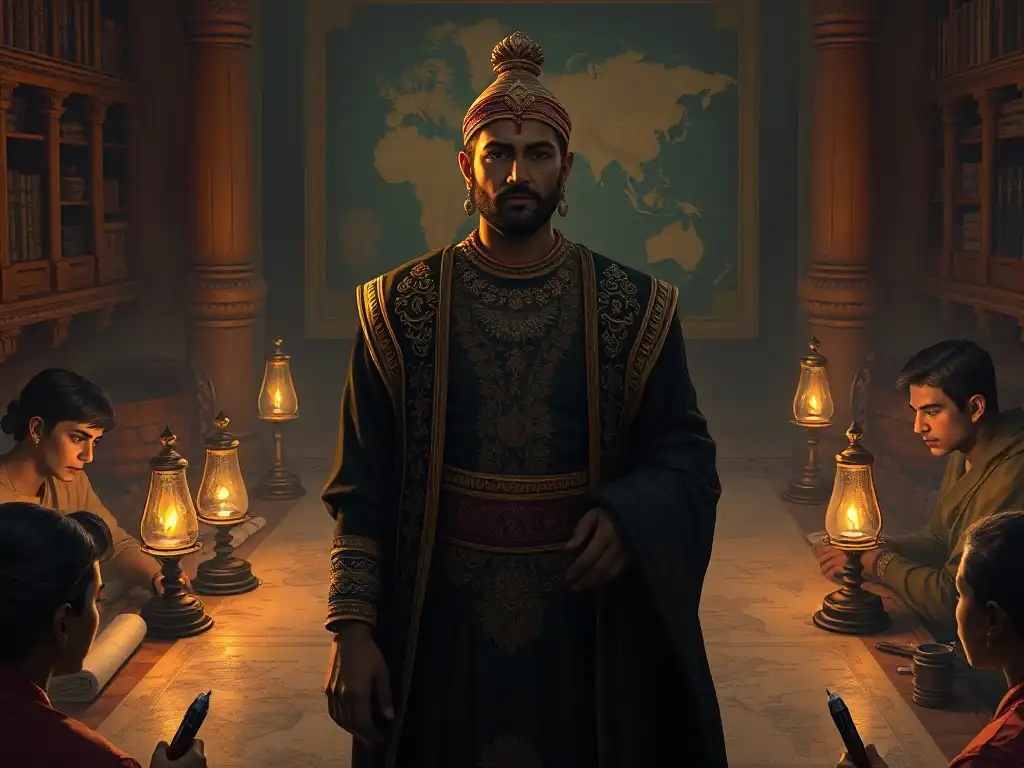
The use of intelligence and espionage in ancient India can be traced back to the Vedic period, where the importance of information gathering was acknowledged in various texts. The concept of "Dharma," which encompassed moral, ethical, and legal principles, also highlighted the need for kings to be well-informed about their realms. By the time of Chandragupta Maurya, this practice had evolved significantly, becoming a crucial element of governance.
The Arthashastra, attributed to Kautilya (Chanakya), serves as a key source in understanding the intelligence strategies employed during the Mauryan Empire. Kautilya emphasized the importance of spies as a means of ensuring the stability and security of the state. His work detailed various methods of surveillance, counterintelligence, and the establishment of a network of informants, showcasing how vital intelligence was for political maneuvering.
The Mauryan Empire, emerging after the decline of the Nanda Dynasty, faced internal strife and external threats, necessitating a robust intelligence framework. Chandragupta Maurya, with the guidance of Kautilya, effectively implemented these strategies to strengthen his rule and expand his territory. The contextual backdrop of the period, characterized by political fragmentation and the presence of powerful adversaries, underscores the necessity of intelligence in maintaining power and governance.
Role of Spies in Chandragupta Maurya's Reign
Spies played a pivotal role in the governance of Chandragupta Maurya, serving as the eyes and ears of the empire. Their contributions were multifaceted, encompassing military intelligence, monitoring potential rebellions, and gathering information about rival kingdoms. The effectiveness of these spies was rooted in their ability to blend into various societal strata, which allowed them to gather sensitive information without arousing suspicion.
Types of Spies
- Internal Spies: These individuals were tasked with monitoring the loyalty of officials and subjects within the empire. Their activities included:
- Reporting on the sentiments of the populace.
- Keeping an eye on the actions of nobles and local leaders.
- External Spies: Focused on rival territories, external spies gathered intelligence on military movements, alliances, and economic conditions. Their efforts included:
- Infiltrating enemy camps.
- Establishing networks to relay timely information back to the Mauryan court.
- Incognito Agents: Often disguised as commoners, these agents traveled extensively to gather firsthand accounts of political dynamics and social conditions. Their reports provided valuable insights that shaped Chandragupta's strategies.
Intelligence Network
The structure of the intelligence network during Chandragupta's reign was sophisticated, characterized by a hierarchical organization. At the top was the king, followed by Kautilya, who oversaw the intelligence operations. Below them were various officials responsible for managing the spies, ensuring that information was collected efficiently and relayed accurately.
Chandragupta’s reliance on a well-organized spy network allowed him to make informed decisions that reinforced his power. For example, intelligence reports regarding the movements of the Nandas and their local support enabled him to strategize his military campaigns effectively. By leveraging the information provided by his spies, Chandragupta was not only able to outmaneuver his enemies but also maintain control over his rapidly expanding empire.
Conclusion
The intelligence strategies employed by Chandragupta Maurya were fundamental to his governance. Through a well-structured network of spies, he was able to secure his empire against threats and ensure the loyalty of his subjects. The integration of espionage into his rule illustrates the significance of intelligence in ancient Indian governance, with lasting impacts on the political landscape of the time.
Key Intelligence Strategies Employed by Chandragupta Maurya
Establishing a Network of Spies
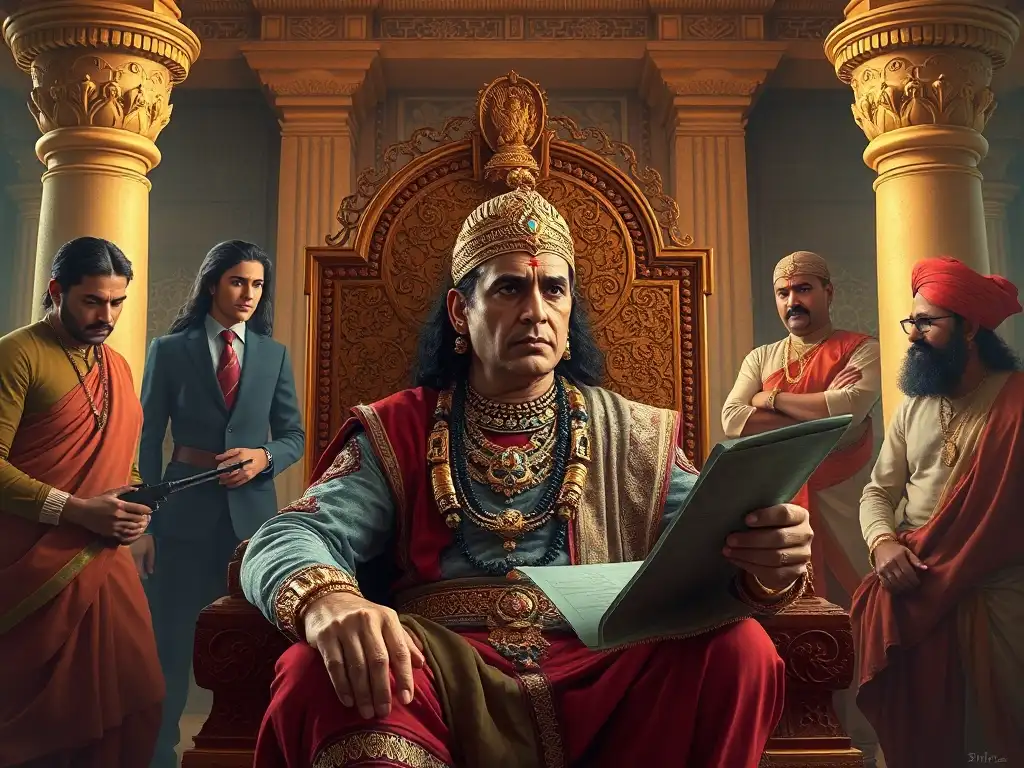
Chandragupta Maurya, the founder of the Maurya Empire in ancient India, understood the pivotal role that intelligence could play in governance and military strategy. One of his most significant intelligence strategies was the establishment of a vast network of spies. This network was not merely for gathering information; it was an intricate system woven into the fabric of his administration and military.
- Diverse Recruitment: Spies were recruited from various social classes, ensuring a wide range of perspectives and access to different segments of society. This included:
- Merchants, who had extensive travel networks and connections.
- Farmers, who could provide insights into regional unrest or crop failures.
- Courtiers, who could relay information about rival factions within the royal court.
- Use of Deception: Chandragupta employed deceptive tactics, utilizing false identities to gather intelligence. His spies often posed as traders or pilgrims, allowing them to blend into different communities and gather essential information without raising suspicion.
- Strategic Deployment: The placement of spies was strategic, particularly in regions prone to unrest or where rival states posed a threat. This geographic intelligence allowed Chandragupta to preemptively address potential rebellions or military actions.
Use of Surveillance and Informants
In addition to a network of spies, Chandragupta Maurya implemented rigorous surveillance measures and relied heavily on informants. The effectiveness of his administration was bolstered through these tactics, which provided him with real-time intelligence on both internal and external threats.
- Informant Systems: Informants played a crucial role in his intelligence framework. Those close to the enemy or dissenters were often incentivized to provide information in exchange for protection, rewards, or positions of authority. This created a culture of information sharing, where loyalty could be bought and dissent could be quelled.
- Surveillance Mechanisms: Chandragupta’s governance included systematic surveillance of key political figures and regions within his empire. This was achieved through:
- Regular Reporting: Spies and informants were required to submit regular reports, which were analyzed for patterns or anomalies.
- Monitoring Public Sentiment: Informants within the populace helped gauge public opinion, allowing the ruler to maintain a pulse on potential discontent.
- Crisis Management: During times of crisis, such as rebellions or foreign invasions, the ability to swiftly gather and act on intelligence became paramount. Chandragupta's reliance on surveillance allowed him to mobilize troops effectively and quell insurrections before they could escalate.
Gathering and Analyzing Intelligence Reports
The final aspect of Chandragupta Maurya's intelligence strategies was the process of gathering and analyzing intelligence reports. This systematic approach ensured that the information collected by his network of spies and informants was not only accurate but also actionable.
- Centralized Intelligence Hub: Chandragupta established a centralized system for collating intelligence reports from various sources. This hub allowed for the systematic categorization of information, making it easier to analyze trends and derive insights.
- Analytical Framework: Reports were assessed using a nuanced analytical framework to determine their validity and significance. Key questions included:
- What is the source of the information?
- Does it align with other reports?
- What potential actions can be derived from this intelligence?
- Decision-Making Support: The intelligence gathered played a crucial role in decision-making processes. Chandragupta used this information to inform military strategies, diplomatic negotiations, and internal policies. For example, if intelligence indicated unrest in a province, he could preemptively send conciliatory envoys or adjust tax policies to alleviate tensions.
Through these comprehensive intelligence strategies, Chandragupta Maurya not only secured his empire but also laid the groundwork for effective governance that relied heavily on informed decision-making. His innovative approach to intelligence remains a significant aspect of his legacy in ancient Indian history.
The Influence of Chanakya on Intelligence Strategies

Chanakya, also known as Kautilya, played a pivotal role in shaping the intelligence strategies employed during the reign of Chandragupta Maurya. As a philosopher, economist, and political strategist, Chanakya's insights not only influenced governance but also laid the groundwork for intelligence operations that were crucial for maintaining stability and control over the vast Mauryan Empire.
Chanakya’s Philosophies on Governance and Espionage
Chanakya's philosophies, articulated in his seminal work Arthashastra, emphasize the importance of intelligence in governance. He believed that knowledge is power and that effective administration relies heavily on surveillance and information gathering. Some key tenets of Chanakya's philosophy include:
- The Importance of Espionage: Chanakya asserted that espionage is an essential tool for rulers. He categorized spies into different types, including:
- Internal Spies: Individuals embedded within the court or military to gather information on rivals.
- External Spies: Agents sent into enemy territory to collect intelligence on political and military movements.
- Manipulation and Deception: He believed in the strategic use of misinformation to mislead enemies and maintain an advantage in political maneuvering.
- Ethical Flexibility: Chanakya argued that rulers should not hesitate to employ unethical means if it served the greater good of the state. This pragmatic approach to governance enabled Chandragupta to consolidate power effectively.
In essence, Chanakya's philosophies underscored the belief that a ruler's success is intimately linked to the quality and reliability of intelligence.
Implementation of Chanakya’s Strategies in Mauryan Administration
The implementation of Chanakya's intelligence strategies was central to the administration of Chandragupta Maurya. Several methods were employed to ensure a robust intelligence network:
- Network of Spies: Chandragupta established a vast network of spies throughout his empire. These spies operated at various levels:
- Local Informants: Citizens who reported on the activities of neighbors or local authorities.
- Royal Agents: Trusted officials responsible for monitoring the actions of loyal ministers and military leaders.
- Intelligence Gathering Units: Specialized units were created within the Mauryan administration dedicated to the collection and analysis of intelligence. These units worked closely with military leaders to provide real-time information on enemy movements and potential threats.
- Use of Disguises: To enhance the effectiveness of intelligence operations, agents frequently employed disguises to blend in with different social groups. This tactic allowed them to gather sensitive information without raising suspicion.
- Feedback Mechanism: A structured feedback mechanism was established to ensure that information collected by spies was relayed to Chandragupta and his advisors promptly. This allowed for rapid decision-making and strategic responses to emerging threats.
The success of these intelligence strategies can be seen in the way Chandragupta was able to outmaneuver his rivals and expand his empire significantly. By implementing Chanakya's philosophies, he not only secured his position but also laid the foundation for a unified Indian subcontinent under the Mauryan Empire.
The intelligence strategies of Chandragupta Maurya, heavily influenced by Chanakya’s insights, played a crucial role in the governance and expansion of one of ancient India's most significant empires.
The Impact of Intelligence on Political Stability

The effectiveness of Chandragupta Maurya's intelligence strategies was crucial in establishing and maintaining political stability in his empire. By leveraging the power of information, Chandragupta was able to navigate the complexities of governance, thwart potential threats, and consolidate his rule over a vast territory. The establishment of a robust intelligence network allowed him to gather vital information about both internal and external threats, ensuring that he could respond swiftly and effectively to any challenges that arose.
Intelligence in Conflict Resolution
Chandragupta Maurya's use of intelligence was particularly significant during times of conflict. His advisors, including the renowned Chanakya, emphasized the importance of gathering information on enemy movements, strengths, and weaknesses. This intelligence enabled Chandragupta to formulate strategic responses that often led to decisive victories.
- Surveillance of Rivals:
- Chandragupta employed spies to monitor the activities of rival kingdoms and potential usurpers. This surveillance allowed him to preemptively address threats before they could escalate into full-blown conflicts.
- For instance, during his campaigns against the Nanda dynasty, his intelligence reports provided insights into the Nanda army's formation and tactics, allowing him to devise counter-strategies.
- Strategic Alliances:
- Information gathered through espionage also played a pivotal role in forging alliances. By understanding the political landscape and the ambitions of neighboring rulers, Chandragupta was able to form alliances that strengthened his position.
- Intelligence facilitated negotiations, enabling him to present terms that were favorable while ensuring that his allies were committed to supporting his governance.
- Counter-Insurgency:
- In the face of rebellions or discontent within his territories, intelligence allowed Chandragupta to identify the root causes of unrest. By understanding the grievances of his subjects, he could address issues proactively, thereby reducing the likelihood of uprisings.
- His approach often involved deploying spies to infiltrate dissident groups, gathering firsthand accounts of their motivations and plans, and neutralizing threats before they could gain momentum.
Role of Spies in Diplomatic Relations
In addition to military intelligence, the role of spies in Chandragupta Maurya's diplomatic relations was equally vital. His governance relied on a network of informants who provided insights into the political climates of other regions. This information was instrumental in shaping his diplomatic strategies.
- Information Exchange:
- Spies played a critical role in facilitating communication between Chandragupta and other rulers. By gathering intelligence on the interests and intentions of foreign powers, he could negotiate from a position of strength.
- The knowledge gained from espionage allowed him to craft diplomatic messages that resonated with other leaders, enhancing his reputation and influence across the subcontinent.
- Cultural Understanding:
- Understanding the cultural and social dynamics of neighboring kingdoms was essential for effective diplomacy. Spies could report on customs, rituals, and political relationships, enabling Chandragupta to engage with other leaders in a manner that was respectful and advantageous.
- This cultural intelligence often led to successful trade agreements and alliances, fostering peace and economic prosperity.
- Preemptive Actions:
- By monitoring the diplomatic maneuvers of rival states, Chandragupta was able to anticipate potential threats to his rule. This foresight allowed him to take preemptive actions, such as strengthening defenses or forging new alliances before his opponents could consolidate their power.
- His intelligence network thus served not only as a means of gathering information but also as a tool for proactive governance.
The intelligence strategies employed by Chandragupta Maurya were integral to his ability to maintain political stability, resolve conflicts, and navigate the intricate landscape of ancient Indian diplomacy. His adept use of spies and information gathering set a precedent for future rulers, highlighting the importance of intelligence in governance.
Case Studies of Successful Intelligence Operations

Notable Espionage Missions during Chandragupta’s Reign
Chandragupta Maurya, the founder of the Maurya Empire, is renowned not only for his military prowess but also for his sophisticated intelligence strategies. His reign was marked by several notable espionage missions that played a pivotal role in consolidating his power and expanding his territory.
- The Gathering of Intelligence on Dhana Nanda
- Chandragupta’s ascent began with his need to understand his principal adversary, Dhana Nanda, the last ruler of the Nanda Dynasty.
- He deployed spies to infiltrate the Nanda court, gathering critical information about the strengths and weaknesses of Nanda’s military and administrative structures.
- This intelligence allowed Chandragupta to devise strategies that would ultimately lead to the overthrow of Dhana Nanda.
- Monitoring Enemy Movements
- Chandragupta utilized a network of informants to keep tabs on the movements of rival states, particularly those in the northwest such as the Greeks and the remnants of Alexander the Great’s empire.
- Spies disguised as merchants or travelers were sent to gather information about troop formations and alliances, providing crucial data that informed Chandragupta's military campaigns.
- Infiltration of the Nanda Royal Family
- One of the more audacious operations involved sending spies into the Nanda royal family itself.
- Reports indicate that Chandragupta managed to secure the loyalty of key figures within the Nanda court, who relayed vital information about court intrigues and political maneuvers.
- Diplomatic Espionage
- Beyond military intelligence, Chandragupta also engaged in diplomatic espionage, sending agents to negotiate with potential allies and assess the intentions of neighboring kingdoms.
- This not only helped in forming alliances but also in preemptively thwarting hostile actions against his empire.
Outcomes of Effective Intelligence Strategies
The intelligence strategies employed by Chandragupta Maurya yielded significant outcomes that shaped the trajectory of his empire.
-
Successful Overthrow of the Nandas
The most immediate outcome was the successful overthrow of Dhana Nanda, which laid the foundation for the Maurya Empire. The intelligence gathered allowed Chandragupta to time his military actions perfectly, leading to a swift victory.
-
Consolidation of Power
With effective intelligence operations, Chandragupta was able to consolidate his power across the newly acquired territories. By understanding local dynamics and dissent, he implemented governance strategies that minimized rebellion and fostered loyalty among his subjects.
-
Expansion of the Empire
The intelligence strategies facilitated the expansion of the Maurya Empire into regions previously held by the Greeks and other local rulers. Chandragupta's informed military engagements led to the establishment of a vast and diverse empire that spanned much of the Indian subcontinent.
-
Informed Governance
Beyond military success, the intelligence network enabled Chandragupta to govern effectively. He was able to respond promptly to issues within his empire, address local grievances, and maintain stability in a politically fragmented region.
-
Legacy of Spying in Governance
Chandragupta’s intelligence strategies laid the groundwork for future rulers in India, establishing espionage as a critical component of governance. His methods were documented by his advisor, Kautilya (Chanakya), in the Arthashastra, which continues to be a significant text on statecraft and military strategy.
The intelligence strategies of Chandragupta Maurya not only contributed to his immediate successes but also had lasting impacts on the governance and political landscape of ancient India.
Challenges Faced by Chandragupta Maurya in Intelligence Operations
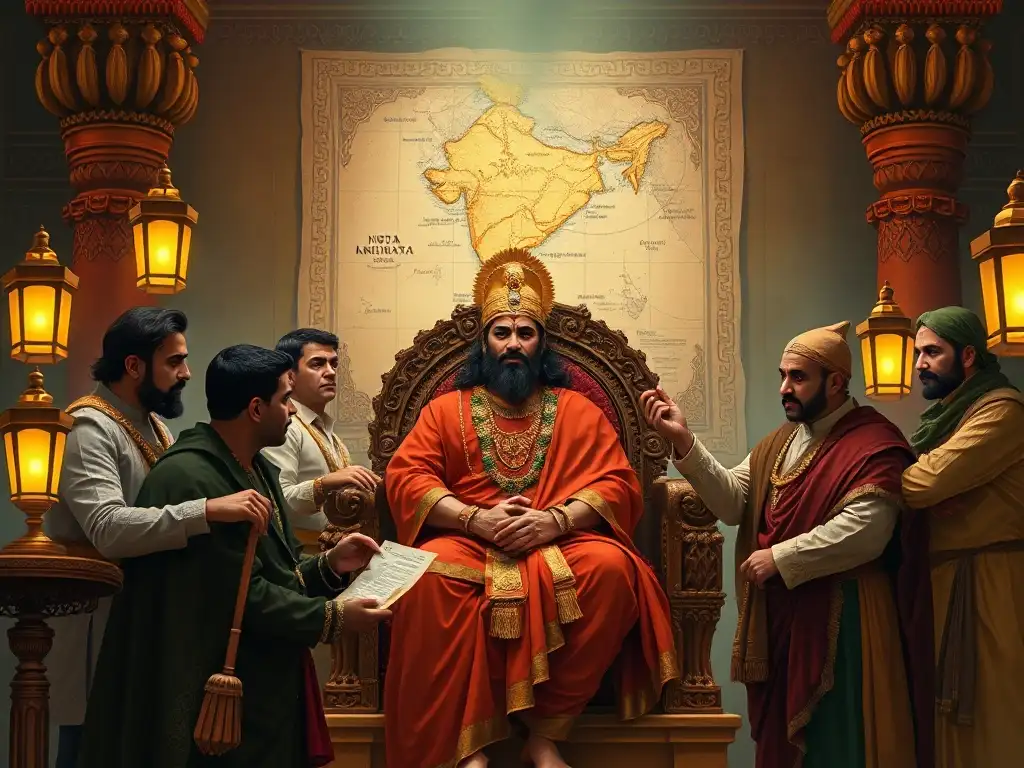
Chandragupta Maurya, the founder of the Maurya Empire, faced significant challenges in establishing and maintaining his governance, particularly in the realm of intelligence operations. His ability to navigate both internal and external threats was crucial to his success. This section delves into the multifaceted challenges that shaped his intelligence strategies.
Internal Threats and Betrayals
The internal dynamics of Chandragupta's rule were fraught with challenges posed by potential betrayals and dissent within his own ranks. The Mauryan Empire was a newly established regime, and securing loyalty from various factions was paramount. Some of the key issues included:
- Noble Rivalries: Among the nobility, there were constant power struggles and rivalries that could threaten the stability of Chandragupta's administration. These rival factions often sought to undermine the ruler’s authority, leading to the need for a robust intelligence network to monitor their activities.
- Spy Networks: To counteract the threat of internal betrayal, Chandragupta employed an extensive network of spies who infiltrated various social strata. These spies gathered crucial information about dissenters and potential conspiracies against the throne. The effectiveness of these spies was essential in preemptively thwarting plots that could destabilize his empire.
- Trust Issues: Building a circle of trusted advisors was vital, yet challenging. Betrayals from within could originate from those closest to him. Chandragupta had to carefully vet individuals before placing them in positions of power, ensuring that loyalty was prioritized over competence alone.
In dealing with these internal threats, Chandragupta not only relied on espionage but also implemented sophisticated communication methods to relay information discreetly, ensuring that sensitive data remained confidential and that the administration could react swiftly to any signs of betrayal.
External Enemies and Their Counterintelligence Measures
Chandragupta Maurya's rule was also marked by significant external threats, primarily from rival kingdoms and foreign invaders. These adversaries often employed their own counterintelligence strategies, which posed a considerable challenge to his governance. Key aspects of this landscape included:
- Hostile Neighbors: The Mauryan Empire was surrounded by powerful kingdoms that sought to expand their territories. Rivals such as the Nanda Dynasty and various regional chieftains posed direct threats. Their intelligence-gathering efforts often involved recruiting spies to infiltrate Chandragupta's court and gather information about military movements and political strategies.
- Military Strategy and Counterintelligence: To counter the intelligence efforts of these external enemies, Chandragupta developed sophisticated military strategies that included deception and misinformation. By creating false signals about troop movements or feigned retreats, he could mislead enemies and gain tactical advantages in battle.
- Diplomatic Maneuvers: Understanding the importance of alliances, Chandragupta engaged in diplomatic strategies to form coalitions that could serve as buffers against external threats. His intelligence network was crucial in identifying potential allies and assessing their reliability, enabling him to make informed decisions that would strengthen his position.
The external challenges faced by Chandragupta Maurya required a dynamic and adaptable intelligence strategy. His ability to blend military prowess with astute espionage allowed him to maintain a semblance of stability amid the ever-present threats from rival kingdoms. By effectively managing both internal dissent and external aggression, Chandragupta laid the groundwork for a powerful and lasting empire.
Conclusion: The Legacy of Chandragupta Maurya's Intelligence Strategies
Chandragupta Maurya's intelligence strategies laid the groundwork for effective governance that resonated well beyond his reign. His innovative use of spies and information-gathering methods not only secured his empire against internal and external threats but also established a precedent for future rulers. The Mauryan Empire's reliance on a network of intelligence allowed for swift decision-making and the implementation of strategic policies that would help maintain stability and control over a vast territory.
The legacy of these intelligence strategies is evident in the administrative frameworks developed in subsequent Indian empires. They showcased the importance of information in governance and highlighted the necessity for rulers to remain informed about their subjects and adversaries. As a result, the principles established by Chandragupta Maurya became integral to the art of statecraft in ancient India, influencing dynasties long after his time.
Long-Term Effects on Indian Governance
The intelligence strategies employed by Chandragupta Maurya had several long-term effects on Indian governance:
-
Centralization of Power:
The establishment of a robust intelligence network enabled Chandragupta to maintain control over his territories. This centralization facilitated the development of a more cohesive administrative system, allowing subsequent rulers to implement policies effectively.
-
Enhanced Security Measures:
His techniques for gathering intelligence contributed to the creation of a powerful military apparatus. The emphasis on espionage and surveillance ensured that potential uprisings or threats were addressed proactively, promoting stability within the empire.
-
Political Diplomacy:
The ability to gather information about rival states allowed for informed diplomatic decisions. Chandragupta's intelligence strategies fostered a culture of negotiation and alliance-building, which became pivotal for the survival of empires in a competitive landscape.
-
Cultural Exchange and Integration:
Through intelligence gathering, Chandragupta was able to understand various cultures and integrate different philosophies and practices into his governance. This cultural sensitivity contributed to the flourishing of arts and sciences under the Mauryan Empire.
-
Foundation for Future Intelligence Frameworks:
The methodologies established during Chandragupta's rule served as a blueprint for the intelligence systems of later Indian empires, including the Gupta Empire. These frameworks evolved but maintained the core principles of information gathering and strategic planning.
Lessons from Chandragupta Maurya’s Intelligence Tactics in Modern Context
Chandragupta Maurya's intelligence tactics offer several pertinent lessons that can be adapted to modern contexts, particularly in governance and organizational management:
-
Importance of Information Flow:
Just as Chandragupta emphasized the necessity of reliable information, modern governments and organizations must prioritize effective communication channels to ensure informed decision-making.
-
Adaptability and Responsiveness:
The ability to adapt strategies based on gathered intelligence is vital. This principle can be applied in various sectors today, from business strategies to national security policies.
-
Holistic Understanding of Stakeholders:
Engaging with various communities and understanding their perspectives, akin to Chandragupta's cultural integration strategies, can enhance relationships and foster cooperation in contemporary governance.
-
Utilization of Technology:
While Chandragupta relied on human networks for intelligence, modern organizations can leverage technology to gather data and analyze trends, creating a more efficient intelligence framework.
-
Risk Management:
The proactive measures taken by Chandragupta to mitigate threats can be mirrored in contemporary risk management practices, where anticipating potential challenges is crucial for success.
Chandragupta Maurya's intelligence strategies not only shaped his empire's governance but also left an enduring legacy that continues to inform modern practices in leadership and administration. The lessons learned from his era remain relevant, emphasizing the timeless value of intelligence in achieving and maintaining power.
Frequently Asked Questions
What was the significance of spies in Chandragupta Maurya's governance?
Spies played a crucial role in maintaining security and gathering intelligence about rivals, helping Chandragupta Maurya ensure the stability of his empire.
How did Chandragupta Maurya use intelligence strategies effectively?
Chandragupta implemented innovative intelligence strategies that involved gathering information from various sources, allowing him to make informed political decisions and military tactics.
What types of intelligence methods were employed during his reign?
Methods included infiltration of enemy territories, surveillance of local administrators, and the use of informants to gather sensitive information, which were essential for effective governance.
How did the role of intelligence shape the Mauryan Empire's expansion?
The use of intelligence strategies enabled Chandragupta to outmaneuver opponents, facilitating the expansion of the Mauryan Empire through calculated and strategic military campaigns.
Are there any historical texts that discuss Chandragupta Maurya's intelligence strategies?
Yes, texts like the Arthashastra by Kautilya (Chanakya) detail various intelligence techniques and strategies that were employed during Chandragupta’s reign, emphasizing the importance of spying in governance.
Final Reflection: The Enduring Legacy of Chandragupta Maurya's Intelligence Strategies
The intricate web of espionage and intelligence that underpinned Chandragupta Maurya's governance remains profoundly relevant today. In an age where information is power, the strategies employed by Maurya not only shaped his empire but also laid the groundwork for modern intelligence practices. The effectiveness of his intelligence network illustrates how foresight and strategic thinking can lead to stability and success in governance.
Clearly, the influence of Chandragupta Maurya's intelligence strategies extends beyond the historical context, resonating in contemporary political and social landscapes. The ability to gather, analyze, and act upon information is a skill that transcends time, reminding us that knowledge is indeed a formidable weapon. In the realm of politics, the one who possesses the most accurate information holds the reins of power.
This observation underscores the ongoing relevance of intelligence in shaping leadership and governance, a principle that continues to guide nations and organizations today.
As we reflect on the lessons from Chandragupta Maurya's reign, let us consider how we can apply these insights into our own lives. Embrace the importance of information, cultivate your own intelligence strategies, and recognize the power of knowledge in your personal and professional endeavors. The legacy of Maurya encourages us to be vigilant, informed, and strategic in our actions, reminding us that in the quest for success, understanding the landscape around us is paramount.
Unveil the Secrets of Governance!
Thank you for diving into the intriguing world of spies and intelligence during the era of Chandragupta Maurya! Your curiosity has illuminated the critical role these elements played in effective governance. Now, let's turn that insight into action!
Here are a few steps you can take to deepen your understanding and engage with this fascinating topic:
- Explore Further: Delve into ancient texts or modern interpretations that highlight intelligence operations in various historical contexts.
- Share Your Insights: Discuss your newfound knowledge with friends or fellow history enthusiasts. What are your thoughts on the significance of espionage in governance?
- Join the Conversation: Participate in online forums or social media groups dedicated to ancient history. Share what you've learned and ask questions to broaden your perspective.
What aspects of intelligence gathering do you think are most relevant in today’s governance? Let’s get the conversation started!