
The Role of Public Participation in Ancient Indian Judicial Practices

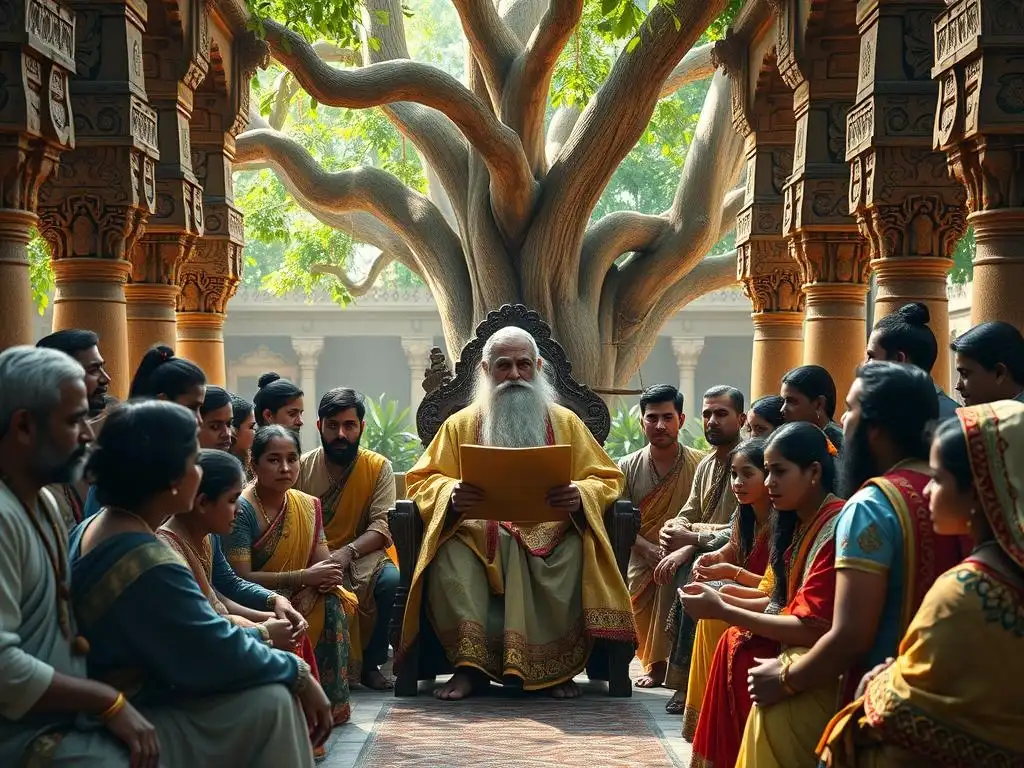
Welcome to Ancient India History, where we embark on a fascinating journey through the rich tapestry of ancient Indian civilizations. In our featured article, we delve into the intriguing world of ancient Indian judicial practices, uncovering the essential role of public participation in shaping these early legal systems. Ever wondered how the voices of communities influenced justice in a time long past?
Join us as we explore the intricate balance of law and society from the Indus Valley to the Gupta Empire, and discover the remarkable contributions that continue to resonate in modern legal frameworks. Your adventure through history begins here!
Introduction to Ancient Indian Judicial Practices
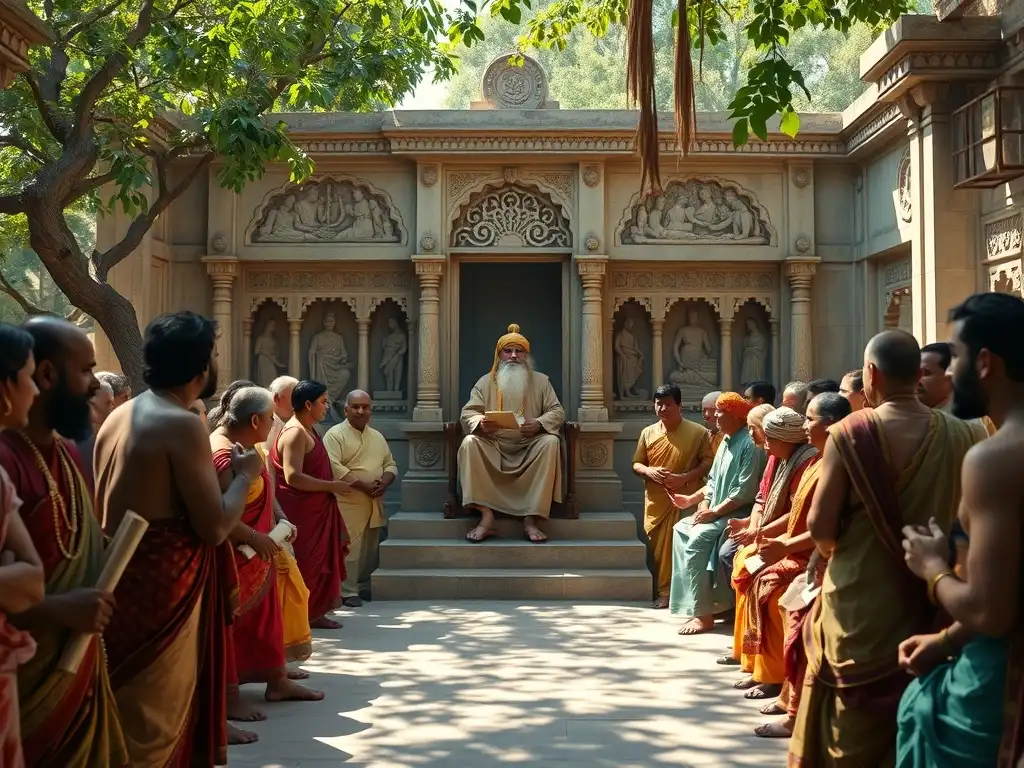
The evolution of ancient Indian judicial practices reveals a fascinating interplay between law, culture, and society. In ancient India, the judicial system was not merely a framework for resolving disputes; it was a reflection of the values and norms that governed communities. Understanding this system involves exploring how public participation played a crucial role in legal proceedings, influencing the outcomes of cases and the functioning of courts. As we delve into the intricacies of these practices, we will uncover the profound impact that the collective involvement of the community had on justice, fairness, and societal norms in ancient India.
Overview of Judicial Systems in Ancient India
The judicial systems in ancient India were multifaceted and varied significantly across different regions and periods. They primarily revolved around two major forms:
- Village Assemblies (Panchayats):
- Local councils where community members would gather to resolve disputes.
- Decisions were made collectively, reflecting the consensus of the community.
- Royal Courts:
- Presided over by kings or appointed judges, these courts dealt with more serious offenses.
- They followed codified laws, such as those found in the Manusmriti and other legal texts.
The integration of public participation was essential to these systems, as it fostered a sense of ownership and accountability among community members.
Importance of Public Participation in Legal Proceedings
Public participation in ancient Indian judicial practices can be seen as a cornerstone of the legal process for several reasons:
- Community Trust: Involving the public in legal proceedings helped build trust in the judicial system.
- Cultural Relevance: The participation ensured that the laws applied were in alignment with community values and customs.
- Conflict Resolution: Community involvement facilitated more amicable settlements, reducing the likelihood of escalating disputes.
- Transparency: Open participation in legal matters promoted transparency, minimizing corruption and bias.
The collective decision-making process not only empowered individuals but also reinforced social cohesion, allowing communities to maintain order and justice through collaborative efforts.
Historical Context of Public Involvement in Ancient Indian Law
To understand the role of public participation in ancient Indian judicial practices, it is crucial to examine the historical context that shaped these systems.
Early Legal Frameworks and Community Roles
Early legal frameworks in India, such as the Dharmashastras, laid the groundwork for community involvement in judicial matters. These texts emphasized:
- Dharma (righteousness): The moral and ethical principles guiding behavior and law.
- Community Engagement: Encouraging individuals to participate in the resolution of disputes, reflecting the communal ethos of ancient society.
Community members often acted as mediators or witnesses, ensuring that various perspectives were considered before reaching a verdict. This practice not only enriched the legal process but also reinforced communal bonds.
The Influence of Religious Texts on Judicial Practices
Religious texts played a pivotal role in shaping ancient Indian judicial practices. Key texts, such as the Manusmriti and the Arthashastra, provided guidelines that emphasized the importance of public input in legal matters.
- Manusmriti: Advocated for community involvement as a means to uphold Dharma and ensure justice.
- Arthashastra: Suggested that the king should consult with wise elders and community leaders when making judicial decisions.
These texts collectively underscored that justice was not solely the responsibility of rulers or judges, but a communal obligation, deeply rooted in the cultural and spiritual fabric of ancient India.
By understanding these foundational elements, we can appreciate how public participation in ancient Indian judicial practices significantly influenced the administration of justice and the societal dynamics of the time.
Mechanisms of Public Participation in Ancient Indian Courts
Public participation in ancient Indian judicial practices was an integral aspect of the legal system, fostering a community-oriented approach to justice. The mechanisms through which this participation was facilitated included village assemblies, the involvement of local leaders, and public trials. These systems not only ensured that justice was administered fairly but also reinforced social cohesion by allowing community members to engage actively in legal processes.
- Village Assemblies (Sabhas): These were local governing bodies where community members gathered to discuss and resolve disputes. The Sabhas had the authority to make decisions on various issues, including legal matters, thus providing a platform for public involvement in judicial practices.
- Role of Elders and Community Leaders: Local leaders and respected elders played a crucial role in mediating disputes and guiding the decision-making process within the community. Their wisdom and authority were vital for maintaining order and ensuring that justice was perceived as fair.
- Public Trials: Trials were often public events, allowing citizens to witness the proceedings and sometimes even participate in the discussion. This transparency helped to build trust in the judicial system and encouraged accountability among those involved in the legal process.
Village Assemblies (Sabhas) and Their Functions
Village assemblies, known as Sabhas, were central to the administration of justice in ancient India. These gatherings brought together local residents to address various issues, including legal disputes. The functions of Sabhas included:
- Dispute Resolution: Community members would present their grievances, and the assembly would deliberate on the matter, often leading to a collective decision.
- Legislative Authority: In some cases, Sabhas had the power to enact local laws and regulations, reflecting the community's needs and values.
- Community Engagement: These assemblies fostered a sense of ownership among residents, as they had the opportunity to participate actively in governance and judicial processes.
The Sabhas exemplified a participatory approach, where justice was not merely an imposition from above but a collective endeavor rooted in community consensus.
The Role of Elders and Community Leaders in Dispute Resolution
Elders and community leaders played a pivotal role in ancient Indian judicial practices, serving as mediators and decision-makers in resolving disputes. Their involvement was characterized by:
- Wisdom and Experience: Elders were often viewed as repositories of knowledge and tradition, providing valuable insights into the cultural context of disputes. Their decisions were respected and upheld by community members.
- Mediation Skills: Community leaders typically had skills in negotiation and conflict resolution, allowing them to facilitate discussions between disputing parties effectively.
- Legitimacy and Trust: The presence of respected figures in the resolution process added legitimacy to the outcomes. Their authority helped ensure that the decisions made were accepted and followed by all parties involved.
This system underscored the importance of communal harmony and the belief that justice should reflect the values and norms of the society.
Public Trials and the Involvement of Citizens
Public trials were a significant aspect of ancient Indian judicial practices, emphasizing transparency and collective participation. Key features of public trials included:
- Open Proceedings: Trials were often held in public spaces, allowing community members to witness the process. This openness helped to ensure fairness and reduce the likelihood of corruption.
- Community Participation: Citizens could voice their opinions, ask questions, and even provide testimonies during the trial. This involvement fostered a sense of shared responsibility for justice.
- Collective Decision-Making: In some instances, the outcome of a trial could be influenced by the sentiments of the spectators, reflecting the community's collective judgment on the matter at hand.
Public trials exemplified the democratic nature of ancient Indian judicial practices, where justice was not only a legal issue but a communal concern.
Case Studies of Public Participation in Judicial Practices
The examination of historical case studies reveals the significance of public participation in ancient Indian judicial practices. These instances illustrate how communities engaged in resolving disputes and the effectiveness of their methods.
Notable Examples of Community Dispute Resolution
Several notable examples highlight the role of public participation in resolving conflicts within communities:
- The Panchayat System: This traditional system of local governance involved a council of elders who would adjudicate disputes. The Panchayat allowed for community involvement in decision-making, ensuring that outcomes were in line with societal norms.
- Dispute Resolution in the Mahabharata: The epic illustrates various instances where public assemblies convened to resolve disputes, emphasizing the importance of collective deliberation in achieving justice.
- Local Festivals and Gatherings: Community events often provided informal platforms for dispute resolution, where individuals could seek advice from elders or community leaders in front of their peers.
These examples underscore the effectiveness of community-driven approaches in achieving fair and accepted resolutions to disputes.
Analysis of Textual Evidence Supporting Public Involvement
The textual evidence from ancient Indian literature and legal texts provides robust support for the notion of public involvement in judicial practices:
- Dharma Shastras: These ancient legal texts outline the roles and responsibilities of community members in maintaining justice, emphasizing the importance of collective participation.
- Epics and Puranas: Texts such as the Mahabharata and Ramayana illustrate instances of public assemblies and the engagement of citizens in judicial processes, reflecting the social dynamics of the time.
- Inscriptional Evidence: Archaeological findings, including inscriptions, reveal references to local assemblies and their functions in dispute resolution, further corroborating the historical significance of public participation.
This textual analysis reinforces the understanding that ancient Indian judicial practices were deeply rooted in community engagement and collective responsibility.
Advantages of Public Participation in Ancient Indian Judicial Systems
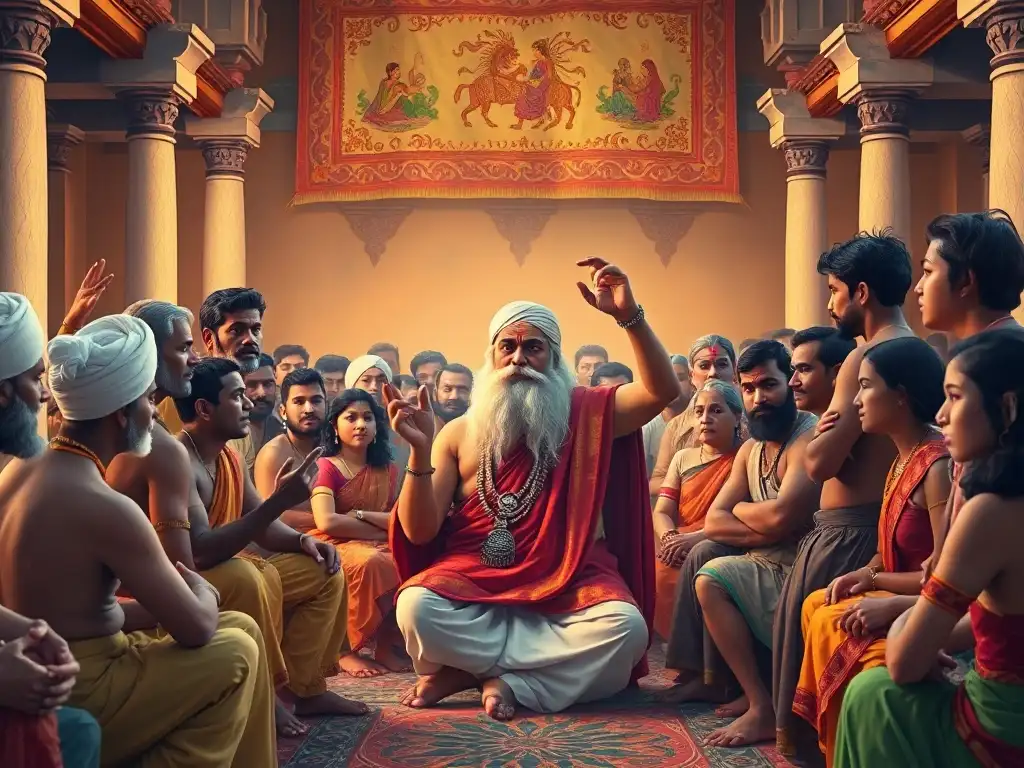
Public participation played a crucial role in the judicial practices of ancient India, significantly influencing the way justice was administered. By involving community members in legal processes, ancient Indian societies enhanced the effectiveness and legitimacy of their judicial systems. The advantages of public participation can be categorized into three main areas: fairness and transparency, community trust, and social cohesion.
Enhancing Fairness and Transparency
One of the primary advantages of public participation in ancient Indian judicial practices was the enhancement of fairness and transparency. When disputes were resolved in the presence of community members, the process became more open and accountable. This collective engagement ensured that various perspectives were considered, leading to more balanced decisions. The involvement of the public acted as a check against arbitrary rulings and promoted adherence to established norms and customs.
Moreover, the deliberative nature of these judicial assemblies allowed for thorough discussions, where multiple voices could be heard. This collective scrutiny fostered transparency, as the reasoning behind decisions was shared openly among participants. By ensuring that community members were involved in the judicial process, ancient societies could mitigate the risk of corruption and bias, thereby reinforcing the integrity of their legal systems.
Building Community Trust in Judicial Outcomes
Public participation also played a vital role in building trust between the community and the judicial system. When local citizens were involved in the resolution of disputes, they were more likely to view outcomes as legitimate and just. This trust was crucial in a society where formal legal institutions were often limited and community relationships held significant weight.
The presence of community members in judicial proceedings allowed individuals to feel that their voices mattered and that they had a stake in the outcomes. As a result, the community was more likely to respect and comply with judicial decisions, leading to greater social order. Such trust also encouraged more individuals to bring their grievances forward, knowing that they would be heard and considered fairly.
Promoting Social Cohesion through Collective Decision-Making
Another significant advantage of public participation in ancient Indian judicial practices was its ability to promote social cohesion. When community members came together to deliberate on legal matters, it fostered a sense of unity and collective responsibility. This collaborative approach not only resolved disputes but also reinforced social bonds among participants.
The act of engaging in collective decision-making provided opportunities for dialogue and understanding, which were essential in diverse communities with varying interests and perspectives. By working together to achieve consensus, community members were able to strengthen their relationships and foster a sense of belonging. This cohesion was particularly valuable in maintaining social harmony and mitigating conflicts, which, if left unresolved, could escalate into larger disputes.
Challenges and Limitations of Public Participation
Despite the advantages of public participation in ancient Indian judicial systems, there were notable challenges and limitations that impacted its effectiveness. These challenges primarily revolved around potential biases in decision-making and the influence of existing social hierarchies.
Potential for Bias and Partiality in Community Decisions
One of the significant challenges posed by public participation was the potential for bias and partiality in community decisions. While collective involvement aimed to create equitable outcomes, it also risked amplifying existing prejudices and favoritism within the community. Members with stronger social ties or greater influence could sway opinions, leading to decisions that favored certain individuals or groups over others.
Additionally, the emotional nature of communal discussions could cloud judgment, resulting in decisions that were more reflective of group sentiments rather than objective assessments of justice. The risk of mob mentality, where the loudest voices overshadowed more reasoned perspectives, could also compromise the fairness of the outcomes. Thus, while public participation aimed to democratize the judicial process, it was not immune to the pitfalls of human biases.
The Impact of Social Hierarchies on Participation
The influence of social hierarchies was another critical limitation in the realm of public participation in ancient Indian judicial practices. In many communities, caste and class distinctions played a significant role in determining who could participate meaningfully in judicial processes. Those from lower social strata often faced barriers to participation, limiting their ability to voice their grievances or influence decisions.
This hierarchical structure could lead to imbalances in representation and result in judicial outcomes that did not adequately reflect the interests of marginalized groups. Consequently, the effectiveness of public participation as a tool for justice was undermined, as the voices of certain community members were systematically excluded. Addressing these social barriers was essential to ensuring that public participation truly represented the diverse perspectives within a community.
Conclusion: Legacy of Public Participation in Ancient Indian Judicial Practices
The legacy of public participation in ancient Indian judicial practices is profound and multifaceted, highlighting the integral role that community engagement played in the administration of justice. Ancient texts and historical accounts reveal a system where local communities had a significant voice in legal matters, promoting a sense of accountability and shared responsibility. This participatory model not only ensured that justice was accessible but also fostered a deeper connection between the judiciary and the populace.
Moreover, the principles of transparency and inclusiveness established during this period laid the groundwork for modern legal frameworks. By valuing community input, ancient Indian judicial practices emphasized the importance of social harmony and collective resolution of disputes, which resonates with contemporary efforts to create more inclusive legal systems. The historical significance of these practices continues to inspire legal theorists and practitioners to explore ways to incorporate public participation in current judicial reforms.
Reflection on the Evolution of Legal Systems in India
The evolution of legal systems in India reflects a dynamic interplay between tradition and modernity. Ancient Indian judicial practices were characterized by a blend of customary laws and formal regulations, where village assemblies (panchayats) played a crucial role in adjudicating disputes. This system emphasized restorative justice, aiming to reconcile parties rather than merely punish offenders.
As India transitioned through various historical phases—from the Maurya and Gupta Empires to colonial rule—the legal framework evolved, incorporating influences from different cultures and governance models. The British colonial period, in particular, imposed a more centralized and formal legal system that often sidelined indigenous practices. Nevertheless, the remnants of public participation in justice can still be traced in contemporary practices, where community courts and alternative dispute resolution mechanisms reflect ancient principles of inclusivity and local engagement.
The Relevance of Ancient Practices in Contemporary Judicial Reforms
Ancient Indian judicial practices offer valuable insights for contemporary judicial reforms. In an era where access to justice remains a significant challenge, revisiting the participatory approaches of the past can enhance public trust and engagement in the legal system. Modern reforms aimed at decentralizing judicial authority and involving community members in dispute resolution mirror the ancient practices that prioritized local participation.
Furthermore, the emphasis on mediation and reconciliation found in ancient texts is increasingly relevant today, as many jurisdictions seek alternatives to litigation. By integrating these ancient principles into modern legal frameworks, policymakers can foster a more accessible, responsive, and effective justice system that aligns with the needs of diverse communities.
References and Further Reading on Ancient Indian Judicial Practices
Recommended Literature on the Subject
- "The Idea of Justice in Ancient India" by Kim Plofker – This book examines the philosophical underpinnings of justice as understood in ancient Indian civilizations.
- "Justice and Judicial Systems in Ancient India" by R. C. Majumdar – A comprehensive analysis of the legal frameworks and practices in ancient India, exploring village courts and their roles.
- "Law and Society in Ancient India" by S. R. Sharma – This text discusses the intersection of law, society, and public participation in ancient Indian judicial systems.
Key Historical Sources and Texts for Further Exploration
- Manusmriti (Laws of Manu) – A foundational text that outlines various aspects of law and justice in ancient India, including the role of community in legal matters.
- Arthashastra by Kautilya – This ancient treatise on statecraft includes insights into the administration of justice and the involvement of public opinion in legal processes.
- Panchatantra – While primarily a collection of fables, this text reflects societal norms and judicial practices of ancient India, offering indirect insights into public participation in justice.
- Introduction to Ancient Indian Judicial Practices
- Historical Context of Public Involvement in Ancient Indian Law
- Mechanisms of Public Participation in Ancient Indian Courts
- Case Studies of Public Participation in Judicial Practices
- Advantages of Public Participation in Ancient Indian Judicial Systems
- Challenges and Limitations of Public Participation
- Conclusion: Legacy of Public Participation in Ancient Indian Judicial Practices
- References and Further Reading on Ancient Indian Judicial Practices
Frequently Asked Questions
What were the ancient Indian judicial practices?
Ancient Indian judicial practices encompassed a variety of legal systems and customs that emphasized public participation and community involvement in resolving disputes.
How did public participation influence the judicial system in ancient India?
Public participation was crucial in ancient India, allowing community members to engage in dispute resolution, which fostered a sense of collective responsibility and maintained social harmony.
What role did local assemblies play in the judicial process?
Local assemblies, known as panchayats, served as important judicial bodies where elders and community leaders mediated conflicts and ensured that justice was served according to traditional customs.
Were there any written laws in ancient India?
Yes, ancient India had written laws such as the Dharmashastras, which provided guidelines on legal matters and reinforced the importance of ethical behavior in society.
How did the Gupta Empire contribute to judicial practices?
The Gupta Empire advanced judicial practices by establishing a more structured legal system that included courts and judges, promoting a balance between tradition and formal governance.
Final Reflection: The Enduring Legacy of Ancient Indian Judicial Practices
The exploration of public participation in ancient Indian judicial practices reveals a profound connection to contemporary justice systems. Today, as societies grapple with issues of transparency and inclusivity in legal processes, the lessons from ancient India remind us that justice is not merely a function of law but a communal endeavor. The past holds valuable insights for our present and future.
Cultural and social landscapes have been shaped by the principles of justice that emerged in ancient India, where community involvement was paramount. The emphasis on public participation not only fostered a sense of ownership over legal outcomes but also ensured that justice was reflective of societal values. As we navigate modern challenges, we can draw inspiration from this inclusive approach. Justice delayed is justice denied,
a sentiment echoed through time, underscores the urgency of integrating community voices in our judicial systems.
As you reflect on the themes presented in this article, consider how you can contribute to the dialogue surrounding justice in your own community. Engage with local legal processes, advocate for transparency, and ensure that your voice is heard. By embracing the spirit of public participation that characterized ancient Indian judicial practices, we can work towards a more equitable and just society for all.
Unleash Your Voice: Engage with Ancient Justice
Thank you for taking the time to explore the fascinating world of public participation in ancient Indian judicial practices! You’ve gained valuable insights into how collective voices shaped justice, and now it’s your turn to put that awareness into action.
Here are a few steps you can take to deepen your connection with this rich history and inspire others:
- Dive deeper into the topic: Read books or explore credible online resources about ancient legal systems and their relevance in today's society.
- Join the conversation: Share your thoughts on public participation in justice with friends or engage in discussions on social media—use your voice to inspire others!
- Participate in a local community event: Many local and online forums discuss the impact of historical practices on contemporary justice—get involved and share your insights!
What aspects of ancient participatory justice resonate with you the most, and how do you believe they can influence modern judicial practices?