
Cooking with Ancient Grains: Reviving Lost Recipes from Indian Civilization

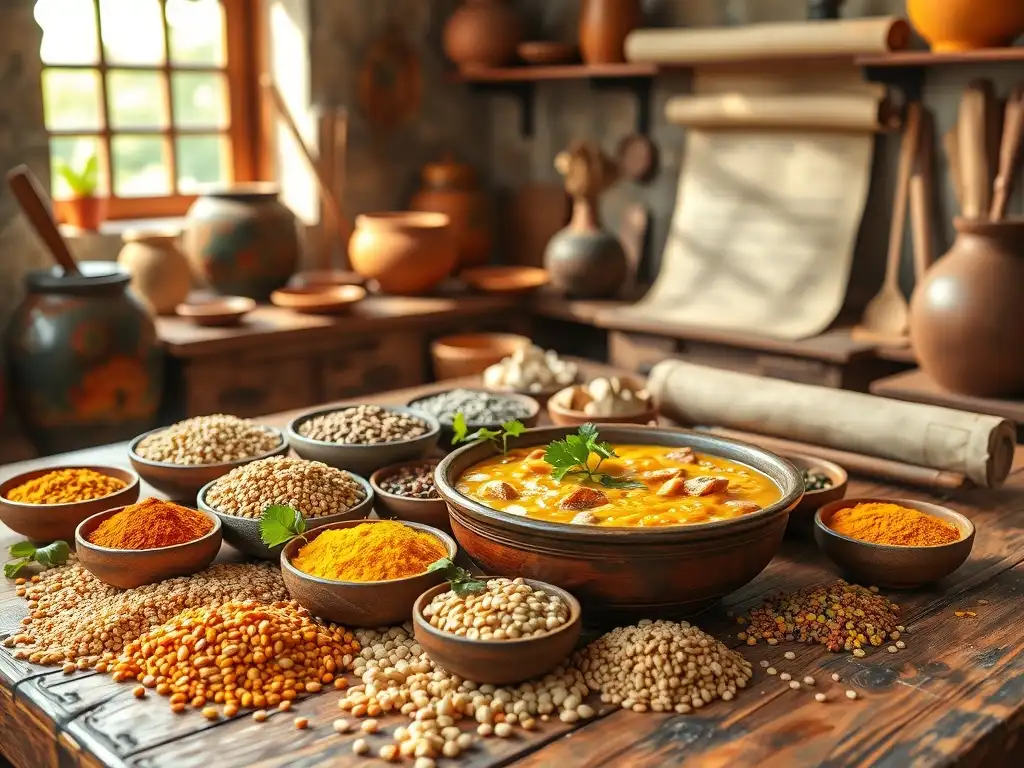
Welcome to Ancient India History, where we embark on a captivating journey through the rich tapestry of ancient Indian civilizations. Today, we invite you to delve into the delectable world of ancient Indian grains recipes, exploring the culinary treasures that have been passed down through generations. Discover how these time-honored ingredients not only nourish the body but also tell the story of a culture that thrives on diversity and innovation.
As you read on, prepare to unlock the secrets of forgotten flavors and revive lost recipes that connect us to our vibrant past. Let’s dive deeper into the fascinating intersection of history and cuisine!
- Introduction to Ancient Indian Grains Recipes
- Understanding Ancient Indian Grains
- Traditional Cooking Techniques for Ancient Grains
- Ancient Indian Grains Recipes
- Pairing Ancient Grains with Traditional Indian Dishes
- Exploring the Cultural Significance of Ancient Grains
- Conclusion: Embracing Ancient Grains for a Healthier Future
- Frequently Asked Questions
- Final Reflection: Reviving Culinary Heritage Through Ancient Grains
- Revitalize Your Kitchen with Ancient Grains!
Introduction to Ancient Indian Grains Recipes
In the vast tapestry of Indian culinary heritage, ancient grains stand out as a testament to the rich agricultural practices and diverse cultures that flourished in the region. From the fertile plains of the Indus Valley to the elevated plateaus of the Gupta Empire, these grains were not only staples of daily sustenance but also integral to the religious and cultural practices of ancient Indian societies.
In this article, we will delve into the significance of ancient grains in Indian cuisine and explore how to revive lost recipes that celebrate these time-honored ingredients. By reconnecting with these culinary traditions, we can enrich our modern diets and appreciate the profound legacy of ancient Indian civilizations.
The Importance of Ancient Grains in Indian Cuisine
Ancient grains, such as millet, barley, and quinoa, have played a pivotal role in shaping Indian culinary practices. These grains are not only nutritious but also versatile, lending themselves to a variety of cooking methods and dishes. Unlike more commonly consumed grains like rice and wheat, ancient grains often carry unique flavors and textures that can enhance traditional recipes. Here are some key points highlighting their importance:
- Nutritional Benefits: Ancient grains are often richer in vitamins, minerals, and fiber compared to their modern counterparts. For instance:
- Millet: High in magnesium, phosphorus, and iron.
- Barley: Known for its high fiber content, which aids digestion.
- Quinoa: A complete protein, making it an excellent choice for vegetarians.
- Cultural Significance: Many ancient grains have historical ties to various festivals and rituals in Indian culture. For example, the use of millet during harvest festivals reflects its importance in agrarian societies.
- Sustainability: Ancient grains are often more resilient to climate change, requiring less water and fewer chemical fertilizers. This makes them a sustainable choice for modern agriculture.
By incorporating these grains into our diets, we not only honor our culinary heritage but also contribute to a more sustainable future.
Reviving Lost Recipes from Ancient Indian Civilization
The revival of ancient grain recipes is a journey into the past that allows us to rediscover flavors and cooking techniques that have been forgotten over centuries. Here are some traditional recipes that highlight the use of ancient grains:
- Bajra Khichdi: A wholesome dish made with millet, lentils, and spices, often cooked to celebrate the harvest season.
- Barley Upma: A savory breakfast dish prepared with roasted barley, vegetables, and aromatic spices, showcasing the grain's unique texture and flavor.
- Quinoa Kheer: A modern twist on the traditional rice pudding, this dessert uses quinoa to create a nutritious and delicious sweet treat.
- Ragi Roti: A flatbread made from finger millet flour, rich in calcium and iron, typically served with a variety of curries.
By embracing these recipes, we not only preserve the culinary traditions of ancient India but also adapt them for contemporary palates. As we explore these cooking methods, we rediscover the stories and wisdom embedded in our food, creating a bridge between the past and present.
Understanding Ancient Indian Grains
What Are Ancient Grains?
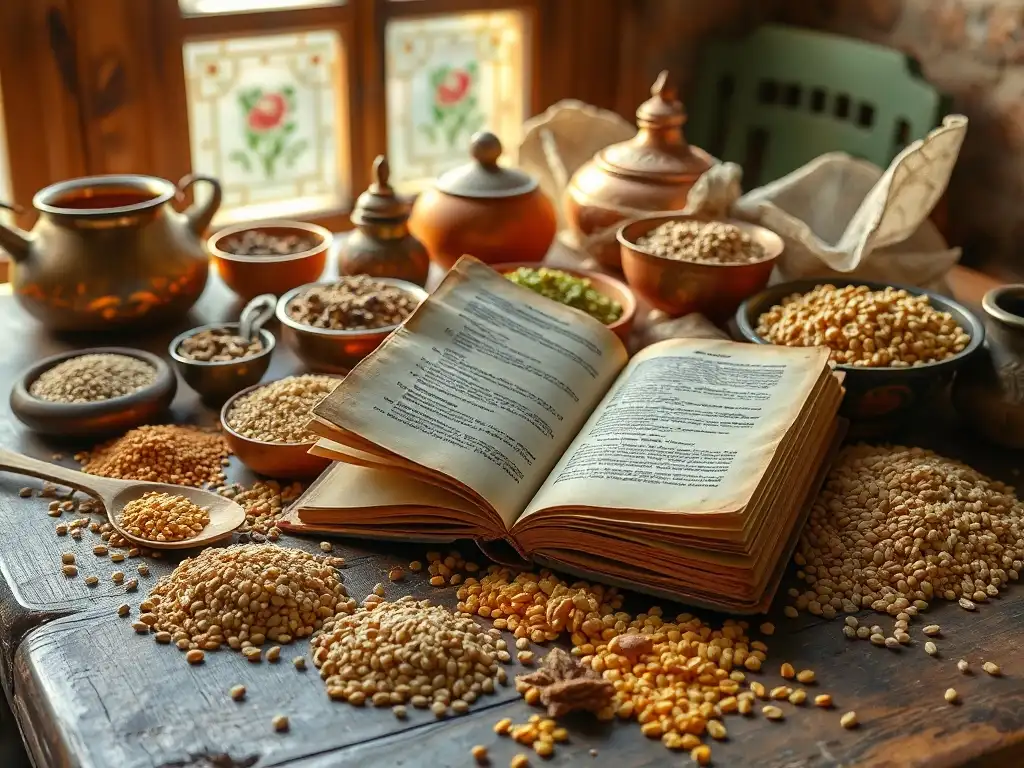
Ancient grains are cereal grains that have remained largely unchanged for thousands of years. Unlike modern grains that have been selectively bred for certain traits, ancient grains are often considered to be more nutrient-dense and resilient to environmental changes. In the context of ancient Indian cuisine, these grains played a crucial role in the diet, culture, and agriculture of various civilizations.
Some common characteristics of ancient grains include:
- Minimal Processing: Most ancient grains undergo little to no processing, retaining their natural nutrients.
- Diversity: They encompass a wide variety of species, each with unique flavors and textures.
- Cultural Significance: Many ancient grains are deeply rooted in the traditions and rituals of ancient Indian society.
Examples of ancient grains include millet, barley, and quinoa, each contributing to the rich tapestry of Indian culinary heritage.
Nutritional Benefits of Ancient Indian Grains
The resurgence of ancient Indian grains in modern cooking is not merely a culinary trend; it is backed by a wealth of nutritional benefits. Here are some key advantages:
- High in Fiber: Ancient grains are typically higher in fiber compared to refined grains. This aids in digestion and helps maintain a healthy gut.
- Rich in Protein: Many ancient grains provide a complete source of protein, essential for muscle repair and overall health. For instance, quinoa contains all nine essential amino acids.
- Packed with Micronutrients: They often contain higher levels of vitamins and minerals, such as iron, magnesium, and B vitamins, which are crucial for various bodily functions.
- Low Glycemic Index: Ancient grains tend to have a lower glycemic index, making them a better option for blood sugar management.
Incorporating ancient Indian grains into your diet not only revives traditional recipes but also supports a healthier lifestyle.
Popular Ancient Grains in Indian Cooking
Ancient Indian grains offer diverse flavors and textures, making them ideal for creating a variety of traditional dishes. Here are some popular ancient grains commonly used in Indian cooking:
| Grain | Description | Common Uses |
|---|---|---|
| Millet | A drought-resistant grain known for its nutty flavor. | Used in rotis, khichdi, and porridge. |
| Barley | A grain with a chewy texture, rich in fiber. | Often used in soups, salads, and as a rice substitute. |
| Amaranth | A pseudo-grain that is gluten-free and protein-rich. | Used in porridge, ladoos, and salads. |
| Buckwheat | Although not a true grain, it is high in nutrients and gluten-free. | Used in pancakes, idlis, and as a thickener. |
| Sorghum | A versatile grain that is drought-resistant and high in antioxidants. | Commonly used in porridge and traditional sweets. |
These grains not only enhance the flavor of dishes but also embody the essence of ancient Indian culinary practices. Reviving ancient Indian grains recipes can lead to a healthier, more sustainable approach to cooking that honors the nutritional wisdom of past civilizations.
Embracing these grains in your kitchen is a step towards preserving the rich heritage of ancient Indian cuisine! 🌾
Traditional Cooking Techniques for Ancient Grains
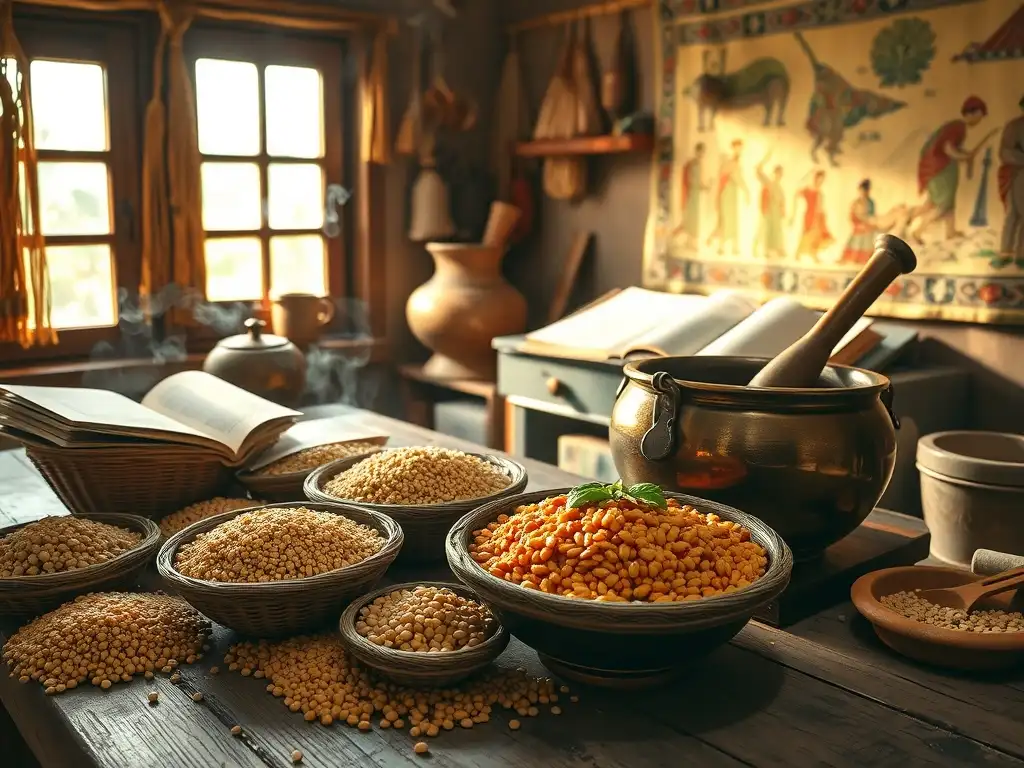
Ancient Indian grains, such as millet, barley, and quinoa, have been staples in Indian diets for centuries. The cooking techniques employed in ancient times were often simple yet effective, allowing these grains to retain their nutritional value while enhancing their flavors. Here, we explore some traditional cooking methods that have been passed down through generations, showcasing their relevance in today's kitchens.
Cooking Methods for Ancient Grains
-
Soaking and Sprouting
Soaking grains before cooking not only reduces cooking time but also enhances their digestibility. Sprouting, which involves soaking grains in water for a period before allowing them to germinate, boosts their nutritional profile by increasing vitamins and minerals. For example, soaking millet for 6-8 hours and then sprouting it for 24-48 hours can make it richer in amino acids and enzymes.
-
Roasting
Roasting ancient grains is a method that enhances their nutty flavors. This technique is particularly popular with barley and quinoa. The grains are dry-roasted in a pan over medium heat until they turn golden brown. This not only adds depth to the flavor but also can alter the texture, making them more appealing in salads or as a side dish.
-
Steaming
Steaming is a traditional cooking method that preserves the nutrients of grains. It involves cooking the grains in a steamer or a pot with a tight lid, allowing the steam to circulate. For instance, foxtail millet is often steamed with vegetables as a wholesome dish. This method is favored for its ability to retain the grains' natural flavors and colors.
-
Fermentation
Fermenting ancient grains can enhance their nutritional benefits and introduce unique flavors. For example, idli, a traditional South Indian dish, is made from fermented rice and urad dal (black gram), but variations can be made using ancient grains like finger millet. The fermentation process increases probiotics, improving gut health.
-
Cooking in Clay Pots
Utilizing traditional clay pots is a method that has been cherished in Indian cooking. These pots allow for slow cooking, which helps in evenly distributing heat and enhancing the flavor of the grains. Cooking khichdi with a mix of ancient grains in a clay pot can impart a unique earthy taste.
Essential Cooking Tools and Products
To successfully incorporate ancient grains into your cooking, having the right tools and products is essential. Here’s a list of must-have items:
| Tool/Product | Purpose |
|---|---|
| Heavy-bottomed Pot | Ideal for even cooking and preventing grains from sticking or burning. |
| Mortar and Pestle | Useful for grinding spices and grains, enhancing flavors in your recipes. |
| Steamer Basket | Perfect for steaming grains and vegetables, retaining nutrients and flavors. |
| Measuring Cups/Spoons | Essential for precise measurements of grains and water to achieve the right consistency. |
| Clay Pot | Provides a unique flavor and texture to dishes cooked slowly over low heat. |
| Sieve/Colander | Necessary for rinsing and draining grains before cooking. |
Incorporating these traditional cooking techniques and tools not only revives the age-old culinary practices of ancient Indian civilizations but also enriches the cooking experience of modern chefs and home cooks alike. Embracing these methods allows for a deeper connection to the cultural heritage of India while enjoying the health benefits of ancient grains.
Ancient Indian Grains Recipes
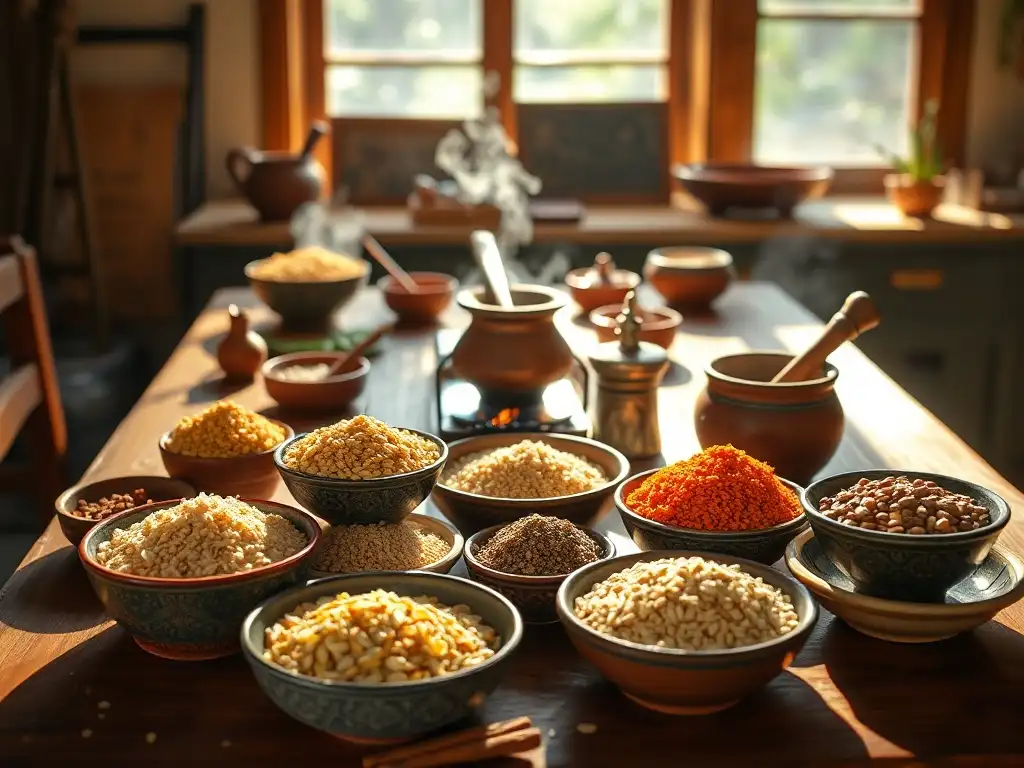
Recipe 1: Bajra Khichdi - A Comforting Millet Dish
Bajra Khichdi is a traditional dish that showcases the rich nutritional profile of bajra or pearl millet, a staple grain in many parts of India. This dish is not only comforting but also easy to prepare, making it a popular choice for both everyday meals and special occasions.
Ingredients:
- 1 cup bajra (pearl millet)
- ½ cup split yellow moong dal
- 1 medium onion, chopped
- 1-2 green chilies, slit
- 1 tsp ginger-garlic paste
- 1 tsp cumin seeds
- 2 tbsp ghee (clarified butter)
- Salt to taste
- Water (as needed)
- Fresh coriander for garnishing
Instructions:
- Preparation: Rinse the bajra and moong dal thoroughly under running water. Soak them together for at least 30 minutes to an hour.
- Cooking the Khichdi:
- In a pressure cooker, heat ghee and add cumin seeds. Once they splutter, add chopped onions and sauté until translucent.
- Stir in the ginger-garlic paste and green chilies, cooking for an additional minute.
- Add the soaked bajra and moong dal, mixing well. Add salt and sufficient water (about 4 cups).
- Close the lid and cook on medium heat for about 3 whistles or until the grains are soft.
- Serving: Let the pressure release naturally, then fluff the khichdi with a fork. Garnish with fresh coriander and serve hot with yogurt or pickle.
Recipe 2: Quinoa Pulao with Seasonal Vegetables
Quinoa, although not originally an ancient Indian grain, has gained popularity due to its health benefits and versatility. This recipe blends quinoa with seasonal vegetables, making it a nutritious and colorful dish.
Ingredients:
- 1 cup quinoa
- 2 cups water
- 1 cup mixed seasonal vegetables (carrots, peas, beans)
- 1 onion, thinly sliced
- 1 tsp cumin seeds
- 1-2 bay leaves
- 1 tsp garam masala
- Salt to taste
- 2 tbsp oil or ghee
- Fresh coriander for garnishing
Instructions:
- Preparation: Rinse quinoa under cold water to remove its natural coating, which can taste bitter.
- Cooking the Pulao:
- Heat oil or ghee in a pan, add cumin seeds and bay leaves, sautéing until fragrant.
- Add sliced onions and cook until golden brown. Stir in mixed vegetables and cook for about 5 minutes.
- Add rinsed quinoa, salt, garam masala, and water. Bring to a boil, then reduce heat to low, cover, and simmer for about 15 minutes or until quinoa is fluffy and water is absorbed.
- Serving: Fluff the quinoa with a fork and garnish with fresh coriander. Serve warm, pairing it with a raita or salad.
Recipe 3: Jowar Roti - Traditional Sorghum Bread
Jowar Roti is a gluten-free flatbread made from jowar (sorghum), a grain that has been cultivated in India for centuries. It is a staple in many households, particularly in Maharashtra and Karnataka.
Ingredients:
- 2 cups jowar flour
- Warm water (as needed)
- Salt to taste
- Ghee or butter for serving
Instructions:
- Dough Preparation: In a bowl, combine jowar flour and salt. Gradually add warm water, kneading until a soft dough forms. Let it rest for about 15-20 minutes.
- Making the Roti:
- Divide the dough into small balls. Dust each ball with some dry jowar flour to prevent sticking.
- Roll out each ball into a circle on a flat surface, using a rolling pin, or flatten it with your hands.
- Cooking:
- Heat a tawa (griddle) over medium heat. Place the rolled roti on the hot tawa and cook for about 1-2 minutes on each side, until brown spots appear.
- Optionally, you can puff the roti directly over the flame for a few seconds for a delightful texture.
- Serving: Serve hot with ghee or butter, along with pickles or a vegetable curry.
These ancient Indian grains recipes not only revive traditional cooking methods but also highlight the nutritional benefits of using ancient grains. Incorporating these recipes into your culinary repertoire will not only enhance your meals but also connect you with a rich heritage of Indian cuisine.
Pairing Ancient Grains with Traditional Indian Dishes
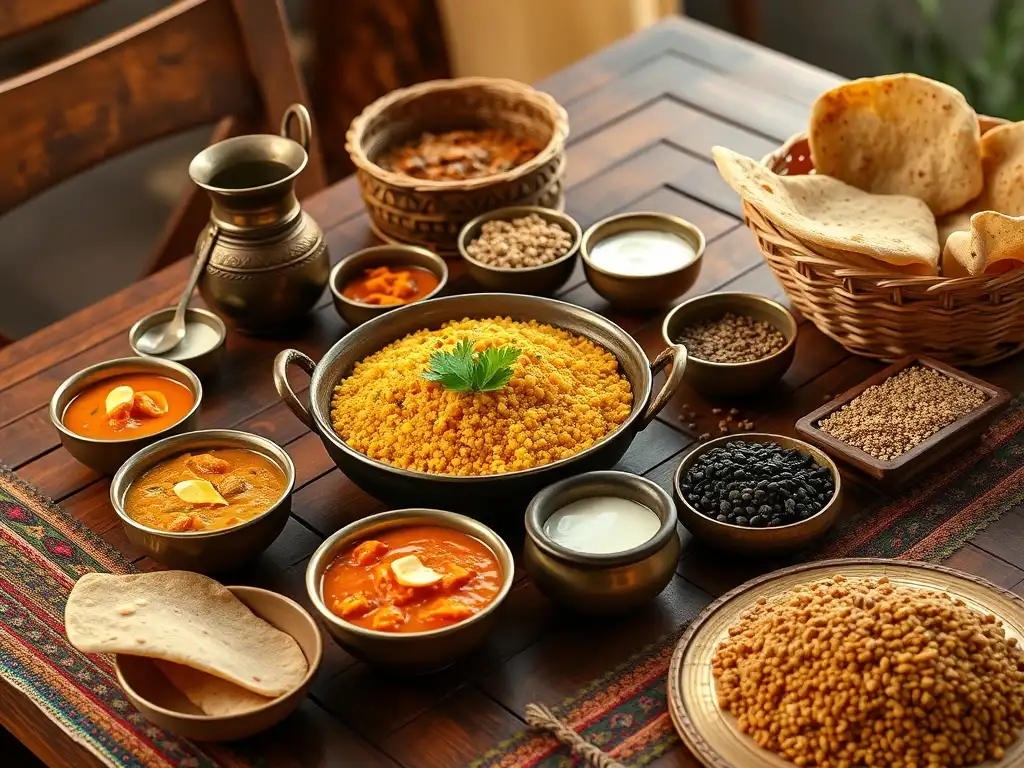
Ancient grains are not only a vital part of India's agricultural history but also play a significant role in contemporary Indian cuisine. By integrating these grains into traditional dishes, we can revive lost recipes and enhance the nutritional value of our meals. Pairing ancient grains with classic Indian dishes offers a delightful way to honor the past while enjoying the rich flavors of Indian culinary traditions.
Side Dishes and Accompaniments
When it comes to side dishes, ancient grains can be used creatively to complement the robust flavors of traditional Indian curries and main courses. Here are a few ideas on how to incorporate ancient grains into your meal:
- Quinoa Upma: A modern twist on the classic upma, quinoa can be sautéed with mustard seeds, curry leaves, and vegetables like peas and carrots. This dish serves as a nutritious breakfast or snack option.
- Barnyard Millet Khichdi: This gluten-free dish combines barnyard millet with lentils, turmeric, and seasonal vegetables. It is a wholesome and comforting meal, ideal for any day of the week.
- Buckwheat Dosa: Made from buckwheat flour, these crepes are not only gluten-free but also packed with protein. Serve them with coconut chutney or tomato sambar for a delicious and healthy breakfast.
- Amaranth Porridge: Cook amaranth grains in milk or water, sweeten with jaggery, and top with nuts and dried fruits. This porridge makes for a nourishing start to the day or a delightful dessert.
By using these ancient grains in side dishes, you can elevate your meals while staying true to traditional Indian cooking methods.
Recommended Ancient Grains to Pair with Various Curries
The choice of ancient grain can significantly enhance the overall dining experience when paired with specific curries. Below are some recommended ancient grains and the types of curries that complement them best:
| Ancient Grain | Recommended Curries | Flavor Profile |
|---|---|---|
| Farro | Paneer Butter Masala | Rich and creamy, the nutty flavor of farro balances the spice. |
| Bajra (Pearl Millet) | Rajasthani Gatte ki Sabzi | The earthy taste of bajra pairs well with the tangy and spicy curry. |
| Kodo Millet | Coconut Curry with Mixed Vegetables | The mildly sweet flavor of kodo millet complements the richness of coconut. |
| Teff | Dal Makhani | The subtle nutty flavor adds depth to the creamy lentils. |
| Sorghum (Jowar) | Palak Paneer | The robust texture of jowar enhances the smoothness of spinach curry. |
These pairings not only respect the traditional roots of Indian cuisine but also introduce wholesome alternatives that can easily be integrated into everyday meals. By exploring ancient Indian grains recipes, you can create a unique fusion of flavors that pays homage to India's rich culinary heritage.
Exploring the Cultural Significance of Ancient Grains
The Historical Role of Grains in Ancient Indian Society
Ancient Indian civilizations placed immense importance on grains, as they were not only a staple food source but also integral to various cultural and religious practices. Grains such as barley, rice, and millet were cultivated extensively, reflecting the agricultural advancements of the time.
- Agricultural Practices:
- The Indus Valley Civilization (circa 3300–1300 BCE) showcased sophisticated farming techniques, with evidence of wheat and barley cultivation found in archaeological sites like Harappa and Mohenjo-Daro.
- The use of irrigation systems and crop rotation demonstrated early agricultural knowledge that ensured food security.
- Economic Foundations:
- Grains were crucial in establishing trade networks, both within the Indian subcontinent and with neighboring regions. The surplus production of grains facilitated barter and trade, contributing to economic stability.
- Ancient texts, such as the Arthashastra by Kautilya, highlight the importance of grain storage and distribution for maintaining economic power.
- Culinary Diversity:
- Various ancient grains have led to a rich culinary tradition, with recipes passed down through generations. Dishes made from these grains often reflect regional diversity and local ingredients, showcasing the adaptability of ancient Indian cuisine.
- Grains were not only consumed as staple foods but were also used in the preparation of fermented beverages, desserts, and traditional snacks, illustrating their versatility.
Festivals and Celebrations Featuring Ancient Grains
Ancient grains have held a special place in Indian festivals and celebrations, often symbolizing prosperity, fertility, and gratitude.
- Pongal:
- This harvest festival celebrated predominantly in Tamil Nadu features Sakkarai Pongal, a sweet dish made from rice, jaggery, and ghee. It is an offering to the Sun God, expressing gratitude for the bountiful harvest.
- Makar Sankranti:
- Celebrated across India, this festival marks the transition of the sun into the zodiac sign of Capricorn. Tilgul, a sweet made from sesame seeds (ancient grains), is exchanged among friends and family, symbolizing the end of bitterness and welcoming new beginnings.
- Navratri:
- During this nine-night festival dedicated to the goddess Durga, various dishes made from barnyard millet and kuttu (buckwheat) are prepared. These grains are often consumed as part of fasting rituals, highlighting their significance in spiritual practices.
- Baisakhi:
- This harvest festival in Punjab celebrates the arrival of the new harvest, with traditional dishes like Kadhi made from gram flour showcasing the importance of ancient grains in community gatherings and feasting.
These festivals not only celebrate agricultural cycles but also reinforce the cultural identity tied to ancient grains. The rituals associated with these grains reflect a deep respect for the earth and its produce, emphasizing the integral role of agriculture in ancient Indian society.
Incorporating these ancient Indian grains recipes into modern cooking practices not only revives lost culinary traditions but also fosters an appreciation for the historical and cultural significance of these ingredients. Embracing ancient grains can lead to a healthier lifestyle, connecting us to the wisdom of our ancestors.
Conclusion: Embracing Ancient Grains for a Healthier Future
Embracing ancient grains is not just a culinary trend; it represents a return to sustainable cooking practices that honor the rich heritage of Indian cuisine. These grains, such as millets, barley, and sorghum, offer numerous health benefits and are often more resilient to climate change compared to modern wheat and rice varieties. Incorporating ancient grains into our diets can lead to improved nutrition and support local farming practices, ultimately contributing to a healthier future for both individuals and communities.
Encouraging Sustainable Cooking Practices
Integrating ancient grains into daily cooking can promote sustainability in several ways:
- Local Sourcing: Many ancient grains are indigenous to India and can be sourced locally, reducing transportation emissions and supporting local farmers.
- Biodiversity: By diversifying the grains we consume, we help maintain agricultural biodiversity. This can prevent the extinction of traditional varieties and promote soil health.
- Nutritional Benefits: Ancient grains are often rich in fiber, vitamins, and minerals, making them a healthier choice compared to processed grains. For instance, finger millet (ragi) is known for its high calcium content, while barnyard millet is rich in iron.
- Climate Resilience: Many ancient grains require less water and are more drought-resistant than modern varieties. This makes them a viable option in the face of climate challenges.
Final Thoughts on Reviving Ancient Indian Grains Recipes
Reviving ancient Indian grains recipes is a delicious way to connect with the past while contributing to a sustainable future. Here are some ways to incorporate these recipes into modern cooking:
- Experiment with Traditional Dishes: Try making ragi mudde, a traditional dish from Karnataka, or bajra khichdi, which is a comforting meal made with pearl millet.
- Innovative Twists: Use ancient grains as substitutes in contemporary recipes. For instance, use quinoa or amaranth in salads or as a base for bowls, giving a nutritious twist to everyday meals.
- Community Engagement: Participate in local cooking workshops or community gatherings that focus on ancient grain recipes. This not only enhances cooking skills but also strengthens community ties.
- Educate and Share: Spread awareness about the benefits of ancient grains through social media or blogs. Sharing recipes and ideas can inspire others to embrace these nutritious grains.
The journey of reviving ancient Indian grains recipes leads us towards a deeper appreciation of our culinary roots while fostering a healthier, more sustainable future. By embracing these grains, we not only nourish our bodies but also honor the agricultural traditions of ancient Indian civilizations. Let's celebrate this rich heritage and make ancient grains a staple in our kitchens once again.
Frequently Asked Questions
What are ancient Indian grains?
Ancient Indian grains refer to traditional cereals that have been cultivated in India for thousands of years, such as millets, barley, and sorghum. These grains are known for their nutritional benefits and are integral to the culinary heritage of India.
Why are ancient grains important in Indian cuisine?
Ancient grains play a crucial role in Indian cuisine as they are a source of sustenance and health. They offer unique flavors and textures, and their revival helps in preserving the culinary traditions of ancient Indian civilizations.
Can you name some popular ancient Indian grain recipes?
Some popular recipes include bajra khichdi (pearl millet porridge), jowar roti (sorghum flatbread), and barley upma. These dishes highlight the richness of ancient Indian grains in everyday cooking.
How can ancient grains benefit health?
Incorporating ancient grains into your diet can provide numerous health benefits, such as improved digestion, lower cholesterol levels, and increased energy. They are often high in fiber, vitamins, and minerals compared to modern grains.
Where can I find more information about ancient Indian grains recipes?
You can explore websites like "Ancient India History" or various culinary blogs that focus on traditional Indian cooking. They often share authentic recipes and insights into the cultural significance of these grains.
Final Reflection: Reviving Culinary Heritage Through Ancient Grains
In an age where fast food and convenience often overshadow traditional cooking, the revival of ancient Indian grains recipes serves as a powerful reminder of our rich culinary heritage. These grains, once staples of Indian civilization, not only offer unique flavors and nutritional benefits but also connect us to our ancestors and their wisdom. As we navigate the complexities of modern diets, embracing these ancient recipes can lead us to a more sustainable and health-conscious lifestyle.
The influence of ancient grains on our cultural and social landscape is profound and ongoing. By rediscovering these grains, we are not just preserving recipes; we are reclaiming a part of our identity that has been overshadowed by globalization. The resurgence of interest in ancient grains reflects a broader movement towards sustainability and health, encouraging communities to support local agriculture and traditional practices. Food is a symbol of culture, and by preserving our culinary traditions, we preserve our identity.
This sentiment resonates deeply as we explore the significance of these grains in our kitchens and communities.
As you reflect on the journey of cooking with ancient grains, I invite you to take action. Consider incorporating these recipes into your daily life, not just as a means of nourishment but as a way to honor our shared history and promote a sustainable future. Let each dish you create be a tribute to the wisdom of the past and a step towards a healthier, more connected world. Embrace the flavors, share the stories, and inspire others to join in this culinary revival.
Revitalize Your Kitchen with Ancient Grains!
Thank you for taking the time to explore the fascinating world of ancient grains and the rich culinary heritage of Indian civilization. You’ve unearthed the value of recipes that have stood the test of time, and now it's your turn to bring these delicious traditions back to life!
Here are a few easy steps to get you started on this exciting culinary journey:
- Experiment with ancient grains by incorporating them into your next meal; consider using millet or quinoa for a nutritious twist!
- Join online forums or local cooking classes that focus on ancient grains – not only will you deepen your skills, but you’ll also connect with fellow food enthusiasts.
- Share your experiences and recipes with friends and family on social media; inspire others to rediscover and embrace these flavorful ingredients.
Which ancient grain recipe are you eager to try first, and how do you think it will enhance your dining experience?