
The Interdependence of Agriculture and Economy in Ancient Indian Life

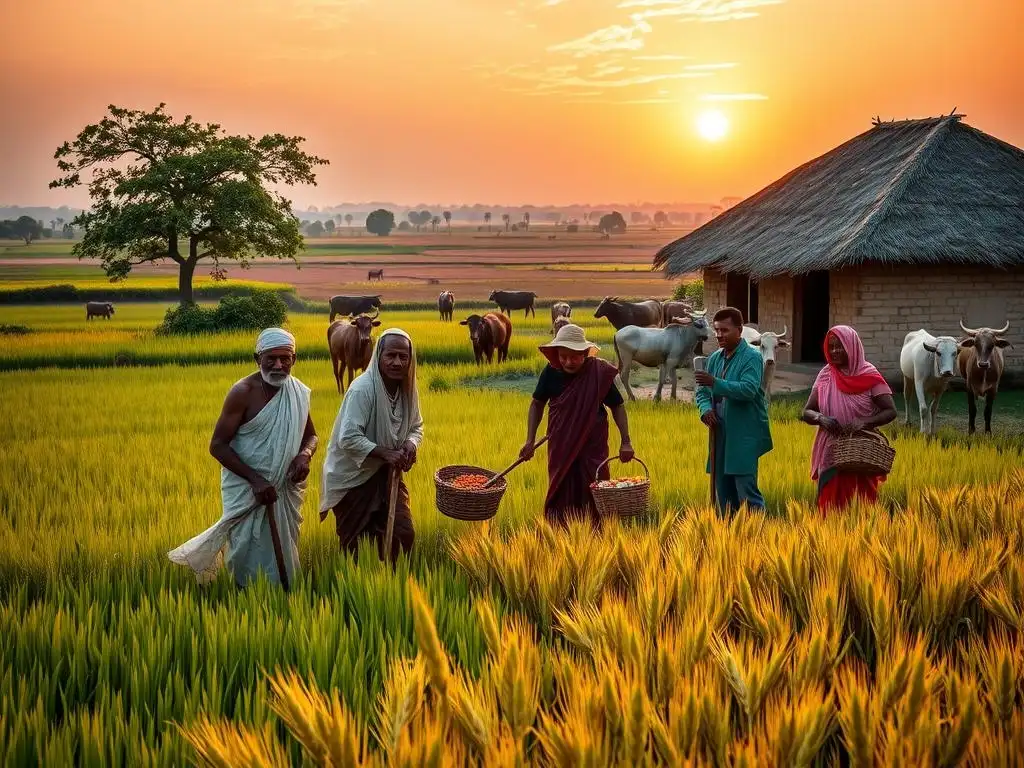
Welcome to Ancient India History, where we delve into the rich tapestry of India's past! In our exploration today, we uncover the intricate relationship between agriculture and the economy in ancient Indian life. Discover how the agricultural practices of civilizations from the Indus Valley to the Gupta Empire not only nurtured their people but also laid the foundation for thriving economic systems. Are you ready to journey through time and uncover the secrets of ancient Indian agriculture? Dive in and let the stories of innovation and interdependence unfold!

The intricate relationship between agriculture and economy has been a defining feature of ancient Indian life, profoundly influencing social structures, trade, and cultural practices. Understanding this interdependence offers valuable insights into how agricultural advancements shaped not only the livelihoods of ancient civilizations but also their broader economic frameworks.
From the fertile plains of the Indus Valley to the flourishing agrarian societies during the Gupta Empire, agriculture served as a cornerstone for economic stability and growth. This exploration delves into the dynamics of ancient Indian agriculture economy, highlighting its significance in sustaining communities and fostering innovations that would leave a lasting impact on future generations.
Introduction to Ancient Indian Agriculture Economy
Agriculture in ancient India was not merely a means of sustenance; it was intrinsically linked to the economy, shaping the social fabric and determining the prosperity of various regions. The agricultural practices established during this period laid the groundwork for trade systems, influenced land use policies, and contributed to the development of complex societal hierarchies. As we explore this topic, we will uncover how the agriculture economy of ancient India operated, the challenges faced, and the innovations that arose in response to changing needs.
Overview of the Role of Agriculture in Ancient Indian Society
Agriculture played a pivotal role in ancient Indian society, serving as the backbone of the economy and supporting a vast population. Key aspects include:
- Food Security: The cultivation of staple crops such as rice, wheat, and barley ensured food availability, directly impacting population growth and urbanization.
- Social Structure: Agricultural surplus allowed for the emergence of various social classes, with landowners gaining wealth and influence.
- Cultural Significance: Farming practices were intertwined with religious beliefs and festivals, highlighting the importance of agriculture in daily life.
Importance of Economy in Shaping Agricultural Practices
The economy of ancient India was profoundly influenced by agricultural practices, which in turn dictated economic strategies. Notable influences include:
- Trade Networks: Surplus production facilitated trade, both locally and internationally, leading to economic interdependence among regions.
- Land Use: Economic demands dictated land management practices, including crop rotation and irrigation techniques, optimizing productivity.
- Labor Systems: The economy also shaped labor dynamics, with various roles emerging in farming, trade, and administration, thus creating a complex workforce.
Historical Context of Agriculture in Ancient India
The evolution of agriculture in ancient India is a fascinating journey that reflects broader societal changes and advancements.
Evolution of Agriculture from the Indus Valley Civilization
The Indus Valley Civilization (c. 3300–1300 BCE) represents one of the earliest examples of organized agriculture in ancient India. Key developments included:
- Irrigation Systems: The use of sophisticated irrigation techniques allowed for the cultivation of crops in arid regions, significantly boosting agricultural output.
- Crop Diversity: The cultivation of diverse crops, including cotton, lentils, and grains, showcased advanced agricultural practices that supported a thriving economy.
Agricultural Innovations in Vedic and Post-Vedic Periods
Following the Indus Valley period, the Vedic and Post-Vedic eras (c. 1500–600 BCE) saw significant agricultural innovations that further shaped the economy. Important aspects include:
- Introduction of Iron Tools: The advent of iron plows and tools enhanced farming efficiency, leading to increased productivity and crop yields.
- Systematic Crop Rotation: Early agricultural manuals indicated the use of crop rotation, which improved soil fertility and sustained agricultural output over time.
The exploration of these historical contexts reveals a rich tapestry of interdependence between agriculture and the economy, underscoring the importance of this relationship in ancient Indian life.
Key Features of Ancient Indian Agricultural Economy
The agricultural economy in ancient India was characterized by several key features that contributed to its stability and growth. Primarily, diversification was vital; farmers cultivated a variety of crops suited to different climatic zones and soil types. This not only reduced risk but also ensured a steady supply of food. The concept of subsistence farming prevailed, where families produced enough for their own needs while also engaging in limited trade.
Another significant aspect was the integration of irrigation systems, which allowed for the expansion of arable land, especially in regions like the Indus Valley and the Ganges plains. The use of canals, wells, and other irrigation methods was crucial for maintaining productivity during dry seasons. Additionally, the social structure surrounding agriculture included a system of labor that involved not just family members but also hired laborers, indicating a developed agrarian economy.
Types of Crops Cultivated in Ancient India
Ancient Indian agriculture was marked by the cultivation of a wide variety of crops, which can be broadly categorized into food grains, cash crops, and fruits and vegetables. Among the staples, rice and wheat were predominant, particularly in the fertile regions of the Ganges Valley. Other important grains included barley, millets, and pulses, which were essential for nutrition and soil fertility.
In addition to food grains, cash crops like cotton, sugarcane, and spices played a significant role in trade and economy. Cotton, for example, not only served local needs but also became a major export to regions beyond India. The cultivation of fruits and vegetables, such as mangoes, pomegranates, and various legumes, also contributed to the diverse agricultural output, supporting both local consumption and trade.
Techniques and Tools Used in Ancient Indian Agriculture
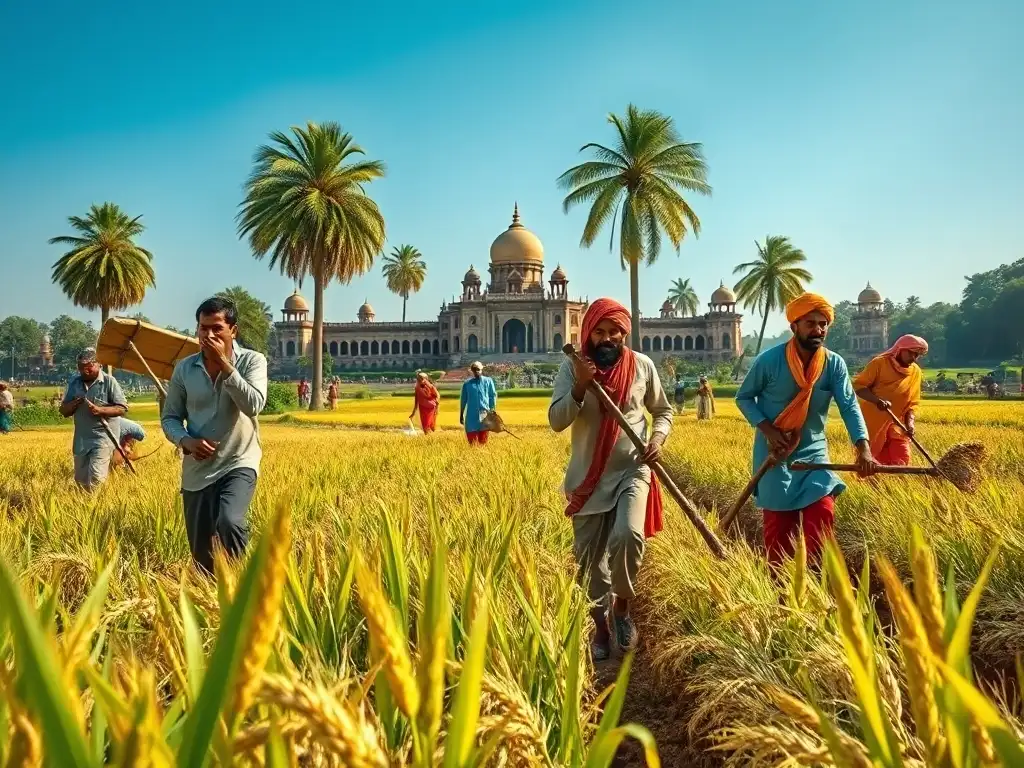
Ancient Indian farmers employed a range of techniques and tools to enhance agricultural productivity. The use of plows, often made of wood, was common, and they were drawn by oxen, which significantly increased efficiency compared to hand tilling. Additionally, the practice of crop rotation helped maintain soil fertility and control pests.
Irrigation practices were advanced for the time, with systems that included canals, wells, and reservoirs. The use of manure and compost was also prevalent for enriching the soil. Furthermore, the adoption of manual harvesting techniques and sickle-shaped tools allowed for efficient gathering of crops, indicating a well-developed agrarian infrastructure that supported both subsistence and trade.
Role of Monsoons in Agricultural Planning
The monsoon season was a critical factor in ancient Indian agriculture, dictating the agricultural calendar and planning. The onset of the monsoon rains was eagerly awaited, as it provided the necessary water for crops. Farmers would carefully time their planting to coincide with the rains to maximize yield.
The variability of monsoon patterns meant that farmers had to be adept at forecasting weather conditions and planning accordingly. Regions that received adequate rainfall could cultivate multiple crops in a year, while areas with less predictable rains often relied on drought-resistant varieties. Thus, understanding and adapting to monsoon cycles played a pivotal role in the success of the agricultural economy in ancient India.
Economic Impact of Agriculture on Ancient Indian Civilizations
Agriculture was not merely a means of sustenance in ancient India; it was intricately linked to the overall economic framework of the civilization. The productivity of agricultural practices directly influenced population growth, urbanization, and social structures.
Agriculture as the Backbone of Ancient Economy
The agricultural sector served as the backbone of the ancient Indian economy, providing the primary source of income for the majority of the population. A flourishing agricultural sector facilitated the growth of cities and trade networks, laying the foundation for a complex economy. The surplus produced allowed for specialization and the development of various crafts and trades, contributing to the rise of urban centers.
Trade and Commerce Linked to Agricultural Produce
Trade in agricultural produce was a significant aspect of the ancient Indian economy. Markets flourished, with surplus crops being exchanged for goods and services. Key commodities like rice, spices, and textiles were not only consumed locally but also traded with neighboring regions and countries. Trade routes, both overland and maritime, were established to facilitate this exchange, highlighting the interconnectedness of agriculture and commerce.
Taxation Systems Based on Agricultural Output
The economic structure of ancient India also included sophisticated taxation systems that were largely based on agricultural output. Rulers collected taxes in the form of a percentage of the harvest, which funded state activities, including infrastructure and military. Such systems ensured that the economy remained fluid and responsive to agricultural productivity, reinforcing the importance of agriculture in sustaining the overall governance and development of ancient Indian civilizations.
In ancient India, the agricultural economy was not merely a means of sustenance; it was intricately woven into the fabric of social structures. The reliance on agriculture shaped social hierarchies, economic transactions, and daily life. The prosperity of agrarian societies influenced community organization, with wealth and resources often determining an individual's social standing.
The agricultural economy facilitated varied occupations, leading to a complex social stratification. Wealth accumulated through agricultural production enabled landowners to exert influence and power within their communities, while those engaged in farming and laboring faced different social challenges and opportunities.
The relationship between social structure and agriculture highlights how agricultural practices dictated not just livelihoods but also cultural norms and community interactions. The interdependence of agriculture and the economy underscored the importance of farming in sustaining not only the population but also the broader economic dynamics of ancient Indian civilizations.
Influence of Land Ownership on Social Hierarchies
Land ownership played a pivotal role in establishing social hierarchies within ancient Indian society. Those who owned large tracts of fertile land were typically among the wealthiest members of society. They wielded significant power and influence, often controlling the agricultural output and laborers working on their lands. This concentration of land ownership led to a disparity in wealth and resources, creating a distinct class of landowners who were able to dictate the social and economic landscape.
Conversely, those without land, such as tenant farmers and laborers, occupied lower rungs on the social ladder. Their dependence on landowners for employment and sustenance often left them vulnerable to exploitation. The ownership of land not only conferred economic advantages but also social prestige, reinforcing the idea that wealth was synonymous with power.
Furthermore, land ownership was often inherited, perpetuating existing social hierarchies across generations. This system created a rigid class structure where mobility was limited, and social advancement was challenging for those starting from lower economic backgrounds.
Role of Farmers and Laborers in the Economy
Farmers and laborers were the backbone of the ancient Indian economy, directly contributing to agricultural production and sustaining the population. Their work was vital for food security, which in turn supported urban centers and trade systems. Farmers engaged in various agricultural practices, cultivating staple crops such as rice, wheat, and millet, which were essential for daily sustenance.
Laborers, often employed by landowners, played crucial roles in planting, harvesting, and maintaining crops. Their labor was not only critical for the agricultural economy but also for the development of irrigation systems and land management techniques. The economy was heavily reliant on their expertise and hard work, as they ensured the efficient production of goods that were vital for trade and sustenance.
Despite their essential contributions, farmers and laborers often faced challenges, including heavy taxation and limited rights over the land they worked. Their economic status fluctuated based on agricultural yields and market demands, highlighting their vulnerability within the agricultural framework.
Caste System and Its Relation to Agricultural Practices
The caste system in ancient India was deeply intertwined with agricultural practices, influencing who performed specific agricultural tasks and how they were socially perceived. Different castes were assigned roles related to agriculture, from landowners to agricultural laborers, and these roles were often hereditary.
Higher castes, such as the Kshatriyas and Vaishyas, typically held land and wealth, while lower castes, including Shudras, were often relegated to labor-intensive agricultural work. This division reinforced social stratification, with caste identity shaping access to resources, rights, and opportunities within the agricultural economy.
Additionally, the caste system influenced agricultural practices, as specific rituals and customs were associated with various occupations. For example, some castes were responsible for performing agricultural rites and ceremonies believed to improve crop yields. This not only highlighted the spiritual dimension of agriculture but also solidified the caste-based division of labor in farming communities.
Interdependence of Agriculture and Other Economic Sectors
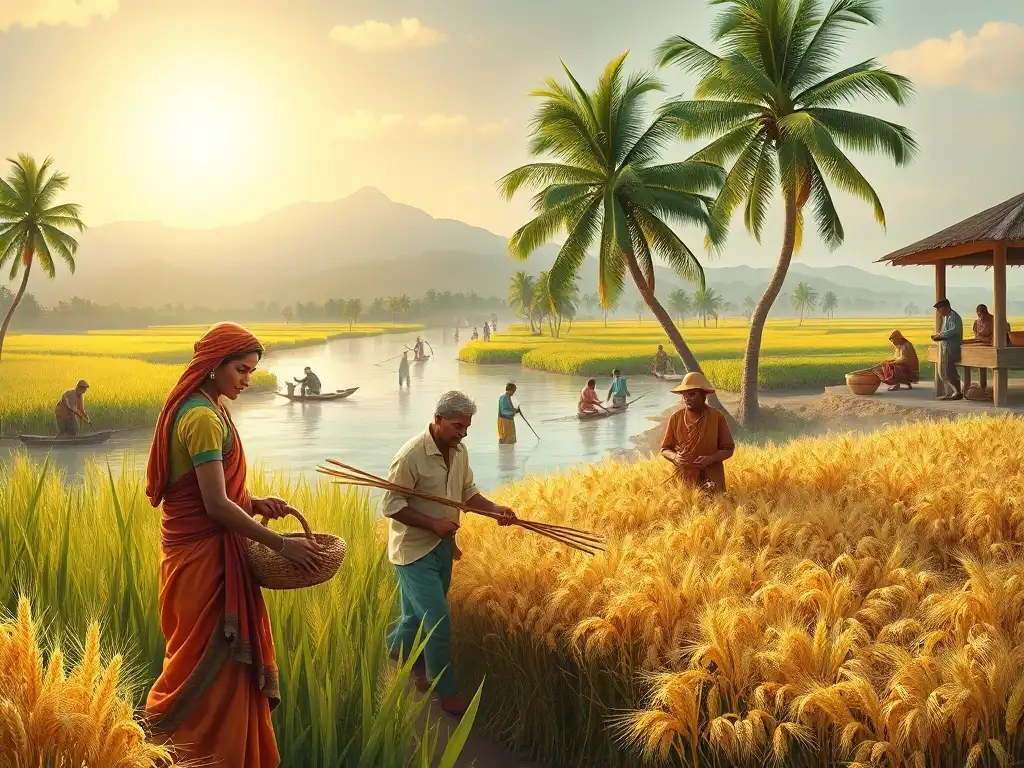
The agricultural economy of ancient India did not exist in isolation; it was interconnected with various other sectors, creating a web of economic interdependence. Agriculture facilitated the growth of craftsmanship, trade, and urbanization, highlighting its central role in shaping the broader economy.
Agriculture and Craftsmanship: A Symbiotic Relationship
The relationship between agriculture and craftsmanship was mutually beneficial. Agricultural surplus allowed for the development of specialized crafts, as artisans could focus on producing goods without the immediate pressure of farming for survival. Craftsmanship thrived in urban centers, where artisans created tools, textiles, and pottery using raw materials often sourced from agricultural produce.
For instance, the weaving of cotton textiles was closely linked to cotton farming, leading to a flourishing textile industry in regions like Gujarat. Similarly, metalworkers relied on agricultural tools, which required a constant supply of raw materials from farming communities. This interdependence not only enriched the economy but also fostered cultural exchanges as goods circulated between agricultural and artisan communities.
The Connection Between Agriculture and Trade Routes
Agricultural products were central to trade in ancient India. The surplus generated by farming allowed for the exchange of goods across vast trade networks, connecting rural areas with urban markets. Major crops, such as spices, grains, and fruits, were traded both locally and with distant regions, enhancing economic prosperity.
Trade routes, including the Grand Trunk Road and various river systems, facilitated the movement of agricultural products and linked farming communities with urban centers. This connectivity enabled farmers to access broader markets, while traders benefited from a steady supply of essential goods. The flourishing trade relationships helped stimulate economic growth and cultural exchange, showcasing the significance of agriculture in the broader economic landscape.
Influence of Agriculture on Urban Development in Ancient India
Agriculture played a critical role in the emergence and growth of urban centers in ancient India. As agricultural productivity increased, it supported larger populations, which in turn led to the establishment of cities. Urban areas became hubs of commerce, where agricultural surplus was traded, and various crafts and industries developed.
Cities like Mohenjo-Daro and Harappa in the Indus Valley Civilization exemplified this phenomenon, showcasing advanced urban planning and architecture that developed alongside agricultural advancements. The concentration of resources and population in cities created a demand for goods and services, further driving economic activity and urban development.
Moreover, the rise of urban settlements influenced agricultural practices, leading to innovations such as irrigation techniques and crop rotation. These advancements not only enhanced agricultural output but also solidified the relationship between agriculture and urbanization, demonstrating how agriculture was fundamental to the economic and social dynamics of ancient Indian life.
Challenges Faced by the Agricultural Economy in Ancient India
The agricultural economy of ancient India was not without its challenges. Various factors, both natural and human-induced, posed significant obstacles to agricultural productivity and economic stability. Understanding these challenges provides insight into the resilience and adaptability of ancient Indian civilizations.
Natural Disasters and Their Impact on Agriculture
Natural disasters such as floods, droughts, and earthquakes were significant threats to agriculture in ancient India. The monsoon season, while crucial for irrigation, was also unpredictable, leading to either excessive rainfall or insufficient precipitation.
- Floods: The flooding of rivers like the Ganges and the Indus could devastate fields, wash away crops, and lead to soil erosion. Historical records indicate instances where entire harvests were lost, leading to famine and economic downturns.
- Droughts: Conversely, periods of drought severely affected crop yields, causing food shortages and straining the economy. The reliance on monsoon rains made ancient agrarian societies particularly vulnerable to climate variability.
- Earthquakes: Regions like the Himalayas experienced seismic activities that could disrupt irrigation systems and damage agricultural infrastructure, further complicating recovery efforts.
Such natural disasters necessitated the development of adaptive agricultural practices, including crop rotation and the establishment of granaries for food storage.
Political Instability and Economic Disruption
Political instability in ancient India often led to significant disruptions in agricultural activities. Various factors contributed to this instability:
- Invasions and Warfare: Frequent invasions by foreign powers, such as the Greeks, Persians, and later the Mughals, disrupted agricultural production. Wars led to the destruction of fields, displacement of populations, and a decline in agricultural labor.
- Taxation and Exploitation: Heavy taxation imposed by rulers could strain farmers, leading to resentment and resistance. In some cases, oppressive regimes forced farmers into debt, resulting in loss of land and resources.
- Administrative Inefficiencies: Corruption and mismanagement within local administrations could hinder effective agricultural development and resource allocation. Inefficient irrigation management often exacerbated the impact of natural disasters.
These factors not only affected food production but also led to economic instability, affecting trade and commerce.
Technological Limitations in Agricultural Practices
The agricultural economy in ancient India was limited by technological advancements of the time. While there were notable innovations, many practices remained rudimentary:
- Irrigation Techniques: Although systems like canals and wells were developed, they were often insufficient to meet the needs of large agricultural lands. Limited knowledge of hydraulic engineering hindered the expansion of effective irrigation.
- Tools and Implements: The plow and other farming tools were basic compared to modern machinery, limiting efficiency and productivity. The reliance on manual labor made farming labor-intensive and susceptible to fluctuations in available workforce.
- Crop Diversity: While ancient Indian farmers cultivated various crops, the lack of advanced agricultural techniques limited the ability to improve yields and resist pests and diseases. This vulnerability often led to crop failures.
These technological constraints meant that ancient Indian agriculture was heavily reliant on human labor and natural conditions, making it more susceptible to economic fluctuations.
Conclusion: The Legacy of Ancient Indian Agriculture Economy
The challenges faced by ancient Indian agriculture have left a lasting impact on the region's agricultural practices and economic structures. Despite these adversities, the resilience and ingenuity of ancient Indian civilizations fostered a rich agricultural heritage.
Lasting Influences on Modern Indian Agriculture
The agricultural practices and economic principles established in ancient India continue to influence modern Indian agriculture. Techniques such as crop rotation, organic farming, and the use of indigenous seeds have roots in ancient practices. Furthermore, the importance of monsoon cycles remains a critical consideration for contemporary agricultural planning.
- Cultural Practices: Festivals tied to agricultural cycles, such as Makar Sankranti and Pongal, emphasize the enduring connection between agriculture and society.
- Sustainable Practices: The emphasis on sustainable farming methods and local resource utilization can be traced back to the adaptive strategies developed to combat the challenges of ancient agriculture.
Reflection on the Interdependence of Agriculture and Economy in Today's Context
Today, the interdependence of agriculture and the economy remains relevant. Agriculture continues to be a cornerstone of the Indian economy, providing employment to millions and contributing significantly to GDP.
- Economic Policies: Modern policies increasingly reflect the need for sustainable agricultural practices and economic stability, echoing the lessons learned from ancient times.
- Globalization: As India integrates into the global economy, the balance between traditional practices and modern technology becomes essential for ensuring food security and economic growth.
The agricultural economy of ancient India not only shaped the historical landscape but also continues to inform contemporary practices and policies, highlighting the enduring legacy of this vital sector.
References
Historical texts, archaeological findings, and scholarly articles on ancient Indian agriculture and economy.
The study of ancient Indian agriculture and its intricate relationship with the economy is supported by a rich tapestry of historical texts, archaeological findings, and scholarly articles. These sources provide invaluable insights into the agricultural practices, land use, and economic systems that shaped the civilizations of ancient India.
-
Historical Texts
Ancient Indian literature, such as the Arthashastra by Kautilya (Chanakya), offers a comprehensive view of the economic practices of the time, including taxation, trade, and agricultural production. Additionally, texts like the Manusmriti discuss land ownership and the roles of various social classes in agricultural production. These writings not only reflect the importance of agriculture in sustaining the economy but also highlight the governance structures that regulated these practices.
-
Archaeological Findings
Excavations at sites such as Harappa and Mohenjo-Daro have unearthed evidence of advanced agricultural techniques, including the cultivation of wheat, barley, and cotton. Artifacts like grain storage facilities and irrigation systems indicate that ancient Indian civilizations had a sophisticated understanding of land management and crop production. The presence of plowed fields and granaries suggests a well-organized agricultural economy that supported urban centers.
-
Scholarly Articles
Numerous academic studies delve into the nuances of ancient Indian agriculture and its economic implications. Researchers like R.S. Sharma and D.N. Jha have published extensive works analyzing the economic structures of ancient Indian society, focusing on the interplay between agriculture, trade, and urban development. Articles in journals such as the Journal of Asian Studies and Indian Economic and Social History Review provide critical analyses of historical data, offering interpretations that enrich our understanding of the agricultural economy in ancient India.
-
Case Studies
Specific case studies, such as the agricultural practices in the Gupta Empire, illustrate the evolution of farming techniques and their impact on economic prosperity. The use of irrigation systems, crop rotation, and the domestication of various plants and animals are well-documented, showcasing how agriculture was foundational to economic stability and growth.
These references collectively underscore the vital role of agriculture in ancient Indian economies, illustrating how agricultural productivity was not only essential for sustenance but also for trade, social structure, and overall economic development. By examining these texts and findings, we gain a clearer picture of how ancient Indian civilizations thrived through a symbiotic relationship between agriculture and their economic systems.
- Introduction to Ancient Indian Agriculture Economy
- Historical Context of Agriculture in Ancient India
- Key Features of Ancient Indian Agricultural Economy
- Types of Crops Cultivated in Ancient India
- Techniques and Tools Used in Ancient Indian Agriculture
- Role of Monsoons in Agricultural Planning
- Economic Impact of Agriculture on Ancient Indian Civilizations
- Social Structure and Agricultural Economy
- Interdependence of Agriculture and Other Economic Sectors
- Challenges Faced by the Agricultural Economy in Ancient India
- Conclusion: The Legacy of Ancient Indian Agriculture Economy
- References
- What was the role of agriculture in the ancient Indian economy?
- How did agricultural practices evolve in ancient India?
- What crops were primarily cultivated in ancient India?
- How did trade influence the agricultural economy of ancient India?
- What was the impact of monsoons on ancient Indian agriculture?
Frequently Asked Questions
What was the role of agriculture in the ancient Indian economy?
Agriculture served as the foundation of the ancient Indian economy, providing food, employment, and trade opportunities. It was essential for sustaining the population and supporting other economic activities.
How did agricultural practices evolve in ancient India?
Agricultural practices evolved through innovations such as crop rotation, irrigation techniques, and the domestication of animals, enhancing productivity and sustainability over time.
What crops were primarily cultivated in ancient India?
Ancient India primarily cultivated staples like rice, wheat, barley, and millets, alongside cash crops like cotton and sugarcane, which significantly contributed to the economy.
How did trade influence the agricultural economy of ancient India?
Trade facilitated the exchange of agricultural products, leading to economic prosperity and the development of market systems. It also encouraged the diversification of crops based on regional demands.
What was the impact of monsoons on ancient Indian agriculture?
The monsoon season was crucial for ancient Indian agriculture, as it provided the necessary rainfall for successful crop cultivation. However, its unpredictability could also lead to famine or surplus, affecting the economy significantly.
Final Reflection: The Enduring Legacy of Ancient Indian Agriculture and Economy
The intricate relationship between agriculture and economy in ancient India serves as a powerful reminder of how foundational these elements are to societal development. Today, as we grapple with modern economic challenges and food security issues, understanding the historical context of agricultural practices in ancient India provides invaluable insights. The lessons learned from the past highlight the importance of sustainable practices and economic interdependence, urging us to rethink our current systems.
The influence of ancient Indian agriculture on the economy is not merely a relic of history; it continues to shape our cultural and social landscapes. From traditional farming methods to the economic principles derived from agrarian practices, the legacy of this interdependence is evident in contemporary discussions about sustainability and community resilience. As Mahatma Gandhi once said, "> The future depends on what we do in the present." This quote encapsulates the essence of learning from our past to inform our future, emphasizing the need to integrate ancient wisdom into modern practices.
As we reflect on the lessons of ancient Indian agriculture and its economic implications, I invite you to consider how these insights can be applied in your own life. How can you contribute to a more sustainable future, drawing inspiration from the past? Whether through supporting local agriculture, advocating for sustainable practices, or simply being more mindful of your consumption choices, every action counts. Embrace the wisdom of ancient traditions and let it guide you in fostering a harmonious relationship between agriculture and economy in our modern world.
Uncover the Secrets of Ancient Indian Life!
Thank you for taking the time to explore the fascinating interconnections between agriculture and the economy in ancient India. We hope you gained valuable insights into how these elements shaped daily life and culture. Now, it's your turn to delve deeper and make meaningful connections with this historical narrative!
Here are a few simple yet impactful ways to engage further:
- Dive into the Details: Explore additional resources on ancient agricultural practices and their economic impacts to enhance your understanding.
- Join the Conversation: Share your thoughts or questions in the comments below to connect with fellow history enthusiasts and expand your learning.
- Spread the Knowledge: Share this article with friends and family who might be interested in learning about ancient Indian life.
What aspect of ancient Indian agriculture do you find most intriguing, and how do you think it influenced their economy?