
How Ancient Indian Sculpture Mirrors the Human Experience: A Philosophical Inquiry

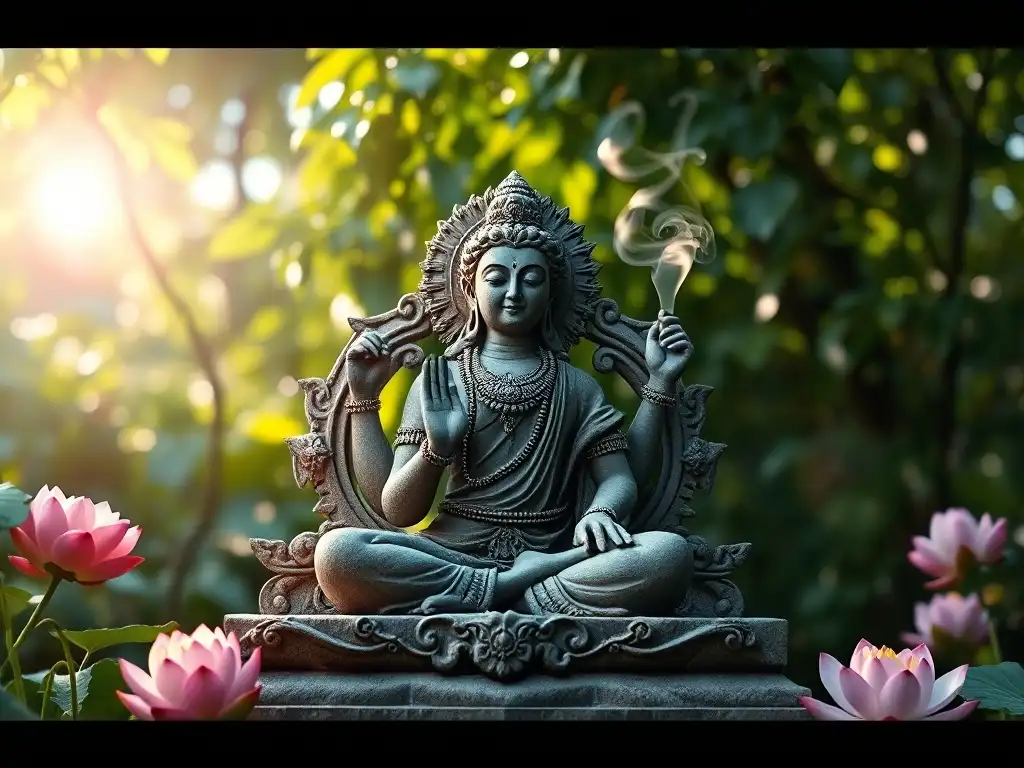
Welcome to Ancient India History, where we embark on a fascinating journey through the rich tapestry of ancient Indian civilizations! Here, we delve into the significance of ancient Indian sculpture, exploring how these exquisite forms of art not only reflect the aesthetic values of their time but also mirror the profound human experiences and philosophical inquiries that resonate through the ages.
Prepare to uncover the stories and meanings embedded in these masterpieces, and let your curiosity lead you deeper into the intricate world of ancient Indian culture. Join us as we unravel the layers of history, art, and humanity that continue to inspire and enlighten!
Introduction to Ancient Indian Sculpture
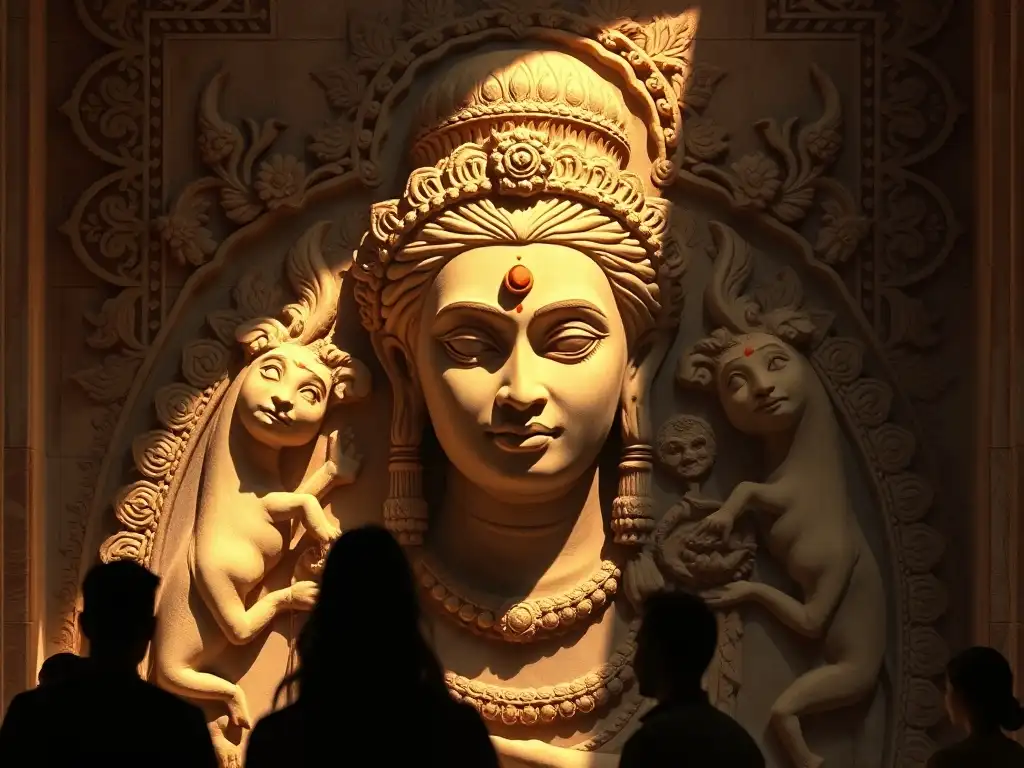
Ancient Indian sculpture is a profound testament to the rich tapestry of human experience, intricately woven into the cultural and philosophical fabric of its time. From the earliest remnants of the Indus Valley civilization to the intricate carvings of the Gupta Empire, these sculptures not only serve as artistic expressions but also as reflections of the society, beliefs, and values that shaped them.
The significance of ancient Indian sculpture lies in its ability to encapsulate the essence of human emotions, spirituality, and the existential inquiries that have persisted throughout history. By exploring the context, techniques, and philosophies that underpin these masterpieces, we can gain deeper insights into how they mirror the human experience and influence contemporary thought.
Overview of Ancient Indian Sculpture Significance
Ancient Indian sculptures are significant for several reasons:
- Cultural Representation: They reflect the diverse cultural practices and spiritual beliefs of various Indian civilizations.
- Artistic Techniques: The evolution of sculptural techniques showcases the artistic ingenuity and craftsmanship of the time.
- Philosophical Themes: Many sculptures embody philosophical concepts, offering insights into the human condition and existential questions.
- Historical Documentation: They serve as historical records, providing information about social hierarchies, religious practices, and daily life in ancient India.
The significance of these sculptures extends beyond mere aesthetics; they are a crucial part of understanding the cultural and philosophical landscape of ancient India.
Historical Context of Sculpture in Ancient India
The history of sculpture in ancient India can be delineated into several key periods, each marked by distinct styles and influences:
- Indus Valley Civilization (c. 3300–1300 BCE): Early examples include terracotta figurines and seals that depict human and animal forms, showcasing the craftsmanship of this advanced urban culture.
- Mauryan Period (c. 322–185 BCE): This era is characterized by the emergence of monumental stone sculptures, such as the famous Ashoka Pillars, which convey messages of dharma and moral governance.
- Gandhara and Mathura Schools (1st century BCE – 5th century CE): These schools produced exquisite sculptures of Buddha and Bodhisattvas, blending Hellenistic influences with Indian aesthetics.
- Gupta Period (c. 320–550 CE): Often referred to as the Golden Age of India, this period witnessed the refinement of sculptural techniques and the emergence of themes that celebrate human emotions and divine narratives.
Each of these periods contributed to the evolution of sculpture, reflecting the socio-political and religious dynamics of the time.
The Philosophical Underpinnings of Ancient Indian Sculpture
The philosophical dimensions of ancient Indian sculpture provide a rich field for inquiry, revealing how art and thought intertwine.
Connection Between Art and Philosophy in Ancient India
In ancient India, art was often seen as a means of spiritual expression and philosophical exploration. Sculptors were not merely artisans; they were considered visionaries who interpreted the complexities of existence. The principles of aesthetics, particularly those articulated in texts like the Natyashastra by Bharata Muni, emphasize the role of art in evoking emotions (rasa) and conveying deeper truths.
- Aesthetic Experience: Sculptures are designed to elicit emotional and spiritual responses, inviting viewers to reflect on their own experiences.
- Symbolism: Many sculptures incorporate symbolic elements that represent philosophical concepts, such as the cycle of life and rebirth (samsara).
Representation of Human Emotions in Sculpture
Ancient Indian sculptures are renowned for their ability to convey a wide range of human emotions, capturing the essence of the human experience.
- Facial Expressions: The intricate detailing of facial features allows for the portrayal of joy, sorrow, compassion, and serenity.
- Body Language: The stance and posture of figures often symbolize specific emotions or philosophical ideas, such as balance, harmony, and detachment.
Through these artistic choices, ancient Indian sculptors adeptly illustrate the complexities of human emotions, making their work not only visually stunning but also deeply resonant with audiences, both then and now.
In this exploration, we will delve deeper into the significance of ancient Indian sculpture, examining its historical context and philosophical foundations, and ultimately uncovering how it mirrors the vast spectrum of the human experience.
Major Themes in Ancient Indian Sculpture
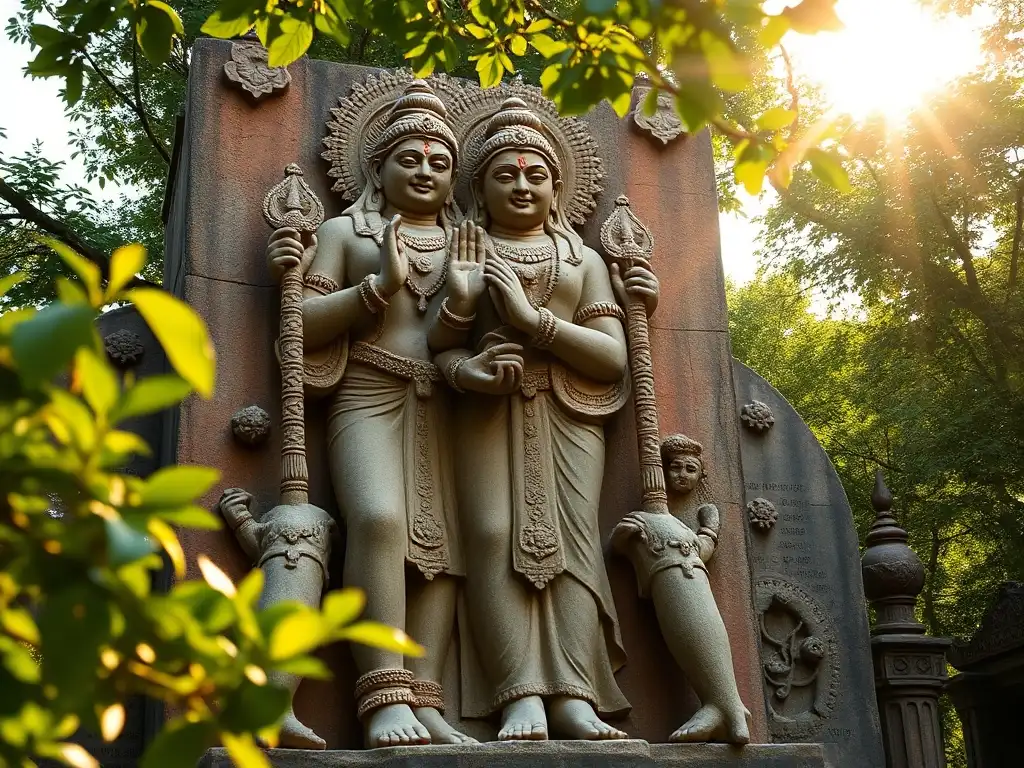
Ancient Indian sculpture is a profound reflection of the human experience, encompassing a rich tapestry of themes that convey philosophical, spiritual, and cultural narratives. These sculptures serve not only as artistic expressions but also as vessels of meaning, encapsulating the values and beliefs of their time. Among the major themes are the representation of deities, the exploration of the human condition, and the use of symbolism and metaphors. Each theme illustrates a unique facet of ancient Indian society, revealing insights into how people related to the divine and understood their place in the universe.
Depiction of Deities and Divine Experiences
The depiction of deities in ancient Indian sculpture is perhaps the most recognizable theme. Sculptors meticulously crafted images of gods and goddesses, infusing them with attributes that symbolized their divine qualities. For instance, the four arms of deities like Vishnu and Durga represent their omnipotence and multifaceted nature. These sculptures often served as an invitation for devotees to engage with the divine, facilitating a personal connection through visual representation.
Moreover, the artistic styles varied significantly across regions and periods, reflecting local customs and beliefs. In the Gupta period, for example, the sculptures exhibited a serene and idealized form, embodying spiritual tranquility. This artistic approach not only demonstrated the skill of the artisans but also emphasized the philosophical idea that divine experiences can manifest through beauty and harmony in the physical world.
Human Condition Reflected in Sculptural Forms
Ancient Indian sculptures also delve deeply into the human condition, portraying emotions, struggles, and aspirations that resonate with viewers across time. Sculptural forms often depict scenes of daily life, such as musicians, dancers, and laborers, celebrating the vibrancy of human activity.
Additionally, the sculptures reflect significant moments of transformation and enlightenment. For instance, the representation of the Buddha in various postures symbolizes his path to enlightenment and serves as a reminder of the potential for personal growth and spiritual awakening within every individual. This focus on the human experience underscores the belief that art is a mirror reflecting both individual and collective journeys through life's complexities.
Symbolism and Metaphors in Ancient Indian Sculpture
Symbolism plays a crucial role in ancient Indian sculpture, where every element can carry profound meaning. For example, the lotus flower is frequently depicted as a symbol of purity and spiritual awakening, emerging unscathed from muddy waters. Similarly, the serpent is often used to convey protection and regeneration, embodying the cyclical nature of life and death.
Metaphors in sculpture extend beyond individual elements to the overall composition. The arrangement of figures can represent cosmic order, while the interaction between deities and humans may illustrate the interconnectedness of the divine and earthly realms. This rich layer of symbolism invites viewers to engage in a deeper philosophical inquiry, encouraging them to reflect on their own experiences and the broader human narrative.
Techniques and Materials Used in Ancient Indian Sculpture
The techniques and materials employed in ancient Indian sculpture not only showcase the artistic skill of the period but also carry philosophical implications about the relationship between the creator, the medium, and the subject. Understanding these elements provides insight into how ancient artisans approached their craft and the cultural significance of their work.
Traditional Materials: Stone, Metal, and Wood
Ancient Indian sculptors predominantly utilized stone, metal, and wood as their primary materials. Each medium was chosen for its unique properties and the messages they conveyed.
- Stone: Commonly used in temples and monumental sculptures, stone represents permanence and durability. The use of granite and sandstone allowed artisans to create intricate carvings that have withstood the test of time, symbolizing the eternal nature of the divine.
- Metal: Bronze and copper were favored for smaller sculptures and ritual objects. The casting process allowed for fine details and a sense of fluidity, reflecting the dynamic nature of life and spirituality.
- Wood: Though less enduring than stone or metal, wood was used in many regional traditions. It often conveyed a sense of warmth and intimacy, allowing for the depiction of more personal and relatable subjects.
These materials not only reflect the technological advancements of the time but also embody deeper philosophical meanings related to the impermanence and permanence of existence.
Sculptural Techniques and Their Philosophical Implications
The techniques employed in ancient Indian sculpture, such as chiseling, molding, and casting, reveal insights into the philosophical underpinnings of the art form. Each technique carries its own significance in terms of the relationship between the artist and the artwork.
- Chiseling: This labor-intensive process reflects the idea of refinement and precision, much like the journey of self-discovery that individuals undergo. The sculptor chips away at the stone to reveal the form within, paralleling the philosophical notion that enlightenment comes through inner exploration and the shedding of ignorance.
- Molding and Casting: These techniques allow for the reproduction of images and figures, emphasizing the importance of tradition and the transmission of knowledge through generations. The act of creating multiple copies of a sculpture can symbolize the perpetuity of divine ideas and teachings, reinforcing the interconnectedness of all existence.
Through these techniques, ancient Indian sculptors communicated not only their artistic vision but also profound philosophical concepts that resonate with the human experience, inviting contemplation on the nature of life, divinity, and artistry.
The Influence of Religion and Spirituality on Sculpture
Ancient Indian sculpture is intricately intertwined with the religious and spiritual currents that shaped the civilization. From the earliest times, the artistic expressions of the region served as a reflection of its inhabitants' beliefs, customs, and values. The significance of ancient Indian sculpture lies not only in its aesthetic appeal but also in its ability to convey profound religious and spiritual themes, which resonated deeply within the societal framework.
Role of Religion in Shaping Sculptural Art
Religion played a crucial role in the evolution of sculptural art in ancient India. The diverse pantheon of deities, including Hindu gods, Buddhist figures, and Jain Tirthankaras, provided an abundant source of inspiration for sculptors. Temples and monasteries became focal points for artistic expression, where intricate carvings and statues adorned the walls and sanctuaries.
The craftsmanship involved in creating these sculptures was often seen as a form of devotion. Artisans believed that their work was a spiritual offering, and thus, the meticulous details and symbolic representations reflected their reverence. The principles of dharma (duty) and karma (action) were often woven into the narratives depicted in the sculptures, emphasizing morality and the pursuit of spiritual enlightenment.
Spiritual Narratives Expressed Through Sculpture
Sculpture in ancient India transcended mere representation; it served as a medium for storytelling and spiritual expression. Each piece encapsulated a narrative that spoke to the human experience, exploring themes such as love, compassion, suffering, and liberation.
For instance, the sculptures of the Bodhisattvas in Buddhist art symbolize the path to enlightenment, capturing the essence of selfless compassion. Similarly, Hindu sculptures often depict various forms of deities engaged in cosmic activities, illustrating the connection between the divine and the earthly realms. These narratives not only educated the viewer about spiritual concepts but also invited them to reflect on their own lives and experiences.
Case Studies of Prominent Ancient Indian Sculptures
Ancient Indian sculpture boasts several remarkable examples that illustrate the philosophical inquiries surrounding the human experience. Two prominent case studies are the Great Stupa at Sanchi and the Elephanta Caves, each offering unique insights into the significance and impact of sculptural art.
Analysis of the Great Stupa at Sanchi: Significance and Impact
The Great Stupa at Sanchi, dating back to the 3rd century BCE, is a monumental structure symbolizing the Buddhist path to enlightenment. Its sculptural adornments serve multiple functions: they narrate key events in the life of Buddha, convey moral lessons, and invite contemplation on the nature of existence.
The relief carvings surrounding the stupa illustrate jataka tales, stories of the Buddha's previous incarnations that emphasize virtues such as kindness and compassion. This storytelling aspect extends beyond mere decoration; it encourages the viewer to engage with the teachings of Buddhism, fostering a deeper understanding of the spiritual journey. The architectural and sculptural design of the stupa also reflects the Buddhist cosmology, guiding the observer's spiritual ascent through the physical structure.
Analysis of the Elephanta Caves: Reflection of Human Experience
The Elephanta Caves, located near Mumbai, showcase a stunning array of rock-cut sculptures dedicated primarily to Lord Shiva. The central figure, the Trimurti, depicts a three-headed representation of Shiva, embodying the complexities of creation, preservation, and destruction.
These sculptures convey profound philosophical ideas about the cyclical nature of life and the interconnectedness of existence. The intricate carvings invite viewers to contemplate their own experiences of joy, suffering, and transformation. The caves, with their sacred atmosphere and monumental sculptures, serve as a meditative space where individuals can reflect on their spiritual journey and the broader human experience. The Elephanta Caves exemplify how ancient Indian sculpture transcends artistic beauty, engaging the viewer in a philosophical inquiry about existence and the divine.
The Legacy of Ancient Indian Sculpture in Contemporary Art
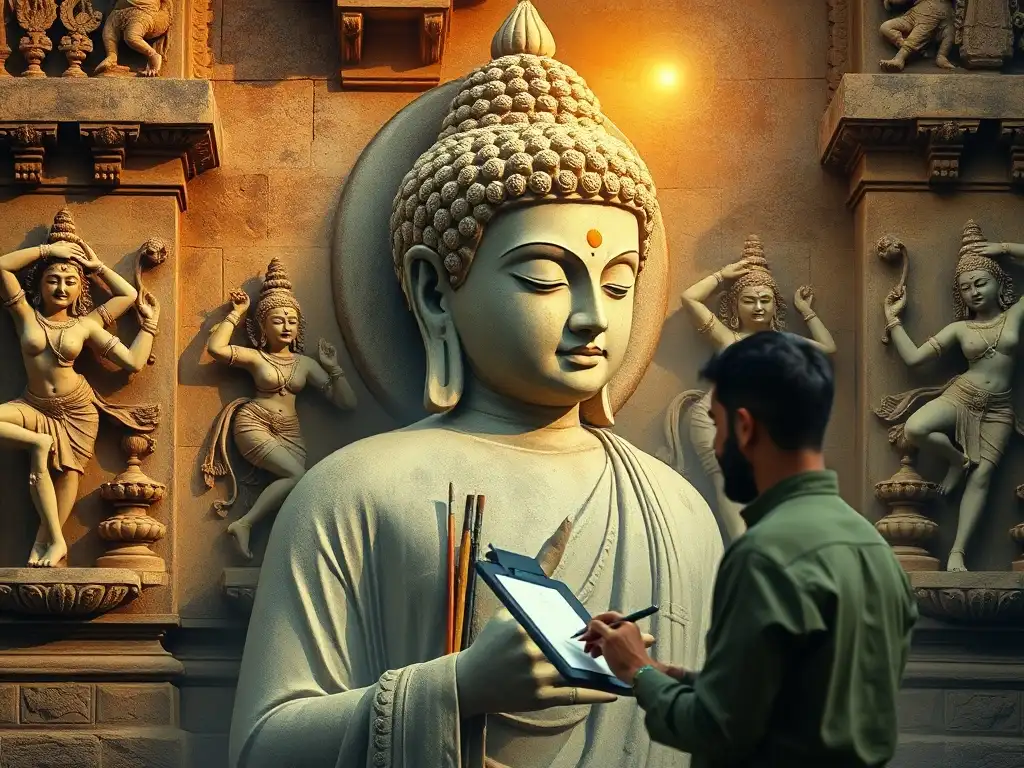
Ancient Indian sculpture has left an indelible mark on the realm of contemporary art. The intricate craftsmanship, thematic richness, and profound philosophical underpinnings of these sculptures continue to resonate with modern artists. By exploring narratives that encompass spirituality, mythology, and the human condition, contemporary sculptors draw inspiration from the timeless techniques and motifs that were prevalent in ancient Indian artistry.
The legacy of ancient Indian sculpture is particularly visible in the revival of traditional materials and methods. Artists today often incorporate stone, bronze, and terracotta, echoing the techniques employed by their predecessors. The aesthetic principles derived from ancient works, such as symmetry, proportion, and the representation of divine figures, remain influential in current sculptural practices. This continuity fosters a dialogue between the past and the present, creating a rich tapestry of artistic expression that honors ancient traditions while adapting to modern sensibilities.
Influence on Modern Indian Artists and Sculpture
Modern Indian artists are increasingly embracing the themes and styles of ancient Indian sculpture. Notable figures such as Subodh Gupta and Anish Kapoor have successfully intertwined contemporary issues with the enduring narratives found in ancient works. Gupta, for instance, employs everyday materials to comment on modern society, while drawing on the symbolic significance of ancient forms. Kapoor's large-scale installations reflect the spiritual and philosophical dimensions that are inherent in traditional Indian sculpture.
Furthermore, the resurgence of interest in indigenous techniques and local craftsmanship has led many artists to collaborate with traditional artisans. This synergy not only preserves ancient skills but also reinvigorates contemporary art with fresh perspectives. Workshops and exhibitions dedicated to ancient Indian sculpture are becoming platforms for dialogue, encouraging a new generation of artists to explore their cultural heritage while addressing contemporary themes such as identity, globalization, and environmental concerns.
Philosophical Continuities from Ancient to Modern Sculpture
The philosophical undercurrents that characterize ancient Indian sculpture—such as the exploration of existence, spirituality, and the nature of reality—find echoes in modern artistic expressions. The concept of 'Darshan', where the viewer engages with the artwork as a means of spiritual connection, remains relevant. Modern sculptors often seek to create works that not only capture the eye but also engage the viewer's consciousness, prompting reflection on their own experiences and beliefs.
Additionally, the interplay between form and void, a significant aspect of ancient Indian philosophy, is mirrored in contemporary sculpture. Artists like Bharti Kher utilize materials and forms that challenge viewers' perceptions of space and presence, invoking a sense of the ephemeral and the eternal. This philosophical lineage underscores the timelessness of ancient Indian sculpture, suggesting that while styles may evolve, the fundamental inquiries into the human experience persist across eras.
Conclusion: The Enduring Significance of Ancient Indian Sculpture
The significance of ancient Indian sculpture transcends its historical context, serving as a profound reflection of the human experience and a source of inspiration for contemporary artists. By examining the themes, techniques, and philosophies embedded in these works, we gain insights into the values and aspirations of ancient societies, as well as their relevance in today’s world.
Summary of Philosophical Insights
The philosophical insights derived from ancient Indian sculpture highlight the interconnectedness of art and life. The exploration of themes such as existence, spirituality, and cultural identity fosters a deeper understanding of both the past and the present. These insights challenge contemporary viewers and artists alike to contemplate their own existence and the narratives that shape their lives.
Final Thoughts on the Human Experience in Sculpture
Ultimately, ancient Indian sculpture serves as a mirror reflecting the complexities of the human experience. Its ability to convey profound ideas through visual forms not only enriches our understanding of history but also invites ongoing dialogue about the nature of art and existence. As contemporary artists continue to draw from this rich legacy, the significance of ancient Indian sculpture remains vibrant, offering timeless wisdom and inspiration for generations to come.
References
Key Texts and Resources on Ancient Indian Sculpture
Ancient Indian sculpture is a field rich in history and cultural significance. Several key texts and resources provide valuable insights into its significance, techniques, and evolution. Notable works include:
-
"Sculpture in Ancient India" by V. S. Agarwal
This comprehensive tome delves into the historical context of sculpture in various ancient Indian civilizations, covering styles, themes, and techniques.
-
"Indian Art and Culture" by N. M. Bhatia
Bhatia's work explores the broader context of Indian art, including sculpture, and discusses its philosophical underpinnings and cultural relevance.
-
"The Art of Ancient India: Buddhist, Hindu, Jain" by John Guy
This book focuses on the religious influences on ancient Indian sculpture, examining the intricate relationship between spirituality and artistic expression.
-
"The History of Indian Sculpture" by S. K. Sinha
Sinha provides a detailed account of the development of sculpture in India, mapping its evolution from the Indus Valley to the Gupta period.
-
"Indian Sculpture: A Survey" by A. M. Saha
This survey presents a wide range of sculptures, highlighting their artistic significance and cultural impact throughout history.
Suggested Further Reading on Philosophy and Art
To deepen the understanding of the interplay between philosophy and art, particularly in the context of ancient Indian sculpture, the following texts are recommended:
-
"Art and Philosophy: A Dialogue" by T. K. Tiwari
This work engages in a philosophical discussion about the nature of art, exploring how ancient Indian sculpture reflects broader philosophical concepts.
-
"Aesthetics and Indian Philosophy" by R. P. Dholakia
Dholakia examines the aesthetic theories in Indian philosophy and their implications for the appreciation of ancient art forms, including sculpture.
-
"The Philosophy of Art: A Contemporary Introduction" by R. H. Riddell
While not exclusively focused on Indian art, this book provides a framework for understanding how philosophical inquiries can shape our interpretation of visual art.
-
"Indian Aesthetics: Theories of Beauty and Art" by B. N. K. Sharma
Sharma delves into the philosophical aspects of beauty and aesthetics in the context of Indian art, including significant discussions on sculpture.
-
"Art as Philosophy: A Study of the Impact of Indian Thought on Art" by A. P. Desai
This study investigates how Indian philosophical thought has influenced artistic practices, particularly in sculpture, offering a unique perspective on the significance of art in human experience.
- Introduction to Ancient Indian Sculpture
- Overview of Ancient Indian Sculpture Significance
- Historical Context of Sculpture in Ancient India
- The Philosophical Underpinnings of Ancient Indian Sculpture
- Major Themes in Ancient Indian Sculpture
- Techniques and Materials Used in Ancient Indian Sculpture
- The Influence of Religion and Spirituality on Sculpture
- Case Studies of Prominent Ancient Indian Sculptures
- The Legacy of Ancient Indian Sculpture in Contemporary Art
- Conclusion: The Enduring Significance of Ancient Indian Sculpture
- References
- What is the significance of ancient Indian sculpture?
- How did ancient Indian sculptures influence later art forms?
- What themes are commonly portrayed in ancient Indian sculptures?
- How do ancient Indian sculptures reflect the human experience?
- What materials were commonly used in ancient Indian sculpture?
Frequently Asked Questions
What is the significance of ancient Indian sculpture?
Ancient Indian sculpture holds immense cultural and historical significance, reflecting the philosophical beliefs and social norms of the time, while also showcasing the artistic skills developed by various civilizations.
How did ancient Indian sculptures influence later art forms?
The stylistic elements and themes found in ancient Indian sculptures served as a foundation for later artistic movements, influencing not only Indian art but also the art of neighboring countries through cultural exchanges.
What themes are commonly portrayed in ancient Indian sculptures?
Common themes include religious and mythological narratives, depictions of deities, and representations of daily life, all of which provide insights into the society's beliefs and values during ancient times.
How do ancient Indian sculptures reflect the human experience?
These sculptures often represent emotions, social interactions, and spiritual beliefs, mirroring the complexities of the human experience and serving as a visual commentary on the philosophical inquiries of life.
What materials were commonly used in ancient Indian sculpture?
Ancient Indian sculptors primarily used materials such as stone, bronze, and terracotta, each chosen for its durability and ability to convey the intricate details and expressiveness of the sculptures.
Final Reflection: The Enduring Significance of Ancient Indian Sculpture
The exploration of ancient Indian sculpture reveals its profound connection to the human experience, demonstrating that art transcends time and culture. In an era where we often seek meaning in fleeting moments, these sculptures serve as timeless reminders of our shared humanity, encapsulating emotions, beliefs, and stories that resonate even today. The significance of ancient Indian sculpture lies not only in its aesthetic beauty but also in its ability to provoke thought and inspire reflection on the complexities of life.
The impact of ancient Indian sculpture on our cultural and social landscape is undeniable, as it continues to shape our understanding of identity, spirituality, and artistic expression. These sculptures invite us to engage with our own experiences and emotions, fostering a deeper connection to our heritage and the world around us. As the renowned art historian Ananda Coomaraswamy once said, The artist is not a special kind of man, but every man is a special kind of artist.
This perspective emphasizes that the significance of ancient Indian sculpture extends beyond the realm of art; it speaks to the innate creativity and spirituality within us all.
As we reflect on the lessons embedded in ancient Indian sculpture, let us embrace the call to connect with our own experiences and express our unique narratives. I invite you to explore the significance of art in your life, allowing it to inspire you to create, reflect, and engage with the world around you. By recognizing the timeless wisdom found in these sculptures, we can cultivate a deeper appreciation for our shared humanity and the stories that bind us across generations.
Unveil the Wisdom Behind Ancient Sculptures!
Thank you for taking the time to explore the profound connection between ancient Indian sculpture and the human experience. We hope you found inspiration in how these magnificent works of art reflect our shared journey through life. Now, it’s time to transform that inspiration into action!
- Dive deeper: Visit local museums or virtual galleries to experience ancient Indian sculptures firsthand. **Notice how they resonate with your personal narrative. **
- Share your insights: Discuss what you've learned with friends or share your thoughts on social media. **Engage your community in meaningful conversations about how art shapes our understanding of life. **
- Create your own art: Take a moment to express your reflections through sculpture or drawing. **Consider what your interpretation of the human experience looks like. **
What unique story will you tell through your connection to ancient sculptures?