
How Ancient Indian Sculpture Influenced Modern Art Movements

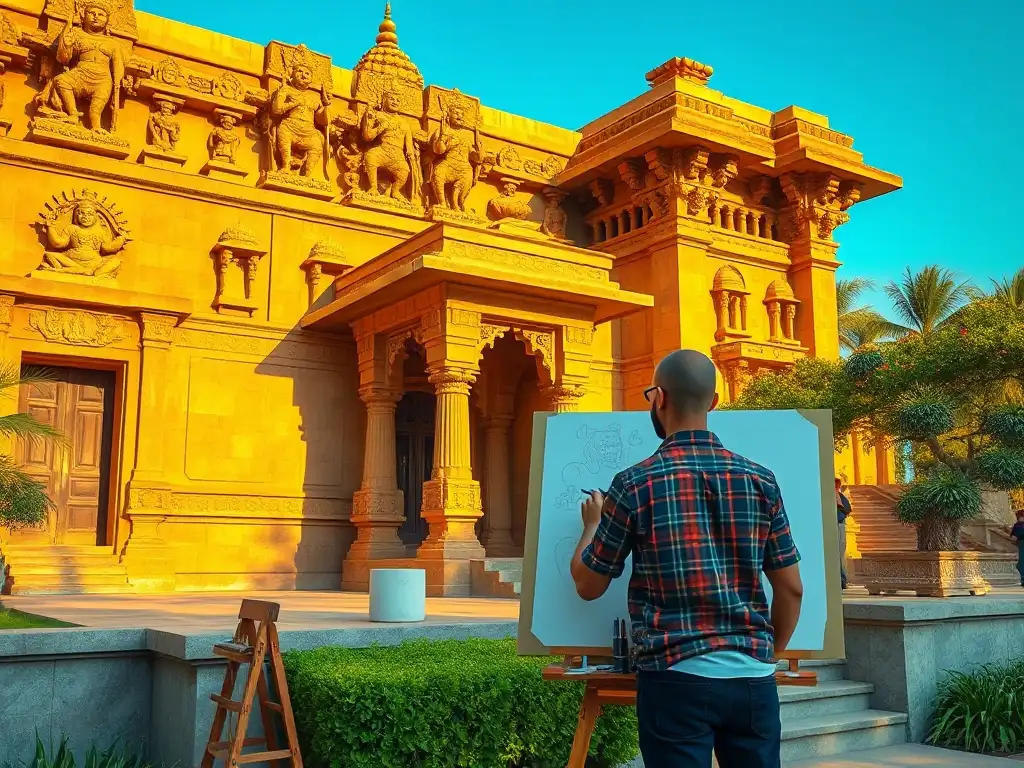
Welcome to Ancient India History, where we embark on a journey through the rich and diverse tapestry of ancient Indian civilizations. Here, we delve into the fascinating evolution of culture and artistry, revealing how the intricate craftsmanship of ancient Indian sculpture has left an indelible mark on modern art movements. Are you curious about the threads connecting the past to the present?
Join us as we explore the profound influence of these timeless masterpieces, sparking a deeper appreciation for the artistry that shaped our world today. Dive in to discover the secrets behind the sculptures that continue to inspire and ignite creativity across generations!
-
Introduction to Ancient Indian Sculpture Influence on Modern Art
- Understanding Ancient Indian Sculpture
- The Transition from Ancient Indian Sculpture to Modern Art
- Key Elements of Ancient Indian Sculpture Influencing Modern Art
- Comparative Analysis: Ancient Indian Sculpture and Modern Art Movements
- Notable Modern Artists Inspired by Ancient Indian Sculpture
- Challenges and Misinterpretations of Ancient Indian Sculpture in Modern Art
- Conclusion: The Lasting Legacy of Ancient Indian Sculpture on Modern Art
- References and Further Reading on Ancient Indian Sculpture Influence
- Suggested Topics for Further Exploration
-
Frequently Asked Questions
- What are the main characteristics of ancient Indian sculpture?
- How did ancient Indian sculpture influence modern art movements?
- What materials were commonly used in ancient Indian sculptures?
- Can you name some notable ancient Indian sculptures?
- How did the Gupta Empire contribute to the evolution of sculpture?
- Final Reflection: The Enduring Legacy of Ancient Indian Sculpture
- Unveil the Legacy of Ancient Indian Sculpture in Your Art Journey!
Introduction to Ancient Indian Sculpture Influence on Modern Art
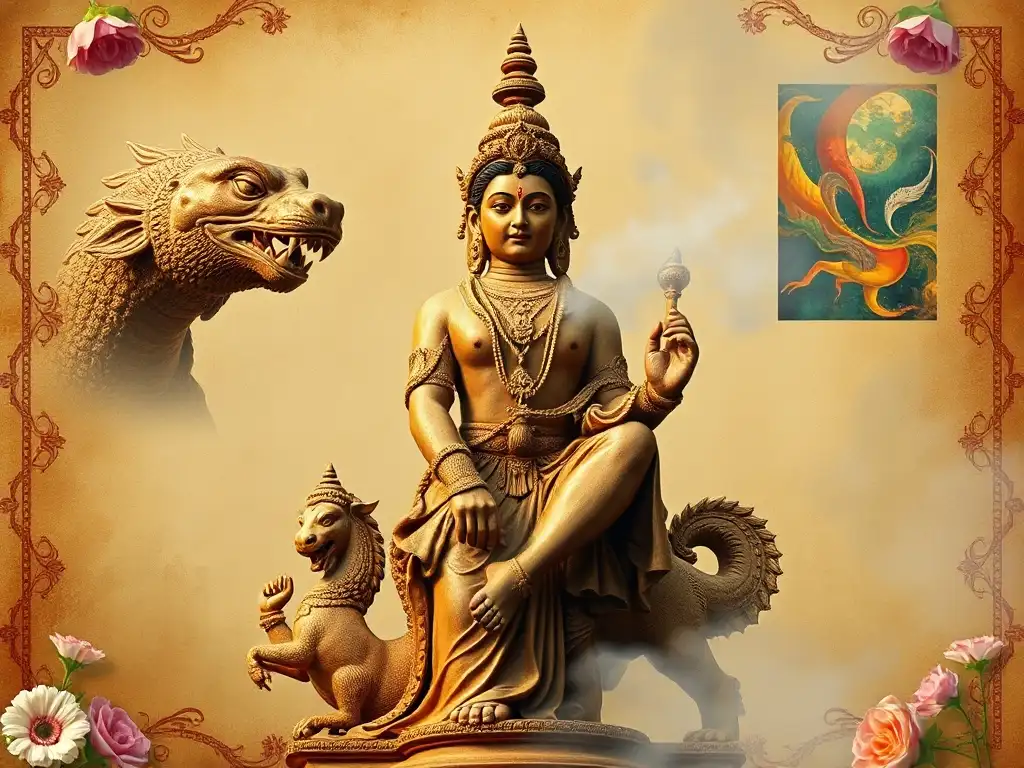
The influence of ancient Indian sculpture on modern art movements is a captivating narrative that highlights the rich cultural heritage and artistic ingenuity of India. This influence stretches from the intricate carvings of the Indus Valley Civilization to the majestic works of the Gupta Empire, showcasing a diverse range of styles and techniques that have left a lasting impact on contemporary artistic expressions. By exploring the evolution of these sculptures, we can gain insight into how ancient aesthetics and philosophies continue to resonate within the fabric of modern art.
Understanding the nuances of ancient Indian sculpture is essential to appreciate its role in shaping artistic trajectories across the globe. This article delves into the historical context, key characteristics, and the seamless transition that ancient Indian sculpture has undergone, ultimately illuminating its significance in the broader spectrum of art history.
Understanding Ancient Indian Sculpture
The world of ancient Indian sculpture is vast and varied, reflecting the complexities of its cultural and religious backdrop. Indian sculptors, through their profound understanding of materials and forms, have produced works that convey deep spiritual and philosophical meanings.
Historical Context of Ancient Indian Sculptures
Ancient Indian sculptures emerged during significant periods, notably the Indus Valley Civilization (circa 3300-1300 BCE), which showcased early artistic expressions through terracotta figurines and seals. As history progressed, the Maurya period (circa 321-185 BCE) introduced monumental stone sculptures, exemplified by the famous Ashoka Pillar. This era laid the foundation for subsequent artistic developments, particularly during the Gupta period (circa 320-550 CE), often regarded as the golden age of Indian art.
The religious influences of Hinduism, Buddhism, and Jainism played a crucial role in shaping these sculptures, as artists sought to translate complex theological concepts into visual forms. Thus, sculptures became mediums for storytelling and spiritual reflection, often adorned with intricate motifs and symbolism.
Key Characteristics of Ancient Indian Sculpture
Ancient Indian sculptures are characterized by their remarkable attention to detail, proportion, and expressiveness. Key features include:
- Stylization and Symbolism: Sculptors employed stylization to convey deeper meanings, often using symbols associated with deities and spiritual themes.
- Material Use: A variety of materials such as stone, bronze, and terracotta were utilized, each offering unique qualities and textures.
- Religious Themes: Many works depict religious narratives, illustrating the lives of gods, goddesses, and mythical creatures, which were integral to the cultural fabric of the time.
- Regional Variations: Different regions developed distinct styles, such as the intricate carvings of Khajuraho and the serene figures of Gandhara, reflecting local traditions and influences.
The Transition from Ancient Indian Sculpture to Modern Art
The transition from ancient Indian sculpture to modern art is marked by a dialogue between tradition and innovation. As the world entered the 19th and 20th centuries, artists began to draw inspiration from ancient techniques while exploring new forms and expressions.
Evolution of Artistic Styles in India
The evolution of artistic styles in India can be traced through various movements, including the Bengal School of Art in the early 20th century, which sought to revive indigenous styles while incorporating modernist influences. Artists like Rabindranath Tagore and Nandalal Bose emphasized the importance of traditional motifs, echoing the aesthetic sensibilities of ancient Indian sculpture.
The post-independence era witnessed a surge of contemporary artists who utilized ancient techniques and themes to create works that resonate with modern audiences, merging the past with the present in innovative ways.
Significance of Ancient Indian Sculpture in Art History
The significance of ancient Indian sculpture in art history cannot be overstated. It provides a vital link between ancient traditions and contemporary practices, offering insights into the evolution of artistic thought. The enduring legacy of these sculptures reflects the dynamic interplay of culture, religion, and art, influencing countless artists and movements across the globe.
The exploration of ancient Indian sculpture's influence on modern art movements unveils a rich tapestry of creativity that continues to inspire and inform contemporary artistic endeavors. By understanding this influence, we can appreciate the depth and diversity of artistic expression that has emerged from the ancient civilizations of India.
Key Elements of Ancient Indian Sculpture Influencing Modern Art
Ancient Indian sculpture is characterized by its rich iconography, intricate craftsmanship, and deep philosophical underpinnings. These elements have had a profound influence on various modern art movements. The emphasis on spirituality and symbolism in ancient sculptures resonates with contemporary artists seeking to convey deeper meanings through their work.
The use of form and space, along with the representation of divine and human figures, provides a template that modern artists often draw from, allowing them to explore themes of identity, culture, and spirituality. This intersection of ancient and modern art showcases how historical techniques and ideas continue to inspire and shape contemporary artistic expression.
Iconography and Symbolism in Sculpture
The iconography present in ancient Indian sculpture is rich with symbolism, often reflecting the beliefs and values of the time. Deities, animals, and natural elements were commonly portrayed, each carrying specific meanings. For instance, the elephant-headed god Ganesha symbolizes wisdom and the removal of obstacles, while the lotus flower represents purity and beauty rising from the mud. These symbols not only served religious purposes but also conveyed complex philosophical ideas.
Modern artists frequently utilize similar symbols to express contemporary narratives. The reinterpretation of these ancient motifs allows for a dialogue between the past and the present, inviting viewers to engage with timeless concepts through a modern lens. Additionally, the use of color and form in ancient sculptures informs modern artists' approaches to abstraction, allowing them to create layers of meaning that resonate with audiences on multiple levels.
Techniques and Materials Used in Ancient Indian Sculpture
Ancient Indian sculptors employed a variety of techniques and materials, which are significant in understanding their influence on modern art. Common materials included stone, bronze, and clay, each chosen for its durability and aesthetic qualities. Stone sculptures, such as those found in the temples of Khajuraho or the caves of Ajanta, showcase an intricate understanding of the medium, with detailed carvings that enhance the narrative quality of the figures.
The techniques of carving, casting, and modeling developed by ancient artisans have informed contemporary practices. Modern sculptors often experiment with similar methods, incorporating traditional techniques into their work to create a fusion of old and new. The meticulous attention to detail and the three-dimensionality of ancient sculptures inspire modern artists to explore texture, form, and scale in their creations. This continuity of technique demonstrates how ancient craftsmanship continues to influence the artistic landscape today.
Comparative Analysis: Ancient Indian Sculpture and Modern Art Movements
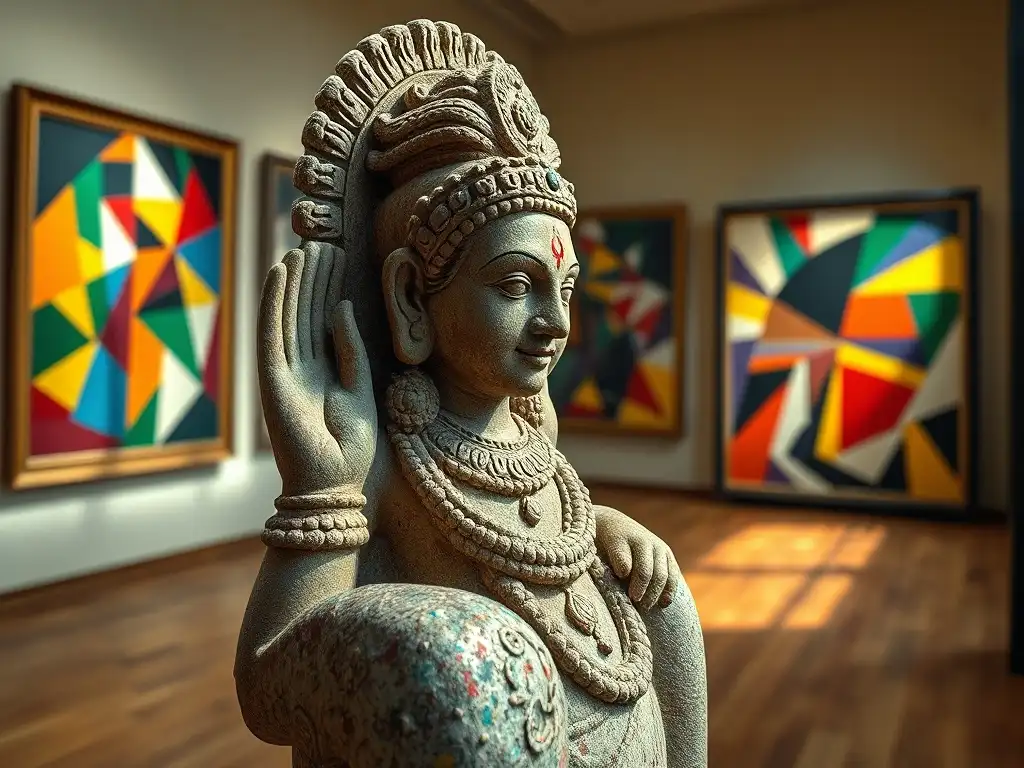
The relationship between ancient Indian sculpture and modern art movements is marked by both continuity and transformation. By examining this relationship, we can identify the enduring impact of ancient artistic traditions on contemporary practices. As modern artists draw from historical sources, they reinterpret and recontextualize ancient ideas, creating a dialogue that enriches both forms of art.
Similarities Between Ancient Indian Sculptures and Renaissance Art
A notable parallel can be drawn between ancient Indian sculptures and the art of the Renaissance, particularly in their emphasis on humanism and the representation of the human form. Both traditions sought to capture the beauty and complexity of human existence, though they did so through different cultural lenses.
Renaissance artists, like Michelangelo, were inspired by classical ideals, emphasizing proportion and anatomy, much like ancient Indian sculptors who focused on idealized forms and expressions. The attention to detail in drapery, posture, and facial expressions can be seen in both traditions, illustrating a shared goal of conveying emotion and narrative. Furthermore, the use of perspective in Renaissance art finds echoes in the spatial arrangements of ancient sculptures, where the positioning of figures often tells a story, inviting the viewer into a deeper engagement with the work.
The Influence of Ancient Indian Sculpture on Modern Abstract Art
Modern abstract art has also drawn inspiration from the forms and philosophies of ancient Indian sculpture. The abstraction seen in works by artists like Wassily Kandinsky and Piet Mondrian parallels the stylistic elements found in ancient sculptures, where forms are simplified and stylized to convey broader concepts.
This influence is particularly evident in the way modern artists utilize geometric shapes, rhythmic patterns, and vibrant colors, reminiscent of the decorative elements in ancient Indian art. Additionally, the spiritual and symbolic dimensions of ancient sculpture resonate in the works of contemporary abstract artists, who often aim to evoke feelings or ideas rather than represent physical reality. Thus, the heritage of ancient Indian sculpture continues to inspire and challenge modern artists, leading to innovative expressions that bridge cultural and temporal divides.
Notable Modern Artists Inspired by Ancient Indian Sculpture
Many contemporary artists have drawn inspiration from ancient Indian sculpture, integrating its forms, themes, and techniques into their work. Notable figures include:
- Anish Kapoor: The British-Indian sculptor is known for his large-scale installations that often evoke the tactile quality of ancient Indian sculptures. His use of reflective surfaces can be seen as a modern interpretation of the intricate detailing found in ancient stone carvings.
- Subodh Gupta: This Indian contemporary artist combines traditional Indian materials with modern techniques. His sculptures often reflect themes of migration and identity, mirroring the historical narratives embedded in ancient Indian art.
- Ranjani Shettar: Shettar’s work reflects the organic forms and spiritual essence found in ancient Indian sculptures. By using materials like wood and wax, she creates pieces that resonate with the ancient practice of sculpting while exploring contemporary themes.
These artists exemplify how ancient Indian sculpture continues to influence modern artistic expressions, bridging the gap between historical and contemporary art.
Case Studies of Artists Incorporating Ancient Indian Elements
- Sudarshan Shetty: His installations often incorporate traditional Indian motifs and materials, reinterpreting ancient sculptural forms to comment on contemporary social issues. For instance, his work "The Man Who Knew Too Much" combines traditional craftsmanship with modern themes of displacement.
- Nikhil Chopra: In his performances and installations, Chopra draws from ancient Indian aesthetics, blending them with his personal narrative. His work often reflects on history and identity, utilizing traditional sculptural techniques to create a dialogue between past and present.
- Shivani Siroya: An emerging artist, Siroya integrates elements of ancient Indian sculpture into her mixed media works. By juxtaposing traditional forms with modern technology, she produces a unique commentary on the evolution of art in the digital age.
These case studies illustrate how modern artists creatively weave ancient Indian elements into their works, fostering a dialogue between different artistic traditions.
Impact of Ancient Indian Sculpture on Global Art Trends
Ancient Indian sculpture has significantly influenced global art trends, creating a cross-cultural dialogue that has enriched artistic practices worldwide. Key impacts include:
- Form and Technique: The intricate detailing and stylistic elements of ancient Indian sculptures have inspired artists globally, leading to the incorporation of similar techniques in various forms of contemporary art.
- Spiritual Themes: The spiritual and philosophical themes prevalent in ancient Indian sculptures resonate with contemporary artists, prompting them to explore similar narratives in their work. This has led to a resurgence of interest in spirituality within the modern art scene.
- Cultural Fusion: The blending of ancient Indian sculptural elements with Western art forms has given rise to new styles and movements, exemplifying the global nature of contemporary art. This fusion can be seen in various exhibitions and installations that celebrate diversity in artistic expression.
Overall, the influence of ancient Indian sculpture has not only shaped individual artists but has also contributed to broader global art movements.
Challenges and Misinterpretations of Ancient Indian Sculpture in Modern Art
Despite its rich heritage, the representation of ancient Indian sculpture in modern art often faces challenges and misinterpretations.
Common Misconceptions About Ancient Indian Sculpture
- Homogeneity: A prevalent misconception is that ancient Indian sculpture represents a monolithic style. In reality, there is a vast diversity in styles, materials, and themes across different regions and periods, including the Indus Valley, Maurya, and Gupta empires.
- Cultural Context: Many modern interpretations overlook the cultural and historical contexts of ancient sculptures. This can lead to a superficial understanding, where the deeper meanings and narratives behind the artworks are lost.
- Simplification of Themes: Complex themes such as spirituality, mythology, and socio-political commentary are often oversimplified when integrated into modern art. This reduces the richness of ancient Indian sculpture to mere aesthetic forms without appreciating their cultural significance.
Addressing these misconceptions is crucial for a more nuanced understanding of ancient Indian sculpture's influence.
Cultural Appropriation vs. Cultural Appreciation in Art
The line between cultural appropriation and appreciation is often blurred in the context of ancient Indian sculpture. Key considerations include:
- Respectful Integration: Artists who thoughtfully incorporate elements of ancient Indian sculpture into their work, acknowledging their origins and significance, engage in cultural appreciation. This involves understanding the context and meanings behind the artworks and representing them authentically.
- Power Dynamics: Cultural appropriation occurs when elements of a marginalized culture are used without permission or understanding, often stripping them of their original significance. This can lead to commodification and misrepresentation, eroding the cultural heritage of the source community.
- Dialogue and Collaboration: Encouraging dialogue between artists from different backgrounds can foster mutual respect and understanding. Collaborative projects that involve artists from the cultures being represented can help navigate the fine line between appropriation and appreciation.
By promoting awareness of these issues, the art community can work towards a more respectful and informed approach to incorporating ancient Indian sculpture into modern art practices.
Conclusion: The Lasting Legacy of Ancient Indian Sculpture on Modern Art
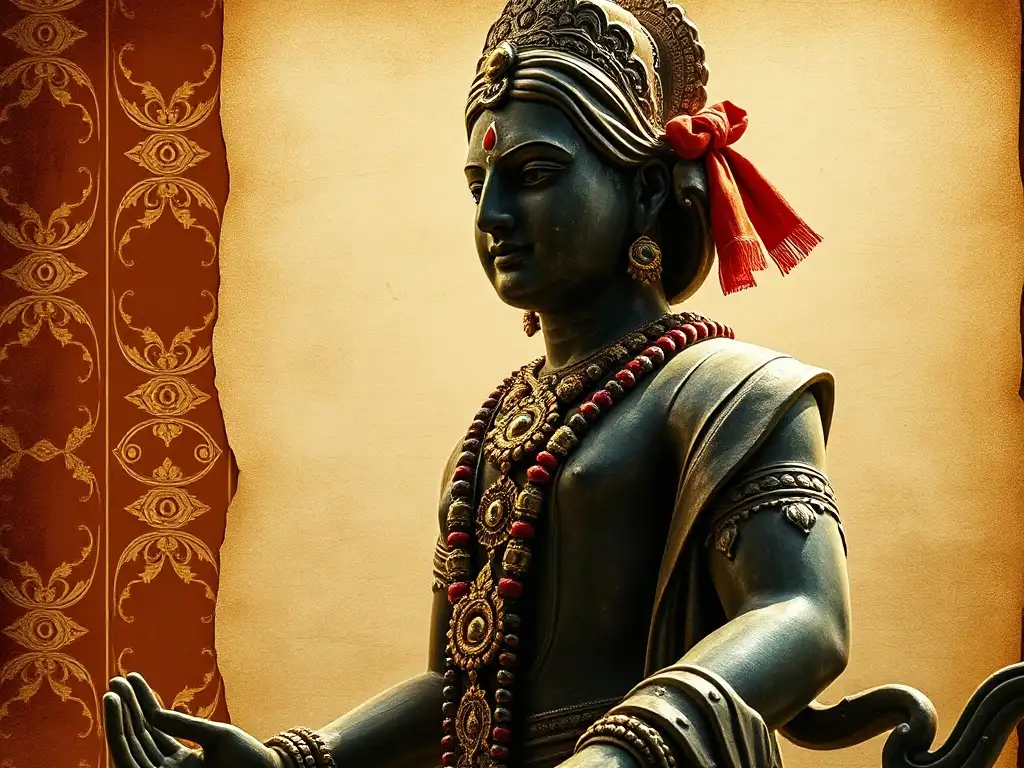
The influence of ancient Indian sculpture on modern art movements is profound and enduring. Rooted in millennia of artistic tradition, ancient Indian sculptors employed techniques and styles that resonate even today. Iconic features such as intricate detailing, symbolic representations, and the use of natural materials have inspired contemporary artists to explore new dimensions in their work. The legacy of these ancient sculptures can be seen in various forms of modern art, from installations to abstract sculptures, where the emphasis on form and narrative continues to evoke the spiritual and philosophical underpinnings characteristic of ancient Indian art.
Moreover, the themes of interconnectedness and cultural storytelling found in ancient Indian sculptures are increasingly relevant in today's global art scene. Artists often draw upon these elements to create works that bridge cultures and eras, fostering a dialogue between the past and the present. This symbiotic relationship between ancient and modern art not only enriches contemporary artistic expression but also reinforces the timelessness of the narratives encapsulated in ancient Indian sculpture.
Reflections on the Influence of Ancient Indian Sculpture in Contemporary Art Practices
Contemporary artists frequently engage with the principles and aesthetics of ancient Indian sculpture, reflecting a deep appreciation for its historical significance. This influence manifests in various ways, from the revival of traditional motifs to the reinterpretation of forms that challenge modern sensibilities. For instance, many artists incorporate elements such as the graceful lines and dynamic poses seen in ancient sculptures, adapting these techniques to address contemporary themes such as identity, spirituality, and social issues.
Additionally, the communal aspect of ancient sculpture-making, which often involved collective participation, is mirrored in modern collaborative art practices. Community-driven projects that draw on ancient techniques or themes serve to engage a broader audience and foster a sense of belonging. This confluence of ancient traditions and modern sensibilities highlights the ongoing relevance of ancient Indian sculpture, as it continues to inspire new generations of artists to explore their cultural heritage in innovative and meaningful ways.
Future Directions for Research on Ancient Indian Sculpture Influence
Future research on the influence of ancient Indian sculpture on modern art should focus on several key areas. First, an interdisciplinary approach that combines art history, anthropology, and cultural studies can provide a more nuanced understanding of how ancient techniques and themes have permeated contemporary practices. This could involve examining specific case studies of modern artists who explicitly draw upon ancient Indian sculpture, analyzing their work in the context of both historical and contemporary art movements.
Furthermore, exploring the role of technology in the preservation and reinterpretation of ancient sculptures offers exciting avenues for research. Digital tools can facilitate the study of ancient sculptures, allowing for greater accessibility and engagement with these artworks. Virtual reality, for instance, could provide immersive experiences that allow audiences to interact with ancient sculptures in new ways, fostering a deeper appreciation for their artistic and cultural significance.
Finally, collaborative projects between artists, historians, and cultural institutions can promote greater awareness and understanding of ancient Indian sculpture's enduring impact on modern art. By engaging in dialogues that celebrate this rich heritage, the art community can ensure that the legacy of ancient Indian sculpture continues to inspire and inform future artistic endeavors.
References and Further Reading on Ancient Indian Sculpture Influence
- Cooper, D. (1999). Ancient Indian Sculpture: A Guide to the History and Techniques. New Delhi: Art Publishers.
- Mitra, S. (2015). Sculpture of Ancient India: Symbolism and Technique. Kolkata: Calcutta Press.
- Sharma, R. (2018). The Influence of Indian Art on Modern Sculptors. New York: Art and Culture Publications.
- Rao, V. (2020). Echoes of the Past: Ancient Indian Sculpture in Contemporary Art. Mumbai: Heritage Arts.
- Mehta, A. (2021). Cultural Resonance: The Legacy of Ancient Indian Art in Modern Practices. Jaipur: Creative Insights.
Through these readings, one can expand their understanding of the intricate connections between ancient Indian sculpture and its influence on modern art, delving deeper into this fascinating subject.
Suggested Topics for Further Exploration
To gain a deeper understanding of how ancient Indian sculpture has influenced modern art movements, consider delving into the following suggested topics:
- Influence of Ancient Indian Texts on Sculpture: Explore how ancient texts such as the Vedas and the Puranas shaped the thematic and stylistic elements of sculptures.
- Materials and Techniques: Investigate the materials and techniques used in ancient Indian sculpture and how these have been adapted or transformed in contemporary art practices.
- Sculptural Iconography: Examine the various iconographic elements present in ancient Indian sculptures and their reinterpretation in modern art.
- Comparative Studies: Analyze the similarities and differences between ancient Indian sculpture and the sculptural traditions of other cultures, such as Greco-Roman or East Asian art.
- Modern Artists Inspired by Ancient Indian Sculpture: Identify contemporary artists who incorporate elements of ancient Indian sculpture into their work and discuss their motivations and methods.
The Role of Religion in Ancient Indian Sculpture
Religion played a pivotal role in the development and evolution of ancient Indian sculpture. The majority of ancient Indian sculptures were created as expressions of religious devotion, serving not only as decorative art but also as vital components of worship and ritual practices.
- Hinduism, Buddhism, and Jainism: Each of these major religions contributed distinct styles and themes to Indian sculpture. For instance, Hindu sculptures often depict deities such as Shiva and Vishnu, illustrating stories from sacred texts through intricate carvings. In contrast, Buddhist sculptures emphasize the life and teachings of Buddha, focusing on his serene and meditative expressions.
- Symbolism and Narrative: The sculptures were rich in symbolism, with each figure and motif conveying deeper meanings. This narrative quality meant that sculptures were not merely visual stimuli; they served educational purposes, conveying religious stories and moral lessons to the public.
- Cultural Integration: As ancient Indian civilization evolved, the influence of regional beliefs and practices began to blend into religious sculpture, resulting in unique styles that reflected local traditions. This integration is evident in the diverse representations of the divine across various regions, showcasing the complex tapestry of belief in ancient India.
Regional Variations in Ancient Indian Sculptural Styles
Ancient Indian sculpture is characterized by a variety of regional styles, each reflecting the unique cultural, historical, and geographical contexts of its origin. Understanding these regional variations offers insight into the broader influence of ancient Indian sculpture on modern artistic practices.
- Gandhara Sculpture: Originating in what is now Pakistan and Afghanistan, Gandhara sculpture is known for its Greco-Buddhist style, featuring realistic human forms and intricate drapery. This style was heavily influenced by Hellenistic art, showcasing the cultural exchanges that occurred along trade routes.
- Mathura Sculpture: Emerging from northern India, Mathura sculpture is distinguished by its robust and expressive figures, often depicting Hindu deities with an emphasis on divine beauty. The use of bold forms and intricate detailing set a standard for later Hindu art.
- Chola and Pallava Sculptures: In South India, the Chola and Pallava dynasties produced exquisite bronze and stone sculptures. These works often depict dynamic poses and intricate ornamentation, reflecting the sophistication of South Indian temple architecture and worship practices.
- Influence on Modern Art: The regional styles of ancient Indian sculpture continue to inspire modern artists. Elements such as the expressive forms of Mathura or the graceful postures from the Chola period resonate within contemporary sculpture, demonstrating the lasting legacy of these ancient traditions.
Through exploring these regional variations, one can appreciate the rich diversity that ancient Indian sculpture offered, and how this diversity has shaped the artistic landscape of the modern world.
Frequently Asked Questions
What are the main characteristics of ancient Indian sculpture?
Ancient Indian sculptures are known for their intricate details, symbolism, and spiritual themes. They often depict deities, mythological figures, and scenes from ancient texts.
How did ancient Indian sculpture influence modern art movements?
Ancient Indian sculpture has significantly influenced modern art movements through its unique aesthetics, spiritual themes, and use of form and space, inspiring artists worldwide to incorporate these elements into contemporary works.
What materials were commonly used in ancient Indian sculptures?
Common materials included stone, bronze, and terracotta. The choice of material often depended on the region, availability, and the intended purpose of the sculpture.
Can you name some notable ancient Indian sculptures?
Prominent examples include the Buddha statues of Gandhara, the Khajuraho temples, and the Ajanta and Ellora caves. Each showcases distinct styles and cultural significance.
How did the Gupta Empire contribute to the evolution of sculpture?
The Gupta Empire is known as a golden age for Indian art, characterized by advances in realism, proportion, and the depiction of divine figures. Their sculptures set standards that influenced later artistic expressions.
Final Reflection: The Enduring Legacy of Ancient Indian Sculpture
The influence of ancient Indian sculpture on modern art movements is not merely a historical footnote; it is a vibrant thread woven into the fabric of contemporary creativity. As we explore how these ancient forms have shaped artistic expression today, we realize that the essence of culture and identity is often captured in the art we create. The intricate designs, spiritual themes, and innovative techniques of ancient Indian sculpture continue to resonate with artists and audiences alike, reminding us that art is a timeless dialogue between the past and the present.
Cultural landscapes are continuously evolving, yet the impact of ancient Indian sculpture remains palpable in various modern art forms. From the fluid lines of contemporary installations to the spiritual motifs that echo in abstract expressionism, the influence is profound and pervasive. As artist Anish Kapoor once said, Art is a language that transcends time and space, connecting us to our roots while propelling us into the future.
This connection to our roots is essential, as it fosters a deeper understanding of our identity and the diverse influences that shape our world.
As we reflect on the lessons drawn from ancient Indian sculpture, I invite you to consider how these timeless principles can inform your own creative journey. Embrace the beauty of cultural heritage and let it inspire your artistic endeavors. Whether you are an artist, a student, or simply an admirer of art, take a moment to explore how the past can illuminate your path forward. Engage with the stories, techniques, and philosophies that have stood the test of time, and allow them to enrich your own expression in a world that is constantly evolving.
Unveil the Legacy of Ancient Indian Sculpture in Your Art Journey!
Thank you for exploring the fascinating world of ancient Indian sculpture and its profound influence on modern art movements. You’ve gained insights into how these timeless creations continue to inspire contemporary artists. Now, it’s time to turn that inspiration into action!
Here are some engaging ways to deepen your connection to this rich artistic heritage:
- Visit a local museum or gallery showcasing ancient art to experience these masterpieces up close.
- Create a unique artwork inspired by ancient Indian techniques. Whether through drawing, sculpture, or digital media, let your creativity flow!
- Share your thoughts and discoveries with fellow art enthusiasts on social media or in art forums to spark new conversations.
As you embark on this artistic adventure, consider: How can the principles of ancient Indian sculpture influence your personal artistic expression today?