
Art and Architecture During the Gupta Empire: A Legacy of Beauty

Welcome to Ancient India History, where we embark on a journey through the fascinating tapestry of ancient Indian civilizations. Did you know that the Gupta Empire, often hailed as the Golden Age of India, gave rise to some of the most exquisite art and architecture that continues to influence cultures to this day? In our featured article, "Art and Architecture During the Gupta Empire: A Legacy of Beauty," we delve into the intricate designs, monumental structures, and the profound cultural significance behind them.
Join us as we explore the vibrant legacy left by the Gupta Empire and unveil the stories that shaped a nation. Your adventure into the rich history of ancient India starts here!
- Introduction to Gupta Empire Art and Architecture
- Key Features of Gupta Empire Art
- Architectural Marvels of the Gupta Empire
- Thematic Elements in Gupta Art and Architecture
- Preservation and Legacy of Gupta Empire Art and Architecture
- Conclusion: The Enduring Legacy of Gupta Empire Art and Architecture
-
Frequently Asked Questions
- What is the significance of art and architecture during the Gupta Empire?
- What are some key features of Gupta Empire architecture?
- How did Gupta art reflect the society of that time?
- What materials were commonly used in Gupta architecture?
- How did the Gupta Empire influence later Indian art and architecture?
- Final Reflection: The Enduring Legacy of Gupta Empire Art and Architecture
- Unveil the Wonders of Gupta Art!
Introduction to Gupta Empire Art and Architecture
The Gupta Empire, often referred to as the Golden Age of India, represents a pinnacle of cultural and intellectual achievements that flourished between the 4th and 6th centuries CE. During this period, art and architecture underwent significant advancements, reflecting the empire's prosperous economy, political stability, and rich cultural heritage.
The Gupta Empire art and architecture not only epitomized aesthetic beauty but also served as a medium for expressing religious sentiments, social values, and the philosophical ideas of the time. This article delves into the remarkable contributions of the Gupta Empire in these fields, highlighting how their artistic endeavors continue to influence Indian culture and heritage to this day.
Overview of the Gupta Empire's Golden Age
The Gupta Empire, founded by Maharaja Sri Gupta, emerged as a dominant power in Northern India. Under the leadership of notable rulers such as Chandragupta I, Samudragupta, and Chandragupta II, the empire expanded its territory and influence, leading to a period of unparalleled prosperity. This era is characterized by:
- Political Stability: Effective governance and a well-structured administration facilitated trade and cultural exchange.
- Economic Prosperity: Agricultural advancements and flourishing trade routes bolstered the economy, allowing for the patronage of the arts.
- Cultural Flourishing: The convergence of diverse cultural influences led to innovative artistic expressions, particularly in sculpture, painting, and architecture.
The Golden Age of the Gupta Empire laid the groundwork for significant advancements in various fields, including mathematics, astronomy, literature, and, notably, art and architecture. These developments not only highlight the empire's achievements but also reflect a deeper understanding of aesthetics and functionality.
Significance of Art and Architecture in Gupta Culture
Art and architecture during the Gupta period were not merely for aesthetic enjoyment; they held profound cultural, religious, and social significance. Some key aspects include:
- Religious Expression: Many artistic endeavors were intricately linked to the Hindu and Buddhist faiths. Temples, sculptures, and frescoes depicted deities, religious narratives, and philosophical concepts, serving as tools for spiritual connection and education.
- Cultural Identity: The distinct styles of sculpture and architecture fostered a sense of identity and pride among the people of the Gupta Empire. This cultural cohesion was vital for maintaining unity across the diverse regions of the empire.
- Technological Innovations: Advances in construction techniques and artistic styles allowed for the creation of magnificent structures such as the famous Ajanta and Ellora caves, which showcased intricate carvings and frescoes that remain masterpieces of ancient art.
The art and architecture of the Gupta Empire not only reflect the creativity and skill of its artisans but also embody the philosophical and cultural narratives of one of India's most celebrated epochs. Understanding these contributions provides valuable insight into the legacy of the Gupta Empire and its enduring impact on Indian civilization.
Key Features of Gupta Empire Art
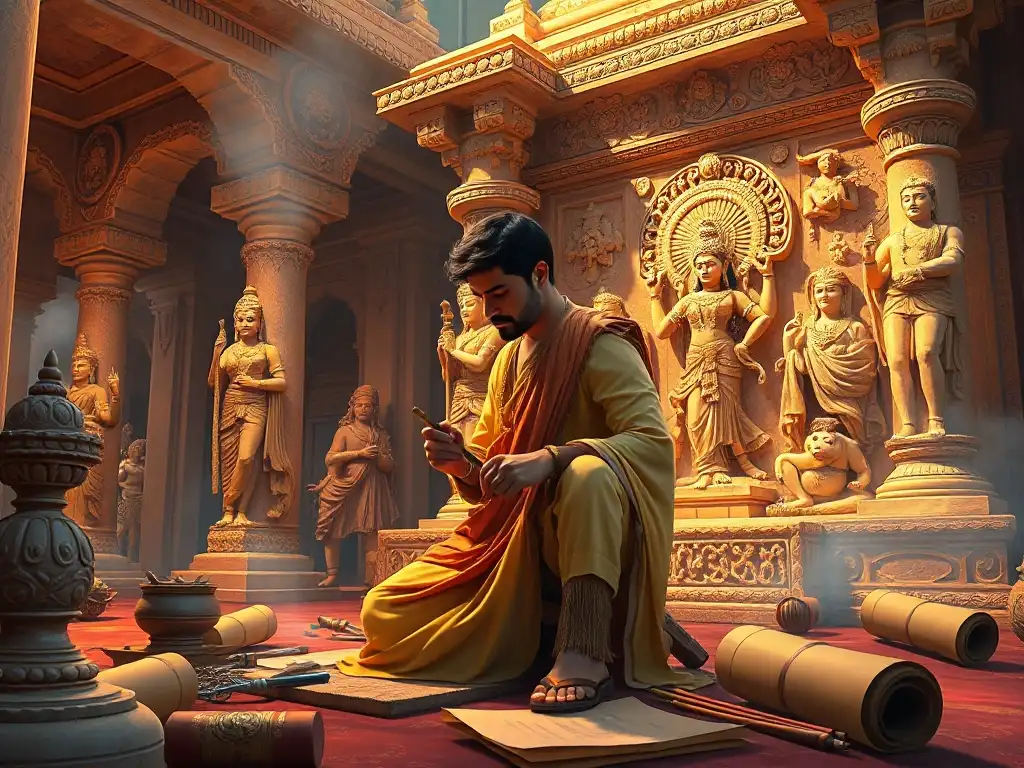
The Gupta Empire, often referred to as the Golden Age of India, witnessed remarkable advancements in the fields of art and architecture. The artistic endeavors of this period reflect a unique blend of spirituality, realism, and technical prowess. The key features of Gupta Empire art can be categorized into three primary forms: sculpture, painting, and decorative arts. Each of these forms exhibits distinct characteristics that illustrate the cultural and religious ethos of the time.
Sculpture: A Reflection of Spirituality and Realism
Sculpture during the Gupta Empire is characterized by its exquisite craftsmanship and deep spiritual significance. Artists focused on depicting religious themes, primarily centered around Hindu and Buddhist iconography.
- Material and Techniques: Sculptors predominantly used stone, especially sandstone and limestone, which allowed for intricate detailing. The techniques employed included carving, chisel work, and polishing, resulting in smooth, lifelike figures.
- Iconography: Common subjects included deities like Vishnu, Shiva, and the Buddha. Each sculpture was designed to convey a sense of divinity and presence, often showcasing elaborate hairstyles, clothing, and ornaments. For instance, the famous Buddha statues from Sarnath exemplify serene expressions and well-defined body postures, reflecting the spiritual ideals of the period.
- Realism and Expression: Gupta sculptures are notable for their realistic features and expressions. The narrative reliefs often depicted scenes from scriptures, showcasing dynamic poses and emotional depth. This realism marks a significant shift from the more stylized representations seen in earlier periods, indicating an evolution in artistic techniques.
Gupta sculptures not only capture the physical form but also express the spiritual essence of the figures they portray.
Painting: Techniques and Themes in Gupta Art
Painting during the Gupta Empire reached unprecedented heights, with elaborate frescoes and manuscript illustrations becoming prominent art forms.
- Techniques: Artists employed techniques such as watercolor and tempera, using natural pigments derived from minerals and plants. The colors were applied on wet plaster, allowing for a vibrant, lasting finish.
- Themes: The themes of Gupta paintings often revolved around religious narratives, court scenes, and daily life. Notable examples can be found in the Ajanta Caves, where murals depict Jataka tales illustrating the previous lives of the Buddha. These paintings are characterized by their intricate details and the use of vibrant colors that convey a rich tapestry of life.
- Symbolism: Gupta paintings also utilized symbolism to convey deeper meanings. For instance, the use of specific colors and motifs often represented various emotions and virtues, enhancing the viewer's connection to the artwork.
Decorative Arts: Craftsmanship and Materials Used
The decorative arts in the Gupta Empire encompassed a wide range of crafts, including pottery, metalwork, and textiles, showcasing remarkable craftsmanship.
- Pottery: Gupta pottery is noted for its fine quality and decorative techniques. The use of glaze and intricate designs, often inspired by nature, exemplified the artistic sensibilities of the time. The black-and-red ware pottery, in particular, is a hallmark of this era.
- Metalwork: The Gupta period also saw advancements in metallurgy. Artisans created intricate metal sculptures and utensils, often using techniques such as lost-wax casting. The famous iron pillar of Delhi, which remains rust-free for centuries, is a testament to the advanced metallurgical skills of Gupta craftsmen.
- Textiles: Textiles from this period were distinguished by their vibrant colors and intricate patterns. Fabric production was highly developed, with silk and cotton being the predominant materials. The use of natural dyes and weaving techniques contributed to the rich textile heritage of the Gupta Empire.
The art and architecture of the Gupta Empire reflect a harmonious blend of spirituality, technical excellence, and cultural richness. These key features not only highlight the artistic achievements of the time but also provide insight into the values and beliefs that shaped ancient Indian civilization.
Architectural Marvels of the Gupta Empire
Temple Architecture: Styles and Innovations
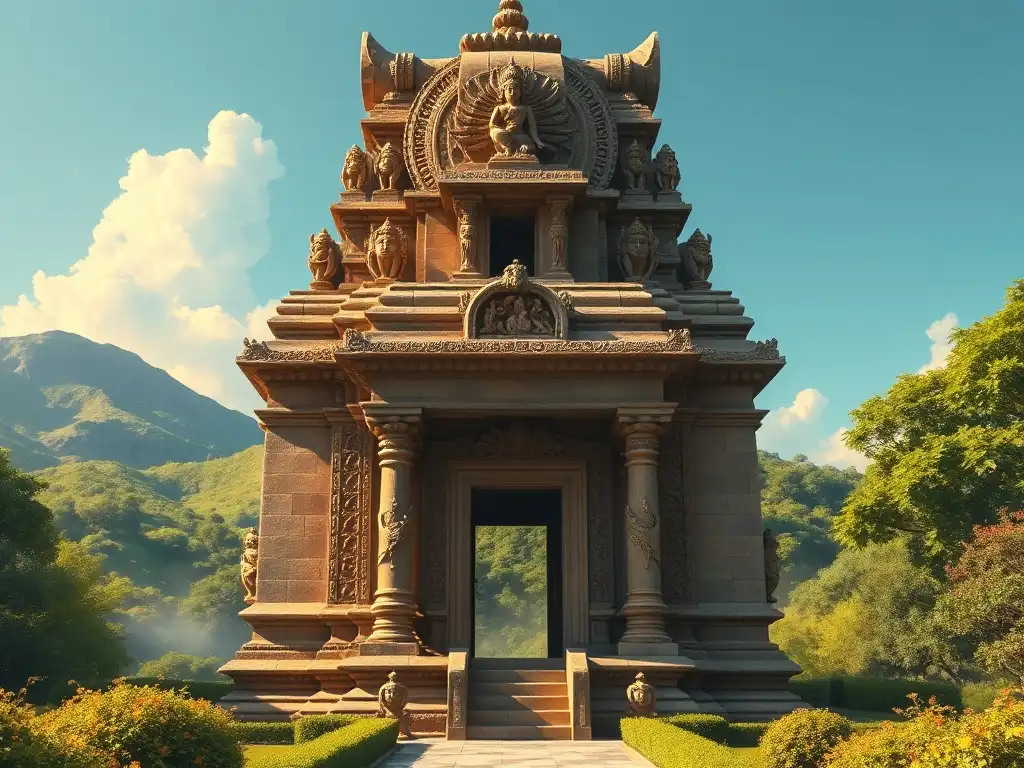
During the Gupta Empire, which flourished from the 4th to the 6th century CE, temple architecture underwent significant transformation and innovation. This period is often referred to as the Golden Age of India, marked by a revival of Hinduism and the emergence of exquisite temple designs that reflected both religious devotion and artistic excellence.
One of the most notable features of Gupta temple architecture is the increased use of stone as a primary building material, replacing the earlier brick constructions. This transition allowed for more intricate carvings and durable structures. The temples of this era were typically constructed on elevated platforms, showcasing a grand entrance, and were adorned with elaborate sculptures depicting deities, celestial beings, and mythological scenes.
The architectural style is characterized by:
- Shikhara: The towering spire that dominates the temple structure, symbolizing the mythical Mount Meru.
- Garbhagriha: The sanctum sanctorum housing the main deity, often accessed through a mandapa (pillared hall).
- Intricate Carvings: Detailed reliefs on walls and pillars, showcasing the skill of artisans and the deep religious narratives prevalent during this time.
The Influence of Hinduism on Gupta Temples
The Gupta period saw a resurgence of Hinduism, which significantly influenced temple architecture. Temples began to serve not only as places of worship but also as community centers for cultural and social gatherings. The architectural designs incorporated various elements that symbolized the connection between the divine and the earthly realm.
Hindu cosmology played a crucial role in temple layouts, where the orientation and placement of structures were meticulously planned. Temples were often aligned with cardinal directions, and the use of sacred geometry was prevalent. The sculptures depicted in the temple served as didactic tools, narrating stories from the Puranas and epics like the Mahabharata and Ramayana, thus educating the devotees about their faith.
Notable Temples of the Gupta Period
Several temples from the Gupta Empire stand as testaments to the architectural brilliance of the era. Among the most notable are:
- Dasavatara Temple, Deogarh:
- Dated to the early 6th century, this temple is renowned for its intricate carvings depicting the ten avatars of Vishnu.
- The temple's shikhara and elaborate sculptures illustrate the peak of Gupta artistry.
- Kankali Devi Temple, Aihole:
- This temple features unique architectural elements, including a square plan and a central dome.
- It serves as an example of the experimentation that characterized Gupta architecture.
- Udayagiri Caves:
- Although primarily a rock-cut structure, the Udayagiri caves contain significant sculptures, including the famous Varaha and Vishnu reliefs, showcasing the blend of religious art and architecture.
Urban Planning and Infrastructure
The Gupta Empire not only excelled in temple architecture but also in urban planning and infrastructure, which reflected the empire's sophistication. Cities were meticulously designed to accommodate both residential and commercial needs, with a focus on accessibility and functionality.
Cities and Their Architectural Layout
The cities during the Gupta period were often laid out in a grid pattern, with wide streets and well-planned neighborhoods. Major cities like Patliputra (modern-day Patna) and Mathura exhibited advanced urban planning features, such as:
- Drainage Systems: Ingenious drainage and sewage systems that facilitated sanitation.
- Marketplaces: Designated areas for trade and commerce, contributing to economic prosperity.
- Residential Areas: Distinct zones for various social classes, indicating a stratified society.
Public Buildings and Their Functions
Public buildings played a vital role in the daily life of Gupta citizens. These structures served multiple purposes:
- Assembly Halls: Used for public meetings and gatherings, reflecting the democratic ethos of the time.
- Educational Institutions: The establishment of centers like Nalanda and Takshashila contributed to the spread of knowledge and learning.
- Water Reservoirs: Ingeniously constructed tanks and wells provided essential water resources, showcasing the importance of water management in urban planning.
The Gupta Empire's art and architecture left an enduring legacy that continues to influence Indian culture and architectural practices today. The harmonious blend of religious devotion, artistic expression, and urban sophistication characterizes this remarkable period in ancient Indian history.
Thematic Elements in Gupta Art and Architecture
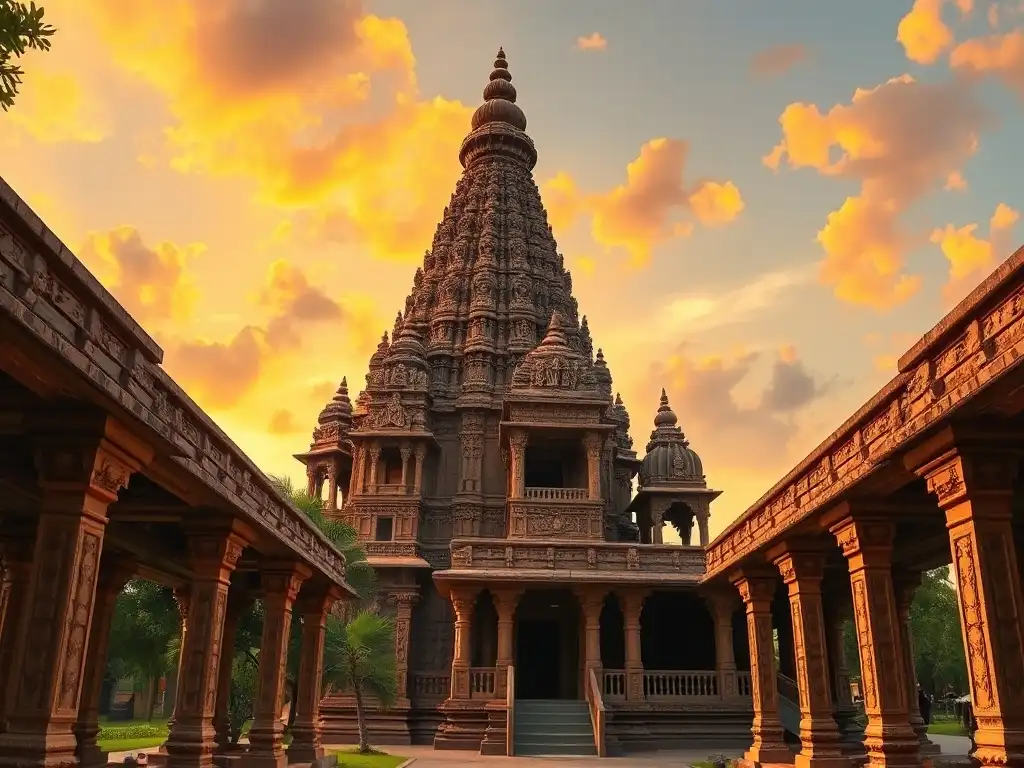
The art and architecture of the Gupta Empire, often referred to as the Golden Age of India, encapsulates a vibrant blend of themes that reflect the socio-cultural dynamics of the period. This era, marked by significant advancements in various fields, produced artistic expressions that were not only aesthetically pleasing but also deeply symbolic. The thematic elements in Gupta art and architecture can be broadly categorized into religious and secular themes, each revealing a distinct aspect of life during this remarkable period.
Religious Themes: Symbolism in Art and Architecture
Religious themes dominate Gupta art and architecture, illustrating the profound influence of spirituality and belief systems on creative expressions. The period is characterized by intricate sculptures, murals, and architectural marvels that convey deep religious sentiments.
- Buddhist Influence: The Gupta Empire saw a resurgence in Buddhism, and this is clearly reflected in its art. Stupas, such as the famous Sanchi Stupa, were adorned with elaborate carvings depicting scenes from the Jataka tales, which narrate the previous lives of the Buddha. The use of lotus motifs symbolizes purity and enlightenment, while the presence of Bodhisattvas in sculptures signifies compassion and the ideal of achieving Buddhahood.
- Hindu Themes: The Gupta period also marked significant developments in Hindu art. Temples such as the famous Dashavatara Temple in Deogarh showcase intricate carvings of deities like Vishnu and Shiva, emphasizing their divine attributes. The use of iconography in sculptures helps convey complex theological concepts, while the architectural layout of these temples often aligns with cosmic principles, reflecting the relationship between the divine and the material world.
- Symbolic Elements: The incorporation of various symbolic elements, such as the swastika and the om symbol, in Gupta art illustrates the spiritual beliefs that permeated daily life. These symbols often appeared in both murals and sculptures, serving as visual representations of auspiciousness and the divine order.
Secular Themes: Daily Life and Nature in Gupta Art
While religious themes are predominant, secular themes also play a vital role in Gupta art, showcasing the daily life, culture, and the natural world of the time.
- Depictions of Daily Life: Gupta art often features scenes of everyday life, including festivals, music, and dance. Sculptures and terracotta figurines illustrate the attire, jewelry, and activities of people, providing insight into the social customs and daily practices of the era. For instance, the dancers and musicians depicted in various sculptures highlight the importance of performing arts in Gupta society.
- Nature and the Environment: Nature is another significant theme in Gupta art, with numerous works celebrating the beauty of the natural world. Floral motifs, animals, and landscapes are common elements, where the natural environment is depicted with remarkable detail. This not only reflects the artistic skills of the time but also indicates a deep appreciation for nature and its beauty.
- Literary Inspirations: Gupta art was also influenced by literature, with many artworks drawing inspiration from classical texts like the Mahabharata and Ramayana. The illustrations of scenes from these epics in sculptures and paintings highlight the interconnection between literature and visual arts during this period.
The Role of Patronage in Artistic Development
The flourishing of art and architecture during the Gupta Empire can be significantly attributed to the role of patronage, which played a crucial part in the artistic development of the time.
- Royal Patronage: Gupta rulers were known for their support of the arts. Emperors such as Chandragupta II and Samudragupta actively patronized artists, craftsmen, and architects, creating an environment conducive to artistic innovation. This patronage extended to the construction of temples, monasteries, and public works, which provided artists with opportunities to showcase their talents.
- Religious Institutions: Temples and monasteries served as major centers of patronage, where religious leaders commissioned works of art to adorn sacred spaces. This relationship between artists and religious institutions led to the creation of some of the most enduring pieces of Gupta art, as these institutions sought to inspire devotion through beauty.
- Economic Prosperity: The economic stability and growth during the Gupta period allowed for the flourishing of various crafts. Artisans and craftsmen were able to develop their skills, leading to innovations in techniques and materials. The use of red sandstone in architecture and the development of intricate stone carvings exemplify the high level of craftsmanship achieved during this time.
The thematic elements of Gupta Empire art and architecture highlight the intricate relationship between religion, daily life, and patronage, reflecting the era's rich cultural tapestry. The legacy of this period continues to influence Indian art and architecture, showcasing the enduring beauty and complexity of Gupta civilization.
Preservation and Legacy of Gupta Empire Art and Architecture
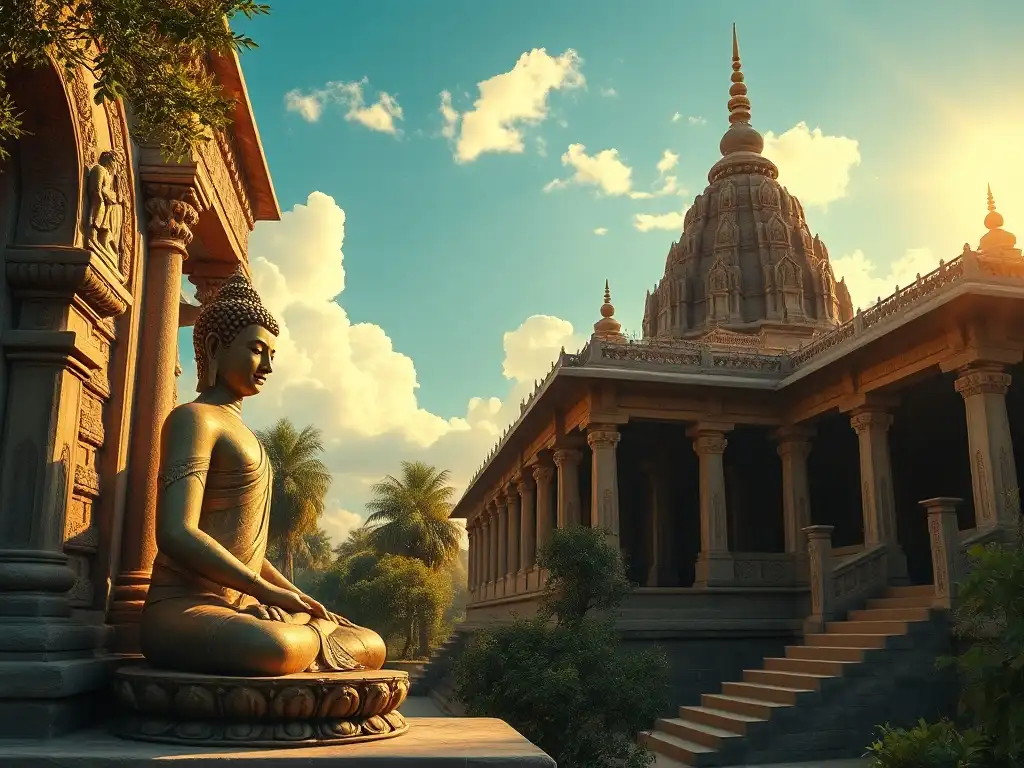
Archaeological Discoveries and Their Importance
The Gupta Empire, often referred to as the Golden Age of India, has left an indelible mark on the world through its art and architecture. Archaeological discoveries from this period provide critical insights into the aesthetic and cultural values of ancient Indian society. Key sites, such as Ajanta and Ellora, have unveiled exquisite cave paintings and monumental sculptures that highlight the advanced techniques employed by Gupta artisans.
- Ajanta Caves:
- These rock-cut caves, dating from the 2nd century BCE to the 6th century CE, showcase intricate frescoes and sculptures.
- The paintings depict Buddhist narratives, illustrating the life of the Buddha and various Jataka tales.
- The use of natural pigments and sophisticated shading techniques has preserved these artworks, demonstrating the artistic prowess of the Gupta period.
- Sarnath:
- This site is notable for the Lion Capital of Ashoka, which inspired the national emblem of India.
- The ruins of stupas and monasteries reveal the architectural advancements in Buddhist structures, reflecting the Gupta’s commitment to religious art.
- Udayagiri Caves:
- These caves contain reliefs that depict Hindu deities, showcasing the shift towards Hindu iconography during the Gupta period.
- The famous Varaha and Vishnu reliefs are prime examples of the intricate carvings that symbolize the fusion of art and spirituality.
Influence on Later Indian Art and Architecture
The art and architecture of the Gupta Empire laid the groundwork for subsequent Indian artistic traditions, influencing styles and techniques that persisted for centuries. The characteristics of Gupta art can be seen in various forms that emerged after the empire's decline:
- Regional Styles:
- The Madhya Pradesh region, where Gupta influence was strong, continued to produce intricate sculptures and temple architecture, particularly during the later Chandela and Paramara dynasties.
- Temples built in the medieval period, such as those in Khajuraho, exhibit a direct lineage from Gupta aesthetics, emphasizing intricate carvings and detailed iconography.
- Hindu Temple Architecture:
- The Gupta period established the blueprint for Hindu temple architecture, characterized by a square sanctum (garbhagriha) and a towering spire (shikhara).
- This architectural style evolved into the Nagara and Dravidian styles, which can be seen in later temple complexes across India.
- Cultural Syncretism:
- Gupta art also facilitated a blend of Buddhist and Hindu themes, which continued to influence the artistic expressions of later dynasties, such as the Mughals and Rajputs.
- This syncretism is evident in the fusion of motifs and iconography within temple sculptures and paintings across different regions.
The Global Impact of Gupta Artistic Traditions
The legacy of Gupta Empire art and architecture extends beyond India's borders, impacting cultures around the world. The meticulous craftsmanship and innovative artistic techniques of the Gupta period have drawn admiration and study from historians, artists, and architects globally.
- Spread of Buddhist Art:
- As Buddhism spread along trade routes, the artistic styles developed during the Gupta Empire influenced Buddhist art in regions such as Southeast Asia and Central Asia.
- The ornate stupas and sculptures from the Gupta period served as models for the artistic expressions found in countries like Thailand, Cambodia, and Indonesia, where the architectural forms and motifs were adopted and adapted.
- Influence on Islamic Art:
- Elements of Gupta art also made their way into Islamic architectural styles, especially during the period of the Delhi Sultanate and Mughal Empire.
- The intricate jali (lattice) work and geometric patterns found in Mughal architecture can trace their lineage back to the ornamental styles that flourished during the Gupta period.
- Contemporary Relevance:
- Today, the art and architecture of the Gupta Empire continue to inspire modern artists and architects, who draw on the timeless beauty and complexity of Gupta designs.
- The emphasis on harmony between form and function in Gupta architecture serves as a valuable lesson in contemporary architectural practices.
The Gupta Empire art and architecture not only encapsulates the aesthetic achievements of its time but also contributes significantly to the historical narrative of artistic evolution in India and beyond. Through archaeological discoveries and its far-reaching influence, the Gupta legacy remains a pivotal chapter in the story of global art and culture.
Conclusion: The Enduring Legacy of Gupta Empire Art and Architecture
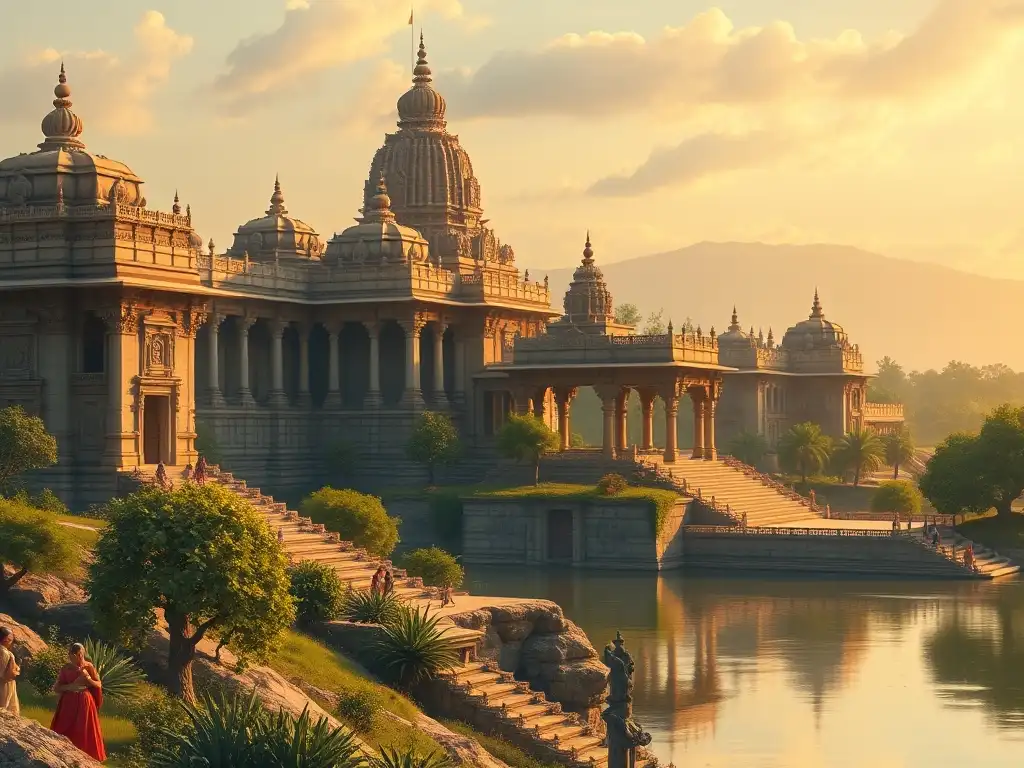
The Gupta Empire, often referred to as the Golden Age of India, left an indelible mark on the art and architecture of ancient Indian civilization. This period, spanning from approximately 320 to 550 CE, witnessed a flourishing of creative expression that not only reflected the socio-political stability of the time but also set the foundation for subsequent artistic traditions in India. The legacy of Gupta Empire art and architecture continues to resonate, showcasing a unique blend of aesthetic beauty, religious significance, and technical mastery.
Summary of Contributions to Ancient Indian Culture
The contributions of the Gupta Empire to art and architecture can be categorized into several key areas:
- Sculpture:
- The Gupta period is renowned for its exquisite sculptures, particularly those depicting Hindu deities and Buddhist figures.
- Notable sites such as Sarnath and Ajanta Caves illustrate the intricate detailing and lifelike expressions that epitomized Gupta artistry.
- Architecture:
- The emergence of brick and stone temples marked a significant architectural evolution.
- The Dashavatara Temple at Deogarh is a prime example, showcasing early structural innovations and ornamental designs that would influence later temple architecture.
- Frescoes and Paintings:
- The Ajanta Caves are celebrated for their vibrant frescoes that depict Jataka tales and Buddhist themes, combining narrative art with spiritual teachings.
- These paintings exemplify the sophisticated techniques and the use of natural pigments, further enhancing the visual storytelling of the era.
- Influence on Later Periods:
- Gupta art set precedents that would shape the artistic expressions of subsequent dynasties, such as the Chola and Mughal Empires.
- The stylistic elements developed during this period can be seen in later Indian temples and sculptures, demonstrating the Gupta's pivotal role in the evolution of Indian art.
Reflection on the Continued Appreciation of Gupta Art and Architecture
The art and architecture of the Gupta Empire continue to be celebrated and studied, reflecting a timeless appreciation for their beauty and significance. Scholars, historians, and art lovers alike recognize the Gupta period as a pinnacle of cultural achievement in Indian history.
- Modern Influence:
- Today's artists and architects draw inspiration from Gupta styles, seeking to capture the grace and spirituality that defined this era.
- The ornamental motifs and sculptural techniques of Gupta art still influence contemporary Indian art forms, ensuring the continuation of this rich heritage.
- Cultural Significance:
- The temples and sculptures serve not only as historical artifacts but also as sites of pilgrimage and spiritual reflection for many.
- Festivals and cultural events often highlight the art of the Gupta period, fostering a renewed interest in ancient traditions.
- Preservation Efforts:
- Archaeological efforts and museum exhibitions dedicated to Gupta art have played a crucial role in preserving this legacy.
- Institutions around the world showcase Gupta artifacts, allowing global audiences to appreciate the ingenuity and artistry of this remarkable period.
The art and architecture of the Gupta Empire stand as a testament to the aesthetic values and spiritual beliefs of ancient Indian civilization. Their enduring legacy continues to inspire and captivate, reminding us of the rich cultural tapestry woven during this golden age.
Frequently Asked Questions
What is the significance of art and architecture during the Gupta Empire?
Art and architecture during the Gupta Empire is significant as it showcases the aesthetic excellence and cultural richness of ancient India, influencing later styles and traditions.
What are some key features of Gupta Empire architecture?
Key features include intricate carvings, the use of red sandstone, and the establishment of temples that exhibit a blend of religious symbolism and artistic beauty.
How did Gupta art reflect the society of that time?
Gupta art often depicted religious themes, portraying deities and mythological narratives, which reflected the spiritual life and cultural values of the Gupta society.
What materials were commonly used in Gupta architecture?
Common materials included brick, stone, and terracotta, with a notable emphasis on sculptural decoration that enhanced both religious and secular buildings.
How did the Gupta Empire influence later Indian art and architecture?
The Gupta Empire set a foundation for classical Indian art, influencing later styles through its innovative techniques and iconography, which persisted in subsequent dynasties.
Final Reflection: The Enduring Legacy of Gupta Empire Art and Architecture
The art and architecture of the Gupta Empire continue to resonate profoundly in today's cultural landscape, showcasing a remarkable blend of beauty and innovation. As we explore the intricate sculptures, majestic temples, and exquisite paintings from this golden age, we recognize that these creations are not merely relics of the past but vital expressions of human creativity that inspire contemporary artists and architects alike. The Gupta Empire's legacy serves as a powerful reminder of how art can transcend time, connecting us to our shared history and enriching our present.
The influence of Gupta Empire art and architecture is evident in the way it shapes our understanding of cultural identity and artistic expression. From the intricate carvings of the Ajanta Caves to the elegant proportions of temple designs, these masterpieces have left an indelible mark on the cultural fabric of India and beyond. Art is the most beautiful of all lies.
This quote encapsulates the essence of how the Gupta Empire's artistic achievements have crafted narratives that continue to inspire and provoke thought across generations.
As we reflect on the lessons embedded within the Gupta Empire's artistic legacy, I invite you to consider how you can incorporate the principles of beauty, harmony, and innovation into your own life. Embrace the creativity that surrounds you, whether through art, architecture, or personal expression. Let the legacy of the Gupta Empire inspire you to create, appreciate, and preserve beauty in your own unique way, ensuring that this remarkable heritage continues to thrive for future generations.
Unveil the Wonders of Gupta Art!
Thank you for diving into the rich legacy of the Gupta Empire with us! You've discovered how the art and architecture from this period shaped a beautiful cultural tapestry. Now, it's time to take the next step in exploring and celebrating this incredible history.
Here are a few actionable ways you can continue your journey:
- Visit a museum that showcases artifacts from the Gupta era to experience the beauty firsthand and gain deeper insights.
- Share your favorite Gupta artwork on social media and invite friends to engage in a discussion about its cultural significance.
- Join an online forum or local group dedicated to ancient Indian history to connect with fellow enthusiasts and delve deeper into this fascinating era.
What aspect of Gupta art or architecture inspires you the most, and how do you envision incorporating its elements into contemporary life?