
How the Maurya Empire Managed Cultural Diversity through Governance


Welcome to Ancient India History, where we embark on a journey through the rich tapestry of India's past. Here, we delve into the remarkable civilizations that shaped the subcontinent, from the enigmatic Indus Valley to the illustrious Gupta Empire. In our featured article, we explore “Governance in the Maurya Empire,” revealing how this ancient dynasty adeptly managed cultural diversity to create a cohesive society. Discover the innovative strategies and principles that not only united a vast empire but also laid the groundwork for future governance. Join us as we unravel the fascinating stories and insights that await!
- Introduction to Governance in the Maurya Empire
- Understanding Cultural Diversity in the Maurya Empire
- Key Features of Governance in the Maurya Empire
- Strategies for Managing Cultural Diversity
- The Role of Ashoka in Cultural Governance
- Challenges in Governance and Cultural Diversity
- Conclusion: Legacy of Governance in the Maurya Empire
- References
-
Frequently Asked Questions
- What was the governance structure of the Maurya Empire?
- How did the Maurya Empire ensure cultural diversity was respected?
- Who was the most notable ruler of the Maurya Empire?
- What role did religion play in governance during the Maurya Empire?
- How did the Maurya Empire contribute to the administration of justice?
- Final Reflection: Embracing Diversity through Governance
- Discover the Path to Cultural Harmony!
Introduction to Governance in the Maurya Empire
The Maurya Empire, one of the most significant empires in ancient India, stands out not only for its vast expanse but also for its sophisticated system of governance that managed a diverse population. Spanning from approximately 322 BCE to 185 BCE, the Maurya Empire unified large parts of the Indian subcontinent under a centralized authority, which was crucial for maintaining stability and facilitating cultural integration.
This article will delve into how the Maurya Empire adeptly navigated cultural diversity through its governance strategies, highlighting the essential features that allowed it to flourish in a complex social landscape. By examining the administrative structures, policies, and practices, we will uncover the remarkable ways in which the Maurya Empire employed governance to harmonize various ethnicities, languages, and traditions within its realm.
Overview of the Maurya Empire
The Maurya Empire emerged in the wake of the fragmented political landscape of ancient India, characterized by numerous small kingdoms and republics. Founded by Chandragupta Maurya, the empire expanded rapidly under his leadership and that of his grandson, Ashoka the Great. At its zenith, the Maurya Empire covered a vast territory, including modern-day India, Pakistan, and parts of Afghanistan and Bangladesh. The empire established a well-organized administrative system that balanced local governance with central authority, paving the way for effective management of its diverse population.
Key features of the Maurya Empire included:
- Centralized Administration: The empire was governed from its capital, Pataliputra, where a vast bureaucracy facilitated decision-making and implementation of policies.
- Provincial Autonomy: The empire was divided into provinces, each headed by a governor (Uparaja), allowing for localized governance that respected regional cultures and practices.
- Legal System: A codified legal system ensured uniformity in law while accommodating local customs, which helped in maintaining social harmony.
This strategic blend of central control and local autonomy was instrumental in the Maurya Empire's ability to manage its vast and varied population.
Importance of Governance in Ancient Civilizations
Governance has always played a pivotal role in the development and sustainability of civilizations, particularly in ancient contexts where cultural diversity was prevalent. In civilizations such as the Maurya Empire, effective governance was essential for several reasons:
- Social Cohesion: Strong governance mechanisms helped in fostering unity among diverse groups, reducing potential conflicts that could arise from cultural differences.
- Economic Prosperity: A well-structured administration facilitated trade, agriculture, and infrastructure development, contributing to the overall prosperity of the empire.
- Cultural Exchange: Governance played a crucial role in promoting cultural exchanges, allowing for the blending of ideas, beliefs, and practices across different regions.
The Maurya Empire's approach to governance serves as a historical example of how effective administrative strategies can address the challenges posed by cultural diversity, laying the groundwork for long-lasting stability and cultural richness.
Understanding Cultural Diversity in the Maurya Empire
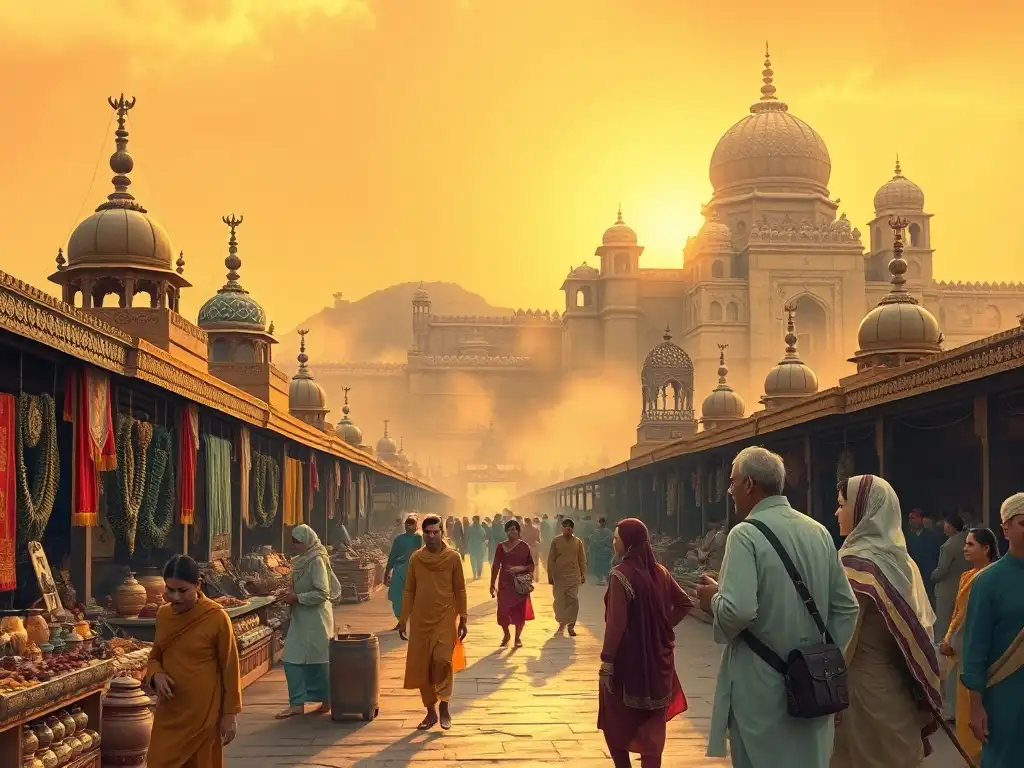
The Maurya Empire, which flourished between 322 and 185 BCE, is renowned for its remarkable ability to govern a vast and culturally diverse population. This diversity encompassed various ethnic groups, languages, religions, and social customs, which posed unique challenges and opportunities for governance. Understanding how the Maurya Empire managed this complexity is crucial to appreciating its administrative successes and its lasting legacy in ancient Indian history.
Definition of Cultural Diversity
Cultural diversity refers to the variety of cultural expressions, languages, and traditions that exist within a society. In the context of the Maurya Empire, this diversity manifested in multiple forms, including:
- Ethnic Diversity: The empire included various ethnic groups such as the Aryans, Dravidians, and various tribal communities.
- Religious Pluralism: Major religions such as Hinduism, Buddhism, Jainism, and various folk religions coexisted, each contributing to the cultural tapestry of the empire.
- Linguistic Variation: The Maurya Empire spanned regions with different languages and dialects, including Prakrit, Sanskrit, and various regional languages.
The acceptance and integration of these diverse elements were crucial for maintaining social harmony and ensuring that governance was inclusive and representative.
Influential Cultures within the Maurya Empire
The Maurya Empire was a melting pot of cultures that influenced its governance and societal structure. Key cultures included:
- Indus Valley Civilization: The legacy of this ancient civilization set the foundation for urban planning and trade practices.
- Hindu Culture: With its complex social hierarchy (varna system) and religious practices, Hinduism influenced laws and governance, emphasizing dharma (duty) and righteousness.
- Buddhism: Emerging during the Maurya period, Buddhism played a pivotal role in promoting values of non-violence and compassion, especially under Emperor Ashoka, who embraced and spread Buddhist principles throughout the empire.
- Jainism: The philosophy of non-violence and truth in Jainism also contributed to the ethical governance of the empire, promoting welfare and consideration for all living beings.
- Central Asian Influences: Trade with regions beyond the Indian subcontinent brought in new ideas and cultural practices, enriching the local traditions.
The blending of these diverse cultural strands created a unique societal framework that the Maurya rulers navigated skillfully to promote stability and unity.
Impact of Cultural Diversity on Governance
The cultural diversity within the Maurya Empire significantly influenced its governance structure and policies. Some key impacts included:
- Administrative Flexibility: The Mauryan rulers adopted a decentralized approach to governance, allowing local leaders to maintain some autonomy while adhering to the overall imperial framework. This flexibility helped accommodate regional customs and practices.
- Promotion of Religious Tolerance: The Maurya Empire is known for its policy of religious tolerance, particularly under Emperor Ashoka, who advocated for the coexistence of different faiths. This approach minimized sectarian conflict and fostered a sense of unity among diverse communities.
- Cultural Patronage: The Mauryan administration invested in cultural projects, such as the construction of stupas, temples, and educational institutions, which reflected the diverse beliefs and practices of its subjects. This not only promoted cultural exchange but also enhanced the legitimacy of the ruling class.
- Legal System: The legal framework in the Maurya Empire incorporated various customs and laws from different cultures, enabling a more equitable system that addressed the needs of diverse populations.
- Economic Integration: By facilitating trade and economic activities across regions, the Maurya Empire encouraged interaction among different cultures, further enhancing unity and cooperation.
The Maurya Empire's governance was profoundly shaped by its cultural diversity, resulting in a resilient and adaptable administrative system that has left an enduring mark on Indian history.
Key Features of Governance in the Maurya Empire
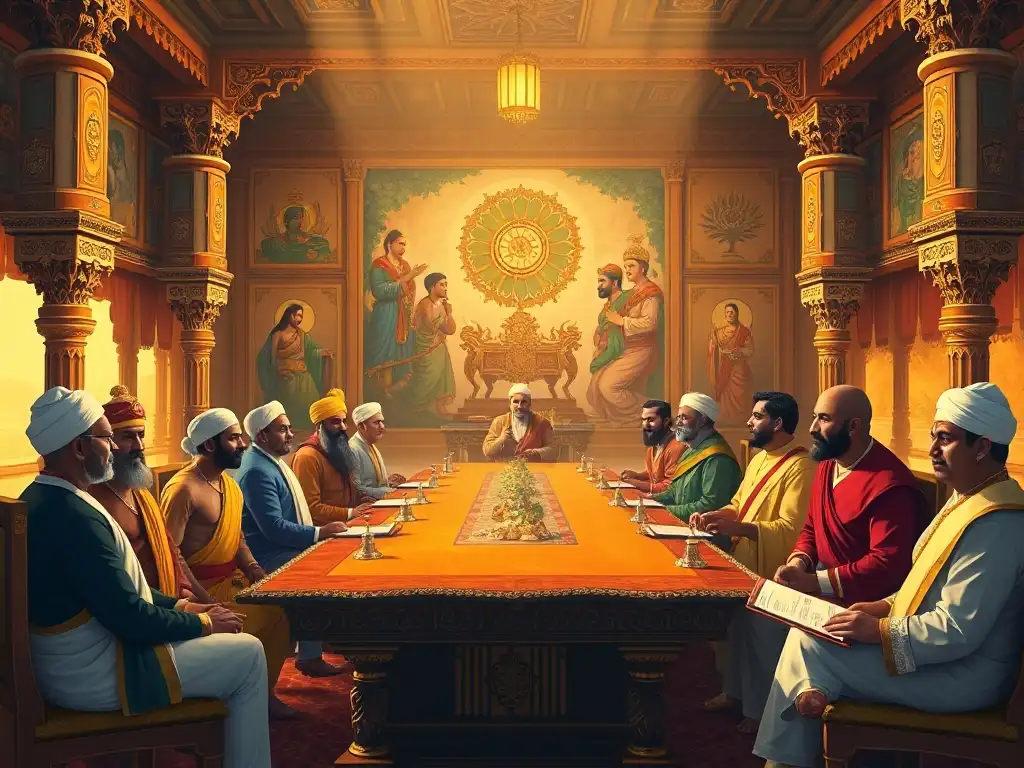
The Maurya Empire, one of the largest and most powerful empires in ancient India, achieved remarkable success in managing cultural diversity through a sophisticated system of governance. The key features of governance in the Maurya Empire are characterized by a blend of centralized authority, efficient bureaucracy, and localized governance, which together facilitated the integration of various cultures and communities within the empire.
Centralized Administration
The Maurya Empire's governance was fundamentally centralized, with a strong emphasis on the authority of the emperor. This centralized structure allowed for consistent implementation of policies across the vast territories of the empire.
- Chandragupta Maurya: The empire was founded by Chandragupta Maurya, who established a powerful centralized government. Under his rule, the administration was streamlined to ensure effective control over diverse regions.
- Kautilya's Arthashastra: The famous treatise on statecraft and military strategy, written by Kautilya (Chanakya), served as a manual for governance. It emphasized the importance of a strong central authority and the need for a well-organized bureaucratic system to maintain order and stability.
- Taxation and Revenue Collection: A vital aspect of the centralized administration was the efficient collection of taxes. The empire used a systematic approach to tax collection, ensuring a steady flow of revenue to support governance and public projects.
Role of the Emperor and Bureaucracy
The emperor played a pivotal role in the governance of the Maurya Empire, serving as the ultimate authority and symbol of unity. The bureaucracy was essential in assisting the emperor in managing the vast empire.
- Emperor's Authority: The emperor was viewed as a divine ruler with the responsibility to uphold dharma (moral law). This perception reinforced loyalty among subjects and facilitated governance across culturally diverse regions.
- Bureaucratic Structure: The Maurya Empire had a well-defined bureaucratic structure, comprising various officials responsible for different administrative tasks. These included:
- Amatyas: Senior officials acting as advisors and administrators.
- Rajukas: Officials responsible for local governance and justice.
- Dhamma Mahamatras: Officers tasked with promoting moral governance and the welfare of the people.
This hierarchical bureaucratic system allowed for specialized administration, enabling the emperor to govern effectively despite the empire's vastness.
Local Governance and Autonomy
While the Maurya Empire maintained a centralized government, it also recognized the importance of local governance to manage diverse cultural identities and practices.
- Provincial Administration: The empire was divided into several provinces, each overseen by a governor (Uparika). These governors were granted certain powers to manage local affairs, ensuring that regional needs and customs were respected.
- Autonomy of Local Leaders: Local rulers and leaders were often allowed to maintain a degree of autonomy in managing their communities. This approach helped in integrating various cultures and reducing resistance to central authority.
- Cultural Integration: The Mauryan administration promoted cultural integration through policies that respected local traditions and practices. For instance, the promotion of Buddhism under Ashoka led to the dissemination of Buddhist principles, which were embraced by various communities, thereby fostering unity amidst diversity.
The governance in the Maurya Empire was marked by a complex interplay of centralization, bureaucratic efficiency, and local autonomy. This multifaceted approach enabled the Maurya Empire to maintain control over its vast and diverse territories while promoting cultural harmony and stability.
Strategies for Managing Cultural Diversity
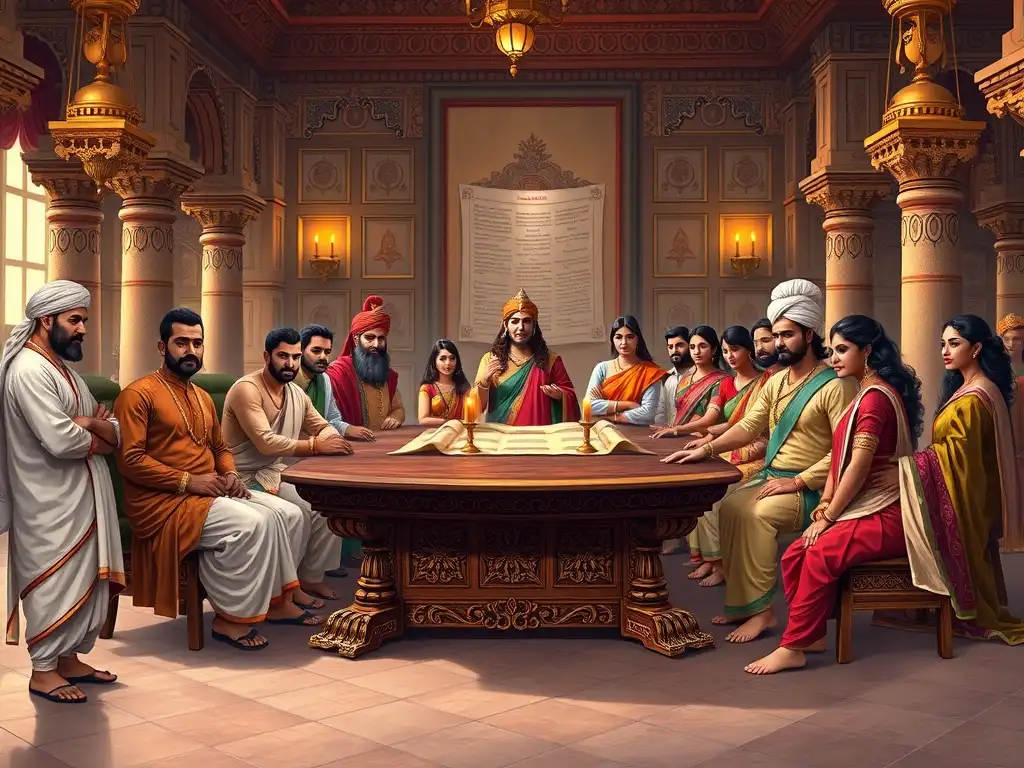
The Maurya Empire, one of the most significant empires in ancient India, exhibited remarkable governance strategies to manage its vast cultural diversity. With a sprawling territory that included various ethnicities, languages, and religions, the empire's ability to maintain stability and unity was largely due to its effective governance practices. Below are key strategies employed by the Maurya rulers.
Promotion of Religious Tolerance
One of the hallmarks of governance in the Maurya Empire was the promotion of religious tolerance. Under the reign of Emperor Ashoka, this approach was particularly pronounced. Ashoka's conversion to Buddhism after the Kalinga War led to a significant shift in policy, emphasizing the importance of Dhamma, or moral law, which advocated for respect and acceptance of all religions.
-
Edicts of Ashoka: His edicts, inscribed on pillars and rocks throughout the empire, communicated principles of tolerance and coexistence. For example, one of the edicts states:
All religions should reside everywhere and should be honored.
-
Support for Different Faiths: The Mauryan administration recognized and supported various religious institutions, such as Hindu temples, Buddhist stupas, and Jain monasteries, allowing these communities to flourish. This inclusivity helped mitigate sectarian conflicts and fostered a sense of unity among diverse populations.
Integration of Various Ethnic Groups
The Maurya Empire was home to numerous ethnic groups, each with its unique customs and traditions. The empire's governance effectively integrated these diverse communities through several key measures:
- Administrative Structure: The establishment of a well-organized bureaucratic system allowed for local governance that respected regional customs. Governors, or Mahamatras, were often appointed from local populations, ensuring that the administration was sensitive to local needs and practices.
- Cultural Exchange: The Maurya Empire facilitated cultural exchange through trade routes and interactions between different ethnic groups. This exchange promoted understanding and collaboration among various communities, leading to a rich tapestry of shared cultural practices.
- Intermarriage and Alliances: Strategic marriages between different ethnic groups were encouraged, fostering alliances and reducing tensions. This practice not only integrated groups but also established familial ties that promoted peace and cooperation.
Use of Language and Communication in Governance
Effective communication was vital for governance in such a culturally diverse empire. The Maurya rulers implemented several strategies to ensure clear and inclusive communication:
- Multi-Lingual Administration: Recognizing the linguistic diversity within the empire, the Mauryan administration employed multiple languages in official communications. Prakrit was widely used for inscriptions and edicts, making governance accessible to a broader population.
- Use of Symbols and Art: The empire also utilized visual symbols and art forms to convey messages across cultural boundaries. For instance, the Lion Capital of Ashoka not only served as a symbol of power but also represented the values of justice and strength, transcending language barriers.
- Education and Literacy: The promotion of education and literacy among the populace helped in disseminating governance policies effectively. Schools were established, and scholars were encouraged to document laws and philosophies, which further facilitated a unified understanding of governance across diverse communities.
The Maurya Empire's strategies for managing cultural diversity through governance were multifaceted and deeply rooted in principles of tolerance, integration, and effective communication. These practices not only contributed to the stability of the empire but also left a lasting legacy in the history of ancient Indian civilizations.
The Role of Ashoka in Cultural Governance
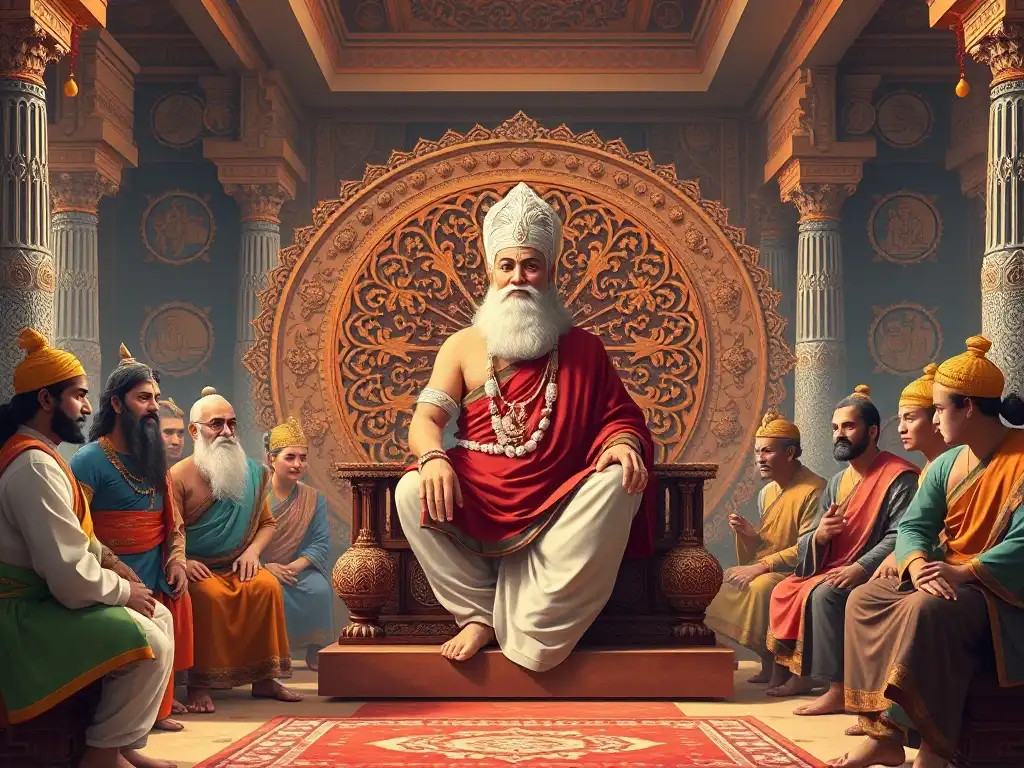
Ashoka the Great, the third emperor of the Maurya Empire, is often celebrated for his transformative leadership that emphasized cultural governance rooted in ethical principles and social welfare. His reign marked a significant shift from traditional imperial rule, characterized by military conquest, to a governance model that prioritized the well-being of his subjects and the promotion of cultural diversity. Ashoka's approach to governance was not only innovative for his time but also set a precedent for future leaders in managing diverse populations.
Ashoka's Edicts and Their Significance
Ashoka's edicts, inscribed on pillars and rocks throughout his empire, serve as a key historical source that reflects his governance philosophy. These edicts, numbering over thirty, communicated essential principles of governance and social conduct.
- Moral and Ethical Guidelines: The edicts emphasized values such as non-violence (ahimsa), compassion (karuna), and truthfulness. These principles encouraged citizens to live harmoniously and respect differing beliefs and cultures.
- Promotion of Dharma: Central to Ashoka's edicts was the concept of Dharma, which represented righteousness and moral duty. By advocating for Dharma, Ashoka sought to create a cohesive society where cultural diversity was respected and celebrated.
- Public Welfare Initiatives: The edicts also highlighted Ashoka's commitment to public welfare, including the establishment of hospitals, rest houses, and wells. This focus on community well-being fostered goodwill and unity among various cultural groups within the empire.
The significance of Ashoka's edicts lies in their role as a tool for governance that transcended mere law enforcement. They served as a moral compass, guiding the behavior of both rulers and subjects, and establishing a framework for cultural coexistence.
Policies Promoting Dharma and Tolerance
Ashoka's governance policies were instrumental in promoting tolerance and understanding among the diverse populations of the Maurya Empire.
- Interfaith Dialogue: Ashoka encouraged discussions between different religious communities, including Buddhism, Jainism, and Brahmanism. By promoting dialogue, he fostered an environment of mutual respect and understanding.
- Religious Freedom: His policies allowed for the practice of various religions, ensuring that cultural traditions were preserved and respected. This approach minimized sectarian conflicts and reinforced the idea that multiple belief systems could coexist peacefully.
- Cultural Festivals: The emperor supported the celebration of various cultural festivals, which served as a means for different communities to showcase their traditions. These festivities not only strengthened community bonds but also promoted cultural exchange.
Through these policies, Ashoka created a governance model that exemplified cultural inclusivity and harmony, allowing the Maurya Empire to flourish as a melting pot of diverse ideas and practices.
Ashoka's Impact on Governance and Cultural Identity
The impact of Ashoka's governance on cultural identity in the Maurya Empire was profound and long-lasting.
- Cultural Integration: By promoting Dharmic values and interfaith dialogue, Ashoka facilitated the integration of various cultural identities. This integration contributed to a distinct Mauryan identity that embraced diversity while fostering a sense of unity.
- Legacy of Non-Violence: Ashoka's commitment to non-violence influenced subsequent rulers and cultures, shaping the ethical landscape of governance in India. His approach demonstrated that effective governance could be achieved through compassion rather than coercion.
- Inspiration for Future Leaders: Ashoka's governance model served as an inspiration for future Indian leaders and empires. His emphasis on cultural governance and ethical rule became a benchmark for assessing the legitimacy and effectiveness of rulers in the Indian subcontinent.
Ashoka's innovative approach to governance not only managed the cultural diversity of the Maurya Empire but also laid the groundwork for a legacy of tolerance and ethical leadership that would resonate throughout Indian history. His strategies in governance remain a significant point of study for understanding the complexities of managing cultural diversity in ancient civilizations.
Challenges in Governance and Cultural Diversity
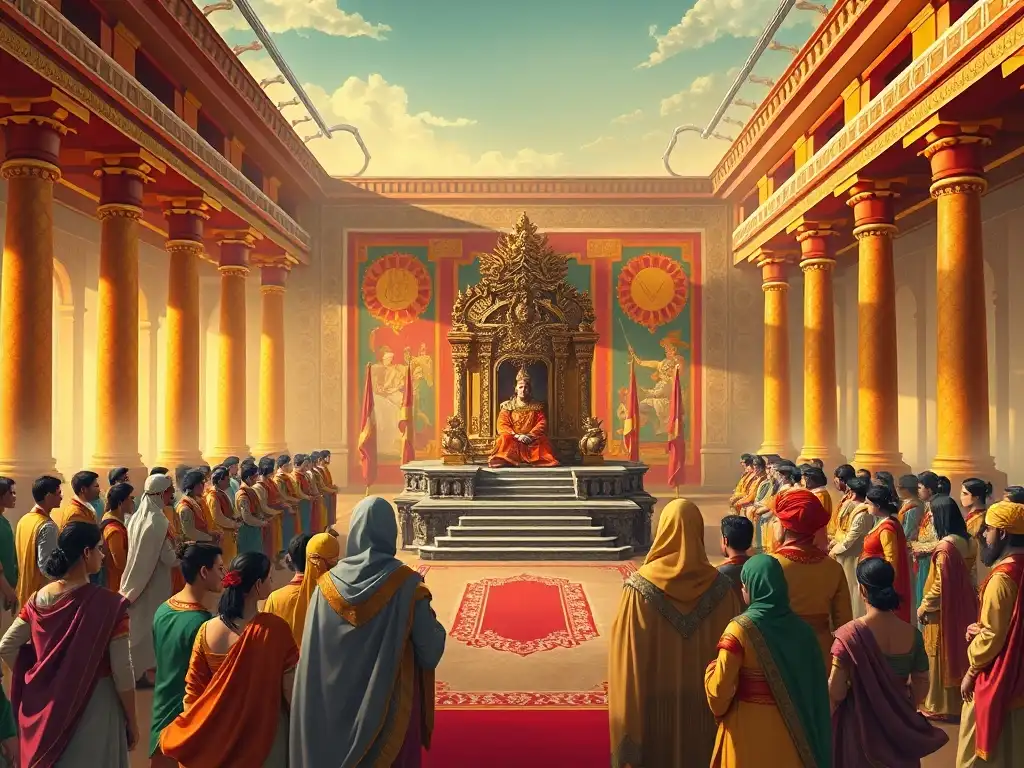
The Maurya Empire, one of the largest and most powerful empires in ancient India, faced significant challenges in governance due to its vast cultural diversity. Spanning from the Indus Valley to the eastern regions of present-day India, the empire encompassed numerous ethnicities, languages, and traditions. The ability of the Mauryan administration to navigate these challenges was crucial for maintaining stability and unity within the empire.
Conflicts and Tensions among Different Cultures
The diverse cultural landscape of the Maurya Empire often led to conflicts and tensions among its various ethnic groups. The empire was home to numerous communities, including the Indo-Aryans, Dravidians, and various tribal groups, each with distinct customs and beliefs. These differences sometimes resulted in friction, particularly in areas where the interests of one group clashed with another.
- Religious Diversity: The coexistence of various religions, such as Hinduism, Buddhism, and Jainism, created a dynamic yet sometimes contentious environment. The Mauryan Emperor Ashoka, after his conversion to Buddhism, initiated policies promoting Buddhist values, which were not universally accepted by all communities. This led to resistance from those who adhered to other faiths.
- Language and Communication Barriers: With over 200 languages spoken across the empire, effective communication was a significant hurdle. The lack of a common language often exacerbated misunderstandings and conflicts, making it challenging for the administration to implement policies uniformly.
- Regional Rivalries: The vast territories of the Maurya Empire included regions with long-standing rivalries and animosities. The central authority often had to mediate disputes between these regions, which required a deep understanding of local customs and grievances.
Administrative Challenges in a Diverse Empire
The governance of such a culturally diverse empire necessitated a sophisticated administrative framework. The Mauryan administration employed several strategies to manage the complexities arising from cultural diversity:
- Decentralized Administration: The empire was divided into several provinces (Mahajanapadas) governed by appointed officials known as governors or viceroys. This decentralization allowed for local governance that could address the specific needs and customs of various communities.
- Cultural Autonomy: By granting a degree of cultural and administrative autonomy to different regions, the Mauryan Empire acknowledged and respected local traditions. This approach helped to reduce resistance and foster loyalty among diverse populations.
- Legal Framework: The Mauryan legal system incorporated various customs and laws pertinent to different communities. This inclusivity ensured that the diverse populations felt represented and that their rights were protected, thereby minimizing potential conflicts.
- Infrastructure Development: The construction of roads, communication systems, and trade routes facilitated interaction among diverse cultures. Improved infrastructure not only promoted economic growth but also encouraged cultural exchange, helping to bridge gaps between communities.
Lessons Learned from Governance Practices
The governance strategies employed by the Maurya Empire offer valuable lessons for managing cultural diversity in contemporary contexts:
- Emphasizing Inclusivity: Effective governance in a multicultural society requires a commitment to inclusivity. Recognizing and respecting the unique identities of different groups can foster a sense of belonging and loyalty.
- Decentralized Governance Models: Implementing decentralized governance can empower local leaders and allow for more tailored approaches to regional issues, which is crucial in culturally diverse settings.
- Conflict Resolution Mechanisms: Establishing robust conflict resolution mechanisms is essential to address grievances and disputes among various cultural groups. This can prevent tensions from escalating into larger conflicts.
- Promoting Cultural Exchange: Encouraging cultural exchange through trade, education, and public events can help build bridges between different communities, fostering understanding and cooperation.
The Maurya Empire's approach to governance in the face of cultural diversity serves as a historical example of how effective management strategies can promote unity and stability within a complex society. The insights gained from this period continue to resonate in modern discussions about governance and cultural diversity.
Conclusion: Legacy of Governance in the Maurya Empire
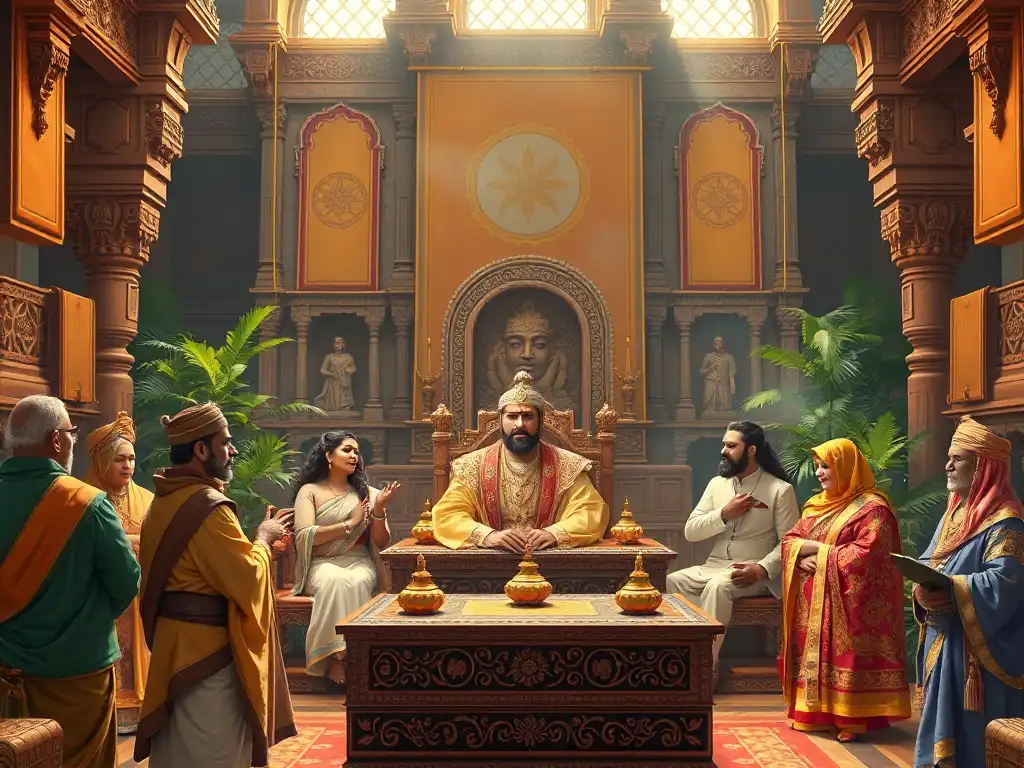
The Maurya Empire stands as a bastion of effective governance, demonstrating how a diverse society can be unified under a single administrative framework. Its legacy lies not only in the political achievements but also in the cultural integration and management of various groups, which has had a lasting impact on subsequent governance structures in India.
Lasting Impact on Indian Governance Models
The governance practices established during the Maurya Empire set a precedent for future Indian empires and governments. The centralization of authority, while allowing for regional autonomy, became a model for the administration of vast territories. Notably:
- Bureaucratic Structure: The Maurya administration featured a complex bureaucracy that included various levels of officials overseeing different regions. This model influenced later empires, including the Gupta Empire, which adopted similar administrative practices.
- Legal Framework: The implementation of a codified legal system during the Maurya period helped in maintaining order and justice, which became a foundational element in the governance of subsequent Indian states. The legal principles articulated in texts such as the Arthashastra by Kautilya remain relevant in discussions of governance today.
- Cultural Policies: The Maurya Empire's approach to cultural diversity, promoting tolerance and inclusivity, paved the way for a governance style that embraced various religions and communities. This framework inspired later Indian rulers to adopt policies of pluralism and coexistence.
The Maurya Empire's governance not only managed cultural diversity effectively but also laid the groundwork for sophisticated administrative systems that evolved over centuries.
Relevance of Maurya Governance in Modern Context
In the contemporary landscape, the governance strategies of the Maurya Empire resonate with modern-day administrative practices, particularly in multi-ethnic and multi-religious nations. Key aspects include:
- Decentralization: The Maurya model of decentralized governance allowed local leaders to maintain a degree of autonomy while still being accountable to the central authority. This principle is mirrored in today's federal structures, where local governments play a crucial role in administration.
- Public Welfare Policies: The Mauryan rulers emphasized welfare programs, including infrastructure development and public health, akin to modern governance’s focus on social welfare. This historical precedence highlights the importance of government intervention in promoting the well-being of citizens.
- Diplomacy and Foreign Relations: The diplomatic strategies employed by the Maurya Empire to manage relations with neighboring states and diverse cultures provide insights into modern diplomatic practices, particularly in conflict resolution and peacebuilding.
The governance in the Maurya Empire serves as a historical reference point that continues to inform and inspire contemporary governance models, emphasizing unity through diversity, effective administration, and the importance of cultural inclusivity. The lessons drawn from this ancient empire remain relevant as societies strive to navigate the complexities of governance in a diverse world.
References
Suggested Readings on the Maurya Empire and Governance
-
“The Maurya Empire: A Historical Perspective”
This book provides an in-depth analysis of the Maurya Empire's governance structures, with a specific focus on how it managed a diverse population. Key themes include administrative frameworks and the role of various officials.
-
“Cultural Syncretism in the Maurya Period”
This work explores the cultural interactions during the Maurya Empire, analyzing how governance facilitated the blending of different traditions and practices.
-
“Asoka: The Buddhist Emperor of India”
A biography of Emperor Asoka, detailing his methods of governance and how he promoted cultural harmony through policies such as religious tolerance and the spread of Buddhism.
-
“The Arthashastra: A Treatise on Statecraft”
Authored by Kautilya (Chanakya), this ancient text outlines the principles of governance, economics, and military strategy in the Maurya period, emphasizing the importance of skilled administration.
-
“The Mauryan State: Problems and Perspectives”
This collection of essays discusses various aspects of the Mauryan state, including its administrative policies and the practical challenges in governing a culturally diverse empire.
Academic Sources on Cultural Diversity in Ancient India
-
“Cultural Diversity in Ancient India: A Historical Survey”
This comprehensive study examines the various cultures present in ancient India, with a focus on how the Maurya Empire's governance facilitated coexistence.
-
“The Role of Religion in the Governance of the Maurya Empire”
An academic paper that discusses the impact of different religions on governance during the Maurya period, highlighting how religious policies contributed to cultural diversity.
-
“Ethnic Relations in Ancient India: The Maurya Era”
This article provides insights into the ethnic variety present in the Maurya Empire, analyzing how the administration addressed and embraced this diversity.
-
“Social Stratification and Governance in the Maurya Empire”
A scholarly examination of the social hierarchies present in ancient India and how the Mauryan administration navigated these complexities to maintain stability.
-
“Interactions of Cultures: The Maurya Empire in Context”
This research work looks at the interactions between different cultural groups under Mauryan rule and how governance strategies played a critical role in fostering an inclusive environment.
Frequently Asked Questions
What was the governance structure of the Maurya Empire?
The Maurya Empire had a centralized governance system with a strong bureaucracy. The emperor held supreme power, supported by ministers and provincial governors to manage various regions.
How did the Maurya Empire ensure cultural diversity was respected?
To manage cultural diversity, the Maurya Empire implemented policies that promoted tolerance and inclusivity. They acknowledged and respected local customs, religions, and traditions across different regions.
Who was the most notable ruler of the Maurya Empire?
Ashoka the Great is often regarded as the most notable ruler. He is known for his philosophy of non-violence and efforts to spread Buddhism, which significantly impacted governance and cultural integration.
What role did religion play in governance during the Maurya Empire?
Religion, especially Buddhism, played a crucial role in governance. Ashoka used religious principles to promote social welfare and moral values, fostering unity among diverse populations.
How did the Maurya Empire contribute to the administration of justice?
The Maurya Empire established a structured legal system that emphasized fairness and justice. Ashoka's edicts promoted ethical behavior and were inscribed across the empire to ensure everyone understood the laws.
Final Reflection: Embracing Diversity through Governance
The governance strategies of the Maurya Empire serve as a timeless lesson in managing cultural diversity. In today's increasingly globalized world, where societies are often a tapestry of different cultures, the ability to govern with inclusivity and respect for diversity is more crucial than ever. The Maurya Empire's approach to governance not only fostered unity among its diverse population but also laid the groundwork for a legacy that continues to inspire modern political thought. Understanding how they navigated these complexities can illuminate paths for contemporary governance.
The Maurya Empire's legacy of cultural integration and effective governance continues to resonate in our current social landscape. By recognizing and valuing the multitude of voices within a society, we can create environments that promote harmony and collaboration. As Mahatma Gandhi once said, Our ability to reach unity in diversity will be the beauty and the test of our civilization.
This quote encapsulates the essence of the Maurya Empire's governance model, reminding us that embracing diversity is not just a challenge but an opportunity for growth and strength.
As we reflect on the lessons from the Maurya Empire, let us take a moment to consider how we can apply these principles in our own lives and communities. How can we foster inclusivity and understanding in our interactions? By actively engaging with diverse perspectives and advocating for equitable governance, we can contribute to a more harmonious society. Embrace the lessons of the past, and let them guide you in shaping a future where diversity is celebrated and governance is a reflection of our shared humanity.
Discover the Path to Cultural Harmony!
Thank you for taking the time to explore the intricate governance of the Maurya Empire and its embrace of cultural diversity. You've gained valuable insights that highlight the importance of unity in diversity, a lesson that resonates profoundly in today's world. Now, let’s transform this knowledge into action!
Here are some practical steps you can take to further engage with this fascinating topic:
- Dive Deeper: Explore how various historical empires managed cultural diversity and governance. This can enhance your understanding and provide a broader context.
- Share Your Insights: Discuss your learnings with friends or on social media. You never know who might be inspired by the stories of ancient governance!
- Join a Community: Consider joining a history-focused group or forum where you can connect with others who share your passion for ancient civilizations.
What aspect of cultural diversity in governance do you think is most crucial for today's societies? Let's spark a conversation in the comments below!