
The Cultural Significance of Indian Festivals in Persian Chronicles

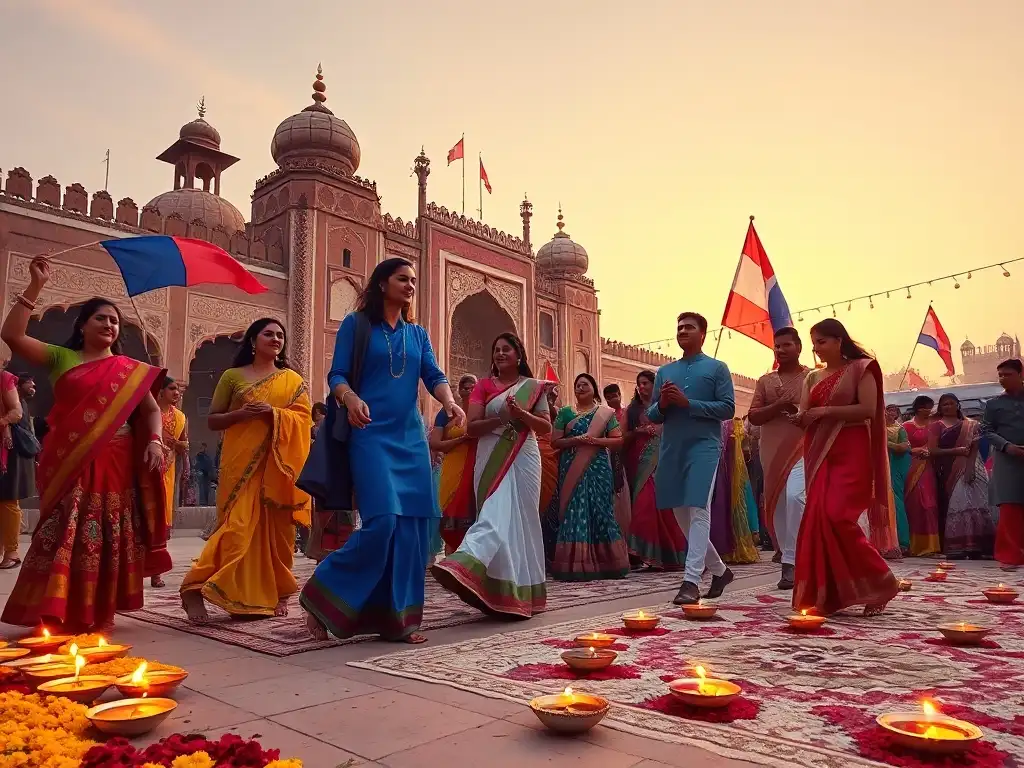
Welcome to Ancient India History, where we embark on a captivating journey through the rich tapestry of Indian civilization! Here, you will discover the profound cultural significance of Indian festivals, as we unveil their intricate connections to the narratives found in Persian chronicles. From the vibrant celebrations of the Indus Valley to the majestic festivities of the Gupta Empire, each festival offers a window into the heart of a society that thrived on diversity and interaction.
Curious about how these festivals shaped not only Indian culture but also influenced neighboring civilizations? Dive deeper with us and uncover the stories that have transcended time!
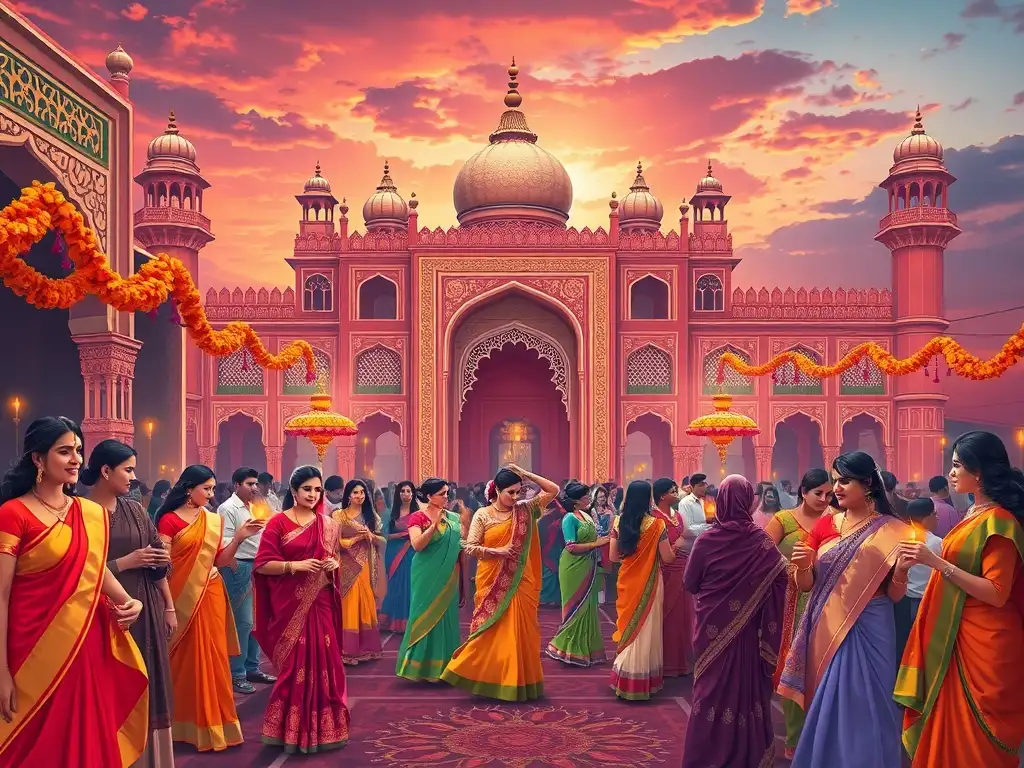
The cultural significance of Indian festivals extends far beyond mere celebrations; they serve as vital reflection points of the rich tapestry of traditions, beliefs, and historical narratives that have shaped Indian civilization. From the ancient times of the Indus Valley to the sophisticated societal structures of the Gupta Empire, festivals have always played a pivotal role in the social and religious frameworks of Indian life.
This article delves into the fascinating intersections between Indian festivals and Persian chronicles, illuminating how these vibrant celebrations were perceived and documented by Persian historians and travelers. By exploring the cultural significance of Indian festivals through the lens of Persian chronicles, we gain insight not only into the festivals themselves but also into the broader Indian-Persian interactions that enriched both cultures.
Introduction to Indian Festivals
Overview of Indian Festivals
Indian festivals are a kaleidoscope of colors, sounds, and traditions, celebrated with immense fervor across the subcontinent. These festivals, which vary significantly by region and community, are often linked to agricultural cycles, religious observances, and historical events. Major festivals like Diwali, Holi, Eid, and Navratri not only mark significant spiritual milestones but also foster a sense of community and belonging among participants. Each festival is accompanied by unique rituals, foods, music, and dances that reflect the diverse cultural heritage of India.
Importance of Festivals in Indian Culture
Festivals hold profound significance in Indian culture, serving multiple purposes that go beyond mere celebration. They act as:
- Cultural Preservation: Festivals help in preserving ancient traditions and customs, passing them down through generations.
- Social Cohesion: They strengthen community bonds, bringing together people from various backgrounds to partake in shared experiences.
- Spiritual Reflection: Festivals provide opportunities for spiritual renewal, allowing individuals to reconnect with their faith and values.
- Economic Activity: They stimulate local economies, with increased commerce in goods, services, and tourism associated with festive seasons.
Historical Context of Indian-Persian Interactions
The Development of Indian-Persian Relations
The interactions between India and Persia have a long and complex history, characterized by trade, cultural exchange, and political alliances. Beginning as early as the Achaemenid Empire, Persian influence seeped into Indian soil, particularly in regions like Gandhara. The subsequent interactions were further propelled by the arrival of Persian scholars, traders, and invaders, notably during the Mauryan and Gupta periods. These exchanges often included the sharing of artistic styles, architectural techniques, and, importantly, cultural practices such as festivals.
Key Periods of Interaction Between India and Persia
Several key periods mark significant interactions between India and Persia:
- Achaemenid Period (550-330 BCE): The Persian Empire’s influence in the northwestern regions of India laid the groundwork for cultural exchanges.
- Mauryan Empire (322-185 BCE): The reign of Ashoka saw diplomatic relations flourish, with emissaries traveling between the two civilizations.
- Medieval Period (12th-16th Century): The establishment of the Delhi Sultanate and later the Mughal Empire created a rich tapestry of Indo-Persian culture, where festivals became a focal point of cultural synthesis.
Through these historical lenses, we can appreciate how the cultural significance of Indian festivals was recognized and chronicled by Persian historians, offering a unique perspective on the shared heritage of these two great civilizations.
The Representation of Indian Festivals in Persian Chronicles
The cultural significance of Indian festivals is vividly captured in various Persian chronicles, which provide a unique lens through which we can understand the rich tapestry of Indian traditions. These chronicles often highlight not only the festivals themselves but also their underlying meanings, social practices, and the interactions between Indian and Persian cultures. The representation of these festivals in Persian texts sheds light on how they were perceived by Persian scholars and travelers, reflecting a blend of admiration, curiosity, and sometimes, cultural critique.
Persian accounts often describe the vibrant celebrations, the elaborate rituals, and the communal spirit that characterize Indian festivals. Through these narratives, we gain insight into the socio-religious fabric of Indian society, as well as the ways in which these festivals fostered cultural exchange between India and Persia. The depictions emphasize the universal themes of joy, devotion, and community that resonate across cultures, establishing a shared human experience that transcends geographical boundaries.
Persian Chronicles as Historical Sources
Persian chronicles serve as crucial historical sources that document the interactions between Persian and Indian civilizations. These texts were often penned by travelers, diplomats, and scholars who ventured into India, providing detailed observations of the cultural practices they encountered. The rich descriptions found in these chronicles are invaluable for historians and anthropologists seeking to reconstruct the social and cultural landscape of ancient India.
These accounts often include references to Indian festivals, which were seen as significant events that encapsulated the essence of Indian life. Persian historians such as Al-Biruni and Ibn Battuta recorded their experiences in India, detailing the customs, rituals, and societal norms associated with various festivals. Their writings not only inform us about the festivals themselves but also about the broader cultural interactions that took place during their visits, showcasing the intricate web of influences between the two civilizations.
Notable Persian Texts Mentioning Indian Festivals
Several notable Persian texts mention Indian festivals, each providing a unique perspective on the cultural significance of these celebrations. Among these, the works of Al-Biruni, who traveled to India in the early 11th century, stand out for their detailed observations. In his seminal work, "Kitab al-Hind," Al-Biruni describes various festivals, including Diwali and Holi, emphasizing their religious and cultural importance.
Another key text is "The Travels of Ibn Battuta," a 14th-century account that chronicles the Moroccan explorer's journey through India. In his writings, Ibn Battuta provides vivid descriptions of Indian festivals, including the communal aspects and the elaborate festivities that accompany them. His accounts highlight the vibrant colors, sounds, and customs that characterize these celebrations, illustrating their significance in bringing communities together.
Additionally, the "Shahnameh" (Book of Kings) by Ferdowsi, although primarily a historical epic, also touches upon the cultural practices of the time, including references to Indian festivals and their implications for social cohesion and cultural identity.
Analysis of Specific Indian Festivals in Persian Accounts
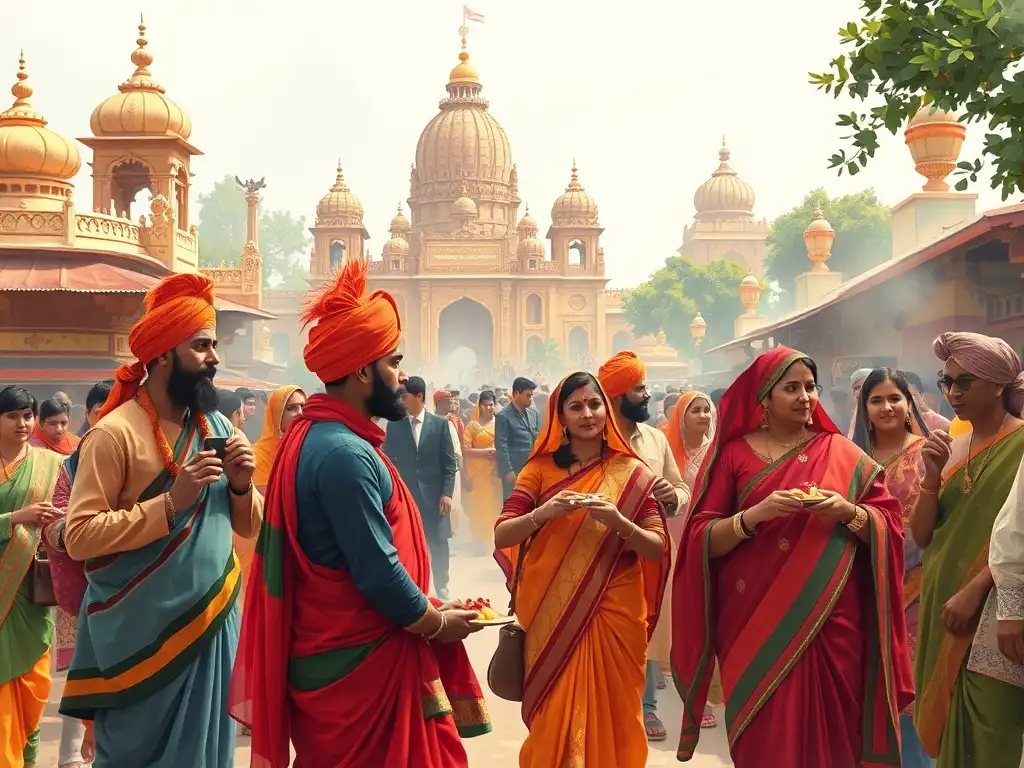
The Persian chronicles offer a rich analysis of specific Indian festivals, revealing their cultural significance and the ways in which they were celebrated across different regions of India. Three festivals, in particular, stand out in Persian accounts: Diwali, Holi, and Navratri. Each of these festivals embodies unique traditions and values that resonate deeply within Indian culture.
Diwali: The Festival of Lights
Diwali, known as the Festival of Lights, is prominently featured in Persian chronicles. Al-Biruni provides an insightful account of the festival, noting its association with the victory of light over darkness and good over evil. He describes the various rituals, including the lighting of lamps, the bursting of firecrackers, and the exchange of sweets among families and friends.
Persian texts also highlight the economic aspects of Diwali, as it is a time for shopping and new beginnings. The festival's emphasis on renewal and celebration is mirrored in the Persian appreciation for communal harmony and shared joy. This intersection of cultural values reflects how Diwali serves not only as a religious observance but also as a significant socio-economic event that fosters community ties.
Holi: The Festival of Colors
Holi, the vibrant Festival of Colors, is another festival that captures the attention of Persian chroniclers. Descriptions from Ibn Battuta detail the joyous atmosphere of Holi, where participants engage in playful color throwing, music, and dance. This festival symbolizes the arrival of spring and the triumph of love and devotion.
Persian accounts often emphasize the communal spirit of Holi, where social barriers are temporarily dissolved, allowing people from different backgrounds to come together in celebration. This aspect of Holi resonates with Persian ideals of unity and camaraderie, highlighting the cultural significance of this festival in fostering social bonds.
Navratri: The Nine Nights of Worship
Navratri, a festival dedicated to the worship of the goddess Durga, is also mentioned in Persian chronicles, particularly in relation to its elaborate rituals and cultural practices. Al-Biruni notes the nine nights of worship, where devotees engage in fasting, prayer, and dance, culminating in the celebration of victory over evil.
Persian texts reflect on the spiritual dimensions of Navratri, emphasizing the themes of devotion, strength, and the divine feminine. The festival's significance in promoting cultural identity and community cohesion is evident in the way it brings people together to celebrate their shared beliefs and values. The portrayal of Navratri in Persian accounts underscores the deep respect for Indian traditions and the acknowledgment of their importance in the broader cultural narrative.
The Cultural Significance of Indian Festivals
The cultural significance of Indian festivals extends far beyond mere celebrations; they serve as vital expressions of the rich tapestry of Indian society and its historical interactions with other civilizations, particularly Persia. Festivals in India are deeply embedded in the social fabric and are celebrated with great enthusiasm across diverse communities. The Persian chronicles provide invaluable insights into these celebrations, highlighting their importance in the context of cultural and social dynamics. Through these festivals, various aspects of Indian culture, including religion, art, and community bonding, are showcased, making them essential to understanding ancient Indian civilization.
Festivals as Reflection of Indian Society
Indian festivals often reflect the values, beliefs, and social structures of the time. They are a mirror of the socio-cultural ethos of Indian society, illustrating the harmony and diversity that characterizes it. Each festival is rooted in historical myths, agricultural cycles, and religious practices, acting as a medium to convey the collective memory of the people.
For instance, festivals like Diwali and Holi are not only occasions for joy but also embody significant themes such as the victory of good over evil and the arrival of spring, respectively. Persian accounts often describe these festivals with admiration, noting their vibrancy and the communal spirit they foster. The festivities involve rituals, traditional music, dance, and vibrant decorations, which together create an atmosphere of unity and joy among participants.
Moreover, these festivals often serve as an opportunity for various castes and communities to come together, promoting social cohesion and integration. The Persian chronicles document these interactions, showcasing how festivals transcended boundaries and fostered relationships among different groups within Indian society.
Festivals and Their Role in Cultural Exchange
The historical interactions between India and Persia facilitated a rich cultural exchange, with festivals playing a central role. The accounts of Persian travelers and chroniclers reveal how Indian festivals were not only observed by locals but also captivated foreign visitors. Festivals provided a platform for the exchange of ideas, customs, and artistic expressions, enriching both cultures.
For example, during the Mughal era, Persian influences were prominent in Indian festivals, as seen in the incorporation of Persian poetry and art forms into celebrations. The fusion of cultural practices is evident in the shared festivities, such as the celebration of Nowruz, which was adapted and celebrated in various regions of India. Persian chroniclers noted the grandeur of such events, highlighting the blend of Indian and Persian traditions.
Furthermore, festivals served as avenues for trade and commerce, where merchants and artisans would come together, exchanging goods and cultural artifacts. This exchange significantly contributed to the evolution of artistic styles and culinary traditions, illustrating how festivals were pivotal in fostering a dynamic cultural landscape.
Conclusion
The cultural significance of Indian festivals, as seen through the lens of Persian chronicles, offers a rich narrative of historical interactions and mutual influences. These festivals are not merely events of enjoyment but vital expressions of identity, community, and cultural legacy.
The Lasting Impact of Indian Festivals in Persian Chronicles
The lasting impact of Indian festivals in Persian chronicles is profound. These accounts not only document the festivities but also provide a lens through which we can understand the values and sentiments of both Indian and Persian societies. The detailed descriptions of the celebrations underscore the importance of festivals as cultural artifacts, preserving the essence of a time when interactions between diverse civilizations were commonplace.
Additionally, the Persian chronicles serve as a reminder of the interconnectedness of cultures, revealing how festivals can transcend geographical and political boundaries, leaving a lasting imprint on history.
The Importance of Understanding Cultural Interactions
Understanding the cultural interactions between India and Persia through festivals is crucial for several reasons. Firstly, it highlights the significance of cultural exchange in shaping societies and fostering mutual respect among civilizations. Secondly, it enriches our comprehension of historical narratives, emphasizing how festivals have been instrumental in defining cultural identities.
By studying these interactions, we gain insights into the complexities of human relationships, the evolution of traditions, and the enduring legacy of shared cultural practices. The cultural significance of Indian festivals, as recorded in Persian chronicles, thus serves as a key to unlocking the rich history of not only India but also the broader tapestry of human civilization.
- Introduction to Indian Festivals
- Historical Context of Indian-Persian Interactions
- The Representation of Indian Festivals in Persian Chronicles
- Analysis of Specific Indian Festivals in Persian Accounts
- The Cultural Significance of Indian Festivals
- Conclusion
- What are the main themes discussed in the article about Indian festivals?
- How do Persian chronicles contribute to understanding Indian festivals?
- What role did Indian festivals play in ancient society?
- Can you name some key festivals mentioned in the article?
- How do modern interpretations of these festivals compare to ancient practices?
Frequently Asked Questions
What are the main themes discussed in the article about Indian festivals?
The article explores the cultural significance of Indian festivals as documented in Persian chronicles, highlighting their historical context and social relevance throughout ancient times.
How do Persian chronicles contribute to understanding Indian festivals?
The Persian chronicles provide unique perspectives on the cultural practices and celebrations of ancient India, showcasing how these festivals were perceived and documented by foreign visitors.
What role did Indian festivals play in ancient society?
Indian festivals served as a means of community bonding, spiritual reflection, and cultural expression, reinforcing social ties and celebrating shared beliefs among diverse populations.
Can you name some key festivals mentioned in the article?
The article discusses several notable festivals such as Diwali, Holi, and Makar Sankranti, emphasizing their historical roots and the rituals associated with each celebration.
How do modern interpretations of these festivals compare to ancient practices?
While many modern interpretations of Indian festivals retain their core traditions, the article highlights how some rituals have evolved, reflecting changes in society and cultural values over time.
Final Reflection: The Enduring Legacy of Indian Festivals in Persian Chronicles
The exploration of the cultural significance of Indian festivals within Persian chronicles reveals a profound interconnectedness that transcends time and geography. Today, as we navigate an increasingly globalized world, the lessons embedded in these historical narratives remind us of the importance of cultural exchange and appreciation. The vibrant tapestry of Indian festivals, as chronicled by Persian historians, serves as a testament to the rich heritage that continues to shape our identities and foster unity among diverse communities.
The influence of Indian festivals on the cultural and social landscape is undeniable, resonating deeply within the hearts of those who celebrate them. These festivals are not merely events; they are living traditions that encapsulate the essence of joy, spirituality, and community. As Persian chronicles illustrate, the celebration of Diwali, Holi, and other festivals has inspired countless generations, fostering a sense of belonging and shared identity. Festivals are the heartbeat of culture, reminding us of our roots and the beauty of our shared humanity.
This ongoing celebration of cultural significance encourages us to reflect on our own traditions and the ways they connect us to others.
As we conclude this exploration, I invite you to reflect on the cultural significance of Indian festivals in your own life. Consider how these vibrant celebrations can inspire you to embrace diversity, foster connections, and honor your own heritage. Let the stories of the past guide you in creating a future where cultural appreciation thrives, and where every festival, regardless of its origin, becomes an opportunity for unity and joy. Embrace the spirit of celebration, and let it illuminate your path forward.
Celebrate the Legacy: Join the Journey of Indian Festivals!
Thank you for exploring the rich tapestry of Indian festivals and their remarkable significance throughout history. Your interest helps keep these vibrant traditions alive as we connect cultures across time. Now, it's your turn to embrace this heritage!
- Dive deeper into the festivities: Consider celebrating an Indian festival this year. Research the customs and traditions of a festival that inspires you!
- Share the joy: Discuss with friends or on social media how these festivals influence not only Indian culture but also global traditions. Your voice is essential in preserving this rich history!
- Connect with a community: Join local cultural groups or online forums focused on Indian festivals. Discover events, share experiences, and make new friends who share your passion.
Which festival resonates with you, and how will you celebrate or share it this year? Let's keep the conversation going!