
Ancient Indian Textiles: A Persian Obsession

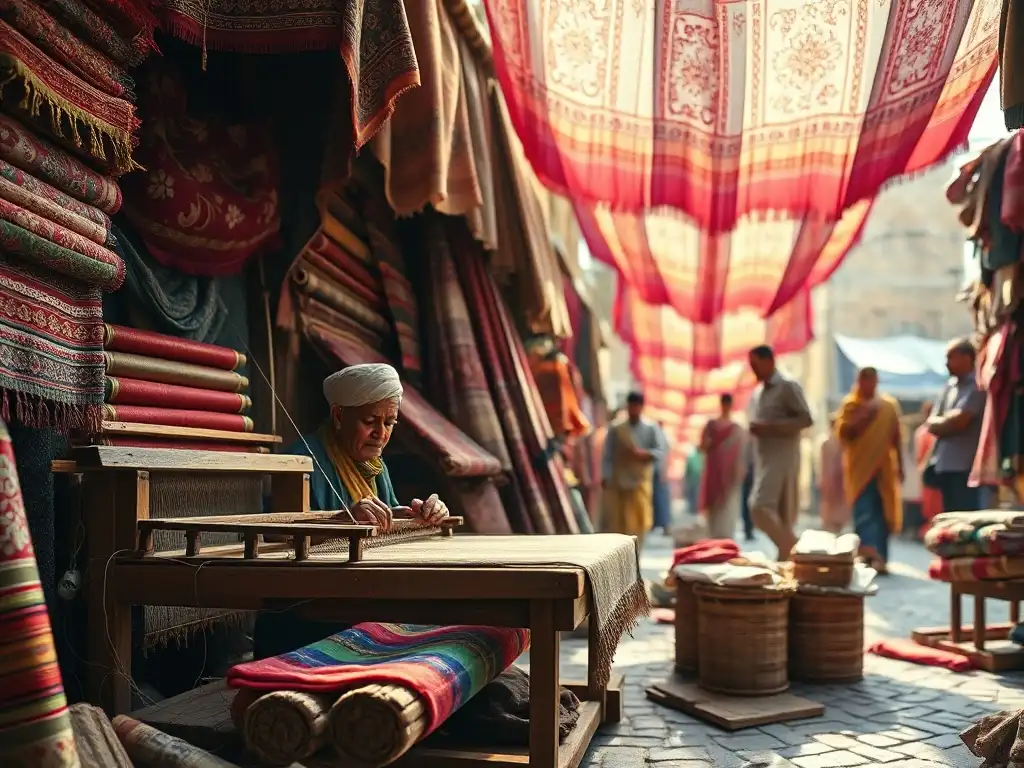
Welcome to Ancient India History, where we embark on a fascinating journey through the rich tapestry of India's past. Delve into our feature article, "Ancient Indian Textiles: A Persian Obsession," and discover how the intricate art of textile making not only reflects the ingenuity of ancient Indian civilizations but also highlights their profound interactions with other cultures. As we unravel the threads of this captivating history, prepare to be intrigued by the stories woven into every fabric, and let your curiosity guide you deeper into the vibrant world of ancient Indian heritage.
-
Ancient Indian Textile History: A Persian Obsession
- Introduction to Ancient Indian Textiles
- The Origins of Textile Production in Ancient India
- Persian Influence on Ancient Indian Textiles
- Key Features of Ancient Indian Textiles
- Persian Obsession: The Allure of Indian Textiles
- The Evolution of Textile Techniques
- Cultural Significance of Textiles in Indian Society
- The Decline of Ancient Indian Textile Dominance
- Conclusion: The Legacy of Ancient Indian Textile History
- References
-
Frequently Asked Questions
- What are the key features of ancient Indian textiles?
- How did Persian influence shape ancient Indian textiles?
- What were the primary materials used in ancient Indian textiles?
- How did trade affect the development of textile history in ancient India?
- Why is the study of ancient Indian textile history important?
- Final Reflection: The Timeless Allure of Ancient Indian Textiles
- Unveil the Elegance of Ancient Textiles Today!
Ancient Indian Textile History: A Persian Obsession
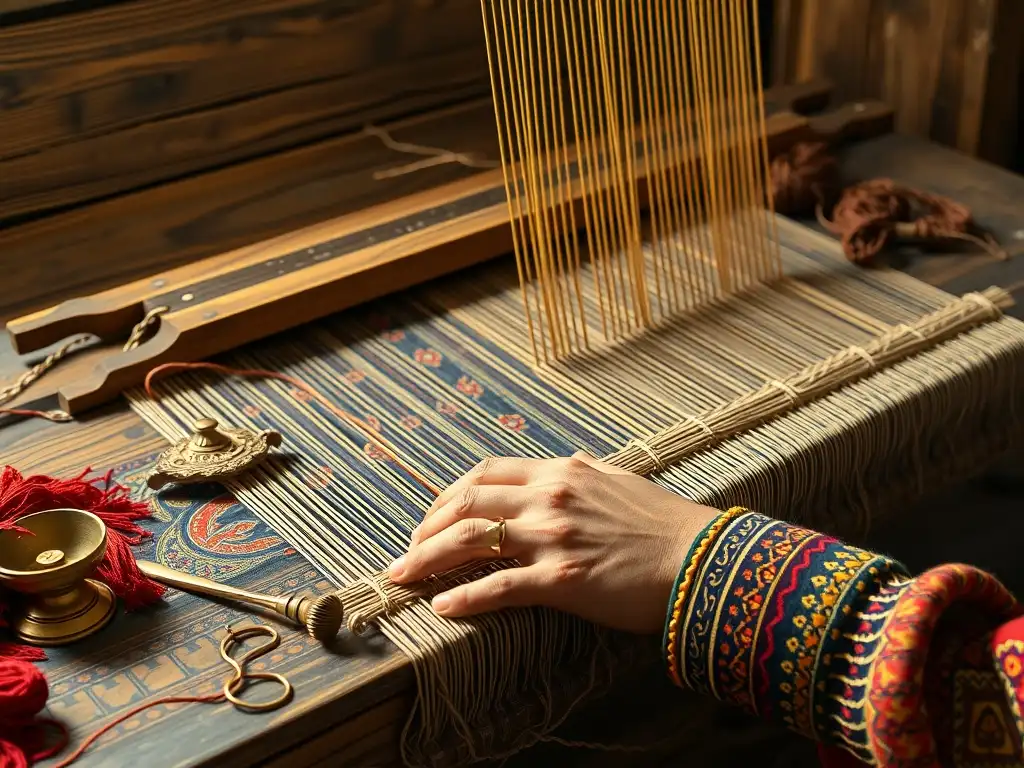
Exploring the intricate tapestry of Ancient Indian textile history reveals a rich narrative woven through time, where textiles played a pivotal role not only in daily life but also in cultural exchanges between civilizations. The fascination that ancient Persian society had with Indian textiles is a testament to their exquisite craftsmanship and the vibrant traditions that flourished in the Indian subcontinent. This article delves into the significance of textiles in ancient India, tracing their origins, development, and the profound impact they had on Persian culture, reflecting a fusion of artistry and functionality.
Introduction to Ancient Indian Textiles
Ancient Indian textiles are not merely pieces of cloth; they are artifacts that narrate the story of a civilization's artistic expression, technological advancement, and cultural interactions. The textile industry in ancient India was one of the most prominent and influential sectors, with a legacy that dates back thousands of years. From the luxurious silks of Varanasi to the intricate cotton weaves of Gujarat, each region contributed to a diverse textile heritage that captivated not only local communities but also distant lands.
Overview of Ancient Indian Textile History
The history of textiles in ancient India can be traced back to the Indus Valley Civilization (circa 3300–1300 BCE), where archaeological findings indicate a sophisticated understanding of weaving and dyeing techniques. The discovery of cotton fabrics in sites like Mohenjo-Daro illustrates the early advancements in textile production. Over the centuries, Indian textiles evolved through various dynasties and cultural influences, integrating techniques from neighboring civilizations, including Persia.
The demand for Indian textiles in the Persian Empire grew significantly, leading to a vibrant trade relationship. Persian records from the era reflect a deep admiration for the quality and beauty of Indian fabrics, highlighting a cross-cultural exchange that enriched both societies.
Significance of Textiles in Ancient Indian Culture
Textiles in ancient India held multifaceted significance, serving as indicators of social status, religious beliefs, and regional identity. They were integral to various rituals and ceremonies, often symbolizing prosperity and auspiciousness. The intricate motifs and patterns woven into fabrics carried cultural narratives and cultural symbols, making textiles a vital part of artistic expression.
Moreover, textiles facilitated economic prosperity through trade, with cities like Ahmedabad and Varanasi emerging as key centers for textile production. The craftsmanship involved in creating these textiles not only provided livelihoods but also fostered a sense of community, as skills were passed down through generations.
The Origins of Textile Production in Ancient India
The roots of textile production in ancient India are deeply embedded in the region's history, reflecting both innovation and adaptation to the diverse environmental conditions and cultural influences.
Early Techniques and Materials Used
The early techniques employed in Indian textile production included spinning, weaving, dyeing, and printing. The primary materials used were cotton and silk, which were sourced from local plants and silkworms. Techniques such as block printing and tie-dyeing were developed, showcasing the artisans' creativity and skill.
The use of natural dyes derived from local flora contributed to the vibrant colors that characterized Indian textiles. These early methods not only laid the foundation for future textile production but also created unique styles that are still celebrated today.
The Role of the Indus Valley Civilization in Textile Development
The Indus Valley Civilization played a crucial role in the early development of textile production in ancient India. Evidence from archaeological sites indicates that the inhabitants of this civilization engaged in advanced weaving techniques, producing high-quality cotton textiles that were traded locally and beyond.
Artifacts such as spindles, weights, and loom remnants have been found in various sites, highlighting the sophistication of their textile industry. The strategic location of the Indus Valley along trade routes facilitated the exchange of textiles, promoting interactions with other cultures, including the Persians. This early foundation set the stage for the rich textile legacy that would flourish in subsequent centuries, influencing global textile traditions.
Persian Influence on Ancient Indian Textiles
The Persian influence on ancient Indian textiles is a fascinating aspect of cultural exchange that enriched the textile traditions of both regions. This interaction was primarily facilitated through trade and political alliances, especially during the Achaemenid Empire's expansion into the Indian subcontinent. Persian artisans brought with them advanced textile techniques, particularly weaving and dyeing methods, which significantly impacted the Indian textile industry.
Additionally, Persian motifs and designs began to appear in Indian textiles, reflecting a blend of aesthetics that combined Persian elegance with Indian vibrancy. The intricate patterns and luxurious fabrics produced during this period were highly sought after, leading to the emergence of unique styles that celebrated both cultures. The Persian influence not only enhanced the beauty of Indian textiles but also positioned them as a significant commodity in international trade, thus establishing a legacy that persists in modern textile practices.
Historical Context of Indian-Persian Interactions
The historical context of Indian-Persian interactions can be traced back to ancient times, particularly during the Achaemenid rule in the 6th century BCE. Persian emperors, such as Darius I, extended their empire into the northwestern regions of the Indian subcontinent, bringing with them not only military might but also vibrant cultural practices. This period marked the beginning of extensive trade routes, which facilitated the exchange of goods, ideas, and artistic influences between the two civilizations.
Throughout the centuries, various Persian dynasties, including the Sassanids and later the Safavids, maintained diplomatic and trade relations with Indian kingdoms. These interactions were characterized by the migration of artisans and traders, who played a crucial role in the dissemination of Persian textile techniques in India. The Mughal Empire, which integrated Persian culture into its own, further solidified these interactions, creating a rich tapestry of shared heritage that influenced textile production across the subcontinent.
Trade Routes and Cultural Exchange
Trade routes were vital conduits for cultural exchange between Persia and ancient India. The famous Silk Road, which connected the East and West, facilitated the movement of not only textiles but also ideas, technologies, and artistic expressions. Indian merchants traveled to Persian markets, bringing with them exquisite fabrics like muslin and silk, while Persian traders introduced Indian artisans to advanced weaving techniques and luxurious materials.
The establishment of maritime trade routes also contributed significantly to this exchange. Ports along the western coast of India, such as Surat and Cambay, became bustling centers for trade with Persian merchants, leading to the cross-pollination of styles and techniques. This vibrant trade network not only enhanced the quality and variety of textiles produced but also fostered a mutual appreciation for each culture's artistic heritage. As a result, the textiles crafted during this period often featured a harmonious blend of Persian and Indian designs, showcasing the richness of their interaction.
Key Features of Ancient Indian Textiles
Ancient Indian textiles are renowned for their exquisite craftsmanship and intricate designs, which reflect the cultural and artistic sensibilities of the time. Several key features define these textiles, including their diverse fabric types, elaborate patterns, and the innovative use of dyes. The fusion of Persian influences with indigenous techniques led to the development of distinctive styles that have left a lasting impact on textile traditions.
Types of Fabrics and Patterns
The types of fabrics produced in ancient India were as diverse as the regions from which they originated. Cotton, silk, wool, and jute were commonly used, with each fabric showcasing unique characteristics and qualities. For instance, fine muslin from Bengal was celebrated for its softness and lightweight nature, often referred to as "woven air." In contrast, silk, particularly from the regions of Gujarat and Kashmir, was prized for its luster and durability.
Patterns in ancient Indian textiles were equally varied, encompassing everything from geometric designs to intricate floral motifs. Persian influence introduced new patterns, such as paisley and arabesques, which were seamlessly incorporated into Indian designs. This blending of styles resulted in textiles that not only served practical purposes but also acted as canvases for artistic expression, symbolizing the rich cultural tapestry of the time.
Dyes and Color Techniques in Ancient Textiles
The use of dyes and color techniques in ancient Indian textiles demonstrates remarkable innovation and artistry. Natural dyes derived from plants, minerals, and insects were predominantly used, creating a vibrant palette that ranged from deep indigos to bright reds and yellows. The ancient Indian dyeing techniques were advanced for their time, employing methods such as resist dyeing and block printing to achieve intricate designs.
The Persian influence brought about new dyeing methods and color combinations, further enhancing the richness of Indian textiles. For example, the use of saffron for yellow and indigo for blue became more prevalent, leading to a broader spectrum of colors in textile production. This mastery of dyeing not only allowed for the creation of visually stunning fabrics but also contributed to the longevity and enduring beauty of ancient Indian textiles, making them a cherished part of both Indian and Persian heritage.
Persian Obsession: The Allure of Indian Textiles
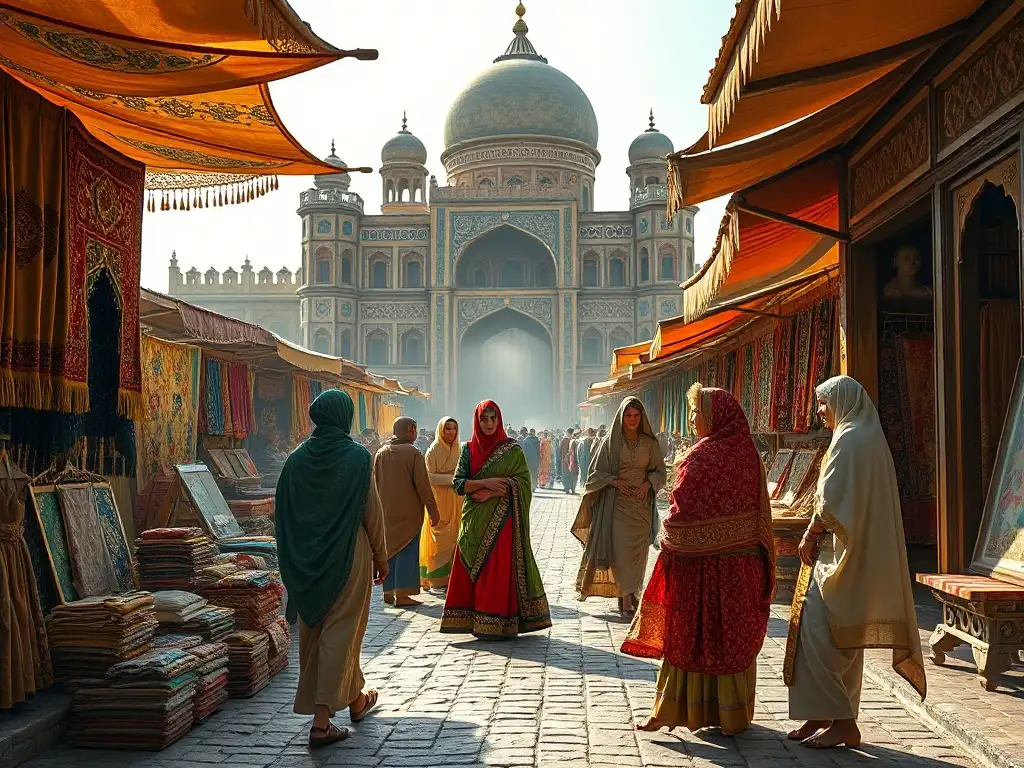
The fascination with Indian textiles by Persian elites can be traced back to the early interactions between the two civilizations. Indian textiles, characterized by their intricate designs, vibrant colors, and exceptional craftsmanship, held an irresistible allure for Persian nobility. These textiles were not merely fabric; they represented status, wealth, and cultural sophistication. The silk and cotton produced in India became highly sought after, leading to a flourishing trade that connected the two regions.
Persian poets and writers often celebrated Indian fabrics in their works, praising their beauty and quality. This literary admiration further cemented the status of Indian textiles in Persian culture, creating a perception of these fabrics as luxurious items. The popularity of Indian textiles was also boosted by the elaborate patterns and motifs that were often inspired by nature, which appealed to the Persian aesthetic sensibilities.
Moreover, the trade routes established during the Persian Empire enabled the easy exchange of goods, including textiles. Indian merchants traveled to Persia, bringing with them exquisite fabrics that captivated Persian consumers. This exchange not only enriched the Persian market but also facilitated cultural exchanges that influenced art, fashion, and lifestyle in both civilizations.
Reasons Behind the Persian Fascination with Indian Fabrics
Several factors contributed to the Persian fascination with Indian fabrics:
- Quality of Materials: Indian textiles were made from high-quality cotton and silk, which were superior in texture and durability compared to many other fabrics available at the time. The fine craftsmanship and attention to detail in weaving and dyeing further enhanced their appeal.
- Unique Designs: The intricate patterns, including floral motifs and geometric designs, were distinctively Indian and often incorporated techniques like block printing and tie-dyeing. These unique designs captured the imagination of Persian artisans and consumers alike.
- Cultural Significance: Textiles in both cultures held symbolic meanings. Persian nobles adorned themselves with Indian fabrics during significant ceremonies and events, showcasing their wealth and taste, while Indian textiles became integral to Persian art and literature.
- Trade Networks: The establishment of robust trade networks facilitated the exchange of textiles. The Persian Empire's strategic location as a crossroads for trade between the East and West made Indian textiles accessible to a broader audience.
Notable Persian Emperors and Their Appreciation for Indian Textiles
Certain Persian emperors played significant roles in promoting Indian textiles within their courts:
- Cyrus the Great: As the founder of the Achaemenid Empire, Cyrus established trade routes that included India, leading to the early exchange of goods, including textiles.
- Darius I: This emperor expanded the empire and further developed trade networks, allowing Persian markets to flourish with the influx of Indian fabrics, which he valued for their quality and beauty.
- Shah Jahan: Known for his architectural marvels such as the Taj Mahal, Shah Jahan also had a penchant for luxurious textiles. His court was adorned with Indian fabrics, reflecting his admiration for their artistry and craftsmanship.
- Nadir Shah: A ruler of the Persian Empire, Nadir Shah famously invaded India and returned with vast quantities of Indian textiles, showcasing their high demand and desirability in Persian culture.
The Evolution of Textile Techniques
The interaction between Persian and Indian textile production led to a significant evolution in techniques and styles. The blending of cultural practices resulted in new innovations that enhanced the quality and variety of textiles produced in both regions. The cross-pollination of ideas led to advancements in dyeing techniques, weaving methods, and embroidery styles, creating a rich tapestry of textile heritage.
Innovations in Weaving and Embroidery
Innovation in textile techniques during the Persian-Indian interaction period was marked by several key advancements:
- Weaving Techniques: Persian weavers adopted Indian methods such as the use of intricate looms that allowed for more complex patterns and designs. The introduction of the "pashmina" technique, which involves fine cashmere wool, became a hallmark of luxurious Persian textiles.
- Embroidery Styles: Indian embroidery techniques, particularly those from regions like Gujarat and Kashmir, influenced Persian designs. The incorporation of Zardozi (gold and silver thread embroidery) into Persian textiles added to their opulence.
- Dyeing Techniques: The use of natural dyes from Indian flora resulted in a broader palette of colors for Persian textiles. Techniques such as indigo dyeing became popular and were adopted by Persian artisans, leading to vibrant and lasting colors.
The Impact of Persian Techniques on Indian Textile Production
The influence of Persian techniques on Indian textile production was profound. Indian artisans began to integrate Persian styles into their work, resulting in a unique fusion of designs:
- Motif Exchange: Persian floral motifs and geometric patterns found their way into Indian textiles, enriching the aesthetic diversity of Indian fabrics.
- Quality Enhancements: Indian weavers adopted certain Persian weaving techniques, leading to improvements in the quality and durability of their textiles.
- Market Expansion: The demand for Persian-influenced Indian textiles grew, allowing Indian artisans to reach new markets and audiences, further establishing their reputations as skilled craftsmen.
The melding of these two rich textile traditions not only enhanced the quality of fabrics but also laid the foundation for future innovations, making the legacy of ancient Indian textile history a testament to the enduring allure of these civilizations.
Cultural Significance of Textiles in Indian Society
Textiles have always held a profound cultural significance in Indian society, serving as more than mere garments or decorative items. They are intertwined with the social fabric of the country, symbolizing identity, tradition, and artistry. Each region in India boasts its own unique textile traditions, showcasing a rich tapestry of techniques, materials, and motifs that reflect local cultures and histories.
From the vibrant sari to intricately woven shawls, textiles are often used to mark important life events such as weddings, births, and festivals. The colors, patterns, and styles of textiles can indicate regional affiliations, caste, and even personal status. For instance, the use of silk in certain garments can denote wealth and privilege, while handloom fabrics often signify a connection to artisanal heritage.
Moreover, textiles in India are not only functional but also serve as a canvas for storytelling. Many fabrics are imbued with symbolic meanings; for example, the motifs used in Bandhani or block-printed textiles often represent auspicious signs, reflecting the deep-rooted beliefs and customs within Indian culture.
Textiles in Religion and Rituals
In the context of religion and rituals, textiles play a crucial role in various Hindu, Buddhist, and Islamic traditions. For Hindus, specific textiles are used in religious ceremonies and rites, such as the sacred thread ceremony (Janeu) or in the adornment of deities. The use of bright colors and intricate designs in temple hangings and priestly garments underscores the reverence and importance placed on textiles within spiritual practices.
Buddhist monks wear robes made from simple yet symbolic fabrics, representing humility and detachment from material possessions. In Islamic culture, textiles are equally significant, where elaborate carpets and prayer mats are essential for religious observance, symbolizing both devotion and artistry.
Each textile used in religious practices carries its own significance and story, often crafted with great care and devotion, reflecting the spiritual connection that people have with their beliefs.
The Role of Textiles in Social Status and Identity
Textiles have historically been a marker of social status and identity in Indian society. The fabric one wore could indicate their caste, economic standing, and regional affiliation. For example, the use of finely woven silk was traditionally reserved for the affluent classes, while coarser cotton fabrics were more common among the lower strata of society.
Moreover, specific textiles are often associated with certain communities or regions, reinforcing social identity. The use of distinct styles such as Kanchipuram silk from Tamil Nadu or Banarasi brocade from Varanasi not only showcases regional craftsmanship but also solidifies cultural pride and identity.
The significance of textiles transcends mere aesthetics, as they also act as a form of social commentary and resistance. In the context of the freedom struggle, handloom fabrics like khadi became symbols of self-reliance and national identity, representing a rejection of foreign goods and a revival of indigenous crafts.
The Decline of Ancient Indian Textile Dominance
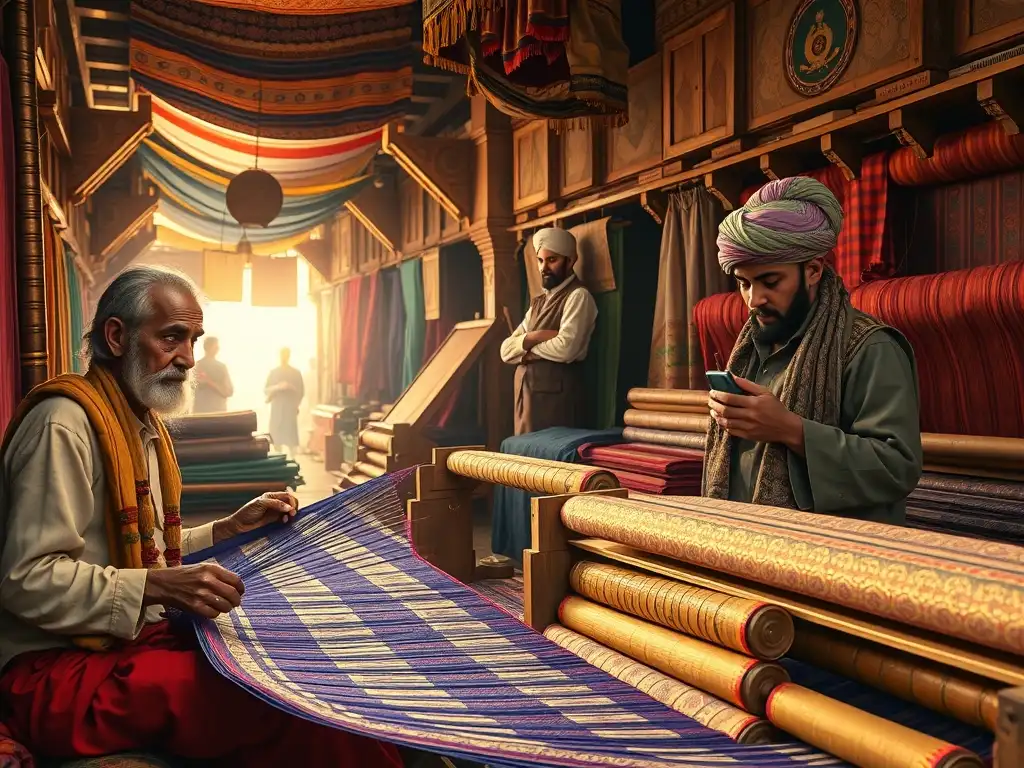
Despite the rich history of textile production in ancient India, the dominance of Indian textiles faced significant challenges over the centuries. Several interrelated factors contributed to this decline, altering the landscape of textile trade and production.
Factors Leading to the Shift in Textile Trade
One of the primary factors leading to the shift in textile trade was the rise of European colonial powers in the 17th and 18th centuries. As these powers established trade routes and colonial outposts, they began to dominate the market, often at the expense of local artisans and craftsmen. The introduction of mechanized textile production in Europe further intensified competition, as British textile mills could produce cheaper and more uniform fabrics, leading to a decline in demand for high-quality Indian textiles.
Additionally, the imposition of high tariffs and restrictive trade policies by colonial rulers disrupted traditional trade networks. This shift not only affected the economic viability of artisans but also diminished the cultural significance of textiles as they became less accessible to the broader population.
The Impact of Colonialism on Indian Textile Heritage
The impact of colonialism on Indian textile heritage was profound and lasting. The decline of traditional crafts and the marginalization of local artisans led to a significant loss of indigenous knowledge and skills that had been passed down through generations. Many traditional weaving communities faced economic hardships, leading to a decline in the production of exquisite textiles that once thrived.
Colonial policies also encouraged the exploitation of India’s raw materials for the benefit of the British economy, further sidelining local textile production. As a result, many unique Indian textile traditions faced extinction or were reduced to mere souvenirs for the colonial market.
In the post-colonial period, efforts to revive these traditions have been made, but the scars of colonialism have left a lasting impact on the perception and production of Indian textiles. Today, there is a growing movement to reclaim and celebrate the rich heritage of Indian textiles, recognizing their importance in global history and cultural exchange.
Conclusion: The Legacy of Ancient Indian Textile History
The legacy of ancient Indian textile history is profound, characterized by its intricate designs, advanced techniques, and the cultural exchanges that enriched both India and Persia. The artistry of Indian textiles, particularly the skills honed in dyeing, weaving, and embroidery, became a significant aspect of trade and cultural identity.
Persian admiration for Indian textiles emphasized their quality and aesthetic appeal, leading to a lasting influence that transcended geographical boundaries. As these textiles traveled along trade routes, they not only facilitated economic exchanges but also fostered cultural dialogues, resulting in a unique blend of artistic traditions that continue to inspire contemporary craftsmanship.
Furthermore, the attention given to textiles in ancient texts and royal chronicles speaks volumes about their importance in society. Textiles were not merely commodities; they were imbued with social, political, and economic significance, often used in ceremonies, as gifts, or as symbols of status. This rich tapestry of history illustrates how ancient Indian textiles have left an indelible mark on the fabric of global textile heritage.
Lasting Influence on Modern Textiles
The influence of ancient Indian textiles can be observed in various contemporary textile practices across the globe. Modern designers frequently draw inspiration from traditional Indian weaving techniques, patterns, and dyes, incorporating them into their collections. For instance, the vibrant colors and intricate motifs found in ancient textiles are often reinterpreted in modern fashion, home decor, and art.
Moreover, the revival of artisanal crafts, such as handloom weaving and block printing, reflects a growing appreciation for the historical significance of these techniques. Initiatives aimed at promoting sustainable fashion have also brought attention to ancient practices, encouraging a return to handmade textiles that emphasize quality and heritage over mass production.
The global interest in Indian textiles not only highlights their aesthetic appeal but also underscores the importance of preserving traditional crafts and supporting local artisans. This ongoing dialogue between ancient practices and modern applications ensures that the legacy of ancient Indian textile history remains vibrant and relevant.
Preservation of Ancient Techniques and Designs
Preserving ancient textile techniques and designs is crucial for maintaining cultural heritage and fostering future generations of artisans. Various organizations, both governmental and non-governmental, are actively working to document and revive these historical practices. Initiatives include workshops, training programs, and collaborations with local artisans to ensure that traditional skills are passed down effectively.
Furthermore, the integration of ancient designs into contemporary fashion serves as a bridge between past and present. By promoting awareness of these techniques, designers and consumers alike contribute to the sustainable development of the textile industry. The use of natural dyes, handspun yarns, and traditional weaving methods not only honors the craftsmanship of ancient artisans but also responds to modern demands for sustainable and ethically produced textiles.
In addition, academic research and exhibitions focusing on ancient Indian textiles play a significant role in their preservation. By engaging with historical texts, archaeological findings, and existing artifacts, scholars contribute to a deeper understanding of the cultural significance of these textiles, ensuring that their stories are told and celebrated.
References
Key Texts and Resources on Ancient Indian Textiles
- “The Fabric of India” by Rosemary Crill – This book provides a comprehensive overview of Indian textiles, exploring their history, production, and significance.
- “Textiles and Text: Relations of the Arts in Ancient India”: by Sanjay Kumar – A scholarly text that examines the intersection of textiles and literature in ancient Indian culture.
- “Indian Textiles: 1,000 Years of Art and Design”: by John Gillow and Bryan Sentance – An exploration of the evolution of Indian textiles over a millennium, highlighting major techniques and styles.
Suggested Further Reading on Indian-Persian Interactions
- “India and Iran: A Cultural Encounter”: by R. M. Mehta – This book delves into the cultural exchanges between India and Persia, focusing on art, architecture, and textiles.
- “The Persian Empire and Ancient India: Interactions and Influences”: by Harshita Sharma – An insightful look into the historical interactions between Persian and Indian civilizations, encompassing trade, culture, and textile exchanges.
- “Textiles in the Time of the Mughal Empire” by M. K. Sharma – This resource details the textile industry during the Mughal era, showcasing the intricate ties between India and Persia.
Frequently Asked Questions
What are the key features of ancient Indian textiles?
Ancient Indian textiles are known for their vibrant colors, intricate designs, and the use of natural dyes. Techniques like weaving and embroidery were highly developed, showcasing the artistry of ancient artisans.
How did Persian influence shape ancient Indian textiles?
The Persian obsession with Indian textiles led to the introduction of new weaving techniques and patterns. This cultural exchange enriched the textile industry in India, resulting in unique blends of styles.
What were the primary materials used in ancient Indian textiles?
Cotton, silk, and wool were the primary materials used in ancient Indian textiles. The availability of diverse raw materials allowed for the creation of a wide range of fabrics and garments.
How did trade affect the development of textile history in ancient India?
Trade routes facilitated the exchange of textiles with foreign cultures, introducing new designs and techniques. This interaction played a significant role in establishing India as a textile hub in ancient times.
Why is the study of ancient Indian textile history important?
Studying ancient Indian textile history reveals insights into the cultural exchanges, economic practices, and social structures of the time. It highlights the significance of textiles in artistic expression and trade throughout history.
Final Reflection: The Timeless Allure of Ancient Indian Textiles
The intricate beauty and rich history of ancient Indian textiles continue to captivate the world today. As we delve into the depths of ancient Indian textile history, we uncover not only the artistry and craftsmanship that defined an era but also the cultural exchanges that shaped societies. The enduring fascination with these textiles speaks volumes about their significance, illustrating how art transcends borders and time.
The influence of ancient Indian textiles on global fashion and trade is a testament to their timeless appeal. From the luxurious silks of Varanasi to the vibrant prints of block-printed fabrics, these textiles have left an indelible mark on the cultural landscape.
As we reflect on this legacy, we are reminded of the words of the renowned textile historian, “Textiles are the fabric of our history, weaving together stories of tradition, innovation, and identity.” > This quote encapsulates the essence of how ancient Indian textiles not only represent a craft but also embody the narratives of the people who created them.
As you ponder the significance of ancient Indian textiles in your own life, consider how these stories of creativity and cultural exchange can inspire you. Embrace the lessons of resilience and artistry that these textiles represent, and let them encourage you to explore your own creative expressions. Whether through fashion, art, or personal style, allow the rich heritage of ancient Indian textiles to inspire your journey, reminding you that every piece carries a story waiting to be told.
Unveil the Elegance of Ancient Textiles Today!
Thank you for diving into the fascinating world of Ancient Indian textiles! We hope you’ve gained insight into the rich history and artistry that has captivated many, including those from neighboring cultures. Now, it's your turn to take the next step and immerse yourself in this vibrant legacy.
Here are a few ways you can deepen your connection to Ancient Indian textiles:
- Visit your local museum or library to find exhibits or books on Ancient Indian textiles and witness their beauty in person.
- Join an online forum or a social media group dedicated to textile arts – share your thoughts, ask questions, and connect with fellow enthusiasts!
- Consider trying your hand at a textile craft, such as weaving or dyeing, to experience the intricate techniques firsthand.
What aspect of Ancient Indian textiles fascinates you the most? How do you plan to explore it further? We invite you to share your thoughts below!