
The Rise and Fall of Key Trade Cities in Ancient India

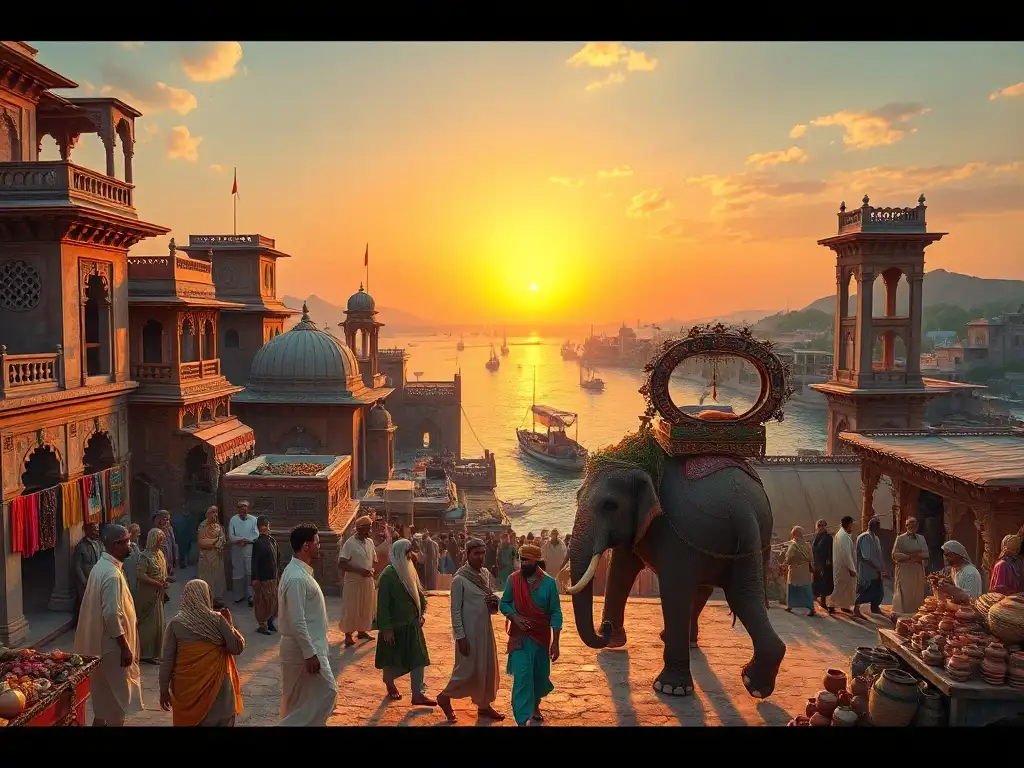
Welcome to Ancient India History, where we embark on a journey through time to uncover the rich tapestry of civilizations that shaped the Indian subcontinent. In this exploration, we delve into the intriguing history of ancient Indian trade cities, pivotal hubs that fueled commerce, culture, and innovation from the Indus Valley to the Gupta Empire. Join us as we unravel the stories of these bustling centers of trade, their rise to prominence, and the factors that led to their eventual decline.
Prepare to be captivated by the vibrant narratives of prosperity and transformation that await you in our featured article, "The Rise and Fall of Key Trade Cities in Ancient India." Your adventure in history begins now!
Introduction to Ancient Indian Trade Cities History
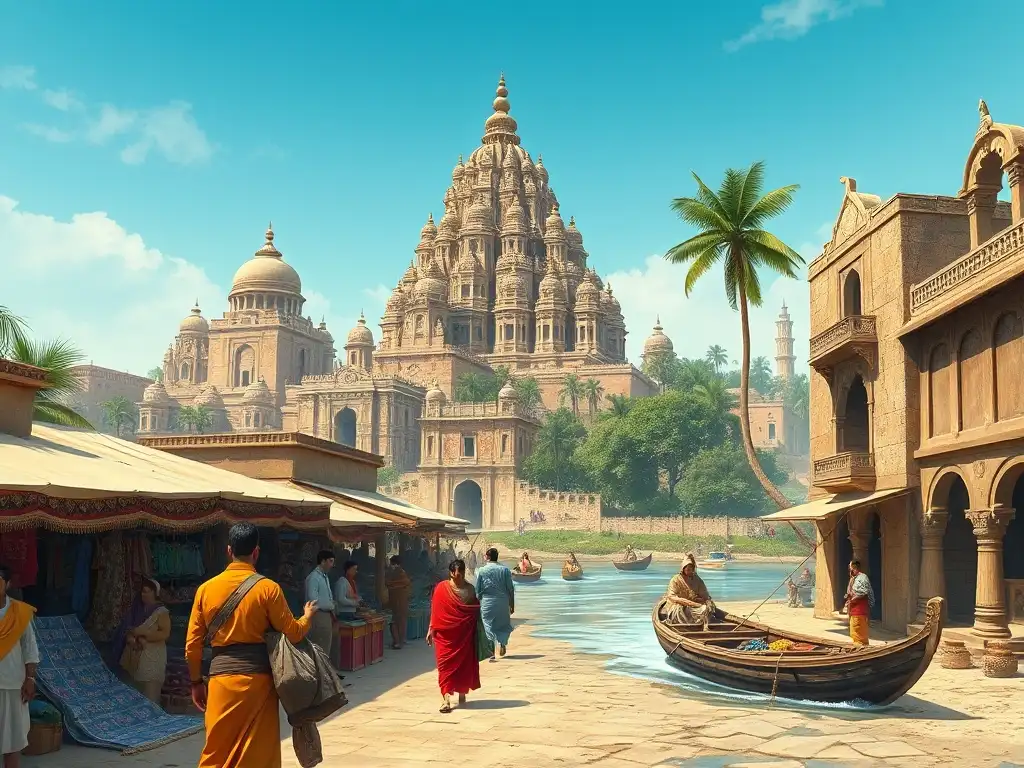
Ancient India was a cradle of civilization that thrived on the vibrant exchange of goods, ideas, and cultures facilitated by its extensive trade networks. The history of ancient Indian trade cities is a fascinating tapestry woven with the threads of commerce, cultural interactions, and economic evolution. From the bustling streets of the Indus Valley Civilization to the flourishing ports during the Gupta Empire, these trade cities played a pivotal role in shaping the socio-economic landscape of the region.
Trade cities like Harappa, Mohenjo-Daro, Taxila, and Pataliputra not only served as commercial hubs but also as melting pots of diverse cultures, fostering interactions between different communities and civilizations. They were strategically located along key trade routes, connecting India to distant lands such as Mesopotamia, Persia, and even the Mediterranean. This extensive network facilitated the exchange of various goods, including spices, textiles, precious stones, and metals, thereby contributing to India's wealth and influence in the ancient world.
However, the rise of these trade cities was often followed by periods of decline, influenced by various factors such as invasions, environmental changes, and shifts in trade routes. Understanding the history of these ancient Indian trade cities provides valuable insights into the economic dynamics of the time and the resilience of Indian civilization. As we delve deeper into this topic, we will explore the key trade cities that emerged, their significance in the ancient economy, and the reasons behind their eventual decline, painting a comprehensive picture of ancient Indian trade cities history.
The Emergence of Trade Cities in Ancient India
Historical Context of Trade in Ancient India
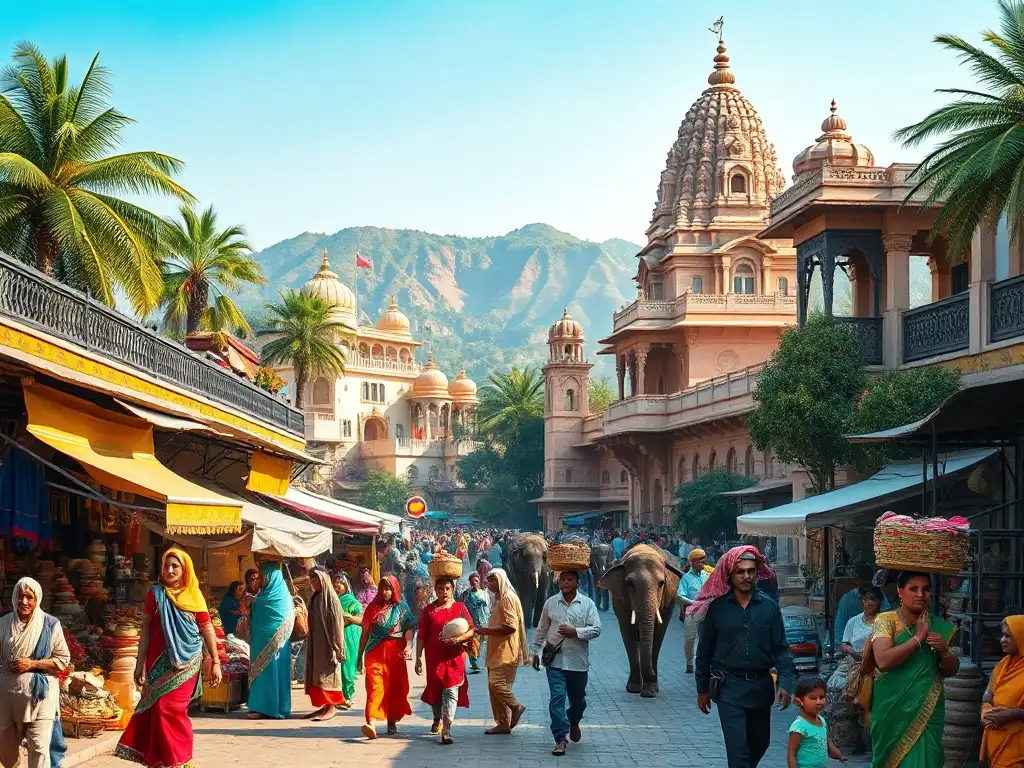
Ancient India was a melting pot of diverse cultures and economic activities, significantly influenced by its geographical position and rich resources. The historical context of trade in ancient India dates back to the Indus Valley Civilization (circa 3300–1300 BCE), where evidence of trade practices emerged through the discovery of seals, weights, and standardized measures. The economy was primarily agrarian, but it quickly evolved into a bustling trade network involving local and distant markets.
As societies developed, trade routes expanded, connecting northern India with Central Asia, Persia, and beyond. The establishment of the Silk Road and maritime routes facilitated the exchange of goods like spices, textiles, and precious stones, creating a thriving economy. The rise of powerful empires, such as the Maurya and Gupta, further stimulated trade by ensuring safety and stability across regions.
Trade cities emerged as pivotal centers where merchants, artisans, and scholars congregated, fostering not just commerce but also cultural exchange. The interactions between various civilizations led to advancements in technology, art, and science, enriching the lives of people and contributing to the overall growth of ancient Indian trade cities.
Key Trade Cities and Their Contributions
The landscape of ancient Indian trade was dotted with several key cities that played crucial roles in the economy and culture of the time. These cities not only facilitated trade but also contributed significantly to the intellectual and cultural development of the region.
Taxila: A Hub of Knowledge and Commerce
Taxila, located at the crossroads of major trade routes, was one of the most important trade cities in ancient India. Renowned for its university, Taxila attracted scholars from various parts of the world, including Greece, Persia, and China. The city was a melting pot of ideas, philosophy, and commerce, where students studied subjects ranging from medicine to astronomy.
- Economic Significance: Taxila was pivotal in the trade of goods such as textiles, jewelry, and metalwork. The city's strategic location allowed for easy access to markets in Central Asia, making it a bustling commercial hub.
- Cultural Influence: The interaction between diverse cultures within Taxila led to the synthesis of ideas and practices, making it a center for innovative thought and cultural exchange.
Pataliputra: The Capital of Trade
Pataliputra, the capital of the Maurya Empire, was another significant trade city that exemplified the grandeur of ancient Indian civilization. This city, located at the confluence of the Ganges and Son rivers, served as a crucial trading hub.
- Administrative Center: As the capital, Pataliputra was not only a political center but also an economic powerhouse. The centralized administration facilitated trade by implementing standardized measures and taxes.
- Trade Networks: Pataliputra was connected to various trade routes, enabling the exchange of goods with regions as far as the Mediterranean. The city's markets were filled with goods such as silk, spices, and ivory.
Ujjain: The Gateway to Western Trade
Ujjain, known as the "Gateway to Western Trade," played a vital role in connecting the Indian subcontinent with trade routes leading to the west, including the Arabian Sea.
- Astronomical Significance: Ujjain was famous for its advancements in astronomy and mathematics, which attracted a multitude of scholars. This intellectual environment also benefited traders who relied on these sciences for navigation and timing.
- Cultural and Economic Exchange: Ujjain facilitated the exchange of not just goods but also cultural practices, influencing the regions it connected with. The city was renowned for its fairs, particularly the Kumbh Mela, which drew traders and pilgrims alike.
The rich tapestry of ancient Indian trade cities reveals their significant contributions to both commerce and culture, laying the foundation for the vibrant trading networks that characterized ancient Indian history. Understanding these cities provides insight into the complex economic systems and cultural dynamics of the time, highlighting their lasting impact on the region's development.
The Economic Structure of Ancient Indian Trade Cities
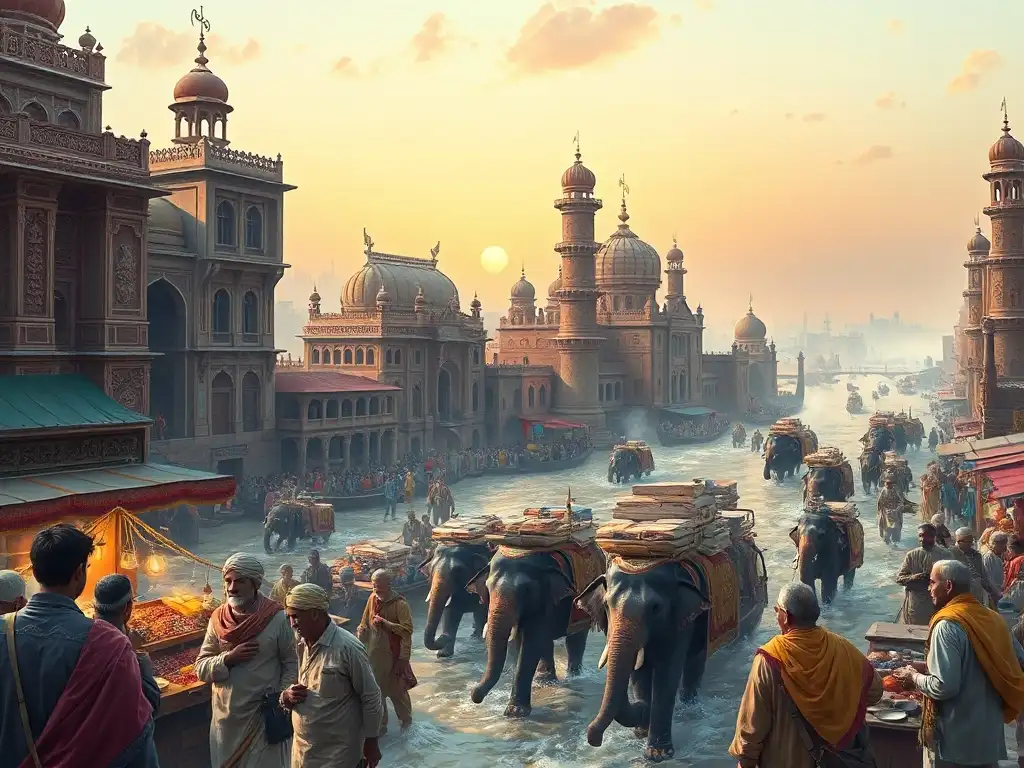
The economic structure of ancient Indian trade cities was intricately woven into the fabric of society, influencing not just commerce but also culture, politics, and technological advancements. These cities, such as Pataliputra, Ujjain, and Taxila, served as vibrant hubs where diverse goods, cultures, and ideas converged. Understanding the economic dynamics of these trade cities provides insights into their rise and eventual decline.
Trade Goods and Commodities
The trade goods and commodities that flowed through ancient Indian trade cities were diverse and plentiful. Key items included:
- Spices: India was renowned for its spices, such as black pepper, cardamom, and turmeric. These spices were highly sought after both domestically and internationally, often fetching high prices in markets.
- Textiles: Cotton and silk textiles were significant export items. The quality of Indian fabrics, especially fine muslins, made them prized possessions in trade.
- Metals and Minerals: Precious metals like gold and silver, along with copper and iron, were traded extensively. India was known for its high-quality steel, particularly Wootz steel.
- Luxury Items: Artifacts such as jewelry, pottery, and intricate carvings contributed to the luxury trade, appealing to the affluent classes across regions.
- Agricultural Produce: Grains like rice and wheat, along with pulses and oilseeds, formed the backbone of local economies and were essential for trade.
The exchange of these commodities not only boosted the economy of trade cities but also facilitated cultural exchanges and the spread of technologies.
Trade Practices and Systems
The trade practices in ancient Indian cities were sophisticated and well-organized, reflecting a blend of indigenous methods and influences from other cultures through trade routes. Key aspects of these practices included:
Barter System in Ancient Indian Trade
The barter system was a fundamental aspect of trade in ancient India, particularly in local markets and smaller trade centers. In this system, goods were exchanged directly for other goods without the use of currency.
- Local Trade: Farmers would exchange surplus crops for tools or livestock, fostering a sense of community and mutual support.
- Intercity Trade: Bartering was also common among traders from different cities. For example, a merchant from Ujjain might exchange spices for textiles from Taxila.
- Limitations: While effective in many contexts, the barter system had limitations, such as the need for a double coincidence of wants, which led to the eventual introduction of currency systems.
Merchant Guilds and Their Role
Merchant guilds played a crucial role in regulating trade practices, ensuring fair practices, and supporting economic growth in ancient Indian trade cities. These guilds, known as "Shrenis," were associations of traders and craftsmen who operated under a common set of rules.
- Regulation of Trade: Guilds established standards for quality, pricing, and trade practices, which helped build trust among merchants and consumers.
- Support Systems: They provided financial assistance to members, protecting them against losses due to theft or disasters. This mutual support fostered a stable trading environment.
- Political Influence: Merchant guilds often held significant political power, influencing local governance and policies related to trade and taxation.
- Cultural Impact: They also facilitated cultural exchanges, promoting the spread of ideas, technologies, and even religious beliefs across regions.
The intricate relationships between trade goods, practices, and merchant guilds formed the backbone of ancient Indian trade cities, propelling their growth and prominence in the broader context of global trade networks.
Factors Leading to the Decline of Key Trade Cities
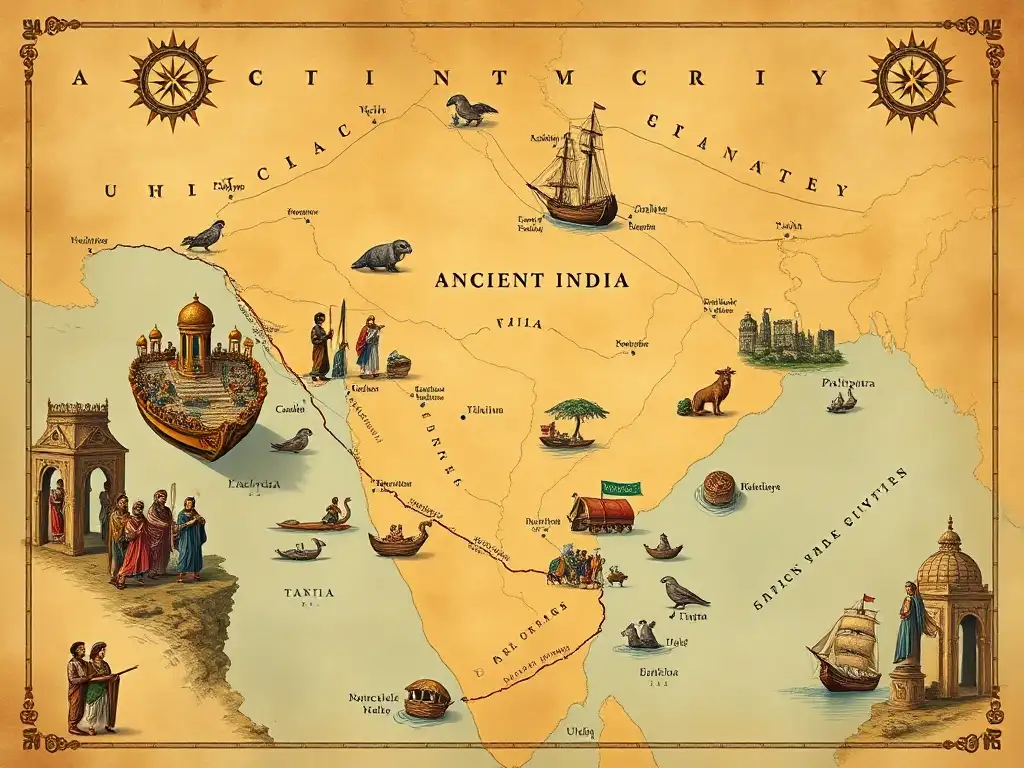
The history of ancient Indian trade cities is marked by periods of prosperity and decline, shaped by a multitude of factors. Understanding the reasons behind the decline of these key urban centers provides insight into the broader dynamics of ancient Indian trade networks. This section delves into the most significant factors contributing to the downfall of prominent trade cities in ancient India.
Invasions and Political Changes
Invasions and political upheaval were critical factors in the decline of many ancient Indian trade cities. The following points illustrate how these elements disrupted trade dynamics:
- Foreign Invasions: The frequent invasions by various foreign powers, such as the Greeks, Scythians, and later, the Huns, significantly destabilized trade cities. For instance, the invasion of the Indo-Greeks in the 2nd century BCE impacted the flourishing trade routes that were previously well-established. The resulting political instability led to the decline of cities like Taxila, which had served as key trade hubs.
- Fragmentation of Political Authority: As large empires like the Maurya and Gupta began to lose their centralized power, local chieftains and regional powers emerged. This fragmentation often resulted in conflicts that disrupted trade. Cities that were once safe havens for traders became battlegrounds, leading to decreased commerce and eventual decline.
- Shift in Trade Alliances: The rise and fall of powerful kingdoms altered trade routes and alliances. For example, when the Gupta Empire weakened, the control over trade routes shifted, leading to the decline of cities such as Pataliputra. This shift caused merchants to seek safer and more profitable routes, further contributing to the decline of these once-thriving urban centers.
Economic Shifts and Trade Route Changes
Economic factors and changes in trade routes also played a significant role in the decline of ancient Indian trade cities. The following aspects highlight these economic shifts:
- Decline in Demand for Local Goods: As trade expanded, so did the competition from other regions. The influx of goods from places like Mesopotamia and later from Southeast Asia reduced the demand for local products. Cities that relied heavily on specific exports, such as textiles from Varanasi or spices from Malabar, faced economic downturns as their markets became saturated or redirected.
- Changing Trade Routes: The emergence of new trade routes, particularly during the medieval period, led to the decline of established trade cities. For instance, the rise of maritime trade routes diminished the importance of overland routes that had previously benefitted cities like Ujjain. The shift to sea trade affected the flow of goods, and cities that did not adapt to these changes suffered economically.
- Natural Disasters and Resource Depletion: Environmental factors such as droughts, floods, and resource depletion also contributed to the decline of trade cities. The Indus Valley cities, for example, faced significant challenges due to changing river patterns, which impacted agriculture and trade. As cities became less able to support their populations, trade activities dwindled, leading to eventual abandonment.
The decline of key trade cities in ancient India can be attributed to a combination of invasions, political changes, economic shifts, and alterations in trade routes. Understanding these factors provides valuable insights into the intricate web of ancient Indian trade city histories, revealing how interconnected and sensitive these urban centers were to both internal and external pressures.
The Legacy of Ancient Indian Trade Cities
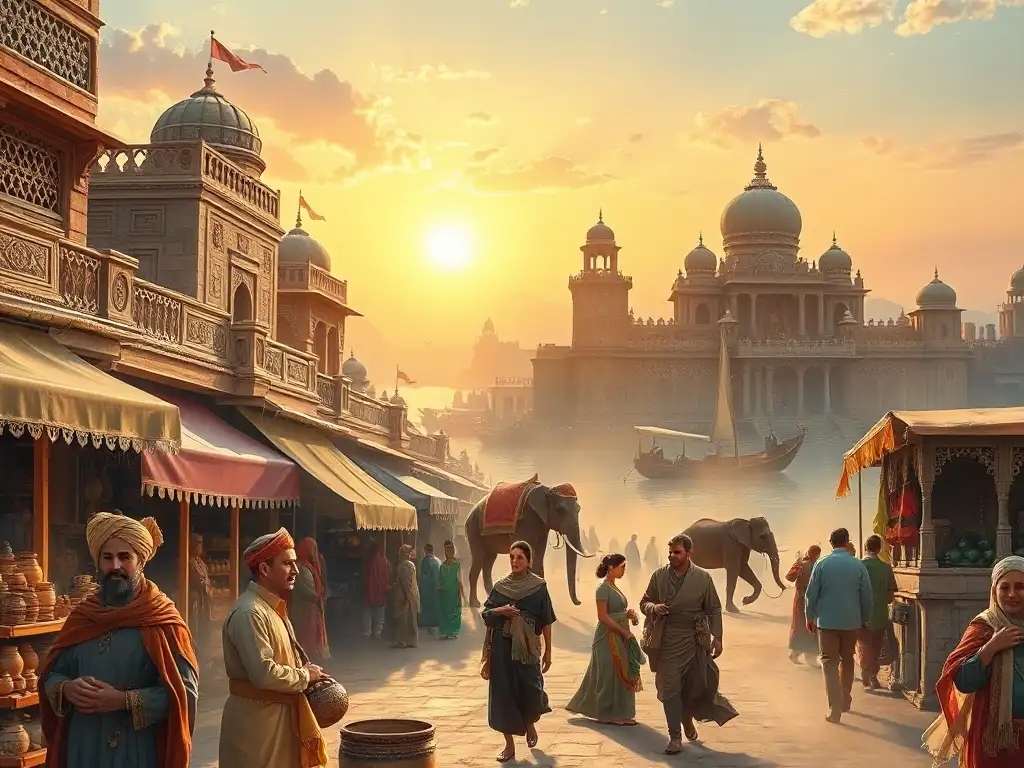
The legacy of ancient Indian trade cities is etched deeply into the cultural, economic, and social fabric of the region. These cities served as crucial nodes in the vast trade networks that connected not only various parts of India but also extended to distant lands, facilitating the exchange of goods, ideas, and cultural practices. Prominent trade cities such as Taxila, Pataliputra, and Ujjain played pivotal roles in shaping the economic landscape of ancient India.
The strategic location of these cities along trade routes led to their prosperity, attracting merchants, scholars, and artisans. The bustling marketplaces were not merely centers for commerce but vibrant hubs of multicultural interaction, where diverse ethnicities and religions coexisted. This blending of cultures resulted in significant advancements in art, architecture, and science, reflecting the rich diversity of ancient Indian civilization.
Furthermore, the wealth generated from trade contributed to the patronage of literary and artistic endeavors. As a result, many ancient Indian texts, including religious scriptures and philosophical treatises, were composed in these urban centers, leaving a lasting intellectual legacy that continues to influence modern thought.
Cultural Impact of Trade Cities
The cultural impact of ancient Indian trade cities can be observed through various facets:
- Intercultural Exchange:
- Trade cities were melting pots of different cultures, allowing the exchange of not only goods but also religious beliefs, languages, and artistic styles. For instance, the influx of Hellenistic influences into Indian art is a testament to this cultural diffusion.
- Architectural Developments:
- The prosperity of trade cities led to significant architectural innovations. Stupas, temples, and urban planning seen in cities like Sanchi and Nalanda reflect the architectural prowess inspired by trade and cultural interactions.
- Advancements in Knowledge:
- Centers like Taxila became renowned for their educational institutions, drawing students from various regions. This environment fostered advancements in mathematics, astronomy, and medicine, significantly contributing to global knowledge.
- Religious Syncretism:
- The convergence of various religious communities in trade cities facilitated the exchange of spiritual ideas. The spread of Buddhism, for instance, was significantly bolstered by the trade networks that connected these cities to broader regions in Asia.
Lessons from Ancient Indian Trade Cities History
The history of ancient Indian trade cities offers valuable lessons for contemporary society:
- Economic Resilience: The ability of these cities to adapt to changing trade dynamics highlights the importance of flexibility in economic strategies. During periods of decline, many trade cities reinvented themselves by shifting focus to new markets or industries.
- Cultural Integration: The harmonious coexistence of diverse cultures within trade cities emphasizes the benefits of inclusivity and mutual respect in fostering societal growth. This lesson remains relevant in today’s increasingly globalized world.
- Sustainability Practices: Many ancient trade cities were known for their sustainable practices, such as efficient water management systems and agricultural innovations. These practices can inspire modern urban planning and sustainability efforts.
- Knowledge Sharing: The emphasis on education and knowledge exchange in trade cities serves as a reminder of the value of learning from others and promoting intellectual collaboration in addressing contemporary challenges.
Conclusion
The history of ancient Indian trade cities is not merely a narrative of economic transactions but a rich tapestry of cultural exchanges, intellectual advancements, and societal developments. These cities played a crucial role in shaping the identities and legacies of ancient Indian civilizations, their influences reverberating through time to inform modern society.
By examining the lessons learned from these historical trade hubs, we can glean insights into fostering economic resilience, cultural integration, and sustainability in our contemporary world. The legacy of ancient Indian trade cities continues to inspire and educate, reminding us of the profound interconnectedness that has always existed among civilizations.
Frequently Asked Questions
What were the major trade cities in ancient India?
Ancient India had several key trade cities, including Taxila, Pataliputra, and Ujjain, which served as critical hubs for commerce and cultural exchange.
How did ancient Indian trade cities contribute to the economy?
Trade cities facilitated the exchange of goods, such as spices, textiles, and precious metals, which greatly enhanced the economic prosperity of ancient civilizations.
What role did geography play in the success of trade cities?
The strategic location of trade cities along important trade routes, such as the Silk Road, allowed for increased trade interactions with other civilizations, boosting their influence.
What factors led to the decline of these trade cities?
Factors such as political instability, invasions, and shifts in trade routes contributed to the decline of many ancient trade cities, impacting their economic vitality.
How did ancient Indian trade cities influence culture?
These cities were melting pots of diverse cultures and ideas, promoting the exchange of art, religion, and technology, thus enriching the overall cultural heritage of ancient India.
Final Reflection: The Enduring Legacy of Ancient Indian Trade Cities
The history of ancient Indian trade cities is not merely a tale of commerce and prosperity; it is a profound narrative that resonates with the complexities of human civilization. Today, as we navigate a global economy shaped by interconnectedness, the lessons from these vibrant hubs of trade remind us of the importance of cultural exchange and economic collaboration. The rise and fall of these cities illustrate how trade can foster innovation and cultural diversity, while also serving as a cautionary tale of the fragility of prosperity.
The influence of ancient trade cities extends far beyond their historical context; they have shaped the cultural and social landscapes of modern India and the world. These cities were not just centers of trade; they were melting pots of ideas, art, and culture. The legacy of their vibrant marketplaces, diverse populations, and rich exchanges continues to inspire contemporary society. As historian Romila Thapar aptly stated, Trade is not merely an economic activity; it is a bridge between cultures.
This enduring influence reminds us that the spirit of trade is deeply intertwined with our collective identity and shared history.
As we reflect on the lessons from the rise and fall of ancient Indian trade cities, let us embrace the spirit of curiosity and collaboration that defined these remarkable places. I invite you, dear reader, to explore the rich tapestry of your own cultural heritage and seek opportunities for connection and understanding in your daily life. By acknowledging the past and its impact on our present, we can pave the way for a future that honors the legacy of these ancient trade cities and fosters a world where trade transcends borders and unites us all.
Unveil the Secrets of Ancient Trade Cities!
Thank you for joining us on this journey through the fascinating rise and fall of key trade cities in ancient India. We hope you found valuable insights into the economic and cultural influence these cities had on the region's history. Now, let’s take your interest further and dive deeper into this captivating topic!
Here are a few ways you can engage with the rich history of ancient trade cities:
- Explore a Local Museum: Visit a nearby museum that features artifacts or exhibitions related to ancient India. Experience firsthand the history you’ve just learned!
- Join a History Group: Connect with others who share your passion for history by joining a local or online discussion group focused on ancient civilizations.
- Share Your Knowledge: Discuss this article with friends or on social media to ignite curiosity about the complexities of ancient trade systems!
What particularly surprised you about the trade networks in ancient India, and how do you think they have shaped modern commerce?