
The Aesthetics of Nature: How the Environment Influenced Ancient Indian Art

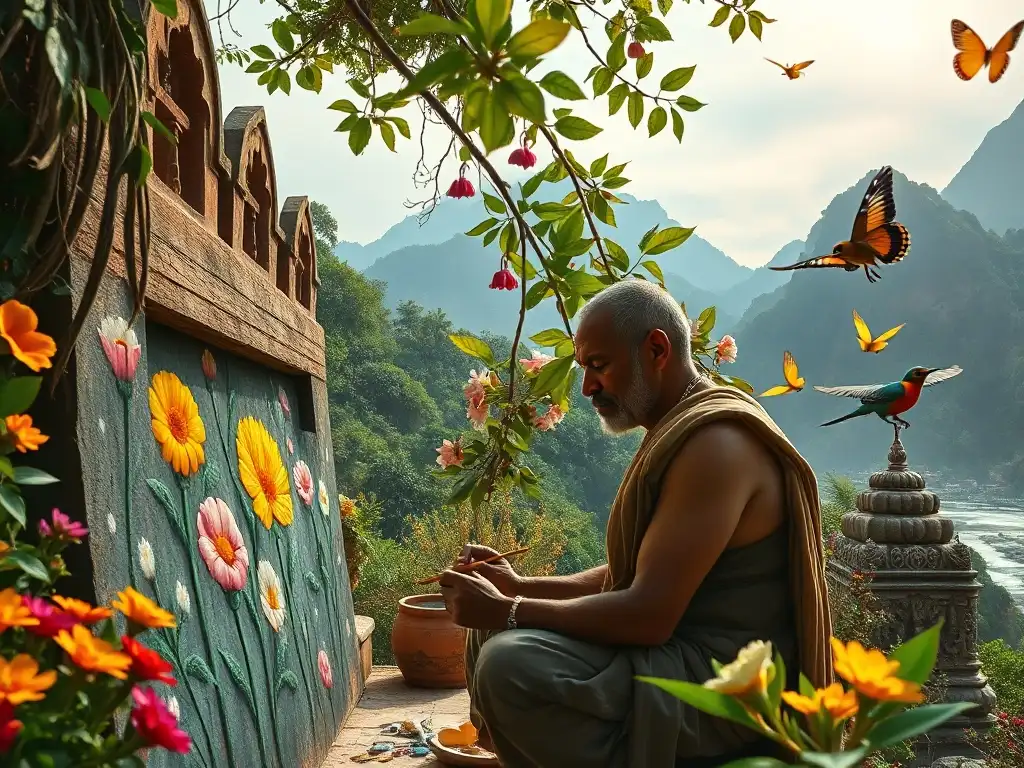
Welcome to Ancient India History, where we embark on an enlightening journey through the rich tapestry of ancient Indian civilizations! Discover how the aesthetic beauty of nature profoundly influenced ancient Indian art and nature. From the intricate carvings of the Indus Valley to the celestial motifs of the Gupta Empire, each piece tells a story of cultural exchange and environmental inspiration. Are you ready to delve deeper into the captivating intersections of art and nature that shaped a civilization? Let's explore the profound connections that continue to resonate through time!
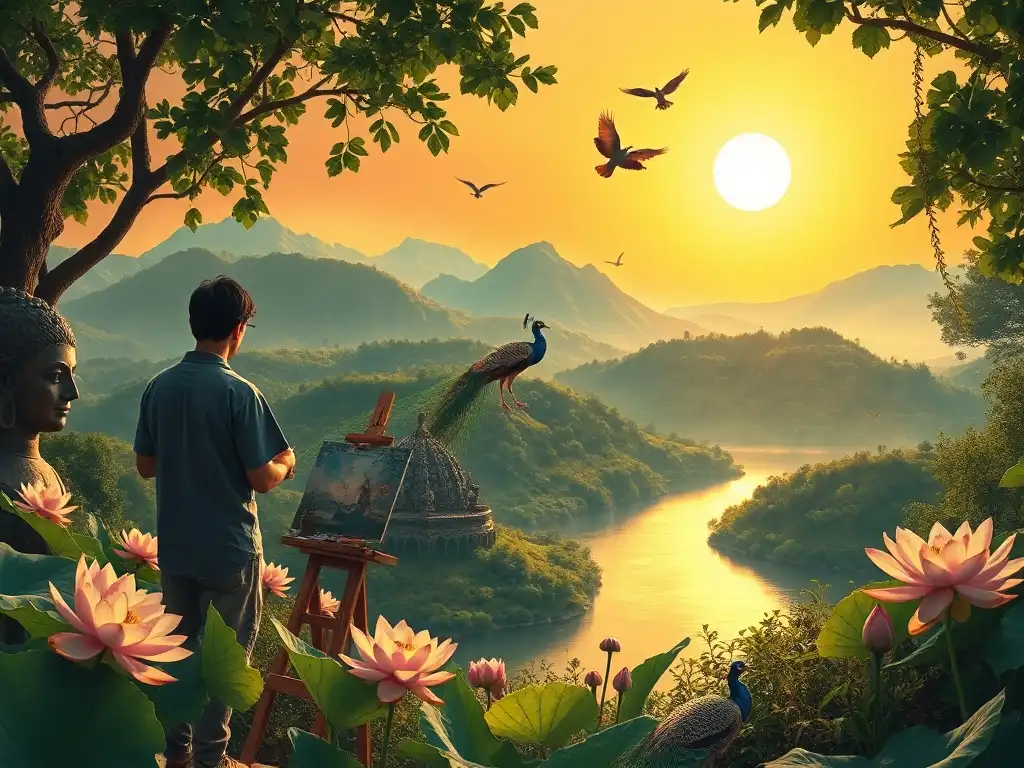
Introduction to Ancient Indian Art and Nature
The interplay between art and nature has long been a subject of fascination, particularly in the context of ancient civilizations. In ancient India, this relationship is deeply woven into the fabric of artistic expression, reflecting not only the environment but also the philosophical and spiritual beliefs of the time.
The rich and diverse history of ancient Indian art showcases how natural elements were not merely decorative motifs but were integral to the cultural identity and spiritual narratives of the people. As we explore the theme of ancient Indian art and nature, we will uncover how landscapes, flora, and fauna were interpreted and represented in art forms that have left an indelible mark on the cultural heritage of the region.
Overview of Ancient Indian Art
Ancient Indian art encompasses a wide array of forms including sculpture, paintings, architecture, and textiles, each reflecting the unique socio-political and cultural contexts of their times. From the intricate carvings of the Indus Valley Civilization to the grand architecture of the Gupta Empire, art in ancient India served not just aesthetic purposes but also acted as a medium for storytelling and the transmission of religious and philosophical ideas.
- Key Features of Ancient Indian Art:
- Diversity: A blend of local traditions and influences from neighboring cultures.
- Symbolism: Use of symbols to convey deeper meanings, particularly in religious contexts.
- Technique: Development of unique artistic techniques, such as fresco painting and stone carving.
The art produced during these eras is characterized by its profound connection to nature, showcasing how the environment inspired creativity and influenced the thematic elements of various artistic forms.
Importance of Nature in Cultural Context
Nature was not just a backdrop but a central theme that influenced the spiritual and cultural narratives of ancient Indian societies. The environment shaped the way communities viewed life, death, and the cosmos. Many ancient texts and scriptures highlight the reverence for natural elements, indicating that the landscape was seen as a living entity imbued with spiritual significance.
- Cultural Significance:
- Mythology: Many deities were associated with natural elements, such as rivers, mountains, and trees.
- Festivals: Celebrations often revolved around seasonal changes and agricultural cycles, emphasizing the harmony between nature and human existence.
- Philosophy: Concepts such as Dharma and Karma often drew parallels with natural phenomena, reflecting the belief in interconnectedness.
This cultural context laid the groundwork for artistic expressions that echoed the beauty and complexity of the environment.
The Role of Nature in Ancient Indian Artistic Expression
Ancient Indian artists skillfully incorporated natural elements into their works, creating a rich tapestry of visual narratives that celebrated the environment. This integration of nature within art was not only a reflection of the surrounding landscapes but also served to convey deeper philosophical meanings and cultural values.
Symbolism of Natural Elements in Art
Natural motifs in ancient Indian art often carried symbolic meanings, representing various aspects of life and spirituality. For instance, the lotus flower is a recurring motif, symbolizing purity and enlightenment, while the peacock often represents beauty and grace.
- Examples of Symbolism:
- Lotus: Represents spiritual awakening and the cycle of life.
- Tree of Life: Embodies growth, renewal, and the interconnectedness of all living beings.
These symbols allowed artists to convey complex ideas and emotions, making nature an integral part of their storytelling.
Depictions of Flora and Fauna in Ancient Indian Art
Flora and fauna were frequently depicted in ancient Indian art, showcasing not only the abundant biodiversity of the region but also the deep respect that ancient cultures held for the natural world. From intricate carvings on temple walls to vibrant frescoes, animals and plants feature prominently in various art forms.
- Noteworthy Depictions:
- Elephants: Often associated with wisdom and strength, elephants are depicted in both religious and royal contexts.
- Birds: Representing freedom and transcendence, birds are frequently illustrated in mythological narratives and decorative art.
Through these depictions, ancient Indian artists celebrated the beauty of nature, illustrating its significance in their daily lives and spiritual beliefs.
In this exploration of the aesthetics of nature in ancient Indian art, we will delve deeper into the specific ways in which the environment influenced various artistic expressions, demonstrating the profound connection between art, culture, and the natural world.
Geographic Influences on Ancient Indian Art
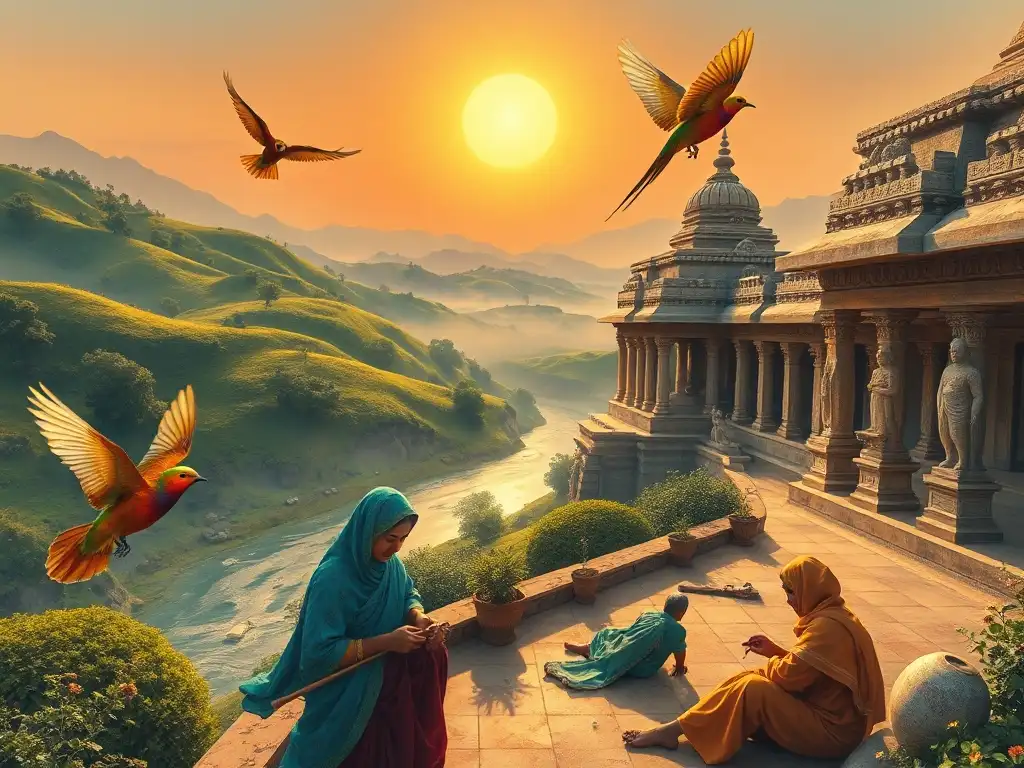
Ancient Indian art is deeply intertwined with the geographical diversity of the subcontinent. From the towering Himalayas in the north to the sprawling coastal regions in the south, each landscape has contributed unique elements to artistic expressions. The varied climates, flora, and fauna have not only shaped the daily lives of people but also influenced their creative outputs.
The northwestern deserts, for instance, have inspired intricate sand and stone carvings, while the lush green valleys of the Western Ghats have led to vibrant depictions of nature in paintings and frescoes. Similarly, the rivers, such as the Ganges and Yamuna, have been central themes in art, symbolizing purity and life. The geographical features of India have provided a rich palette for artists, who have celebrated the natural world through various mediums, ranging from sculpture to painting.
Regional Variations of Nature in Art
The regional variations in nature have given rise to distinct artistic styles across ancient India. For example, in the northern regions, the influence of the Himalayan landscape can be seen in the detailed representations of flora and fauna in miniature paintings. Artists often depicted the lush greenery and wildlife of the region, capturing the essence of the natural world.
In contrast, the southern regions, characterized by their coastal environments, produced art that reflects the sea's influence. For instance, temple sculptures often featured sea deities, marine motifs, and representations of aquatic life. The use of local materials also played a role in shaping these regional styles; red sandstone in the north versus granite and laterite in the south each provided different textures and colors in artistic creations.
This diversity of natural influences underscores the importance of geographic context in the evolution of ancient Indian art, leading to a vibrant tapestry of styles that tell the story of the land and its people.
The Impact of the Indus Valley and Its Environment
The Indus Valley Civilization, one of the earliest urban cultures in India, left a profound impact on the artistic expressions of subsequent eras. The civilization thrived along the banks of the Indus River, which provided fertile land and resources that fueled artistic innovation. Archaeological findings, such as terracotta figurines, seals, and pottery, highlight how the natural environment influenced the themes and materials of their art.
The use of natural pigments from local minerals and plants enabled the creation of vibrant pottery, while the depiction of animals, such as bulls and elephants, in seals reflects the significance of fauna in their daily lives. Additionally, the urban planning of Indus cities, with their emphasis on water management and public spaces, influenced the design of later art forms, including architecture and temple construction.
The connection between the Indus Valley environment and its art underscores a foundational relationship that set the stage for future artistic developments in ancient India.
Nature's Reflection in Gupta Era Art
The Gupta Empire, often regarded as a golden age of Indian culture, witnessed a remarkable flourishing of art that was heavily influenced by nature. The period is characterized by sophisticated techniques in sculpture and painting, with nature serving as a central theme. Artists often depicted lush landscapes, flora, and fauna alongside deities, creating a harmonious blend of the divine and natural worlds.
The use of vibrant colors and intricate details in the sculptures of this era reflects the aesthetic appreciation of nature. Temples built during the Gupta period, such as those found in Sanchi and Khajuraho, prominently feature carvings of trees, animals, and mythological beings interwoven with natural elements. This focus on nature not only enhanced the visual appeal of the artworks but also symbolized the spiritual connection between the divine and the natural world.
The Gupta Era's emphasis on nature in art signifies an enduring legacy, as these artistic expressions continue to resonate with the themes of beauty and harmony found in the natural environment.
Spiritual and Philosophical Connections
The interplay between nature and spirituality is a defining characteristic of ancient Indian art, where the two realms coexist harmoniously. Artists often sought to convey deeper philosophical meanings through their representations of the natural world, reflecting the belief that nature is a manifestation of the divine.
Nature and Spirituality in Ancient Indian Beliefs
In ancient Indian beliefs, nature was not merely a backdrop but a vital element in the understanding of existence and the cosmos. Rivers, mountains, and trees were often personified as deities, signifying their importance in spiritual practices. For instance, the Ganges River is revered as a sacred entity, with numerous artworks depicting its flowing waters as a source of life and purity.
Artistic representations of nature also served as symbols of philosophical concepts, such as the cycle of life, death, and rebirth, which are central to Hindu, Buddhist, and Jain beliefs. This connection is vividly illustrated in the intricate frescoes and sculptures that portray scenes of the natural world, emphasizing the transient beauty of life and the spiritual essence that pervades all existence.
Understanding nature in this context allowed artists to explore profound themes, ultimately leading to a rich tapestry of spiritual expression in their works.
The Influence of Hinduism, Buddhism, and Jainism on Art
The major religions of ancient India—Hinduism, Buddhism, and Jainism—significantly influenced the artistic landscape, integrating elements of nature into their philosophies and, consequently, their art. Each tradition brought its own perspectives on nature, which artists creatively expressed through various forms.
In Hindu art, nature is often depicted alongside deities, symbolizing the interconnectedness of the divine and the natural world. The portrayal of gods and goddesses amidst lush landscapes reflects the belief that nature is a sacred space where the divine manifests.
Buddhist art, particularly during the Mauryan and post-Mauryan periods, emphasized natural elements to convey teachings of enlightenment. The use of lotus flowers, mountains, and serene landscapes in sculptures and paintings symbolizes purity, awakening, and the path to Nirvana.
Jain art, with its focus on non-violence and reverence for all living beings, often highlights flora and fauna, emphasizing harmony with nature. The intricate carvings on Jain temples frequently depict scenes of nature, showcasing the significance of the environment in Jain beliefs.
The synthesis of these spiritual traditions within ancient Indian art not only enriched its aesthetic dimension but also deepened the philosophical connections between nature and the human experience.
Techniques and Mediums Inspired by Nature
Ancient Indian art is deeply rooted in the natural environment, with artists drawing inspiration from the landscapes, flora, and fauna surrounding them. The techniques and mediums they employed were often a direct reflection of their immediate surroundings, utilizing the resources available to them in innovative ways. This integration of nature into artistic expression not only showcased the beauty of the environment but also served as a means to communicate cultural beliefs and narratives.
Use of Natural Materials in Ancient Indian Art
Artists in ancient India predominantly used natural materials, which enhanced the authenticity and connection of their works to the environment. Common materials included:
- Earth and Clay: Utilized for pottery and sculptures, these materials were often sourced locally, allowing artists to create pieces that resonated with the geographical and cultural context.
- Mineral Pigments: The use of natural pigments derived from minerals and plants allowed artists to achieve vibrant colors. For instance, ochres, indigo, and various plant-based dyes were prevalent in painting and textile work.
- Wood and Stone: Many sculptures and architectural elements were crafted from indigenous wood and stone, each type imparting unique textures and colors that reflected the surrounding landscape.
This reliance on natural materials not only provided a connection to the environment but also highlighted the sustainability practices of ancient artists.
Artistic Techniques Reflecting Natural Landscapes
The techniques employed by ancient Indian artists were often inspired by the landscapes they inhabited. Several methods stand out:
- Chiaroscuro: This technique, which involves the use of strong contrasts between light and dark, was often used to depict the play of sunlight through trees or the shadows cast by mountains, adding depth and realism to artworks.
- Perspective: Artists utilized varying techniques to convey depth, often mimicking the visual experience of looking across a vast landscape. This created a sense of space that allowed viewers to feel immersed in the depicted environment.
- Symbolism: Elements of nature were imbued with symbolic meaning. For instance, the lotus often represented purity and spiritual awakening, appearing prominently in various forms of art.
These techniques not only captured the essence of the natural world but also conveyed deeper philosophical and spiritual meanings, making the art rich in both aesthetic and conceptual depth.
Case Studies of Notable Ancient Indian Artworks
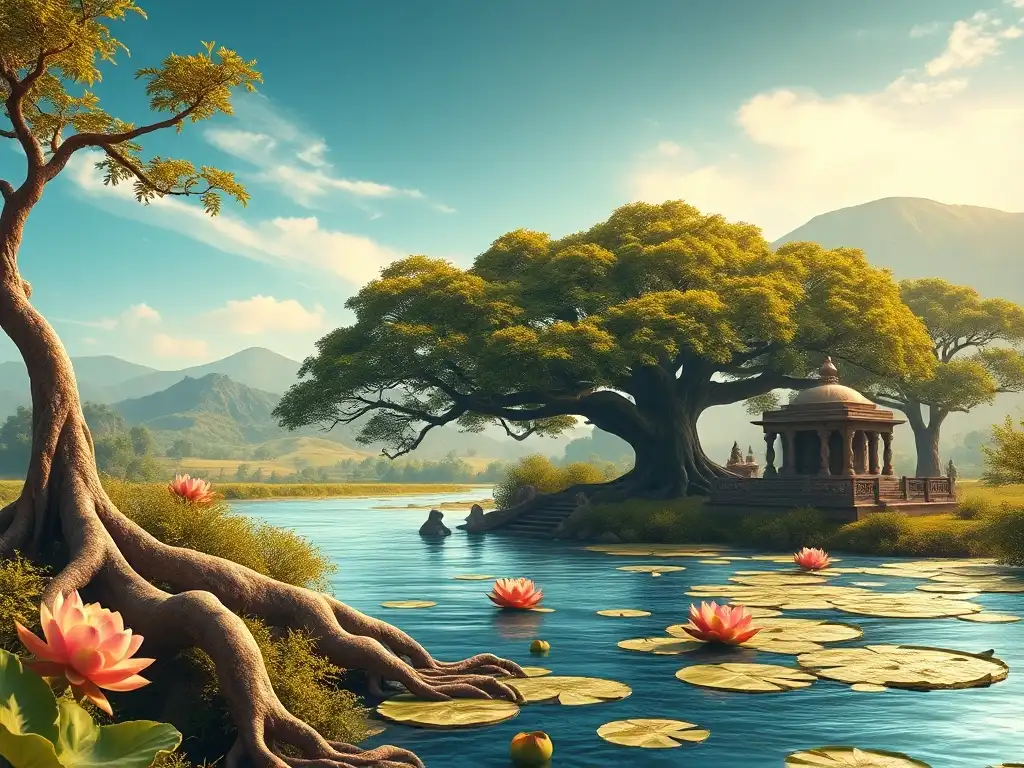
The influence of nature on ancient Indian art can be seen through several notable case studies, reflecting the profound relationship between the environment and artistic expression.
The Ajanta Caves: Illustrations of Nature and Mythology
The Ajanta Caves, a UNESCO World Heritage Site, are remarkable for their intricate frescoes and sculptures that vividly depict scenes from nature alongside mythological narratives. The artists of Ajanta employed natural pigments to create vibrant murals that illustrate lush landscapes, flora, and fauna. Notably, the depiction of trees and animals in these artworks is not merely decorative; they serve as important symbols within the stories being told, bridging the earthly with the divine. The serene representation of nature within these caves reflects the spiritual beliefs of the time and the artists' reverence for their surroundings.
The Stupas of Sanchi: Integration of Nature and Architecture
The Stupas of Sanchi exemplify the harmonious blend of nature and architecture in ancient Indian art. These stupas, which served as Buddhist reliquaries, feature intricate carvings that incorporate motifs of plants and animals, symbolizing the interconnectedness of life. The gateways, or toranas, are adorned with reliefs that showcase scenes from nature, including trees and floral patterns, reflecting the surrounding landscape. This integration illustrates how architecture was not only a functional space for worship but also a canvas for artistic expression that celebrated the natural world.
The Amaravati Sculptures: Flora and Fauna in Buddhist Art
The Amaravati Sculptures, originating from the 2nd century BCE, are renowned for their exquisite depiction of flora and fauna in Buddhist art. These sculptures feature detailed representations of various animals and plants, showcasing the artists’ keen observation of nature. The inclusion of natural elements serves to convey moral and spiritual lessons, with animals often symbolizing virtues such as compassion and wisdom. The intricate carvings highlight the richness of biodiversity in ancient India and demonstrate how artists used their environment to enhance the narrative depth of their works.
In each of these case studies, the influence of nature is evident, illustrating how ancient Indian artists not only captured the beauty of their environment but also conveyed deeper cultural and spiritual meanings through their art.
Conclusion: The Enduring Legacy of Nature in Ancient Indian Art
The intricate relationship between nature and ancient Indian art has left an indelible mark on the cultural landscape of India. From the earliest cave paintings of the Indus Valley to the exquisite sculptures of the Gupta period, the environment has served as a profound source of inspiration.
Artists drew upon the diverse elements of their surroundings—flora, fauna, and celestial bodies—to create works that not only reflected their immediate realities but also conveyed deeper spiritual and philosophical meanings. This synthesis of the natural world with artistic expression has ensured that nature remains a timeless theme in the narrative of ancient Indian art.
The enduring legacy of this relationship is evident in the continued reverence for nature in contemporary Indian art forms. Modern artists often reflect upon traditional motifs, adapting them to address current environmental issues and cultural dialogues. The appreciation for the natural world, as depicted in ancient art, fosters a sense of unity and continuity that transcends temporal boundaries, reminding us of our shared heritage and the importance of preserving the environment.
Summary of Nature’s Influence on Artistic Development
Throughout ancient Indian history, nature played a pivotal role in the evolution of artistic expression. The lush landscapes, vibrant colors, and intricate patterns found in nature influenced various art forms, including sculpture, painting, and architecture. Key aspects of this influence include:
- Symbolism: Many natural elements were imbued with symbolic meanings, such as the lotus representing purity and enlightenment, frequently appearing in religious artworks.
- Materials: Artists utilized locally sourced materials, such as clay, stone, and wood, which were shaped by the natural environment, ensuring that the art was not only aesthetically pleasing but also contextually relevant.
- Themes: The depiction of deities, animals, and natural phenomena reflected the harmonious relationship between humans and nature, often showcasing spiritual beliefs and cultural narratives.
These elements combined to create a rich tapestry of artistic development that celebrated the beauty and complexity of the natural world.
Contemporary Reflections of Ancient Art and Nature
In contemporary times, the influence of ancient Indian art and nature continues to resonate across various artistic practices. Modern artists often revisit traditional themes while integrating contemporary issues such as climate change and ecological sustainability. This dialogue between past and present can be seen in:
- Exhibitions: Art exhibitions that focus on themes of nature and environment often highlight ancient techniques and motifs, connecting viewers with the historical context of these artistic expressions.
- Street Art: Urban artists are increasingly incorporating natural imagery into their work, using murals and installations to raise awareness about environmental conservation and reconnect communities with nature.
- Digital Art: The rise of digital mediums allows artists to explore the rich heritage of ancient Indian art, creating interactive experiences that draw upon natural themes and historical narratives.
This reflection not only honors the legacy of ancient practices but also serves as a powerful commentary on the modern relationship with nature.
Further Reading on Ancient Indian Art and Nature
For those interested in delving deeper into the intricate connections between ancient Indian art and nature, a variety of resources are available. These readings provide insights into the historical, cultural, and artistic dimensions of this relationship.
Suggested Books and Articles
- "Indian Art" by Benjamin Rowland: This comprehensive text explores the evolution of Indian art from ancient times to the modern era, highlighting the influence of nature throughout various periods.
- "The Art of Ancient India: Buddhist, Hindu, Jain" by Susan L. Huntington and John C. Huntington: A detailed examination of the art produced in ancient India, with a focus on spiritual and natural themes.
- "Nature and the Environment in Indian Art" - Various Articles: A collection of scholarly articles discussing how environmental elements have shaped artistic practices in different historical contexts.
Resources for Exploring Ancient Indian Artistic Traditions
- Museums and Galleries: Institutions such as the National Museum in New Delhi and the Chhatrapati Shivaji Maharaj Vastu Sangrahalaya in Mumbai house extensive collections of ancient Indian art, providing firsthand experience of the works influenced by nature.
- Online Archives: Websites like the Digital South Asia Library and the British Museum offer access to digitized collections and research materials related to ancient Indian art.
- Workshops and Lectures: Many cultural organizations conduct workshops and lectures focusing on ancient Indian art forms, encouraging hands-on exploration of techniques and themes influenced by nature.
These resources serve as valuable tools for anyone looking to gain a deeper understanding of the profound relationship between ancient Indian art and nature.
- Introduction to Ancient Indian Art and Nature
- Overview of Ancient Indian Art
- Importance of Nature in Cultural Context
- The Role of Nature in Ancient Indian Artistic Expression
- Geographic Influences on Ancient Indian Art
- Spiritual and Philosophical Connections
- Techniques and Mediums Inspired by Nature
- Case Studies of Notable Ancient Indian Artworks
- Conclusion: The Enduring Legacy of Nature in Ancient Indian Art
- Further Reading on Ancient Indian Art and Nature
- What is the main focus of the article "The Aesthetics of Nature"?
- How did ancient Indian civilizations depict nature in their art?
- What role did religion play in ancient Indian art?
- Can you name some ancient Indian art forms that highlight nature?
- How did the Gupta Empire influence ancient Indian art?
Frequently Asked Questions
What is the main focus of the article "The Aesthetics of Nature"?
The article emphasizes how the environment significantly influenced ancient Indian art, showcasing the deep connection between nature and artistic expression.
How did ancient Indian civilizations depict nature in their art?
Ancient Indian art often featured natural elements such as plants, animals, and landscapes, reflecting the spiritual and cultural significance of nature in their daily lives.
What role did religion play in ancient Indian art?
Religion was a crucial factor, as many artworks were created as devotional pieces, often incorporating natural motifs to symbolize various deities and their connections to the environment.
Can you name some ancient Indian art forms that highlight nature?
Prominent forms include sculpture, painting, and architecture, with notable examples being the Ajanta Caves and the intricate carvings found in temples, showcasing a blend of art and nature.
How did the Gupta Empire influence ancient Indian art?
The Gupta Empire is known for its golden age of art, where there was a remarkable fusion of natural aesthetics and cultural themes, leading to advancements in sculptural techniques and painting styles.
Final Reflection: The Enduring Connection Between Ancient Indian Art and Nature
The intricate relationship between ancient Indian art and nature remains profoundly relevant today, as it reflects our ongoing quest for harmony with the environment. In a world increasingly dominated by technology and urbanization, the beauty and wisdom embedded in ancient Indian art remind us of the importance of reconnecting with the natural world. This connection not only enriches our cultural heritage but also serves as a vital source of inspiration for contemporary artistic expressions.
The influence of nature on ancient Indian art continues to resonate within our cultural and social landscape, shaping how we perceive beauty and creativity. From the intricate carvings of temple architecture to the vibrant colors of traditional paintings, nature has always been a muse for artists. As we navigate the complexities of modern life, we can draw from this rich legacy to foster a deeper appreciation for the environment around us. Art is the most beautiful of all lies.
- Claude Debussy. This quote encapsulates the idea that art, while a reflection of reality, can also serve as a bridge to understanding our relationship with nature.
As we conclude this exploration of the aesthetics of nature in ancient Indian art, I invite you to reflect on your own connection to the environment. Consider how the beauty of nature influences your creativity and daily life. Let the lessons from ancient Indian art inspire you to seek balance and harmony in your surroundings, encouraging you to create, appreciate, and protect the natural world that continues to shape our artistic heritage. Embrace the call to action: let nature be your muse, and may your artistic journey reflect the beauty that surrounds us all.
Unveil the Beauty of Nature in Ancient Art!
Thank you for exploring the profound relationship between nature and ancient Indian art with us! You've uncovered the rich aesthetics that shaped cultural masterpieces over centuries. Now, it's time to take that knowledge further and truly immerse yourself in this enchanting world.
Here are some actionable steps you can take right now:
- Visit a local museum or art exhibit showcasing Indian art to see how nature is depicted through various mediums.
- Join a community art group focused on creating nature-inspired works and share insights from your newfound understanding.
- Share your thoughts on social media about how the beauty of nature has influenced your perspective on art—tag us and let’s start a conversation!
What elements of nature inspire you most in the context of art? We’d love to hear your thoughts in the comments below!