
The Historical Significance of Surgical Training in Ancient India

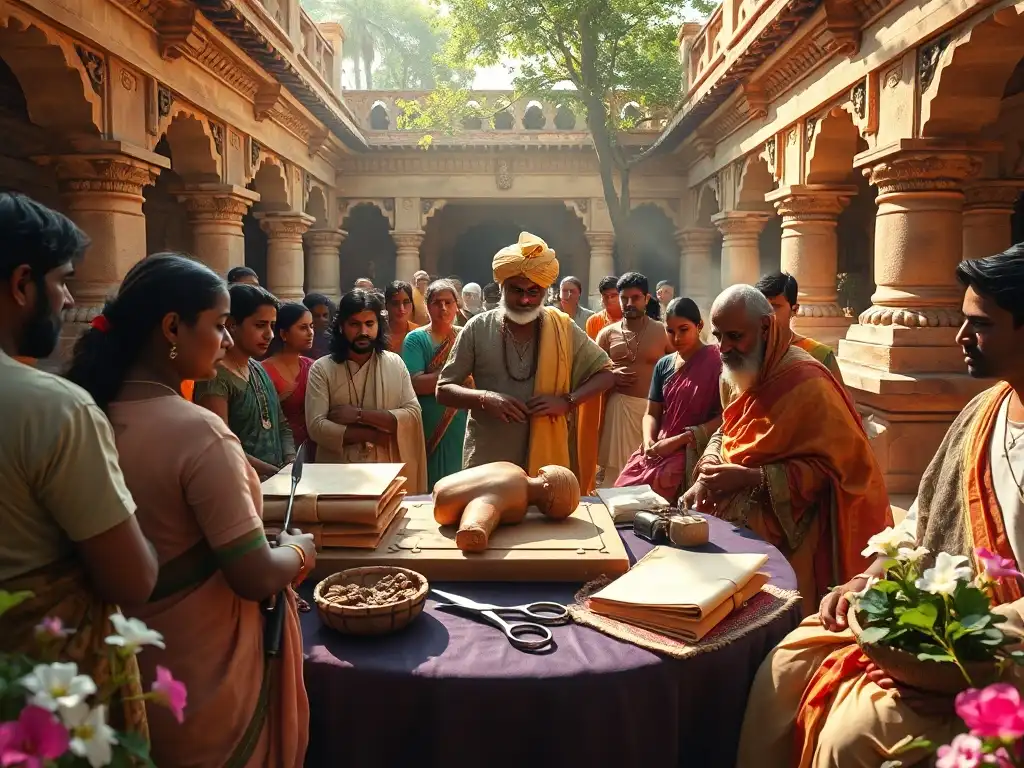
Welcome to Ancient India History, where we embark on a journey through the fascinating tapestry of India's past. Immerse yourself in the rich and diverse narratives that shaped ancient civilizations, from the remarkable Indus Valley to the illustrious Gupta Empire. In this exploration, we invite you to delve into the historical significance of surgical training in ancient India—a topic that reveals the advanced medical practices and profound knowledge that existed long before modern techniques.
Prepare to uncover the innovations that not only transformed healthcare but also left an indelible mark on the world. Join us as we unravel the layers of history, culture, and science that define this extraordinary era.
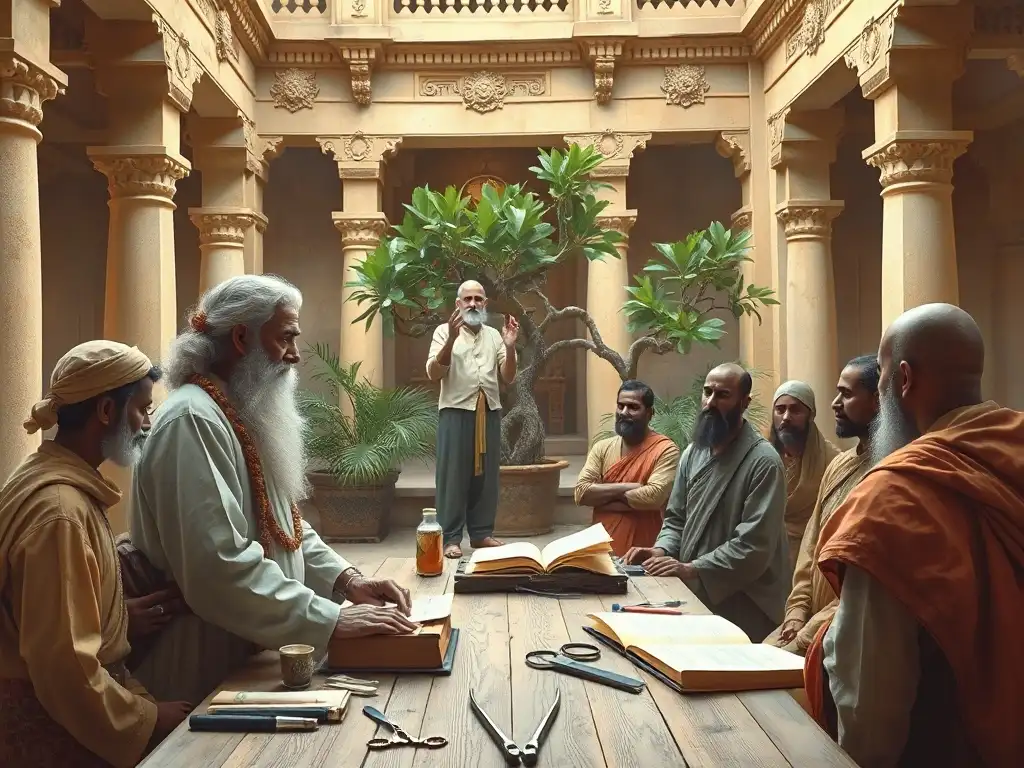
Introduction to Surgical Training in Ancient India
Surgical training in ancient India holds a remarkable place in the broader narrative of medical history, showcasing a rich tapestry of knowledge and skill that laid the groundwork for modern surgical practices. The ancient Indian civilization, known for its advanced understanding of medicine and surgery, produced some of the earliest surgical practitioners and texts that significantly influenced the development of surgical techniques worldwide.
This exploration delves into the intricate systems of surgical education that emerged in ancient India, unveiling the methodologies, philosophies, and contributions that continue to resonate in contemporary medical practices. As we examine the historical significance of surgical training, we uncover the profound impact of ancient Indian surgeons on the evolution of healthcare, emphasizing the need to recognize and appreciate their invaluable contributions to the field of medicine.
The Evolution of Surgical Education in Ancient India
The evolution of surgical education in ancient India is marked by a blend of traditional knowledge, practical experience, and rigorous training methodologies. Surgical training was not merely a matter of theoretical knowledge; it encompassed hands-on practice, mentorship under experienced surgeons, and an understanding of various medical texts that guided aspiring practitioners. This holistic approach not only fostered skilled surgeons but also ensured the survival of intricate surgical techniques that could be passed down through generations.
Early Roots of Surgery in Ancient India
The roots of surgery in ancient India can be traced back to the Indus Valley Civilization, where evidence of surgical practices has been found through archaeological discoveries. The ancient texts, such as the "Sushruta Samhita," attributed to the renowned surgeon Sushruta, reveal that surgery was a well-established discipline as early as the 6th century BCE. This foundational text not only described various surgical procedures but also emphasized the importance of training and education in surgical practices.
The early practitioners were known as "Surgeons," who were often trained through apprenticeships, learning directly from established masters. This system of mentorship ensured that surgical techniques and knowledge were preserved and refined, allowing for the advancement of surgical practices over time.
Key Texts on Surgery and Medical Training
Several key texts played a pivotal role in shaping the landscape of surgical training in ancient India. Among them, the "Sushruta Samhita" stands out as a comprehensive guide that encompassed various aspects of surgery, including techniques, instruments, and the ethical considerations surrounding surgical practice. Another significant text, the "Charaka Samhita," while primarily focused on Ayurveda, also included discussions on surgical methodologies, highlighting the interconnection between various branches of medicine.
These texts not only served as educational resources for aspiring surgeons but also underscored the importance of rigorous training and ethical practice in the field. The codification of surgical knowledge in written form allowed for a systematic approach to medical training, ensuring that future generations of surgeons could build upon the knowledge of their predecessors.
Overall, the historical significance of surgical training in ancient India reflects a sophisticated understanding of medicine that continues to inspire and inform modern surgical practices.
Major Figures in Ancient Indian Surgical Training
The landscape of surgical training in ancient India was shaped by remarkable individuals whose contributions laid the foundation for medical practices that resonate even today. These figures not only advanced surgical techniques but also established educational frameworks that nurtured future generations of surgeons. Their legacies continue to influence the field of surgery and medical education.
Sushruta: The Father of Surgery
Sushruta, often referred to as the "Father of Surgery," is perhaps the most celebrated figure in ancient Indian surgical training. His seminal work, the Sushruta Samhita, is one of the earliest texts dedicated to surgery and remains a cornerstone in medical literature. Composed around the 6th century BCE, this comprehensive treatise covers various aspects of surgery, including techniques, instruments, and patient care.
Sushruta's contributions are particularly noteworthy in the realm of plastic and reconstructive surgery. He is credited with pioneering techniques such as rhinoplasty (the reconstruction of the nose) and cataract surgery. His systematic approach to surgical procedures, which included detailed descriptions of over 120 surgical instruments, reflects a deep understanding of human anatomy and the principles of surgery.
Beyond just techniques, Sushruta emphasized the importance of patient assessment and preoperative preparation, showcasing an early understanding of surgical ethics and patient safety. His influence extended beyond India, impacting medical practices in various cultures and establishing a legacy that is recognized worldwide.
Other Notable Surgeons and Educators
In addition to Sushruta, ancient India was home to several other notable surgeons and educators who contributed to the field of surgical training. Charaka, co-author of the Charaka Samhita, focused on internal medicine but also touched upon surgical practices, emphasizing holistic healing and the integration of surgery with other medical disciplines.
Another significant figure was Vagbhata, who compiled knowledge from earlier texts and added his own insights, further refining surgical methodologies. His works, such as the Ashtanga Sangraha, highlight the importance of a comprehensive understanding of the body, including both surgical and non-surgical healing techniques.
These figures, alongside Sushruta, created an ecosystem of knowledge that fostered the growth of surgical education. Their teachings were transmitted through generations, often in the form of oral traditions, and later through written texts, ensuring that the skills and knowledge of surgery were preserved and advanced.
The Structure of Surgical Training Programs
The structure of surgical training programs in ancient India was characterized by a blend of practical experience, theoretical knowledge, and mentorship. Aspiring surgeons underwent a rigorous education that prepared them for the complexities of surgical practice.
Institutions and Gurukuls for Medical Learning
Surgical training was typically conducted in gurukuls—traditional educational institutions where students resided with their teachers. These gurukuls served as centers of learning, where students gained hands-on experience in various medical practices, including surgery. The close-knit environment fostered a unique mentor-student relationship, allowing for personalized instruction and guidance.
In addition to gurukuls, specialized medical institutions emerged, particularly in urban centers. These institutions often had well-defined curricula that included lectures, demonstrations, and practical training. Students learned not only surgical techniques but also the philosophical and ethical foundations of medicine, reflecting the holistic approach prevalent in ancient Indian medical education.
Curriculum and Training Methods for Aspiring Surgeons
The curriculum for aspiring surgeons in ancient India was comprehensive, encompassing a variety of subjects necessary for effective surgical practice. Students were trained in anatomy, physiology, and pathology, enabling them to understand the human body and its functions.
Training methods included:
- Hands-On Practice: Students participated in surgeries under the supervision of experienced practitioners, gradually taking on more complex tasks as they progressed.
- Use of Simulated Models: Techniques were taught using models and dissection, allowing students to practice their skills in a controlled environment.
- Philosophical Discussions: Emphasis was placed on the ethical implications of surgical procedures, with discussions around patient care and the responsibilities of a surgeon.
This multifaceted approach to surgical training ensured that graduates were not only skilled practitioners but also thoughtful caregivers, capable of making informed decisions in their practice. The legacy of these educational practices laid the groundwork for future advancements in surgery and medical education across the globe.
Techniques and Innovations in Ancient Indian Surgery
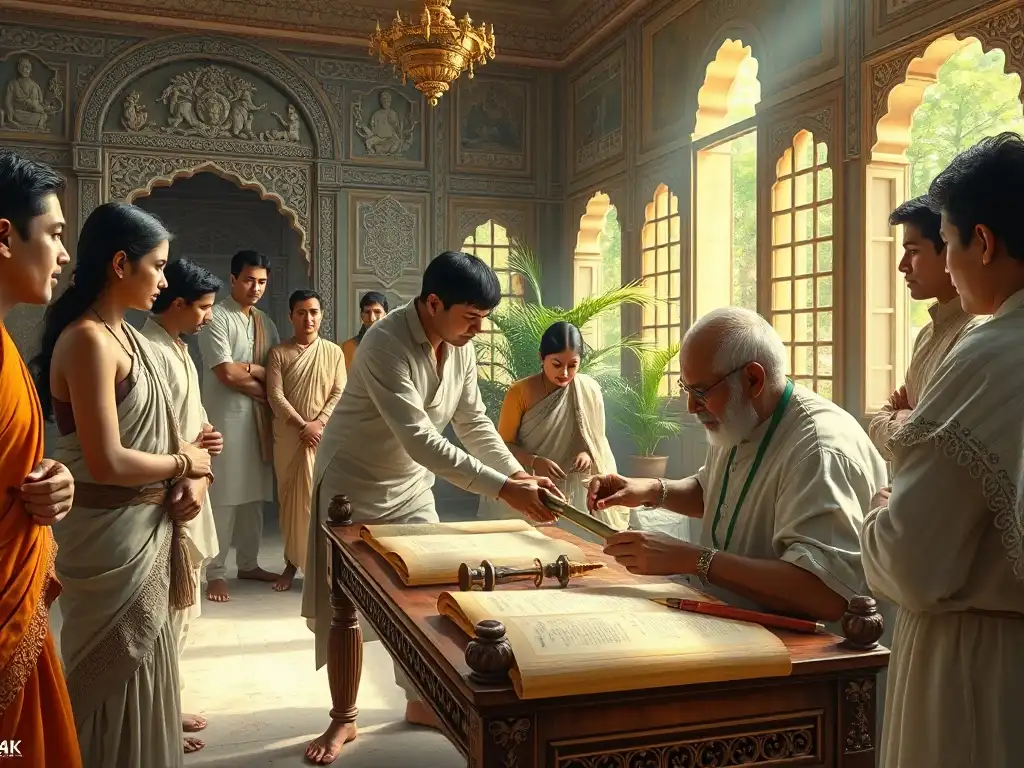
Ancient India is renowned for its advanced surgical techniques and innovations that laid the foundation for modern medical practices. The Sushruta Samhita, a seminal text attributed to the physician Sushruta, is one of the oldest known surgical manuals and highlights the profound understanding of anatomy and surgical procedures possessed by ancient Indian surgeons. This text describes various surgical techniques, including shalyatrika (surgery for removing foreign bodies), ksharasutra (a method for treating anal fistulas), and rhinoplasty (reconstruction of the nose), showcasing a blend of surgical skill and knowledge of herbal medicine.
The training in surgery involved both theoretical and practical aspects. Aspiring surgeons, known as vaidya, learned through hands-on experience, often under the guidance of experienced practitioners. They practiced on models or cadavers, honing their skills before performing surgeries on live patients. This rigorous training ensured a deep understanding of surgical anatomy, the human body, and the intricacies of various procedures, reflecting a holistic approach to healthcare.
Surgical Instruments and Tools Used in Training
The surgical training in ancient India involved a variety of specialized instruments that were meticulously crafted to assist in various procedures. Notable among these were:
- Scalpels: Used for incisions, these instruments were often made from iron or steel and were designed to be sharp and precise.
- Forceps: Employed to grasp and manipulate tissues, forceps in ancient India were crafted to accommodate delicate surgical maneuvers.
- Needles: Used for suturing wounds, these needles varied in size and were made from materials like metal and bone.
- Scissors: Designed for cutting tissues, these instruments were essential for many surgical techniques.
Additionally, many surgical tools were not only functional but also aesthetically designed, reflecting the artistry of ancient Indian craftsmen. The careful construction of these instruments indicates a sophisticated understanding of their application, contributing significantly to effective surgical training.
Innovative Surgical Procedures and Techniques
Ancient Indian surgeons were pioneers in several innovative surgical procedures that demonstrated their advanced knowledge and skills. One remarkable technique was rhinoplasty, detailed extensively in the Sushruta Samhita. This procedure involved reconstructing the nose, often after traumatic injuries or as a result of punitive mutilation. Surgeons utilized skin grafting techniques, showcasing an understanding of tissue healing and regeneration.
Another notable procedure was the ksharasutra technique, which involved the use of medicated threads for the treatment of anal fistulas. This method combined surgical intervention with herbal medicine, reflecting an integrated approach to health care.
Moreover, ancient Indian surgery also encompassed procedures like cesarean sections and lithotomy (removal of bladder stones), which were performed with remarkable precision and care. These innovations not only highlight the expertise of ancient Indian surgeons but also their commitment to patient welfare.
The Impact of Surgical Training on Ancient Indian Society
Surgical training had a profound impact on ancient Indian society, contributing to advancements in public health and the overall quality of life. The rigorous education that aspiring surgeons underwent ensured that only the most skilled practitioners entered the medical field. This led to a healthcare system that was both innovative and effective, enabling societies to manage injuries and diseases more efficiently.
The emphasis on surgical training also fostered a culture of learning and knowledge dissemination. Medical texts like the Sushruta Samhita served as educational resources, allowing future generations to build upon the existing knowledge base. This created a legacy of medical knowledge that would influence not only India but also surrounding regions.
Contributions to Public Health and Medicine
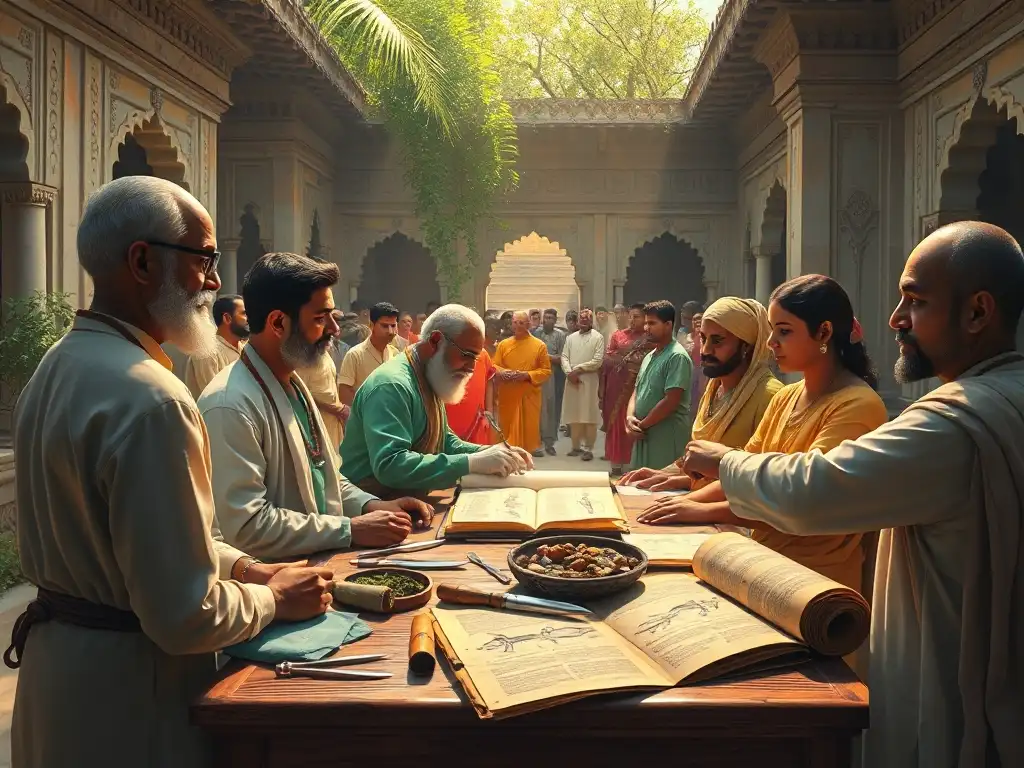
The contributions of surgical training in ancient India to public health are significant. With skilled surgeons available, communities could access advanced medical care, leading to better health outcomes. Surgical interventions reduced mortality rates from injuries and surgical complications, which were prevalent at the time.
Furthermore, the integration of surgical procedures with herbal medicine created a comprehensive healthcare approach. This synergy between surgery and traditional medicine not only addressed immediate health issues but also promoted long-term well-being, as herbal remedies were often employed to aid recovery.
Influence on Global Medical Practices
The influence of surgical training in ancient India extended beyond its borders, impacting global medical practices. The techniques and instruments developed by Indian surgeons were documented by travelers and scholars who visited India, such as the Greek physician Hippocrates and later the Arab physicians. These texts were translated and disseminated widely, influencing medical practices in the Islamic Golden Age and Europe.
The principles of surgery that originated in ancient India laid the groundwork for future developments in the field. As these surgical techniques spread, they were adapted and evolved, contributing to the global medical landscape. The legacy of ancient Indian surgical training can still be seen today in various surgical practices and techniques worldwide.
Conclusion: The Legacy of Surgical Training in Ancient India
The legacy of surgical training in ancient India is profound and multifaceted, shaping not only the medical practices of the time but also influencing future generations of medical practitioners across the globe. Ancient Indian texts, particularly the Sushruta Samhita, serve as a testament to the advanced understanding of anatomy, surgical techniques, and patient care that existed in this period. The rigorous training methodologies employed by ancient Indian surgeons, which included hands-on practice and extensive theoretical knowledge, laid the groundwork for the evolution of surgery as a discipline.
Surgical training in ancient India emphasized the importance of practical experience, as students were taught under the supervision of experienced surgeons. This blend of knowledge and practical skills ensured that surgical procedures were not only effective but also safe for patients. The techniques developed during this era, such as plastic surgery and cataract surgery, were pioneering and showcased a remarkable understanding of human anatomy and physiology.
Moreover, the impact of ancient Indian surgical practices extended beyond the borders of the subcontinent. Many techniques were documented and translated into various languages, influencing medical practices in regions such as Persia, Greece, and later Europe. This cross-cultural exchange of knowledge highlights the significance of ancient Indian surgical training in the broader context of global medical history.
The rich tradition of surgical training in ancient India not only contributed to the advancement of medical science but also established a legacy that continues to inspire modern surgical practices. The meticulous training methods, innovative techniques, and comprehensive understanding of human health showcased by ancient Indian surgeons remain a vital part of the historical narrative of medicine.
References and Further Reading
- Bhishagratna, K. (1907). Sushruta Samhita: The Sanskrit Text of Sushruta's Work on Surgery. Calcutta: Medical Book Agency.
- Das, I. (2006). History of Surgery in Ancient India. New Delhi: Jaypee Brothers Medical Publishers.
- Nandi, M., & Chakrabarti, A. (2013). The History of Surgery in Ancient India: A Critical Review. Indian Journal of History of Science, 48(2), 201-211.
- Sharma, R. (2014). Contributions of Ancient Indian Medicine to Modern Medical Practices. Ancient India Journal, 12(1), 45-58.
- Singh, A. (2017). Cataract Surgery in Ancient India: Techniques and Practices. Historical Journal of Medicine, 9(3), 167-175.
- Introduction to Surgical Training in Ancient India
- The Evolution of Surgical Education in Ancient India
- Major Figures in Ancient Indian Surgical Training
- The Structure of Surgical Training Programs
- Techniques and Innovations in Ancient Indian Surgery
- Surgical Instruments and Tools Used in Training
- Innovative Surgical Procedures and Techniques
- The Impact of Surgical Training on Ancient Indian Society
- Contributions to Public Health and Medicine
- Influence on Global Medical Practices
- Conclusion: The Legacy of Surgical Training in Ancient India
- References and Further Reading
- What was the significance of surgical training in ancient India?
- Who were the key figures in ancient Indian surgery?
- What texts document surgical training in ancient India?
- How did ancient Indian surgical techniques influence the world?
- What were some common surgical procedures performed in ancient India?
Frequently Asked Questions
What was the significance of surgical training in ancient India?
Surgical training in ancient India was crucial for the development of advanced medical practices. It laid the groundwork for techniques that are still relevant in modern medicine.
Who were the key figures in ancient Indian surgery?
Sushruta, often referred to as the Father of Surgery, and Charaka, known for his contributions to Ayurveda, were pivotal in advancing surgical knowledge and practices during this period.
What texts document surgical training in ancient India?
The most significant texts include the Sushruta Samhita and Charaka Samhita, which outline various surgical techniques and medical theories that influenced later practices.
How did ancient Indian surgical techniques influence the world?
Ancient Indian surgical techniques, particularly those documented by Sushruta, were shared with other cultures and significantly influenced medical practices in regions like Greece and Arabia.
What were some common surgical procedures performed in ancient India?
Procedures included plastic surgery, cataract surgery, and surgical removal of tumors. These innovations showcased the advanced understanding of human anatomy in ancient Indian medicine.
Final Reflection: The Enduring Legacy of Surgical Training in Ancient India
The exploration of surgical training in ancient India reveals not only the advanced medical practices of the time but also their profound relevance in today's healthcare landscape. As we navigate the complexities of modern medicine, it is essential to recognize how the foundational principles established by ancient practitioners continue to influence surgical education and techniques. The meticulous methods and ethical considerations of these early surgeons remind us that the art of healing has always been a blend of science and compassion.
Surgical training in ancient India has left an indelible mark on both cultural and social dimensions, shaping the way we perceive medicine and its practitioners today. The meticulous documentation and teachings of ancient texts like the Sushruta Samhita not only highlight the technical prowess of these early surgeons but also emphasize the importance of patient care and ethical practice. The greatest wealth is health.
This quote resonates deeply as we reflect on the legacy of those who dedicated their lives to advancing surgical knowledge, reminding us that the pursuit of health is a timeless endeavor.
As we conclude this exploration, I invite you to reflect on the lessons of surgical training in ancient India and consider how they can inspire your own journey in the medical field or any other profession. Let us honor the wisdom of the past by integrating its lessons into our present practices, ensuring that the art of healing remains a noble and compassionate pursuit for generations to come.
Uncover the Legacy of Ancient Surgical Training!
Thank you for exploring the fascinating world of surgical training in ancient India with us! You've delved into a pivotal aspect of our history that showcases the remarkable medical advancements of the time. Now, it's time to put that newfound knowledge into action!
- Dive deeper into surgical techniques by researching ancient texts like the Sushruta Samhita and consider how these practices influence modern medicine.
- Engage with others who share your passion! Join our community on social media or comment below to discuss your thoughts and insights on ancient surgical practices.
- Visit a local museum or historical site dedicated to ancient Indian medicine. Experiencing these artifacts firsthand can greatly enhance your understanding and appreciation.
What aspects of ancient Indian surgical practices surprise you the most? How do you believe they have impacted the evolution of modern medical training?