
How Ancient Indian Surgeons Performed Complex Operations

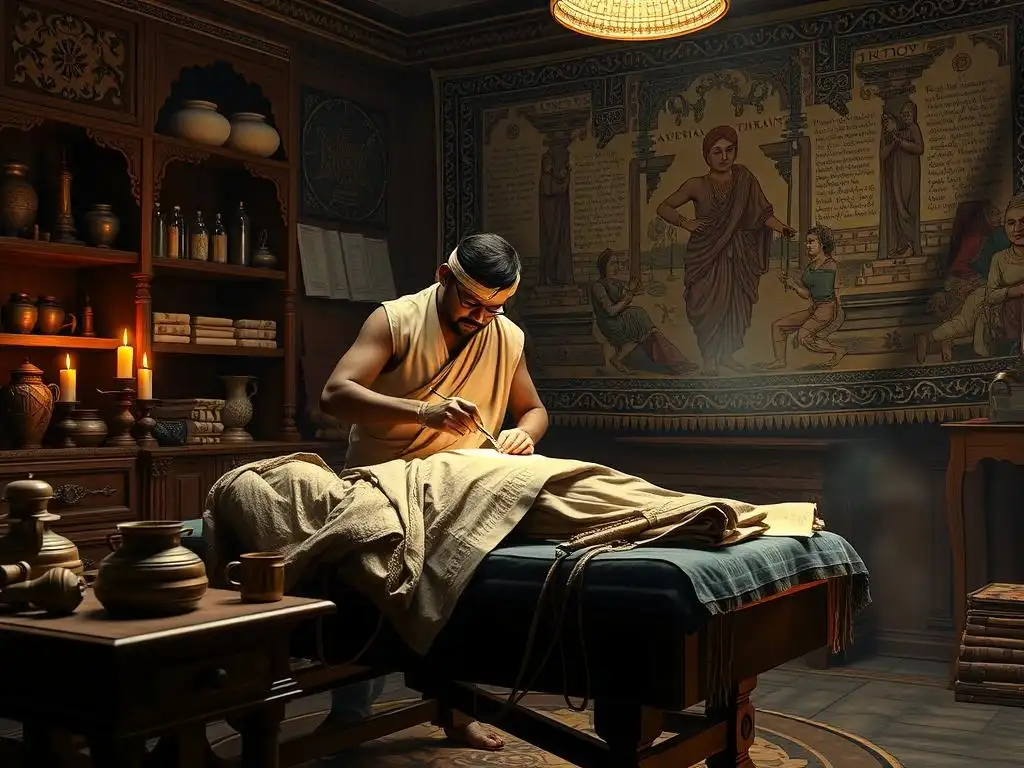
Welcome to Ancient India History, where we embark on a fascinating journey through the rich tapestry of ancient civilizations that shaped the subcontinent. Here, we dive deep into the remarkable contributions of early Indian societies, with a particular focus on ancient Indian surgical techniques. Have you ever wondered how skilled surgeons of the past performed complex operations that were far ahead of their time?
Join us as we uncover the innovative practices and profound knowledge of these medical pioneers, igniting your curiosity and inspiring a deeper appreciation for the brilliance of ancient Indian science and medicine. Explore with us—your adventure into history begins now!
- Introduction to Ancient Indian Surgical Techniques
- Historical Background of Surgery in Ancient India
- Prominent Ancient Indian Surgeons and Their Contributions
- Techniques and Tools Used in Ancient Indian Surgery
- Complex Operations Performed by Ancient Indian Surgeons
- The Role of Ayurveda in Surgical Techniques
- Comparison of Ancient Indian Surgical Techniques with Other Civilizations
- Legacy and Impact of Ancient Indian Surgical Techniques
- Conclusion: The Significance of Ancient Indian Surgical Techniques
- Frequently Asked Questions
- Final Reflection: The Enduring Legacy of Ancient Indian Surgical Techniques
- Unveil the Wisdom of Ancient Surgery!
Introduction to Ancient Indian Surgical Techniques
The realm of ancient Indian surgical techniques is a captivating chapter in the history of medicine, showcasing the remarkable ingenuity and advanced understanding of human anatomy possessed by ancient Indian surgeons. This rich tapestry of medical knowledge, which spans from the sophisticated practices of the Indus Valley Civilization to the intricate methodologies of the Gupta Empire, provides invaluable insights into early healthcare systems.
Ancient Indian texts, particularly the Sushruta Samhita, not only illuminate surgical practices but also reveal a holistic approach to health that integrated surgical interventions with herbal remedies and lifestyle considerations. In this article, we will explore the specific surgical techniques employed by ancient Indian practitioners, emphasizing their significance and the profound impact they had on the evolution of medical science.
Overview of Ancient Indian Medicine and Surgery
Ancient Indian medicine, particularly as articulated in the Ayurvedic system, laid a strong foundation for surgical practices. The Sushruta Samhita, attributed to the renowned physician Sushruta, is considered one of the earliest comprehensive texts on surgery. It encompasses a wide range of topics, including:
- Surgical instruments: Detailed descriptions of over 120 surgical instruments, many of which are still relevant today.
- Types of surgeries: Procedures covering various specializations, from cataract surgeries to plastic surgeries.
- Anesthesia and analgesia: Use of herbal concoctions for pain relief, showcasing an understanding of patient comfort during procedures.
The influence of ancient Indian surgical techniques extended beyond borders, impacting the development of medical practices in various cultures, particularly in the Middle East and Europe.
Importance of Ancient Indian Surgical Techniques in Historical Context
The surgical techniques developed in ancient India are not merely historical footnotes; they represent a significant leap in medical knowledge and practice. Their importance can be summarized as follows:
- Innovative Techniques: Ancient Indian surgeons performed complex operations, including surgeries for hernias, fractures, and even procedures akin to modern-day plastic surgery.
- Cultural Legacy: The principles of surgery and medicine laid down during this period continue to resonate in contemporary practices, emphasizing the continuity and evolution of medical knowledge.
- Global Influence: The dissemination of these techniques through trade routes and cultural exchanges has influenced the practices of neighboring civilizations, underscoring the global nature of medical advancements.
Ancient Indian surgical techniques not only highlight the sophistication of ancient healthcare systems but also serve as a pivotal chapter in the broader narrative of medical history, showcasing the enduring legacy of these early practitioners.
Historical Background of Surgery in Ancient India
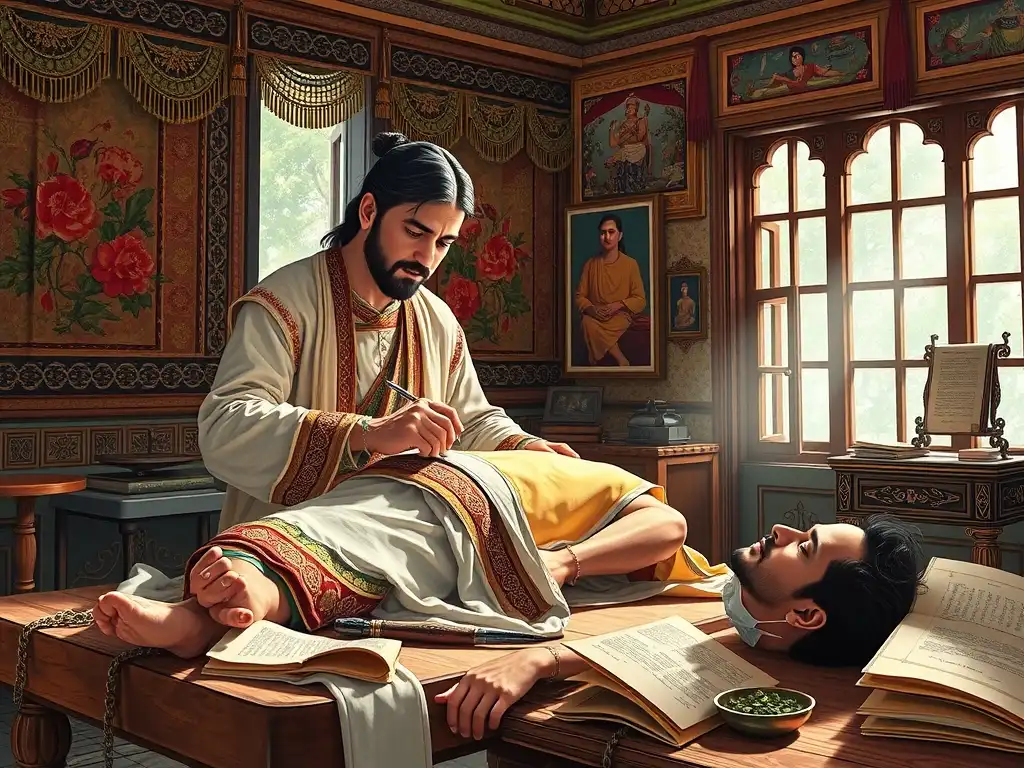
Evolution of Surgical Practices in Ancient Indian Civilizations
Surgery in ancient India has a rich heritage that dates back to the Indus Valley Civilization (circa 3300–1300 BCE). Archaeological findings, including surgical instruments made of bronze and iron, indicate that surgical practices were not only known but also practiced with a degree of sophistication. The evolution of surgical techniques can be traced through various historical periods, reflecting advancements in knowledge and practice.
- Indus Valley Civilization: The earliest evidence of surgical instruments suggests that practitioners performed procedures like trepanation, which involved drilling holes into the skull to treat ailments. This reflects a rudimentary understanding of anatomy and surgical interventions.
- Vedic Period: The transition to more advanced surgical techniques is noted in the Vedic texts, which included references to surgery and medical procedures. This period emphasized holistic approaches, intertwining surgery with herbs and spiritual practices.
- Maurya and Gupta Empires: The most significant advancements occurred during these periods. The establishment of universities in places like Nalanda facilitated the study of medicine and surgery. Surgeons began to specialize, with texts detailing various surgical techniques, including suturing and cauterization.
- Influence of Ayurveda: The ancient Indian system of medicine, Ayurveda, significantly impacted surgical practices. It offered comprehensive knowledge about the human body, disease, and treatments, integrating surgical techniques within its framework.
- Techniques and Instruments: Ancient Indian surgeons utilized a variety of instruments, such as scalpels, forceps, and probes, crafted from materials like steel and bronze. They employed techniques such as ligation and drainage, demonstrating an impressive understanding of surgical principles.
Key Texts and Manuscripts Documenting Surgical Techniques
Several ancient texts and manuscripts serve as primary sources for understanding ancient Indian surgical techniques. These documents not only provide insights into the methodologies employed by surgeons but also reflect the philosophical and medical frameworks of the time.
- Sushruta Samhita: Authored by the renowned surgeon Sushruta around the 6th century BCE, this text is often considered the foundational work on surgery in ancient India. It details over 300 surgical procedures and more than 120 surgical instruments. The Sushruta Samhita emphasizes the importance of anatomy and surgical precision, laying the groundwork for future surgical practices.
- Charaka Samhita: Although primarily focused on medicine, this text complements the Sushruta Samhita by providing insights into pre-operative and post-operative care. It highlights the importance of balancing bodily humors and nutrition in recovery.
- Ashtanga Hridayam: This medical treatise combines the teachings of both Sushruta and Charaka, offering a comprehensive overview of medical practices, including surgery. It discusses the principles of surgical procedures, anesthesia, and patient care.
- Nagarjuna's Works: Nagarjuna, a prominent figure in ancient Indian medicine, contributed to the understanding of medicinal plants and their application in surgery. His texts highlight the integration of pharmacology with surgical techniques.
Ancient Indian surgical techniques were deeply rooted in a rich historical context, supported by significant texts that documented the evolution of these practices. The legacy of these ancient practices continues to influence modern surgical methodologies, showcasing the ingenuity and expertise of ancient Indian surgeons.
Prominent Ancient Indian Surgeons and Their Contributions
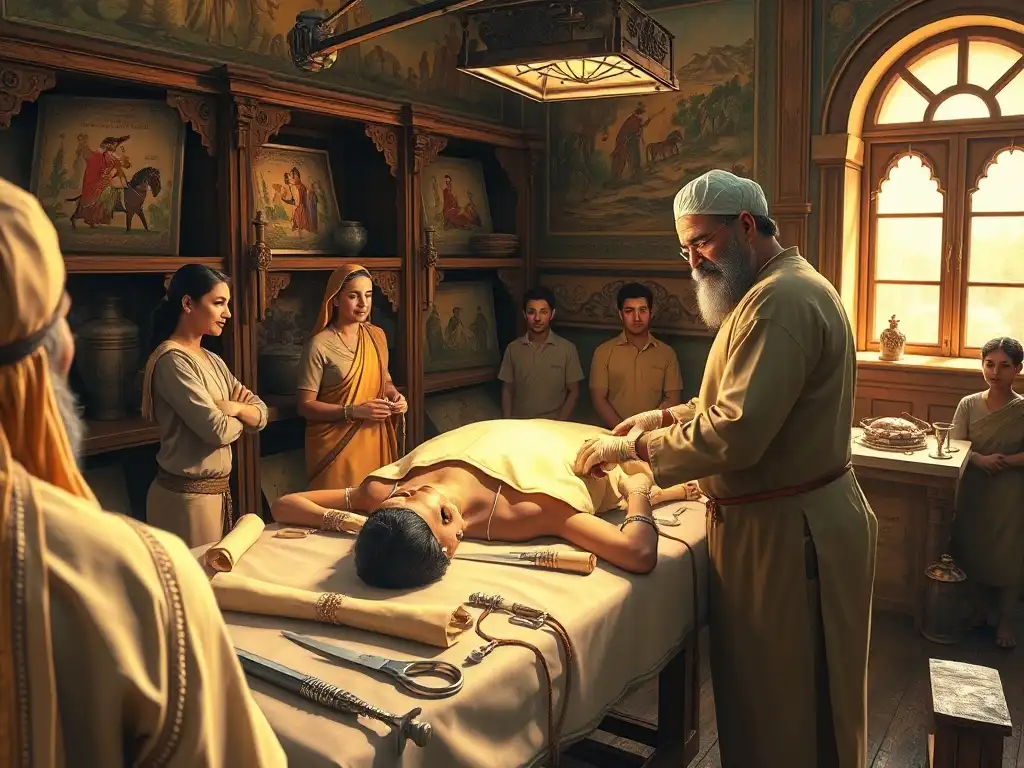
Sushruta: The Father of Surgery
Sushruta, often referred to as the "Father of Surgery," is one of the most significant figures in ancient Indian surgical techniques. His work, encapsulated in the Sushruta Samhita, is a foundational text in both surgery and medicine. Written around the 6th century BCE, this treatise meticulously details surgical procedures, anatomy, and patient care.
Key Contributions:
- Surgical Techniques: Sushruta described over 300 surgical procedures, including various types of incisions and methods for suturing wounds. His techniques for operations like cataract surgeries and rhinoplasty are particularly noteworthy.
- Instruments: He is credited with the invention and description of instruments that are precursors to modern surgical tools, including scalpels, forceps, and probes. The text includes detailed illustrations and descriptions of their use.
- Anesthesia and Pain Management: Sushruta advocated the use of herbal remedies and certain techniques to manage pain during surgeries. This concept of anesthesia, although rudimentary, shows a sophisticated understanding of patient care.
- Hygiene Practices: Sushruta emphasized the importance of sterilization and cleanliness, laying the groundwork for antiseptic practices in surgery.
His legacy is not only pivotal for Indian surgery but has influenced surgical practices worldwide, marking him as a key figure in the history of medicine.
Charaka and His Influence on Surgical Practices
Charaka, a contemporary of Sushruta, made significant contributions to the field of medicine, particularly in the domain of Ayurveda. While primarily known for his work in internal medicine, the Charaka Samhita also addresses surgical techniques, showcasing the interconnectedness of various medical practices in ancient India.
Key Contributions:
- Holistic Approach: Charaka's emphasis on a holistic approach to health laid the foundation for understanding the interplay between surgical interventions and overall wellness. His teachings encouraged surgeons to consider the patient's lifestyle and constitution before surgery.
- Pharmacology: He extensively wrote about the medicinal properties of herbs, which complemented surgical practices by enhancing recovery and addressing post-operative care.
- Diagnostic Techniques: Charaka introduced various diagnostic methods, including pulse diagnosis, which aided surgeons in better understanding the health status of their patients before undertaking complex operations.
- Integration of Surgery and Medicine: His works illustrate how surgical techniques were integrated into the broader framework of Ayurvedic medicine, emphasizing the importance of treating both the body and mind.
The influence of Charaka’s principles continues to resonate in contemporary practices, highlighting the sophisticated understanding of health in ancient Indian civilization.
Other Notable Surgeons in Ancient India
In addition to Sushruta and Charaka, ancient India was home to various other notable surgeons who contributed to the field of surgery and medicine. Their collective works enriched the medical landscape of the time and laid the groundwork for future advancements.
Noteworthy Figures:
- Jivaka: A celebrated physician and surgeon during the time of Buddha, Jivaka was known for his innovative surgical techniques and his role as a royal physician. He is often credited with performing advanced surgeries, including trepanation.
- Vagbhatta: An influential figure in Ayurvedic medicine, Vagbhatta’s texts, such as the Ashtanga Hridaya, include surgical procedures and emphasize the importance of diagnostic methods in surgical practices.
- Bhanusena: A notable surgeon from the Gupta period, Bhanusena contributed to the field with his innovative surgical techniques and texts that outlined various operations, particularly in the treatment of fractures and wounds.
These surgeons, along with their contributions, demonstrate the rich tapestry of ancient Indian surgical techniques, showcasing a tradition of medical innovation and excellence that has influenced practices even today.
Techniques and Tools Used in Ancient Indian Surgery
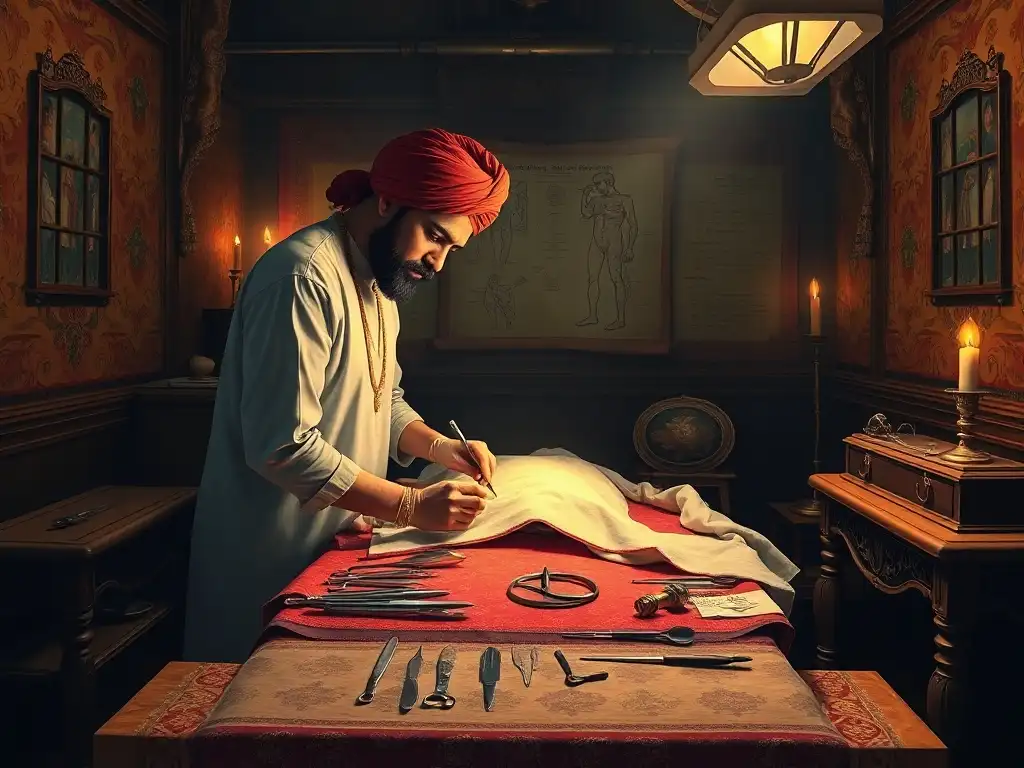
Surgical Instruments: Materials and Construction
Ancient Indian surgeons demonstrated remarkable ingenuity in the design and construction of surgical instruments. Many of these tools were crafted from materials readily available at the time, including metals like iron, bronze, and steel, as well as organic materials such as wood and bone.
- Types of Instruments:
- Scalpels and Knives: Used for incisions, these were often finely honed and shaped for precision.
- Forceps: Essential for grasping and holding tissues, ancient Indian forceps were typically made of metals, designed to be lightweight yet durable.
- Needles: Surgical needles, often made from metals or animal bones, were utilized for suturing wounds.
- Specula: Employed for examining body cavities, these instruments helped in diagnosing and treating internal ailments.
- Construction Techniques:
- The forging process involved heating and hammering metals, allowing for the creation of sharp edges and pointed tips.
- Skilled artisans would often engrave or etch designs on the instruments, indicating their function and enhancing their aesthetic appeal.
The meticulous craftsmanship of these instruments reflects the advanced understanding of metallurgy and the importance placed on surgical precision in ancient Indian medicine.
Methods of Anaesthesia and Pain Management
Pain management in ancient Indian surgery was both an art and a science. Texts such as the Sushruta Samhita, a foundational text on surgery, detail various methods employed to minimize pain during surgical procedures.
- Herbal Anesthetics:
- Cannabis: Known for its anesthetic properties, cannabis was sometimes administered in various forms to alleviate pain.
- Opium and Poppy Extracts: These were utilized for their sedative effects, helping to dull sensations during surgery.
- Other Herbs: Plants like Mandukaparni and Draksha were also mentioned for their soothing properties.
- Physical Techniques:
- Meditation and Hypnosis: Patients were often taught to enter a meditative state to help manage pain. This psychological approach complemented the physical methods of anesthesia.
- Cold Water Application: In some cases, ice or cold water was applied to the site of surgery to numb the area temporarily.
The combination of herbal remedies and mental conditioning reflects an advanced understanding of both the physiological and psychological aspects of pain management in ancient Indian surgical practices.
Types of Surgical Procedures Performed
Ancient Indian surgeons were proficient in a variety of surgical procedures, showcasing their extensive knowledge of human anatomy and surgical techniques. The Sushruta Samhita categorizes surgeries into several essential types:
- Suturing and Wound Management:
- Techniques for treating wounds involved meticulous suturing and the application of herbal pastes for faster healing and infection prevention.
- Amputations:
- Surgeons performed amputations with skill, often employing techniques to minimize blood loss and promote healing.
- Plastic Surgery:
- Rhinoplasty (reconstruction of the nose) is one of the most famous procedures documented. The technique involved using skin grafts to reshape the nose, demonstrating advanced understanding of tissue manipulation.
- Surgical Treatment of Ailments:
- Conditions such as hernia, abscesses, and tumors were treated surgically, with procedures described in detail in ancient texts.
- Urological Procedures:
- Surgical interventions for kidney stones and urinary tract issues were also documented, showcasing the breadth of surgical expertise.
Ancient Indian surgical techniques not only reveal the sophistication of medical knowledge in that era but also illustrate the cultural context in which these practices were developed, emphasizing the importance of health and wellness in ancient Indian society.
Complex Operations Performed by Ancient Indian Surgeons
Detailed Overview of Complex Surgical Procedures
Ancient Indian surgeons, known as "Sushruta," significantly advanced the field of medicine and surgery, demonstrating a remarkable understanding of human anatomy and surgical techniques. The most notable text attributed to Sushruta is the Sushruta Samhita, a foundational work in ancient Indian medicine that outlines various surgical procedures, instruments, and theories.
The complexity of ancient Indian surgical techniques was impressive, as they encompassed a variety of operations, including plastic surgeries, ophthalmic procedures, and obstetric interventions. These surgeries were not only technical feats but also reflected a profound understanding of the human body and the necessity for patient care, hygiene, and post-operative management.
Key features of these complex surgical procedures included:
- Precision in Techniques: Surgeons utilized specialized instruments crafted from metal and other materials, demonstrating skillful craftsmanship.
- Anesthetic Practices: Ancient texts suggest the use of herbal anesthetics, allowing for pain management during surgeries.
- Post-operative Care: Emphasis on recovery and rehabilitation was evident, as texts outlined dietary recommendations and rest protocols to ensure healing.
The successful execution of such operations laid the groundwork for future medical practices and underscored the significance of ancient Indian surgical techniques in the broader context of global medical history.
Rhinoplasty: Techniques and Significance
Rhinoplasty, or nasal reconstruction, is one of the most remarkable surgical achievements of ancient Indian surgeons. The procedures for rhinoplasty were elaborately described in the Sushruta Samhita, where Sushruta details techniques for reconstructing the nose, often after traumatic injuries or disfigurements.
The techniques involved included:
- Flap Method: Surgeons utilized a method known as the "forehead flap," where skin was taken from the forehead and shaped to reconstruct the nasal structure. This method showcased an understanding of skin grafting long before it became common practice in modern medicine.
- Material Utilization: The ancient texts elaborate on the use of various materials to support the reconstruction, including threads made of plant fibers, which were used for suturing.
- Cultural Significance: Rhinoplasty was not only a physical restoration but also held great importance in terms of social status and personal identity in ancient Indian society. A disfigured nose could lead to social stigma, making these surgical interventions crucial for reintegration into society.
Through these techniques, ancient Indian surgeons demonstrated both surgical skill and a deep understanding of the cultural implications of their work, reflecting the holistic approach to medicine prevalent in ancient India.
Cataract Surgery: Methods and Outcomes
Cataract surgery in ancient India is another testament to the ingenuity of medical practitioners during this period. The Sushruta Samhita provides insights into methods used to treat cataracts, a condition that leads to clouding of the lens and impaired vision.
Key aspects of cataract surgery included:
- Suction Technique: Ancient surgeons employed a procedure known as "couching," where a sharp instrument was used to dislodge the cloudy lens, allowing it to fall into the vitreous cavity. This technique required significant precision and skill.
- Post-operative Care: Following the procedure, patients were advised on specific care practices to promote healing. This included the application of medicinal herbs and maintaining cleanliness to prevent infections.
- Outcomes: Historical accounts suggest that many patients experienced successful restoration of vision, indicating a high level of expertise among ancient Indian surgeons.
The methods employed in cataract surgery demonstrate the advanced understanding of ocular anatomy and surgical techniques possessed by these early medical practitioners, significantly contributing to the field of ophthalmology.
Cesarean Section in Ancient India: Practices and Techniques
The practice of performing cesarean sections (C-sections) in ancient India highlights the advanced obstetric knowledge of ancient Indian surgeons. Evidence from texts suggests that these procedures were conducted in certain cases where complications arose during labor.
Important aspects of cesarean section practices included:
- Indications for Surgery: C-sections were primarily performed when there was a risk to the mother or child, such as in cases of obstructed labor or fetal distress. This understanding of medical indications reflects a sophisticated approach to maternal and fetal health.
- Surgical Techniques: The methods described in the Sushruta Samhita indicate that surgeons were skilled in making incisions and managing the surgical process, emphasizing the need for precision and care during the operation.
- Cultural Perspectives: Cesarean sections also carried cultural implications, as they were often seen as a last resort. The decision to perform such a surgery required not only medical judgment but also sensitivity to the societal beliefs surrounding childbirth.
The ancient Indian approach to cesarean sections illustrates a combination of surgical skill and ethical considerations, marking a significant contribution to obstetrics that resonates in modern medical practices today.
The complex operations performed by ancient Indian surgeons exemplify a rich tradition of medical knowledge and surgical expertise that has influenced contemporary practices. The advancements in rhinoplasty, cataract surgery, and cesarean sections highlight the sophistication of ancient Indian surgical techniques and their enduring legacy in the field of medicine.
The Role of Ayurveda in Surgical Techniques
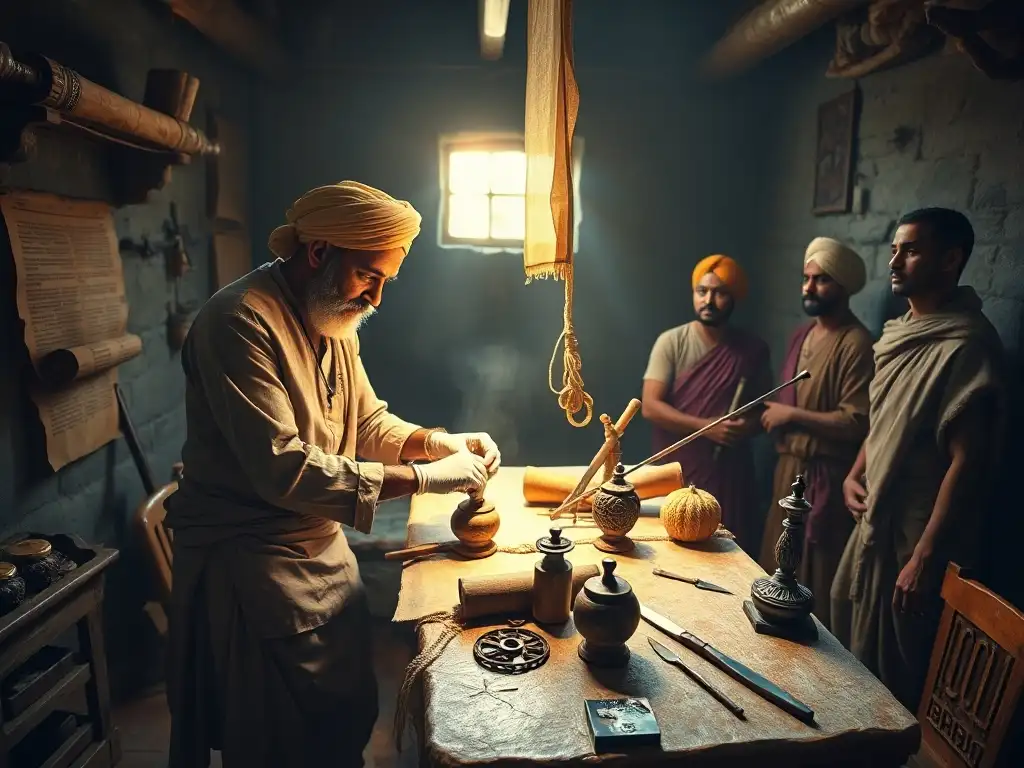
Ayurveda, the ancient system of medicine that originated in India, plays a crucial role in understanding the surgical techniques practiced in ancient Indian civilizations. This holistic approach to health and healing not only encompassed medicinal treatments but also laid the groundwork for various surgical methodologies. The integration of Ayurveda with surgical practices reveals a sophisticated understanding of the human body, disease pathology, and the importance of balance in health.
Integration of Ayurveda and Surgery in Ancient India
Ancient Indian surgeons, often referred to as "Shalya Chikitsa," operated within the framework of Ayurvedic principles. The surgical procedures were guided by the foundational concepts of Ayurveda, which emphasized the balance of the three doshas: Vata, Pitta, and Kapha. These doshas represent the fundamental elements that govern physical and mental health.
- Comprehensive Training: Ayurvedic practitioners received extensive training not only in herbal medicine but also in surgical techniques. They were adept in performing operations such as cesarean sections, trepanations, and removal of foreign objects from the body. This training was often imparted through oral traditions and texts, such as the Sushruta Samhita.
- Preoperative Assessment: The Ayurvedic approach to surgery involved thorough preoperative assessments to determine the patient’s constitution (Prakriti) and the nature of the ailment. This assessment helped surgeons tailor their techniques and postoperative care to the individual’s needs.
- Surgical Instruments: Ancient Indian surgeons used a variety of specialized instruments, many of which were detailed in the Sushruta Samhita. These tools included scalpels, forceps, and needles made from materials like iron and bronze. The designs of these instruments reflected an understanding of both functionality and the body's anatomy.
- Postoperative Care: Post-surgical care was equally important and included the use of herbal remedies, dietary regulations, and specific lifestyle modifications to promote healing. This holistic approach ensured that patients not only recovered physically but also maintained their overall well-being.
The Influence of Ayurvedic Principles on Surgical Methods
Ayurvedic principles significantly influenced the surgical methods employed by ancient Indian physicians. The following aspects highlight this profound connection:
- Holistic Healing: The Ayurvedic philosophy advocated for treating the entire body rather than just the affected area. Surgeons were trained to consider the emotional, physical, and spiritual aspects of healing, leading to more comprehensive surgical care.
- Balance and Harmony: The concept of achieving balance within the body guided surgical interventions. For instance, understanding the doshas allowed surgeons to anticipate complications and manage them effectively during and after surgery.
- Anesthesia and Pain Management: Ancient texts describe the use of herbal concoctions to induce anesthesia and manage pain during surgical procedures. These herbal solutions were believed to align with Ayurvedic principles, ensuring that the patient remained in a state of balance even while undergoing surgery.
- Ethical Considerations: Ayurvedic teachings emphasized ethical practices in medicine, which extended to surgery. Surgeons were expected to uphold the highest standards of care, prioritizing the patient's well-being and informed consent.
The role of Ayurveda in ancient Indian surgical techniques is a testament to the sophisticated medical knowledge and practices of the time. The integration of holistic principles with surgical methods not only advanced healthcare in ancient India but also laid a foundation for future medical practices worldwide. Understanding these connections enriches our appreciation of ancient Indian contributions to the field of medicine and surgery.
Comparison of Ancient Indian Surgical Techniques with Other Civilizations
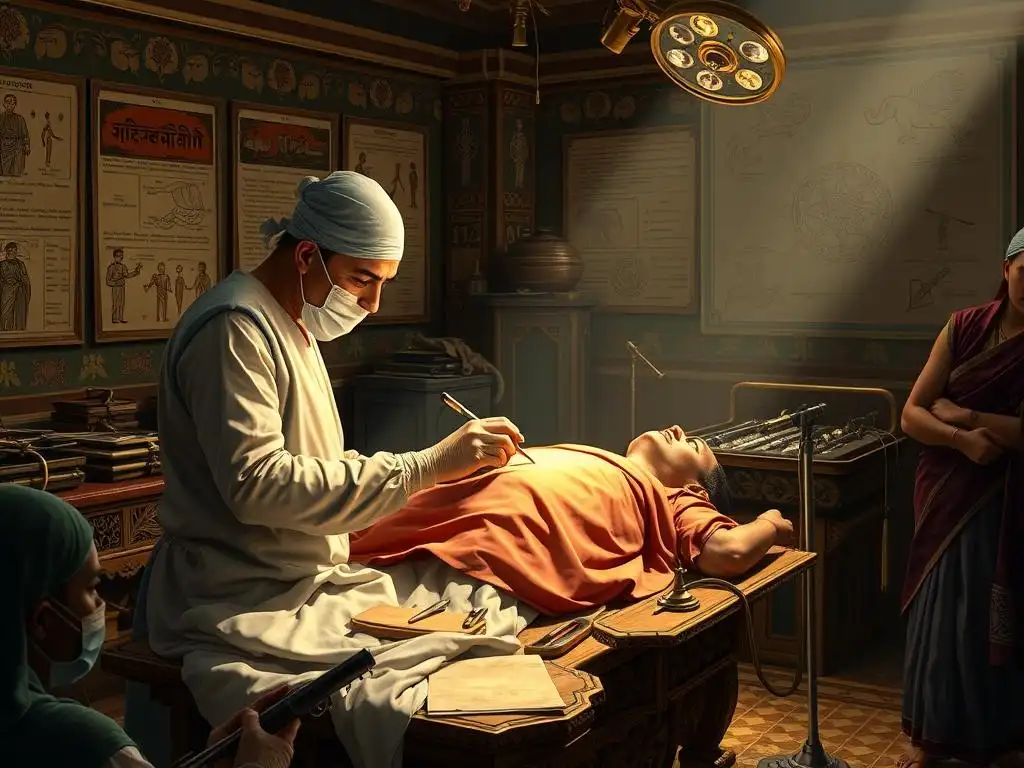
Similarities and Differences with Greek and Roman Surgical Practices
Ancient Indian surgical techniques, particularly those documented in texts such as the Sushruta Samhita, exhibit both similarities and differences when compared to Greek and Roman surgical practices.
Similarities
- Emphasis on Observation and Experience: Both ancient Indian and Greco-Roman surgeons prioritized empirical observation in their practices. They carefully documented their procedures, outcomes, and patient responses, which laid the groundwork for future surgical advancements.
- Focus on Trauma and Wound Management: Similar to their counterparts, Indian surgeons performed complex operations, including suturing wounds and managing fractures. Techniques such as trepanation (drilling holes into the skull) were common in both cultures, aimed at relieving pressure or treating conditions like head injuries.
- Use of Herbal Anesthetics and Antiseptics: Both traditions utilized natural substances to mitigate pain and prevent infections. While Indian texts often reference specific herbal concoctions for anesthesia, Greek and Roman practices included the use of wine and opiates.
Differences
- Surgical Instruments: Ancient Indian surgeons developed a unique array of surgical instruments, many of which were specifically designed for intricate procedures such as plastic surgery and cataract removal. In contrast, Greek and Roman instruments were often more rudimentary and less specialized.
- Philosophical Approach: The Indian approach to surgery was heavily influenced by Ayurvedic principles, emphasizing a holistic view of health and the interconnectedness of body and mind. Greek and Roman medicine, however, was more aligned with anatomical understanding and a systematic approach to pathology.
- Cultural Context: The societal role of surgeons also differed. In ancient India, surgeons often had a revered status, sometimes equated with that of priests or scholars. In contrast, Greek and Roman surgeons might have been viewed as lower in social hierarchy, often being slaves or freedmen.
Influence of Ancient Indian Surgery on Later Medical Practices
The contributions of ancient Indian surgical techniques have had a lasting impact on medical practices throughout history, influencing both regional and global medical traditions.
- Introduction to Surgical Techniques: The surgical knowledge documented in texts like the Sushruta Samhita spread beyond India, influencing medical practices in neighboring regions such as Persia and the Arab world. The translation of these texts into Arabic during the Islamic Golden Age helped preserve and disseminate this knowledge.
- Plastic Surgery and Reconstructive Techniques: Ancient Indian techniques, particularly those related to rhinoplasty (reconstruction of the nose), were advanced for their time and are considered the foundation of modern reconstructive surgery. The famed Indian surgeon Sushruta’s methods were later adapted and studied by Islamic surgeons, who further refined these techniques.
- Integration into Modern Medicine: Many principles of ancient Indian surgery are reflected in contemporary surgical practices. The understanding of aseptic techniques, careful patient assessment, and the importance of skilled craftsmanship in surgery can be traced back to these ancient practices.
- Global Recognition: The global exchange of medical knowledge, especially during the medieval period, led to the acknowledgment of ancient Indian contributions to surgery. This cross-cultural interaction not only preserved these techniques but also integrated them into the broader medical narrative.
The legacy of ancient Indian surgical techniques is evident in both historical and modern medical practices, showcasing a remarkable blend of innovation, empirical knowledge, and cultural philosophy that continues to resonate today.
Legacy and Impact of Ancient Indian Surgical Techniques
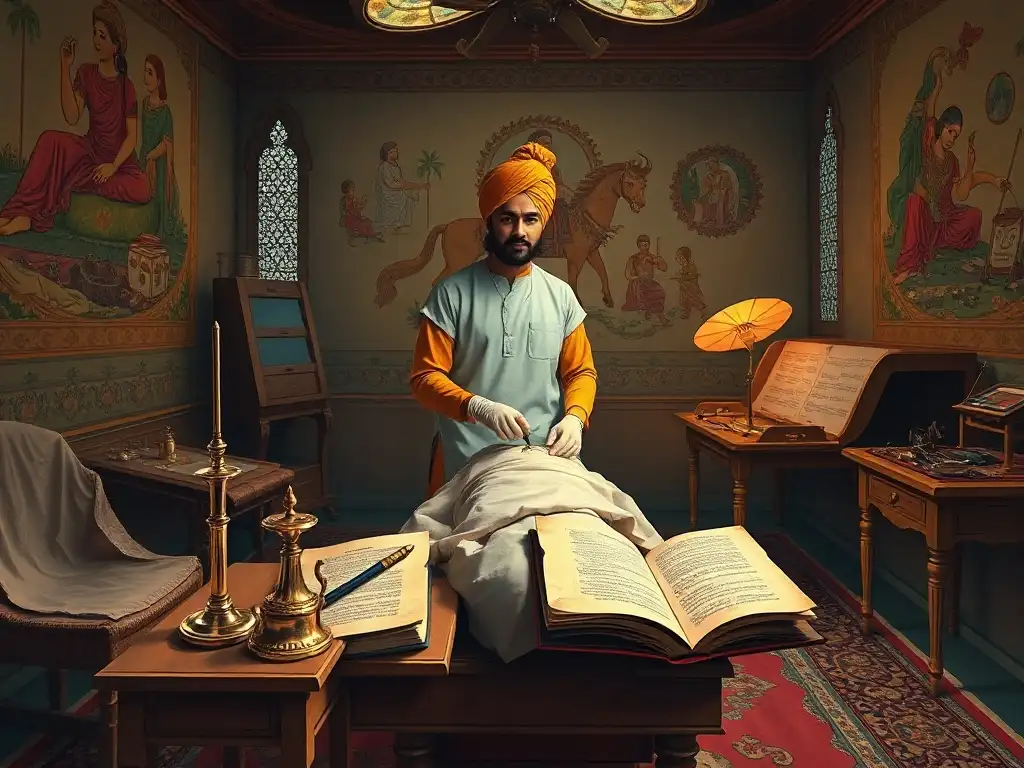
Contributions to Modern Surgery and Medical Practices
Ancient Indian surgical techniques, particularly those documented in texts like the Sushruta Samhita, have had a profound influence on modern surgical practices. The meticulous methods developed by ancient Indian surgeons, especially Sushruta, laid the groundwork for various surgical procedures still in use today.
- Surgical Instruments: Ancient Indian texts describe over 120 surgical instruments, many of which parallel modern surgical tools. Instruments such as scalpels, forceps, and dilators were crafted with precision, showcasing a sophisticated understanding of anatomy and surgical needs.
- Techniques and Procedures:
- Rhinoplasty: Sushruta's pioneering work in rhinoplasty is particularly noteworthy. His techniques for reconstructing the nose using skin grafting are remarkably similar to contemporary practices.
- Cataract Surgery: The method for cataract removal described in the Sushruta Samhita involved a technique known as "couching," which aimed to dislocate the cloudy lens of the eye. This early form of cataract surgery is a precursor to modern techniques.
- Understanding of Anesthesia: Ancient Indian surgeons utilized various herbal concoctions as anesthetics, demonstrating an early understanding of pain management. This knowledge has informed the development of anesthetic practices in modern surgery.
- Holistic Approach: The integration of surgery with Ayurvedic principles emphasizes a holistic approach to health, focusing on the balance of body, mind, and spirit. This perspective is increasingly recognized in contemporary medicine as vital for patient care.
Recognition of Ancient Indian Surgery in Contemporary Medicine
The recognition of ancient Indian surgical techniques has grown in recent years, highlighting their significance in the evolution of medical practices. Notable aspects include:
- Global Acknowledgment: Scholars and medical historians have increasingly acknowledged the contributions of ancient Indian surgery to global medicine. Conferences and publications focusing on ancient medical practices have placed Sushruta and his contemporaries in the spotlight.
- Educational Reforms: Institutions worldwide are beginning to incorporate ancient Indian texts into medical curricula, recognizing the value of diverse medical traditions. This integration not only honors ancient practices but also enriches the understanding of medical evolution.
- Research and Publications: Numerous studies have been conducted to analyze and validate ancient surgical techniques. Researchers are exploring the practicality of these techniques in modern settings, leading to a resurgence of interest in their application.
- Cultural Heritage: The preservation and study of ancient Indian surgical practices are increasingly seen as essential to understanding the rich tapestry of human medical history. Initiatives to document and revive these techniques contribute to a broader appreciation of India's contributions to science and medicine.
The legacy of ancient Indian surgical techniques is not only a testament to the ingenuity of early practitioners but also a foundation upon which contemporary surgical practices continue to build. The recognition and integration of these techniques into modern medicine highlight their enduring relevance and potential for future advancements.
Conclusion: The Significance of Ancient Indian Surgical Techniques
Reflection on the Advancements in Surgical Practices
Ancient Indian surgical techniques represent a remarkable confluence of knowledge, skill, and innovation that laid the groundwork for modern surgical practices. Notably, the Sushruta Samhita, attributed to the ancient surgeon Sushruta, remains a cornerstone text, detailing various surgical procedures, instruments, and medical theories. This text not only encapsulated the surgical knowledge of its time but also emphasized the importance of anatomical knowledge, patient care, and ethical practices.
Sushruta's methods in performing complex surgeries, such as cataract removal and rhinoplasty, showcased an advanced understanding of human anatomy and physiology. For instance, the use of herbal anesthetics, like the juice of the cannabis plant, illustrates the innovative approaches to pain management that were ahead of their time. The meticulous techniques described for suturing and wound care reflect a sophisticated grasp of infection control and healing processes.
Furthermore, the surgical instruments detailed in the Sushruta Samhita, such as scalpels, forceps, and catheters, were crafted with precision and served multiple purposes. This ingenuity not only facilitated complex operations but also minimized patient trauma, marking a significant evolution in the practice of surgery.
The impact of these ancient practices is profound, influencing the trajectory of surgical techniques across cultures and eras. Through extensive documentation, ancient Indian surgeons contributed to a body of knowledge that would later inform practices in other civilizations, thereby highlighting the global significance of their advancements.
The Importance of Preserving Ancient Medical Knowledge
Preserving ancient medical knowledge, particularly regarding ancient Indian surgical techniques, serves multiple purposes in contemporary society. First and foremost, it allows modern practitioners to appreciate the historical context of surgical practices and the evolution of medical science. Understanding these ancient techniques enriches the study of medicine by providing insights into early surgical methods and their effectiveness.
Moreover, ancient texts can inspire current medical research and innovation. By examining the principles and practices laid out in texts like the Sushruta Samhita, modern researchers can explore traditional methods that may still hold relevance today. For example, the use of natural remedies and holistic approaches to healing can complement contemporary medical practices, fostering a more integrative approach to patient care.
Additionally, preserving this knowledge is crucial for cultural heritage. The surgical techniques developed in ancient India are a testament to the ingenuity of early practitioners and their contributions to global medicine. By maintaining this knowledge, we honor the rich legacy of ancient Indian civilizations and ensure that their contributions are recognized and appreciated.
The exploration and preservation of ancient Indian surgical techniques not only celebrate the advancements made by early surgeons but also inform and inspire modern practices. Their significance transcends time, underscoring the need for continuous study and respect for the wisdom of the past.
Frequently Asked Questions
What are ancient Indian surgical techniques?
Ancient Indian surgical techniques refer to the advanced methods used by surgeons in ancient India, particularly during the Indus Valley Civilization and later periods like the Gupta Empire.
Who were the prominent figures in ancient Indian surgery?
Sushruta, often called the "Father of Surgery," is a key figure known for his text, Sushruta Samhita, which outlines various surgical techniques and instruments.
What types of surgeries were performed in ancient India?
Surgeons in ancient India performed a variety of operations, including plastic surgery, cataract surgery, and procedures for treating wounds and fractures.
How did ancient Indian surgical techniques influence modern medicine?
Ancient Indian surgical techniques laid the groundwork for surgical practices today, especially in fields like plastic surgery and ophthalmology, showcasing their innovative approaches.
What materials and instruments were used by ancient Indian surgeons?
Ancient Indian surgeons utilized sharp instruments made from metals, along with herbal treatments and anesthetics derived from plants to perform complex operations safely.
Final Reflection: The Enduring Legacy of Ancient Indian Surgical Techniques
The remarkable ingenuity of ancient Indian surgeons in performing complex operations remains profoundly relevant today, as we continue to seek inspiration from their pioneering methods. The sophistication of their surgical techniques not only showcases the advanced understanding of human anatomy but also highlights a rich tradition of medical knowledge that has shaped modern practices. As we navigate the complexities of contemporary medicine, it is essential to recognize and honor the contributions of these early practitioners who laid the groundwork for surgical innovation.
The influence of ancient Indian surgical techniques extends far beyond historical curiosity; it resonates deeply within our cultural and social landscapes. These techniques remind us of the interconnectedness of knowledge across civilizations and the importance of preserving and learning from our past. The words of the great surgeon Sushruta, often regarded as the father of surgery, echo through time: Wherever there is a surgeon, there is a way to heal.
This sentiment underscores the timeless nature of healing practices and the responsibility we carry to honor and advance this legacy.
As we reflect on the lessons imparted by ancient Indian surgeons, let us commit to integrating their wisdom into our modern lives. Consider how you can embrace the spirit of innovation and compassion in your own endeavors, whether in healthcare or any other field. By acknowledging the brilliance of those who came before us, we can inspire a future where knowledge, skill, and empathy converge to create a better world. Take a moment to reflect on how you can contribute to this ongoing journey of healing and discovery.
Unveil the Wisdom of Ancient Surgery!
Thank you for spending your time exploring the impressive skills of ancient Indian surgeons! You've gained valuable insights into their remarkable techniques and innovations that shaped modern medicine. Now, it's your turn to keep this knowledge alive and take action!
Here’s how you can dive deeper and spread the wisdom of ancient surgical practices:
- Explore more: Conduct further research on historical medical practices. Consider visiting a local museum or library to discover rare manuscripts or artifacts.
- Share what you learned: Discuss this article with friends or on social media. Start a conversation about how ancient techniques continue to influence contemporary practices.
- Engage with the community: Join forums or groups focused on medical history. Connect with enthusiasts who share your passion for ancient practices and innovations.
What aspect of ancient surgical techniques surprised you the most, and how do you think it could impact modern approaches to medicine?