
Baisakhi: The Historical Significance of Punjab’s Harvest Festival

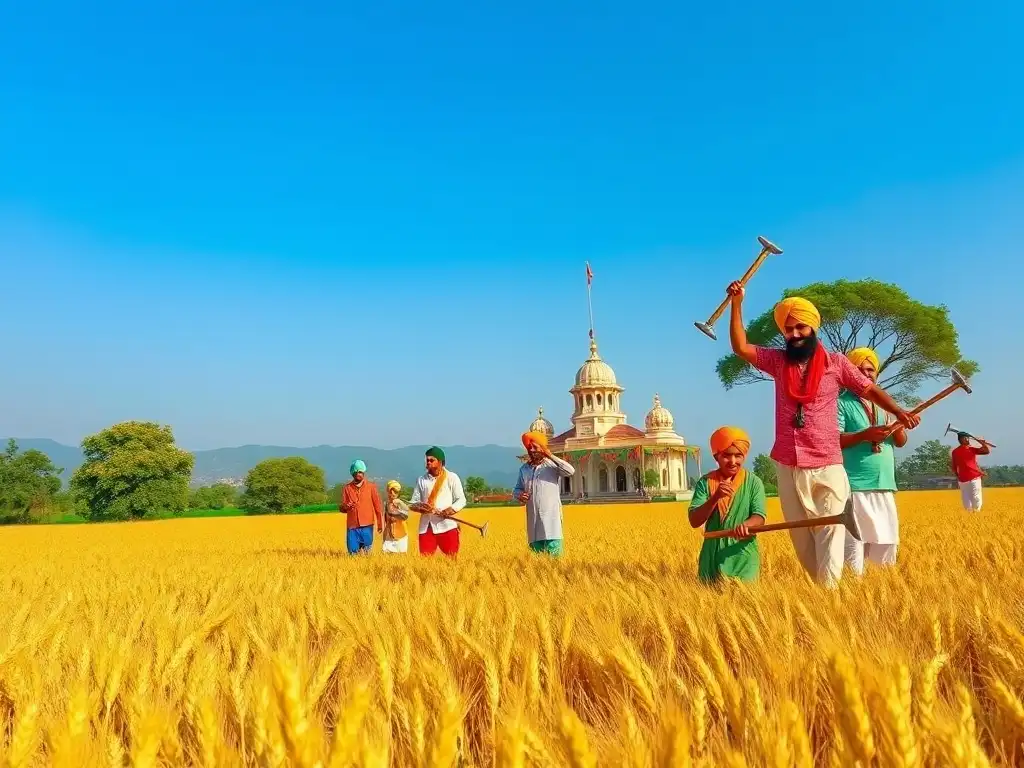
Welcome to Ancient India History, where we invite you to embark on a journey through the vibrant tapestry of India's past. Here, you will uncover the rich and diverse heritage of ancient Indian civilizations, from the enigmatic Indus Valley to the illustrious Gupta Empire. In our featured article, “ Baisakhi: The Historical Significance of Punjab’s Harvest Festival,” we delve into the fascinating traditions and cultural importance of Baisakhi, a festival that not only marks the harvest season but also resonates with deep historical roots in Punjab.
Curious about how this celebration intertwines with the region's identity and legacy? Dive deeper with us and discover the profound stories that shape our understanding of this vibrant festival and its enduring significance.
Introduction to Baisakhi
Baisakhi is not just a festival; it is a vibrant celebration that marks the onset of the harvest season in Punjab, India. This festival, which usually falls on April 13 or 14, holds profound significance in the lives of the people of Punjab. It symbolizes the hard work of farmers as they reap the fruits of their labor and is steeped in rich traditions, cultural values, and historical events that reflect the unique identity of the region.
As one of the most important festivals in Punjab, Baisakhi serves as a reminder of the agricultural heritage, community spirit, and religious fervor that have shaped the lives of its people for centuries. This article delves into the historical significance of Baisakhi, exploring its origins, cultural importance, and the various historical events associated with this celebrated occasion.
Overview of Baisakhi Festival
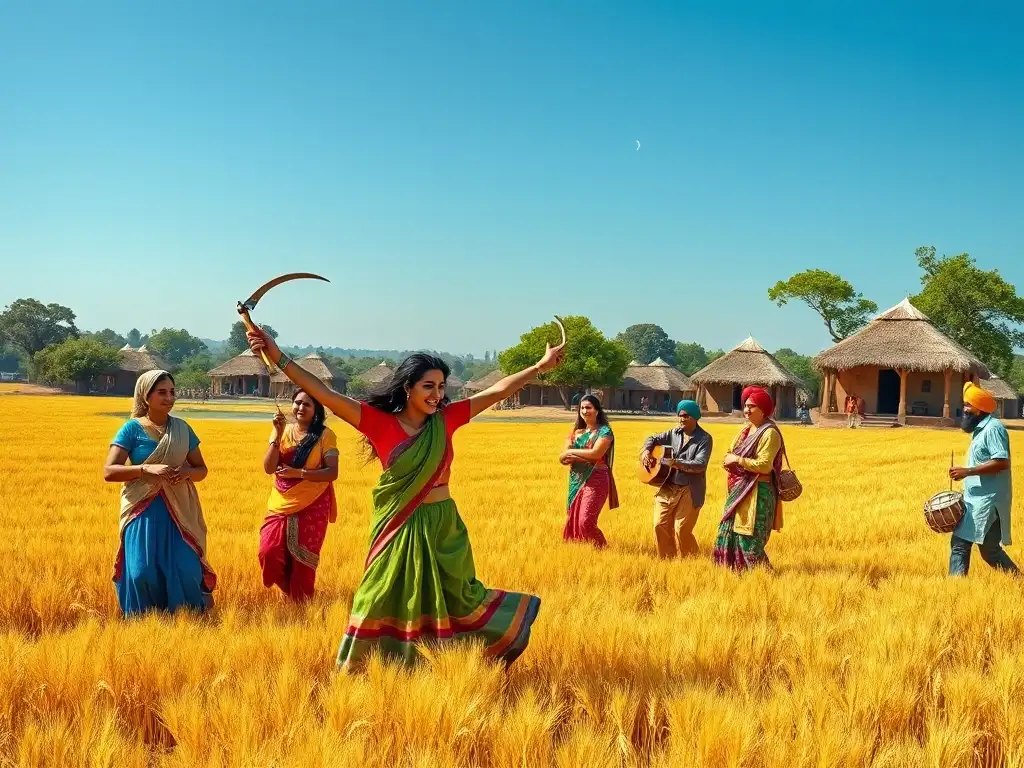
The Baisakhi festival is renowned for its lively celebrations, which typically include community feasts, traditional music, and dance performances, particularly the energetic Bhangra and Gidda. Streets and villages come alive with colorful processions, where the spirit of togetherness and joy permeates the air. It is a time when families gather to share meals, exchange greetings, and express gratitude for the bountiful harvest.
- Key Features of Baisakhi:
- Community gatherings and feasts 🍽️
- Traditional dance forms: Bhangra and Gidda 💃
- Processions featuring religious symbols and traditions 🎉
The festival also has significant religious connotations, particularly for Sikhs, as it commemorates the formation of the Khalsa in 1699 by Guru Gobind Singh Ji, marking a pivotal moment in Sikh history.
Importance of Baisakhi in Punjab
Baisakhi serves as a crucial marker in the agricultural calendar of Punjab, as it signifies the harvest of Rabi crops. The successful yield of crops such as wheat, barley, and mustard is celebrated with immense joy, as it ensures the sustenance of families and the local economy.
- Cultural Significance:
- A time for thanksgiving for the harvest 🌾
- Reinforcement of community bonds through shared celebrations 🤝
- Preservation of traditional practices and customs 📜
Moreover, Baisakhi reinforces the identity of Punjab, showcasing its rich cultural heritage and the resilience of its people. It plays a vital role in fostering a sense of unity and belonging among the residents of this vibrant region.
Historical Background of Baisakhi
Understanding the historical significance of Baisakhi requires a look back into its origins and the agricultural practices that have defined Punjab for centuries.
Origins of Baisakhi in Ancient Punjab
The origins of Baisakhi can be traced back to ancient agrarian societies in Punjab, where the festival was celebrated to mark the beginning of the harvest season. Historical texts suggest that this festival was observed even before the advent of Sikhism, indicating its deep-rooted connection with the agricultural lifestyle of the region. The ancient agrarian practices, rituals, and the reverence for nature played a pivotal role in shaping the customs associated with Baisakhi.
- Key Aspects of Origins:
- Celebration of the harvest cycle 🌱
- Rituals honoring deities related to agriculture 🙏
- Community participation in farming activities 🚜
Baisakhi in the Context of Agricultural Practices
Agriculture has been the backbone of Punjab's economy, and Baisakhi serves as a testament to this rich agricultural heritage. The festival marks the completion of the harvest cycle, providing an opportunity for farmers to reflect on their hard work and celebrate the rewards of their labor. In ancient times, various rituals were performed to ensure a good harvest, including offerings to local deities and community prayers.
- Agricultural Significance:
- Symbol of prosperity and abundance 🌾
- Encouragement of sustainable farming practices 🌍
- Reinforcement of community collaboration in farming 👫
Historical Events Associated with Baisakhi
In addition to its agricultural roots, Baisakhi is intertwined with significant historical events, most notably the foundation of the Khalsa. On April 13, 1699, Guru Gobind Singh Ji initiated the first five Sikhs, known as the Panj Pyare, and established the Khalsa, a collective of initiated Sikh warriors. This event marked a transformative period in Sikh history, promoting values of equality, justice, and community service.
- Significant Historical Events:
- Formation of the Khalsa in 1699 🗡️
- Commemoration of sacrifices made for freedom ⚔️
- Promotion of social justice and equality within the community 🤲
The intertwining of Baisakhi with such historical events underscores its profound significance, making it not only a celebration of harvest but also a reminder of the resilience and unity of the people of Punjab throughout history.
Cultural Significance of Baisakhi
Baisakhi, also known as Vaisakhi, is celebrated predominantly in Punjab and holds immense cultural significance for the people of the region. This festival marks the harvest season, symbolizing prosperity and abundance. It is not merely an agricultural festival; it represents the deep-rooted cultural heritage of Punjab, showcasing the vibrancy of its traditions. The celebration of Baisakhi is intertwined with the agricultural cycle, as it coincides with the harvest of rabi crops, particularly wheat, which is a staple in Punjabi cuisine.
The communal aspect of Baisakhi fosters a sense of unity among the people. Families gather to partake in festivities, share meals, and participate in traditional dances such as Bhangra and Gidda. These dances reflect the joy and exuberance associated with the harvest, reinforcing social bonds and community spirit. Moreover, Baisakhi serves as a reminder of the region's agricultural roots, reflecting the hard work and dedication of farmers who are the backbone of Punjabi society.
Baisakhi and Punjabi Traditions
Baisakhi is steeped in various Punjabi traditions that highlight the rich cultural tapestry of the region. The day typically begins with a ritualistic bath, followed by visits to local gurudwaras, where prayers are offered for a bountiful harvest. Traditional Punjabi attire is donned, with men wearing kurta-pajamas and women adorning themselves in vibrant salwar-kameez, often embellished with intricate embroidery.
Food plays a pivotal role in Baisakhi celebrations. Families prepare special dishes, with sarson da saag and makki di roti being popular choices. The sharing of these meals symbolizes communal harmony and the joy of togetherness. Additionally, the festival is marked by fairs and melas, where local artisans display their crafts, and traditional music fills the air, further enriching the cultural experience.
Rituals and Celebrations During Baisakhi
The rituals and celebrations associated with Baisakhi are diverse and reflect the agricultural roots of the festival. Early in the morning, people visit their fields to thank the earth for its bounty, often performing rituals that include tying a thread around the crops as a gesture of gratitude.
In the evening, the celebrations reach their peak with vibrant gatherings in villages and towns. Folk songs and dances are performed, with Bhangra and Gidda being the highlights of the festivities. These dances are not only a means of celebration but also act as a form of storytelling, passing down cultural narratives through generations. The atmosphere is filled with joyous laughter, music, and the aroma of traditional foods, creating an unforgettable experience for all participants.
Baisakhi and Sikh Heritage
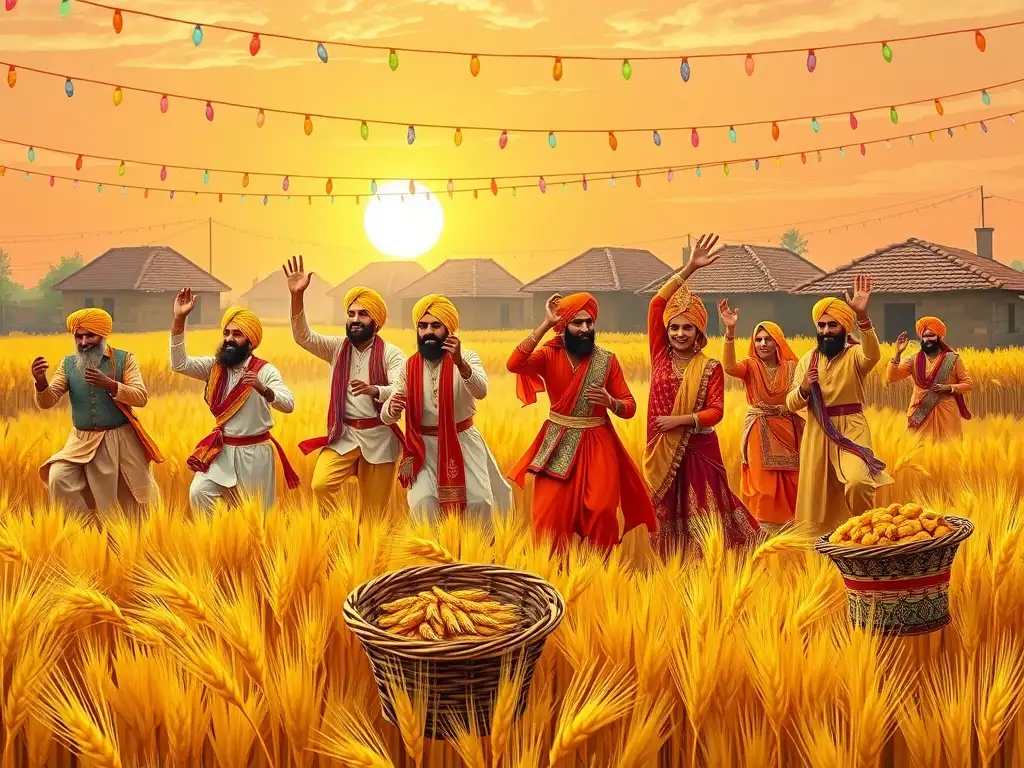
Baisakhi holds profound significance in Sikh heritage, marking not only the harvest festival but also pivotal historical events that shaped Sikh identity. For Sikhs, Baisakhi is a time for reflection on their faith and traditions, as well as a celebration of their cultural roots in Punjab.
Baisakhi's Role in Sikhism
In Sikhism, Baisakhi is celebrated with great fervor as it commemorates the establishment of the Khalsa in 1699 by Guru Gobind Singh Ji, the tenth Sikh Guru. The Khalsa represents a collective body of initiated Sikhs, embodying the principles of equality, justice, and community service. The festival serves as a reminder of the values upheld by the Khalsa and the importance of standing up against oppression and injustice.
The day is marked by prayers and kirtan (devotional singing) in gurudwaras, where Sikhs gather to reflect on their faith and the teachings of the Gurus. The collective celebration fosters a sense of community and reinforces Sikh identity, emphasizing unity and shared values among followers.
Historical Events: The Formation of Khalsa on Baisakhi
The formation of the Khalsa on Baisakhi in 1699 is a pivotal moment in Sikh history. Guru Gobind Singh Ji called upon the Sikhs to gather at Anandpur Sahib, where he initiated the first five Sikhs into the Khalsa, symbolizing a new era of spiritual and temporal leadership. This event marked the beginning of a collective identity for Sikhs, empowering them to defend their faith and stand against tyranny.
The initiation ceremony involved the use of amrit (holy water), and those who were initiated adopted the surname "Singh" for men and "Kaur" for women, reflecting the principles of equality and brotherhood. This historical significance of Baisakhi underscores the festival's role in uniting Sikhs under a common identity and purpose, reinforcing their commitment to justice and righteousness.
Celebrations at Golden Temple During Baisakhi
The Golden Temple in Amritsar becomes a focal point of celebration during Baisakhi. Thousands of devotees flock to the temple to participate in the festivities, which include special prayers and kirtan. The atmosphere is electrifying, filled with devotion and joy as pilgrims from across the globe come together to celebrate their faith.
Langar, the community meal served at the Golden Temple, plays a vital role in Baisakhi celebrations. It symbolizes the Sikh principle of equality, as people from all walks of life sit together to share a meal. The massive gathering during Baisakhi at the Golden Temple showcases the unity of the Sikh community and the importance of service and humility.
Overall, the celebrations at the Golden Temple encapsulate the essence of Baisakhi, blending cultural traditions with spiritual significance, making it a memorable and defining moment for Sikhs and Punjabis alike.
Modern Celebrations of Baisakhi
Baisakhi, originally a harvest festival, has evolved over the years into a vibrant celebration that encompasses various cultural and religious dimensions. The festival, which marks the Punjabi New Year, is celebrated with much enthusiasm in Punjab and among Punjabi communities worldwide. Today, modern celebrations of Baisakhi blend traditional practices with contemporary elements, making it a significant socio-cultural event.
Contemporary Observances of Baisakhi in Punjab
In Punjab, Baisakhi is celebrated with a unique blend of religious fervor and agricultural festivities. The day begins with early morning prayers at Gurdwaras, where Sikhs gather to listen to hymns and share communal meals. The processions, known as "Nagar Kirtans," feature participants singing devotional songs while carrying the Guru Granth Sahib, the holy scripture of Sikhism.
In addition to religious observances, the festival also involves vibrant folk dances such as Bhangra and Gidda. These dances celebrate the harvest and are performed with great energy, showcasing the rich cultural heritage of Punjab. Local fairs are organized, where traditional crafts, music, and food are highlighted, allowing communities to come together and celebrate their shared heritage.
Global Celebrations of Baisakhi Among Punjabis
The celebration of Baisakhi transcends geographical boundaries, with Punjabi communities around the world participating in festivities. In countries like Canada, the United States, and the UK, large gatherings are organized in community centers and Gurdwaras, where traditional music, dance, and food play a central role.
Events often include cultural programs that showcase Punjabi heritage, along with community service initiatives to give back to society. These global celebrations not only strengthen community bonds but also promote awareness of Punjabi culture among diverse populations. The essence of Baisakhi as a harvest festival is maintained, even in distant lands, by honoring agricultural practices and cultural traditions.
Impact of Modernization on Baisakhi Traditions
Modernization has brought both challenges and opportunities to Baisakhi celebrations. While some traditional practices may have diminished, the core values of community, gratitude, and prosperity remain intact. Urbanization has led to more organized celebrations, with larger public events that draw in diverse crowds.
However, the commercialization of festivals has also emerged as a concern. In some instances, the focus on entertainment and profit can overshadow the festival's historical significance. Despite these challenges, many organizations and community leaders strive to maintain the authenticity of Baisakhi by promoting educational initiatives that emphasize its cultural and historical roots.
Conclusion
Recap of Baisakhi's Historical Significance in Punjab
Baisakhi is not merely a harvest festival; it holds profound historical significance for the people of Punjab. It marks the beginning of the agricultural season, symbolizing prosperity and abundance. The festival also commemorates key historical events in Sikhism, such as the formation of the Khalsa in 1699, which adds layers of meaning to its celebrations.
As Baisakhi continues to be celebrated with fervor, it serves as a reminder of the resilience and rich heritage of the Punjabi community. The festival encapsulates the spirit of unity, joy, and gratitude, echoing the agricultural roots that define Punjab.
The Continuing Legacy of Baisakhi in Modern Times
In modern times, Baisakhi remains a vital part of Punjabi identity, bridging the past with the present. Its celebrations foster a sense of belonging among Punjabis, whether in their homeland or abroad. As new generations embrace the festival, they carry forward the traditions while adapting to contemporary contexts.
The legacy of Baisakhi is evident in the ongoing cultural expressions, community gatherings, and the sharing of stories that reflect its historical significance. This enduring celebration not only honors the agricultural heritage of Punjab but also reinforces the values of community, resilience, and cultural pride in a rapidly changing world.
- Introduction to Baisakhi
- Historical Background of Baisakhi
- Cultural Significance of Baisakhi
- Baisakhi and Sikh Heritage
- Modern Celebrations of Baisakhi
- Conclusion
Frequently Asked Questions
What is Baisakhi?
Baisakhi is a harvest festival celebrated in Punjab, marking the end of the agricultural season and the beginning of the new year. It holds substantial cultural and historical significance for the region.
How is Baisakhi celebrated?
The festival is celebrated with traditional dances, such as Bhangra and Gidda, along with community feasts, processions, and religious ceremonies, particularly in Sikh and Hindu communities.
What is the historical significance of Baisakhi in Punjab?
Baisakhi is significant for its association with the Khalsa formation by Guru Gobind Singh in 1699, representing spiritual rebirth and the commitment to social justice and equality in Punjab.
Are there any rituals associated with Baisakhi?
Yes, people perform various rituals such as visiting gurdwaras, offering prayers, and participating in community service, which reflect the festival's themes of gratitude and sharing.
How does Baisakhi connect to agriculture in Punjab?
Baisakhi marks the harvest of Rabi crops, particularly wheat, symbolizing prosperity and the agrarian roots of Punjabi culture, making it a vital economic and cultural event for the region.
Final Reflection: Embracing the Historical Significance of Baisakhi
Baisakhi is not just a harvest festival; it is a vibrant celebration of Punjab's rich cultural heritage and historical significance. Today, as we navigate a world that often feels disconnected from its roots, the essence of Baisakhi reminds us of the importance of community, gratitude, and the cycles of nature. The festival serves as a powerful reminder of how traditions can unify people and foster a sense of belonging, transcending time and geography.
Celebrating Baisakhi is an acknowledgment of the struggles and triumphs of those who came before us. The festival encapsulates the spirit of resilience and joy that defines the Punjabi identity, influencing not only local culture but also the broader social landscape. As we partake in the festivities, we honor the agricultural legacy that feeds our communities and the historical events that have shaped our identities. Tradition is not the worship of ashes, but the preservation of fire.
This quote resonates deeply, as it emphasizes the need to keep the flame of our traditions alive, ensuring that future generations understand and appreciate their significance.
As you reflect on the themes of Baisakhi, I invite you to consider how you can incorporate its lessons into your own life. Take a moment to appreciate the harvests in your life—be they personal achievements, relationships, or moments of joy—and share that gratitude with those around you. Let the spirit of Baisakhi inspire you to cultivate connections, celebrate your heritage, and honor the historical significance that shapes who you are. In doing so, you contribute to a legacy that will resonate for years to come.
Celebrate and Embrace the Spirit of Baisakhi!
Thank you for joining us on this journey through the vibrant history and significance of Baisakhi. We hope you’ve uncovered the rich heritage of this cherished festival and feel inspired to immerse yourself in its joys. Now, let's channel that inspiration into action!
- Participate in a local Baisakhi celebration or organize your own gathering to share in the festivities with family and friends.
- Learn traditional Bhangra or Gidda dance steps online, and get moving while embracing the cultural spirit of Punjab.
- Share your Baisakhi experiences on social media or in the comments below, and connect with others who celebrate this beautiful festival!
As you reflect on Baisakhi, what personal traditions or stories resonate with you that connect you to this vibrant harvest festival?