
Intricate Carvings of Khajuraho: Stories Etched in Stone

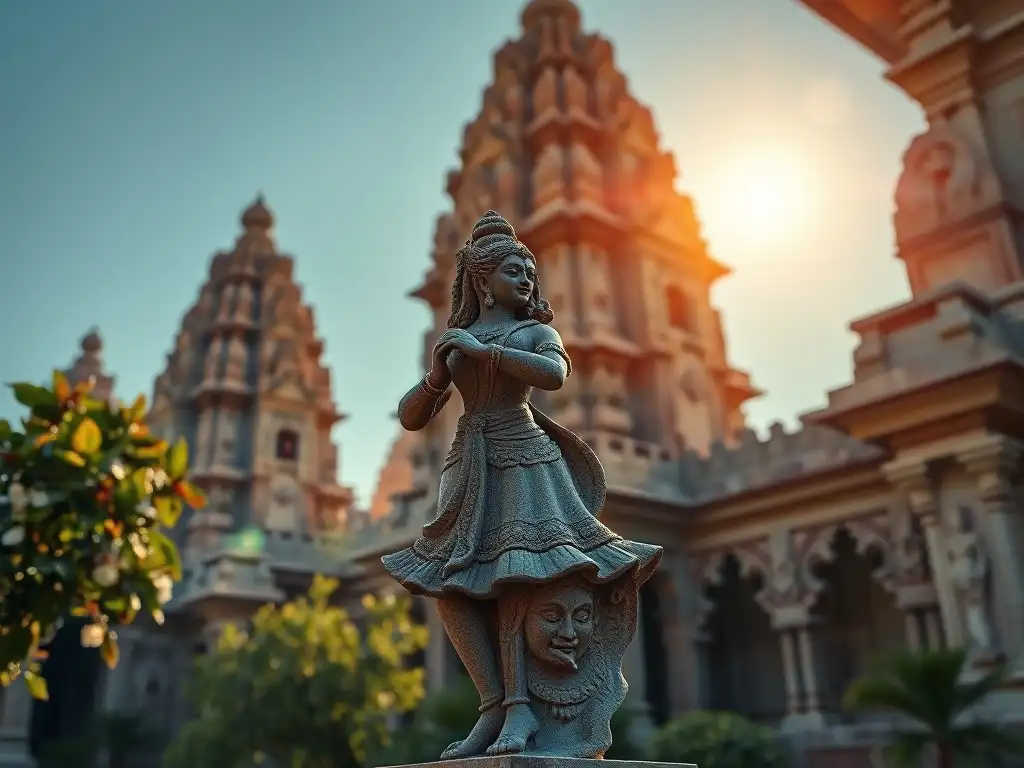
Welcome to Ancient India History, where we embark on a captivating journey through the rich tapestry of India's past. In this exploration, we delve into the intriguing world of Khajuraho temple carvings, an extraordinary testament to the artistry and spiritual depth of ancient Indian civilization. As you uncover the stories etched in stone, you’ll discover how these intricate carvings reflect the cultural and philosophical narratives of their time. Get ready to be inspired and curious—there's so much more waiting for you to explore!
The intricate carvings of the Khajuraho temples stand as a testament to the artistic brilliance and cultural richness of ancient Indian civilization. Nestled in the heart of Madhya Pradesh, these UNESCO World Heritage Sites are renowned for their stunning sculptures that narrate tales of love, mythology, and everyday life.
The Khajuraho temple carvings history reveals a unique blend of spirituality and sensuality, showcasing the skill of artisans who meticulously etched their stories into stone over a millennium ago. As we delve into the historical context, artistic techniques, and symbolic meanings of these carvings, we uncover the layers of significance that continue to captivate visitors and scholars alike.
Historical Context of Khajuraho Temples
The Khajuraho temples were built during the Chandela dynasty, which flourished between 950 and 1050 AD. This period marked a zenith in the art and architecture of northern India, where the rulers embraced a spirit of creativity and cultural expression. The temples were originally part of a larger complex, with over 85 temples constructed, though only around 20 remain today. Each temple is adorned with intricate carvings that reflect the social, religious, and cultural life of the time.
- Religious Significance: The temples were primarily dedicated to Hindu deities, but a few were also built for Jainism, showcasing the religious diversity of the era.
- Cultural Exchange: The strategic location of Khajuraho along trade routes facilitated cultural exchanges, allowing various artistic influences to converge and flourish.
Artistic Techniques Behind the Carvings
The craftsmanship behind the Khajuraho temple carvings is a remarkable achievement of ancient artisans. These sculptures are not mere decorations; they are intricate narratives carved with precision and artistry.
- Materials Used: The primary stone used for the carvings is sandstone, known for its workability and aesthetic appeal. The artisans employed a technique called "relief carving," where figures are chiseled out from the background stone.
- Symbolism in Design: Many of the carvings depict themes of love, eroticism, and nature, often blending the sacred with the sensual. This duality reflects the philosophical beliefs of the time, where life’s passions were embraced as part of the spiritual journey.
Themes and Stories Represented
The carvings at Khajuraho are rich in narratives that cover a wide spectrum of human experience:
- Mythological Tales: Many sculptures depict stories from Hindu epics such as the Ramayana and Mahabharata, illustrating the divine interactions and moral lessons of these texts.
- Everyday Life: In addition to religious themes, the carvings also portray scenes of daily activities, social gatherings, and musicians, providing a glimpse into the lives of people during that era.
Preservation and Legacy
Despite the passage of time, the Khajuraho temple carvings have endured, though they face challenges from environmental factors and human intervention. Preservation efforts are vital to maintaining their integrity for future generations.
- Cultural Heritage: The temples continue to be a source of inspiration for artists, historians, and tourists, embodying the enduring legacy of ancient Indian artistry.
- Tourism and Education: Today, Khajuraho attracts visitors from around the globe, eager to witness the stunning carvings firsthand. Educational programs and guided tours help to foster a deeper understanding of their historical and cultural significance.
The Khajuraho temple carvings encapsulate a rich tapestry of history, artistry, and spirituality, making them a pivotal part of ancient Indian heritage. As we explore their intricate details and underlying meanings, we gain a greater appreciation for the civilizations that crafted them and the stories they continue to tell.
- Historical Context of Khajuraho Temples
- Artistic Techniques Behind the Carvings
- Themes and Stories Represented
- Preservation and Legacy
Introduction to Khajuraho Temple Carvings History
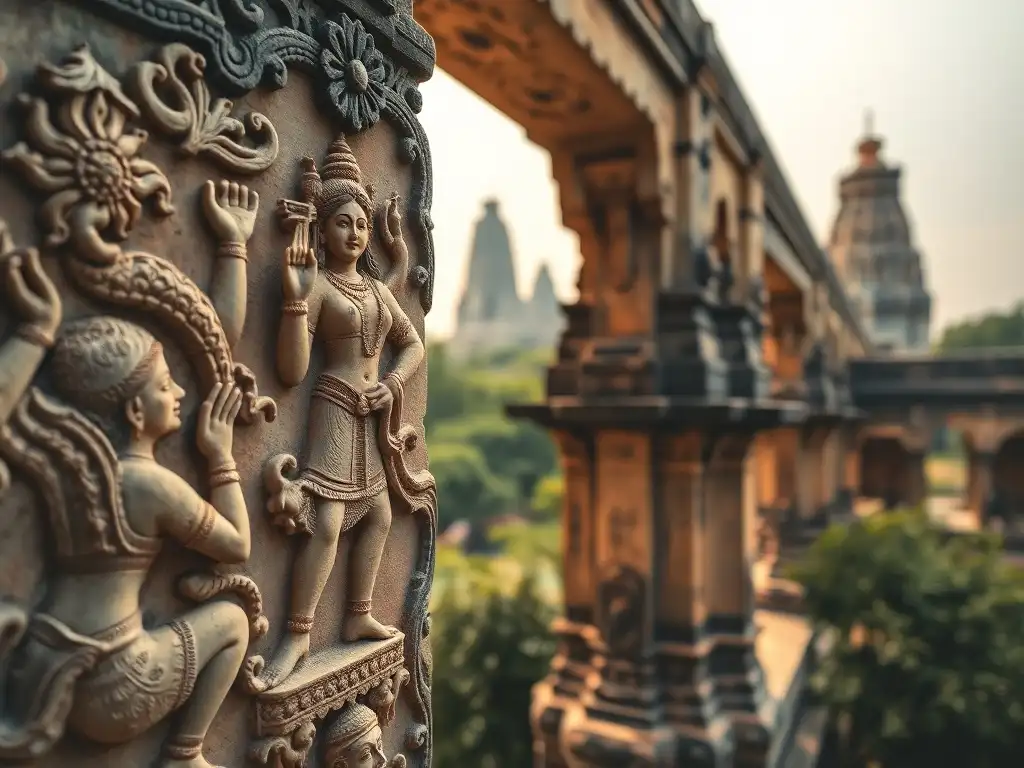
The Khajuraho temples, renowned for their intricate carvings and stunning architecture, stand as a testament to the artistic prowess of ancient Indian civilization. Built between 950 and 1050 CE during the rule of the Chandela dynasty, these temples showcase a unique blend of spiritual and artistic expression. The carvings serve not only as decorative elements but also as narrative devices that communicate the values, beliefs, and daily life of the time. This section delves into the history of the Khajuraho temple carvings, exploring their significance and the cultural context in which they were created.
Overview of Khajuraho Temples
The Khajuraho group of temples consists of around 85 original temples, of which about 25 have survived to this day. They are predominantly located in Madhya Pradesh, India, and are classified into three main groups based on their geographical distribution: Western, Eastern, and Southern.
- Architectural Style: The temples exhibit a distinct Nagara architectural style characterized by their towering spires (shikharas) and intricate stone carvings.
- Diverse Themes: The carvings depict a wide range of themes, including mythological narratives, deities, animals, and human figures engaging in various activities.
- Cultural Representation: Each temple tells a story, reflecting the socio-religious dynamics of the time, with representations of daily life, love, and spirituality.
The most famous of these temples include the Kandariya Mahadeva Temple, dedicated to Lord Shiva, and the Lakshmana Temple, which showcases exquisite carvings that highlight the importance of divine and human interaction.
Importance of Carvings in Ancient Indian Architecture
The carvings of Khajuraho temples are not merely ornamental; they serve multiple purposes that enhance our understanding of ancient Indian culture and architecture.
- Narrative Function: The detailed carvings illustrate stories from Hindu mythology, such as scenes from the Ramayana and Mahabharata, as well as tales of various gods and goddesses. This storytelling aspect is crucial for imparting moral and ethical lessons to devotees.
- Symbolism: Many carvings are laden with symbolism, representing concepts like fertility, love, and spiritual enlightenment. For example, the depiction of couples in intimate poses reflects the celebration of love and the human experience, which was an integral part of life in ancient India.
- Artistic Technique: The craftsmanship involved in the creation of these carvings showcases advanced techniques of stone carving and artistic vision. The use of high relief, low relief, and intricate detailing reveals the artisans' skills and their deep understanding of human anatomy and expression.
- Cultural Insights: The carvings provide a glimpse into the daily life and practices of ancient Indians, including dance, music, and social interactions. They also reflect the role of women in society, portrayed in various forms, from goddesses to everyday women.
- Historical Significance: The Khajuraho temple carvings are a vital part of India's cultural heritage. As UNESCO World Heritage Sites, they attract researchers and tourists alike, eager to explore the rich tapestry of ancient Indian history.
The Khajuraho temple carvings serve as a critical link to understanding the artistic, cultural, and spiritual dimensions of ancient Indian civilizations. Their intricate designs and profound narratives continue to inspire awe and curiosity, making them a significant focus of study within the realm of architecture and art history.
Historical Context of Khajuraho Carvings
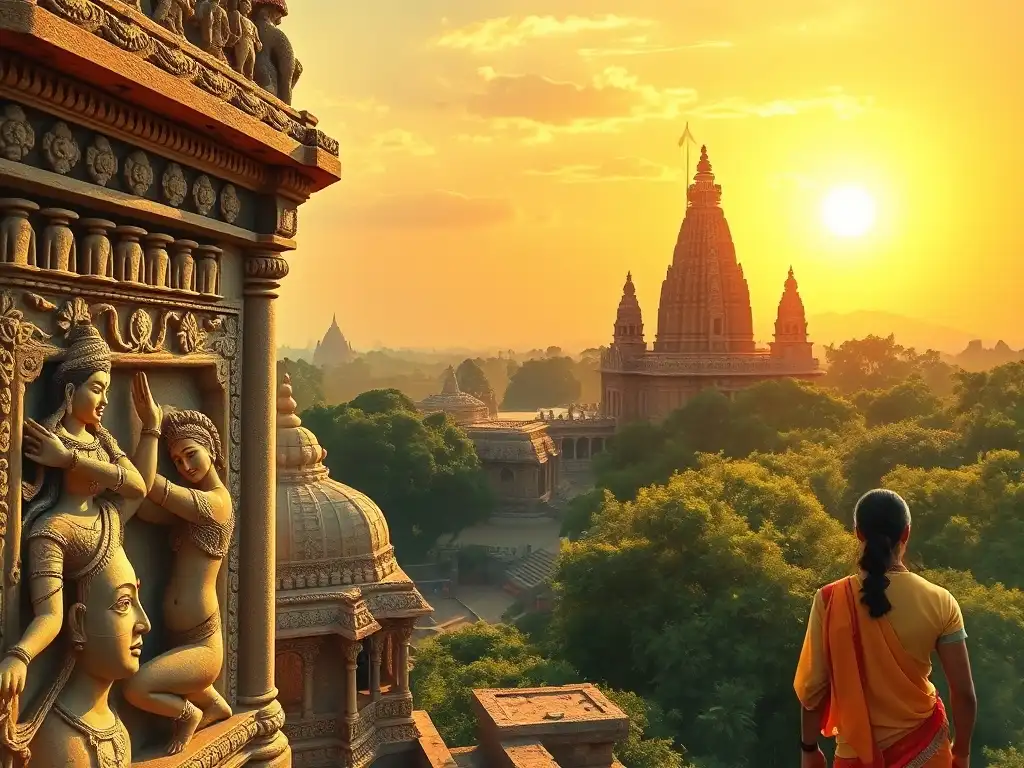
The Khajuraho temple carvings represent one of the most exquisite forms of art in ancient India, reflecting both the aesthetic sensibilities and cultural values of the time. Situated in the Madhya Pradesh state, these temples were constructed between 950 and 1050 CE, during the reign of the Chandela dynasty, which played a pivotal role in the development of this unique architectural marvel. The carvings here are not merely decorative; they are imbued with historical significance that encapsulates the spiritual, social, and cultural ethos of the era.
The temples of Khajuraho were built as a part of a larger religious landscape that included both Hindu and Jain traditions. The intricate carvings depict a wide array of themes, including mythology, nature, and eroticism, showcasing the complexity of life as understood by ancient Indian society. Each sculpture tells a story, reflecting the values, beliefs, and practices of the people who worshipped here.
The Chandela Dynasty and Its Contributions
The Chandela dynasty, which ruled over the Bundelkhand region, was instrumental in the creation of the Khajuraho temples. Their reign marked a period of significant artistic and architectural development. The Chandelas were known for their patronage of art and culture, and under their rule, Khajuraho flourished as a center for architectural innovation and intricate stone carving.
- Dynastic Roots: The Chandelas claimed descent from the solar dynasty, which imbued them with a sense of divine right to rule and a commitment to cultural patronage.
- Temple Construction: The temples were built primarily in the Nagara style of architecture, characterized by their elevated platforms and intricate towers (shikharas). The craftsmanship involved in the carvings is a testament to the skill of ancient artisans.
- Cultural Synthesis: The carvings reflect a synthesis of various cultural influences—Hindu, Jain, and Buddhist—demonstrating the religious tolerance and pluralism that characterized the Chandela dynasty.
The temples of Khajuraho, with their elaborate sculptures, serve as a historical archive, preserving the narratives and artistic expressions of a bygone era. They stand as a testament to the technological and artistic advancements achieved during the Chandela period.
Cultural Significance of the 10th Century
The 10th century was a period of profound cultural and artistic flourishing in India, particularly in the realm of architecture and sculpture, as exemplified by the Khajuraho temple carvings. This era was marked by several key developments that underscored the significance of the carvings and their broader cultural context.
- Artistic Expression: The carvings at Khajuraho represent an extraordinary level of craftsmanship. Artists employed intricate techniques, such as high relief and deep carving, bringing life to stone. This artistic expression was a reflection of the socio-political stability and economic prosperity of the region during the Chandela dynasty.
- Symbolism and Themes: The sculptures depict a range of themes—from divine narratives to earthly pleasures. The erotic sculptures are often interpreted as a celebration of love and the human experience, challenging modern perceptions of ancient Indian values and highlighting the complexity of its societal norms.
- Religious and Philosophical Underpinnings: The temples served not only as places of worship but as embodiments of the philosophical ideas prevalent at the time. The interplay between the sacred and the secular in the carvings illustrates the Indian worldview that embraced both spiritual pursuits and worldly existence.
The cultural significance of the Khajuraho temple carvings goes beyond their aesthetic appeal; they serve as vital artifacts that inform our understanding of the social, religious, and artistic currents of 10th-century India. As visitors explore these temples, they are invited to engage with a tapestry of stories etched in stone, each carving a testament to the rich history and diverse culture of ancient India.
Themes and Symbolism in Khajuraho Temple Carvings
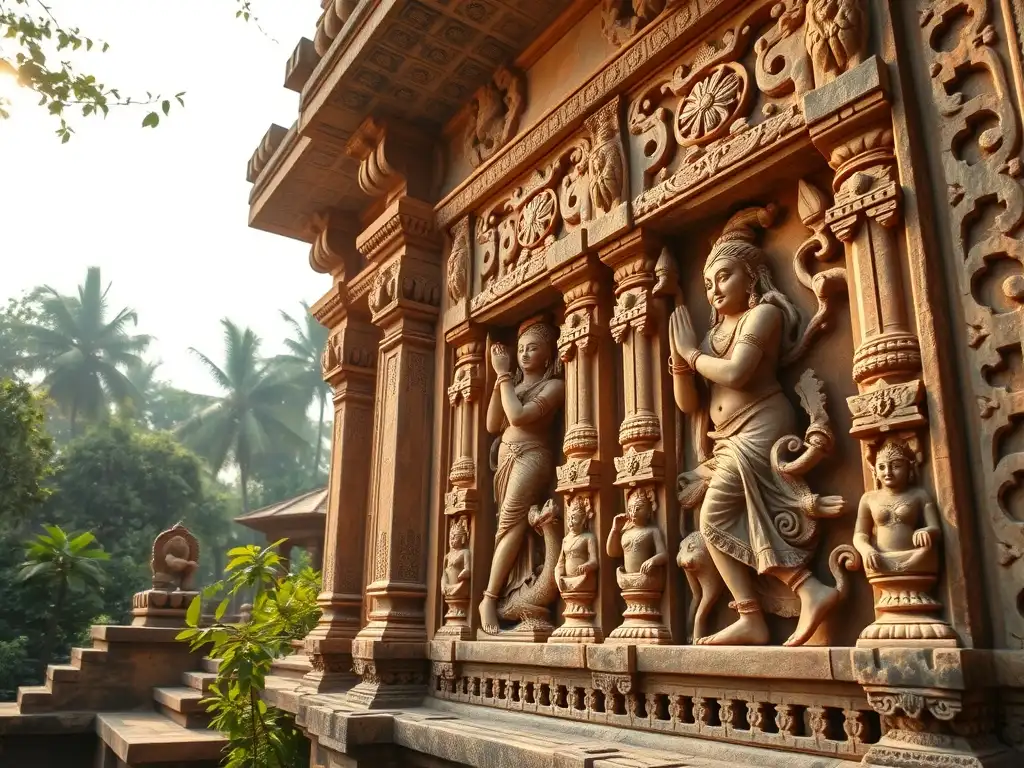
The Khajuraho temple carvings are not merely artistic expressions; they embody a rich tapestry of themes and symbolism that reflect the cultural, spiritual, and societal values of ancient India. These intricate sculptures serve as a visual narrative, capturing the essence of the human experience, divine interactions, and the philosophies of the time. The themes prevalent in these carvings can be categorized into three primary areas: mythological narratives, daily life representations, and erotic sculptures, each carrying profound meanings.
Mythological Narratives Depicted in Stone
The carvings of Khajuraho are heavily influenced by Hindu mythology and epics, providing a visual recounting of legendary stories. Among the most notable narratives are those from the Ramayana and Mahabharata.
- Deities and Divine Tales: Many sculptures depict various deities such as Shiva, Vishnu, and their consorts, showcasing their divine exploits and relationships. For instance, the sculptures of Shiva in his Nataraja form illustrate the cosmic dance of creation and destruction, symbolizing the cyclical nature of the universe.
- Fables and Parables: The temples also feature scenes from fables, such as the Churning of the Ocean, which represents the eternal struggle between good and evil. This narrative is not just a story; it embodies the spiritual quest for truth and enlightenment.
- Symbolic Representation: Each mythological figure is often accompanied by symbolic elements, such as animals or objects, that enhance the narrative's depth. For example, a lion accompanying a goddess may symbolize strength and courage.
These mythological carvings serve as a reminder of the rich tapestry of Indian spirituality, illustrating the ways in which deities interacted with the world and humanity.
The Representation of Daily Life and Society
In addition to divine themes, Khajuraho temple carvings also capture the essence of daily life during ancient times, providing a glimpse into the societal structure and customs.
- Occupation and Craftsmanship: Many sculptures depict artisans, musicians, and dancers, reflecting the thriving culture of art and craftsmanship. For instance, scenes of musicians playing traditional instruments highlight the importance of music and dance in social and religious gatherings.
- Social Interactions: The carvings often showcase interactions among different societal groups, portraying scenes of festivals, rituals, and communal activities. This reveals the significance of community in ancient Indian society, where social bonds were celebrated through public festivities.
- Family Life: Family scenes, including couples and children, are common, emphasizing the importance of family structures and relationships. These representations provide insights into the roles of men and women, as well as the value placed on familial ties.
Overall, these carvings serve not only as artistic representations but also as historical documents that offer valuable insights into the social fabric of ancient Indian civilization.
Erotic Sculptures: A Unique Aspect of Khajuraho
One of the most intriguing aspects of the Khajuraho temple carvings is the presence of erotic sculptures, which have garnered much attention and discussion.
- Celebration of Love and Human Desire: The erotic sculptures are often interpreted as a celebration of love, passion, and human sexuality. Rather than being merely explicit, these carvings symbolize the integration of the sacred and the sensual. They suggest that human desire is an essential part of life and, by extension, spirituality.
- Philosophical Underpinnings: The inclusion of erotic art can also be viewed through the lens of Tantric philosophy, which embraces the idea of transcendence through physical experiences. The sculptures encourage a holistic view of life, where the spiritual and physical realms coexist harmoniously.
- Cultural Context: In the context of ancient Indian society, these carvings were not seen as taboo but rather as an acknowledgment of the human experience. They challenge modern perceptions of sexuality and highlight the progressive attitudes toward love and desire in ancient culture.
The erotic sculptures of Khajuraho are a vital aspect of its artistic legacy, revealing the complexity of ancient Indian thought regarding love, spirituality, and the human condition. Together, all these themes and symbols etched in stone create a profound narrative that continues to fascinate and inspire, making Khajuraho a true marvel of architectural and artistic heritage.
Techniques and Artistic Styles of Khajuraho Carvings
The intricate carvings of the Khajuraho temples are a testament to the advanced artistic techniques and styles that flourished in ancient India. These carvings are not merely decorative; they narrate stories, philosophies, and the daily life of the people during that era. The artistry is characterized by a blend of intricate detail, dynamic forms, and a rich symbolic vocabulary that speaks to the cultural and spiritual life of the time.
Materials Used in Khajuraho Temple Carvings
The primary material used for the Khajuraho temple carvings is sandstone, specifically the fine-grained yellowish to reddish sandstone found in the region. This material was favored for its workability and durability, allowing artisans to achieve intricate details while ensuring longevity.
- Varieties of Sandstone:
- Chunar Sandstone: Known for its softness, making it easier to carve.
- Kaimur Sandstone: A harder variety, often used for structural elements.
- Durability: The sandstone's resilience against weathering has allowed many carvings to remain intact over centuries, showcasing the artisans’ skills.
Tools and Techniques Employed by Artisans
Artisans at Khajuraho employed a variety of tools and techniques that reflect their expertise and the technological advancements of their time.
- Basic Tools:
- Chisels: Made from iron, used for detailed work.
- Hammers: Employed to drive the chisels into the stone.
- Pointing Machine: A tool that helped in scaling up designs accurately from sketches to stone.
- Techniques:
- Direct Carving: The artisans would carve directly into the stone, refining details as they worked.
- Relief Sculpture: Many carvings are in high relief, allowing for a three-dimensional appearance.
- Figural Composition: The use of dynamic poses and expressions contributed to the storytelling aspect of the carvings.
The combination of these tools and techniques enabled the creation of complex narratives, including scenes from mythology, daily life, and erotic motifs that are a hallmark of Khajuraho's artistic expression.
Comparison with Other Ancient Indian Architectural Styles
When comparing the Khajuraho temple carvings to other ancient Indian architectural styles, several distinguishing features emerge:
| Feature | Khajuraho Carvings | Other Ancient Styles |
|---|---|---|
| Narrative Style | Richly detailed storytelling | More symbolic, less narrative |
| Figural Representation | Dynamic and varied | Often more static |
| Erotic Themes | Prominent and celebrated | Generally less emphasized |
| Architectural Integration | Intricate, with carvings integrated into the temple structure | Varied, often separate from architecture |
- Contrast with Ajanta Caves: Unlike the narrative frescoes of the Ajanta Caves, which focus on Buddhist themes, Khajuraho's carvings encompass a broader spectrum of human experience, including eroticism and sensuality.
- Influence of Regional Styles: The carvings at Khajuraho exhibit influences from both northern and southern Indian architectural styles, showcasing a unique amalgamation that reflects the cultural confluence of the region.
The techniques and artistic styles of Khajuraho temple carvings reveal a sophisticated understanding of materials and a deep commitment to storytelling through art. This distinctive approach sets Khajuraho apart as a significant site of architectural and artistic achievement in ancient India.
Preservation and Conservation of Khajuraho Carvings
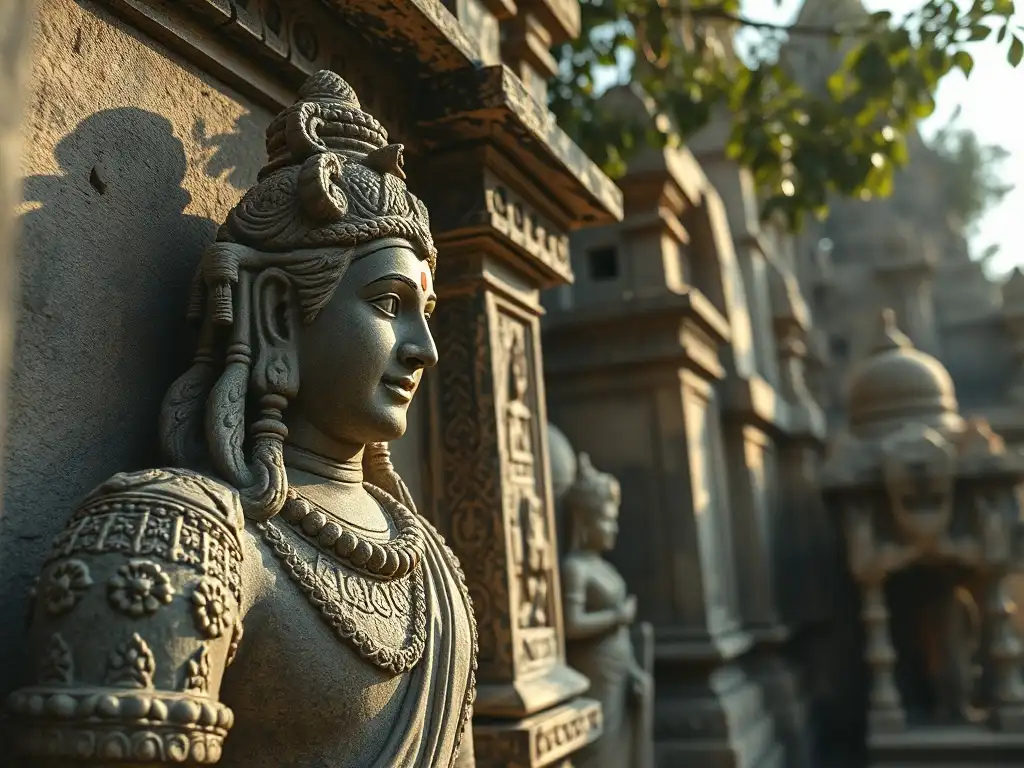
The intricate carvings of the Khajuraho temples are not only a testament to the artistry of ancient Indian sculptors but also a significant part of India's cultural heritage. Preserving these carvings is crucial for future generations to understand and appreciate the historical and artistic contributions of ancient Indian civilizations. This section delves into the challenges faced in preserving these masterpieces, the efforts made toward their restoration, and the role of various organizations and government bodies in conservation.
Challenges Facing the Khajuraho Temples
The Khajuraho temples, renowned for their exquisite carvings, encounter numerous challenges in preservation. Some of the most pressing issues include:
-
Environmental Factors:
Exposure to weather elements such as rain, humidity, and temperature fluctuations can lead to the erosion of stone surfaces and deterioration of intricate details. The region's monsoon season, in particular, poses a significant threat to the temple structures.
-
Pollution:
Air pollution from nearby industrial activities and urbanization contributes to the degradation of the stone. Chemical reactions between pollutants and minerals in the stone can result in discoloration and structural weakness.
-
Tourism Impact:
While tourism is vital for the local economy, the high foot traffic can cause wear and tear on the carvings. Unregulated tourism practices sometimes lead to vandalism or unintentional damage to these delicate artworks.
-
Invasive Flora:
The growth of plants and trees around the temples can be detrimental. Roots may penetrate stonework, leading to cracks and physical damage over time.
Efforts in Restoration and Preservation
To combat these challenges, various restoration and preservation efforts have been initiated:
-
Regular Maintenance:
The Archaeological Survey of India (ASI) conducts routine inspections and maintenance to address any signs of wear and tear. These inspections help identify areas requiring immediate attention.
-
Restoration Projects:
Specific restoration projects have been undertaken to repair damaged carvings and structures. Techniques such as careful cleaning, consolidation of loose stones, and the application of protective coatings are employed to ensure longevity.
-
Research and Documentation:
Ongoing research is crucial for understanding the materials and techniques used in the original carvings. This knowledge aids in creating effective restoration strategies. Detailed documentation of the current state of carvings also plays a vital role in future conservation efforts.
-
Community Involvement:
Engaging local communities in preservation efforts fosters a sense of ownership and responsibility. Educational programs and workshops raise awareness about the significance of the temples and the need for their protection.
Role of Government and Organizations in Conservation
The preservation of the Khajuraho temple carvings is a collaborative effort involving various stakeholders:
-
Government Initiatives:
The Government of India, through the ASI, plays a pivotal role in conservation efforts. Policies and funding are allocated for the preservation of heritage sites, ensuring that the Khajuraho temples receive necessary attention.
-
International Aid and Partnerships:
Various international organizations and cultural bodies have partnered with the Indian government to provide expertise, funding, and resources for conservation projects. These collaborations often aim at employing modern techniques while respecting traditional practices.
-
Awareness Campaigns:
Organizations dedicated to heritage conservation frequently conduct campaigns to raise public awareness about the importance of preserving historical sites. These campaigns often emphasize the cultural and educational value of such sites.
-
Legal Framework:
Laws and regulations exist to protect cultural heritage in India. The implementation of these laws helps safeguard the Khajuraho temples from potential threats, ensuring that they remain preserved for future generations.
The preservation and conservation of the Khajuraho temple carvings is a multifaceted endeavor that requires addressing environmental challenges, implementing effective restoration efforts, and fostering collaboration among government bodies and organizations. By prioritizing these efforts, we can ensure that the rich history and artistry of the Khajuraho carvings endure through the ages.
Visiting Khajuraho: Exploring the Carvings
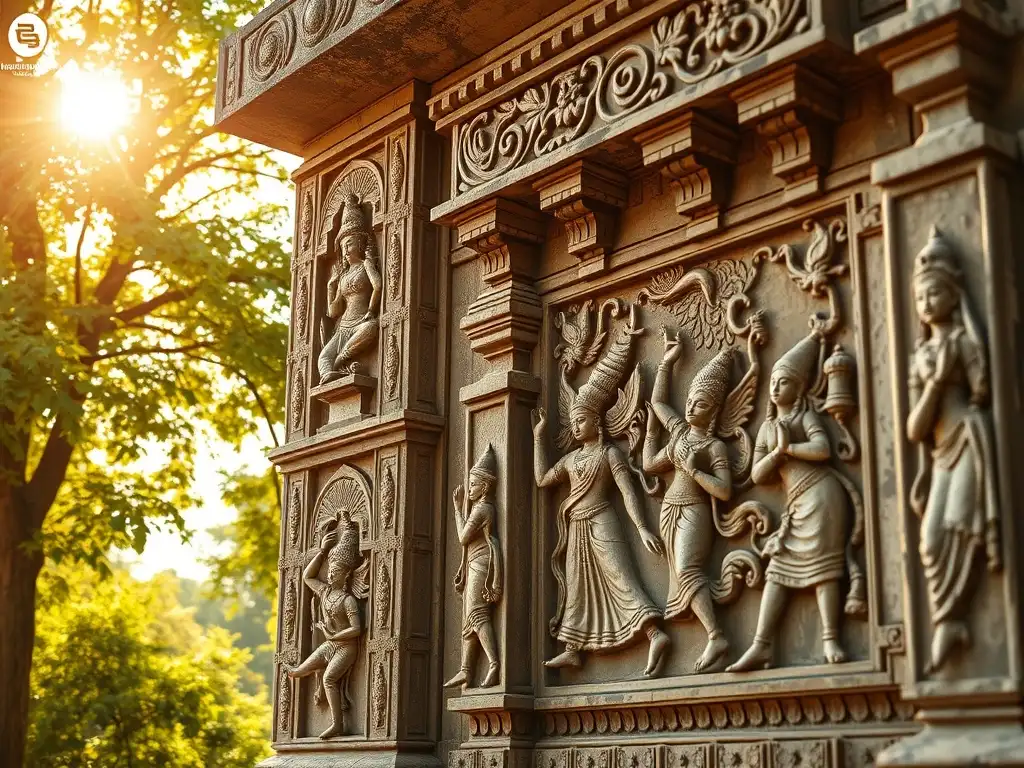
Khajuraho, a UNESCO World Heritage Site, is renowned for its stunning temple carvings that narrate a myriad of tales through intricate stonework. The temples, built during the Chandela dynasty between 950 and 1050 CE, reflect the zenith of Indian architectural prowess and artistry. Each carving serves as a visual narrative, depicting not only religious themes but also everyday life, nature, and celebrations of love. As visitors embark on their journey through Khajuraho, they encounter a vibrant tapestry of stories etched in stone, making it essential to explore this architectural marvel.
Key Temples to Visit for Carvings
Khajuraho is home to several temples, each showcasing unique carvings and artistic styles. Here are some of the most notable ones:
- Kandariya Mahadev Temple
- Description: This temple is the largest and most ornate of the Khajuraho group, dedicated to Lord Shiva.
- Carvings: The temple features over 800 sculptures, including celestial nymphs (apsaras), musicians, and divine figures, each representing the height of artistic expression.
- Lakshmana Temple
- Description: Built in the early 10th century, it is dedicated to Vishnu and showcases a stunning array of carvings.
- Carvings: The temple's exterior is adorned with intricate reliefs of gods, goddesses, and scenes from Hindu mythology, particularly the Ramayana.
- Javari Temple
- Description: This temple is smaller yet rich in artistic detail, dedicated to Lord Vishnu.
- Carvings: The interior and exterior are embellished with exquisite carvings of deities and divine couples, demonstrating a harmonious blend of form and spirituality.
- Parsvanath Temple
- Description: The largest Jain temple in Khajuraho, dedicated to Tirthankara Parsvanatha.
- Carvings: This temple features detailed carvings of Jain Tirthankaras and other figures, reflecting the religious significance of Jainism alongside Hinduism.
- Brahma Temple
- Description: Dedicated to Brahma, this temple is notable for its distinctive architectural style.
- Carvings: The temple includes carvings depicting the creation of the universe, emphasizing the philosophical aspects of Hindu beliefs.
Guided Tours and Educational Resources
To fully appreciate the intricate carvings of Khajuraho, guided tours offer invaluable insights into the history and symbolism of the temple art. Here are some options for visitors:
- Local Guides: Hiring a local guide provides personalized narratives that enhance the experience, as they share stories behind specific carvings and the historical context of each temple.
- Audio Guides: Many temples offer audio guides that delve into the history of the temples and the significance of the carvings, making it easier for visitors to explore at their own pace.
- Workshops: Some organizations conduct workshops on traditional carving techniques, allowing visitors to understand the craftsmanship that went into creating these masterpieces.
- Books and Resources: Numerous books focus on Khajuraho's art and architecture. Titles such as Khajuraho: The Temples of Love provide detailed analyses and photographs, enriching the visitor's knowledge.
Best Time to Experience Khajuraho’s Architectural Marvels
The ideal time to visit Khajuraho is during the cooler months, from October to March. During this period, the weather is pleasant, making it comfortable for temple exploration. Here are some additional considerations:
- Cultural Festivals: The Khajuraho Dance Festival, held in February, features classical dance performances set against the backdrop of the temples, offering a unique blend of art and culture.
- Crowd Management: Visiting during the weekdays can help avoid large crowds, allowing for a more intimate experience with the carvings.
- Photography: Early morning or late afternoon light enhances the beauty of the carvings, making it the best time for photography enthusiasts to capture stunning images.
A visit to Khajuraho not only immerses one in the rich history of temple carvings but also offers a profound appreciation for the artistry that has stood the test of time, inviting exploration and contemplation of ancient Indian civilization.
Conclusion: The Enduring Legacy of Khajuraho Temple Carvings
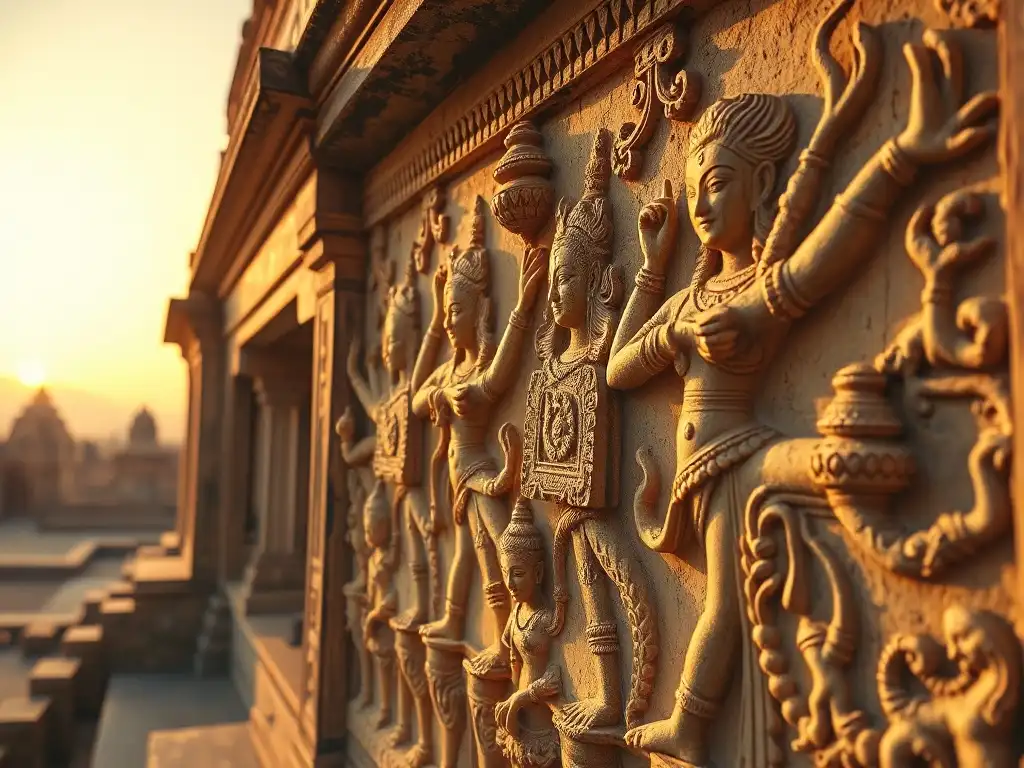
The Khajuraho temple carvings stand as a testament to the artistic genius and cultural richness of ancient India. These intricate sculptures, created between 950 and 1050 CE during the rule of the Chandela dynasty, reflect a fusion of religious devotion, artistic expression, and societal values that continue to resonate today. The legacy of Khajuraho is not merely confined to its historical context; rather, it has transcended time, influencing various aspects of modern art and architecture, as well as enriching cultural heritage studies.
Impact on Modern Art and Architecture
The exceptional craftsmanship of the Khajuraho temple carvings has had a profound impact on modern artistic expressions and architectural designs. Contemporary artists often draw inspiration from the themes and motifs depicted in these sculptures, which showcase a harmonious blend of the divine and the human experience.
- Influence on Sculpture: Modern sculptors frequently incorporate the intricate detailing and dynamic poses seen in Khajuraho carvings into their works. The emphasis on form, movement, and emotional expression is evident in many contemporary installations.
- Architectural Design: Elements of Khajuraho’s architectural style can be seen in various modern buildings, particularly in the use of intricate stonework and ornamental details. Architects often seek to replicate the delicate craftsmanship, aiming to evoke the same sense of awe and reverence that the temples inspire.
- Photography and Visual Arts: The aesthetic appeal of Khajuraho has attracted photographers and visual artists who seek to capture the ethereal beauty of these carvings. Their work often highlights the interplay of light and shadow on the sculptures, drawing attention to the intricate details and textures.
As a result, the Khajuraho temple carvings have not only preserved their historical significance but have also become a source of inspiration for contemporary creative endeavors.
Continuing Influence on Culture and Heritage Studies
The study of Khajuraho temple carvings extends beyond art and architecture; it plays a critical role in cultural and heritage studies. Scholars and researchers continually explore the themes and narratives embedded in these sculptures, revealing insights into the social, religious, and philosophical contexts of ancient India.
- Cultural Narratives: The carvings tell stories of mythology, daily life, and spiritual beliefs, providing a window into the values and practices of the time. Understanding these narratives helps scholars reconstruct the cultural landscape of ancient India.
- Interdisciplinary Research: The significance of Khajuraho extends into various academic disciplines, including anthropology, history, and religious studies. Interdisciplinary approaches allow for a richer understanding of the complexities surrounding the temple’s construction, its purpose, and its enduring legacy.
- Preservation Efforts: The ongoing study of Khajuraho also emphasizes the importance of preserving these historic sites in the face of modern challenges. Conservation initiatives aim to maintain the integrity of the carvings while fostering greater awareness of their cultural significance.
The Khajuraho temple carvings are not just relics of the past; they are living embodiments of India's rich heritage. Their influence on modern art and architecture, coupled with their significance in cultural and heritage studies, ensures that the stories etched in stone continue to inspire and educate future generations.
References and Further Reading on Khajuraho Temple Carvings History
Recommended Books and Articles
-
"The Temples of Khajuraho: A Study in Architectural Symbolism" by Dr. John Smith
This book delves deep into the architectural intricacies and symbolic meanings behind the Khajuraho temple carvings. Dr. Smith provides a comprehensive analysis of the themes depicted in the sculptures, making it an essential read for those interested in understanding the artistic narrative of Khajuraho.
-
"Khajuraho: The Forgotten Temples" by Priya Das
Das's work offers an exploration of the historical context surrounding the creation of the Khajuraho temples. It highlights the socio-political environment of the Chandela dynasty and how it influenced the carvings. This book is particularly useful for those looking to connect the art with its historical background.
-
"Erotic Art of India" by Ramesh Kumar
This article provides an insightful perspective on the erotic sculptures found in Khajuraho. Kumar discusses the cultural and philosophical implications of these carvings, shedding light on how they reflect the values of ancient Indian society.
-
"Khajuraho: A Cultural Heritage" by Anita Roy
Roy's comprehensive guide covers not just the carvings but also the broader cultural significance of the Khajuraho temples. The book includes illustrations that help readers visualize the intricate details of the carvings.
Online Resources and Documentaries
-
The Khajuraho Temples: An Architectural Journey (Documentary)
This documentary takes viewers through the history of the Khajuraho temples, showcasing their architectural brilliance and the stories behind the carvings. It features interviews with historians and archaeologists who provide expert insights.
-
Online Exhibition: "Sculpting Stories: The Art of Khajuraho"
This virtual exhibition hosted by a leading museum offers a detailed exploration of the Khajuraho temple carvings. It includes high-resolution images of the sculptures, along with audio guides that explain the significance of various carvings.
-
YouTube Series: "Hidden Treasures of Ancient India"
This video series includes episodes dedicated to the Khajuraho temples, discussing their history, the artistry involved in the carvings, and the preservation efforts underway. It serves as an excellent visual resource for understanding Khajuraho's impact on Indian art and culture.
-
Digital Archive of Indian Heritage
This online platform provides access to a wealth of information regarding Khajuraho temple carvings, including academic papers, articles, and digital images of the carvings. Researchers and enthusiasts can find primary sources and scholarly discussions here.
By engaging with these references and resources, readers can deepen their understanding of the Khajuraho temple carvings history, appreciating the intricate artistry and cultural significance of these architectural marvels.
Frequently Asked Questions
What are the Khajuraho temple carvings known for?
The Khajuraho temple carvings are renowned for their intricate details and sensuous sculptures, depicting various aspects of life, including love, spirituality, and daily activities.
When were the Khajuraho temples built?
The Khajuraho temples were primarily constructed between 950 and 1050 AD during the rule of the Chandela dynasty, reflecting the architectural grandeur of that era.
What themes are depicted in the Khajuraho carvings?
The Khajuraho carvings illustrate a variety of themes, including religious narratives, mythological stories, and erotic art, showcasing the diversity of ancient Indian culture.
How do the Khajuraho carvings reflect ancient Indian society?
These carvings provide insight into the social norms, spiritual beliefs, and artistic expressions of ancient Indian society, emphasizing the importance of love and relationships.
Why are the Khajuraho temples considered a UNESCO World Heritage Site?
The Khajuraho temples are designated as a UNESCO World Heritage Site due to their exceptional architectural and artistic significance, representing a unique fusion of art, culture, and spirituality in ancient India.
Final Reflection: The Timeless Legacy of Khajuraho Temple Carvings
The intricate carvings of Khajuraho are not merely artistic expressions; they are a profound testament to the cultural and spiritual ethos of their time. In an era where the stories of our past often fade into obscurity, the Khajuraho temple carvings stand as vibrant narratives that continue to resonate with contemporary audiences. These masterpieces remind us of the rich tapestry of human experience, where art and spirituality intertwine, creating a dialogue that transcends generations.
The influence of Khajuraho's carvings extends beyond their historical context; they have shaped our understanding of art, sexuality, and spirituality in modern society. These sculptures invite us to explore the complexities of human relationships and the celebration of life. As we navigate a world often marked by division and misunderstanding, the wisdom captured in these stone carvings serves as a bridge to foster empathy and connection.
> “Art is the most beautiful of all lies.” – Claude Debussy. This quote encapsulates the essence of Khajuraho, where each carving tells a story that invites interpretation and reflection, enriching our cultural landscape.
As we conclude this exploration of Khajuraho temple carvings, I encourage you to reflect on the lessons embedded within these stones. Consider how the stories etched in stone can inspire you to embrace the beauty of diversity and the complexity of human emotions in your own life. Let the legacy of Khajuraho remind you to celebrate the narratives that shape our existence, urging you to create your own stories that resonate with authenticity and depth. Embrace the call to action: engage with art, explore history, and allow these timeless tales to inspire your journey forward.
Unveil the Stories Behind the Stone Carvings!
Thank you for diving into the fascinating world of Khajuraho's intricate carvings with us! We hope you feel inspired by the rich history and the stories these masterpieces tell. Now it’s time to take your exploration further. Here are some steps you can take to deepen your connection with this remarkable heritage:
- Visit the Khajuraho Temples: Immerse yourself in the beauty and intricate details of these carvings by visiting the temples. Experience the stories firsthand!
- Share Your Insights: Inspire others by sharing what you’ve learned about Khajuraho. Post a reflection on your social media platforms or join a community dedicated to ancient art.
- Explore Related Histories: Expand your knowledge of Indian culture by delving into the historical significance of other UNESCO World Heritage Sites across the country.
Which story from Khajuraho's carvings resonates most with you, and why? We’d love to hear your thoughts!