
The Mystique of Ancient Indian Stepwells: Architectural and Cultural Significance

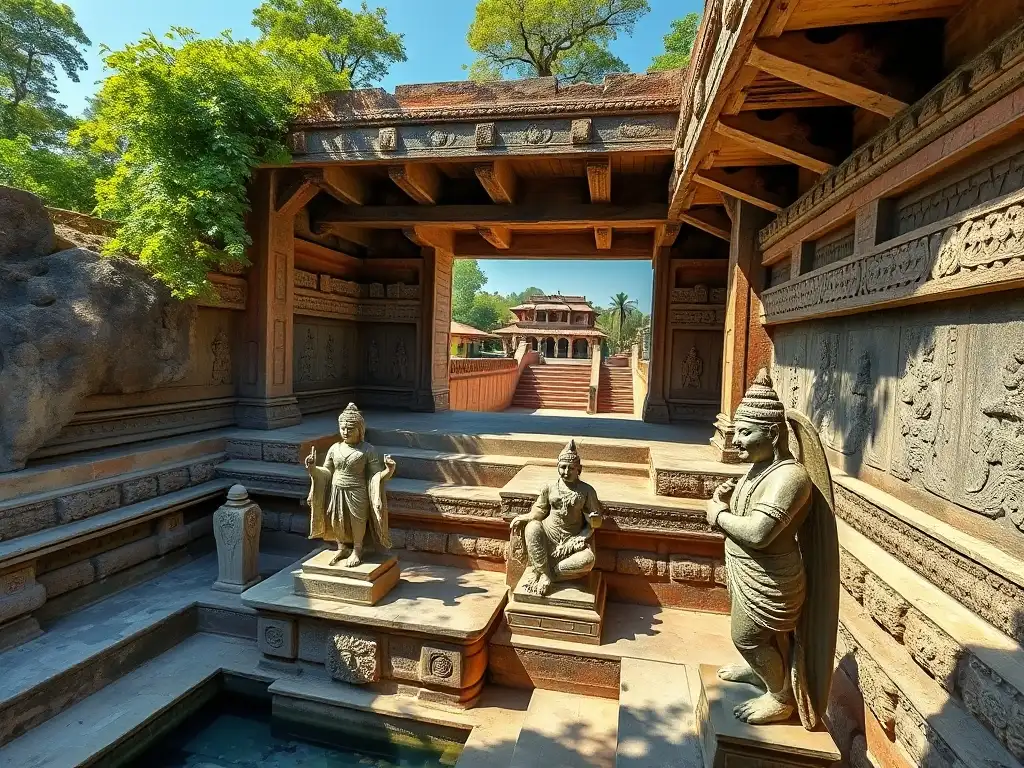
Welcome to Ancient India History, where we invite you to journey through the captivating tapestry of ancient Indian civilizations. In our featured article, "The Mystique of Ancient Indian Stepwells: Architectural and Cultural Significance," we delve into the intricate world of stepwells—remarkable structures that not only quenched the thirst of countless generations but also served as vibrant hubs of social and spiritual life. What secrets do these architectural wonders hold? Join us as we uncover their profound significance, and let the allure of India's rich heritage inspire your exploration of this fascinating topic.
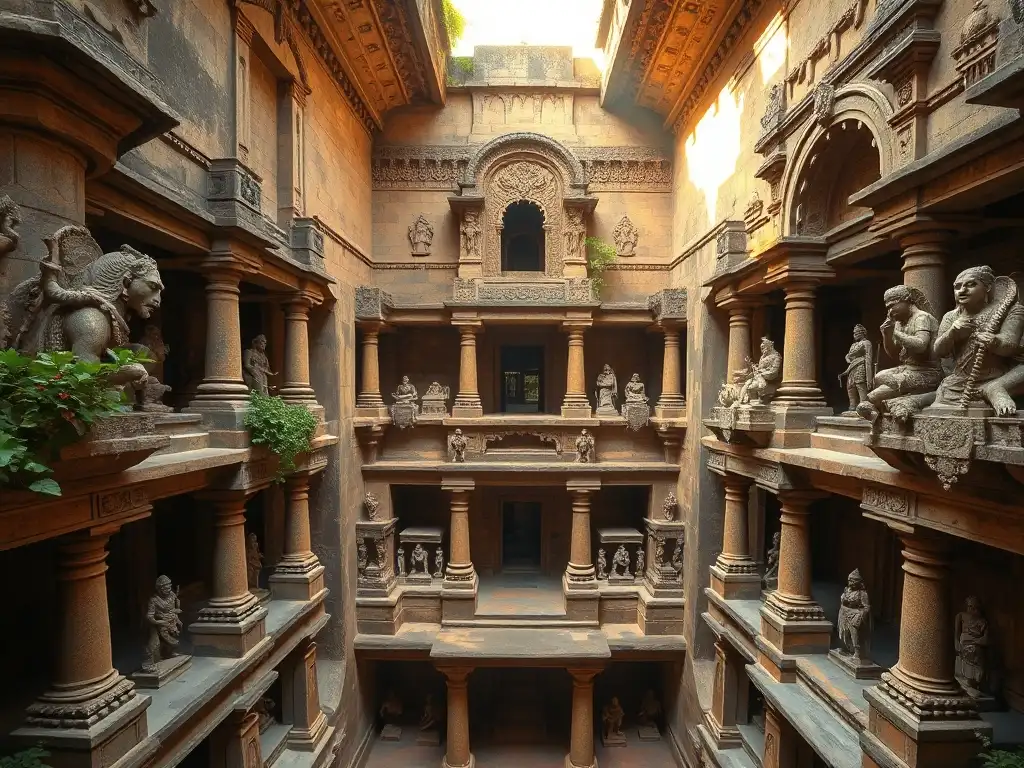
Ancient Indian stepwells, also known as "baolis" or "vavs," represent a unique blend of functionality and artistry, showcasing the remarkable ingenuity of ancient Indian civilizations. These architectural wonders not only served as sources of water in arid regions but also stood as vibrant social hubs, reflecting the rich cultural tapestry of the time.
The significance of ancient Indian stepwells extends beyond their utility; they embody the intricate relationship between nature, technology, and community, making them a vital subject of study within the realm of architectural marvels. As we delve into the mystique of these structures, we will explore their historical context, architectural significance, and the cultural narratives they encapsulate, illuminating their role in the broader spectrum of ancient Indian history.
Introduction to Ancient Indian Stepwells
Stepwells are fascinating engineering feats that have existed for centuries across the Indian subcontinent. They are designed to access groundwater by descending a series of steps into a well, often featuring intricate carvings and architectural details. These structures served multiple purposes, particularly in regions where water scarcity was a persistent challenge.
What are Ancient Indian Stepwells?
Stepwells are deep, vertical wells with steps leading down to the water level. They were primarily constructed to store water and maintain a consistent supply during dry periods. The design of stepwells varied significantly across regions, with some featuring elaborate carvings and inscriptions, while others were more utilitarian in nature. Typically, they are characterized by:
- Multi-Level Design: Many stepwells have several levels of steps leading down to the water.
- Cultural Significance: They often served as venues for social gatherings and religious rituals.
- Architectural Diversity: Different regions showcase distinct styles, from the ornate stepwells of Gujarat to the simpler designs found in Rajasthan.
Historical Context of Stepwells in India
The history of stepwells in India can be traced back to the early centuries CE, with some of the oldest examples dating from the 3rd century AD. They were crucial in managing water resources, particularly in the arid regions of western and northern India. The construction of these wells reflects the advanced knowledge of hydrology and engineering possessed by ancient Indian societies.
Key historical points include:
- Indus Valley Civilization: Early evidence of sophisticated water management systems.
- Medieval Period: Development of more elaborate stepwells, such as the Rani ki Vav in Gujarat, which showcases intricate carvings and inscriptions.
- Cultural Practices: Stepwells served not only as functional structures but also as places for community interaction and religious practices.
The Architectural Significance of Ancient Indian Stepwells
Stepwells are not merely functional structures; they exemplify the architectural prowess and aesthetic sensibilities of ancient Indian builders. Their design often incorporates complex geometrical patterns and artistic elements that reflect the cultural values of the time.
Unique Structural Features of Stepwells
The architectural design of stepwells includes various features that distinguish them from other water storage systems:
- Terraced Steps: The descending steps allow easy access to the water, often designed with landings for rest and social interaction.
- Pillared Halls: Many stepwells include covered areas with intricately carved pillars that provide shade and space for gatherings.
- Water Chambers: Some stepwells have chambers at different depths, designed to store water and maintain a consistent supply.
Innovations in Stepwell Architecture
The construction of stepwells involved a variety of innovative techniques and materials, demonstrating the advanced engineering knowledge of ancient Indian societies:
- Use of Local Materials: Builders utilized locally available stone and brick, allowing for both durability and aesthetic appeal.
- Sustainable Design: Stepwells were often designed with considerations for seasonal changes in water levels, ensuring a reliable water source year-round.
- Cultural Integration: Many stepwells are adorned with sculptures and reliefs that depict local myths, deities, and daily life, integrating cultural narratives into their architectural framework.
Ancient Indian stepwells are not only significant for their functional role in water management but also for their architectural and cultural richness. These structures stand as a testament to the ingenuity and artistic expression of ancient Indian civilizations, inviting further exploration into their history and significance.
Cultural Significance of Ancient Indian Stepwells
Ancient Indian stepwells, also known as baolis or vavs, are more than just architectural masterpieces; they hold profound cultural significance that extends beyond their practical use as water reservoirs. These structures were vital in managing water scarcity in arid regions of India, reflecting the ingenuity of ancient civilizations in adapting to their environment. The stepwell concept embodies a deep relationship between nature, architecture, and community, serving as a social hub where people gathered not only to collect water but also to engage in social and cultural activities.
Stepwells were often adorned with intricate carvings and sculptures that depicted various deities, mythological figures, and everyday life scenes. This artistry transformed the stepwell into a canvas for community expression, showcasing the values and beliefs of the society that built it. Furthermore, many stepwells were constructed near temples, emphasizing their role in religious practices and rituals. As such, they are a testament to the intertwining of daily life and spirituality in ancient India, highlighting how these structures were integral to both the practical and cultural aspects of life.
Role of Stepwells in Ancient Indian Society
The role of stepwells in ancient Indian society was multifaceted. Primarily, they served as essential sources of water, particularly in regions with limited rainfall. The design of stepwells allowed for easy access to water, even during the dry season, making them crucial for agricultural activities, which in turn sustained local economies and communities. Water from these wells was not only used for drinking and irrigation but also for various domestic purposes, contributing to the overall well-being of the populace.
Additionally, stepwells functioned as social meeting points. They provided a communal space where people could gather, interact, and share stories, thereby strengthening social bonds within the community. The shaded areas around the stepwells offered respite from the intense heat, making them popular spots for relaxation and socialization. Festivals and celebrations often took place near these structures, further cementing their significance in the cultural fabric of society.
Artistic Expressions Found in Stepwells
The artistic expressions found in ancient Indian stepwells are remarkable and diverse, showcasing the skills of artisans and the aesthetics of the time. Many stepwells feature intricate carvings that tell stories from Hindu mythology, depict floral motifs, and showcase geometric patterns. These artistic elements not only enhance the visual appeal of the stepwells but also serve a symbolic purpose, reflecting the spiritual beliefs and cultural values of the era.
In some regions, stepwells are adorned with sculptures of gods and goddesses, indicating their religious significance. The craftsmanship involved in creating these sculptures demonstrates the high level of artistry prevalent during ancient times. Additionally, the architectural design of stepwells often incorporates elements from various styles, such as Indo-Islamic and Jain architecture, which further enriches their artistic narrative. Overall, the artistic expressions found within stepwells are a profound reflection of the cultural identity and heritage of ancient Indian civilizations.
Regional Variations of Stepwells in India
The design and construction of stepwells in India exhibit significant regional variations, influenced by local cultures, climatic conditions, and available materials. From Rajasthan to Gujarat and further south, each region has developed its distinctive style of stepwell architecture, showcasing the diversity of ancient Indian ingenuity. Understanding these variations provides insight into how regional characteristics shaped the construction and use of these vital water structures.
Prominent Stepwells Across Different States
Some of the most prominent stepwells across India include the Rani ki Vav in Gujarat, known for its elaborate carvings and UNESCO World Heritage status, and the Chand Baori in Rajasthan, one of the deepest stepwells in the country. Other notable examples include the Nahargarh Fort stepwell in Jaipur and the Agrasen ki Baoli in Delhi, each demonstrating unique architectural features and cultural significance. These stepwells not only serve as tourist attractions today but also as reminders of the advanced engineering skills and artistic expressions of ancient Indian societies.
Influence of Local Cultures on Stepwell Design
The influence of local cultures on stepwell design is evident in the variations seen across different states. For instance, in Rajasthan, stepwells often feature elaborate carvings reflecting Rajputana culture, while in Gujarat, the architectural style might incorporate Islamic elements, showcasing the region's historical interactions. In southern India, stepwells may exhibit Dravidian influences, with distinct structural designs and motifs that mirror the local artistic traditions.
Local materials also played a significant role in the construction of stepwells. In regions with abundant sandstone, such as Rajasthan, stepwells are often hewn from this material, while in areas with granite, like Tamil Nadu, the designs may incorporate sturdier stonework. The adaptation to local conditions not only reflects the practicality of stepwell construction but also highlights the cultural identities of the regions, making each stepwell a unique representation of its environment and heritage.
The Decline and Preservation of Ancient Indian Stepwells
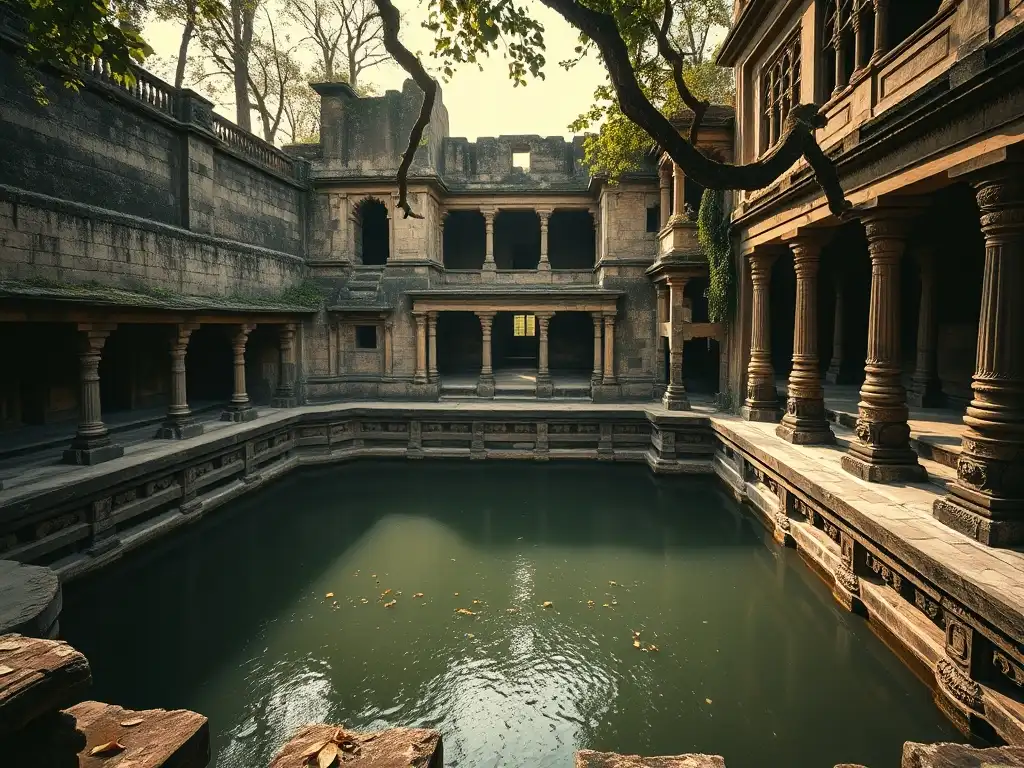
The ancient Indian stepwells, once thriving centers of community life and engineering brilliance, have faced a significant decline over the years. This decline has been influenced by various socio-economic factors and changing cultural paradigms. However, efforts for preservation and restoration have emerged to safeguard these important historical structures.
Factors Leading to the Decline of Stepwells
Several factors have contributed to the decline of ancient Indian stepwells:
- Urbanization: Rapid urban growth has led to the neglect and destruction of stepwells, as modern infrastructures often replace these historical sites. Cities expand, and the need for space often results in the demolition of these architectural marvels.
- Water Supply Changes: The shift in water supply sources, from traditional stepwells to modern pipelines, diminished the functional necessity of these structures. As communities transitioned to more contemporary means of water access, stepwells fell into disuse and disrepair.
- Cultural Shift: Changes in cultural practices and the societal perception of water management have resulted in a decline in the communal use of stepwells. As lifestyles evolved, the significance of stepwells as gathering spaces and their role in water conservation diminished.
- Neglect and Vandalism: Many stepwells have suffered from neglect and vandalism. The lack of awareness about their historical importance has led to their deterioration over time. Some stepwells have become dumping grounds, further contributing to their decline.
Preservation Efforts and Restoration Projects
In recent years, there has been a growing recognition of the need to preserve ancient Indian stepwells. Various initiatives have been taken to restore these structures and promote their significance:
- Government Initiatives: The Indian government, along with local bodies, has launched restoration projects aimed at repairing and maintaining stepwells. These efforts often involve community participation to foster a sense of ownership and responsibility towards these heritage sites.
- NGO Involvement: Non-governmental organizations play a crucial role in raising awareness about the historical and cultural significance of stepwells. They organize campaigns, educational programs, and restoration projects that not only restore the physical structure but also revive interest in the cultural practices associated with them.
- Documentation and Research: Scholars and historians have begun documenting the various stepwells across India, highlighting their architectural features and historical relevance. This research helps in understanding their significance and the need for conservation.
- Tourism Promotion: By promoting stepwells as tourist attractions, there is an increased incentive for their preservation. This not only generates revenue for maintenance but also educates visitors about their importance in ancient Indian civilization.
Conclusion: The Lasting Legacy of Ancient Indian Stepwells
The legacy of ancient Indian stepwells extends beyond their architectural grandeur; they embody the ingenuity and resourcefulness of ancient civilizations in water management and community living. Their significance continues to resonate in modern times, offering valuable lessons in sustainability and cultural heritage.
Reflection on the Importance of Stepwells in Modern India
In contemporary India, stepwells serve as a reminder of the need for sustainable water management practices. They highlight the traditional knowledge systems that have effectively addressed water scarcity for centuries. As urban areas grapple with water issues, the revival of interest in stepwells can inspire modern solutions rooted in historical wisdom. Furthermore, they offer a glimpse into the social fabric of ancient communities, where water was a central element of life, culture, and spirituality.
Future Prospects for Stepwell Preservation and Cultural Heritage
The future prospects for the preservation of ancient Indian stepwells look promising, given the increasing awareness and efforts in restoration. Continued collaboration between government bodies, NGOs, and local communities can ensure that these structures are not only preserved but also integrated into the cultural and tourism narratives of India.
The focus on sustainable practices and heritage conservation can lead to the revival of stepwells as functional spaces that serve modern needs while honoring their historical significance. With growing global interest in heritage tourism and sustainable practices, ancient Indian stepwells can once again become vital symbols of India's rich cultural history and architectural prowess.
References
The study of ancient Indian stepwells is enriched by a variety of academic sources and historical texts. These references provide insights into their architectural significance, cultural context, and the technological advancements of the time. Below, we categorize these resources into two main types: academic sources and historical texts.
Academic Sources
-
Books and Journals
-
Stepwells of India: An Archaeological Perspective by Aditi Awasthi
This book provides a comprehensive overview of stepwell architecture across India, detailing their construction techniques and historical significance.
-
Water and Society in Late Medieval and Early Modern India by R. V. Smith
Smith’s work examines the role of water management systems, including stepwells, in the socio-economic fabric of medieval India.
-
The Architecture of the Indian Subcontinent by James C. Harle
This text explores the broader architectural trends in ancient India, with specific sections dedicated to the design and importance of stepwells.
-
-
Research Articles
-
"Stepwells: The Forgotten Water Sources of India" published in Journal of Historical Geography
This article discusses the environmental and social implications of stepwell construction and their decline in modern times.
-
"Cultural Heritage and Water Conservation in the Indian Subcontinent" in Conservation and Management of Archaeological Sites
This paper highlights the cultural practices surrounding stepwells and their importance in the conservation of water resources.
-
Historical Texts
-
Ancient Manuscripts
-
Ain-i-Akbari by Abu'l-Fazl ibn Mubarak
This 16th-century text provides descriptions of water management systems, including stepwells, during the Mughal era, shedding light on their operational aspects and cultural relevance.
-
Rajatarangini by Kalhana
An important historical chronicle of Kashmir, this text references the use of stepwells and their significance in providing water to communities in the region.
-
-
Travelogues
-
The Travels of Ibn Battuta
The notable traveler’s accounts of his journeys through India include observations on the local water management systems, including stepwells, emphasizing their utility and architectural beauty.
-
Memoirs of a Geographer by Al-Masudi
This work includes descriptions of various Indian structures, including stepwells, illustrating their significance in the context of ancient geography and society.
-
These references collectively contribute to a deeper understanding of the architectural and cultural significance of ancient Indian stepwells, showcasing their role in the historical narrative of water management and community life in India.
- Introduction to Ancient Indian Stepwells
- The Architectural Significance of Ancient Indian Stepwells
- Cultural Significance of Ancient Indian Stepwells
- Regional Variations of Stepwells in India
- The Decline and Preservation of Ancient Indian Stepwells
- Conclusion: The Lasting Legacy of Ancient Indian Stepwells
- References
Frequently Asked Questions
What are ancient Indian stepwells?
Ancient Indian stepwells are unique water storage structures designed to access groundwater. They feature steps leading down to the water level, allowing for easier access in arid regions.
Why are stepwells significant in ancient Indian culture?
Stepwells hold cultural significance as they are not just water sources but also spaces for social gatherings and religious activities. They reflect the architectural ingenuity of ancient Indian civilizations.
How did stepwells contribute to water management in ancient India?
Stepwells played a crucial role in water management, especially in drought-prone areas. They provided a sustainable source of water for communities, demonstrating advanced engineering techniques of the time.
What are some notable examples of stepwells in India?
Notable stepwells include the Rani ki Vav in Gujarat and the Chand Baori in Rajasthan. These structures are celebrated for their intricate designs and historical importance.
How are ancient stepwells being preserved today?
Efforts to preserve ancient stepwells include restoration projects and raising awareness about their cultural value. Organizations aim to maintain these structures as part of India's heritage conservation initiatives.
Final Reflection: The Enduring Significance of Ancient Indian Stepwells
The architectural and cultural significance of ancient Indian stepwells transcends time, reminding us of our rich heritage and the ingenuity of past civilizations. Today, as we face challenges related to water scarcity and sustainable architecture, the lessons embedded in these remarkable structures resonate more than ever. The stepwells stand as a testament to the harmony between human needs and environmental considerations, urging us to reflect on our relationship with nature and resources.
The influence of ancient Indian stepwells extends beyond mere architecture; they are a symbol of community, resilience, and innovation. These structures were not just utilitarian; they served as social hubs, fostering connections among people. As we navigate the complexities of modern urban life, we can draw inspiration from these historical marvels. Architecture is a visual art, and the buildings speak for themselves.
– Julia Morgan. This quote encapsulates the essence of stepwells, where every design choice narrates a story of cultural significance and communal spirit.
As we contemplate the significance of ancient Indian stepwells, I invite you to reflect on how you can incorporate the values of sustainability, community, and ingenuity into your own life. Consider how you can contribute to preserving our cultural heritage while addressing contemporary challenges. Let the mystique of these stepwells inspire you to create spaces that honor the past and nurture the future, fostering a deeper connection with both our history and our environment.
Unveil the Wonders of Ancient Stepwells!
Thank you for diving into the fascinating world of ancient Indian stepwells with us! You have uncovered the rich architectural and cultural significance that these incredible structures hold. Now, it’s your turn to take action and keep the discovery alive.
Here are a few ways you can continue your journey:
- Visit a local stepwell or plan a trip to explore one of India’s renowned stepwells, such as the iconic Baoli of Delhi or the breathtaking Rani ki Vav in Gujarat.
- Share what you've learned—post about the cultural significance of stepwells on your social media or in a community forum to inspire others to appreciate this unique heritage.
- Join a heritage walk or community group to connect with others who are passionate about preserving and celebrating India's architectural history.
What new perspective do you have on the role of stepwells in ancient Indian society, and how do you plan to share this newfound appreciation with your friends and family?