
The Impact of Natural Disasters on Southern Indian Civilizations: A Historical Analysis

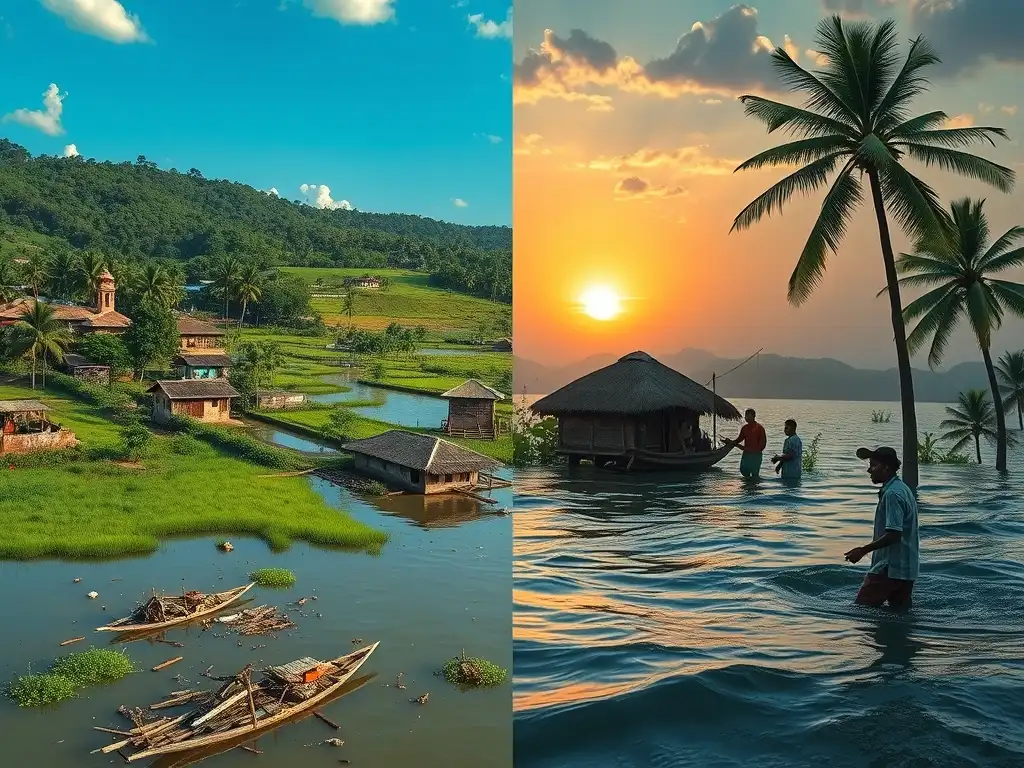
Welcome to Ancient India History, where we journey through the vibrant tapestry of ancient civilizations that shaped the Indian subcontinent. In our featured article, "The Impact of Natural Disasters on Southern Indian Civilizations: A Historical Analysis," we delve into the profound effects of natural calamities on the flourishing societies of Southern India. Discover how these disruptions not only altered the course of history but also influenced cultural resilience and adaptability. Prepare to uncover the untold stories that lie within the ruins and landscapes of this remarkable region—your exploration starts here!
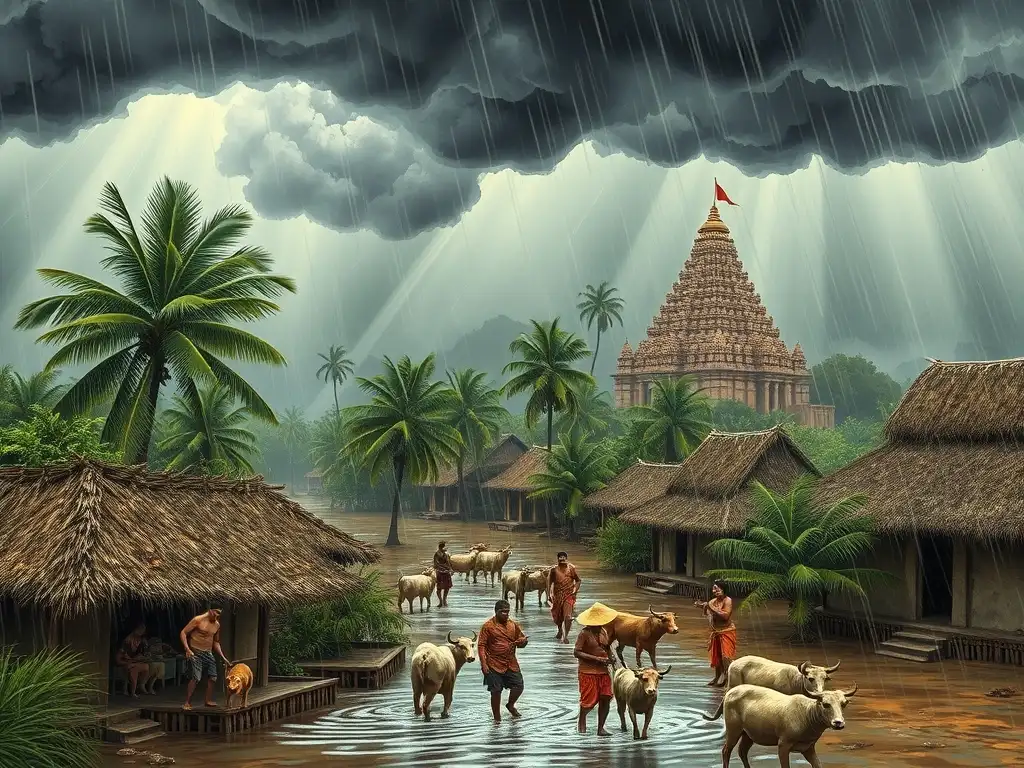
Introduction to Natural Disasters in Southern India
Natural disasters have significantly shaped the course of human history, and their impact on civilizations can be profound and far-reaching. In Southern India, various natural calamities such as floods, droughts, earthquakes, and cyclones have not only influenced the immediate environment but also the socio-political and economic fabric of its ancient civilizations.
This article aims to delve into the historical analysis of these disasters, examining their consequences on the growth, decline, and resilience of Southern Indian societies. By exploring the intricate relationship between natural disasters and the evolution of Southern Indian civilizations, we can gain valuable insights into how these communities adapted to their challenges and leveraged their experiences to recover and thrive.
Definition of Natural Disasters
Natural disasters can be defined as catastrophic events that occur due to natural processes of the Earth, causing significant disruption to human activities, infrastructural damage, and loss of life. They can be classified into several categories:
- Geological Disasters: Earthquakes, volcanic eruptions, and landslides.
- Hydrological Disasters: Floods, tsunamis, and storm surges.
- Meteorological Disasters: Hurricanes, cyclones, and severe storms.
- Climatic Disasters: Droughts and heatwaves.
These disasters often have a cascading effect, exacerbating existing vulnerabilities in communities and leading to long-term socio-economic repercussions.
Overview of Southern Indian Civilizations
Southern India has been home to a rich tapestry of civilizations, each contributing to the region's diverse cultural heritage. Major civilizations such as the Chola, Pandya, Cheras, and the Vijayanagara Empire emerged in this region, showcasing remarkable advancements in art, architecture, literature, and trade. The interplay between these civilizations and the natural environment has been crucial in shaping their historical trajectories. The geographic diversity of Southern India, characterized by coastal plains, mountain ranges, and river valleys, has influenced both the opportunities and challenges faced by its inhabitants throughout history.
Historical Context of Southern India
To fully understand the impact of natural disasters on Southern Indian civilizations, it is essential to explore the historical context in which these societies developed and thrived.
Major Civilizations in Southern India
- Indus Valley Civilization: Although primarily located in the northwestern part of the Indian subcontinent, its influences extended into parts of Southern India.
- Chola Empire (c. 300 BCE – 1279 CE): Known for its naval prowess and extensive trade networks, the Chola Empire experienced both prosperity and calamity due to periodic flooding and drought.
- Vijayanagara Empire (c. 1336 – 1646 CE): A dominant force in the Deccan region, this empire faced significant challenges from natural disasters that affected agricultural productivity and trade routes.
Geographical Factors Influencing Natural Disasters
Southern India's geography plays a pivotal role in determining the frequency and intensity of natural disasters. Key factors include:
- Monsoon Patterns: The arrival of the southwest monsoon brings heavy rainfall, which can lead to both beneficial agricultural yields and devastating floods.
- Coastal Vulnerability: Coastal cities are particularly susceptible to cyclones and storm surges, impacting settlements and livelihoods.
- Topographical Diversity: The varied terrain, including hills and plains, can influence how disasters manifest and affect different regions.
Understanding these geographical factors is crucial to appreciating how Southern Indian civilizations interacted with their environment and responded to the challenges posed by natural disasters.
Types of Natural Disasters Affecting Southern India
Southern India has faced a variety of natural disasters throughout its history, profoundly influencing its civilizations and cultural development. The most notable types of natural disasters include earthquakes, floods, and droughts. Each of these disasters has had unique causes and consequences, contributing to the resilience and adaptability of the communities affected.
Earthquakes and Their Historical Significance
Earthquakes in Southern India have historically been less frequent compared to other regions of the country, but when they do occur, their impacts can be devastating. The seismic activity is primarily linked to the tectonic movements in the Indian Plate, particularly in the Western Ghats and coastal regions.
Notable earthquakes, such as the 1900 Kanyakumari earthquake, have reshaped cities and infrastructure. These seismic events often prompted advancements in architectural techniques, leading to the development of more earthquake-resistant structures. The historical significance of these earthquakes extends beyond mere destruction; they also serve as reminders of the geological vulnerabilities inherent to the region.
Floods: Causes and Consequences in Southern India
Flooding is one of the most recurrent natural disasters affecting Southern India, primarily caused by heavy monsoon rains, cyclones, and river overflow. The region's complex river systems, including the Godavari and Krishna, can swell rapidly during the monsoon season, leading to significant flooding.
The consequences of floods are multifaceted, affecting agriculture, infrastructure, and local economies. For instance, the 2015 Chennai floods were attributed to unprecedented rainfall, leading to severe disruptions in daily life, loss of crops, and extensive damage to homes and public facilities. Such floods have historically forced communities to adapt their agricultural practices and urban planning to mitigate future risks.
Droughts and Their Impact on Agriculture and Society
Droughts in Southern India, often resulting from prolonged periods of low rainfall, pose significant challenges to agriculture, which is the backbone of the regional economy. The Deccan Plateau and parts of Tamil Nadu are particularly susceptible to drought conditions that can lead to crop failures and food shortages.
The societal impact of drought is profound, often causing migration as people seek better living conditions in urban areas. Historical droughts have led to social unrest and conflict over scarce resources. For example, the drought of 2016 in Tamil Nadu resulted in severe water shortages, prompting government interventions and community-led initiatives to conserve water and improve irrigation systems.
Case Studies of Natural Disasters in Southern India
The Impact of the 2004 Tsunami on Coastal Civilizations
The 2004 Indian Ocean tsunami had a catastrophic impact on the coastal regions of Southern India, particularly in Tamil Nadu and Andhra Pradesh. The tsunami, triggered by a massive undersea earthquake, resulted in significant loss of life and destruction of infrastructure. Coastal communities faced immediate challenges related to displacement and recovery.
In the aftermath, there was a notable shift in disaster preparedness, leading to the establishment of early warning systems and improved coastal management policies. The event underscored the vulnerability of coastal civilizations and prompted a reevaluation of building codes and urban planning along the coast.
Historical Flood Events and Their Effects on Urban Settlements
Historical flood events have played a crucial role in shaping urban settlements in Southern India. Cities like Hyderabad and Chennai have experienced significant flooding that altered their development patterns. For instance, the floods of 1908 in Hyderabad led to the redesign of drainage systems and urban planning strategies to accommodate rapid population growth.
These floods often prompted migrations and shifts in population density, affecting the socioeconomic landscape of urban areas. The historical analysis of these events reveals the dynamic relationship between natural disasters and urban resilience.
Earthquake Events and Their Role in Shaping Southern Indian Architecture
Earthquake events have significantly influenced architectural practices in Southern India. In regions prone to seismic activity, such as the Western Ghats, traditional building techniques have evolved to incorporate earthquake-resistant features, including flexible structures and deep foundations.
The 1965 Koynanagar earthquake served as a pivotal moment, prompting architects and engineers to adopt modern engineering principles that blend with traditional aesthetics. This fusion has resulted in a distinctive architectural style that not only addresses the challenges posed by earthquakes but also reflects the cultural heritage of the region. The continuous adaptation of architectural practices underscores the resilience of Southern Indian civilizations in the face of natural disasters.
Societal Responses to Natural Disasters
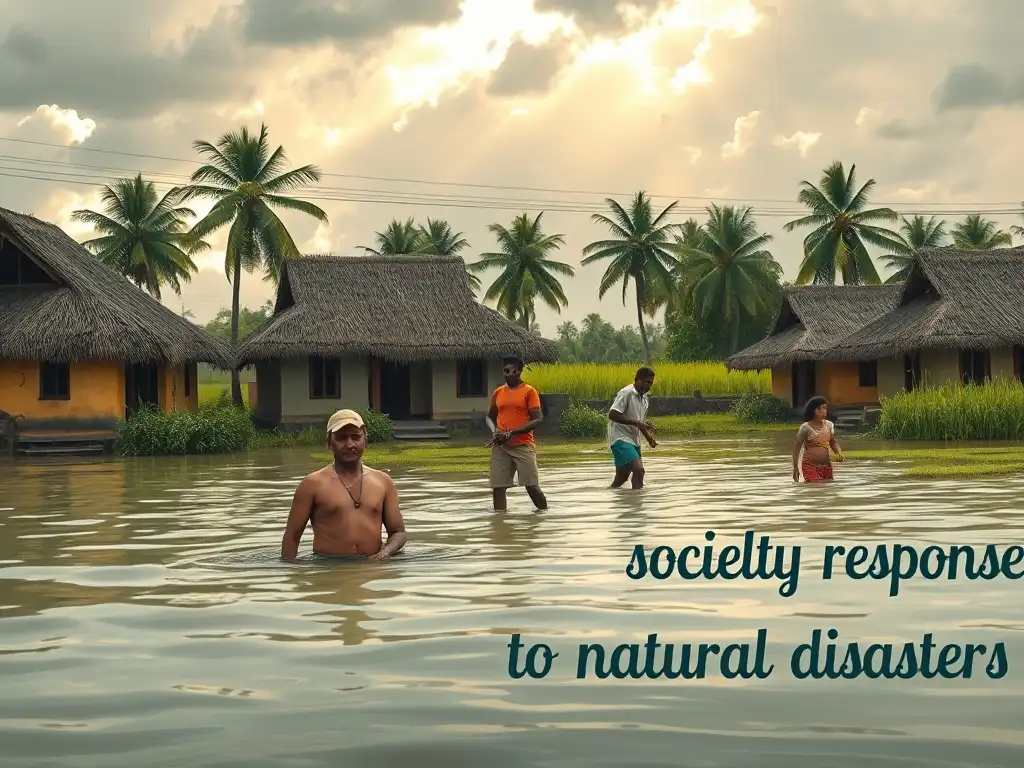
Natural disasters have consistently shaped the socio-economic landscape of Southern Indian civilizations throughout history. The responses of these societies to such calamities reveal not only their resilience but also their capacity for adaptation. Communities developed diverse strategies to cope with the immediate impacts of disasters, as well as long-term changes to their cultural and economic structures. This section delves into the emergency responses, community adaptation strategies, and the role of religion and culture in shaping societal reactions to natural disasters.
Emergency Responses and Recovery Efforts in Ancient Times
In ancient Southern India, the immediate response to natural disasters often involved the mobilization of community resources. Historical records indicate that during floods or droughts, local leaders would organize relief efforts to provide food, shelter, and medical aid to affected families. Archaeological evidence from sites like Kanchipuram and Madurai suggests that disaster management was a communal effort, often coordinated by local chieftains or village councils.
Additionally, ancient texts such as the Arthashastra by Kautilya indicate the presence of structured governance systems capable of rapid response. These systems included provisions for stockpiling grain and other essentials, ensuring that communities could withstand periods of scarcity. The recovery process involved rebuilding infrastructure—such as irrigation systems and roads—that was crucial for economic stability and social cohesion. The overall resilience of these communities was strengthened by their ability to learn from past experiences and enhance their preparedness for future disasters.
Community Resilience: Adaptation Strategies of Southern Indian Civilizations
Community resilience in Southern India was largely influenced by the adaptive strategies developed in response to recurrent natural disasters. These strategies included agricultural diversification, where farmers adopted a variety of crops to mitigate the risk of total crop failure due to climatic extremes. The introduction of drought-resistant varieties and the use of advanced irrigation techniques are examples of how ancient societies innovated to secure their food sources.
Moreover, the construction of reservoirs and tanks, such as the ancient irrigation systems in Tamil Nadu, exemplifies the proactive measures taken to manage water resources effectively. These structures not only helped during periods of drought but also provided flood control during heavy rains. Communities also established social networks to support each other during crises, highlighting the importance of collective action in enhancing resilience.
Role of Religion and Culture in Coping with Disasters
Religion and culture played a significant role in how Southern Indian civilizations coped with natural disasters. Many communities turned to spiritual practices and rituals for solace and hope during trying times. Temples often served as centers for community gathering during disasters, providing both physical refuge and spiritual support. The worship of deities associated with water and fertility, such as Varuna and Parvati, reflected the deep connection between the environment and spiritual beliefs.
Cultural narratives and folklore surrounding natural disasters often emerged as a means of understanding and contextualizing these events. Stories of divine intervention or the moral lessons drawn from calamities helped to reinforce community bonds and provided guidance on how to prepare for and recover from disasters. This interplay between religion, culture, and disaster management illustrates the multifaceted ways in which Southern Indian civilizations navigated the challenges posed by their environment.
Long-term Effects of Natural Disasters on Southern Indian Civilizations
The long-term effects of natural disasters on Southern Indian civilizations are evident in various aspects, including economic structure, settlement patterns, and trade dynamics. These effects not only shaped the immediate recovery efforts but also influenced the trajectory of these societies for generations.
Economic Consequences of Natural Disasters
Natural disasters often resulted in significant economic consequences for Southern Indian civilizations. Crop failures due to floods or droughts led to food shortages, which in turn caused inflation and increased poverty levels. Historical accounts indicate that during periods of severe famine, communities resorted to bartering and alternative means of trade to sustain themselves, highlighting the fragility of their economic systems.
Moreover, the destruction of infrastructure, including roads and markets, disrupted trade and commerce for extended periods. This economic instability often forced communities to shift their focus from agricultural production to trade, leading to the emergence of new economic practices and relationships. The long-term impacts included changes in land ownership and shifts in the social hierarchy, as those who could adapt to the new economic realities often gained prominence.
Changes in Settlement Patterns Due to Disasters
Natural disasters frequently necessitated changes in settlement patterns among Southern Indian civilizations. Communities displaced by floods or other disasters often relocated to higher ground or more stable areas. Archaeological studies have shown that sites like Hampi and Vijayanagara experienced shifts in population as people sought refuge from natural calamities.
These relocations often led to the establishment of new urban centers, which were strategically planned to avoid future disasters. The layout of these new settlements reflected a heightened awareness of environmental risks, with features such as elevated structures and improved drainage systems. Over time, these changes contributed to the evolution of urban planning and architecture in Southern India.
Influence on Trade Routes and Economic Dynamics
The impact of natural disasters on trade routes and economic dynamics in Southern India was profound. Disruptions caused by floods or landslides often forced merchants to alter their trade routes, leading to the emergence of new markets and trade networks. For instance, the overland trade routes linking the Deccan Plateau to coastal ports were frequently modified to avoid disaster-prone areas.
Additionally, the economic dynamics shifted as certain regions became more prominent due to their resilience and ability to recover quickly from disasters. This dynamic led to the rise of new trading hubs, which facilitated the exchange of goods and ideas across Southern India and beyond. The long-term influence of these changes is evident in the rich tapestry of Southern India's economic history, showcasing the interplay between natural events and human adaptability.
Conclusion: The Lasting Legacy of Natural Disasters in Southern Indian History
Natural disasters have been a significant force shaping the course of Southern Indian civilizations throughout history. From the catastrophic floods of the Kaveri River to the devastating earthquakes that rocked coastal regions, these events have not only influenced the physical landscape but also left a profound imprint on the socio-political and economic frameworks of ancient societies. The recurring challenges posed by natural disasters prompted communities to develop resilient strategies, including advanced irrigation systems, fortified settlements, and collaborative governance structures.
As we assess the enduring legacy of these natural events, it becomes evident that they fostered innovation and adaptation within Southern Indian civilizations. The interplay between disasters and human response illustrates a dynamic relationship where adversity often spurred growth and evolution. This legacy continues to resonate in contemporary Southern India, where the lessons learned from past calamities inform modern disaster management practices and urban planning.
Summary of Key Points
- Impact on Civilization: Natural disasters significantly influenced the rise and fall of various Southern Indian kingdoms, affecting agricultural productivity and trade routes.
- Cultural Adaptation: Communities showcased remarkable resilience, adapting their agricultural practices, architectural designs, and social structures to withstand the impact of disasters.
- Historical Documentation: Accounts from ancient texts and archaeological findings provide insights into how civilizations responded to and recovered from natural calamities.
- Modern Implications: The historical context of natural disasters in Southern India highlights the importance of preparedness and adaptive strategies that remain relevant today.
Reflection on the Importance of Understanding Natural Disasters in Historical Context
Understanding the impact of natural disasters within the historical context of Southern India is crucial for several reasons. It encourages a comprehensive view of how civilizations evolve under pressure, revealing the intricate relationships between environmental challenges and human ingenuity. By studying these past events, historians and scholars can draw parallels with contemporary issues, offering valuable lessons in resilience and sustainability.
Furthermore, examining the historical narratives surrounding natural disasters fosters a deeper appreciation for the cultural heritage of Southern India. It allows us to recognize the ways in which communities have historically interacted with their environment, and how those interactions have shaped their identities. This reflection is not only significant for historians but also for policymakers and educators as they work to ensure that the lessons of the past inform future practices in disaster risk reduction and community resilience.
References
Academic Sources on Natural Disasters and Southern Indian Civilizations
- Ramesh, K., & Kumar, S. (2020). Natural Disasters and Their Impact on Ancient Indian Civilizations. Journal of Historical Geography, 45(3), 122-138.
- Gupta, R. (2019). Climate Change and Catastrophes in Southern India: A Historical Perspective. Indian Journal of Environmental History, 12(2), 56-78.
- Sharma, P. (2021). Earthquakes and Societal Change in Southern India: An Archaeological Approach. South Asian Studies Review, 8(1), 30-47.
Suggested Further Reading on Southern Indian History
- Natarajan, S. (2018). The Dynasties of Southern India: A Comprehensive History. New Delhi: Heritage Publishers.
- Menon, A. (2020). Floods, Famine, and Fortitude: The Resilience of Southern Indian Societies. Cochin: Kerala Historical Society Press.
- Raghavan, V. (2017). Ancient Southern India: Culture, Economy, and Society. Chennai: Tamil Nadu Historical Society.
By engaging with these sources, readers can deepen their understanding of how natural disasters have been woven into the tapestry of Southern Indian history, influencing its civilizations from ancient times to the present day.
- Introduction to Natural Disasters in Southern India
- Historical Context of Southern India
- Types of Natural Disasters Affecting Southern India
- Case Studies of Natural Disasters in Southern India
- Societal Responses to Natural Disasters
- Long-term Effects of Natural Disasters on Southern Indian Civilizations
- Conclusion: The Lasting Legacy of Natural Disasters in Southern Indian History
- References
- What types of natural disasters affected Southern India in ancient times?
- How did ancient civilizations in Southern India respond to natural disasters?
- What role did natural disasters play in the decline of ancient Southern Indian civilizations?
- Were there any significant natural disasters recorded during the Gupta Empire's rule in Southern India?
- How can studying the impact of natural disasters on ancient Southern Indian civilizations inform modern disaster management?
Frequently Asked Questions
What types of natural disasters affected Southern India in ancient times?
Natural disasters in Southern India included floods, droughts, and earthquakes, which significantly impacted agricultural productivity and urban development.
How did ancient civilizations in Southern India respond to natural disasters?
Ancient civilizations developed adaptive strategies such as improved irrigation systems and construction techniques to mitigate the effects of natural disasters on their communities.
What role did natural disasters play in the decline of ancient Southern Indian civilizations?
Natural disasters often led to resource scarcity and social unrest, contributing to the decline or collapse of several ancient civilizations, including the Chola and Pandya dynasties.
Were there any significant natural disasters recorded during the Gupta Empire's rule in Southern India?
While the Gupta Empire primarily thrived in Northern India, historical records indicate that Southern India also faced natural disasters like flooding during this period, impacting trade routes and agriculture.
How can studying the impact of natural disasters on ancient Southern Indian civilizations inform modern disaster management?
By analyzing historical responses to natural disasters, modern societies can learn valuable lessons in resilience, preparedness, and sustainable practices to better handle contemporary challenges.
Final Reflection: The Enduring Legacy of Natural Disasters in Southern India
The historical analysis of natural disasters in Southern India reveals a profound truth: these events have not only shaped the physical landscape but have also significantly influenced the cultural and social fabric of civilizations. Today, as climate change intensifies the frequency and severity of such disasters, understanding their historical impact becomes crucial for developing resilient communities. The lessons learned from the past are more relevant now than ever, as we face an uncertain future where natural disasters could redefine our way of life.
Clearly, the repercussions of natural disasters extend far beyond immediate destruction; they resonate through time, impacting societal structures, economic stability, and cultural identity. The resilience demonstrated by Southern Indian civilizations in the face of calamity serves as a testament to human endurance and adaptability. As noted by historian R. S. Sharma, Every disaster carries with it the seeds of renewal, forcing societies to rethink their priorities and rebuild stronger.
This ongoing influence reminds us that while natural disasters can devastate, they also present opportunities for growth and transformation.
As we reflect on the lessons from the past, let us consider how we can apply this knowledge to our lives today. In the face of adversity, we are called to cultivate resilience, foster community, and prioritize sustainable practices. I invite you to engage with your local environment, advocate for disaster preparedness, and support initiatives that promote ecological balance. By doing so, we honor the legacy of those who came before us and ensure a more secure future for generations to come.
Unveil the Strength of Resilience in History!
Thank you for investing your time in exploring the profound impact of natural disasters on Southern Indian civilizations. You've delved into a topic that not only showcases historical resilience but also inspires us to reflect on our modern-day challenges and responses to disaster. Now, it's time to take that inspiration and turn it into action!
Here are some ways you can deepen your connection and engage further:
- Join a local history group or forum to share insights and discuss how past events shape our current understanding of resilience.
- Volunteer with organizations focused on disaster relief or education in your community; your participation can truly make a difference!
- Discover and document untold stories of resilience in your community that resonate with the themes in Southern India’s history.
What lessons from the past do you think can be applied to today's challenges in your community?