
The Interplay of Art and Function in Indus Valley Buildings

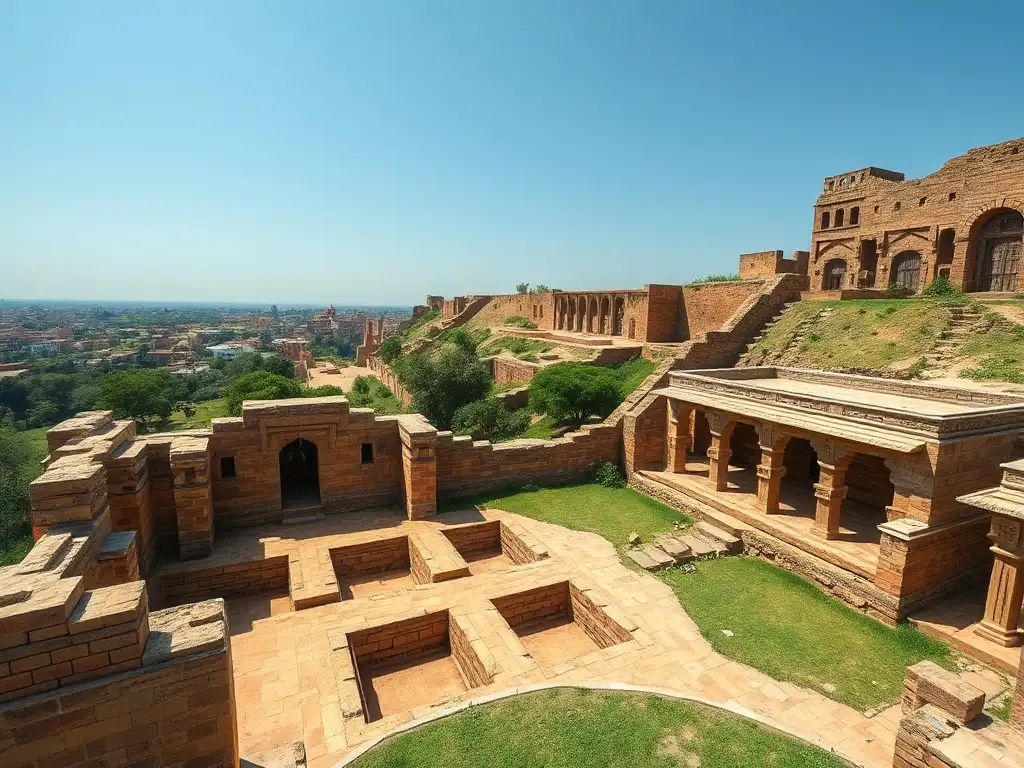
Welcome to Ancient India History, where we embark on an enlightening journey through the rich tapestry of ancient Indian civilizations. From the enigmatic Indus Valley to the illustrious Gupta Empire, our site delves deep into the remarkable culture, history, and contributions that have shaped this vibrant region. In our featured article, "The Interplay of Art and Function in Indus Valley Buildings," we invite you to uncover the intricate nuances of Indus Valley architecture.
What secrets lie within these ancient structures? Join us as we explore the fusion of artistry and practicality that defined an era, sparking curiosity and inspiring a deeper appreciation for one of history's most fascinating civilizations.
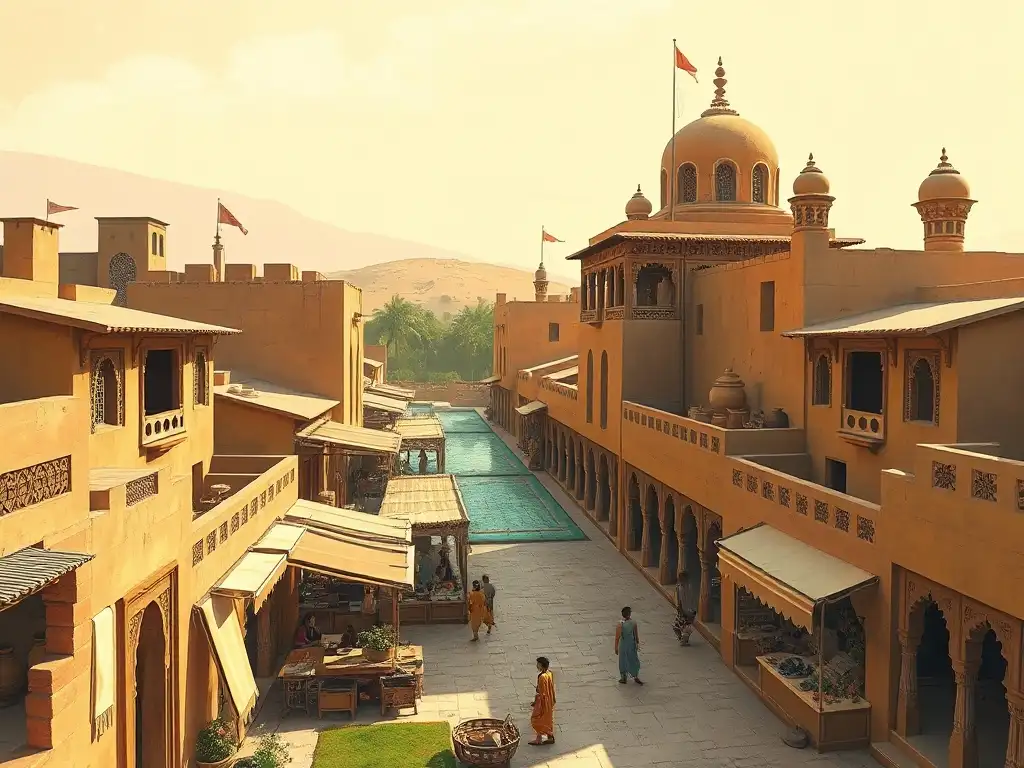
The architecture of the Indus Valley Civilization represents a fascinating convergence of art and function, offering a glimpse into the lives and values of one of the world's earliest urban cultures. Renowned for their advanced urban planning, sophisticated drainage systems, and distinctive architectural styles, the cities of this civilization—such as Harappa and Mohenjo-Daro—are essential to understanding the complexities of ancient Indian history. This article will delve into an in-depth Indus Valley architecture analysis, exploring how these structures were not only functional living spaces but also artistic expressions that reflected the civilization’s cultural ethos.
Introduction to Indus Valley Civilization
Overview of the Indus Valley Civilization
The Indus Valley Civilization, which flourished around 2500 BCE in what is now Pakistan and northwest India, is celebrated for its remarkable achievements in various domains, including urban planning, craftsmanship, and trade. This civilization is characterized by its well-organized cities, which were meticulously laid out in grid patterns, featuring advanced drainage systems and large public baths. The sophistication of these urban centers indicates a high level of social organization and planning.
- Time Period: Approximately 3300 to 1300 BCE
- Major Cities: Harappa, Mohenjo-Daro, Lothal, Dholavira
- Cultural Contributions: Artisan crafts, trade networks, and a yet-undeciphered script.
Significance of Architecture in Ancient Societies
Architecture serves as a tangible testament to the values, beliefs, and technological advancements of ancient societies. In the case of the Indus Valley, the architectural layout and construction techniques reveal insights into their societal structure, economic activities, and environmental adaptations. The interplay of art and function is evident in the following aspects:
- Civic pride: Structures like the Great Bath and public granaries indicate a shared identity and communal values.
- Religious significance: Some buildings suggest spiritual practices, hinting at the civilization's belief systems.
- Technological innovation: The use of fired bricks and sophisticated drainage systems showcases their engineering prowess.
Indus Valley Architecture Analysis
Key Features of Indus Valley Architecture
Indus Valley architecture is marked by several distinctive features that highlight both its aesthetic appeal and functional design:
- Uniformity in construction: The use of standardized baked bricks (measuring approximately 24 x 12 x 7 cm) demonstrates advanced engineering techniques.
- Public and private spaces: The layout of cities included both residential areas and communal facilities, reflecting a balance between individual and collective needs.
- Artistic elements: Decorative motifs, seals, and sculptures found in various sites suggest that art played an integral role in both public and private spaces.
Materials and Techniques Used in Construction
The Indus Valley builders utilized a variety of materials and techniques that contributed to the durability and functionality of their structures:
- Materials:
- Baked bricks: Known for their strength and uniformity.
- Mud and clay: Used for walls and other structures.
- Wood and stone: Employed in more specialized construction, though less frequently due to environmental factors.
- Techniques:
- Fired brick construction: Allowed for sturdier buildings compared to sun-dried mud bricks.
- Advanced drainage systems: Included covered drains and soak pits, illustrating an understanding of sanitation and public health.
Urban Planning and Layout of Indus Valley Cities
The urban planning of Indus Valley cities reflects a highly organized approach to city development. Key aspects include:
- Grid pattern layout: Streets were laid out in a grid pattern, facilitating easy navigation and organization.
- Zoning of areas: Distinct areas for residential, commercial, and public buildings indicate advanced urban planning.
- Drainage systems: The presence of sophisticated drainage and waste disposal systems showcases an awareness of hygiene and environmental management.
The architecture of the Indus Valley Civilization serves as a remarkable testament to the interplay of art and function, revealing a sophisticated society that valued both aesthetic beauty and practical utility. Understanding these architectural nuances not only enriches our knowledge of ancient Indian civilizations but also emphasizes the timeless relevance of urban planning principles.
Artistic Expressions in Indus Valley Buildings
The architectural landscape of the Indus Valley Civilization (IVC) is a remarkable testament to the artistic ingenuity and functional design principles of one of the world's earliest urban societies. In cities like Harappa and Mohenjo-Daro, the interplay between art and functionality is evident, reflecting a profound understanding of aesthetics alongside practical needs. The buildings were not only constructed for shelter and communal activities but also served as canvases for artistic expression.
Artistry in the IVC is often showcased through intricate brickwork, sophisticated drainage systems, and the use of standardized weights and measures. The layout of the cities, characterized by grid patterns and uniformity, suggests a methodical approach to urban planning. Additionally, the presence of seals and pottery adorned with motifs of flora, fauna, and geometric patterns indicates a rich artistic tradition. These elements reflect the cultural beliefs and values of the civilization, suggesting that the inhabitants considered beauty and functionality as intertwined aspects of their architectural endeavors.
Decorative Elements in Architecture
Decorative elements played a crucial role in enhancing the aesthetic appeal of Indus Valley architecture. While much of the architecture was utilitarian, the inclusion of various decorative features reveals the artistic priorities of the society. One prominent decorative aspect was the use of terracotta figurines and ornamental pottery, which often depicted animals and human figures, showcasing the craftsmanship of the artisans.
The buildings frequently featured ornate doorways and elaborately designed drainage covers, which were not only practical but also served as artistic expressions. The use of colored tiles and intricate carvings in public spaces suggests that the inhabitants placed significant value on the visual impact of their environment. Moreover, the discovery of painted pottery with intricate designs indicates that art permeated everyday life, reflecting the cultural identity of the Indus people.
The Functionality of Indus Valley Structures
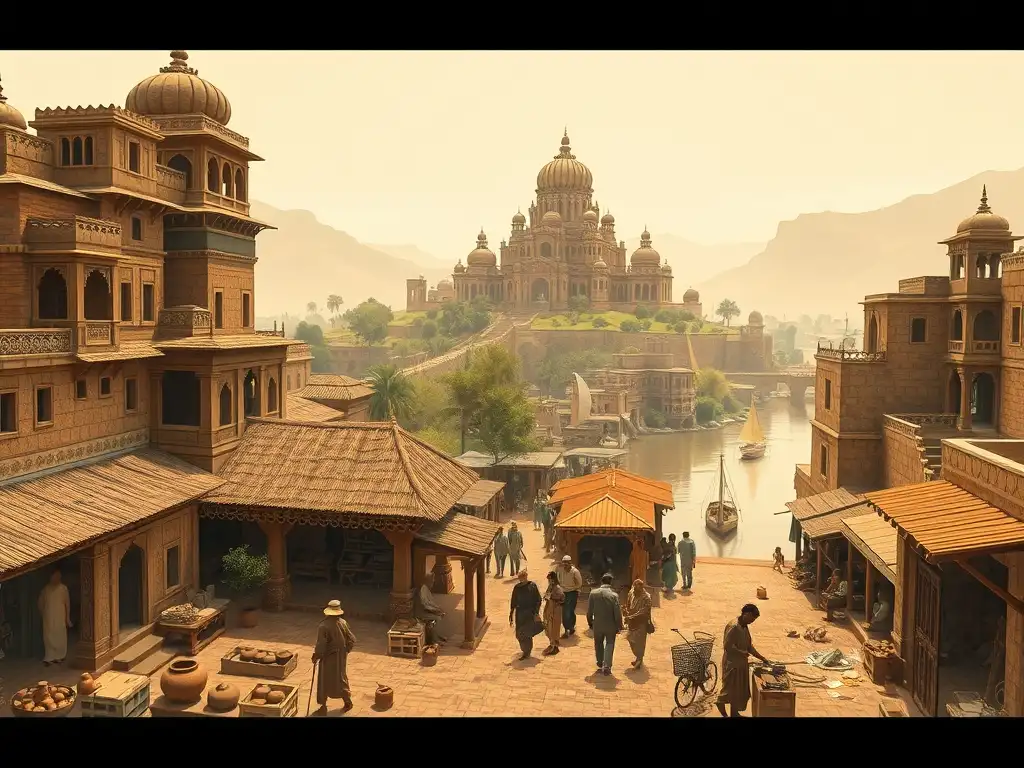
The functionality of Indus Valley structures was integral to their design, showcasing a sophisticated understanding of urban planning and architectural principles. The cities were strategically planned with respect to their geographic settings, employing materials and techniques that enhanced durability and usability. The emphasis on functionality is evident in various types of structures, which catered to the diverse needs of the population.
Residential Buildings and Their Design
Residential buildings in the Indus Valley Civilization were characterized by their standardized layout and advanced engineering techniques. Most homes were constructed from baked bricks, featuring flat roofs and multiple rooms arranged around a central courtyard. This architectural style not only provided shelter but also facilitated ventilation and natural light, enhancing the living conditions within the homes.
The design of these residences often included sophisticated drainage systems that connected to the main sewage system, indicating a high level of urban planning. Additionally, many houses had wells, which signifies an organized approach to water management. The uniformity in size and structure of residential buildings suggests a societal framework that promoted equality and community living, reflecting the values of the Indus people.
Public Buildings and Their Purposes
Public buildings within the Indus Valley Civilization served various crucial functions, ranging from administrative and religious activities to communal gatherings. One of the most notable examples is the Great Bath of Mohenjo-Daro, which is believed to have held both ritualistic and social significance. The impressive size and sophisticated drainage system of the Great Bath highlight the importance of public spaces in fostering community cohesion.
Other public structures, such as granaries and assembly halls, were essential for trade, storage, and governance. These buildings were often centrally located, emphasizing their role as focal points in urban life. The careful planning and robust construction of such facilities demonstrate the civilization's commitment to functionality while also reflecting the aesthetic values inherent in their architectural practices. The interplay between art and function in these public buildings underscores the advanced nature of the Indus Valley Civilization, showcasing their ability to create spaces that were both practical and aesthetically pleasing.
The Balance of Art and Function in Indus Valley Structures
The architecture of the Indus Valley Civilization represents a remarkable balance between aesthetic appeal and functional design. Built around 2500 BCE, cities like Harappa and Mohenjo-Daro exhibit advanced urban planning and innovative architectural techniques that reflect a meticulous approach to both art and functionality. The layout of these cities, characterized by grid patterns, wide streets, and well-planned drainage systems, demonstrates an understanding of practical needs while also incorporating artistic elements.
Buildings were often constructed using fired bricks, which not only provided durability but also allowed for intricate designs. The use of ornamentation, such as terracotta sculptures and seals, illustrates the importance of art in daily life. This blend of utility and aesthetics is evident in public structures, residential areas, and religious sites, showcasing a civilization that valued both form and function equally.
Case Studies of Notable Buildings
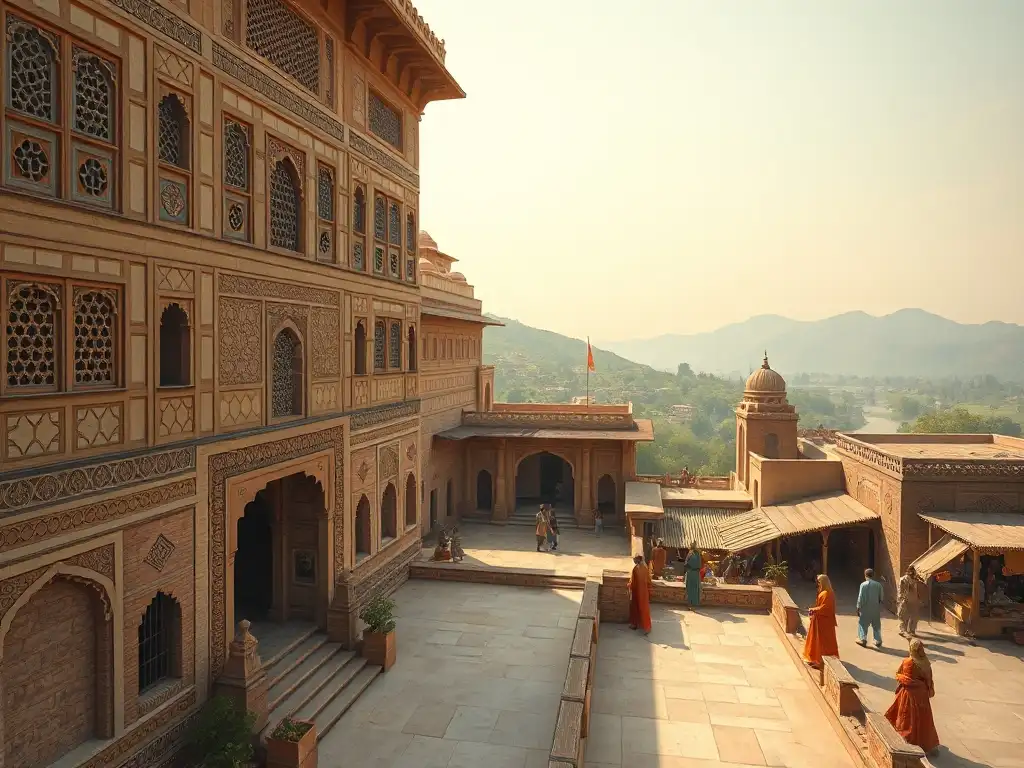
Several structures stand out in the analysis of Indus Valley architecture, highlighting the interplay of art and function.
- The Great Bath of Mohenjo-Daro: This large, public water tank is emblematic of both social and ritualistic functions. Its meticulous engineering includes a waterproof design with brick and mortar, serving both practical needs for public hygiene and potential religious ceremonies. The surrounding galleries suggest that it was a communal space that emphasized cleanliness and ritual.
- The Assembly Hall: Found in the ancient city of Harappa, this structure features a spacious layout with columns that indicate a space for gatherings and discussions. The artistry of the hall, evident in its symmetrical design and decorative motifs, suggests an environment conducive to civic engagement while reflecting the aesthetic values of the civilization.
- Residential Buildings: Homes in the Indus Valley were often two or more stories high, with flat roofs and open courtyards. These designs were not only practical for residential living, providing natural ventilation and privacy, but also allowed for decorative features such as painted walls and intricate door frames, highlighting the inhabitants' artistic sensibilities.
How Art Enhanced Functional Spaces
Art in Indus Valley architecture played a critical role in enhancing functional spaces. Decorative elements were not merely for aesthetic pleasure; they often served practical purposes that improved the usability of structures.
- Symbolism in Design: Many buildings featured motifs and symbols that held cultural significance, helping to create a sense of identity and community. For instance, the use of geometric patterns and animal motifs in seals and tiles reinforced cultural narratives and social cohesion.
- Integration of Natural Elements: The architecture often incorporated natural elements to enhance the functionality of spaces. Courtyards, gardens, and water features not only beautified the environment but also provided necessary resources such as shade, cooling, and water for domestic use.
- Adaptive Use of Materials: The choice of materials, such as the use of locally sourced clay and stone, ensured that structures were not only visually appealing but also suited to the environmental conditions. This practical choice reflected an artistic understanding of the relationship between form, material, and landscape.
Influences on Later Indian Architecture
The architectural innovations of the Indus Valley Civilization laid foundational principles that influenced subsequent Indian architectural styles.
Transition from Indus Valley to Subsequent Civilizations
As the Indus Valley Civilization declined around 1900 BCE, its architectural legacy continued to influence later civilizations in the Indian subcontinent. The arrival of the Vedic period saw the emergence of new architectural forms, yet many elements from the Indus Valley tradition persisted. For instance, the grid layout seen in Indus cities can be observed in later urban designs, with an emphasis on organized spaces and public infrastructure.
Additionally, the use of baked bricks and sophisticated drainage systems became standard in later architectural practices. The transition to new styles did not erase the previous influences; rather, it marked an evolution of architectural thought that integrated both indigenous and new ideas.
Lasting Legacy of Indus Valley Architectural Practices
The legacy of Indus Valley architecture is evident in many aspects of Indian architecture that followed. The emphasis on urban planning, public health, and civic spaces can be traced back to the principles established by this ancient civilization.
- Urban Planning: The meticulous urban layouts of Indus cities inspired future urban developments, emphasizing accessibility, sanitation, and community spaces.
- Material Use and Techniques: The techniques of brick-making and the innovations in drainage systems influenced later architectural practices, ensuring that practicality remained a priority in design.
- Cultural Symbolism: The integration of art in functional spaces set a precedent for future architectural endeavors in India, where aesthetics and cultural identity continued to play crucial roles in shaping built environments.
The Indus Valley Civilization's architectural achievements not only reflect a sophisticated understanding of the balance between art and function but also laid the groundwork for future developments in Indian architecture. The interplay of these elements continues to be a subject of interest for historians and architects alike, showcasing the enduring impact of this remarkable civilization.
Conclusion
The architecture of the Indus Valley Civilization stands as a testament to the remarkable ingenuity and sophistication of its builders. The intricate interplay of art and function not only reflects the aesthetic aspirations of the society but also reveals their practical considerations in urban planning and construction.
By analyzing the architectural elements of cities like Harappa and Mohenjo-Daro, we can appreciate how the Indus Valley people balanced beauty with utility, creating spaces that were both visually appealing and functionally efficient. This dual focus on art and practicality has left a lasting legacy that continues to inform our understanding of ancient urban design.
Summary of the Interplay Between Art and Function
The Indus Valley architecture showcases a harmonious blend of artistic expression and functional design. Buildings were constructed using standardized baked bricks, which facilitated uniformity and stability. The layout of cities was meticulously planned, featuring a grid system that optimized land use and sanitation. Public baths, such as the Great Bath at Mohenjo-Daro, exemplify this balance, serving both as a communal space for ritual purification and as an architectural landmark of beauty.
Additionally, decorative elements, including seals and pottery, were integrated into everyday structures, enhancing their aesthetic appeal without compromising functionality. The use of intricate carvings and motifs not only conveyed cultural narratives but also played a role in the identity of the communities, reinforcing social cohesion. This synergy between art and function illustrates how the Indus Valley Civilization was advanced in their architectural practices, demonstrating an understanding of both the material and spiritual needs of their society.
The Importance of Indus Valley Architecture Analysis in Understanding Ancient Civilizations
Conducting an architecture analysis of the Indus Valley Civilization is crucial for several reasons. First, it provides insights into the technological advances and construction techniques of the time, shedding light on how these early urban planners managed resources and responded to environmental challenges. The sophisticated drainage systems and water management practices reveal a society that prioritized public health and hygiene, which were essential for sustaining large populations.
Moreover, understanding the architectural choices made by the Indus Valley people allows historians and archaeologists to make connections between the physical environment and cultural practices. The spatial organization of cities can indicate aspects of social structure, trade networks, and even religious practices, thereby contributing to a more holistic view of ancient life in the Indus Valley.
Finally, analyzing Indus Valley architecture helps to draw parallels with other ancient civilizations, enriching our comprehension of human development and cultural exchange throughout history. By appreciating the interplay of art and function in their buildings, we can gain a deeper appreciation of the complexities and achievements of the Indus Valley Civilization, ultimately enhancing our understanding of the broader narrative of ancient Indian history.
- Introduction to Indus Valley Civilization
- Indus Valley Architecture Analysis
- Artistic Expressions in Indus Valley Buildings
- Decorative Elements in Architecture
- The Functionality of Indus Valley Structures
- Residential Buildings and Their Design
- Public Buildings and Their Purposes
- The Balance of Art and Function in Indus Valley Structures
- Case Studies of Notable Buildings
- How Art Enhanced Functional Spaces
- Influences on Later Indian Architecture
- Conclusion
- What is the significance of Indus Valley architecture?
- How did the art and function interplay in Indus Valley buildings?
- What are some key features of Indus Valley architecture?
- How did the cultural contributions of the Indus Valley influence later civilizations?
- What can modern architects learn from Indus Valley architecture analysis?
Frequently Asked Questions
What is the significance of Indus Valley architecture?
The Indus Valley architecture reflects advanced urban planning, showcasing drainage systems, grid patterns, and public baths that highlight the civilization's engineering prowess and cultural sophistication.
How did the art and function interplay in Indus Valley buildings?
In Indus Valley buildings, artistic elements complemented functional designs, where structures were not only meant for utility but also showcased intricate carvings and decorative motifs that represented the society's aesthetic values.
What are some key features of Indus Valley architecture?
Key features include the use of burnt bricks, well-planned streets, fortifications, and structures like the Great Bath that illustrate the civilization's emphasis on hygiene and public health.
How did the cultural contributions of the Indus Valley influence later civilizations?
The cultural contributions of the Indus Valley, such as urban planning and craftsmanship, laid a foundation that influenced later Indian civilizations, contributing to their architectural techniques and urban development.
What can modern architects learn from Indus Valley architecture analysis?
Modern architects can learn about the integration of art and function, sustainable building practices, and the importance of community-centric design from the Indus Valley architecture analysis that reflects timeless principles.
Final Reflection: The Enduring Legacy of Indus Valley Architecture
The intricate relationship between art and function in Indus Valley architecture remains profoundly relevant today, as we continue to seek harmony between aesthetic beauty and practical utility in our built environments. The architectural marvels of this ancient civilization not only showcase their advanced engineering skills but also reflect a deep understanding of community and sustainability that resonates with contemporary urban planning and design.
The influence of Indus Valley architecture extends far beyond its historical context, shaping our cultural and social landscapes in ways that inspire modern architects and designers. The principles of thoughtful design and integration with nature are echoed in today’s sustainable architecture movements. As noted by historian Charles Correa, The best architecture is that which is rooted in the culture of the people it serves.
This sentiment underscores the importance of drawing from our past to inform our present and future, reminding us that the built environment should reflect the values and needs of its inhabitants.
As we reflect on the lessons gleaned from the Indus Valley civilization, I invite you to consider how you can incorporate these timeless principles into your own life and work. Embrace the idea that art and function can coexist harmoniously, and strive to create spaces that not only serve their purpose but also inspire and uplift those who inhabit them. Let the legacy of Indus Valley architecture guide you in crafting environments that honor both beauty and utility, fostering a deeper connection to the world around us.
Unveil the Beauty of Ancient Architecture!
Thank you for diving into the fascinating world of the Indus Valley's architectural marvels! We hope you gained new insights into how art and function beautifully intertwined within these ancient structures. Now, let’s keep that spark of curiosity alive and take actionable steps to explore more!
- Dive Deeper: Visit our interactive map of Indus Valley sites to discover ruins and artifacts firsthand.
- Share Your Thoughts: Engage with fellow enthusiasts on our forum – exchange your favorite architectural features or any surprising facts you learned!
- Inspire Others: Share what captivates you about ancient architecture on social media and tag us!
Which aspect of the Indus Valley’s architecture resonates with you the most, and how might it influence modern design today?