
Exploring the Use of Color and Symbolism in Ancient Indian Architecture

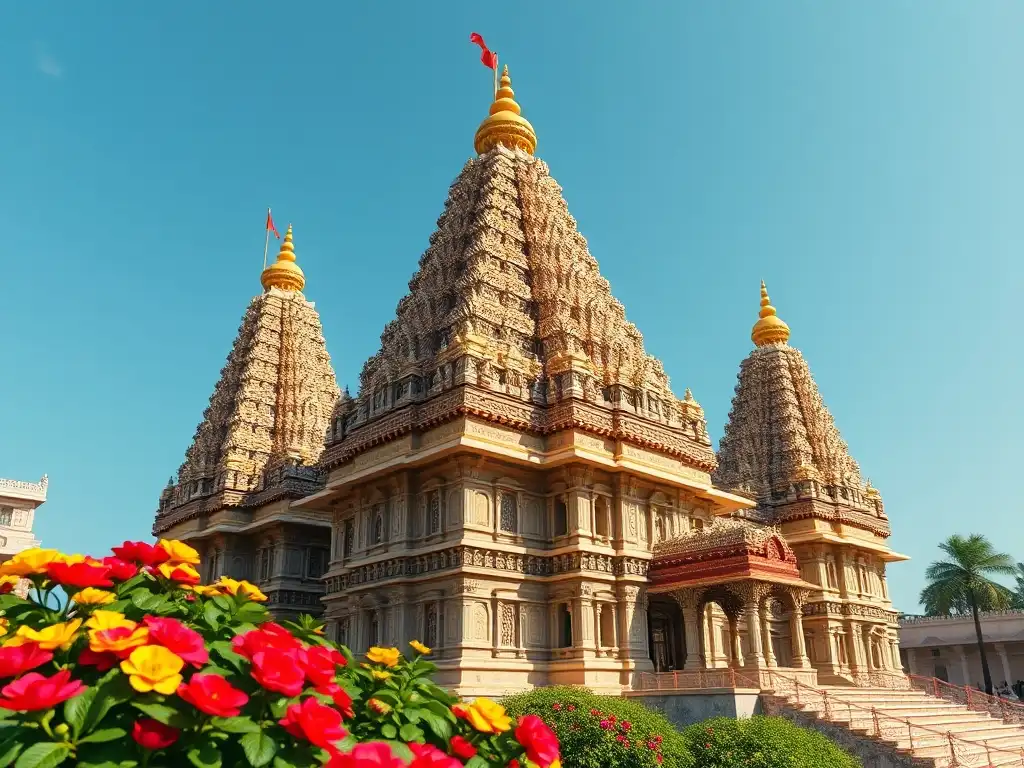
Welcome to Ancient India History—your gateway to uncovering the rich tapestry of civilizations that shaped one of the world's most fascinating cultures. Here, we invite you to embark on a journey through time as we delve into the intriguing concept of color symbolism in ancient India. Discover how vibrant hues were not merely decorative but carried profound meanings in the architectural wonders of the past.
Are you ready to explore the hidden messages behind the colors that adorned temples and palaces? Join us as we unravel the significance of color in ancient Indian architecture and ignite your curiosity about the innovations that defined these remarkable societies.

Introduction to Color Symbolism in Ancient India
Color symbolism plays a vital role in the rich tapestry of ancient Indian architecture, where hues were not merely aesthetic decisions but deeply intertwined with cultural and spiritual meanings. From the vibrant reds and yellows of temple facades to the serene blues and whites that adorned palatial walls, colors served as a language of expression, conveying messages of divinity, prosperity, and harmony. This exploration seeks to uncover how ancient Indian civilizations employed color and symbolism to enhance architectural beauty and convey complex ideas, ultimately shaping the built environment in ways that resonate with their cultural ethos.
Definition of Color Symbolism in Ancient Indian Culture
Color symbolism in ancient India encompasses a range of meanings attributed to specific colors within various cultural and spiritual contexts. Each hue was believed to evoke certain emotions, represent deities, or signify moral virtues. For instance:
- Red: Often associated with strength, power, and fertility, red was prominently used in temples to invoke divine blessings.
- Yellow: Symbolizing knowledge and learning, yellow was frequently seen in educational institutions and religious texts.
- Green: Representing nature and prosperity, green was a common choice in gardens and sacred groves.
- White: A color of purity and peace, white was used in ceremonial spaces and places of worship.
This intricate system of color symbolism not only influenced the aesthetic choices of architects but also shaped the spiritual narratives woven into the architecture of ancient India.
Importance of Color in Ancient Indian Architecture
The significance of color in ancient Indian architecture extended beyond mere decoration; it was intrinsic to the architectural identity itself. Color was used strategically to:
- Enhance Spiritual Atmosphere: Colors like gold and deep blue were employed to create a sense of the divine, elevating the spiritual experience of worshippers.
- Reflect Cultural Beliefs: Architectural choices were often aligned with the prevailing philosophical and religious beliefs, with colors chosen to resonate with specific deities or celestial bodies.
- Facilitate Social Hierarchies: Different colors represented varying social statuses, with palatial structures utilizing more opulent and vibrant color schemes to signify wealth and power.
The careful integration of color into architectural design thus served as a powerful tool for communication, allowing the ancients to convey complex ideas about their beliefs, values, and societal structures.
Historical Context of Ancient Indian Architecture
To fully appreciate the use of color and symbolism in ancient Indian architecture, it is essential to understand the historical backdrop against which these magnificent structures were built. Ancient India witnessed a series of flourishing civilizations, each contributing unique architectural styles and color palettes that reflect their cultural identities.
Overview of Ancient Indian Civilizations
Ancient India was home to several prominent civilizations, including:
- Indus Valley Civilization (c. 3300–1300 BCE): Known for its planned cities and sophisticated drainage systems, this civilization utilized terracotta and painted pottery, establishing early color and design patterns.
- Maurya Empire (c. 322–185 BCE): Marked by monumental structures like the Ashoka Pillars, this period saw the use of polished stone and intricate carvings, hinting at early color symbolism.
- Gupta Empire (c. 240–550 CE): Often referred to as the "Golden Age," the Gupta period witnessed a flourishing of arts and architecture, with vibrant frescoes and sculptures that richly employed color to convey religious narratives.
Each of these civilizations left an indelible mark on the architectural landscape, influencing subsequent generations in their use of color and symbolism.
Architectural Styles Influenced by Color Symbolism
The architectural styles of ancient India were as diverse as the cultures that created them, with color playing a crucial role in their design:
- Religious Structures: Temples often featured intricate carvings and murals painted in symbolic colors, designed to evoke the presence of deities and enhance the spiritual experience.
- Palaces and Forts: Residences of royalty and nobility showcased a grand use of color, often with rich mosaics and frescoes that celebrated the glory and power of the rulers.
- Civic Buildings: Public spaces and structures were often painted in colors that represented communal values and cultural heritage, fostering a sense of identity among inhabitants.
By examining these architectural styles through the lens of color symbolism, one gains deeper insights into the values and beliefs that shaped ancient Indian civilization.
The Role of Color in Religious and Spiritual Contexts
Color has played a pivotal role in the religious and spiritual contexts of ancient Indian architecture, serving as a medium through which deeper meanings and beliefs are conveyed. The use of color was not arbitrary; rather, it was intricately linked to the cultural and religious ideologies prevalent at the time. Each hue communicated a specific symbolism, often intertwined with the deities, rituals, and the surrounding environment.
In Hinduism, for instance, colors are not just aesthetic choices but are imbued with spiritual significance. Temples adorned with vibrant colors aim to evoke devotion and a sense of the divine. Similarly, in Buddhist architecture, colors are used to convey messages about the teachings of the Buddha and the path to enlightenment. Jain architecture, too, incorporates a carefully curated palette that reflects its core philosophies, emphasizing non-violence and respect for all living beings.
Overall, the thoughtful application of color in these religious contexts served to enhance the spiritual experience, guiding followers in their devotion and understanding of the sacred spaces they inhabited.
Color Symbolism in Hindu Temples
In Hindu temples, color symbolism is profoundly significant, with various colors representing different deities and their attributes. For example, the color red is often associated with Shakti, the divine feminine energy, symbolizing power and passion. Temples dedicated to goddesses frequently feature red in their decorations, invoking the energy and strength of the divine.
Another common color is yellow, which signifies knowledge and learning, often linked to the deity Saraswati, the goddess of wisdom. The use of yellow in temple sculptures and frescoes reinforces the importance of education and enlightenment in the Hindu faith.
Additionally, the color white symbolizes purity and peace, often used in temple interiors to create a tranquil atmosphere conducive to prayer and meditation. The interplay of colors not only enhances the visual appeal of the temples but also serves to communicate complex spiritual ideas to worshippers.
Significance of Colors in Buddhist Architecture
Buddhist architecture employs colors to reflect the teachings of Buddhism and the nature of existence. For instance, the predominant use of gold in stupas and images of the Buddha signifies enlightenment and the ultimate goal of Nirvana. Gold embodies the idea of transcending the material world, representing the luminous quality of the enlightened mind.
Red often appears in Buddhist art as a symbol of compassion and love, essential virtues in Buddhist philosophy. The color blue, particularly in depictions of the Buddha, represents the vastness of the sky and the ocean, symbolizing the infinite nature of wisdom and the interconnectedness of all beings.
Moreover, the use of vibrant colors in mandalas, which are intricate diagrams used in meditation, serves as a visual representation of the universe. Each color in a mandala has specific meanings, guiding practitioners on their spiritual journey and helping them visualize complex concepts.
Jain Architecture and Its Use of Color
Jain architecture is renowned for its exquisite detail and the thoughtful use of color to convey the principles of Jainism. Colors in Jain temples are carefully selected to reflect themes of non-violence, truth, and respect for all life. For example, green hues are often utilized to symbolize life, growth, and harmony with nature, aligning with Jain beliefs that emphasize the sanctity of all living beings.
The intricate carvings and sculptures found in Jain temples frequently feature a variety of colors, each chosen for its spiritual significance. White marble, a hallmark of many Jain temples, symbolizes purity and peace, creating a serene environment for worshippers. The use of colors in Jain architecture thus serves both aesthetic and philosophical purposes, enhancing the spiritual experience of followers.
Common Colors and Their Symbolic Meanings
Red: Power, Passion, and Purity
In ancient Indian culture, red is a potent color symbolizing power, passion, and purity. It is frequently associated with Shakti, the divine feminine energy in Hinduism. Temples dedicated to goddess worship often feature red in their decorations, signifying the strength and vitality of the divine. Additionally, red is used in celebratory contexts, such as weddings, where it represents auspiciousness and joy.
Yellow: Knowledge, Learning, and Prosperity
Yellow holds significant importance in ancient Indian architecture, symbolizing knowledge, learning, and prosperity. It is often associated with Saraswati, the goddess of wisdom. This vibrant color is used prominently in temple murals and decorations to evoke a sense of enlightenment and intellectual growth. Yellow’s bright and cheerful nature also reflects a sense of hope and positivity.
Green: Nature, Growth, and Fertility
Green symbolizes nature, growth, and fertility, playing a vital role in the architectural expressions of ancient India. This color is often used in gardens and temple landscapes, serving as a reminder of the connection between the divine and the natural world. In Jain architecture, green hues emphasize the importance of living in harmony with nature and all its inhabitants.
Blue: Divine and Cosmic Significance
Blue is a color deeply embedded in the spiritual and cosmic significance within ancient Indian architecture. It is frequently associated with deities like Krishna and Vishnu, symbolizing the infinite and the divine. The color blue represents the vastness of the sky and the ocean, embodying the concept of the eternal and the limitless nature of the universe.
White: Purity and Peace
White is a color synonymous with purity and peace in ancient Indian architecture. It is often used in temple interiors and exteriors to create a serene and tranquil atmosphere conducive to meditation and worship. The use of white marble in Jain temples exemplifies this symbolism, reflecting the ideals of clarity and spiritual cleanliness, which are central to Jain philosophy.
Architectural Elements Depicting Color Symbolism
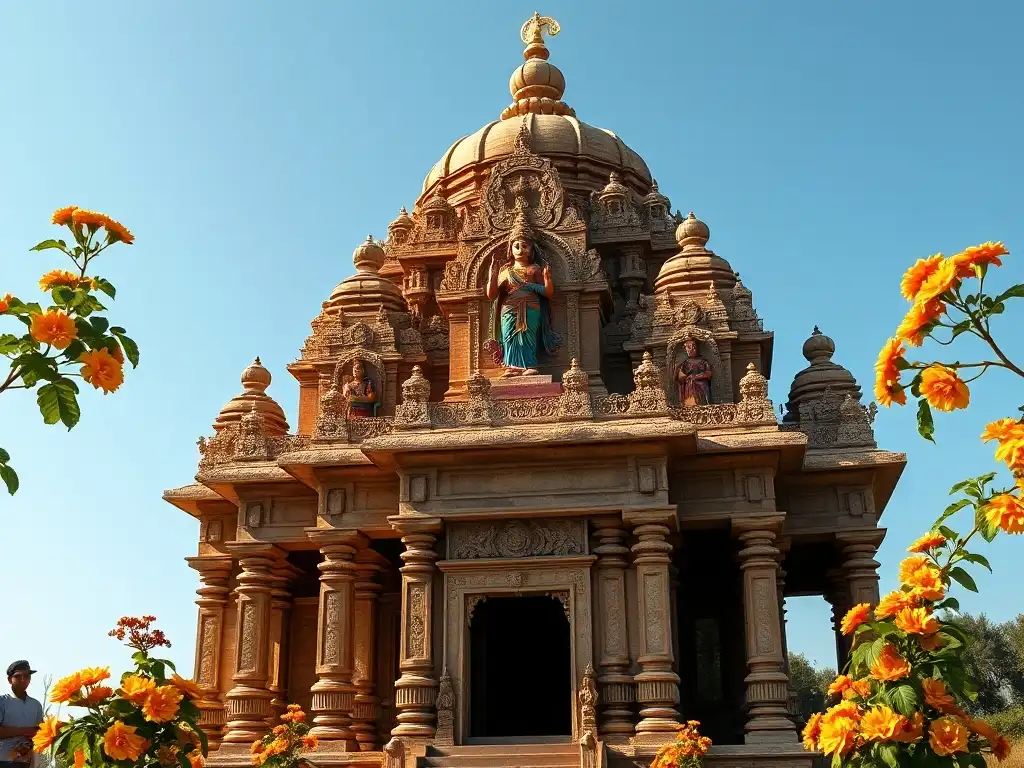
Color symbolism in ancient India is intricately woven into the architectural fabric of its structures. Architects and artisans employed various hues not merely for aesthetic appeal but also to convey deeper meanings and cultural narratives. The use of color served as a significant tool in expressing religious beliefs, societal values, and the natural world. This influence is evident in various architectural elements, including facades, murals, and even the materials chosen for construction.
The interplay of color in architecture provides insights into the cultural zeitgeist of ancient India, reflecting its philosophies, customs, and the interconnectedness of nature and spirituality. This section explores the critical aspects of color and symbolism in ancient Indian architecture, shedding light on how these elements were thoughtfully integrated into the design and construction of significant structures.
Facades and Murals: A Canvas of Color
The facades of ancient Indian structures often acted as vibrant canvases, adorned with intricate murals and carvings that utilized bold colors to portray stories from mythology, everyday life, and nature. These murals were typically painted using natural pigments derived from minerals and plants, which not only ensured longevity but also provided a rich palette that often included reds, yellows, greens, and blues.
For example, the famous murals in the Ajanta Caves depict scenes from the life of Buddha and various Jataka tales, using color to evoke emotions and convey moral lessons. The choice of colors often had symbolic meanings; for instance, red might symbolize power and passion, while blue often represented tranquility and the divine. The interplay of light and color on these facades served to enhance the spiritual experience of the viewers, drawing them into the narratives portrayed.
Use of Colored Stones and Materials
In ancient Indian architecture, the choice of colored stones and materials was not merely a matter of availability but a deliberate decision imbued with meaning. Structures like temples and palaces often incorporated locally sourced stones, which varied in color, allowing architects to create visually stunning compositions.
For instance, the red sandstone used in many Mughal structures not only served a practical purpose but also symbolized strength and permanence. The intricate inlay work found in the Taj Mahal, which features semi-precious stones like lapis lazuli and malachite, illustrates how color and material were harmonized to reflect beauty and divinity. This careful selection of materials enriched the symbolic narrative, emphasizing the spiritual essence of the architecture.
Symbolic Patterns and Motifs in Ancient Indian Architecture
The use of patterns and motifs in ancient Indian architecture often featured complex designs imbued with symbolic meanings. Mandalas, geometric patterns, and floral motifs were frequently used to reflect the cosmos, the cycle of life, and the divine order.
These designs were meticulously crafted and painted, with colors chosen to enhance their meanings. For example, lotus motifs, often rendered in pink and white, symbolize purity and spiritual awakening, while peacock motifs in vibrant hues signify grace and beauty. The incorporation of such patterns not only added visual interest but also served to communicate deeper philosophical concepts, aligning the physical space with spiritual ideals.
Case Studies of Prominent Structures
The exploration of color symbolism in ancient Indian architecture is best illustrated through specific case studies of prominent structures. These examples highlight how color and symbolism were not merely decorative but integral to the architectural narrative and cultural identity of ancient India.
The Brihadeeswarar Temple: A Study in Color and Symbolism
The Brihadeeswarar Temple in Thanjavur is a magnificent example of Chola architecture that employs color symbolism to convey religious significance. The temple's towering gopuram (gateway) is adorned with vibrant sculptures, many of which are painted in striking colors that represent various deities and celestial beings.
The use of gold and bright colors signifies the divine, while the intricate carvings narrate the tales of Hindu mythology. The interplay of light and shadow on the temple's surfaces changes throughout the day, enhancing the temple's spiritual ambiance and drawing worshippers into a deeper connection with the sacred.
The Ajanta Caves: Colorful Frescoes and Their Meanings
The Ajanta Caves, a UNESCO World Heritage site, are renowned for their stunning frescoes that illustrate the life and teachings of Buddha. The use of color in these murals is profound; each hue conveys specific meanings and emotions.
The earthy tones used in the background contrast with the vibrant colors of the figures, drawing attention to the narratives. For example, the use of green often represents harmony and the natural world, while gold signifies divinity and enlightenment. This careful application of color not only enhances the aesthetic appeal of the caves but also enriches the spiritual experience of those who visit.
The Lotus Temple: Modern Interpretations of Ancient Color Symbolism
The Lotus Temple in Delhi serves as a modern interpretation of ancient Indian architectural ideals, incorporating color symbolism in its design. Inspired by the lotus flower, a symbol of purity and beauty in Indian culture, the temple's white marble structure reflects light in various hues throughout the day, creating a visual experience that evokes serenity and transcendence.
The use of glass and color in the interior spaces further enhances the spiritual atmosphere, allowing natural light to play across the surfaces in a way that echoes ancient practices. This contemporary structure pays homage to the rich tradition of color symbolism in ancient Indian architecture while adapting it for modern sensibilities, demonstrating the enduring legacy of these artistic principles.
The Impact of Color Symbolism on Modern Architecture
Color symbolism has a profound impact on modern architecture, influencing not just aesthetic choices but also the emotional and psychological responses of individuals to built environments. In contemporary architecture, colors are carefully chosen to evoke specific feelings, create atmospheres, and communicate cultural narratives. For instance, the use of red can symbolize strength and vitality, while blue might convey tranquility and calmness.
Modern architects often draw inspiration from ancient practices, including those from ancient India, where colors were imbued with deep meanings. This connection to history allows contemporary designs to resonate with cultural significance, offering a bridge between the past and present. Furthermore, the integration of color symbolism can enhance the identity of a space, making it more memorable and relatable to its users.
Reviving Ancient Techniques in Contemporary Designs
In recent years, there has been a notable trend towards reviving ancient techniques in contemporary architectural designs. Architects and designers are increasingly looking to the past for inspiration, emphasizing traditional approaches that incorporate color symbolism. This revival is not merely about aesthetic appeal; it reflects a growing awareness of sustainable practices and a desire to connect with cultural roots.
Techniques such as the use of natural pigments and materials, which were prevalent in ancient Indian architecture, are being reconsidered for modern constructions. For example, the vibrant hues derived from turmeric, indigo, and other natural sources are making a comeback, promoting both sustainability and authenticity. This not only enriches the visual experience of modern architecture but also pays homage to the rich heritage of ancient Indian color practices.
The Influence of Ancient Color Symbolism on Modern Indian Architecture
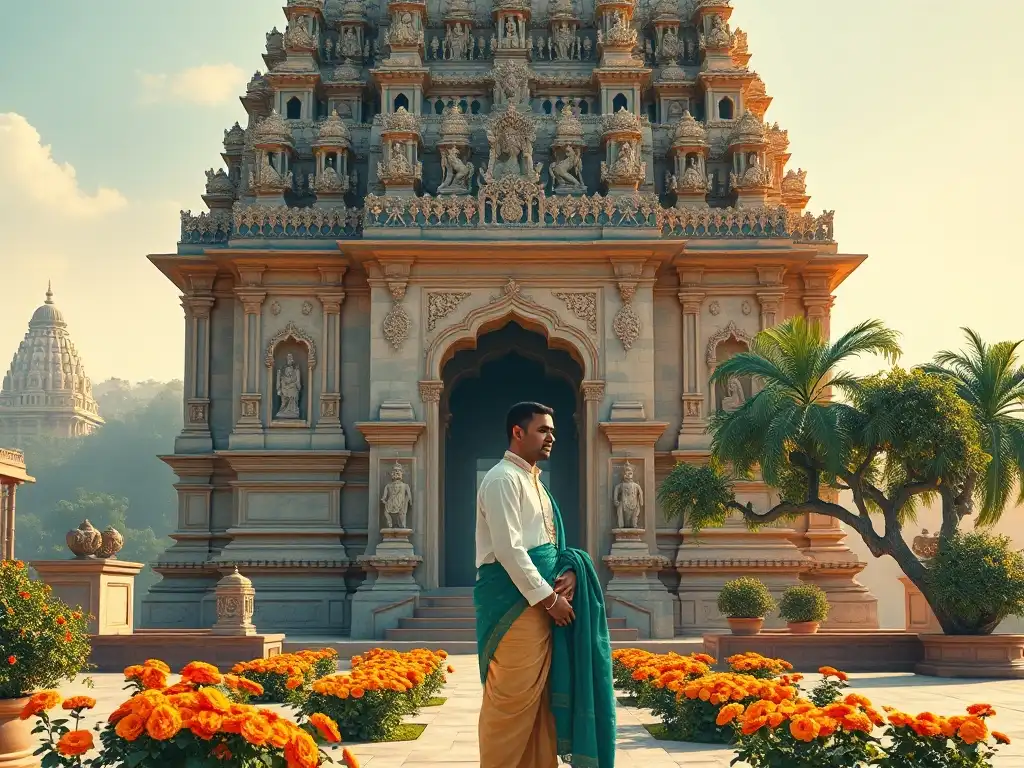
The influence of ancient color symbolism is particularly evident in modern Indian architecture. Many contemporary Indian architects are revisiting the color palettes of historical structures, such as temples and forts, which utilized colors to convey spiritual meanings and social messages. For instance, the use of white often symbolizes purity in both ancient and modern contexts, while green might represent nature and fertility.
Moreover, the integration of color symbolism into urban planning and public spaces reflects a desire to foster community identity and continuity. The presence of vibrant colors in markets, public buildings, and cultural institutions often draws from historical significance, creating a dialogue between the past and present. This fusion not only enhances the aesthetic appeal of urban environments but also reinforces a sense of belonging among the populace.
Conclusion: The Enduring Legacy of Color Symbolism in Ancient Indian Architecture
The enduring legacy of color symbolism in ancient Indian architecture is evident in its profound influence on both historical and modern structures. Ancient color practices were not arbitrary; they were deeply rooted in cultural narratives, spiritual beliefs, and social practices. This legacy continues to inspire architects today, as they seek to create spaces that are not only functional but also meaningful.
By integrating color symbolism into modern architecture, designers can create environments that resonate with users on multiple levels, fostering emotional connections and cultural identity. The interplay of colors in architecture serves as a reminder of the rich tapestry of history, encouraging a dialogue between different eras and communities.
Summary of Key Points
- Color symbolism in ancient India was deeply intertwined with cultural and spiritual beliefs.
- Modern architecture often draws inspiration from ancient color practices, reviving techniques that incorporate natural pigments and sustainable materials.
- The influence of ancient color symbolism is evident in contemporary Indian architecture, enhancing community identity and emotional connection.
- The legacy of color symbolism continues to shape architectural choices, creating meaningful spaces that reflect both history and modernity.
The Importance of Preserving Color Symbolism in Cultural Heritage
Preserving color symbolism is crucial for maintaining cultural heritage, as it encapsulates the values, beliefs, and narratives of a civilization. In the context of ancient Indian architecture, color choices were often reflective of philosophical concepts and societal norms, serving as a visual language that communicated deeper meanings.
Efforts to preserve this aspect of cultural heritage involve documenting traditional color practices and encouraging their incorporation into modern designs. This not only honors the past but also enriches contemporary architecture, ensuring that future generations appreciate the significance of color symbolism in shaping identity and community. By fostering a deeper understanding of these elements, we can cultivate a greater appreciation for the intricate relationship between color, architecture, and culture.
- Introduction to Color Symbolism in Ancient India
- Historical Context of Ancient Indian Architecture
- The Role of Color in Religious and Spiritual Contexts
- Common Colors and Their Symbolic Meanings
- Architectural Elements Depicting Color Symbolism
- Case Studies of Prominent Structures
- The Impact of Color Symbolism on Modern Architecture
- Reviving Ancient Techniques in Contemporary Designs
- The Influence of Ancient Color Symbolism on Modern Indian Architecture
- Conclusion: The Enduring Legacy of Color Symbolism in Ancient Indian Architecture
- Summary of Key Points
- The Importance of Preserving Color Symbolism in Cultural Heritage
- What is the significance of color symbolism in ancient Indian architecture?
- How did the Indus Valley Civilization utilize colors in their structures?
- What colors were most commonly used in ancient Indian temples?
- How did the Gupta Empire contribute to color symbolism in architecture?
- Are there any modern interpretations of color symbolism from ancient India?
Frequently Asked Questions
What is the significance of color symbolism in ancient Indian architecture?
In ancient India, color symbolism played a vital role in conveying spiritual meanings and cultural values. Different colors were used to represent various deities, emotions, and natural elements.
How did the Indus Valley Civilization utilize colors in their structures?
The Indus Valley Civilization showcased a range of colors in their architecture, often using natural pigments to enhance the aesthetic appeal and signify social status or spiritual beliefs within the community.
What colors were most commonly used in ancient Indian temples?
In ancient Indian temples, colors like red, yellow, and green were predominant. Each color symbolized different aspects, such as prosperity, fertility, and growth, reflecting the divinity associated with the temple.
How did the Gupta Empire contribute to color symbolism in architecture?
The Gupta Empire is known for its innovative use of color in architecture, enhancing the intricacy of sculptures and frescoes. This era emphasized the aesthetic and spiritual significance of colors in religious structures.
Are there any modern interpretations of color symbolism from ancient India?
Yes, modern interpretations often draw from ancient traditions, adapting color symbolism in contemporary art and architecture. This reflects a continuity of cultural values and the importance of color in expressing identity and spirituality.
Final Reflection: The Enduring Legacy of Color Symbolism in Ancient India
The exploration of color symbolism in ancient Indian architecture reveals a profound connection between aesthetics and spirituality that remains relevant today. As we navigate a world increasingly dominated by visual stimuli, understanding how ancient cultures infused meaning into their architectural choices can inspire us to seek deeper significance in our surroundings. The vibrant hues and intricate symbols of ancient Indian structures serve as a reminder that every color tells a story, and every design choice carries weight.
The impact of color symbolism in ancient Indian architecture extends far beyond mere visual appeal; it shapes our cultural identity and influences contemporary artistic expressions. Today, we see echoes of these ancient practices in modern architecture, art, and design, where color continues to convey emotions and narratives. As noted by art historian Dr. R. S. Sharma, Color is not just a visual experience; it is a language that speaks to the soul.
This observation underscores the ongoing relevance of color symbolism, inviting us to appreciate the layers of meaning behind the colors we encounter in our daily lives.
As you reflect on the themes presented in this article, consider how you can incorporate the lessons of color and symbolism into your own life. Take a moment to observe the colors around you—what emotions do they evoke? How can you use color to express your own identity or tell your story? By embracing the rich heritage of color symbolism in ancient India, we can cultivate a deeper appreciation for the world around us and harness the power of color to enrich our personal and communal narratives.
Unveil the Vibrancy of Ancient Indian Architecture!
Thank you for diving into the fascinating world of color and symbolism in ancient Indian architecture! Your curiosity has equipped you with insights into how these vibrant elements intertwine to tell stories of our rich history. Now, it’s time to put that knowledge into action and further explore this captivating subject.
Here are a few ways you can deepen your understanding and share the marvels of ancient Indian architecture:
- Visit a Local Museum: Check if there’s an exhibition on ancient Indian art or architecture in your area. Experiencing these pieces in person can truly bring the stories to life!
- Join an Online Forum or Community: Engage with fellow history enthusiasts on social media platforms. Share your insights and discover new perspectives on the symbolism found in architecture.
- Create a Visual Inspiration Board: Use digital platforms to curate images that resonate with the colors and designs discussed in this article. Get creative and connect with others who share your passion for this vibrant art form!
What aspect of ancient Indian architecture fascinates you the most, and how will you explore it further?