
From Brick to Stone: The Evolution of Construction Materials in Ancient India

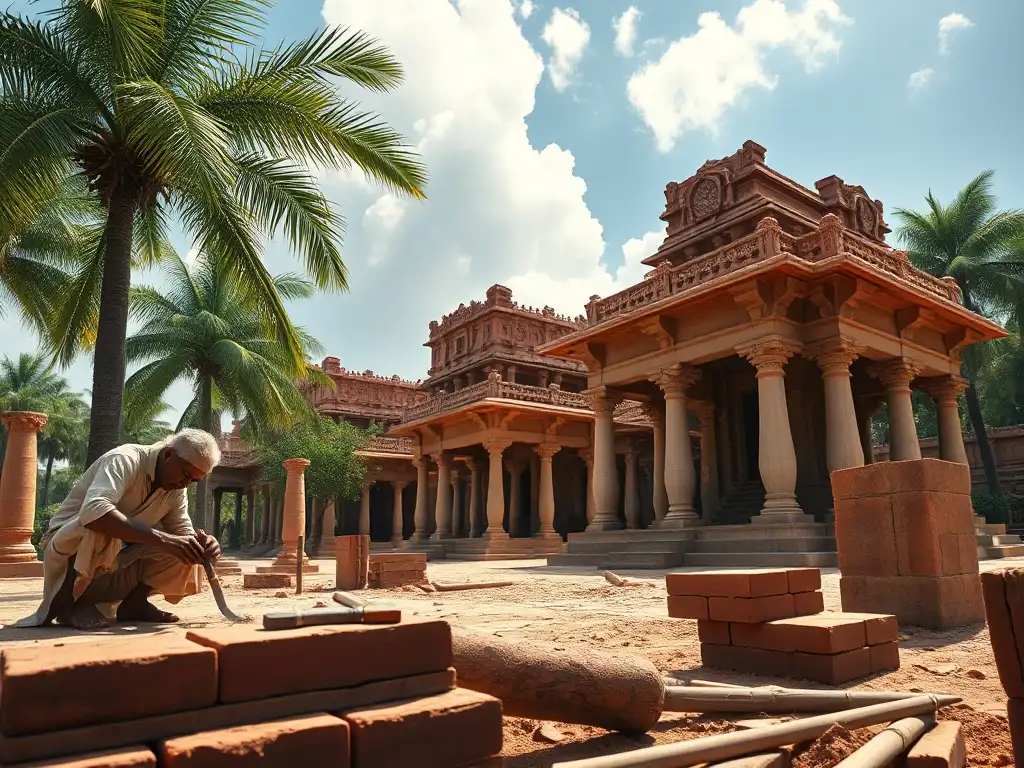
Welcome to Ancient India History, where we embark on a fascinating journey through the rich tapestry of one of the world's oldest civilizations. In our latest exploration, we delve into the evolution of construction materials in ancient India, revealing how innovations in brick and stone shaped the architectural wonders that still captivate us today. What secrets lie beneath the layers of history?
Join us as we uncover the techniques and materials that defined eras, and discover how these ancient practices continue to influence modern architecture. Your adventure into the marvels of ancient Indian construction starts here—read on to unlock the past!
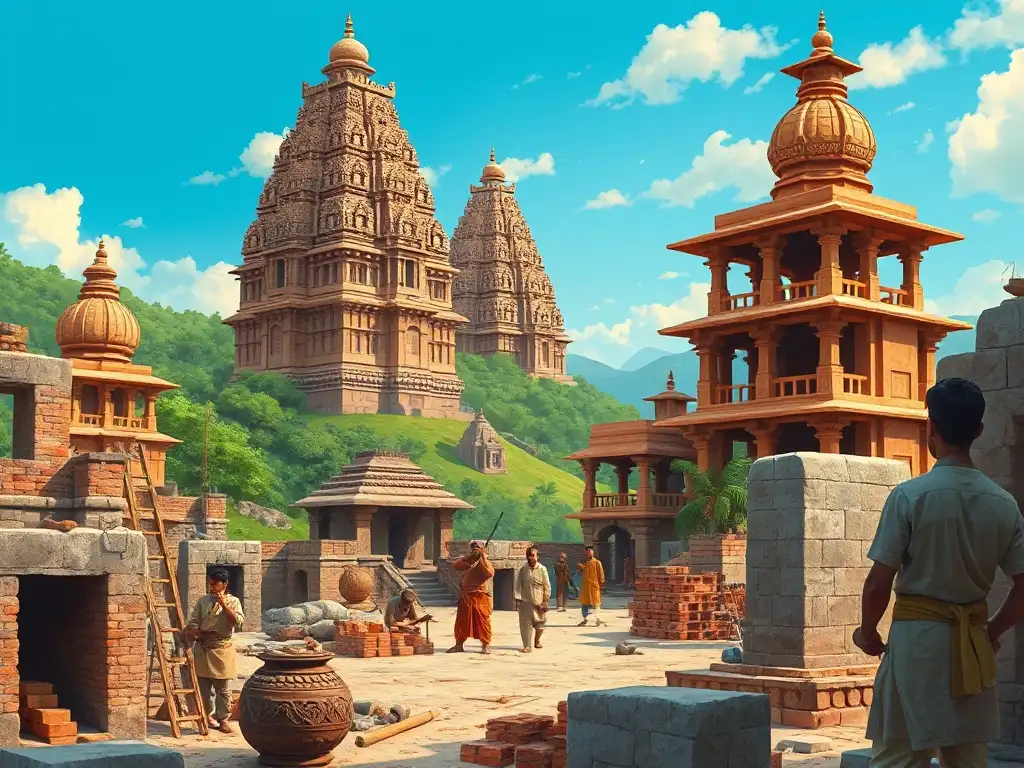
Introduction to Ancient Indian Construction Materials
The history of ancient Indian construction materials is a fascinating narrative that reflects the ingenuity and adaptability of Indian civilizations through the ages. From the meticulously crafted bricks of the Indus Valley to the grand stone edifices of the Gupta Empire, ancient Indian construction materials reveal a story of innovation driven by the need for durability, functionality, and aesthetics. This article aims to explore the evolution of these materials, emphasizing the significance of their selection and usage in shaping the architectural landscape of ancient India.
Overview of Construction Practices in Ancient India
Ancient Indian architecture showcases a rich tapestry of construction practices that evolved over millennia. The early civilizations, particularly the Indus Valley Civilization (c. 3300–1300 BCE), laid the groundwork for sophisticated urban planning and building techniques. The use of fired bricks was prevalent, allowing for the construction of sturdy structures that have withstood the test of time.
As time progressed, various regions in India adopted different materials and methods, influenced by local resources and cultural preferences. Stone became a predominant material in later periods, particularly during the Maurya and Gupta dynasties, leading to the creation of magnificent temples and palaces.
Importance of Material Selection in Ancient Engineering
Material selection played a pivotal role in ancient Indian engineering, significantly impacting the durability and functionality of structures. The choice between brick, stone, wood, and later materials was influenced by:
- Geographical Availability: Local resources dictated the primary construction materials.
- Climate Considerations: Different materials offered varying degrees of insulation and resistance to environmental factors.
- Cultural Significance: Certain materials were favored for their aesthetic qualities or symbolic meanings.
Understanding these factors provides insight into the architectural achievements and innovations of ancient Indian civilizations.
The Use of Brick in Ancient Indian Architecture
The use of brick in ancient Indian architecture marks a significant chapter in construction history. Bricks were not only abundant but also versatile, making them an ideal choice for various building types.
Characteristics and Types of Bricks in Ancient India
Ancient Indian bricks were characterized by their size, shape, and firing techniques. Common features include:
- Size Variations: Bricks were typically rectangular, with variations in dimensions based on local standards.
- Firing Techniques: Both sun-dried and fired bricks were used, with fired bricks offering enhanced durability.
- Decorative Elements: Some bricks featured intricate designs and inscriptions, showcasing the artistry of the builders.
Different types of bricks were employed for specific purposes, influencing the overall architectural style.
Historical Significance of Brick in Indus Valley Civilization
The Indus Valley Civilization is renowned for its advanced use of brick, which laid the foundation for urban development. The bricks were standardized in size, promoting uniformity across structures. Key features of brick usage during this period include:
- Urban Planning: The grid layout of cities like Mohenjo-Daro and Harappa utilized bricks for roads, drainage systems, and residential buildings.
- Technological Innovations: The use of sophisticated kiln technology allowed for the production of high-quality fired bricks, enhancing structural integrity.
The legacy of brick construction in the Indus Valley continues to influence modern architectural practices in India today.
Famous Brick Structures and Their Contributions
Several iconic structures built from ancient Indian bricks serve as testaments to their significance in architecture. Notable examples include:
- The Great Bath of Mohenjo-Daro: A remarkable public bathing facility that highlights advanced engineering and sanitation practices.
- Buddhist Stupas: Many early stupas incorporated brick, serving as important religious and cultural sites.
These structures not only reflect the architectural prowess of ancient Indians but also their cultural values and technological advancements.
Transition from Brick to Stone: Key Factors
The transition from brick to stone in ancient Indian construction materials was influenced by a combination of environmental, technological, and cultural factors. Initially, bricks were the predominant material used by civilizations such as the Indus Valley Civilization, which favored locally available clay for building structures. However, as societies evolved and urban centers grew, the demand for more durable and aesthetically pleasing materials became apparent.
Environmental Influences on Material Choice
The geographical features of ancient India played a significant role in the selection of construction materials. Regions like the Deccan Plateau and the Himalayas provided abundant sources of stone, leading to a natural shift in material preference. The availability of sandstone, granite, and limestone in these areas offered builders durability and strength that clay bricks could not match. Additionally, climatic conditions, such as the monsoon season, necessitated materials that could withstand heavy rains and erosion, further promoting the use of stone.
Furthermore, the socio-political landscape influenced material choice. As kingdoms expanded, the need for monumental architecture to demonstrate power and prestige led to the selection of stone, which could support grand structures that were also visually impressive. This shift symbolized not only practical considerations but also a cultural statement of permanence and stability.
Advancements in Construction Techniques
The evolution of construction techniques also facilitated the transition from brick to stone. Innovations in quarrying and stone-cutting tools allowed artisans to shape and transport large stone blocks more efficiently. The introduction of techniques such as interlocking stones and the use of mortar enhanced the structural integrity of stone buildings.
Moreover, the understanding of load distribution and architectural principles became more sophisticated, enabling builders to create intricate designs, such as arches and vaulted ceilings, which were not feasible with brick alone. This advancement in construction methods allowed for greater flexibility in design and layout, making stone an attractive option for both practical and aesthetic purposes.
Stone as a Dominant Material in Ancient Indian Construction
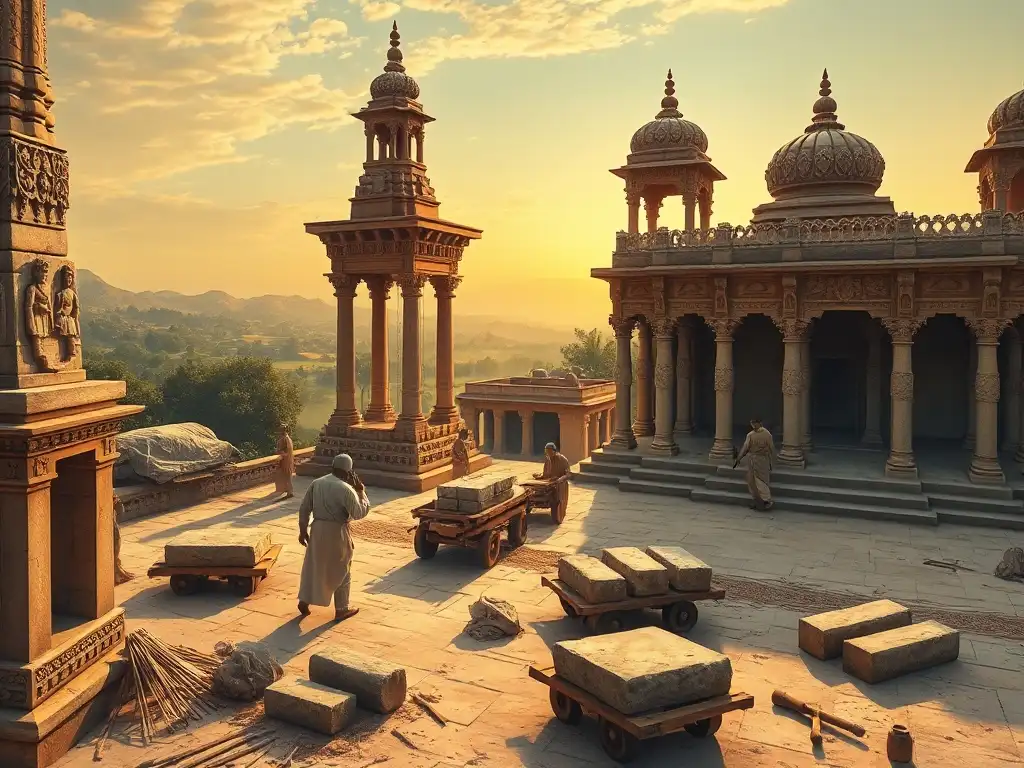
The adoption of stone as a primary construction material marked a significant evolution in ancient Indian architecture. The durability and strength of stone allowed for the creation of enduring structures that have survived the test of time, showcasing the architectural ingenuity of ancient Indian civilizations.
Types of Stones Used in Ancient Indian Architecture
Various types of stones were utilized across different regions of ancient India, each offering unique properties.
- Sandstone: Predominantly used in northern India, sandstone was favored for its workability and aesthetic appeal. Structures like the Red Fort and the Delhi Qutub Minar exemplify the beauty of sandstone architecture.
- Granite: Known for its strength, granite was extensively used in the southern regions, particularly in temples. The Brihadeeswarar Temple in Thanjavur is a prime example of granite's application in monumental architecture.
- Limestone: This material was often employed in regions where it was readily available and was used for intricate carvings and detailed architectural features, as seen in various Jain temples.
Notable Stone Structures: Temples, Palaces, and Forts
Several notable stone structures from ancient India reflect the architectural prowess of the time.
- Temples: Stone temples, such as those in Khajuraho and Hampi, showcase intricate carvings and elaborate sculptures, serving both religious and artistic purposes. These structures not only represent spiritual devotion but also the technological mastery in stone construction.
- Palaces: The palaces built during the reign of the Mughals, like the Fatehpur Sikri, highlight the use of red sandstone and marble, combining functionality with grandeur.
- Forts: Ancient forts, such as the Mehrangarh Fort in Jodhpur, demonstrate the strategic use of stone for defense, featuring thick walls and imposing gates that have withstanded centuries of conflict.
The Role of Stone in Resilience and Aesthetics
Stone played a crucial role in enhancing both the resilience and aesthetics of ancient Indian architecture. The inherent durability of stone buildings meant that many structures have withstood natural disasters and the ravages of time, serving as historical landmarks today.
Aesthetically, stone allowed for elaborate carvings, intricate designs, and grand facades that conveyed cultural narratives and religious significance. The visual impact of stone structures contributed to their role as symbols of power and devotion, leaving a lasting legacy in India's architectural heritage. The use of stone, therefore, not only fulfilled functional requirements but also enriched the cultural landscape of ancient India, merging utility with beauty.
Comparative Analysis: Brick vs. Stone in Ancient Indian Construction
The evolution of construction materials in ancient India showcases a fascinating transition from brick to stone, reflecting both technological advancements and cultural shifts. This comparative analysis highlights the strengths and weaknesses of these materials, emphasizing their impact on architectural styles and construction methodologies across various periods.
Strength and Durability: A Comparative Study
When assessing strength and durability, brick and stone exhibit distinct characteristics. Bricks, often made from fired clay, possess a high thermal mass, making them excellent for insulation. However, they are generally less durable than stone structures, which can withstand the test of time due to their natural resilience against weathering and environmental factors.
Stone, on the other hand, especially when sourced from local quarries, offers remarkable strength. Ancient Indian structures like the Brihadeeswarar Temple in Thanjavur, built from granite, exemplify longevity and stability, often lasting centuries with minimal maintenance. Furthermore, the compressive strength of stone surpasses that of brick, making it the preferred choice for monumental architecture and fortifications.
Cost and Availability: Economic Considerations
Cost and availability significantly influenced the choice between brick and stone in ancient Indian construction. Bricks could be produced locally with relative ease, requiring only clay and fire, which made them economically viable for many communities. In contrast, stone was often more expensive due to the labor-intensive quarrying and transportation processes involved.
The reliance on locally available materials also affected construction choices. Regions abundant in clay might favor brick construction, as seen in the Indus Valley Civilization, where mud-brick buildings were prevalent. Conversely, areas with rich deposits of stone, like those in southern India, leaned towards stone construction, particularly in temples and palaces, where the investment was justified by the monumental significance of the structures.
Cultural Symbolism: The Significance of Material Choices
The choice of material in ancient Indian construction was not merely practical but also deeply symbolic. Brick often represented humanity’s ingenuity and adaptability, being associated with urban settlements and domestic architecture. The use of brick in the Harappan cities reflected a standardized approach to urban planning and community living.
In contrast, stone was imbued with notions of permanence and divinity, frequently used in religious structures. Temples constructed from stone, such as the Khajuraho Group of Monuments, symbolize not only architectural prowess but also the cultural reverence for the divine. The durability of stone was seen as an expression of eternal faith, reinforcing the connection between the material and spiritual realms in ancient Indian society.
Technological Innovations in Ancient Indian Construction
Technological advancements played a crucial role in the evolution of construction materials and techniques in ancient India. Innovations in tools and methods enhanced the efficiency and quality of both brick and stone construction, leading to more sophisticated architectural forms.
Tools and Techniques Used for Brick and Stone Construction
The development of specialized tools was instrumental in the construction processes involving both brick and stone. For brick-making, ancient craftsmen utilized molds and kilns, enabling the mass production of uniform bricks. Techniques such as rammed earth and adobe also emerged, showcasing the versatility of brick as a construction material.
For stone construction, tools like chisels, hammers, and wedges facilitated the shaping of stones, while advancements in quarrying techniques improved the extraction process. The precise craftsmanship seen in ancient temples, with intricate carvings and detailed sculptures, highlights the skill and innovation present in ancient Indian stone masonry.
The Influence of Trade on Material Availability and Techniques
Trade networks significantly influenced the availability of construction materials and the dissemination of techniques across ancient India. The exchange of goods and ideas along trade routes, such as the Silk Road and maritime routes connecting India to Southeast Asia, facilitated the introduction of new materials and construction methodologies.
For instance, the influx of marble from Rajasthan and other regions allowed for the creation of stunning structures like the Taj Mahal, which combined local craftsmanship with foreign influences. This blending of styles exemplifies how trade not only enriched material choices but also fostered cultural exchange, shaping the architectural landscape of ancient India in profound ways.
Regional Variations in Construction Materials Across Ancient India
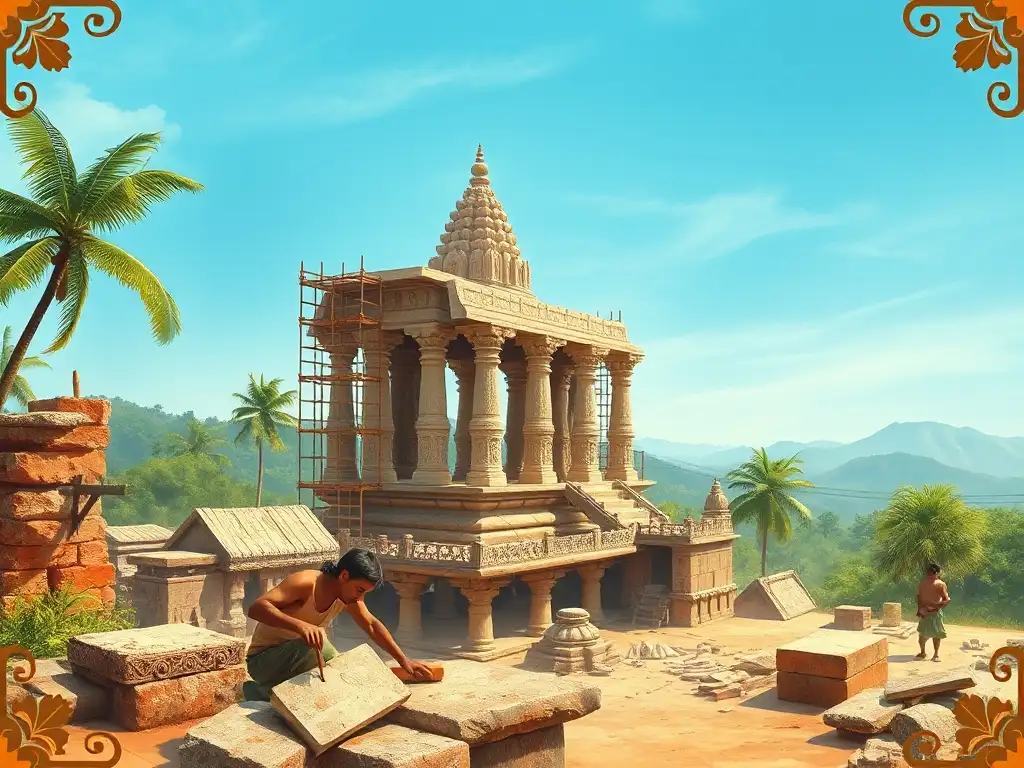
The diversity of ancient Indian civilizations is reflected in their construction practices, which varied significantly across different regions due to local resources, climate, and cultural influences. From the sturdy stone edifices of the north to the intricate brickwork of the south, each area developed unique techniques and materials that not only served functional purposes but also conveyed artistic expression and cultural identity.
North India: Predominance of Stone Structures
In North India, particularly during the period of the Mauryan and Gupta empires, stone emerged as the primary construction material. The region is blessed with abundant granite and sandstone, which were extensively quarried for building temples, palaces, and fortifications. Notable examples include the Qutub Minar in Delhi and the Ajanta and Ellora caves in Maharashtra.
These structures were often characterized by their intricate carvings and monumental scale, reflecting the architectural prowess of the time. Techniques such as ashlar masonry—where stones are cut to fit together without the use of mortar—were commonly employed, showcasing advanced engineering skills. Additionally, the use of jalis (lattice screens) allowed for ventilation and natural light, demonstrating a blend of aesthetics and functionality.
South India: Unique Brick and Stone Combinations
In contrast, South India utilized a fascinating combination of bricks and stone in its construction practices. The region's unique geography provided access to both clay for brick making and granite for stone structures. Temples such as the Brihadeeswarar Temple in Thanjavur exemplify this blend, showcasing towering vimanas (temple towers) built of granite with intricate brickwork.
The Nagarathars, a community of builders and architects, played a crucial role in developing these techniques, which emphasized both durability and ornate design. The use of fired bricks not only enhanced the structural integrity but also allowed for detailed decorative work, including sculpted friezes and elaborate gopurams (gateway towers). This synergy of materials highlights the innovative spirit of South Indian builders who adapted to their environment while creating lasting legacies.
East and West India: Diverse Material Usage
The eastern and western regions of India exhibited a diverse array of construction materials influenced by their unique climates and cultural practices. In East India, particularly in Bengal, bamboo and mud were frequently used for constructing temporary shelters and homes, while more permanent structures incorporated lateritic stone and terracotta tiles, especially in temples.
Conversely, in West India, especially in Gujarat and Rajasthan, cobblestones, lime, and clay played significant roles. The fortified cities of Jaisalmer and Jodhpur are prime examples, showcasing the use of yellow sandstone and local clay enriched with lime, which enhanced durability. Additionally, the use of chhatris (elevated domed structures) and intricate jaalis in these regions indicates a fusion of functionality and artistic expression that characterized their construction ethos.
Conclusion: The Impact of Ancient Indian Construction Materials on Modern Practices
The construction materials and techniques developed in ancient India have had a profound and lasting influence on contemporary architecture and engineering practices. By studying these historical methods, modern architects and builders can glean valuable insights into sustainable construction, material longevity, and aesthetic harmony with the environment.
Lessons from Ancient Techniques for Contemporary Architecture
Ancient Indian construction practices offer several lessons for modern architecture, particularly in terms of sustainability and resource utilization. The use of locally sourced materials not only reduced transportation costs but also minimized environmental impact. Techniques such as passive cooling and natural ventilation employed in ancient structures can inform contemporary designs aimed at reducing energy consumption.
Moreover, the emphasis on craftsmanship and attention to detail in ancient architecture serves as a reminder of the importance of skilled labor and artisanal practices in achieving aesthetic and functional excellence today.
Preservation of Ancient Structures and Materials in Modern India
Efforts to preserve ancient structures and materials in modern India are crucial for maintaining cultural heritage and promoting tourism. Organizations and government initiatives work towards restoring and conserving historical sites, ensuring that the wisdom of past construction practices is not lost.
Moreover, integrating ancient materials and techniques into contemporary projects can create a dialogue between past and present, fostering a sense of identity and continuity. This preservation not only honors the legacy of ancient builders but also contributes to sustainable development practices that resonate with the principles of eco-friendly construction for future generations.
References and Further Reading on Ancient Indian Construction Materials
To gain a deeper understanding of ancient Indian construction materials and techniques, several key resources can provide comprehensive insights. This section includes suggested books, articles, and online resources that explore the evolution and significance of construction materials in ancient India.
Suggested Books and Articles
-
"The Architecture of Ancient India: From the Paleolithic to the Gupta Period" by A. J. W. (1985)
This book delves into the various architectural styles that evolved in ancient India, highlighting the materials used in construction and their cultural significance throughout different periods.
-
"Ancient Indian Architecture and Sculpture" by S. R. Rao (2002)
Rao's work offers an extensive analysis of the materials and techniques employed in ancient Indian architecture, emphasizing the transition from brick to stone.
-
"Indian Art and Architecture" by M. A. Dhaky (2009)
This text provides detailed discussions on the evolution of art and architecture in India, including a thorough examination of the construction materials that defined various eras.
-
"Materials and Techniques of Indian Sculpture" by R. S. Sharma (1990)
This article examines the specific materials used in sculpture and architecture, offering insights into the advancements and innovations of construction techniques.
-
"Heritage of Indian Art: The Building of the Temple" by K. S. Shukla (2015)
Shukla's book focuses on temple architecture, detailing the materials and methods that were integral to construction during the ancient period.
Online Resources for Exploring Ancient Indian Engineering and Architecture
-
Digital Library of India
An extensive repository of texts and documents related to Indian history, including resources on ancient construction materials.
-
The Archaeological Survey of India (ASI) Website
This official site provides access to reports, publications, and findings related to archaeological sites, including insights on construction materials used in ancient structures.
-
Ancient India: A Historical Overview (Khan Academy)
An educational platform that offers articles and videos on various aspects of ancient Indian history, including architecture and engineering.
-
Indian Heritage: A Digital Archive
This online archive contains a wealth of information on India's architectural heritage, showcasing materials and techniques from different historical periods.
-
Google Arts & Culture: Indian Architecture
A digital platform that features exhibits on Indian architecture, allowing users to explore the historical context and materials used in ancient constructions.
These resources will enhance your understanding of ancient Indian construction materials and provide a more profound appreciation of the engineering techniques that shaped this remarkable civilization.
- Introduction to Ancient Indian Construction Materials
- Overview of Construction Practices in Ancient India
- The Use of Brick in Ancient Indian Architecture
- Transition from Brick to Stone: Key Factors
- Stone as a Dominant Material in Ancient Indian Construction
- Comparative Analysis: Brick vs. Stone in Ancient Indian Construction
- Technological Innovations in Ancient Indian Construction
- Regional Variations in Construction Materials Across Ancient India
- Conclusion: The Impact of Ancient Indian Construction Materials on Modern Practices
- References and Further Reading on Ancient Indian Construction Materials
- What were the primary construction materials used in ancient India?
- How did the Indus Valley Civilization influence construction practices?
- What role did temples play in the development of construction materials?
- How did the Gupta Empire contribute to construction advancements?
- Are there any modern implications of ancient Indian construction techniques?
Frequently Asked Questions
What were the primary construction materials used in ancient India?
Ancient Indian civilizations primarily used brick, stone, and wood for construction. The choice of materials often depended on local availability and the intended purpose of the structures.
How did the Indus Valley Civilization influence construction practices?
The Indus Valley Civilization is known for its advanced urban planning and use of baked bricks, which set a precedent for future construction techniques. Their methods emphasized drainage systems and standardized brick sizes.
What role did temples play in the development of construction materials?
Temples in ancient India showcased the use of stone and intricate carvings, reflecting both religious significance and architectural advancements. These structures often employed local stone types to enhance their aesthetic appeal.
How did the Gupta Empire contribute to construction advancements?
The Gupta Empire marked a period of innovation in the use of lime mortar and decorative stonework, enhancing both durability and artistry in construction. This era significantly influenced subsequent architectural styles.
Are there any modern implications of ancient Indian construction techniques?
Yes, the techniques and materials used in ancient India, such as eco-friendly bricks and local stone, continue to inspire contemporary sustainable architecture, emphasizing the importance of cultural heritage in modern construction practices.
Final Reflection: Embracing the Legacy of Ancient Indian Construction Materials
The evolution of ancient Indian construction materials serves as a testament to human ingenuity and adaptability in the face of changing environments and societal needs. Today, as we grapple with sustainability and the quest for resilient structures, the lessons learned from the past become increasingly relevant. The transition from brick to stone not only reflects advancements in technology but also highlights a deep connection to the cultural and historical narratives that shaped ancient India. This journey through time reminds us that the materials we choose today can echo through generations, influencing both our built environment and our cultural identity.
The impact of ancient Indian construction materials extends beyond mere functionality; it has woven itself into the very fabric of our cultural heritage. As we explore the intricate designs and robust structures of ancient edifices, we recognize how these materials tell stories of craftsmanship, community, and innovation. The architectural marvels that stand today are not just remnants of the past; they are living testaments to the values and aspirations of those who came before us. Architecture is the learned game, correct and magnificent, of forms assembled in the light.
— Le Corbusier. This quote encapsulates the enduring significance of construction materials, reminding us that they are more than just physical substances; they are the embodiment of human creativity and expression.
As we reflect on the rich history of ancient Indian construction materials, let us be inspired to honor this legacy in our own lives and practices. Consider how the choices we make in our construction and design today can contribute to a sustainable future while respecting the wisdom of the past. Embrace the opportunity to learn from ancient techniques and materials, and challenge yourself to innovate within that framework. Together, we can build a future that not only stands the test of time but also pays homage to the remarkable journey of human achievement in construction.
Embrace the Journey of Innovation!
Thank you for diving into the fascinating evolution of construction materials in ancient India! Your interest in such transformative history not only enriches your knowledge but also inspires a deeper appreciation for human ingenuity. Now, it's time to take the next step and explore the incredible world of construction further.
- Explore your local architecture! Take a walking tour around your area and identify ancient construction techniques that have influenced modern buildings.
- Share your insights! Discuss what you've learned with friends or family, and consider writing a short blog or social media post to share your thoughts on ancient construction.
- Delve deeper! Visit a nearby museum or historical site that showcases ancient architecture and materials, and experience firsthand the legacy that continues to inspire us today.
What architectural marvel resonates with you the most, and how does it shape your perspective on contemporary construction?