
The Intersection of Ancient Culture and Modern Haute Couture

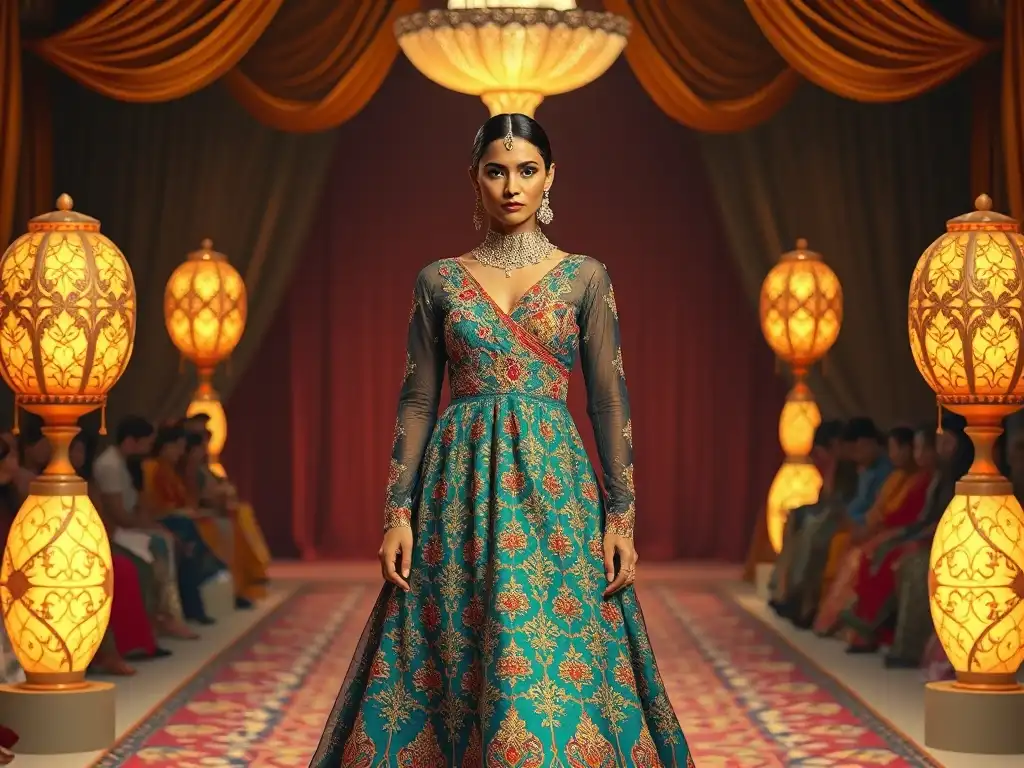
Welcome to Ancient India History! Dive into the captivating world where the richness of ancient Indian culture meets the elegance of modern fashion. In our featured article, “The Intersection of Ancient Culture and Modern Haute Couture,” we unravel the fascinating ways that the vibrant traditions of ancient Indian civilizations have influenced contemporary fashion trends. From the intricate textiles of the Indus Valley to the opulent styles of the Gupta Empire, discover how these historical legacies continue to shape haute couture today. Join us on this journey through time and see how the past elegantly drapes itself over the present!
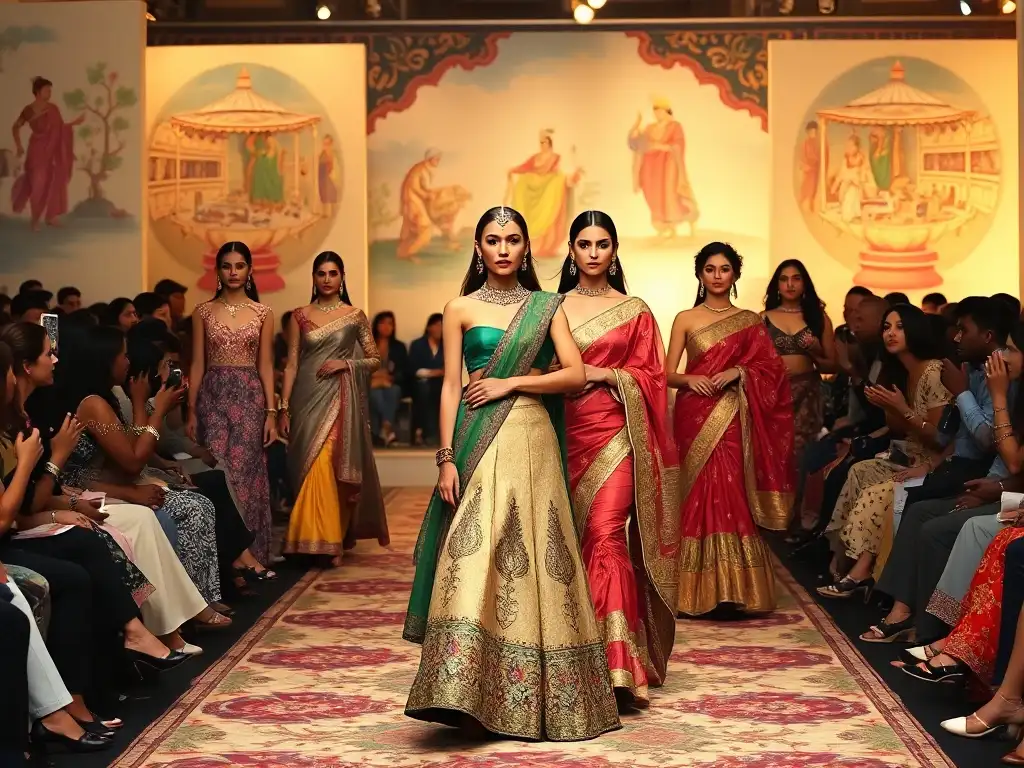
Exploring the intricate relationship between ancient Indian culture and contemporary fashion reveals a rich tapestry of influences that have shaped modern haute couture. The impact of ancient civilizations, from the sophisticated Indus Valley society to the illustrious Gupta Empire, is palpable in today's fashion landscape.
This article delves into how ancient Indian culture continues to influence fashion trends, weaving together historical contexts, key elements of traditional attire, and the pivotal role of textiles. By examining this intersection, we uncover how the essence of ancient India is not only preserved but reinterpreted within the realm of modern design, creating a dialogue between past and present that resonates deeply in today's fashion world.
Understanding Ancient Indian Culture and Its Influence on Fashion
The Rich Heritage of Ancient Indian Civilizations
Ancient Indian civilizations were marked by a profound appreciation for art, craftsmanship, and beauty. The Indus Valley Civilization, known for its urban planning and advanced social structure, set the stage for a thriving culture that embraced intricate designs and elaborate adornments. As time progressed, the Vedic period brought forth a rich tapestry of cultural practices, rituals, and traditions that significantly contributed to the evolution of fashion.
- Key Contributions:
- The use of vibrant dyes and natural materials.
- The significance of traditional motifs and symbols.
- The influence of religion and spirituality on clothing choices.
This heritage continues to inspire modern designers, who often draw from the aesthetics and philosophies of these ancient cultures.
Key Elements of Ancient Indian Fashion
Ancient Indian fashion was characterized by a variety of garments and styles that reflected social status, regional diversity, and cultural identity. Key elements included:
- Sarees and Drapes: The saree, a timeless garment, has its roots in ancient traditions, showcasing regional variations in draping styles and fabrics.
- Jewelry and Accessories: Adornments played a crucial role, with intricate designs made from gold, silver, and precious stones, often symbolizing wealth and status.
- Color and Fabric: The choice of colors and materials was deeply symbolic, with certain hues representing specific religious or cultural affiliations.
These elements laid the foundation for the rich fashion narrative that continues to evolve, blending traditional aesthetics with contemporary sensibilities.
The Role of Textiles in Ancient Indian Culture
Textiles have always been at the heart of ancient Indian culture, serving not only as clothing but also as a medium for artistic expression. The weaving techniques, patterns, and motifs used in textiles were imbued with meaning, reflecting the values and beliefs of the society.
- Traditional Weaving Techniques:
- Khadi: A hand-spun and hand-woven fabric that symbolizes self-reliance and nationalism.
- Banarasi Silk: Renowned for its intricate zari work and craftsmanship, often used in bridal wear.
The legacy of these textiles is evident in modern haute couture, where designers incorporate traditional fabrics and techniques into their collections, celebrating the artistry of ancient craftsmanship.
The Evolution of Fashion: From Ancient India to Modern Haute Couture
Historical Timeline: Ancient Indian Fashion Through the Ages
The journey of fashion in India is a long and varied one, with distinct phases reflecting social, political, and cultural shifts.
| Period | Fashion Characteristics |
|---|---|
| Indus Valley | Simple drapes, use of cotton, and bead jewelry |
| Vedic Period | Introduction of woven garments and elaborate hairstyles |
| Mauryan Empire | Luxurious fabrics, intricate embroidery, and adornments |
| Gupta Empire | Refined silhouettes, use of gold and silver in clothing |
This timeline showcases the evolution of fashion, leading to a contemporary interpretation of ancient styles.
How Ancient Culture Shapes Modern Fashion Trends
The principles and aesthetics of ancient Indian culture are evident in various modern fashion trends. Designers often look to history for inspiration, incorporating traditional motifs, silhouettes, and textiles into their collections.
- Influence on Global Fashion:
- The incorporation of traditional elements in high fashion.
- Collaborations between contemporary designers and artisanal craftspeople.
This blending of ancient and modern not only preserves cultural heritage but also introduces it to global audiences.
Case Study: The Adaptation of Traditional Attire in Contemporary Collections
One notable example of ancient Indian culture influencing modern fashion is the adaptation of the saree in contemporary collections. Designers like Sabyasachi Mukherjee and Anita Dongre have reimagined the saree, infusing it with modern sensibilities while retaining its traditional essence.
- Contemporary Interpretations:
- Use of unconventional fabrics and draping techniques.
- Fusion with Western styles, creating a versatile wardrobe staple.
This case study exemplifies how ancient attire can be transformed into modern pieces, showcasing the enduring influence of ancient Indian culture on fashion.
Key Features of Ancient Indian Fashion That Inspire Modern Designers
Ancient Indian fashion is characterized by its vibrant colors, intricate patterns, and a deep connection to cultural stories and traditions. Modern designers draw from this rich heritage, incorporating elements that reflect the beauty and significance of ancient attire. Various features such as weaving techniques, color symbolism, and embroidery styles serve as a foundation for contemporary haute couture. By embracing these aspects, today's fashion creators are not only preserving history but also infusing their collections with a sense of cultural identity and artistic expression.
Intricate Patterns and Designs: The Art of Weaving
The art of weaving in ancient India is a testament to the craftsmanship and creativity of its artisans. Traditional textiles like Banarasi silk, Kanjeevaram, and Patola are known for their elaborate patterns and motifs, often inspired by nature, mythology, and religious symbols. These intricate designs are meticulously created using techniques passed down through generations, showcasing a blend of artistry and storytelling.
Modern designers often pay homage to these techniques by incorporating similar patterns into their collections, using contemporary fabrics and styles to make them relevant for today's audience. The resurgence of these traditional weaving practices not only celebrates the cultural significance of ancient textiles but also supports local artisans and sustainable fashion.
Color Symbolism in Ancient Indian Textiles
Colors in ancient Indian textiles hold profound meanings, often linked to emotions, seasons, and religious beliefs. For instance, red symbolizes passion and prosperity, while yellow represents knowledge and learning. The use of natural dyes derived from plants, minerals, and even insects further enhances the cultural significance of colors in ancient Indian fashion. Modern designers are increasingly integrating these color palettes into their haute couture collections, creating pieces that resonate with the emotional depth associated with each hue. By doing so, they not only honor ancient traditions but also create a new narrative that appeals to contemporary sensibilities.
The Influence of Traditional Embroidery Techniques
Traditional embroidery techniques such as Zardozi, Kantha, and Chikan work have played a significant role in shaping the aesthetic of ancient Indian garments. These hand-stitched embellishments are often rich in detail and symbolism, reflecting the skill and dedication of artisans. In contemporary fashion, designers are reinterpreting these embroidery styles to embellish modern silhouettes, adding texture and richness to their creations. For example, Sabyasachi Mukherjee often incorporates intricate Zardozi work in his bridal collections, merging traditional craftsmanship with modern designs. This blend allows for a celebration of heritage while catering to the tastes of today's fashion-forward consumers.
Prominent Designers Embracing Ancient Indian Culture in Haute Couture
Many prominent designers are leading the way in integrating ancient Indian culture into modern haute couture, ensuring that the rich textile heritage is not only preserved but also celebrated on global platforms. By leveraging historical techniques and styles, these designers craft collections that resonate with both tradition and contemporary aesthetics.
Spotlight on Sabyasachi Mukherjee: Reviving Ancient Techniques
Sabyasachi Mukherjee is known for his exceptional ability to weave together traditional Indian craftsmanship with modern design sensibilities. His collections often feature exquisite textiles, intricate embroidery, and rich color palettes that pay homage to ancient Indian culture. By reviving techniques such as Zardozi and handloom weaving, Mukherjee not only brings attention to the skills of artisans but also creates luxurious garments that celebrate India's heritage. His work is a prime example of how ancient influences can be reimagined for modern haute couture, making a powerful statement on the global fashion stage.
Anita Dongre and the Fusion of Tradition and Modernity
Anita Dongre is another influential designer who seamlessly blends ancient Indian aesthetics with modern fashion. Her collections often reflect a commitment to sustainability and ethical fashion, utilizing traditional techniques like block printing and embroidery. Dongre's designs are known for their contemporary silhouettes that still embrace the richness of Indian textiles, making them accessible to a global audience. By focusing on the fusion of tradition and modernity, she showcases how ancient influences can be adapted to suit contemporary tastes, allowing for a deeper appreciation of cultural heritage.
The Global Reach of Ancient Indian Aesthetics in Fashion
The global fashion industry has increasingly recognized the value of ancient Indian aesthetics, leading to a widespread appreciation for its textiles and craftsmanship. Designers worldwide are drawing inspiration from India’s rich history, incorporating elements such as vibrant colors, intricate patterns, and traditional techniques into their collections. This cross-cultural exchange not only elevates the status of Indian textiles but also fosters a greater understanding of cultural diversity in fashion. As ancient Indian culture continues to influence haute couture, it paves the way for new interpretations that resonate with audiences across the globe, creating a harmonious blend of tradition and innovation.
The Impact of Bollywood on Fashion Trends: A Modern Twist on Ancient Styles
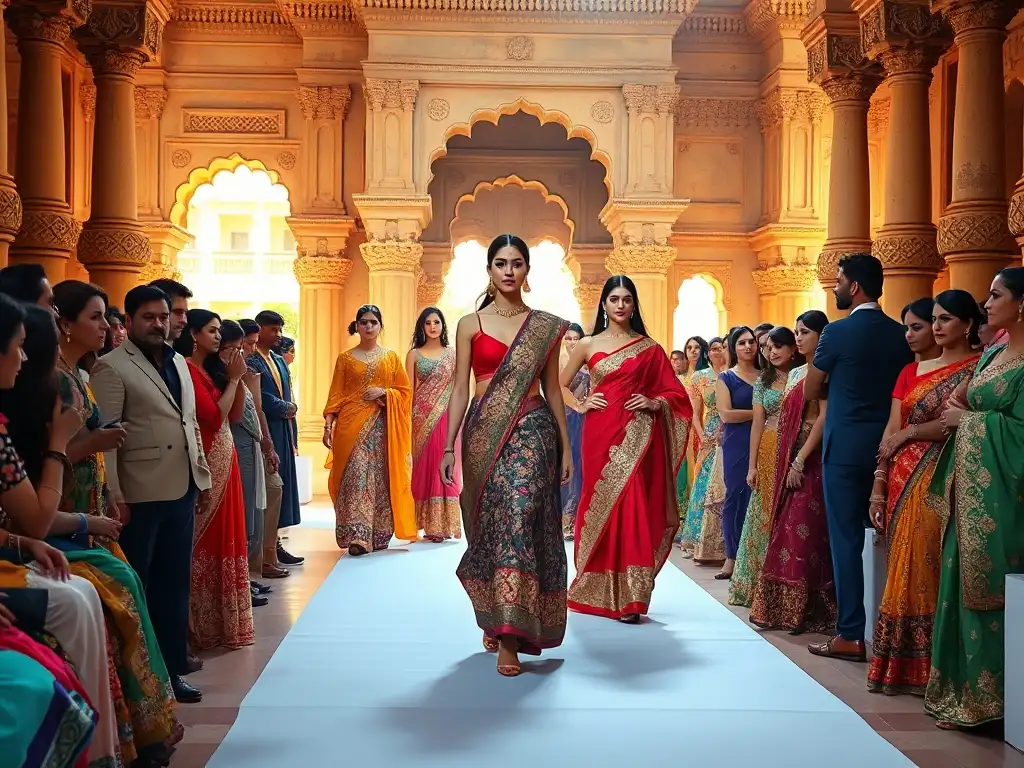
Bollywood, the vibrant film industry of India, has played a significant role in shaping contemporary fashion trends, particularly by drawing inspiration from ancient Indian culture. The colorful costumes and elaborate styling seen in films often reflect the rich textile traditions, craftsmanship, and aesthetics of historical Indian clothing. As these films reach global audiences, they not only popularize traditional attire but also encourage modern designers to reinterpret ancient styles for contemporary fashion.
The influence of Bollywood extends beyond mere aesthetics; it creates a narrative that intertwines culture, identity, and fashion. Audiences are captivated by the visual storytelling that often features traditional garments, such as sarees, lehengas, and sherwanis, reimagined with modern cuts and embellishments. This fusion not only celebrates India's cultural heritage but also promotes a sense of pride in traditional craftsmanship among younger generations.
Iconic Bollywood Looks Inspired by Ancient Indian Culture
Several iconic Bollywood looks have become synonymous with ancient Indian culture, effectively bridging the gap between the past and present. For instance, the timeless elegance of the saree has been showcased by numerous actresses, each adding their unique touch. One of the most notable moments was when actress Sridevi donned a stunning gold-bordered saree in the film "English Vinglish," which reignited interest in this classic attire.
Another example is the portrayal of royal characters, like in the film "Padmaavat," where Deepika Padukone's costumes reflected the intricate designs and rich textiles of Rajasthan's royal heritage. These portrayals not only highlight the craftsmanship of ancient weavers but also inspire designers to create modern collections that pay homage to these historical styles.
In recent years, fashion designers have collaborated with filmmakers to create costumes that blend contemporary aesthetics with traditional elements, further solidifying the connection between Bollywood and ancient Indian culture. This collaboration results in designs that resonate with audiences while showcasing the depth of Indian heritage.
Analyzing the Influence of Film Costumes on Haute Couture
The costumes designed for Bollywood films often serve as a source of inspiration for haute couture collections. Designers meticulously analyze the styles, fabrics, and embellishments used in popular films to create collections that reflect the glamour and opulence seen on screen. This trend has led to the emergence of "Bollywood-inspired" fashion weeks, where high-fashion designers showcase their interpretations of classic Bollywood looks.
For example, the use of intricate embroidery, mirror work, and vibrant color palettes in film costumes has found its way into the collections of luxury brands, bridging the gap between traditional craftsmanship and modern haute couture. The incorporation of ancient motifs and patterns in high-fashion collections allows contemporary designers to pay homage to India's rich textile history while catering to a global audience.
Moreover, the success of films often dictates fashion trends, with certain styles becoming highly sought after after their appearance in major releases. This cyclical relationship between film and fashion highlights the adaptability of ancient Indian culture in modern contexts, proving that history can be a powerful influence on current fashion narratives.
The Role of Celebrity Endorsements in Promoting Ancient Styles
Celebrity endorsements play a crucial role in promoting ancient Indian styles within the fashion industry. When popular actors and actresses showcase traditional attire at events or in films, they not only set trends but also encourage their fans to embrace and adopt these styles. Social media further amplifies this effect, with celebrities sharing their looks with millions of followers, creating a ripple effect throughout the fashion landscape.
For instance, when actors like Priyanka Chopra and Kareena Kapoor Khan wear contemporary adaptations of traditional garments, they elevate these styles to a global platform. Their influence inspires fashion enthusiasts and designers alike to explore the rich tapestry of ancient Indian fashion, leading to a resurgence of interest in traditional textiles, patterns, and crafts.
Moreover, fashion brands often collaborate with celebrities to launch collections that reflect ancient Indian aesthetics, ensuring that these styles remain relevant in contemporary fashion. Such partnerships not only promote cultural heritage but also foster a sense of connection between modern consumers and the traditional roots of Indian fashion.
Sustainable Fashion: Lessons from Ancient Indian Culture
The principles of sustainability have deep roots in ancient Indian culture, where a harmonious relationship with nature was paramount. Ancient Indian textiles were crafted using natural materials and dyes, promoting a sustainable approach long before the term became mainstream. By looking back at these practices, modern fashion brands can adopt environmentally friendly methods that honor the earth and its resources.
Sustainable fashion inspired by ancient Indian culture emphasizes not only the quality of materials but also the craftsmanship involved in producing garments. This approach encourages designers to invest in artisanal techniques, ensuring that each piece tells a story and contributes to the preservation of traditional skills.
The Importance of Natural Dyes and Materials in Ancient Textiles
Natural dyes and materials were fundamental to ancient Indian textile production, reflecting both environmental awareness and artistic expression. Fabrics were often dyed using locally sourced plants, minerals, and insects, resulting in a rich palette of colors that were both vivid and sustainable. This practice not only reduced environmental impact but also fostered a deep connection between the artisans and their surroundings.
For modern fashion brands, embracing natural dyes is a step towards sustainability. By shifting away from synthetic dyes, designers can create collections that are not only environmentally friendly but also unique, with colors that evolve over time. Additionally, using organic and locally sourced materials can lead to a more sustainable production process, promoting ethical practices in the fashion industry.
Modern Adaptations of Sustainable Practices in Haute Couture
Modern haute couture is increasingly looking to ancient Indian practices for guidance on sustainability. Designers are incorporating traditional techniques, such as hand-weaving and block printing, into their collections, emphasizing craftsmanship and reducing reliance on mass production. This revival of artisanal techniques not only supports local economies but also enriches the fashion narrative with stories of heritage and culture.
Moreover, many contemporary brands are adopting a zero-waste philosophy inspired by ancient practices where every scrap of material was utilized. Techniques such as upcycling and repurposing fabrics are becoming commonplace in haute couture, allowing designers to create innovative pieces while minimizing environmental impact.
By learning from the sustainable practices of ancient Indian culture, modern fashion brands can create a system that values craftsmanship, environmental responsibility, and cultural heritage, ultimately leading to a more sustainable future in the fashion industry.
Conclusion: The Future of Fashion at the Crossroads of Ancient Culture
As we look to the future, the intersection of ancient Indian culture and modern haute couture presents a unique opportunity for designers and fashion enthusiasts alike. The rich tapestry of traditions, textiles, and techniques from ancient India can inspire innovative designs that resonate with contemporary aesthetics. This convergence not only honors the heritage but also paves the way for sustainable fashion practices by reviving age-old methods and materials.
The challenge lies in preserving the essence of these traditions while adapting them to modern sensibilities. By fostering a dialogue between the past and the present, designers can create pieces that not only reflect individual identity but also celebrate a shared cultural heritage, ensuring that ancient influences continue to thrive in the world of fashion.
Embracing Diversity: The Global Influence of Ancient Indian Fashion
Ancient Indian fashion is characterized by its vibrant colors, intricate patterns, and diverse textiles, which have left an indelible mark on global fashion trends. The influence of Indian textiles, such as silk, cotton, and wool, has been recognized worldwide, with their unique weaves and dyes inspiring designers across various cultures.
This diversity is further enhanced by the incorporation of traditional motifs, like paisley and mandala, into contemporary designs. As designers draw inspiration from these elements, they create a fusion that appeals to a global audience, showcasing the universality of ancient Indian fashion.
Moreover, the increasing interest in sustainable practices has led to a revival of traditional crafts, such as handloom weaving and natural dyeing, which not only honors ancient techniques but also promotes ethical fashion. This blend of ancient aesthetics with modern sustainability resonates with consumers today, making ancient Indian fashion a vital part of the global fashion narrative.
The Ongoing Dialogue Between Tradition and Innovation in Haute Couture
The relationship between tradition and innovation in haute couture is dynamic and ever-evolving. Designers are increasingly integrating ancient Indian craftsmanship into their collections, using techniques like block printing, embroidery, and weaving to create contemporary silhouettes.
This dialogue allows for a reinterpretation of traditional garments, such as the saree or lehenga, in a way that appeals to modern sensibilities while maintaining their cultural significance. For instance, designers are experimenting with unconventional cuts and fabrics, breathing new life into classic pieces that resonate with both tradition and modernity.
Additionally, collaborations between traditional artisans and contemporary designers foster a rich exchange of ideas, ensuring that ancient techniques are preserved while also pushing the boundaries of creativity. This symbiotic relationship is crucial for the evolution of fashion, allowing for the celebration of cultural heritage through innovative designs.
Final Thoughts on the Legacy of Ancient Indian Culture in Modern Fashion
The legacy of ancient Indian culture in modern fashion is a testament to the enduring impact of historical art, textiles, and craftsmanship. As contemporary designers continue to explore and reinterpret these influences, they create a vibrant tapestry of styles that reflect both a respect for tradition and a daring approach to innovation.
This fusion not only enriches the fashion landscape but also deepens the connection between individuals and their cultural roots. By embracing this legacy, the fashion industry can foster a greater appreciation for the narratives woven into each garment, highlighting the importance of cultural heritage in shaping modern identity.
Call to Action: Explore More About Ancient Indian Fashion
To truly appreciate the depth and richness of ancient Indian fashion, we invite you to delve deeper into its history and contemporary adaptations. Discover how traditional elements are being reimagined in today's fashion, and how they can inspire your personal style.
Recommended Reading on Ancient Textiles and Modern Adaptations
- "The Art of Indian Textiles": A comprehensive guide to the diverse textiles of India, their history, and their influence on global fashion.
- "Threads of Heritage: Indian Textiles in the Modern World": This book explores the evolution of Indian textiles and their relevance in contemporary fashion.
- "Couture and Culture: The Influence of Indian Fashion in the West": An insightful analysis of how ancient Indian culture has shaped haute couture trends in Western fashion.
Discover Unique Fashion Items Inspired by Ancient Indian Culture
Explore a curated selection of modern fashion pieces that draw inspiration from ancient Indian designs:
- Handcrafted Sarees: Modern interpretations of the classic saree, featuring contemporary fabrics and styles.
- Ethnic Jewelry: Unique pieces that incorporate traditional motifs and craftsmanship, perfect for adding a touch of heritage to any outfit.
- Fusion Wear: Clothing that blends traditional Indian designs with modern cuts, suitable for various occasions.
By immersing yourself in the vibrant world of ancient Indian fashion, you can appreciate the profound influence of its culture on modern haute couture.
- Understanding Ancient Indian Culture and Its Influence on Fashion
- The Evolution of Fashion: From Ancient India to Modern Haute Couture
- Key Features of Ancient Indian Fashion That Inspire Modern Designers
- Prominent Designers Embracing Ancient Indian Culture in Haute Couture
- The Impact of Bollywood on Fashion Trends: A Modern Twist on Ancient Styles
- Sustainable Fashion: Lessons from Ancient Indian Culture
- Conclusion: The Future of Fashion at the Crossroads of Ancient Culture
- Call to Action: Explore More About Ancient Indian Fashion
- What is the significance of ancient Indian culture in modern fashion?
- How did the Indus Valley Civilization contribute to fashion?
- What role did the Gupta Empire play in fashion evolution?
- How do traditional Indian garments impact global fashion trends?
- In what ways can modern designers incorporate ancient Indian motifs into their collections?
Frequently Asked Questions
What is the significance of ancient Indian culture in modern fashion?
Ancient Indian culture has had a profound influence on modern fashion through its textiles, patterns, and designs, which are often integrated into contemporary haute couture.
How did the Indus Valley Civilization contribute to fashion?
The Indus Valley Civilization is known for its advanced weaving techniques and use of cotton, which laid the foundation for the textile industry in India and influenced fashion trends.
What role did the Gupta Empire play in fashion evolution?
The Gupta Empire is celebrated for its artistic achievements and luxurious clothing styles, promoting the use of rich fabrics and intricate embroidery, which still inspire fashion today.
How do traditional Indian garments impact global fashion trends?
Traditional Indian garments like saris and lehenga have been embraced globally, showcasing their vibrant colors and unique craftsmanship, which influence the styles of designers worldwide.
In what ways can modern designers incorporate ancient Indian motifs into their collections?
Modern designers can draw inspiration from ancient Indian motifs by using historical patterns, color palettes, and craft techniques, creating a bridge between heritage and contemporary aesthetics.
Final Reflection: Embracing the Timeless Influence of Ancient Indian Culture on Modern Fashion
The intricate relationship between ancient Indian culture and modern haute couture is more relevant today than ever, as we witness a resurgence of interest in heritage and sustainability within the fashion industry. The fusion of traditional motifs, textiles, and craftsmanship with contemporary design not only celebrates the rich history of Indian culture but also challenges us to rethink our consumption patterns and embrace a more mindful approach to fashion.
The influence of ancient Indian culture on modern fashion is not merely a trend; it is a powerful testament to the enduring legacy of creativity and artistry that transcends time. As designers draw inspiration from the vibrant colors, intricate patterns, and spiritual symbolism of ancient textiles, they create pieces that resonate with a deeper meaning. Fashion is the armor to survive the reality of everyday life.
– Bill Cunningham. This quote encapsulates how the stories woven into our clothing can empower us and connect us to our roots, reminding us of the importance of honoring the past while innovating for the future.
As we reflect on the lessons from this intersection of ancient culture and modern haute couture, I invite you to explore your own relationship with fashion. Consider how the garments you choose can tell a story, reflect your values, and connect you to a larger cultural narrative. Let us embrace the beauty of diversity in fashion, allowing the wisdom of ancient traditions to guide our choices and inspire a more sustainable and meaningful approach to style.
Unveil the Beauty of Tradition in Modern Fashion!
Thank you for taking the time to explore the fascinating connection between ancient culture and modern haute couture! We hope you found inspiration in how the rich heritage of India continues to shape the world of fashion today. Now, let’s translate that inspiration into action!
Here are a few steps you can take to deepen your connection with this vibrant blend of history and style:
- Dive deeper: Explore local artisans who blend traditional craftsmanship with contemporary design—visit nearby boutiques or craft fairs to witness their creativity firsthand.
- Share your style: Post a picture of your favorite ethnic ensemble on social media, and inspire others to embrace cultural fashion!
- Join the conversation: Find or start a fashion study group to discuss the influence of ancient cultures on contemporary design, sharing insights and ideas with fellow enthusiasts.
What unique ways do you see ancient influences shaping the future of fashion? Share your thoughts in the comments below!