
Weaving Stories: How Ancient Indian Textiles Reflect Cultural Heritage

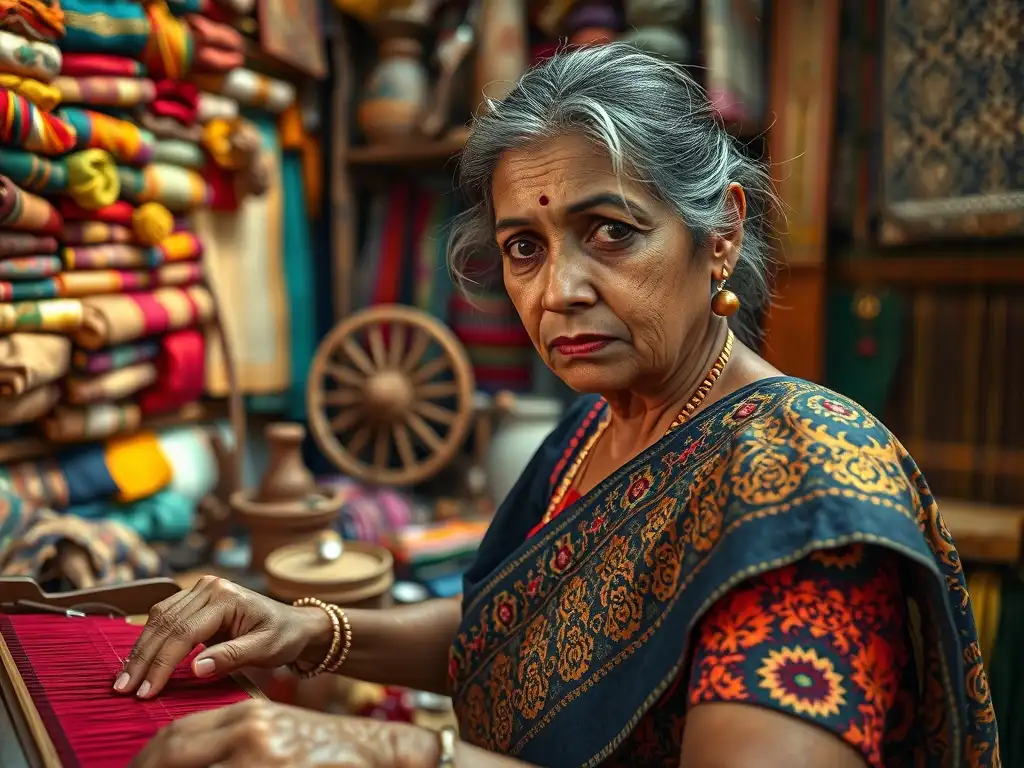
Welcome to Ancient India History, where we embark on an enlightening journey through the intricate tapestry of India's past. Did you know that ancient Indian textiles not only adorned the bodies of its people but also narrated the stories of their rich cultural heritage? In our featured article, “Weaving Stories: How Ancient Indian Textiles Reflect Cultural Heritage,” we delve into the fascinating history of ancient Indian textiles, exploring how these masterpieces reveal the artistic ingenuity and socio-cultural dynamics of their time. Prepare to be captivated as we uncover the threads that connect us all to this vibrant legacy.
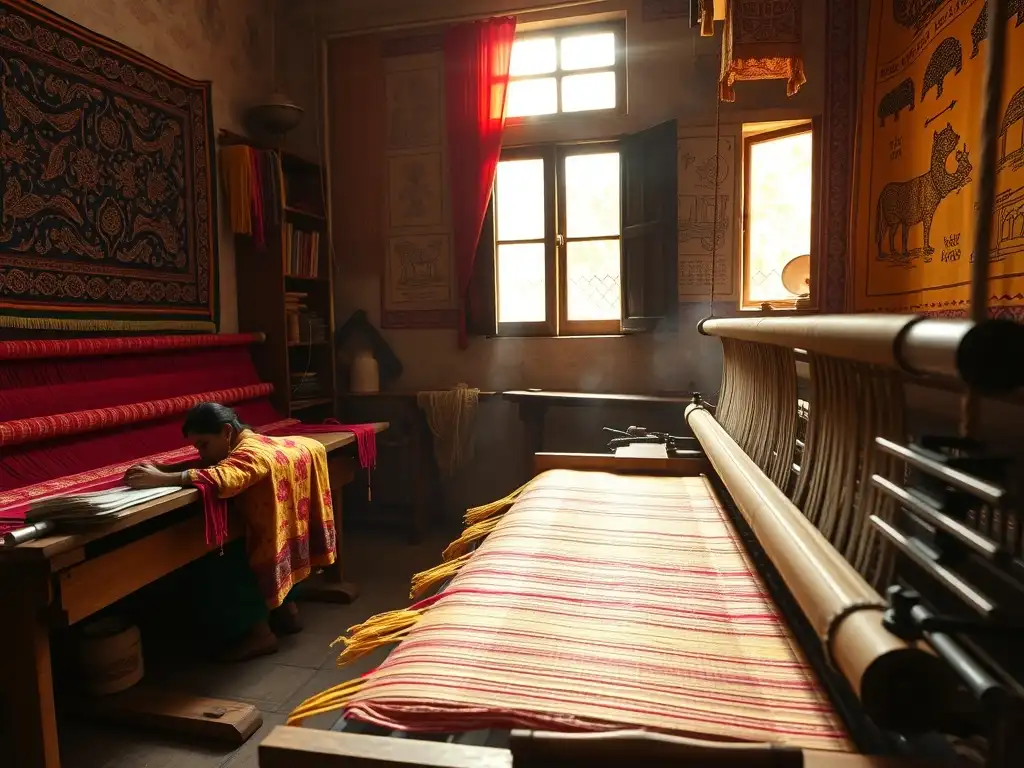
Introduction to Ancient Indian Textiles History
The history of ancient Indian textiles is a vibrant tapestry that reflects the rich cultural heritage and sophisticated craftsmanship of various civilizations throughout India's history. From the intricate weaves of the Indus Valley to the lavish silks of the Gupta Empire, textiles have played a crucial role in not only clothing but also in the socio-economic dynamics of ancient Indian societies.
These textiles are not mere pieces of fabric; they are a testament to the artistry, trade, and traditions that shaped the lives and identities of the people. In this exploration, we will delve into the origins, evolution, and significance of ancient Indian textiles, revealing how they serve as a narrative of cultural exchange and innovation.
The Origins of Ancient Indian Textiles
The story of ancient Indian textiles begins with the early civilizations, where weaving techniques and textile production were integral to daily life and trade. The origins of these practices can be traced back thousands of years, showcasing a rich tradition that has flourished and evolved through various historical epochs.
The Indus Valley Civilization and Textile Production
The Indus Valley Civilization (c. 3300–1300 BCE) marks one of the earliest known instances of textile production in ancient India. Archaeological discoveries at sites like Mohenjo-Daro and Harappa have unveiled evidence of advanced weaving techniques and dyeing processes. The people of this civilization are believed to have cultivated cotton and utilized it to create fine textiles, which were later traded with other regions.
- Key Features of Indus Valley Textiles:
- Use of cotton fibers, which were likely the first instances of cotton textiles in the world.
- Advanced weaving techniques that produced high-quality fabrics.
- Evidence of dyed textiles, indicating knowledge of natural dyeing methods.
- Intricate motifs and patterns, reflecting the aesthetic sensibilities of the time.
These textiles were not only functional but also served as symbols of status and identity, playing a significant role in both domestic and trade contexts.
The Evolution of Textiles Through the Ages
As India progressed through various empires and dynasties, the art of textile production evolved remarkably. Each period brought its unique styles, techniques, and influences, showcasing how textiles adapted to the changing societal landscapes.
- Key Historical Developments:
- The Mauryan Empire (322–185 BCE) saw a rise in trade networks, enhancing the exchange of textiles across regions.
- The Gupta Empire (c. 240–550 CE) is renowned for its luxurious silk and brocade fabrics, often adorned with intricate designs and gold threads.
- The arrival of Islamic influences during the medieval period introduced new patterns, motifs, and dyeing techniques.
Throughout these eras, textiles remained a crucial part of cultural expression, not only serving practical purposes but also symbolizing wealth, spirituality, and identity. The legacy of ancient Indian textiles continues to inspire modern artisans and weavers, ensuring that these stories remain woven into the fabric of Indian culture.
Cultural Significance of Ancient Indian Textiles
Ancient Indian textiles are not merely practical items but are deeply woven into the cultural fabric of the civilization. Textiles serve as a canvas that reflects the social, economic, and spiritual ethos of various communities throughout history. The intricate designs, vibrant colors, and unique weaving techniques tell stories of the region’s artisans, their beliefs, and their way of life.
From the Indus Valley Civilization, where evidence of spinning and weaving has been found, to the later empires, textiles have played a pivotal role in trade and cultural exchange. They signify not only artistry but also the economic status of different regions, showcasing the advancements in technology and artistry that prevailed during various historical periods. The significance of textiles can also be seen in their use in traditional attire, which varies greatly from region to region, reflecting local customs, climate, and social values.
Textiles as Symbols of Identity and Status
In ancient Indian society, textiles were powerful symbols of identity and status. Different fabrics and patterns often indicated a person's caste, community, and even profession. For instance, the luxurious silk sarees of Varanasi were traditionally associated with the elite, while handwoven cotton garments represented the common folk. The colors and motifs used in these textiles often carried specific meanings, with certain hues being reserved for particular occasions, such as weddings or funerals.
Moreover, textiles often conveyed messages of wealth and power. Rulers and nobility adorned themselves in richly embroidered garments, emphasizing their status through elaborate designs and the finest materials. The use of specific patterns, such as the peacock or lotus, was not only a demonstration of artistic skill but also a reflection of cultural beliefs and aesthetic values.
Rituals and Ceremonies: The Use of Textiles
Textiles have always played a crucial role in rituals and ceremonies across ancient Indian cultures. From birth to death, textiles are integral to various rites of passage, such as naming ceremonies and weddings. For example, the bridal attire is often a sumptuous silk saree, intricately woven and embellished, symbolizing prosperity and auspiciousness.
In addition to personal milestones, textiles are used in religious ceremonies. The draping of sacred fabrics around deities during pujas (worship) or the wrapping of idols in vibrant cloth during festivals highlight the spiritual connection between textiles and religion. These practices demonstrate how textiles are not just functional items, but also carriers of cultural and spiritual significance.
Types of Ancient Indian Textiles
Ancient Indian textiles can be categorized based on the materials used, techniques employed, and regional specialties. Understanding these types provides insight into the diverse cultural and historical contexts from which they emerged.
Cotton and Silk: The Backbone of Indian Textiles
Cotton and silk have long been the backbone of ancient Indian textiles. Cotton, known for its breathability and comfort, was cultivated in India from as early as 3000 BCE. The Indus Valley Civilization is noted for its sophisticated cotton weaving techniques, which laid the foundation for future textile production. The popularity of cotton continued through the ages, with various regions developing their unique weaving styles and patterns.
Silk, on the other hand, was revered for its luxurious texture and sheen. The Silk Route facilitated the exchange of silk between India and other ancient civilizations, enhancing its status. Regions like Bengal, Kanchipuram, and Banaras emerged as centers for silk production, each known for distinct weaving techniques and designs. The combination of cotton and silk in various textiles showcases the versatility and richness of ancient Indian textiles.
Unique Techniques: Handloom, Block Printing, and Dyeing
The artistry of ancient Indian textiles is significantly marked by unique techniques such as handloom weaving, block printing, and natural dyeing. Handloom weaving, a tradition that persists to this day, involves intricate craftsmanship that results in beautifully textured fabrics. Each piece produced on a handloom is unique, often representing the weaver’s individual style and regional influences.
Block printing, which involves carving designs onto wooden blocks and stamping them onto fabric, is another ancient technique that traces its roots to India. This method not only allows for the creation of complex patterns but also promotes the use of natural dyes, which were derived from plants, minerals, and insects. The colors achieved through these dyes were vibrant and durable, reflecting the natural beauty of the Indian landscape.
Dyeing methods, such as tie-dye and resist dyeing, further enhance the aesthetic appeal of textiles. These techniques involve intricate processes that require skill and patience, showcasing the deep connection between artistry and culture in ancient Indian textiles. Through these methods, textiles became a means of storytelling, preserving the rich traditions of various communities.
Key Historical Textiles and Their Stories
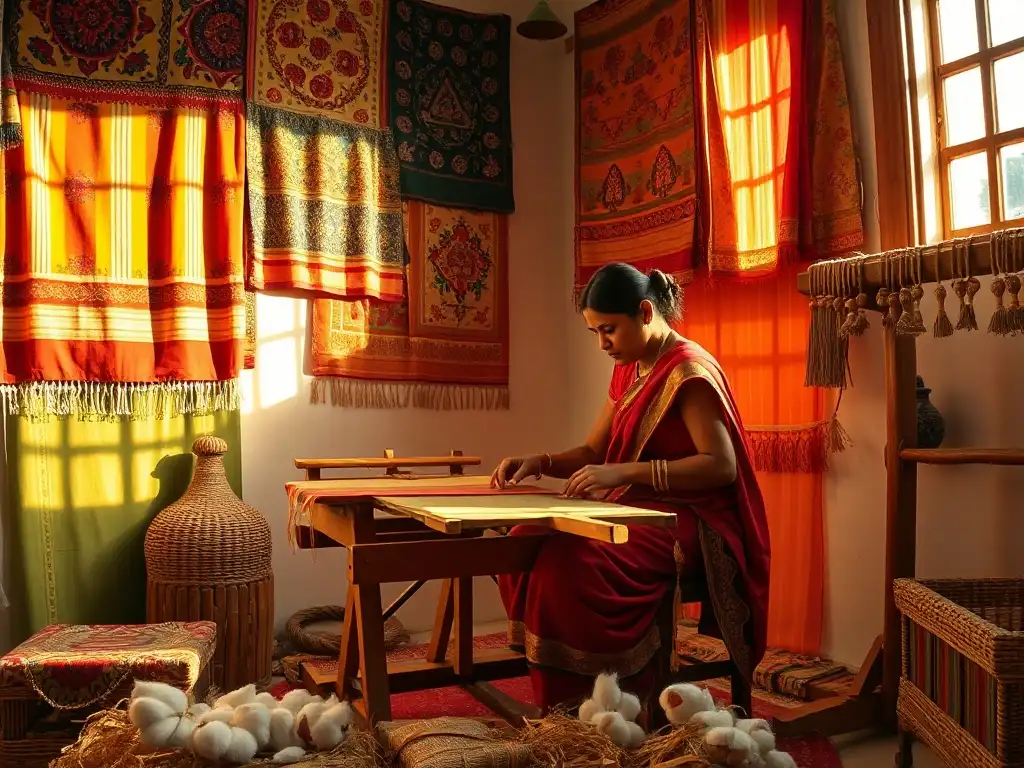
Ancient Indian textiles are not just pieces of fabric; they are woven narratives that encapsulate the history, culture, and artistry of the civilizations that created them. Each textile tells a unique story, reflecting the traditions, beliefs, and innovations of its time. From the intricate designs of the Indus Valley to the rich brocades of the Mughal era, these textiles have played a pivotal role in both everyday life and ceremonial occasions. The stories behind these textiles reveal the social hierarchies, trade routes, and cultural exchanges that have shaped India’s rich tapestry.
The Legendary Banarasi Saree
The Banarasi saree, hailing from Varanasi, is one of the most celebrated textiles in India, known for its luxurious fabric and intricate craftsmanship. Woven predominantly from silk, these sarees are often embellished with rich gold and silver brocade, featuring elaborate motifs inspired by Mughal artistry, including floral and paisley designs.
The history of the Banarasi saree dates back to ancient times, with references found in texts dating back to the 4th century BCE. The art of weaving in Varanasi flourished under the patronage of various dynasties, notably the Mughals, who valued these exquisite textiles. Each Banarasi saree takes several weeks to create, with artisans employing traditional techniques passed down through generations. The saree is often associated with significant life events, such as weddings and festivals, making it a symbol of cultural heritage and identity in India.
The Rich Heritage of Kanchipuram Silk
The Kanchipuram silk saree, originating from the temple town of Kanchipuram in Tamil Nadu, is another significant textile in the ancient Indian textile history. Known for its vibrant colors and rich patterns, Kanchipuram silk is woven from pure mulberry silk, creating a luxurious drape that is highly sought after.
Dating back to the 7th century, Kanchipuram sarees are steeped in tradition and craftsmanship. The weavers use a unique style of weaving called "korvai," which involves interweaving contrasting colors to create a border that stands out against the body of the saree. This technique is often accompanied by motifs inspired by nature, mythology, and temple architecture. Kanchipuram silk sarees are traditionally worn during auspicious occasions and are a testament to the rich heritage and artistry of Southern India.
The Impact of Ancient Indian Textiles on Contemporary Fashion
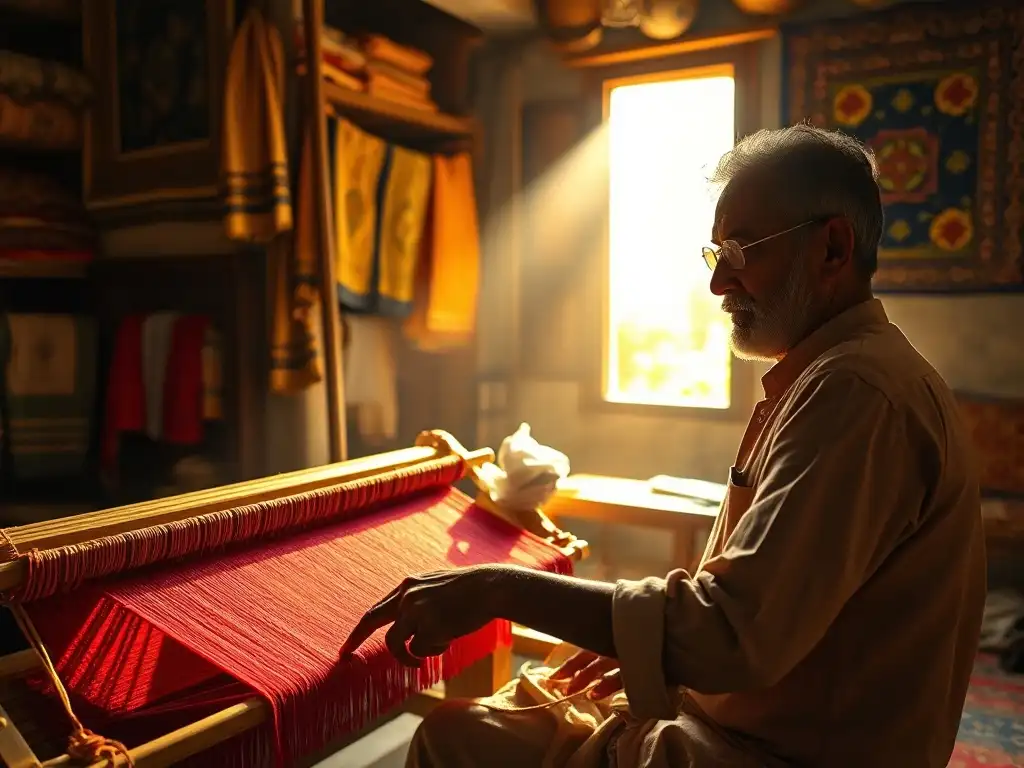
Ancient Indian textiles have significantly influenced contemporary fashion, merging traditional craftsmanship with modern aesthetics. Designers today are increasingly looking to these rich textile traditions to create unique collections that honor their origins while appealing to modern sensibilities.
The revival of ancient weaving techniques and motifs is not merely a trend; it is a movement that seeks to preserve the cultural heritage associated with these textiles. By incorporating elements such as handwoven fabrics, traditional dyes, and indigenous patterns, contemporary fashion designers are creating a bridge between the past and present, allowing ancient narratives to resonate in today’s fashion landscape.
Reviving Ancient Techniques in Modern Designs
The revival of ancient textile techniques has become a focal point in the fashion industry, with designers exploring traditional methods to create sustainable and ethical fashion. Techniques such as handloom weaving, block printing, and natural dyeing are being reintroduced, offering a fresh take on ancient practices while also supporting local artisans.
For instance, brands are now collaborating with weavers and artisans to produce garments that reflect the intricate craftsmanship of traditional textiles. This approach not only preserves the artistry but also empowers communities, ensuring that ancient skills are passed down and appreciated in a modern context. Through this fusion of old and new, designers are crafting stories that celebrate the rich heritage of ancient Indian textiles.
Global Influence of Ancient Indian Textiles
The influence of ancient Indian textiles extends far beyond the borders of India, impacting global fashion and textile industries. The intricate designs and superior craftsmanship of Indian textiles have garnered admiration worldwide, leading to collaborations and exchanges that celebrate this heritage.
In recent years, Indian textiles have been featured in international fashion shows and exhibitions, showcasing their versatility and appeal. Designers from various cultures draw inspiration from Indian motifs, fabrics, and techniques, integrating them into their collections. This global appreciation not only highlights the beauty of ancient Indian textiles but also fosters a dialogue about cultural exchange and the importance of preserving these time-honored traditions in a fast-paced, modern world.
Preserving the Legacy of Ancient Indian Textiles
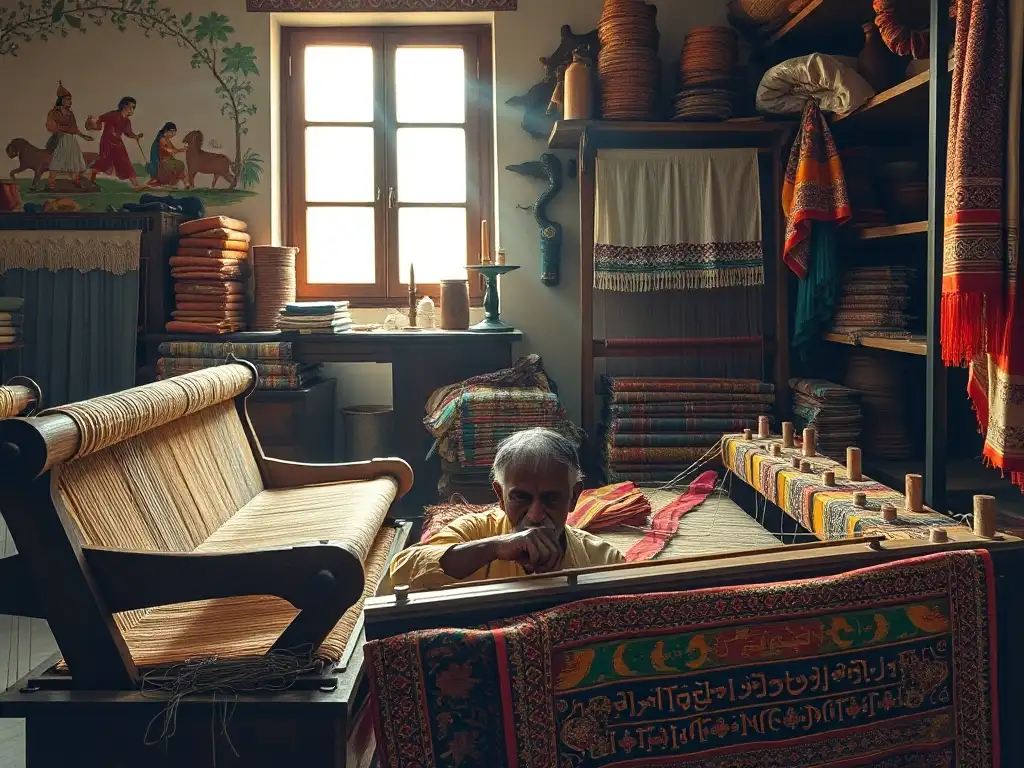
The legacy of ancient Indian textiles is a vivid tapestry woven with threads of history, culture, and artistry. This rich heritage showcases the skills of artisans who have passed down their techniques through generations. From the intricate patterns of handwoven saris to the vibrant colors of block-printed fabrics, each piece tells a story of its origin, reflecting the local culture and traditions.
The preservation of ancient Indian textiles involves not only maintaining the techniques but also reviving lost art forms. The revival of traditional practices, such as natural dyeing and hand spinning, is crucial to keeping this heritage alive. This commitment to authenticity ensures that the stories embedded in these textiles continue to inspire future generations. Various museums and cultural institutions in India are dedicated to archiving these textiles, providing educational programs that emphasize their historical significance and the stories they tell.
Moreover, the incorporation of ancient designs into contemporary fashion helps keep the legacy relevant. As designers explore traditional motifs in modern contexts, they create a bridge between the past and present, allowing new audiences to appreciate the beauty and significance of ancient Indian textiles.
Challenges Facing Traditional Textile Artisans Today
Despite the rich heritage of ancient Indian textiles, traditional artisans face numerous challenges that threaten to undermine their craft. One of the primary issues is the decline in demand for handwoven and handcrafted textiles due to the rise of mass production. The convenience and affordability of machine-made fabrics often overshadow the intricate work of artisans, leading to a decrease in sales and livelihood for many skilled craftsmen.
Additionally, globalization has introduced fierce competition, making it difficult for local artisans to compete with cheaper, imported textiles. This has led to a loss of traditional knowledge as younger generations are drawn to more lucrative job opportunities in urban settings, leaving the craft vulnerable to extinction.
Economic challenges are compounded by issues related to access to resources. Many artisans struggle to obtain raw materials, such as high-quality cotton or natural dyes, which are essential for maintaining the authenticity of their work. Furthermore, the lack of governmental support and infrastructure to promote traditional crafts has hindered their ability to sustain their livelihoods effectively.
Initiatives to Promote Ancient Indian Textiles
In response to the challenges facing traditional textile artisans, various initiatives have emerged to promote and support ancient Indian textiles. Governmental programs, such as the Handicrafts Development Scheme, aim to provide financial assistance and training to artisans, ensuring they can continue their craft while gaining access to modern markets.
Non-governmental organizations (NGOs) play a critical role in this revival by organizing workshops and exhibitions that showcase traditional textiles. These platforms not only highlight the artisans' skills but also educate consumers about the cultural significance of ancient textiles. Collaborative projects between artisans and designers have also gained momentum, resulting in unique products that blend traditional craftsmanship with contemporary aesthetics.
Furthermore, online marketplaces and social media platforms have opened new avenues for artisans to sell their products directly to consumers, bypassing intermediaries. This direct connection helps artisans gain recognition and financial independence, allowing them to sustain their traditional practices.
Conclusion: The Enduring Legacy of Ancient Indian Textiles
The history of ancient Indian textiles is a testament to the resilience of cultural heritage amidst changing times. As we explore the stories woven into each fabric, it becomes evident that these textiles are more than mere clothing; they embody the spirit of ancient civilizations and the artistry of their creators.
By addressing the challenges faced by traditional artisans and supporting initiatives that promote ancient textiles, we can help ensure that this rich legacy continues to thrive. Embracing ancient Indian textiles not only honors the past but also enriches contemporary fashion with its intricate designs and vibrant narratives. The enduring legacy of these textiles is a reminder of the profound connection between culture, history, and art, inviting future generations to weave their own stories into this timeless tapestry.
Call to Action: Explore and Support Ancient Indian Textiles
Ancient Indian textiles are more than just threads woven together; they are vibrant narratives that reflect the rich cultural heritage of India. These textiles tell stories of tradition, craftsmanship, and the diverse communities that have contributed to their evolution over centuries. To truly appreciate this intricate history, it is essential for enthusiasts, scholars, and the general public alike to explore, engage with, and support the artisans who keep these traditions alive.
Discover the Richness of Ancient Indian Textiles
Engaging with the history of ancient Indian textiles offers a unique glimpse into the socio-economic dynamics of past civilizations. From the exquisite cotton of the Indus Valley to the luxurious silks of the Gupta Empire, each fabric carries the essence of its time and place. Visit museums, exhibitions, and cultural festivals to experience these textiles firsthand. Look for workshops or guided tours that focus on traditional weaving techniques; these experiences deepen your understanding of the craftsmanship involved.
Support Local Artisans and Craftsmanship
In a world increasingly driven by fast fashion, supporting local artisans who create traditional textiles is crucial. Purchase textiles directly from artisans or their cooperatives, ensuring that your contributions go towards sustaining their livelihoods. By choosing handmade products, you not only gain unique pieces of art but also promote the preservation of ancient techniques that could otherwise be lost.
- Shop Responsibly: When buying textiles, consider the source. Look for labels that support fair trade and sustainable practices.
- Spread the Word: Share your experiences with ancient Indian textiles on social media platforms to raise awareness and appreciation for these cultural treasures.
Participate in Educational Initiatives
Consider participating in educational programs or courses that focus on ancient Indian textiles. Many institutions offer workshops that delve into the history, techniques, and cultural significance of various textiles. By learning and sharing this knowledge, you contribute to a wider understanding of the heritage and the importance of preserving these ancient crafts.
Join Community Efforts
Engage with community efforts aimed at preserving and promoting ancient Indian textiles. Many organizations and NGOs focus on supporting artisans, documenting traditional practices, and raising awareness about the importance of textile heritage. Volunteering your time or resources can make a significant impact.
Exploring and supporting ancient Indian textiles is not just an appreciation of art; it is a commitment to preserving a vital aspect of cultural heritage. By engaging with, promoting, and supporting these textiles, we ensure that the stories they tell continue to be woven into the fabric of our lives for generations to come.
- Introduction to Ancient Indian Textiles History
- The Origins of Ancient Indian Textiles
- Cultural Significance of Ancient Indian Textiles
- Types of Ancient Indian Textiles
- Key Historical Textiles and Their Stories
- The Legendary Banarasi Saree
- The Rich Heritage of Kanchipuram Silk
- The Impact of Ancient Indian Textiles on Contemporary Fashion
- Reviving Ancient Techniques in Modern Designs
- Global Influence of Ancient Indian Textiles
- Preserving the Legacy of Ancient Indian Textiles
- Conclusion: The Enduring Legacy of Ancient Indian Textiles
- Call to Action: Explore and Support Ancient Indian Textiles
- What role did textiles play in ancient Indian culture?
- How did the Indus Valley civilization contribute to ancient Indian textiles?
- What were some significant textile techniques developed in ancient India?
- How did ancient Indian textiles influence trade?
- What is the significance of the Gupta Empire in the history of textiles?
Frequently Asked Questions
What role did textiles play in ancient Indian culture?
Textiles were a vital part of ancient Indian culture, serving not only as clothing but also as a symbol of status, trade, and artistic expression.
How did the Indus Valley civilization contribute to ancient Indian textiles?
The Indus Valley civilization is known for its advanced weaving techniques and the production of cotton textiles, which laid the foundation for India's textile industry.
What were some significant textile techniques developed in ancient India?
Ancient India saw the development of various techniques, including block printing, tie-dyeing, and embroidery, showcasing the country's artistic diversity.
How did ancient Indian textiles influence trade?
Ancient Indian textiles were highly sought after in global markets, leading to the establishment of trade routes and strong economic ties with various civilizations, particularly in Southeast Asia and the Middle East.
What is the significance of the Gupta Empire in the history of textiles?
The Gupta Empire marked a golden age for textiles, with advancements in design, dyeing techniques, and the promotion of silk weaving, which significantly influenced both domestic and international textile markets.
Final Reflection: The Timeless Threads of Cultural Heritage
The exploration of ancient Indian textiles history reveals a profound connection between fabric and identity, illustrating how textiles serve as a canvas for storytelling and cultural expression. Today, as we navigate a world increasingly driven by fast fashion and digital communication, the significance of these textiles becomes even more pronounced.
They remind us that every thread woven into a fabric carries with it the weight of history, tradition, and the artistry of generations past. The enduring legacy of ancient Indian textiles is not just a relic of the past; it is a vibrant testament to the cultural narratives that continue to shape our identities today.
The influence of ancient Indian textiles extends far beyond their aesthetic appeal; they are a reflection of the social and cultural landscapes that have evolved over centuries. In my own journey of understanding these textiles, I have come to appreciate how they embody the values, beliefs, and stories of diverse communities.
The intricate patterns and techniques are not merely decorative; they are imbued with meaning and history that resonate with contemporary issues of sustainability and cultural preservation. As Mahatma Gandhi once said, “The true measure of any society can be found in how it treats its most vulnerable members,” reminding us that the stories woven into these textiles also speak to the dignity and resilience of the artisans behind them.
As we reflect on the lessons embedded within ancient Indian textiles, I invite you to consider how you can weave these narratives into your own life. Take a moment to appreciate the stories behind the fabrics you encounter, whether in your wardrobe or your home. Engage with local artisans, support sustainable practices, and share the rich history of textiles with others. By doing so, you not only honor the legacy of ancient craftsmanship but also contribute to a more conscious and connected world, where every piece of fabric tells a story worth sharing.
Unveil the Threads of Your Heritage!
Thank you for exploring the rich tapestry of ancient Indian textiles with us! We hope you gained a deeper appreciation for how these intricate fabrics reveal the stories and traditions of our culture. Now, let's put this inspiration into action!
- Dive deeper into your own heritage: Visit a local museum exhibit or seek out workshops that celebrate traditional arts in your community.
- Share the story: Discuss what you've learned about Indian textiles with family or friends, and inspire them to explore cultural crafts as well.
- Create your own masterpiece: Try a simple DIY project using traditional techniques you discovered in this article, and express your connection to history.
What textile traditions from your own culture have shaped your identity? Let’s start a conversation in the comments!