
Trade and Diplomacy: How Ancient India Engaged with Neighboring Civilizations

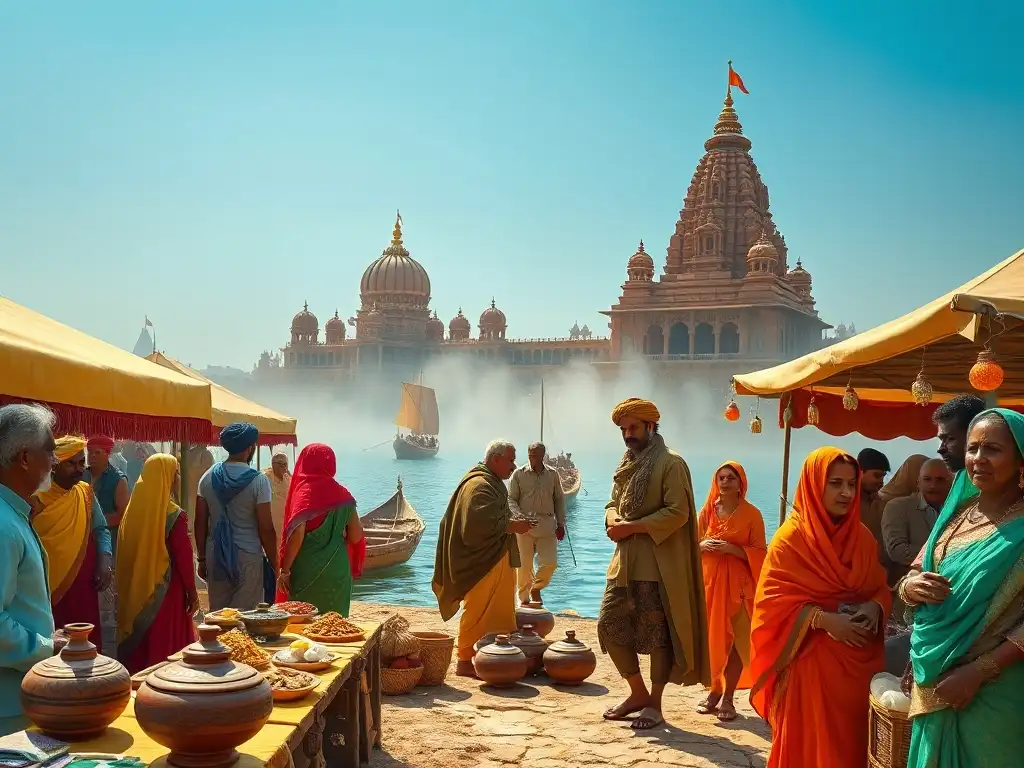
Welcome to Ancient India History, where we invite you to embark on a fascinating journey through the rich tapestry of one of the world's oldest civilizations. In our featured article, “Trade and Diplomacy: How Ancient India Engaged with Neighboring Civilizations,” we delve into the intricate web of commerce and alliances that defined ancient India’s interactions with the world. Discover how trade routes not only facilitated the exchange of goods but also fostered cultural exchange and diplomatic ties that shaped the course of history.
Ready to unravel the secrets of ancient India's economic prowess? Let’s dive deeper into this captivating chapter of the past!
Introduction to Ancient India Trade and Diplomacy
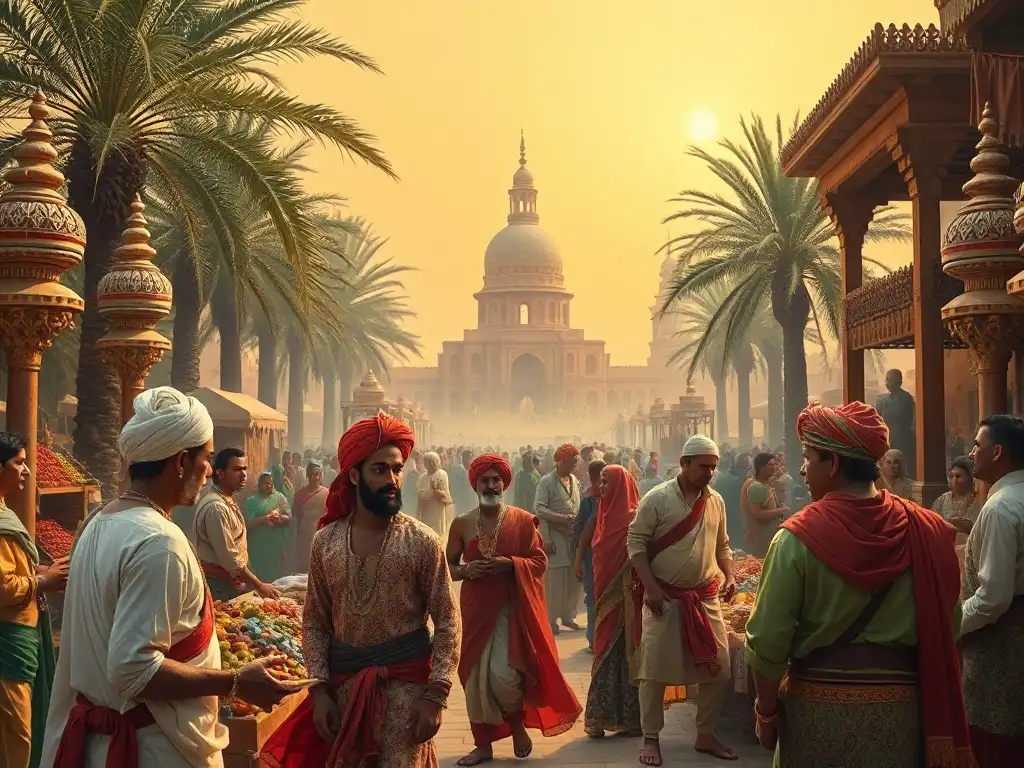
Trade and diplomacy have played pivotal roles in shaping the history of civilizations, and ancient India is no exception. This article delves into the intricate web of trade relationships and diplomatic engagements that ancient Indian civilizations fostered with their neighboring cultures.
From the bustling markets of the Indus Valley to the sophisticated diplomatic exchanges during the Gupta Empire, ancient India was not only a hub of commerce but also a beacon of cultural exchange and political negotiation. Understanding these dynamics provides valuable insights into how ancient India influenced and was influenced by its contemporaries, thereby enriching its legacy as a center of trade and diplomacy.
Overview of Ancient Indian Civilizations
Ancient India was home to several remarkable civilizations, each contributing to the rich tapestry of its history. Key among them are:
- Indus Valley Civilization (c. 3300–1300 BCE): Known for its advanced urban planning and trade networks.
- Vedic Period (c. 1500–500 BCE): Marked by the emergence of early texts and societal structures that laid the foundation for Indian culture.
- Maurya Empire (c. 322–185 BCE): A formidable empire known for its political unification of the Indian subcontinent and extensive trade.
- Gupta Empire (c. 240–550 CE): Often referred to as the Golden Age of India, this period saw remarkable advancements in arts, science, and trade.
These civilizations not only engaged in internal trade but also established connections with distant lands, including Persia, Greece, and Southeast Asia.
Importance of Trade and Diplomacy in Ancient India
Trade and diplomacy were essential for several reasons:
- Economic Prosperity: Trade facilitated the exchange of goods, such as spices, textiles, and precious stones, which contributed significantly to the wealth of ancient Indian states.
- Cultural Exchange: Interactions with neighboring civilizations led to the exchange of ideas, art, and technology, enriching Indian culture and society.
- Political Alliances: Diplomatic relationships often resulted in strategic alliances that were crucial for maintaining peace and stability in the region.
- Cultural Identity: Trade routes not only served economic purposes but also acted as conduits for cultural identity, allowing for the proliferation of Indian philosophies and religions.
The Historical Context of Trade in Ancient India
Understanding the historical context of trade in ancient India involves recognizing the various periods and developments that shaped its trade networks.
Key Periods of Trade in Ancient India
The trade landscape of ancient India can be divided into several key periods:
- Indus Valley Civilization: Trade flourished with the establishment of urban centers like Harappa and Mohenjo-Daro, where goods were exchanged with Mesopotamia and beyond.
- Vedic Period: With the advent of agriculture and pastoralism, local trade expanded, leading to the rise of market towns.
- Maurya Empire: This period saw the establishment of extensive trade networks, including land and maritime routes, leading to increased wealth and cultural exchanges.
- Gupta Empire: The Golden Age experienced a peak in trade, with merchants engaging in long-distance trade with regions as far as Rome and China.
Major Trade Routes Connecting Ancient India
Several significant trade routes facilitated commerce and cultural exchanges:
- Silk Road: Linked India with Central Asia and beyond, enabling the trade of silk, spices, and other luxury goods.
- Maritime Routes: Indian ports along the Arabian Sea and the Bay of Bengal connected to trade networks with the Roman Empire, Southeast Asia, and Africa.
- Land Routes: Overland trade routes through the Northwest passed through regions that are now part of modern-day Pakistan and Afghanistan, connecting India with Persia and the Mediterranean.
These routes not only exemplified the economic prowess of ancient India but also highlighted its role as a cultural bridge between diverse civilizations.
Ancient India’s Trade Networks
Ancient India was renowned for its intricate trade networks that facilitated the exchange of goods, culture, and ideas both internally and with neighboring civilizations. These networks were not just routes for commerce but served as conduits for the diffusion of innovations and cultural practices. The trade routes connected various regions, enabling the movement of products such as spices, textiles, precious stones, and metals. The prominence of cities like Harappa and Mohenjo-Daro during the Indus Valley Civilization exemplifies the strategic locations that played a crucial role in trade activities, linking the Indian subcontinent to regions in Persia, Mesopotamia, and beyond.
Moreover, the establishment of trade guilds and merchant organizations paved the way for regulated trade practices. Merchants often traveled in caravans to ensure safety and efficiency, and these groups formed the backbone of economic activity. The use of standardized weights and measures further facilitated trade, enhancing trust among traders. Overall, India’s trade networks significantly contributed to its economic prosperity and cultural richness, marking it as a hub of commerce in the ancient world.
Internal Trade Networks in Ancient India
Internal trade in ancient India was characterized by a sophisticated system that interconnected different regions through well-established routes. Major thoroughfares, such as the Grand Trunk Road, facilitated the movement of goods and people across vast distances. Cities served as vital trade centers, where local producers could sell their goods, and merchants could gather to exchange diverse products.
The internal trade network was diverse, encompassing agricultural products, handicrafts, and luxury items. For instance, the fertile plains of the Gangetic valley were known for their rice and grain production, while southern regions specialized in spices and textiles. The artisans of ancient India produced beautiful crafts, including pottery, jewelry, and metalwork, which were traded widely.
Additionally, the presence of local markets, or "haats," played a crucial role in facilitating commerce at a community level. These markets would often serve as meeting points for traders from different regions, creating opportunities for bartering and trade. The internal trade networks not only bolstered the economy but also fostered social interactions, cultural exchanges, and the spread of ideas across the subcontinent.
External Trade Relationships with Neighboring Civilizations
Ancient India established extensive external trade relationships with neighboring civilizations, significantly contributing to its economic and cultural stature. Through maritime routes and overland pathways, Indian traders reached far-off lands, including Southeast Asia, the Middle East, and even parts of Africa, facilitating a rich tapestry of cultural interactions.
The trade with regions like the Roman Empire was particularly noteworthy; Indian goods such as silk, spices, and gemstones were highly sought after. In return, India imported items like wine, olive oil, and glassware. Evidence from historical texts, such as the Periplus of the Erythraean Sea, provides insights into the thriving trade exchanges and the commodities involved.
Moreover, the Silk Road also played a pivotal role in connecting India with Central Asia, where Indian goods were exchanged for silk and other luxury items. This exchange not only enriched the economies involved but also fostered diplomatic relations, leading to mutual respect and cultural appreciation between civilizations.
The Role of Diplomacy in Trade Agreements
Diplomacy in ancient India was integral to establishing and maintaining trade agreements with neighboring civilizations. Indian rulers recognized the importance of diplomatic relations in securing favorable trade terms and ensuring the safety of merchants. Through envoys and emissaries, they negotiated treaties that defined trade rights, tariffs, and mutual protections.
Diplomatic missions often involved cultural exchanges, where gifts and tribute were presented, fostering goodwill and cooperation between nations. This approach not only strengthened commercial ties but also laid the foundation for long-lasting relationships based on trust and mutual benefit.
Diplomatic Practices in Ancient India
The diplomatic practices in ancient India were characterized by a blend of formal and informal methods. The concept of "Dharma," or righteousness, played a critical role in guiding diplomatic interactions, emphasizing the importance of ethical conduct in negotiations. Indian rulers often engaged in personal diplomacy, where they would send envoys to establish rapport with their counterparts.
Additionally, the use of marriage alliances was a common diplomatic strategy to strengthen ties between kingdoms. Such unions often solidified peace and paved the way for improved trade relations. The ancient texts, such as Arthashastra by Kautilya, outline various strategies for diplomacy and statecraft, highlighting the importance of intelligence, negotiation, and maintaining balance in international relations.
Notable Treaties and Alliances
Several notable treaties and alliances from ancient India exemplify the diplomatic acumen of Indian rulers in relation to trade agreements. One significant example is the treaty between the Maurya Empire and the Seleucid Empire around 305 BCE, which facilitated trade between the two empires and established favorable terms for Indian merchants operating in the Hellenistic world.
Additionally, the alliance formed between the Chola dynasty and the Srivijaya Empire in Southeast Asia illustrates how strategic partnerships were forged to enhance trade routes and economic cooperation. Such alliances not only benefited trade but also allowed for cultural exchanges, leading to the spread of Indian art, religion, and philosophy across regions.
Overall, the diplomatic efforts and treaties crafted by ancient Indian civilizations laid the groundwork for robust trade networks and fostered enduring relationships with neighboring cultures, enriching the legacy of ancient India in global history.
Goods and Commodities Traded by Ancient India
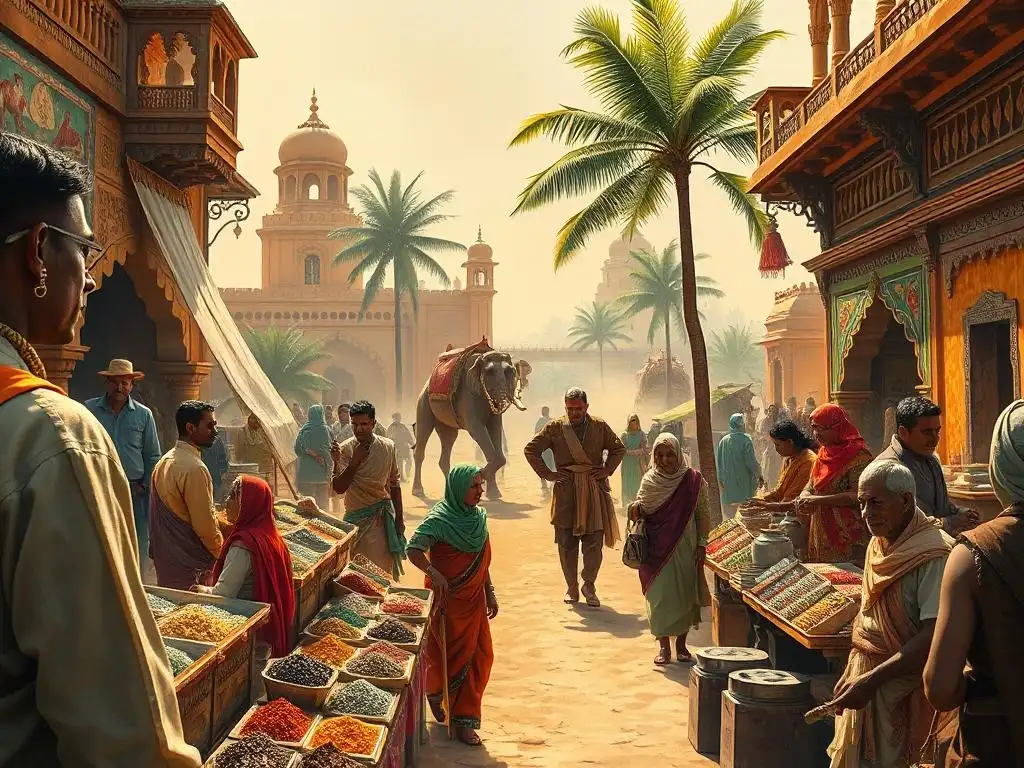
Ancient India was a vibrant hub of trade, known for its rich variety of goods and commodities that were exchanged with neighboring civilizations. The trade routes extended across land and sea, connecting India to regions such as Mesopotamia, Persia, the Mediterranean, and Southeast Asia. This extensive network facilitated not only the exchange of goods but also ideas, culture, and innovations.
The primary goods traded included:
- Spices: India was famed for its spices, particularly black pepper, cardamom, and cinnamon, which were highly sought after in international markets.
- Textiles: Cotton and silk fabrics, particularly those produced in regions like Gujarat and Bengal, were prized commodities. Indian textiles were often decorated with intricate designs, making them popular in foreign lands.
- Metals and Gems: India was rich in precious metals such as gold and silver, and gemstones like diamonds and emeralds. These were traded extensively with various civilizations.
- Agricultural Products: Goods such as rice, wheat, and sugarcane were cultivated and traded, contributing to the food security of neighboring regions.
These traded commodities played a significant role in establishing India's economic stature and influenced the daily lives of people both within and outside its borders.
Key Exports of Ancient India
Ancient India's key exports were diverse and catered to a wide range of markets. The most notable exports included:
- Spices: As mentioned, spices were among the most lucrative exports. The spice trade was so significant that it drew traders from across the globe, including the Romans and Arabs.
- Textiles: The export of textiles, particularly fine silk and cotton, was monumental. Indian fabrics were often exported to China, Rome, and regions in Africa, influencing global textile patterns.
- Jewelry and Ornaments: India was renowned for its exquisite craftsmanship in jewelry, often made from gold and adorned with precious stones. These items were highly valued in trade.
- Medicinal Herbs: The knowledge of Ayurveda and traditional medicine led to the export of various medicinal plants and herbs, which were in demand for their healing properties.
These exports not only enhanced India's economic prosperity but also solidified its influence in international markets.
Imports from Neighboring Civilizations
Alongside exports, Ancient India also engaged in the import of various goods from neighboring civilizations. Significant imports included:
- Metals: India lacked certain metals, particularly tin and lead, which were imported from regions such as Mesopotamia and Persia for use in metallurgy and coinage.
- Luxury Goods: Items such as glassware, ceramics, and fine wines were imported from the Mediterranean regions, reflecting the diverse tastes of Indian elites.
- Agricultural Products: Certain crops, such as olives and grapes, were introduced through trade, diversifying India's agricultural landscape.
- Cultural Artifacts: Along with tangible goods, cultural exchanges introduced new ideas, technologies, and artistic influences into Indian society.
The dynamics of imports and exports contributed to a flourishing economy and a rich cultural tapestry in ancient India.
Cultural Exchange through Trade and Diplomacy
Trade and diplomacy in ancient India were not merely economic transactions; they facilitated significant cultural exchanges that enriched Indian civilization. The interactions with various cultures led to the blending of art, architecture, and philosophy, showcasing the importance of trade as a conduit for cultural integration.
Influence of Trade on Art and Architecture
The impact of trade on art and architecture in ancient India was profound. As traders and travelers moved through the subcontinent, they brought with them their artistic styles and architectural techniques. Notable influences included:
- Stupas and Temples: The designs of stupas and temples were influenced by Greco-Buddhist art as a result of trade with Hellenistic cultures. The intricate carvings and motifs in these structures reflected a fusion of styles.
- Sculpture: The trade routes facilitated the exchange of ideas regarding sculpture techniques. The depiction of deities and mythological stories became more elaborate, influenced by external artistic traditions.
- Decorative Arts: Textiles and pottery often displayed a blend of designs, incorporating motifs from foreign cultures, which enhanced the aesthetic appeal of Indian crafts.
This artistic cross-pollination not only enriched Indian culture but also made its art more globally recognized.
Spread of Religion and Philosophy via Trade Routes
Trade routes served as vital conduits for the dissemination of religions and philosophies. Buddhism, for instance, spread along these pathways, gaining followers across Asia. Key elements of this exchange included:
- Buddhism: Merchants and travelers played a crucial role in transmitting Buddhist teachings to Central Asia and beyond. The establishment of trade routes facilitated the movement of missionaries who spread the religion.
- Hinduism: Hindu philosophy and practices also spread through trade, influencing regions such as Southeast Asia, where Hindu temples began to be constructed, showcasing the faith's reach.
- Cultural Syncretism: The blending of religious practices and beliefs was common along trade routes, leading to the formation of syncretic cultures where elements of different religions coexisted.
The interplay of trade and diplomacy not only promoted economic prosperity but also enriched the cultural and spiritual landscape of ancient India, leaving a lasting legacy on the civilizations connected through these routes.
Case Studies of Ancient Indian Diplomacy and Trade
Ancient India, with its strategic geographic location and rich resources, engaged in extensive trade and diplomacy with neighboring civilizations. These interactions are exemplified through significant case studies that highlight how ancient Indian states navigated economic relationships and diplomatic ties. From the Maurya Empire to the Gupta Empire, each era presented unique challenges and opportunities that shaped the dynamics of trade and diplomacy.
The Maurya Empire and Its Trade Relations
The Maurya Empire (c. 322–185 BCE) stands as a pivotal example of ancient Indian trade and diplomatic prowess. Under the reign of Emperor Ashoka, the empire expanded its reach through not only military conquests but also through cultivating trade relationships with neighboring regions. The Mauryas established trade routes that connected India to the West, including Persia and the Hellenistic world, facilitating the exchange of goods such as textiles, spices, and precious stones.
Ashoka, known for his promotion of Buddhism, also utilized diplomacy to foster peaceful relations with other nations. This was evident in his edicts, which encouraged mutual respect and collaboration between different cultures. The Mauryan envoy sent to the court of Antiochus II of Syria exemplifies how diplomacy was employed to solidify trade agreements and cultural exchanges, ultimately enhancing the economic prosperity of the empire.
Gupta Empire’s Influence on Trade and Diplomacy
The Gupta Empire (c. 240–550 CE) marked a golden age in ancient Indian history, characterized by significant advancements in science, art, and trade. The Guptas established a vast network of trade routes that connected India to Africa, the Middle East, and Southeast Asia. This not only facilitated the export of Indian goods, such as silk and pottery, but also enabled the import of valuable resources.
The Gupta rulers actively engaged in diplomatic relations, which were crucial for maintaining trade. They forged alliances with regional powers and established trade treaties that allowed for safe passage of merchants and goods. This diplomatic strategy ensured the stability of trade routes and the flourishing of commerce. Additionally, the spread of Indian culture and religion, particularly Buddhism and Hinduism, through these trade networks had lasting impacts on the civilizations of Southeast Asia.
Challenges Faced in Trade and Diplomacy
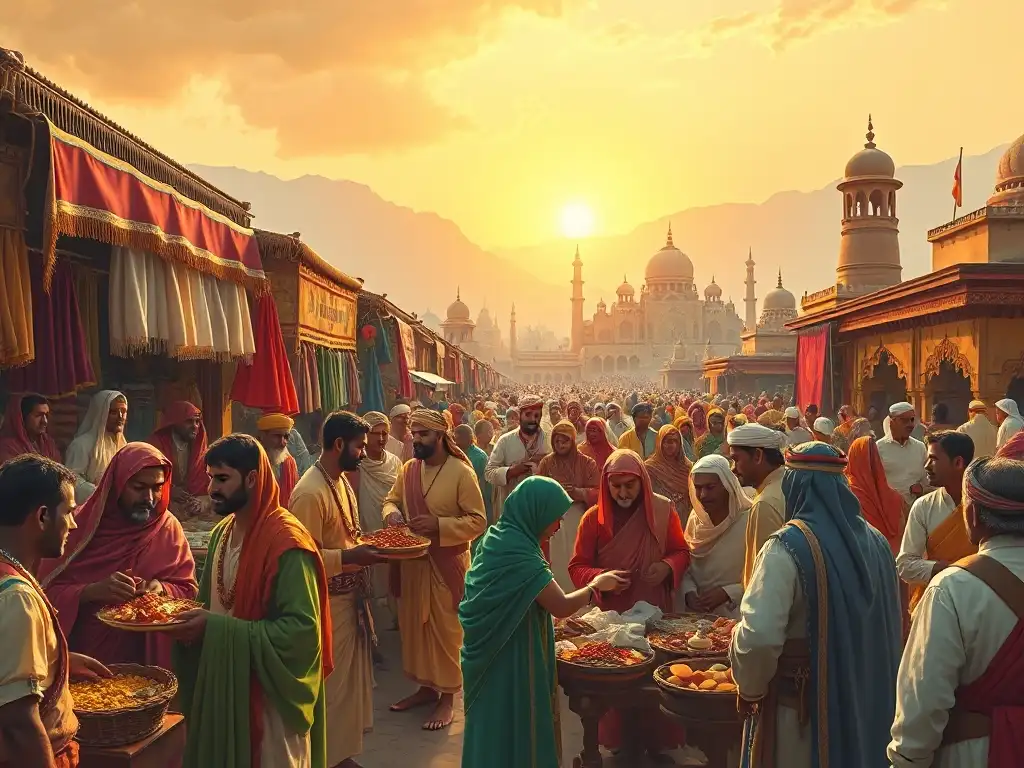
Despite the successes of ancient Indian trade and diplomacy, various challenges hindered their effectiveness. Geographic and political obstacles, as well as the impact of conflicts, played significant roles in shaping the interactions between ancient Indian states and their neighbors.
Geographic and Political Obstacles
Geography posed substantial challenges to trade and diplomacy in ancient India. The diverse terrain, including mountains, rivers, and deserts, created natural barriers that complicated overland trade routes. For instance, the Himalayas limited access between India and Central Asia, while the Thar Desert constrained interactions with regions to the west.
Political fragmentation also affected trade relations. Various kingdoms and regional powers often competed for dominance, leading to fluctuating alliances and tensions. This political instability could disrupt trade routes and create uncertainty for merchants. Moreover, the lack of a unified political entity often meant that trade negotiations had to be conducted with multiple stakeholders, complicating diplomatic relations.
Impact of Conflicts on Trade Relations
Conflicts, both internal and external, significantly impacted ancient Indian trade relations. Wars and invasions often disrupted established trade routes and led to the looting of merchant caravans. For instance, the incursions by foreign powers, such as the Scythians and later the Huns, posed direct threats to trade networks, resulting in economic decline in affected regions.
Additionally, internal strife among ruling powers could lead to the imposition of tariffs and trade restrictions, further complicating commerce. The fluctuating political landscape meant that agreements could quickly become obsolete, requiring constant negotiation and adaptation. As such, ancient Indian states had to balance military readiness with diplomatic efforts to maintain their trade interests amidst these challenges.
Conclusion: Legacy of Ancient India Trade and Diplomacy
The legacy of trade and diplomacy in ancient India has left an indelible mark on both regional and global history. Ancient Indian civilizations, through their sophisticated trade networks and diplomatic relations, not only fostered economic prosperity but also facilitated cultural and intellectual exchanges that shaped the course of history. The rich tapestry of interactions between various cultures across the Indian subcontinent and beyond exemplifies how trade can serve as a bridge between diverse societies.
The influences of these ancient practices are still visible today. Modern trade routes and economic partnerships often echo the paths established by their predecessors. The ancient Indian ethos of negotiation, mutual respect, and cooperation has paved the way for contemporary diplomatic engagements, highlighting the importance of understanding and respecting different cultures in a rapidly globalizing world.
Lasting Impact on Modern Trade Practices
The ancient trade practices of India set the groundwork for many modern economic systems. The emphasis on long-distance trade, barter systems, and the establishment of trade guilds can be seen reflected in today’s global commerce. Ancient Indian merchants were known for their entrepreneurial spirit and adaptability, traits that remain vital in today’s dynamic markets.
Furthermore, the principles of fair trade and ethical dealings rooted in ancient Indian practices have found resonance in modern trade dialogues. Many contemporary businesses now prioritize sustainable practices, a concept that has origins in the ancient Indian worldview, where trade was seen not merely as a transaction but as a means of fostering relationships and community well-being.
Reflections on Cultural Exchange and Cooperation
Cultural exchange was a significant aspect of ancient Indian trade and diplomacy. The interactions facilitated by trade brought about the sharing of ideas, art, religion, and technology between India and its neighboring civilizations. For instance, the spread of Buddhism along the Silk Road is a noteworthy example of how trade routes served as conduits for cultural dissemination.
Moreover, the diplomatic missions sent to and from ancient kingdoms were often as much about cultural exchange as they were about political alliances. These interactions fostered a spirit of cooperation and understanding, leading to a rich exchange of knowledge, literature, and artistic traditions that enriched the participating cultures. The legacy of this cultural amalgamation continues to influence modern societies, emphasizing the importance of collaboration and mutual respect in international relations.
Further Reading on Ancient India Trade and Diplomacy
For those interested in delving deeper into the subject of ancient Indian trade and diplomacy, numerous resources are available that provide comprehensive insights into this fascinating aspect of history.
Recommended Books and Articles
- "The Ancient Indus Valley: Exploring the Mysteries of a Lost Civilization" by Jane McIntosh: - This book offers an in-depth look at the trade practices of the Indus Valley civilization and its interactions with neighboring cultures.
- "India and the Indian Ocean: An Interdisciplinary Perspective" by K.M. Panikkar: - This book discusses the significance of the Indian Ocean trade network and its impact on ancient Indian diplomacy.
- "Trade and Diplomacy in Ancient India" by R. Champakalakshmi - An insightful analysis of the trade routes and diplomatic initiatives of ancient Indian kingdoms.
Online Resources for Ancient Indian History
- The Archaeological Survey of India - A government initiative that provides access to research, findings, and publications related to ancient Indian civilizations.
- Digital South Asia Library - An excellent resource for accessing historical texts, maps, and images related to ancient India.
- Ancient History Encyclopedia - A comprehensive online resource offering articles and resources on various aspects of ancient Indian history, including trade and diplomacy.
These readings and resources offer valuable insights into the rich and complex history of ancient India, emphasizing the integral role of trade and diplomacy in shaping its legacy.
- Introduction to Ancient India Trade and Diplomacy
- The Historical Context of Trade in Ancient India
- Ancient India’s Trade Networks
- The Role of Diplomacy in Trade Agreements
- Goods and Commodities Traded by Ancient India
- Cultural Exchange through Trade and Diplomacy
- Case Studies of Ancient Indian Diplomacy and Trade
- Challenges Faced in Trade and Diplomacy
- Conclusion: Legacy of Ancient India Trade and Diplomacy
- Further Reading on Ancient India Trade and Diplomacy
Frequently Asked Questions
What were the main trade routes of Ancient India?
Ancient India utilized land and sea routes that connected it to neighboring civilizations like Mesopotamia and China, facilitating the exchange of goods and culture.
How did Ancient Indian civilizations engage in diplomacy?
Diplomacy in Ancient India involved alliances, treaties, and exchanges of envoys, which helped maintain peaceful relationships with neighboring kingdoms and fostered trade.
What were the key goods traded by Ancient India?
Ancient India was known for trading spices, textiles, gems, and metals, which were highly sought after in international markets, enhancing its economic stature.
How did trade influence Ancient Indian culture?
Trade significantly influenced cultural exchanges, leading to the adoption and adaptation of various art forms, languages, and religious beliefs throughout the region.
What role did the Gupta Empire play in trade and diplomacy?
The Gupta Empire was pivotal in promoting trade through stable governance and diplomatic relationships, which expanded its influence across Asia and facilitated the flow of goods and ideas.
Final Reflection: The Enduring Legacy of Ancient India's Trade and Diplomacy
The intricate web of trade and diplomacy that Ancient India wove with its neighboring civilizations remains profoundly relevant today. In an age where globalization connects us more than ever, the lessons from Ancient India's approach to commerce and international relations resonate deeply. The ability to foster relationships through mutual benefit and respect is a timeless strategy that can guide modern nations in navigating complex geopolitical landscapes.
Cultural exchanges and diplomatic ties established through trade have shaped societies and fostered understanding across borders. The legacy of Ancient India's trade routes is not just a historical footnote; it continues to influence contemporary cultural interactions and economic partnerships. As we reflect on this rich history, we are reminded of the words of Mahatma Gandhi: A 'No' uttered from the deepest conviction is better than a 'Yes' merely uttered to please, or worse, to avoid trouble.
This sentiment underscores the importance of integrity and purpose in diplomacy, a principle that remains vital in today's interconnected world.
As we consider the lessons of Ancient India's trade and diplomacy, I invite you to reflect on how these principles can be applied in your own life. How can you foster connections based on mutual respect and understanding in your personal and professional relationships? Embrace the spirit of collaboration and open dialogue, and let the wisdom of the past guide you in building a more harmonious future. The journey of trade and diplomacy is not just a historical narrative; it is a call to action for each of us to engage thoughtfully with the world around us.
Uncover the Legacy of Trade and Diplomacy!
Thank you for journeying through the fascinating history of how ancient India connected with its neighbors through trade and diplomacy. You’ve discovered the profound impact these interactions had on shaping civilizations! Now it’s time to take that knowledge and turn it into action.
Here’s how you can deepen your understanding and share this rich heritage:
- Explore the connections further by diving into literature and documentaries about ancient Indian trade routes. Visit your local library or browse your favorite streaming service!
- Share your insights with friends and family. Initiate a conversation about how trade continues to influence relationships in our modern world.
- Join our community by leaving a comment below about which aspect of ancient trade and diplomacy surprised you the most!
What modern trade or diplomatic relationship do you think reflects the ancient practices of India?