
Ancient Indian Trade Networks: A Blueprint for Modern Economic Strategies


Welcome to Ancient India History, your gateway to the fascinating tapestry of India's past! Here, we delve deep into the rich and diverse history, culture, and contributions of ancient Indian civilizations, from the enigmatic Indus Valley to the illustrious Gupta Empire. In our featured article, "Ancient Indian Trade Networks: A Blueprint for Modern Economic Strategies," we unravel the intricate web of ancient Indian trade routes that not only shaped the economy of their time but also laid the groundwork for contemporary trade practices.
Curious about how these routes influenced cultural exchanges and economic strategies? Join us as we embark on an enlightening journey through time, exploring the legacies that continue to resonate today!
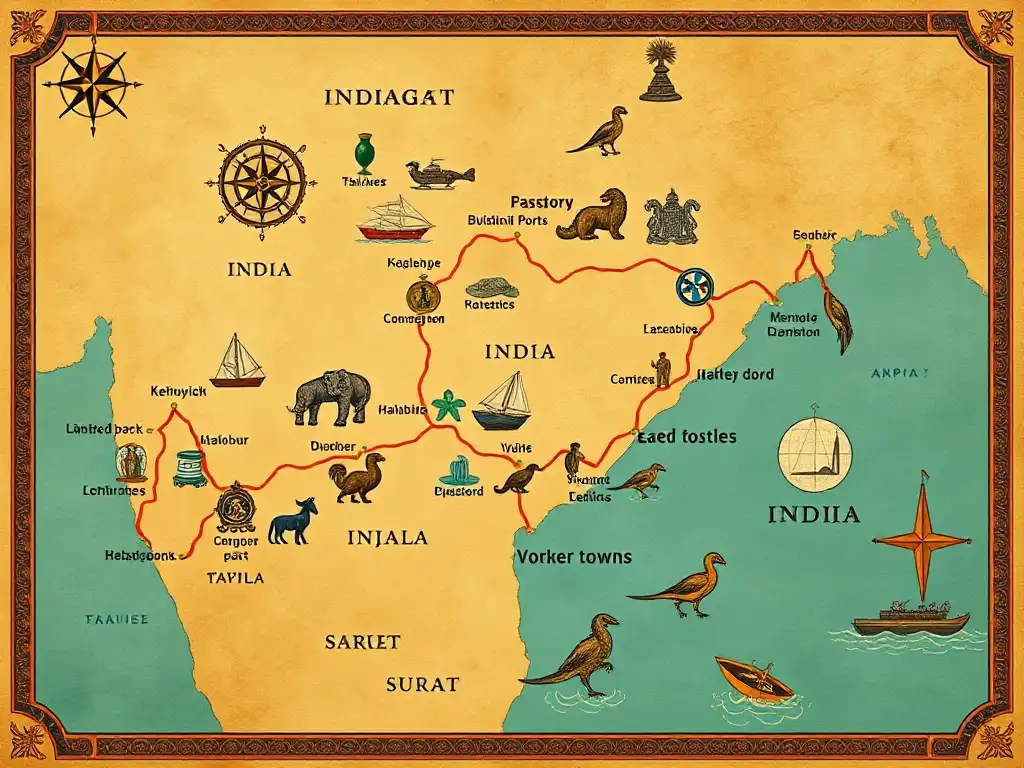
Introduction to Ancient Indian Trade Routes
Ancient Indian trade routes served as vital arteries of commerce, culture, and connectivity, facilitating not just the exchange of goods but also ideas and innovations across vast distances. These networks, which thrived from the Indus Valley Civilization through to the Gupta Empire, underscore the richness and diversity of India's economic history.
By examining these trade routes, we can glean valuable insights into the economic strategies that shaped ancient societies and explore how these principles can inform modern economic practices. The intricate web of ancient Indian trade routes not only fostered prosperity in their time but also laid the groundwork for enduring cultural exchanges that resonate to this day.
Overview of Ancient Indian Trade Networks
The trade networks of ancient India can be categorized into internal and external routes, each playing a crucial role in the economic landscape of the time. Internal trade routes crisscrossed the subcontinent, linking bustling urban centers with rural agricultural areas and facilitating the movement of goods like textiles, spices, and metals. External trade routes connected India to far-reaching markets, including those in the Middle East, Southeast Asia, and even parts of Africa and Europe.
- Key Features of Ancient Indian Trade Networks:
- Diverse Commodities: The trade included a variety of goods ranging from silk and cotton to precious stones and spices.
- Cultural Exchange: Trade routes were conduits for cultural interaction, leading to the spread of religions, languages, and technologies.
- Infrastructure Development: The establishment of roads, ports, and way stations enhanced trade efficiency.
Importance of Trade in Ancient Indian Civilization
Trade was more than just an economic activity; it was a critical driver of societal development in ancient India. It fostered urbanization, supported the growth of kingdoms, and contributed to the social fabric by enabling the interaction of diverse cultures. The wealth generated from trade allowed for advancements in arts, science, and architecture, showcasing the profound impact of commerce on civilization.
Historical Context of Trade in Ancient India
To fully appreciate the significance of trade in ancient India, it is essential to look at the historical context that shaped these networks. Understanding the evolution of trade routes and the major trade centers provides insight into how ancient economies functioned and thrived.
Evolution of Trade Routes in Ancient India
The evolution of trade routes in ancient India can be traced back to the Indus Valley Civilization, where early urban centers like Harappa and Mohenjo-Daro engaged in trade with neighboring regions. As civilizations grew, so did the complexity of trade networks. By the time of the Maurya and Gupta Empires, trade routes expanded significantly, incorporating land and maritime pathways.
- Major Phases in the Evolution of Trade Routes:
- Indus Valley Era: Early trade through river systems.
- Mauryan Period: Establishment of well-defined trade routes connecting north and south India.
- Gupta Empire: Flourishing of both internal and external trade, with increased maritime activities.
Major Trade Centers in Ancient India
Key trade centers emerged as hubs of commerce, acting as focal points where goods were exchanged and cultural interactions flourished. Cities like Taxila, Pataliputra, and Ujjain became instrumental in facilitating trade and commerce.
- Prominent Trade Centers:
- Taxila: A significant center for trade and learning, linked to both land and sea routes.
- Ujjain: Known for its strategic location on trade routes and as a center for astronomy and culture.
- Pataliputra: The capital of the Mauryan Empire, thriving with trade and administration.
Key Commodities Traded along Ancient Indian Trade Routes
The diversity of goods traded along these routes was a testament to India's rich resources and craftsmanship. Key commodities included:
- Textiles: Renowned for silk and cotton, Indian textiles were highly sought after globally.
- Spices: Essential for culinary and medicinal purposes, spices like black pepper and cardamom were among the most valuable exports.
- Metals and Gems: India was famous for its precious stones and metallurgical skills, exporting gold, silver, and intricate jewelry.
The study of ancient Indian trade routes not only illuminates the economic prowess of past civilizations but also offers a blueprint for understanding trade dynamics in the modern world. As we delve deeper into this exploration, we will uncover more about these networks and their lasting legacy.
The Structure of Ancient Indian Trade Networks
The ancient Indian trade networks were complex systems that facilitated the exchange of goods, ideas, and cultures across vast distances. These networks were not only integral to the economy but also laid the groundwork for social and cultural interactions among diverse communities. The structure of these trade networks can be categorized into land and maritime routes, each playing a crucial role in connecting various regions of the Indian subcontinent and beyond.
Land and Maritime Trade Routes
Land trade routes in ancient India included well-established paths that connected major cities and regions. The Grand Trunk Road, for example, has been a significant artery for trade since ancient times, linking the eastern and western parts of India. Caravans of traders, utilizing pack animals, transported goods such as textiles, spices, and precious stones along these routes.
Maritime trade routes were equally vital, with ports along the western coast like Surat and the eastern coast like Kolkata serving as bustling centers of commerce. The Indian Ocean trade network connected India with regions in Africa, the Middle East, and Southeast Asia, facilitating the exchange of goods such as silk, ivory, and gems. Ships laden with goods would navigate through monsoon winds, enabling long-distance trade that significantly contributed to the economy.
Role of Rivers in Trade Connectivity
Rivers were the lifeblood of ancient Indian trade, acting as natural highways that enabled the movement of goods and people. The Indus River and its tributaries, for instance, supported trade in the Indus Valley Civilization, allowing for the transport of agricultural products and manufactured goods. Similarly, the Ganges River served as a critical trade route in northern India, connecting regions and facilitating commerce through towns and cities that sprang up along its banks.
The seasonal flooding of rivers also enriched the surrounding lands, promoting agriculture, which supported trade by ensuring a surplus of goods. River ports emerged as vital trade hubs where merchants conducted business, exchanged commodities, and interacted with diverse cultures. This connectivity fostered economic growth and cultural exchange, showcasing the importance of rivers in the ancient Indian trade network.
Trade Guilds and Marketplaces in Ancient India
Trade guilds, known as shrenis, were organized groups of merchants and artisans that played a pivotal role in the economy of ancient India. These guilds not only regulated trade practices and set standards for quality but also acted as a support system for their members. They provided resources, shared knowledge, and offered protection, which helped facilitate smoother trading operations.
Marketplaces, or pattanas, were the centers of commerce where traders gathered to sell their goods. These vibrant hubs featured a variety of products, from textiles to spices, and attracted customers from various regions. The bustling atmosphere of these marketplaces reflected the economic vitality of ancient Indian society. The combination of guilds and marketplaces established a structured trading environment that contributed to the efficiency and growth of ancient Indian trade networks.
Economic Impact of Ancient Indian Trade Routes
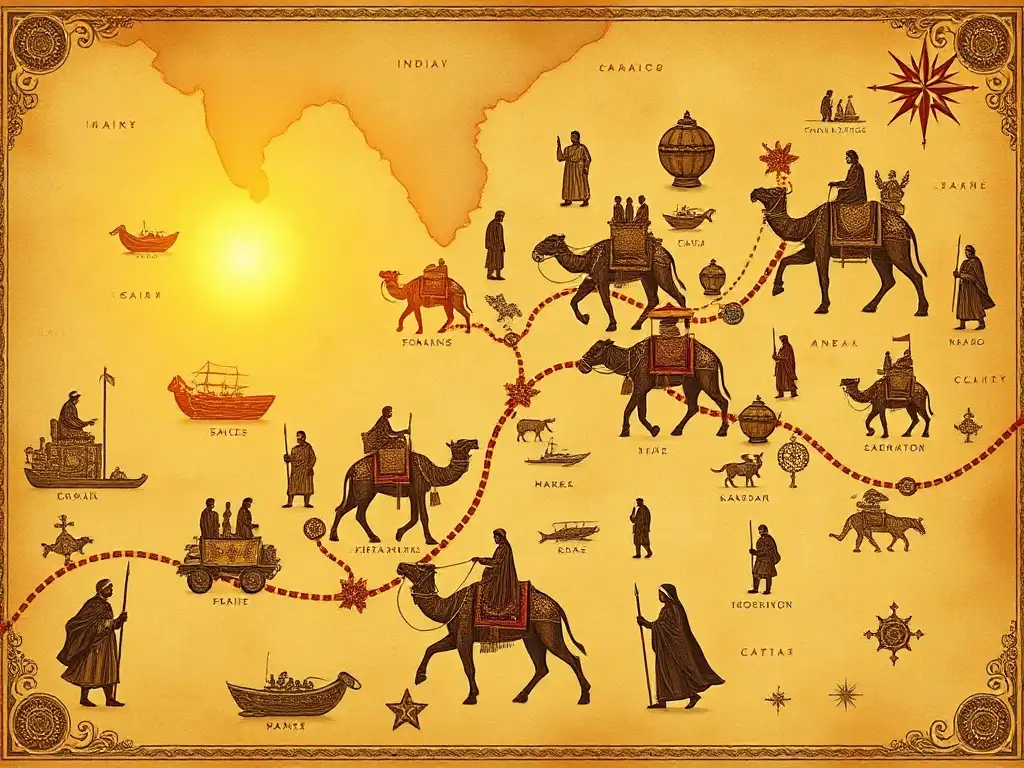
The ancient Indian trade routes significantly impacted the economy, fostering development and cultural integration across the subcontinent. The intricate web of trade connections not only facilitated the flow of goods but also influenced social structures and cultural exchanges, shaping the fabric of ancient Indian society.
Contribution to Economic Development
Ancient Indian trade routes were crucial in driving economic development. The exchange of goods stimulated local economies, while trade surpluses led to increased production and innovation. Regions known for specific products—such as the textile industry in Gujarat or the spice trade in Kerala—thrived due to their integration into expansive trade networks.
Moreover, the wealth generated from trade allowed for the patronage of arts and architecture, leading to the construction of temples, monuments, and educational institutions. The influx of wealth from trade encouraged the rise of powerful kingdoms and empires, such as the Maurya and Gupta Empires, which further invested in infrastructure and commerce.
Influence on Cultural Exchange and Integration
The ancient Indian trade routes served as conduits for cultural exchange, influencing art, religion, and language. As merchants traveled, they brought with them not only goods but also ideas and practices from distant lands. This exchange enriched Indian culture, leading to the introduction of new religious beliefs, such as Buddhism and Jainism, which spread along trade routes.
The interaction among diverse communities fostered a spirit of integration, as traders and travelers shared customs and traditions. This cultural melting pot contributed to a vibrant society where various influences coexisted, creating a unique blend of local and foreign elements that shaped ancient Indian civilization.
Case Studies of Successful Trade Networks
Several successful trade networks in ancient India exemplify the effectiveness and reach of its trade routes. One prominent case is the Silk Road, which, while originating in China, included Indian merchants who facilitated the exchange of silk, spices, and precious stones. Indian traders played a critical role in connecting the East and West, enriching their own culture while introducing foreign goods to Indian markets.
Another example is the maritime trade network that connected the Chola Dynasty with Southeast Asia. The Cholas established trade relations with regions like present-day Indonesia and Malaysia, exporting textiles and spices in exchange for gold and other luxury items. This interaction not only boosted the economy but also established cultural ties that influenced art and architecture in both regions.
These case studies highlight the strategic importance of ancient Indian trade routes and their lasting legacy on modern economic strategies, emphasizing the potential lessons that can be learned from historical trade practices.
Lessons from Ancient Indian Trade for Modern Economic Strategies
The ancient Indian trade routes provide a rich tapestry of insights and lessons that can be applied to contemporary economic strategies. The extensive networks of commerce that flourished in ancient India, particularly during the Indus Valley Civilization and the Maurya and Gupta Empires, highlight the importance of connectivity and innovation in trade. By examining these historical trade practices, modern economies can devise strategies that enhance trade efficiency, foster regional cooperation, and promote economic resilience.
One of the key takeaways from ancient Indian trade is the significance of establishing robust networks. Ancient traders connected distant regions, facilitating not just the exchange of goods but also cultural and technological exchanges. This interconnectedness created a vibrant marketplace that thrived on diversity. Modern economies can emulate this model by developing inclusive trade policies that encourage partnerships across borders, fostering an environment of collaboration and mutual growth.
Moreover, the adaptability seen in ancient trade practices is a crucial lesson. Merchants had to navigate various challenges, such as fluctuating demands and changing geopolitical landscapes. Their ability to pivot and explore alternative routes or goods ensured sustained economic activity. Today’s businesses can benefit from this flexibility by remaining agile and responsive to market dynamics, thereby enhancing their competitiveness in an increasingly globalized economy.
Principles of Network Building in Trade
Building effective trade networks requires understanding the foundational principles that underpin successful exchanges. Ancient Indian traders exemplified several key strategies that are applicable today:
- Intermediary Relationships: Traders often relied on local intermediaries who understood regional markets, customs, and logistics. Establishing strong local partnerships can help modern businesses penetrate new markets more efficiently.
- Trust and Reputation: Trust was paramount in ancient trade. Merchants built their reputations over time, ensuring reliable transactions. In modern contexts, businesses can cultivate trust through transparency, ethical practices, and consistent quality.
- Cultural Exchange: Trade routes facilitated not only the exchange of goods but also ideas and culture. Emphasizing cultural sensitivity and understanding in trade can enhance relations and foster loyalty among diverse consumer bases.
Incorporating these principles into current economic practices can lead to more sustainable and effective trade networks.
Adaptability of Ancient Trade Practices in Contemporary Context
The adaptability of ancient Indian trade practices remains a pertinent lesson for modern economies. Traders in ancient India faced a myriad of challenges, including resource scarcity, shifting political landscapes, and varying consumer preferences. Their ability to adapt to these circumstances allowed them to thrive in a dynamic environment.
For contemporary businesses, adaptability is crucial in the face of rapid technological advancements and changing consumer behaviors. Modern companies can learn from ancient practices by:
- Diversifying Offerings: Just as ancient traders expanded their inventories to include various goods, businesses today should diversify their product lines to meet evolving demands.
- Embracing Technology: Ancient traders used innovations like the compass and advanced shipbuilding techniques. Today, leveraging digital tools and e-commerce platforms can enhance operational efficiency and market reach.
- Resilience Planning: Learning from historical disruptions, businesses should develop contingency plans and risk management strategies to ensure resilience in uncertain times.
By adopting a mindset of adaptability, modern economies can better navigate the complexities of global trade.
Sustainable Practices from Ancient Trade Networks
Ancient Indian trade networks were characterized by a number of sustainable practices that can inspire contemporary economic strategies. The following aspects highlight how ancient traders valued sustainability:
- Resource Management: Ancient merchants often sourced materials locally, reducing transportation costs and environmental impacts. Modern businesses can adopt similar practices by prioritizing local sourcing and supply chain transparency.
- Cultural Sustainability: Trade routes facilitated cultural exchanges that enriched societies, showcasing the value of preserving cultural heritage. Today, businesses that prioritize cultural sustainability can enhance their brand image and foster community support.
- Ethical Trading: Ancient trade emphasized fair exchanges, where both parties benefited from transactions. Modern enterprises can enhance their reputations by adopting fair trade practices, ensuring ethical sourcing and labor conditions.
Integrating these sustainable practices into modern economic frameworks can facilitate environmentally and socially responsible trade.
Challenges Faced by Ancient Indian Trade Routes
Despite their successes, ancient Indian trade routes encountered numerous challenges that impacted their efficacy. Understanding these obstacles can provide valuable lessons for contemporary trade networks.
Geopolitical Factors Influencing Trade
Geopolitical factors played a significant role in shaping ancient Indian trade routes. The rise and fall of empires, territorial disputes, and shifting alliances often disrupted trade dynamics. For instance, the Maurya Empire’s expansion facilitated trade across a vast territory, while subsequent fragmentation led to regional conflicts that impeded trade flows.
In modern contexts, geopolitical stability is equally crucial for trade. Businesses must remain vigilant about international relations, tariffs, and trade agreements that can influence market access and operational costs. Developing strategies to navigate these complex geopolitical landscapes is essential for sustaining trade.
Natural Barriers and Their Impact on Trade
Natural barriers, such as mountains, rivers, and deserts, significantly influenced ancient Indian trade routes. The Himalayas posed challenges to northern trade, while the Thar Desert limited access to certain regions. Traders had to devise innovative solutions, such as establishing caravan routes or utilizing waterways, to overcome these obstacles.
For contemporary traders, understanding geographical limitations remains vital. Geographic information systems (GIS) and advanced logistics can help businesses identify optimal routes and mitigate the impact of natural barriers, ensuring efficient supply chains.
Decline of Ancient Trade Routes: Causes and Effects
The decline of ancient Indian trade routes resulted from a confluence of factors. Major causes included:
- Political Instability: The fragmentation of empires and the rise of local powers often disrupted established trade networks.
- Changing Trade Dynamics: The emergence of new trade routes, such as maritime routes established by European powers, diverted commerce away from traditional land routes.
- Economic Shifts: Changes in demand for certain goods also contributed to the decline. For instance, the decrease in demand for silk from China affected the overland Silk Road, impacting Indian trade.
The effects of this decline were profound, leading to economic stagnation in once-thriving regions and altering cultural exchanges. Understanding these historical patterns can inform modern economic strategies, emphasizing the need for adaptability and resilience in the face of shifting trade dynamics.
Conclusion: Relevance of Ancient Indian Trade Networks Today
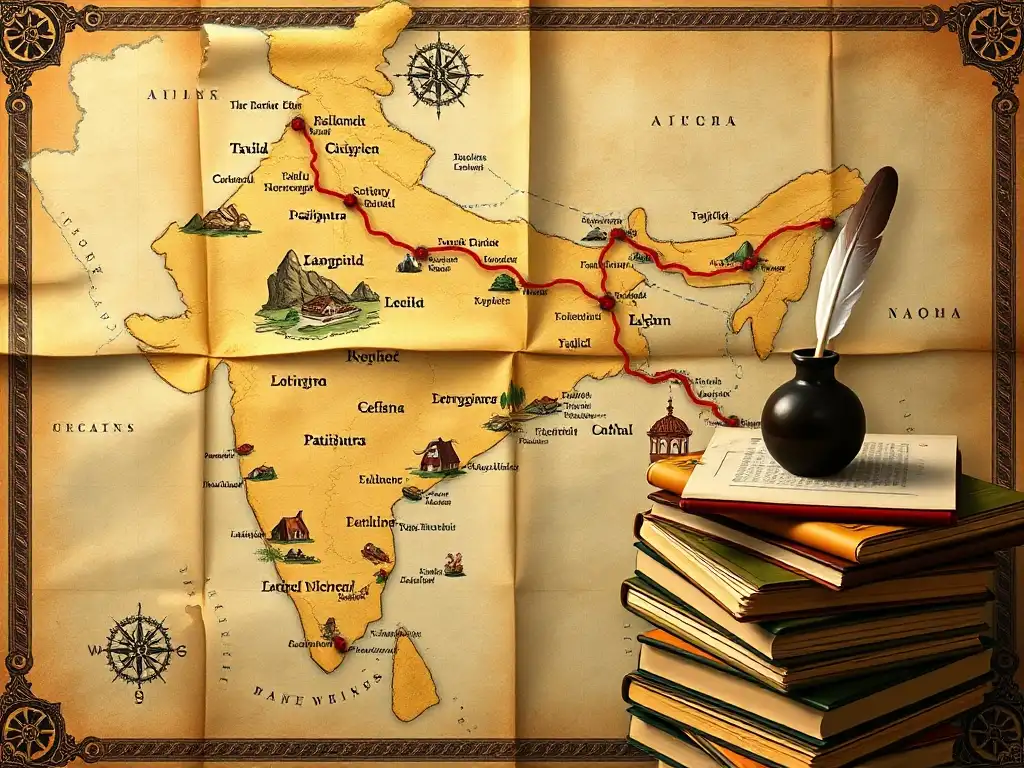
The ancient Indian trade routes were not just pathways for commerce; they were vital conduits of culture, ideas, and innovation. Understanding these networks provides modern economies with a blueprint that emphasizes the importance of connectivity, sustainable practices, and cultural exchange. By examining the strategies employed by ancient Indian traders, contemporary economists and policymakers can glean insights that are applicable to today's globalized market.
The significance of these trade networks extends beyond mere economic transactions. They fostered regional cooperation, cultural amalgamation, and technological advancements. For instance, the Silk Road facilitated the exchange of goods like spices and textiles, but it also allowed for the dissemination of knowledge and cultural practices, enriching the civilizations involved. This holistic view of trade, where economic activities are intertwined with cultural and social dimensions, is pertinent in today's world, where businesses operate on a global scale.
Summary of Key Insights from Ancient Trade Routes
- Diverse Trading Partners: Ancient Indian traders engaged with various cultures, including those from Mesopotamia, Persia, and Southeast Asia. This diversity encouraged adaptability and innovation in trade practices.
- Infrastructure Development: The establishment of robust trade routes necessitated advancements in infrastructure, such as roads and ports. Investments in infrastructure have proven to be a cornerstone for economic growth, a lesson that remains relevant today.
- Cultural Exchange: Trade routes served as channels for the exchange of not only goods but also ideas, philosophies, and religions. This cultural intermingling helped shape societies and can inspire modern initiatives aimed at fostering cultural understanding and collaboration.
- Sustainable Practices: Ancient traders often relied on sustainable practices, utilizing local resources and maintaining ecological balance. This approach is increasingly important in today's context of environmental concerns, highlighting the need for sustainable economic policies.
- Flexibility and Resilience: The ability of ancient traders to adapt to changing circumstances, such as political shifts and natural disasters, underscores the importance of resilience in economic strategies. Modern businesses can benefit from developing similar adaptive strategies to navigate uncertainty.
Final Thoughts on Implementing Ancient Strategies in Modern Economics
Implementing insights from ancient Indian trade routes into modern economic strategies invites a fresh perspective on trade and economic development. By recognizing the interconnectedness of trade, culture, and infrastructure, contemporary societies can cultivate a more holistic approach to economic growth.
Furthermore, fostering partnerships based on mutual benefit and respect—principles evident in ancient trade practices—can lead to sustainable economic relationships today. Emphasizing the importance of cultural exchange and collaboration over mere transactional relationships can help build a more inclusive and resilient global economy.
The ancient Indian trade networks serve as a vital resource for contemporary economic thought. By learning from their practices, we can develop strategies that not only drive economic growth but also promote cultural understanding and sustainability in our increasingly interconnected world.
- Introduction to Ancient Indian Trade Routes
- Historical Context of Trade in Ancient India
- The Structure of Ancient Indian Trade Networks
- Economic Impact of Ancient Indian Trade Routes
- Lessons from Ancient Indian Trade for Modern Economic Strategies
- Challenges Faced by Ancient Indian Trade Routes
- Conclusion: Relevance of Ancient Indian Trade Networks Today
- Summary of Key Insights from Ancient Trade Routes
- Final Thoughts on Implementing Ancient Strategies in Modern Economics
- What were the main ancient Indian trade routes?
- How did these trade routes influence ancient Indian civilizations?
- What goods were commonly traded along these routes?
- How did trade impact the social structure of ancient India?
- What lessons can modern economies learn from ancient Indian trade networks?
Frequently Asked Questions
What were the main ancient Indian trade routes?
The main ancient Indian trade routes included the Silk Road, the Maritime Spice Route, and several overland paths connecting to the Middle East and Southeast Asia.
How did these trade routes influence ancient Indian civilizations?
These trade routes facilitated the exchange of goods, ideas, and cultures, which significantly contributed to the economic prosperity and cultural diversity of ancient Indian civilizations.
What goods were commonly traded along these routes?
Ancient Indian traders exchanged a variety of goods, including spices, silk, precious stones, and textiles, which were highly sought after in markets around the world.
The flourishing trade networks helped create a wealthy merchant class, which contributed to the rise of urban centers and impacted the social hierarchy by increasing the influence of traders and artisans.
What lessons can modern economies learn from ancient Indian trade networks?
Modern economies can learn from the diversity and resilience of ancient Indian trade routes, emphasizing the importance of multilateral trade agreements and the integration of cultural exchanges for economic growth.
Final Reflection: Ancient Indian Trade Routes as a Model for Modern Economic Strategies
The exploration of ancient Indian trade routes reveals not only the ingenuity of past civilizations but also their relevance in today's interconnected world. As we navigate the complexities of global trade and economic strategies, the lessons learned from these historical networks serve as a powerful reminder of the importance of collaboration, cultural exchange, and adaptability. The intricate web of trade that flourished in ancient India is not just a relic of history; it is a blueprint that can guide our modern economic endeavors.
The influence of these ancient trade routes extends far beyond their historical context, shaping cultural and social landscapes that persist today. The interconnectedness fostered by these routes laid the groundwork for diverse interactions and mutual growth. As we witness the resurgence of interest in sustainable and ethical trade practices, we can draw inspiration from the principles that governed these ancient networks. Trade is not just about goods; it is about the relationships we build and the cultures we exchange.
This quote encapsulates the enduring impact of trade on human connection, reminding us that economic strategies are deeply intertwined with cultural understanding.
As we reflect on the significance of ancient Indian trade routes, I invite you to consider how these lessons can be applied in your own life and work. Embrace the spirit of collaboration and innovation that characterized these networks, and think about how you can foster connections that transcend borders. Let the wisdom of the past inspire you to create a more inclusive and sustainable economic future, where the lessons of ancient trade can guide us toward a prosperous and interconnected world.
Unleash the Potential of Ancient Insights!
Thank you for diving into the fascinating world of ancient Indian trade networks with us! You've uncovered the remarkable ways these historical pathways can inspire modern economic strategies. Now, it's time to take action and implement these invaluable insights in your own endeavors.
Here’s how you can get started:
- Explore your local markets and connect with small businesses to understand their trade dynamics. Applying these principles can enhance your own strategies.
- Share this article with friends and colleagues who are interested in economic strategies. Together, you can foster discussions that lead to innovative ideas.
- Engage with our community! Join our online forum to share your thoughts and learn more about blending history with modern economics.
What ancient trade practice would you incorporate into today's economic landscape, and why? Your insights could spark a whole new conversation!