
The Influence of Indian Yoga on Chinese Wellness Practices

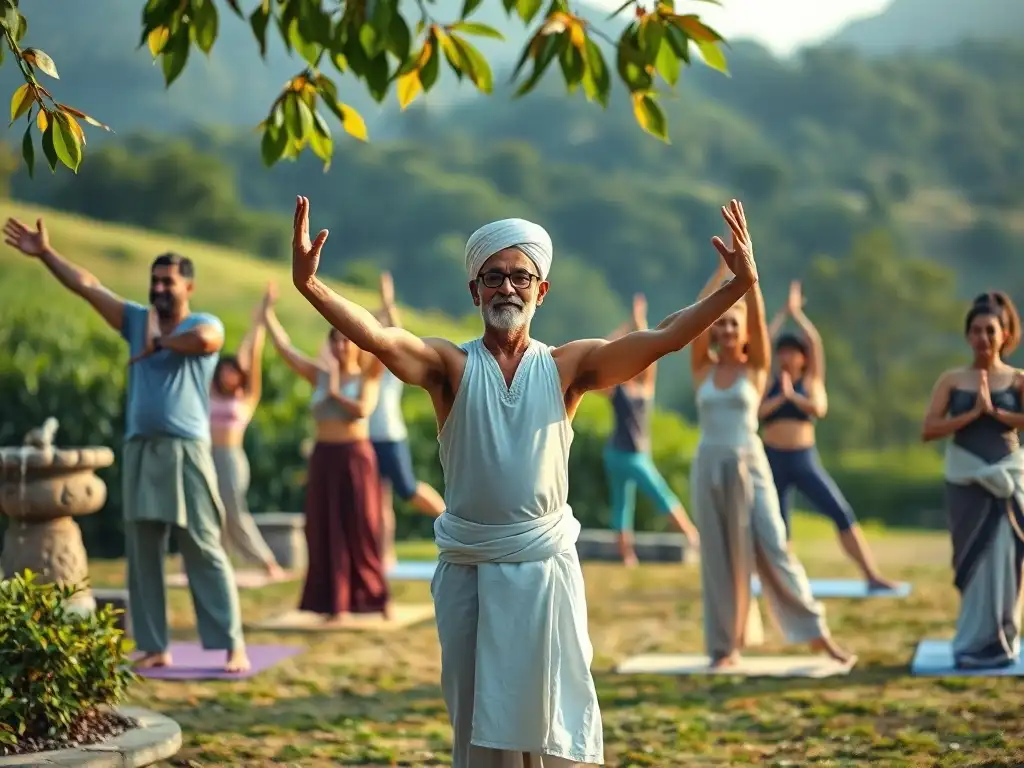
Welcome to Ancient India History, where we embark on a captivating journey through the rich tapestry of India's past. In this exploration, we delve into the profound impact of Indian yoga on Chinese wellness practices, revealing how the ancient wisdom of Indian civilization has transcended borders and influenced cultures far and wide. As you navigate through our site, prepare to uncover intriguing stories and insights that bridge the ancient and modern worlds.
What secrets lie in the exchange between these great civilizations? Join us as we unravel the threads of history that connect India and China, inviting you to discover more about this fascinating interplay.
Introduction to Indian Yoga and Its Philosophy
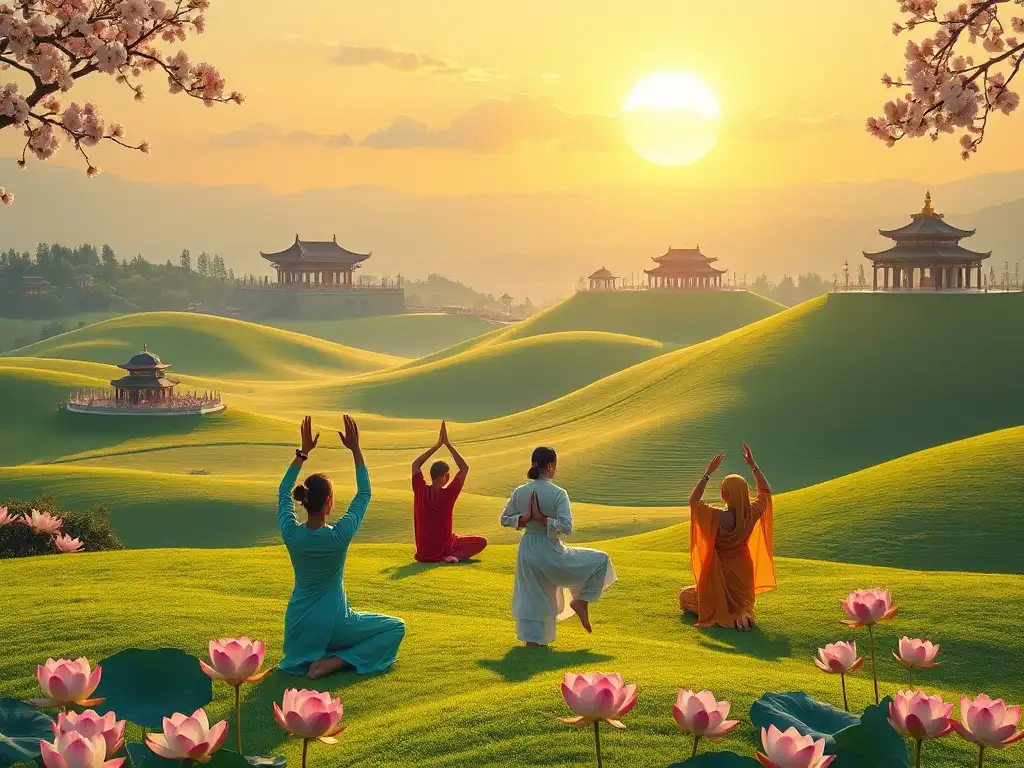
Indian Yoga is a profound discipline that transcends mere physical exercise; it embodies a holistic approach to well-being, integrating the body, mind, and spirit. Rooted in ancient Indian philosophy, Yoga encompasses a variety of practices that promote mental clarity, emotional balance, and physical health. The significance of Yoga extends beyond the individual, influencing various cultures and practices worldwide, including those in China. This article delves into the impact of Indian Yoga on China, exploring how these ancient practices have shaped Chinese wellness traditions and contributed to a rich exchange of knowledge between civilizations.
Understanding Indian Yoga: Definitions and Styles
Indian Yoga can be broadly defined as a system of practices that aim to cultivate physical, mental, and spiritual well-being. Its foundations are established in sacred texts such as the Yoga Sutras of Patanjali, which outline the philosophical principles of Yoga, including the eight limbs of Yoga (Ashtanga).
Some of the prominent styles include:
- Hatha Yoga: Focuses on physical postures and breath control.
- Raja Yoga: Emphasizes meditation and mental discipline.
- Bhakti Yoga: Centers on devotion and love for the divine.
- Karma Yoga: Involves selfless action and service to others.
Each style offers unique benefits, contributing to the diverse landscape of Yoga practices that have been adopted and adapted across cultures.
Historical Context of Indian Yoga in Ancient Civilizations
The origins of Yoga date back thousands of years, with roots in the Vedic traditions of ancient India. As Indian civilization evolved, Yoga became intertwined with various philosophical schools, including Vedanta and Buddhism.
The migration of Indian monks, traders, and cultural emissaries to China facilitated the exchange of Yoga practices and philosophies, particularly during the Han Dynasty (206 BCE – 220 CE). This period marked significant cultural exchanges, with Indian texts and concepts influencing Chinese thought, particularly in relation to health and wellness.
Overview of Chinese Wellness Practices
Chinese wellness practices are deeply rooted in the belief that health is a harmonious balance between the body's energies. Traditional Chinese Medicine (TCM) encompasses various modalities, including acupuncture, herbal medicine, and dietary therapy, all aimed at cultivating health and preventing illness.
Traditional Chinese Medicine: Principles and Practices
TCM operates on several core principles, including:
- Yin and Yang: The duality of opposites that must be balanced for health.
- Five Elements: Wood, Fire, Earth, Metal, and Water, which represent different aspects of health and nature.
- Meridians: Pathways through which Qi (vital energy) flows, influencing health and well-being.
By understanding these principles, practitioners of TCM aim to restore balance and harmony within the body, often drawing parallels with the holistic approaches found in Indian Yoga.
The Role of Qi in Chinese Health Systems
Qi, often translated as "life force" or "vital energy," is a fundamental concept in Chinese wellness practices. It is believed that the proper flow of Qi within the body is essential for maintaining health and preventing disease.
Practices such as Tai Chi and Qigong, which incorporate breath control, movement, and meditation, resonate with the principles of Indian Yoga, showcasing the potential for synergy between these ancient systems. The exploration of how Indian Yoga has influenced the understanding and application of Qi in Chinese wellness practices highlights the rich tapestry of cultural exchange between India and China.
Historical Interactions Between India and China
The historical interactions between India and China date back thousands of years, marked by profound exchanges in trade, culture, and philosophy. These two ancient civilizations, while geographically distinct, shared a dynamic relationship that allowed for the flow of ideas, goods, and spiritual practices. One of the most significant aspects of this interaction was the exchange of knowledge and wellness practices, particularly the influence of Indian yoga on Chinese wellness methodologies.
The Silk Road, a network of trade routes that connected the East and West, played a pivotal role in this exchange. Not only did it facilitate the trade of silk and spices, but it also became a conduit for cultural and spiritual ideas. Buddhist monks, who traveled along these routes, carried with them the principles of Indian spirituality, including yoga, which began to seep into the fabric of Chinese philosophy and health practices.
Trade Routes and Cultural Exchanges
The trade routes between India and China were not merely pathways for commerce; they were arteries of cultural exchange that enriched both civilizations. The Silk Road, which flourished from around 130 BCE to 1453 CE, allowed merchants and travelers to move freely between these lands, leading to a significant exchange of ideas, art, and religion.
Indian traders introduced various goods, including textiles, spices, and precious metals, to the Chinese market. In return, they brought back Chinese silk, ceramics, and technological advancements. However, the most enduring legacy of these trade routes was the transmission of ideas. As Indian yogic practices began to influence Chinese thought, they intermingled with existing beliefs, leading to a unique fusion of wellness practices that would evolve over centuries.
The Spread of Indian Yoga to China
The spread of Indian yoga to China can be traced through the journey of Buddhist monks and scholars who traveled to the region to disseminate the teachings of Buddhism. One notable figure was Bodhidharma, who is credited with bringing Zen Buddhism to China in the 6th century CE. His teachings incorporated yogic principles, emphasizing meditation and physical discipline, which resonated deeply with Chinese philosophies.
As these monks established monasteries and schools, the practices of yoga began to take root in Chinese culture. The integration of yoga into Chinese wellness practices was gradual, but it laid the foundation for what would eventually become a distinctly Chinese interpretation of these ancient techniques. This cross-cultural exchange enriched the spiritual landscape of China and contributed to the holistic approaches to health and wellness that are still prevalent today.
The Impact of Indian Yoga on Chinese Wellness Practices
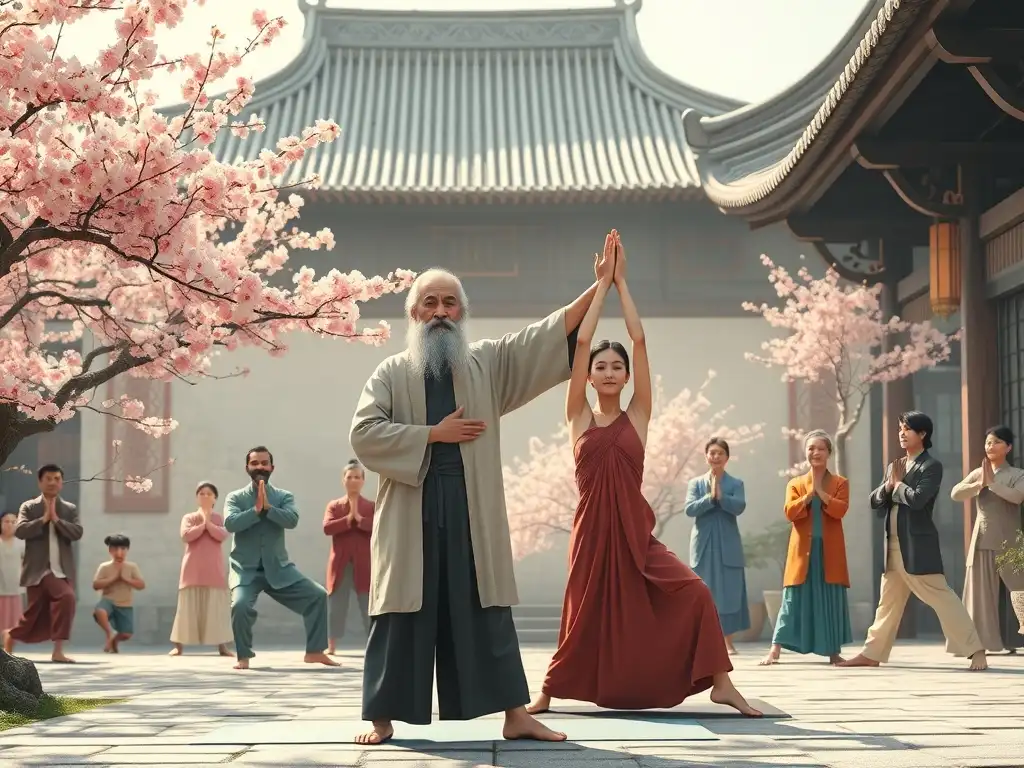
The impact of Indian yoga on Chinese wellness practices is profound and multifaceted. While yoga in its original form emphasizes physical postures, meditation, and ethical living, its integration into Chinese culture has led to the development of unique practices that prioritize harmony and balance.
Adoption of Yoga Techniques in Traditional Chinese Medicine
Traditional Chinese Medicine (TCM) has greatly benefited from the principles of yoga. Techniques such as asanas (postures) have influenced the development of physical exercises like Tai Chi and Qigong. These practices emphasize the flow of energy (qi) through the body, promoting health and wellness in a manner similar to yoga's focus on prana (life force).
Moreover, the concepts of balance and harmony found in yoga align closely with TCM's philosophy of yin and yang. As practitioners began to adopt yoga techniques, they incorporated them into acupuncture, herbal medicine, and dietary therapy, creating a holistic approach to health that continues to thrive in modern Chinese society.
Integration of Meditation and Breath Control in Chinese Practices
Meditation and breath control, fundamental aspects of Indian yoga, have also been integrated into Chinese wellness practices. The emphasis on mindfulness and controlled breathing in yoga has found its counterpart in Chinese meditation techniques, such as Zuòwàng (坐忘) and Neiguan (内观).
These practices not only enhance physical well-being but also foster mental clarity and emotional stability. The integration of yoga's meditative aspects has led to the development of various forms of mindfulness practices in China, contributing to a more comprehensive approach to health that addresses both the body and the mind.
Through these historical interactions and exchanges, Indian yoga has left an indelible mark on Chinese wellness practices, creating a rich tapestry of cultural and spiritual enrichment that continues to evolve today.
Comparing Indian Yoga and Chinese Wellness Approaches
The interplay between Indian Yoga and Chinese wellness practices has a rich history that spans centuries, with both traditions offering unique philosophies and methodologies for achieving health and well-being. While Indian Yoga emphasizes a holistic approach to physical, mental, and spiritual health through postures (asanas), breathing exercises (pranayama), and meditation, Chinese wellness practices such as Traditional Chinese Medicine (TCM) focus on the balance of bodily energies (qi), the harmony of yin and yang, and the use of herbal remedies and acupuncture.
Both systems have influenced each other over time, but they stem from fundamentally different cultural and philosophical roots. Indian Yoga is primarily rooted in Vedantic and Samkhya philosophies, which explore the nature of consciousness and the self. In contrast, TCM is founded on Taoist principles that center on natural harmony and the interconnectedness of the universe. Despite these differences, the two traditions converge in their understanding of health as a dynamic state that requires balance and harmony within the body.
Philosophical Differences: Yoga vs. Traditional Chinese Medicine
The philosophical underpinnings of Indian Yoga and Traditional Chinese Medicine (TCM) illustrate their distinct approaches to health and wellness. Indian Yoga is anchored in the concept of self-realization and spiritual awakening, where the practitioner seeks to transcend the physical body and cultivate a deeper connection with the self and the universe. This pursuit is often encapsulated in the four paths of yoga: Karma, Bhakti, Raja, and Jnana, each providing a unique route to enlightenment.
Conversely, TCM is based on the principles of balance and the flow of qi (vital energy) throughout the body. It emphasizes that health is a result of maintaining equilibrium between the body’s internal elements and the external environment. TCM employs various techniques, including acupuncture, herbal medicine, and dietary therapy, to restore this balance. The understanding of health in TCM revolves around the intricate interplay of yin (passive, cooling energy) and yang (active, warming energy), which govern all physiological functions.
This philosophical divergence shapes the practices and techniques used in each system. While yoga practitioners may focus on meditation and physical postures to enhance spiritual awareness and physical strength, TCM practitioners are more likely to utilize diagnostic methods to detect imbalances and prescribe treatments aimed at restoring physiological harmony.
Similarities in Goals: Health, Balance, and Harmony
Despite their philosophical differences, both Indian Yoga and Chinese wellness practices share common goals centered around health, balance, and harmony. Each tradition recognizes that well-being is not merely the absence of disease but a state of holistic health that encompasses physical, mental, and emotional aspects.
Both systems advocate for practices that promote self-awareness and mindfulness. In Indian Yoga, practitioners engage in meditation and breath control to cultivate inner peace and enhance mental clarity. Similarly, TCM emphasizes the importance of emotional health and psychological balance, recognizing that mental states can significantly influence physical health.
Moreover, both traditions employ a variety of techniques aimed at fostering balance within the body. Yoga’s asanas are designed to improve physical strength and flexibility, while TCM focuses on restoring the flow of qi through acupuncture and acupressure. Ultimately, both Indian Yoga and Chinese wellness practices aspire to create a harmonious state of being, where individuals can thrive both physically and spiritually.
Case Studies of Indian Yoga Influence on Chinese Practices
The historical exchanges between India and China have resulted in significant adaptations and integrations of Indian Yoga into Chinese wellness practices. Two notable examples illustrate this influence: the adoption of Hatha Yoga principles in Qigong and the incorporation of pranayama techniques into Chinese breathing exercises.
Example 1: The Influence of Hatha Yoga on Qigong
Hatha Yoga, known for its emphasis on physical postures and breath control, has had a profound impact on the development of Qigong, a traditional Chinese system of coordinated body movements, breath control, and meditation. The introduction of Hatha Yoga concepts into Qigong is evident in the postural practices that prioritize physical alignment and energy flow.
In both systems, practitioners aim to achieve a state of relaxation and heightened awareness. Hatha Yoga's influence is particularly noticeable in the adoption of specific postures that resemble yoga asanas, where the focus on stretching and strengthening the body aligns with Qigong's goal of enhancing qi circulation. This blend has led to the creation of various forms of Qigong that incorporate yoga-inspired movements, promoting a holistic approach to wellness that reflects the strengths of both traditions.
Example 2: The Adaptation of Pranayama Techniques in Chinese Breathing Exercises
Pranayama, the practice of controlled breathing in Indian Yoga, has found its way into Chinese wellness routines, especially in the realm of breathing exercises. Techniques such as "diaphragmatic breathing" in modern Chinese practices mirror the principles of pranayama, emphasizing the importance of breath in regulating the body’s energies and calming the mind.
Chinese breathing exercises often incorporate rhythmic inhalation and exhalation patterns that are reminiscent of pranayama practices. These techniques aim to enhance lung capacity, foster relaxation, and improve overall health. The blending of these breathing methods exemplifies how Indian Yoga's focus on breath control has enriched Chinese wellness practices, allowing practitioners to benefit from the therapeutic effects of conscious breathing.
Overall, the cross-cultural exchange between Indian Yoga and Chinese wellness practices has led to a richer understanding of health and well-being, showcasing the complementary nature of these ancient traditions.
Modern Interpretations of Indian Yoga in China
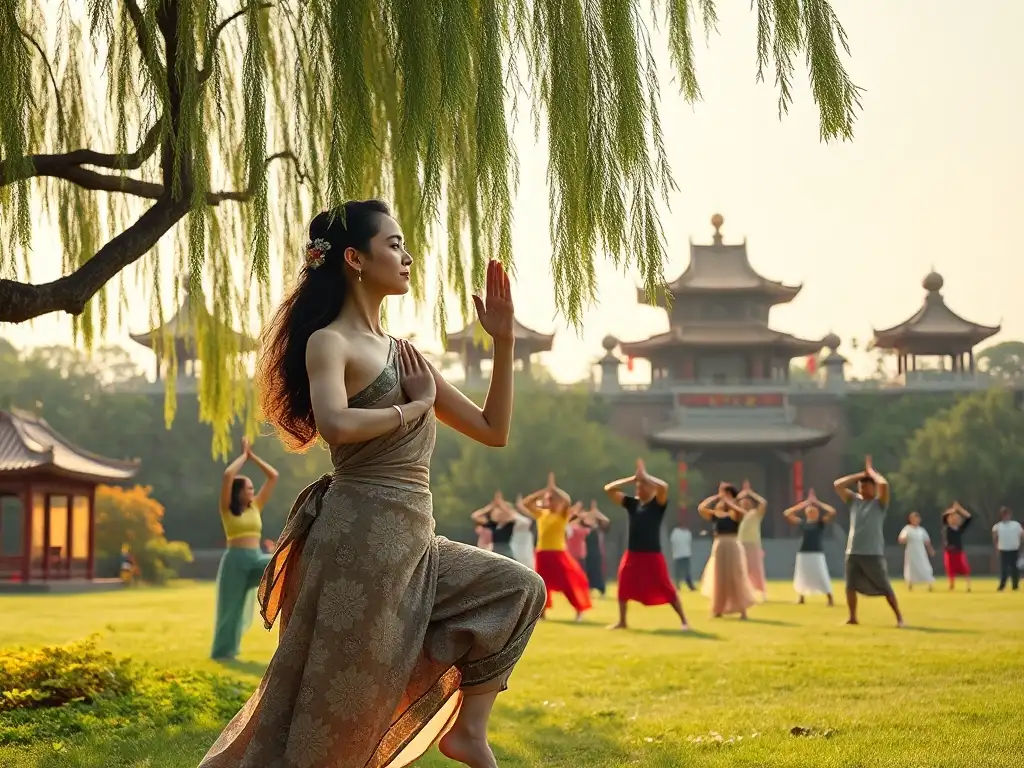
The influence of Indian Yoga on Chinese wellness practices has transformed significantly over the years, especially in the modern context. As globalization has facilitated cultural exchanges, Yoga has found a prominent place in the wellness landscape of China. This adaptation encompasses not just physical postures but also the philosophical and meditative aspects of Yoga, leading to a reinterpretation that resonates with the Chinese populace.
Chinese practitioners often integrate Yoga into a holistic approach to health, emphasizing mental well-being alongside physical fitness. This modern interpretation is characterized by a blend of traditional Indian postures with Chinese wellness philosophies, creating a unique synthesis that appeals to contemporary lifestyles. The growing popularity of Yoga in China can be attributed to a rising interest in holistic health and wellness, driven by urbanization and stress-related health issues.
Current Trends: Yoga Studios and Wellness Retreats in Major Chinese Cities
In major Chinese cities such as Beijing, Shanghai, and Guangzhou, Yoga studios and wellness retreats have proliferated, catering to an increasingly health-conscious population. Many of these establishments offer a range of Yoga styles, from traditional Hatha and Ashtanga to more contemporary forms like Vinyasa and Hot Yoga.
- Urban Growth: The urban landscape has seen an explosion of Yoga studios, often designed to provide a tranquil escape from the hustle and bustle of city life.
- Wellness Retreats: Additionally, wellness retreats in scenic locations outside the urban center are gaining traction, providing immersive experiences that combine Yoga, meditation, and traditional Chinese medicine.
- Community Engagement: These facilities often focus on building a community around wellness, offering workshops and classes that promote not just physical fitness but also mental and emotional health.
This trend reflects a broader acceptance of Yoga as a legitimate form of exercise and lifestyle choice, with more people recognizing its benefits for stress relief and overall well-being.
The Rise of Hybrid Practices: Yoga Meets Tai Chi
The fusion of Indian Yoga with traditional Chinese practices, particularly Tai Chi, has resulted in a rise of hybrid practices that leverage the strengths of both systems. This integration provides practitioners with a multifaceted approach to wellness that enhances physical health and promotes spiritual growth.
- Complementary Philosophies: Both Yoga and Tai Chi share fundamental principles such as mindfulness, breath control, and the cultivation of inner peace. This synergy enables practitioners to experience a deeper connection between body and mind.
- Innovative Classes: Many studios now offer classes that combine elements of Yoga with Tai Chi movements, creating a holistic workout that appeals to a broader audience.
- Cultural Exchange: This blending of practices exemplifies the ongoing cultural exchange between India and China, demonstrating how ancient traditions can evolve and adapt to modern contexts.
These hybrid practices not only enrich the wellness experience but also foster a greater understanding and appreciation of both Indian and Chinese philosophies.
Conclusion: The Lasting Legacy of Indian Yoga in Chinese Wellness
Summary of Key Influences
The impact of Indian Yoga on Chinese wellness practices is evident in various dimensions, from the proliferation of Yoga studios to the blending of practices like Yoga and Tai Chi. Key influences include:
- Philosophical Integration: The adoption of Yoga’s philosophical teachings, such as mindfulness and meditation, within Chinese wellness routines.
- Physical Practices: The incorporation of Yoga postures into fitness regimens, contributing to a more rounded approach to health.
- Cultural Appreciation: A growing respect and understanding of Indian traditions, fostering a dialogue between the two cultures.
This legacy continues to shape the wellness landscape in China, encouraging individuals to explore diverse paths to health and fulfillment.
Future of Indian Yoga and Chinese Wellness Practices
Looking ahead, the future of Indian Yoga in Chinese wellness practices seems promising. As globalization continues to foster cultural exchanges, we can anticipate further developments in how these practices are integrated.
- Increased Collaboration: There is potential for greater collaboration between Indian and Chinese wellness practitioners, leading to innovative programs and workshops that celebrate both traditions.
- Emerging Trends: The rise of technology, such as online Yoga classes and wellness apps, will likely influence how Yoga is practiced and taught in China, making it more accessible to a wider audience.
- Global Wellness Movement: As part of the global wellness movement, Indian Yoga will continue to play a crucial role in promoting holistic health and well-being, appealing to those seeking balance in their lives.
The enduring legacy of Indian Yoga in China reflects a vibrant exchange of ideas and practices that enrich both cultures and promote a shared understanding of health and wellness.
References and Further Reading on Indian Yoga and Chinese Wellness
To gain a deeper understanding of the impact of Indian Yoga on Chinese wellness practices, several scholarly works, historical texts, and resources can provide invaluable insights. Below is a curated list of references and further reading materials that explore this fascinating intersection of cultures and philosophies.
Books
-
"The Yoga Sutras of Patanjali"
This ancient text is foundational to the understanding of Yoga philosophy and practice. The sutras outline the principles of Yoga, emphasizing mental discipline and physical well-being, which have influenced wellness practices far beyond India.
-
"Yoga and Chinese Medicine: A Comprehensive Guide to Ancient Wisdom" by Dr. J. H. Liu
This book delves into how Yoga integrates with traditional Chinese medicine (TCM) concepts, offering a comparative analysis that highlights shared principles and practices.
-
"The Heart of Yoga: Developing a Personal Practice" by T.K.V. Desikachar
This work provides insights into the therapeutic aspects of Yoga, which have parallels in Chinese wellness traditions.
Articles and Journals
-
"The Influence of Indian Thought on Chinese Culture"
This article discusses the broader philosophical exchanges between India and China, including the role of Yoga in shaping Chinese wellness practices.
-
"Yoga as Medicine: How Yoga Helps You Get Well and Stay Well"
Published in various health journals, this article outlines modern interpretations of Yoga and its therapeutic applications, some of which have been integrated into Chinese wellness practices.
Online Resources
-
International Journal of Yoga
This peer-reviewed journal publishes research on Yoga, including studies on how its principles have been adopted in different cultural contexts, including China.
-
The Yoga Institute
A comprehensive online resource that provides courses, articles, and workshops on Yoga's principles and practices, with sections dedicated to its global influences, including its impact on Chinese wellness.
Documentaries and Lectures
-
"Yoga: The Art of Transformation"
This documentary examines Yoga's evolution and its global spread, including its influence on Eastern practices such as those in China.
-
Lectures by Dr. Subhash Kak
Renowned for his expertise in the intersection of Indian and Chinese philosophies, Dr. Kak's lectures provide a scholarly perspective on Yoga's influence in China.
By exploring these references, readers can gain a comprehensive understanding of how Indian Yoga has not only enriched its own cultural heritage but has also profoundly impacted Chinese wellness practices, creating a unique blend of ancient wisdom that continues to thrive in modern times.
- Introduction to Indian Yoga and Its Philosophy
- Overview of Chinese Wellness Practices
- Historical Interactions Between India and China
- The Spread of Indian Yoga to China
- The Impact of Indian Yoga on Chinese Wellness Practices
- Comparing Indian Yoga and Chinese Wellness Approaches
- Case Studies of Indian Yoga Influence on Chinese Practices
- Modern Interpretations of Indian Yoga in China
- Conclusion: The Lasting Legacy of Indian Yoga in Chinese Wellness
- References and Further Reading on Indian Yoga and Chinese Wellness
- What is the significance of Indian Yoga in relation to Chinese wellness practices?
- How did Indian Yoga first reach China?
- What are some key similarities between Indian Yoga and Chinese wellness practices?
- How has the modern interpretation of Indian Yoga influenced Chinese wellness today?
- Are there any notable figures in China who have promoted the integration of Indian Yoga?
Frequently Asked Questions
What is the significance of Indian Yoga in relation to Chinese wellness practices?
Indian Yoga has had a profound impact on Chinese wellness practices, blending ancient philosophies and techniques that promote physical health, mental clarity, and spiritual growth.
How did Indian Yoga first reach China?
Indian Yoga made its way to China through Buddhist missionaries and traders along the Silk Road, facilitating cultural exchange and the incorporation of yoga principles into Chinese traditions.
What are some key similarities between Indian Yoga and Chinese wellness practices?
Both Indian Yoga and Chinese wellness practices, like Tai Chi, emphasize the importance of breathing, meditation, and the balance of energy, showcasing a shared goal of achieving holistic well-being.
How has the modern interpretation of Indian Yoga influenced Chinese wellness today?
Modern Indian Yoga has led to a resurgence in mindfulness and meditative practices within China, encouraging people to adopt these techniques to enhance their overall health and wellness.
Are there any notable figures in China who have promoted the integration of Indian Yoga?
Yes, several Chinese wellness practitioners and yoga teachers have played a significant role in promoting Indian Yoga, often blending it with traditional Chinese methods to create innovative and effective health practices.
Final Reflection: The Enduring Impact of Indian Yoga on Chinese Wellness Practices
The influence of Indian Yoga on Chinese wellness practices is more relevant today than ever, as people seek holistic approaches to health and well-being in an increasingly fast-paced world. The merging of these ancient traditions not only highlights the interconnectedness of cultures but also emphasizes the universal quest for balance and harmony in life. As we navigate modern challenges, the wisdom embedded in these practices offers profound insights into achieving mental, physical, and spiritual wellness.
The ongoing integration of Indian Yoga into Chinese wellness practices serves as a testament to the rich tapestry of cultural exchange that continues to shape our societies. This fusion has not only enriched individual practices but has also fostered a greater appreciation for diverse healing traditions. As the renowned yoga teacher B.K.S. Iyengar once said, Yoga does not just change the way we see things, it transforms the person who sees.
This transformation is evident in the way both Indian and Chinese wellness philosophies have evolved, creating a more inclusive approach to health that resonates with people across the globe.
As we reflect on the lessons from this article, I invite you to explore how the principles of Indian Yoga can enhance your own wellness journey. Consider incorporating mindfulness, breath control, and physical postures into your daily routine, and witness the profound impact it can have on your life.
By embracing these practices, you not only honor their rich heritage but also contribute to a global dialogue on health and well-being that transcends borders. Let us take this opportunity to cultivate a deeper understanding of ourselves and the world around us, fostering a future where wellness is a shared journey.
Embrace the Harmony of Ancient Wellness Traditions!
Thank you for taking the time to explore the fascinating interplay between Indian yoga and Chinese wellness practices! You’ve uncovered valuable insights into how these ancient traditions can enhance modern well-being. Now, it’s time to take your interest a step further and apply these teachings to your life.
Here’s how you can deepen your journey into holistic wellness:
- Join a local yoga class that also incorporates elements of traditional Chinese practices, such as Tai Chi or Qigong, to experience the fusion firsthand.
- Explore mindfulness techniques from both yoga and Chinese wellness traditions and integrate them into your daily routine for a more centered life.
- Share your thoughts! Discuss your experiences with friends or online communities to spread awareness about these interconnected practices.
What new practice or technique from these traditions are you excited to try first?