
The Revival of Interest in Ancient Indian Scripts in Contemporary Scholarship

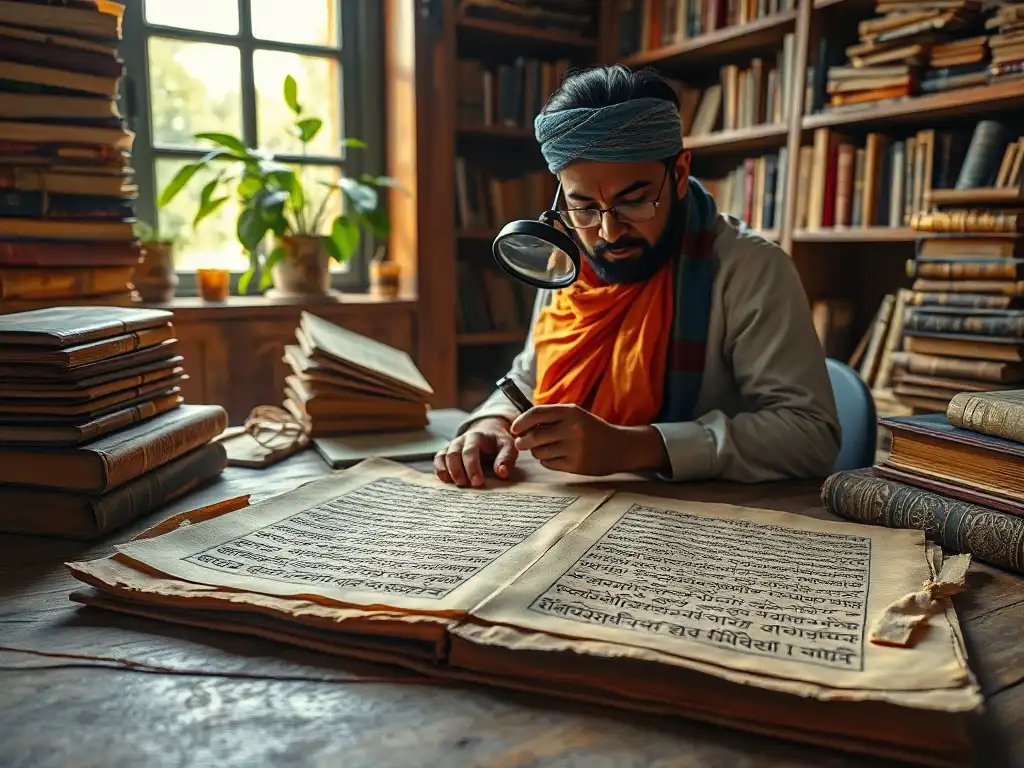
Welcome to Ancient India History, where we invite you to embark on a journey through the fascinating tapestry of India's ancient civilizations. As we delve into the revival of interest in ancient Indian scripts, you'll uncover the remarkable stories and contributions of cultures that shaped the subcontinent from the Indus Valley to the Gupta Empire. What secrets lie within these scripts, and how are they influencing modern scholarship? Join us as we explore this captivating topic and ignite your curiosity to learn more about the rich heritage of ancient Indian languages and their enduring legacy.
- Introduction to the Revival of Interest in Ancient Indian Scripts
- Historical Background of Ancient Indian Scripts
- Factors Contributing to the Revival of Ancient Indian Scripts
- Contemporary Scholarship on Ancient Indian Scripts
- Challenges in the Revival of Ancient Indian Scripts
- The Future of Ancient Indian Scripts Revival
- Conclusion: The Significance of Reviving Ancient Indian Scripts
- Frequently Asked Questions
- Final Reflection: Embracing the Revival of Ancient Indian Scripts
- Unveil the Richness of Ancient Scripts Today!
Introduction to the Revival of Interest in Ancient Indian Scripts
The revival of interest in ancient Indian scripts is a testament to the enduring legacy and significance of India's diverse linguistic heritage. With a rich tapestry woven from languages, dialects, and writing systems, ancient Indian scripts serve as vital keys to understanding not only the evolution of communication in the region but also the cultural, philosophical, and artistic expressions of its civilizations.
From the intricate symbols of the Indus Valley civilization to the sophisticated Brahmi and Kharosthi scripts, these ancient writings encapsulate the thoughts and achievements of countless generations. As contemporary scholars delve into these scripts, they are not merely deciphering texts; they are rekindling connections to a historical narrative that is both profound and multifaceted.
In this article, we will explore the various dimensions of the revival of ancient Indian scripts, examining their historical context, the contemporary significance of this revival, and the broader implications for understanding India's cultural identity. This exploration aims to shed light on how ancient Indian scripts are being rediscovered, reinterpreted, and celebrated in modern scholarship, ultimately reinforcing their importance in the broader narrative of Indian history.
Overview of Ancient Indian Scripts and Their Importance
Ancient Indian scripts, such as Brahmi, Kharosthi, and the various regional scripts that evolved over centuries, hold immense importance in the study of language and culture in India. These scripts not only served as mediums for communication but also played pivotal roles in the dissemination of knowledge, religion, and governance.
- Brahmi Script: Considered one of the earliest writing systems in India, Brahmi is the progenitor of many modern scripts used in South Asia today. Its influence can be seen in Devanagari, Tamil, and others, making it foundational to the linguistic landscape of the region.
- Kharosthi Script: Used primarily in the northwest of the Indian subcontinent, Kharosthi provides insight into the Indo-Greek and Buddhist cultures, showcasing the syncretism that defined ancient Indian society.
- Regional Variants: Numerous regional scripts, like Grantha and Siddham, emerged, each contributing to the linguistic diversity of India. These scripts reflect local traditions, religious practices, and the evolution of regional languages.
The significance of these scripts extends beyond mere linguistics; they are invaluable resources for historians, archaeologists, and scholars of religion. They allow us to piece together the socio-political dynamics of ancient Indian civilizations and understand the philosophical and artistic expressions of the time.
Understanding the Contemporary Context of Script Revival
In recent years, there has been a marked resurgence of interest in ancient Indian scripts within contemporary scholarship. This revival is driven by several factors that highlight the relevance of these scripts in today's world.
- Cultural Reclamation: As India navigates the complexities of modern identity, there is a growing movement to reclaim and celebrate its ancient heritage. Scholars, artists, and cultural activists are increasingly recognizing the value of ancient scripts as symbols of national pride and cultural continuity.
- Interdisciplinary Research: The revival is supported by interdisciplinary approaches that combine linguistics, archaeology, history, and art. Scholars are collaborating across fields to explore the multifaceted roles of scripts in ancient societies, leading to new insights and methodologies.
- Technological Advancements: Modern technology plays a crucial role in the revival of ancient scripts. Digital tools and platforms enable researchers to analyze, catalog, and disseminate information about these scripts more efficiently. This accessibility fosters a broader engagement with ancient texts and inscriptions.
- Educational Initiatives: Institutions and organizations are increasingly incorporating ancient scripts into their curricula, promoting awareness and understanding of linguistic heritage among students and the general public.
This contemporary context not only revitalizes interest in ancient Indian scripts but also reinforces their importance as a bridge connecting the past to the present. By understanding and appreciating these scripts, we can gain deeper insights into the rich tapestry of India's history and culture.
Historical Background of Ancient Indian Scripts
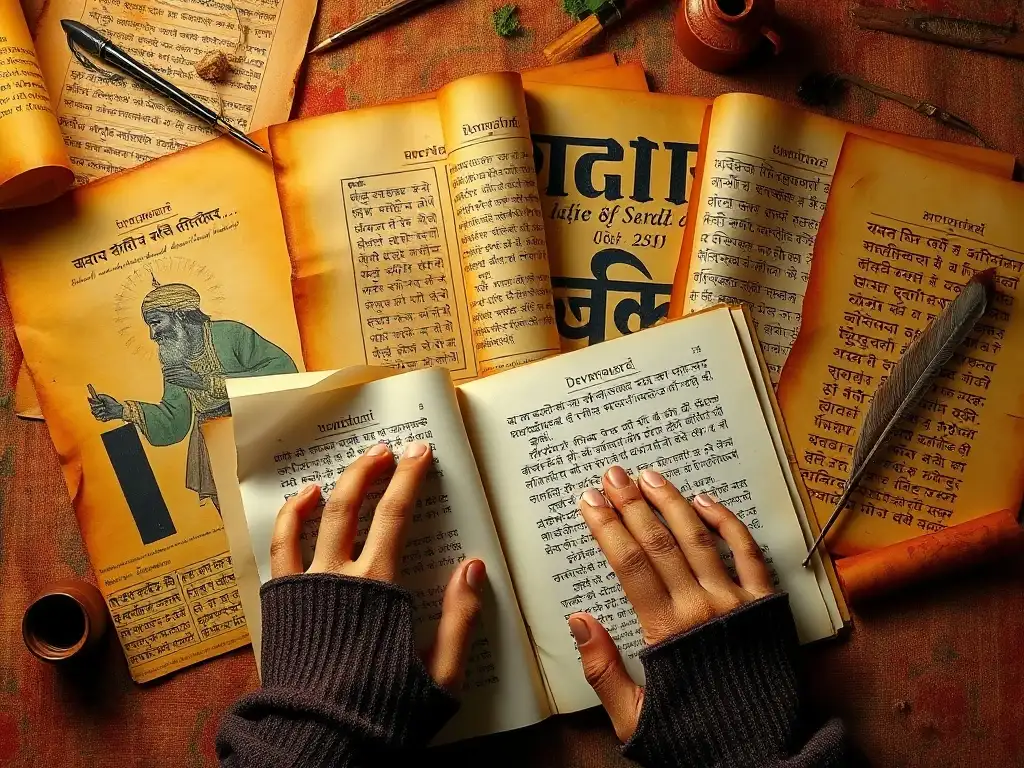
Ancient Indian scripts have played a pivotal role in documenting the rich tapestry of Indian civilization. The earliest evidence of writing in India dates back to the Indus Valley Civilization (circa 3300–1300 BCE), where symbols were inscribed on seals and pottery. While the exact nature and meaning of these symbols remain debated, they indicate a sophisticated system of communication.
The revival of interest in ancient Indian scripts is largely attributed to the efforts of linguists and historians in the late 19th and early 20th centuries. Scholars began deciphering ancient scripts, particularly Brahmi and Kharosthi, which laid the foundation for understanding the linguistic and cultural heritage of the region. The resurgence of these studies has been fueled by a growing recognition of their significance in tracing the evolution of language, art, and philosophy in India.
In contemporary scholarship, the exploration of ancient scripts is not merely an academic endeavor; it reflects a broader cultural renaissance. Researchers are increasingly examining the socio-political contexts in which these scripts thrived, revealing insights into the lives of ancient Indians. This renewed focus has also encouraged interdisciplinary approaches, incorporating archaeology, anthropology, and linguistics, to create a holistic understanding of ancient Indian scripts.
Key Ancient Indian Scripts: Brahmi, Kharosthi, and More
Among the numerous scripts that emerged in ancient India, Brahmi and Kharosthi stand out as the most significant.
- Brahmi:
- Considered the mother of many Indian scripts, Brahmi was used from the 3rd century BCE.
- It is characterized by its use of phonetic symbols, representing consonants and vowels.
- The script is notable for its adaptability, leading to the development of numerous derivatives, including Devanagari, used today in many Indian languages.
- Kharosthi:
- Primarily found in the northwestern regions of the Indian subcontinent, Kharosthi dates back to the same period as Brahmi.
- Unlike Brahmi, Kharosthi is written from right to left and is thought to have been influenced by Aramaic script.
- Its usage was prevalent in the Gandhara region and is often associated with Buddhist texts.
Other notable scripts include Tamil Brahmi, used in Tamil Nadu, and Siddham, significant in the transmission of Buddhism to East Asia. Each script not only reflects linguistic nuances but also offers insights into the cultural and historical contexts of their time.
The Role of Inscriptions in Ancient Indian Civilization
Inscriptions serve as invaluable primary sources for understanding ancient Indian civilization. They provide a wealth of information about political, religious, and social structures, often inscribed on stone pillars, edicts, and temple walls.
Key aspects of inscriptions include:
- Political Records:
- Inscriptions often commemorate royal achievements, land grants, and treaties.
- The Edicts of Ashoka, for instance, are a series of inscriptions that outline the Mauryan emperor's policies and ethical governance.
- Religious Significance:
- Many inscriptions are dedicated to deities and express religious beliefs and practices.
- They document the patronage of temples and the construction of religious monuments, reflecting the intertwining of faith and politics.
- Cultural Insights:
- Inscriptions provide clues about the everyday life of ancient Indians, including trade practices, social hierarchy, and cultural exchanges.
- They often contain poetic verses, showcasing the literary richness of the time.
The revival of interest in ancient Indian scripts is not only an academic pursuit but also a means of reconnecting with a vibrant past. As scholars continue to uncover and interpret these scripts and inscriptions, they contribute significantly to a deeper understanding of the diverse heritage of ancient India.
Factors Contributing to the Revival of Ancient Indian Scripts
The revival of interest in ancient Indian scripts is a multifaceted phenomenon driven by various factors that highlight the significance of these scripts in understanding the rich tapestry of Indian history and culture. This revival not only enriches academic discourse but also fosters a greater appreciation for India's linguistic heritage. Below are some key factors contributing to this resurgence.
Increased Academic Interest in Ancient Languages
The past few decades have witnessed a surge in academic research focused on ancient languages, particularly those related to ancient Indian scripts such as Brahmi, Kharosthi, and Tamil-Brahmi. Scholars are increasingly recognizing the importance of these scripts in unlocking the historical narratives of ancient Indian civilizations.
- Interdisciplinary Approaches: Scholars from various fields, including archaeology, linguistics, and history, are collaborating to study inscriptions and manuscripts. This interdisciplinary approach has expanded the scope of research and fostered a deeper understanding of the socio-political contexts in which these scripts were used.
- Publications and Conferences: A growing number of publications and conferences dedicated to ancient languages and scripts are emerging. These platforms allow researchers to share findings, discuss methodologies, and promote the significance of ancient Indian scripts in contemporary scholarship.
- Educational Programs: Universities and institutions are increasingly offering courses on ancient languages, providing students with the tools to explore these scripts. This educational focus is essential for nurturing a new generation of scholars dedicated to the study of ancient Indian scripts.
Technological Advancements in Deciphering Scripts
Technological innovations have played a pivotal role in the revival of ancient Indian scripts by facilitating the analysis and interpretation of inscriptions and manuscripts. Modern tools and methodologies have opened new avenues for research.
- Digital Humanities: The integration of digital tools in humanities research has allowed for the creation of databases that catalog ancient inscriptions. These resources are invaluable for researchers seeking to study the evolution of scripts and their usage.
- Machine Learning and AI: Advances in machine learning and artificial intelligence are being utilized to decipher ancient scripts. Algorithms can analyze patterns in inscriptions, making it possible to interpret texts that were previously considered undecipherable.
- 3D Imaging and Scanning: Techniques such as 3D imaging and laser scanning are being employed to capture the intricacies of inscriptions on stone and metal. This technology enhances the visibility of worn or damaged scripts, allowing for more accurate readings and interpretations.
Cultural Heritage and National Identity
The revival of ancient Indian scripts is closely tied to the broader themes of cultural heritage and national identity. As India navigates its modern identity, there is a growing recognition of the importance of historical scripts in shaping that identity.
- Cultural Revitalization Movements: Initiatives aimed at promoting traditional arts, crafts, and languages are also emphasizing the significance of ancient scripts. These movements encourage pride in India's diverse heritage and foster a sense of belonging among communities.
- Government Support: Various governmental and non-governmental organizations are investing in projects that document and promote ancient Indian scripts. This support is crucial in ensuring that these scripts are preserved and passed down to future generations.
- Global Interest: There is a burgeoning global interest in ancient Indian culture and history, with scholars and enthusiasts from around the world engaging with ancient scripts. This international attention further underscores the importance of these scripts in the global narrative of human civilization.
The revival of ancient Indian scripts is a dynamic interplay of academic inquiry, technological innovation, and cultural appreciation. As these factors converge, they contribute significantly to a deeper understanding of India's historical legacy and its enduring impact on contemporary society.
Contemporary Scholarship on Ancient Indian Scripts

The revival of interest in ancient Indian scripts is a burgeoning field that has gained significant momentum in contemporary scholarship. Scholars today are increasingly recognizing the importance of these scripts not only as linguistic artifacts but also as cultural symbols that provide insight into the socio-political and religious landscapes of ancient Indian civilizations. This renewed focus has resulted in interdisciplinary approaches, combining linguistics, archaeology, history, and cultural studies to unravel the complexities of ancient scripts.
Key to this resurgence is the application of advanced methodologies, including digital humanities tools, which enable researchers to analyze and preserve ancient inscriptions more effectively. Additionally, collaborative efforts between universities, museums, and cultural organizations have fostered a vibrant academic community dedicated to the study and appreciation of ancient Indian scripts. As a result, the understanding of these scripts has deepened, leading to more comprehensive interpretations of historical texts and inscriptions.
Prominent Researchers and Their Contributions
Several scholars have emerged as prominent figures in the revival of ancient Indian scripts. Their contributions span various aspects, from decipherment to contextual analysis.
- Dr. Aditi Bhattacharya: A leading linguist, Dr. Bhattacharya has focused her research on the Brahmi script, exploring its evolution and usage across different regions of ancient India. Her work on the inscriptions found in the Asokan edicts has been particularly influential in understanding the spread of Buddhism and its linguistic implications.
- Prof. Rajesh Kumar: Specializing in the Kharosthi script, Prof. Kumar has published several papers detailing the script's features and its role in trade and communication along the Silk Road. His studies have highlighted the importance of Kharosthi in understanding ancient Indian interactions with Central Asia.
- Dr. Meera Suresh: Dr. Suresh has pioneered research on the Indus script, although it remains undeciphered. Her interdisciplinary approach that combines archaeology and semiotic analysis has opened new avenues for understanding this enigmatic script, linking it to broader cultural practices in the Indus Valley civilization.
These researchers exemplify the diverse methodologies employed in the revival of ancient Indian scripts, demonstrating how collaborative and interdisciplinary efforts can enrich our understanding of the past.
Case Studies of Revived Scripts in Modern Scholarship
Several case studies showcase the successful revival and analysis of ancient Indian scripts, offering valuable insights into their historical contexts and significance.
- Brahmi Script in Historical Narratives:
- In recent years, scholars have revisited the Brahmi script to analyze its inscriptions on ancient coins and stone tablets. The study of these inscriptions has revealed new information about trade networks and political alliances during the Maurya and post-Maurya periods.
- Kharosthi and the Silk Road:
- Research focused on Kharosthi inscriptions found in archaeological sites along the ancient Silk Road has provided evidence of cultural exchanges between India and other civilizations. This has helped establish the script's role in facilitating trade and the dissemination of ideas, particularly in the context of Buddhism.
- Indus Script and Urban Planning:
- Although the Indus script remains undeciphered, recent archaeological findings have prompted scholars to explore its potential links to urban planning in the Indus Valley civilization. By analyzing the layout of cities like Mohenjo-Daro, researchers are investigating how script might have played a role in administrative practices.
These case studies not only highlight the revival of interest in ancient Indian scripts but also demonstrate the diverse methodologies and interdisciplinary approaches that scholars employ to deepen our understanding of these historical artifacts.
The Impact of Archaeological Discoveries on Script Understanding
Archaeological discoveries have played a pivotal role in enhancing our understanding of ancient Indian scripts. The excavation of sites such as Harappa and Mohenjo-Daro has provided a wealth of inscriptions that are crucial for deciphering the context and usage of various scripts.
- New Inscriptions: Recent excavations have uncovered inscriptions that were previously unknown, allowing scholars to compare them with known scripts and explore regional variations. This has led to a better understanding of the linguistic diversity present in ancient India.
- Contextual Analysis: Archaeological findings often come with contextual artifacts, such as pottery, seals, and tools. These items not only provide a physical context for the inscriptions but also offer insights into the daily lives and practices of the people who created them. For instance, seals with inscriptions found in trade routes suggest the economic significance of script in commercial activities.
- Technological Advancements: Modern archaeological techniques, such as ground-penetrating radar and 3D scanning, have revolutionized the way researchers study inscriptions. These technologies allow for non-invasive examinations of sites, preserving the integrity of ancient materials while facilitating detailed documentation of inscriptions.
The revival of interest in ancient Indian scripts is a dynamic and evolving field that continues to benefit from advancements in scholarship and archaeology. By examining the contributions of prominent researchers, analyzing case studies of revived scripts, and considering the impact of archaeological discoveries, we can appreciate the vital role that ancient scripts play in understanding the rich tapestry of India's history.
Challenges in the Revival of Ancient Indian Scripts
The revival of ancient Indian scripts presents a unique set of challenges that scholars must navigate. These challenges range from linguistic hurdles to issues of preservation and the delicate balance between modern interpretations and historical accuracy. Understanding these complexities is crucial for anyone interested in the revival of ancient Indian scripts.
Linguistic and Deciphering Challenges
One of the foremost challenges in the revival of ancient Indian scripts is the linguistic barrier posed by the scripts themselves. Many of these scripts, such as Brahmi and Kharosthi, are not only phonetically unique but also differ significantly from contemporary languages. This can lead to difficulties in accurate deciphering.
-
Limited Understanding of Phonetics:
Ancient scripts often represent sounds that do not have direct equivalents in modern languages. For instance, Brahmi has a range of phonetic nuances that require a deep understanding of ancient phonology to be accurately interpreted.
-
Incomplete Lexicons:
The existing lexicons of ancient Indian scripts are often incomplete. Scholars must painstakingly reconstruct meanings from fragmented texts, which can lead to varying interpretations. The lack of a comprehensive dictionary hampers efforts to fully grasp the linguistic richness of these scripts.
-
Regional Variations:
Ancient Indian scripts were used across diverse regions, leading to variations in usage and meaning. For example, the same script may have different phonetic representations in different geographical areas, complicating the deciphering process.
Preservation of Ancient Texts and Inscriptions
The preservation of ancient texts and inscriptions poses another significant challenge. Many artifacts have suffered degradation over time due to environmental factors and human activity.
-
Environmental Degradation:
Texts inscribed on materials such as stone, metal, and palm leaves are particularly vulnerable to weathering and erosion. For instance, inscriptions on stone may fade due to exposure to moisture and air pollution.
-
Human Impact:
Urbanization and development have led to the destruction of many archaeological sites housing ancient scripts. The loss of these sites results in a permanent gap in our understanding of ancient scripts and their contexts.
-
Digital Preservation Efforts:
Scholars are increasingly turning to digital technologies to aid in the preservation of ancient texts. However, the transition to digital formats can sometimes lead to misinterpretations if not meticulously handled. Techniques such as 3D modeling and digital imaging are becoming essential tools in this realm.
Balancing Modern Interpretation with Historical Accuracy
As the revival of ancient Indian scripts gains traction, the challenge of balancing modern interpretations with historical accuracy becomes ever more critical.
-
Contextual Misinterpretations:
Modern interpretations can sometimes overlook the cultural and contextual significance of scripts, leading to misrepresentations. For instance, translating an ancient text without understanding its historical context can result in a skewed understanding of its meaning.
-
Scholarly Bias:
Scholars may unintentionally impose contemporary values and norms onto ancient texts, which can distort original meanings. This is particularly relevant when interpreting religious or philosophical texts that are deeply rooted in their time.
-
Interdisciplinary Approaches:
To mitigate these challenges, interdisciplinary approaches that combine linguistics, archaeology, and cultural studies are essential. This can help create a more nuanced understanding of ancient scripts and their significance, ensuring that modern interpretations respect historical accuracy.
The revival of ancient Indian scripts is fraught with challenges that require careful consideration and expertise. By addressing linguistic barriers, preserving ancient texts, and ensuring accurate interpretations, scholars can foster a deeper appreciation for the rich tapestry of ancient Indian civilization.
The Future of Ancient Indian Scripts Revival
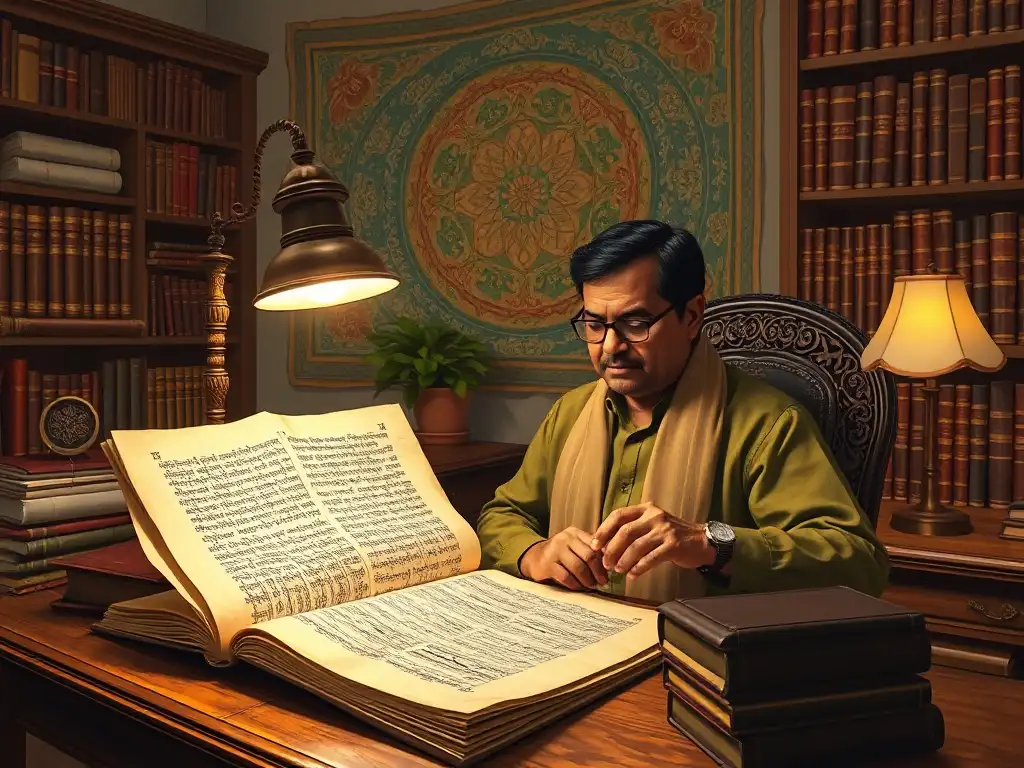
The revival of ancient Indian scripts is not merely a nostalgic pursuit; it holds significant potential for enriching contemporary scholarship and cultural identity. As interest in ancient Indian scripts grows, various avenues can be explored to ensure their preservation and revitalization for future generations.
Potential for Educational Initiatives and Programs
One of the most promising avenues to foster the revival of ancient Indian scripts is through educational initiatives. These can take multiple forms:
- Curriculum Development: Incorporating ancient Indian scripts into school and university curricula can provide students with a foundational understanding of their historical contexts and significance. For instance, programs focusing on the Brahmi and Kharosthi scripts could help students appreciate their role in the evolution of Indian writing systems.
- Workshops and Seminars: Conducting workshops that teach the basics of ancient scripts can spark interest among students and scholars alike. For example, hands-on workshops led by experts can engage participants in the practical aspects of script writing, thus deepening their appreciation and understanding.
- Collaborations with Cultural Institutions: Partnerships with museums, libraries, and cultural organizations can create outreach programs designed to promote ancient scripts. These institutions can host exhibitions featuring ancient manuscripts, inscriptions, and interactive sessions that allow visitors to learn about the scripts' historical usage.
- Scholarships and Grants: Providing scholarships for research on ancient scripts can encourage new scholars to delve into this field. Supporting graduate and post-graduate research projects can lead to fresh insights and contributions to the knowledge base surrounding ancient Indian scripts.
Role of Digital Humanities in Script Revival
The digital humanities have emerged as a powerful tool in the revival of ancient Indian scripts. By leveraging technology, scholars and enthusiasts can work collaboratively to preserve, study, and disseminate knowledge about these scripts. Some significant aspects include:
- Digitization of Manuscripts: Digitizing ancient manuscripts allows for their preservation and broadens access to them. Projects like the Digital South Asia Library have made significant strides in this area, enabling researchers and the public to access rare texts that were previously confined to physical locations.
- Online Learning Platforms: The rise of online education has facilitated the creation of courses focusing on ancient Indian scripts. Platforms like Coursera or edX can host classes on script history and paleography, making them accessible to a global audience.
- Interactive Databases: Developing online databases that catalog inscriptions and manuscripts can provide valuable resources for scholars. These databases can include features such as searchable text, translation tools, and comparative studies of scripts, which can enhance research capabilities.
- Machine Learning and AI: Utilizing machine learning algorithms to analyze ancient scripts can uncover patterns and features that may not be immediately apparent. This technological approach can aid in deciphering incomplete inscriptions and understanding linguistic transitions over time.
Encouraging Public Engagement and Awareness
Fostering public interest and understanding of ancient Indian scripts is crucial for their revival. Engaging the wider community can be achieved through various strategies:
- Community Events: Hosting festivals or cultural events centered around ancient scripts can attract diverse audiences. These events can include demonstrations, storytelling sessions, and workshops, making the learning process engaging and fun.
- Social Media Campaigns: Utilizing platforms like Instagram, Twitter, and Facebook to share interesting facts, historical anecdotes, and visuals of ancient scripts can help raise awareness. Campaigns can include interactive quizzes or challenges that encourage user participation.
- Public Lectures and Talks: Organizing lectures by experts in the field can stimulate interest in ancient scripts. These talks can cover topics ranging from historical significance to contemporary applications, making the information relevant and accessible.
- Collaborative Projects: Encouraging community members to participate in script revival projects, such as transcribing inscriptions or creating art based on scripts, can enhance collective ownership and appreciation of this cultural heritage.
By implementing these initiatives, the revival of ancient Indian scripts can flourish, creating a vibrant intersection of history, culture, and education that resonates with both scholars and the general public.
Conclusion: The Significance of Reviving Ancient Indian Scripts
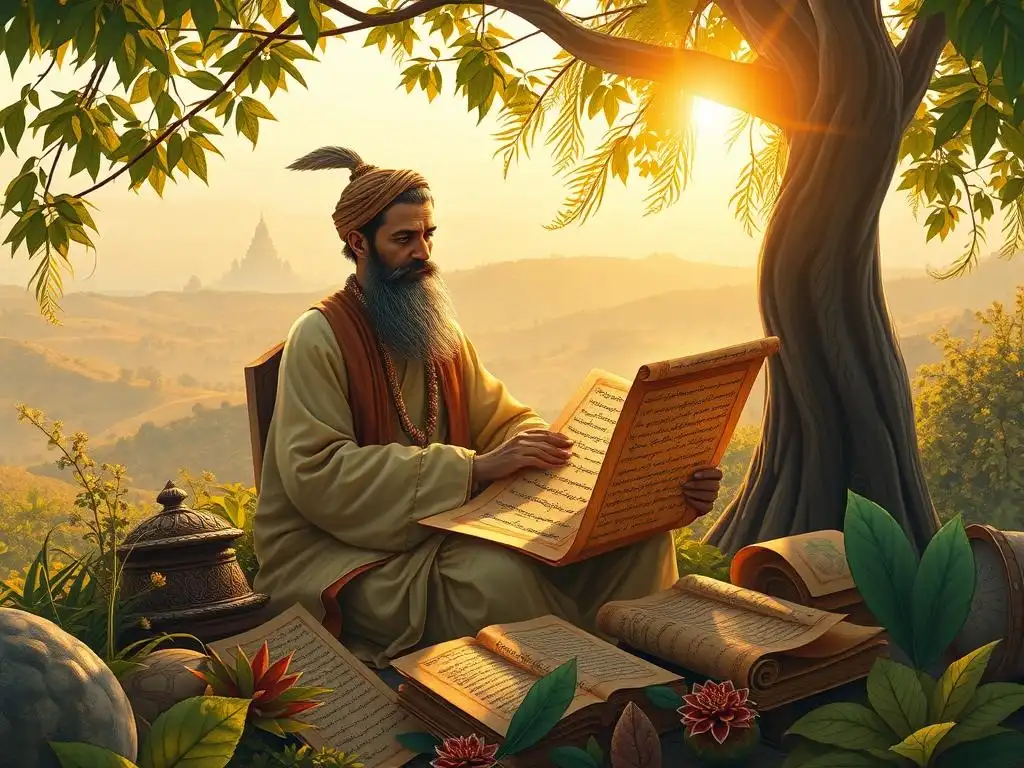
The revival of ancient Indian scripts holds profound significance, not only for linguistic studies but also for cultural identity and heritage preservation. These scripts, which include Brahmi, Kharosthi, and Tamil-Brahmi, among others, represent the intricate tapestry of India's historical and cultural evolution. Understanding and reviving these scripts allows contemporary scholars and enthusiasts to reconnect with the thought processes, philosophies, and artistic expressions of ancient civilizations.
The resurgence of interest in these scripts is crucial, as it provides insights into ancient Indian literature, science, and governance. Furthermore, it serves to inspire a sense of pride in India's multifaceted heritage, fostering a deeper appreciation for the contributions of past generations. By studying these scripts, researchers can uncover forgotten narratives and enhance our understanding of how language has shaped societal structures and cultural continuity over millennia.
Reflecting on the Cultural Heritage of Ancient India
The revival of ancient Indian scripts is a reflection of a broader cultural renaissance, emphasizing the importance of heritage in contemporary society. As globalized communication becomes increasingly dominant, the need to preserve and celebrate local languages and scripts becomes paramount.
- Cultural Identity: Ancient scripts are not merely historical artifacts; they encapsulate the essence of various communities and their unique identities. The resurgence of interest in scripts like Brahmi and Kannada is a testament to the desire of modern Indians to reclaim their cultural roots.
- Linguistic Diversity: Ancient Indian scripts showcase the linguistic diversity that flourished in the subcontinent. The revival of these scripts allows for greater appreciation and study of the myriad languages that have evolved over time, contributing to India's rich tapestry of communication.
- Educational Pursuits: Academic institutions are increasingly incorporating ancient Indian scripts into their curricula. This shift not only nurtures a new generation of scholars but also encourages interdisciplinary studies encompassing linguistics, archaeology, history, and anthropology.
The Ongoing Journey of Ancient Indian Scripts in Modern Times
The journey of ancient Indian scripts in modern scholarship is ongoing, driven by collaborative efforts from various fields, including linguistics, archaeology, and art history. This revival is characterized by several key developments:
- Digital Archiving: The advent of technology has facilitated the digitization of ancient texts, making them accessible to a wider audience. Projects aimed at creating comprehensive databases of inscriptions and manuscripts are crucial steps in preserving these scripts for future generations.
- Research Initiatives: Scholars are undertaking innovative research projects that explore the nuances of ancient scripts, examining their historical contexts, variations, and contributions to regional languages. This research often involves field studies, collaborations with local communities, and the analysis of archaeological findings.
- Public Engagement: Museums and cultural organizations are hosting exhibitions and workshops focused on ancient Indian scripts. These initiatives aim to educate the public about the significance of these scripts and foster a sense of community involvement in heritage preservation.
- International Collaboration: The revival is also gaining attention on an international scale, with scholars from around the world participating in conferences and symposiums dedicated to ancient Indian scripts. This global perspective enriches the discourse, allowing for comparative studies and cross-cultural exchanges.
The revival of ancient Indian scripts is an essential aspect of not only preserving linguistic diversity but also fostering a renewed connection to India's rich cultural heritage. As contemporary scholarship continues to explore these ancient texts, the stories and wisdom they hold will undoubtedly inspire future generations.
Frequently Asked Questions
What are ancient Indian scripts?
Ancient Indian scripts refer to the writing systems used in India, including Brahmi, Kharosthi, and Tamil, which played a crucial role in recording the culture, literature, and administration of ancient civilizations.
Why is there a revival of interest in ancient Indian scripts today?
The revival of interest in ancient Indian scripts stems from a growing appreciation for cultural heritage, a desire to connect with historical roots, and the need to preserve linguistic diversity in contemporary society.
How are scholars contributing to the revival of these scripts?
Scholars are contributing by conducting research, organizing workshops, and creating educational programs that focus on the deciphering and teaching of ancient scripts, thus making them more accessible to the public.
What role do technological advancements play in this revival?
Technological advancements facilitate the digitization of ancient texts, enabling easier access and preservation. They also allow for the use of software tools to study and analyze these scripts more effectively.
How does the revival of ancient Indian scripts impact modern culture?
The revival fosters a deeper understanding of historical narratives, encourages cultural pride, and inspires contemporary art and literature by integrating ancient wisdom into modern expressions.
Final Reflection: Embracing the Revival of Ancient Indian Scripts
The resurgence of interest in ancient Indian scripts is not merely an academic trend; it is a profound acknowledgment of our cultural heritage that resonates deeply in today's globalized world. As scholars and enthusiasts alike delve into these scripts, we witness a powerful movement that connects us to our roots while simultaneously enriching contemporary discourse. This revival serves as a reminder that our past holds invaluable lessons and insights that can guide us in navigating the complexities of modern life.
The influence of ancient Indian scripts extends beyond the realm of academia; it permeates our cultural and social landscapes, inspiring a renewed appreciation for linguistic diversity and historical consciousness. This revival fosters a sense of identity and belonging, encouraging individuals to explore their heritage and contribute to the preservation of these scripts. As noted by linguist Dr. Ananya Sharma, Understanding our ancient scripts is not just about reading the past; it's about writing our future.
This sentiment encapsulates the essence of this revival, highlighting its role in shaping our collective identity and cultural narrative.
As we reflect on the significance of this movement, I invite you to consider how you can engage with the revival of ancient Indian scripts in your own life. Whether through learning, teaching, or simply sharing the stories behind these scripts, your involvement can contribute to a larger tapestry of cultural appreciation and preservation. Let us embrace this opportunity to honor our heritage and inspire future generations to cherish the wisdom embedded in our ancient texts. Together, we can ensure that the revival of ancient Indian scripts continues to thrive, enriching our lives and the world around us.
Unveil the Richness of Ancient Scripts Today!
Thank you for taking the time to dive into the fascinating world of ancient Indian scripts. You've gained valuable insights into their revival and relevance in today's scholarship. Now, it’s time to take action and further enrich your understanding!
Here are a few steps you can take right now to deepen your connection with this intriguing subject:
- Explore a Local Library or Archive: Seek out books and manuscripts that focus on ancient Indian scripts. You might uncover some hidden treasures!
- Participate in Online Communities: Join discussions in forums dedicated to ancient studies. Share your thoughts and learn from fellow enthusiasts.
- Engage with Experts: Reach out to a scholar or authority in the field. A conversation could inspire new ideas and enhance your knowledge.
What aspect of ancient Indian scripts excites you the most, and how will you incorporate this newfound knowledge into your daily life?