
The Role of Trade Guilds in Fostering IndianChinese Relationships

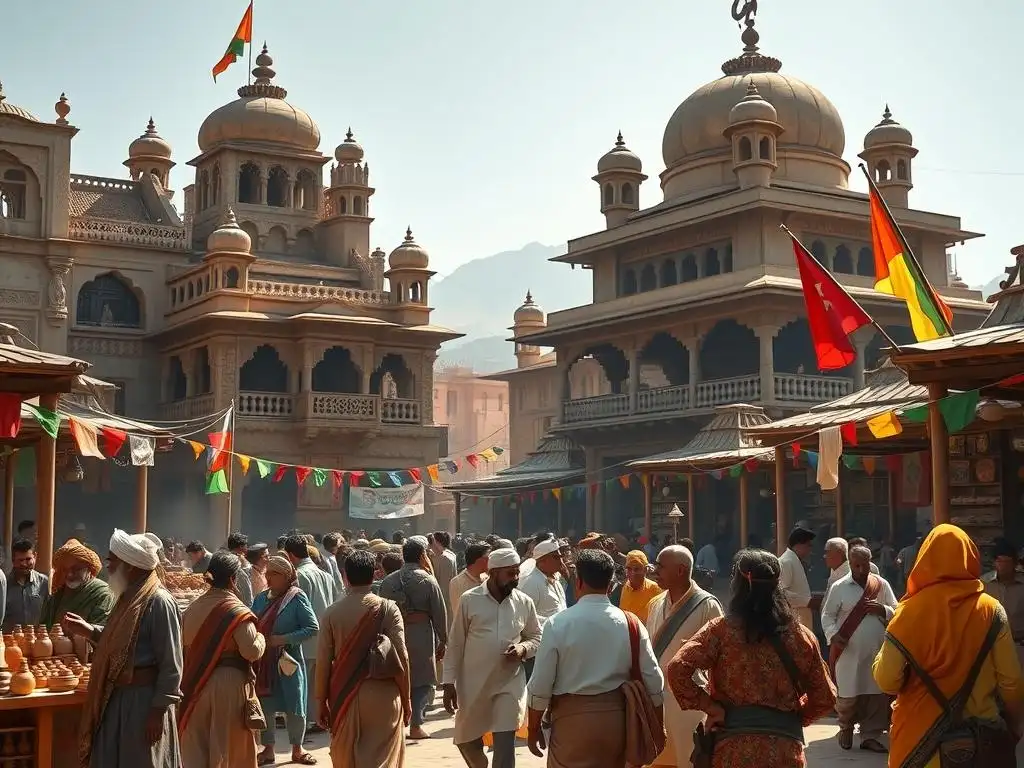
Welcome to Ancient India History, where we embark on an exhilarating journey through the rich tapestry of India's past. Today, we delve into the fascinating world of Trade Guilds in Ancient India, uncovering how these vibrant organizations not only shaped local economies but also played a pivotal role in fostering relationships with distant civilizations, including the Chinese. What secrets did these guilds hold that influenced trade routes and cultural exchanges? Join us as we explore the intricate connections that wove together the fabric of ancient societies, inviting you to discover more about this captivating chapter in history.
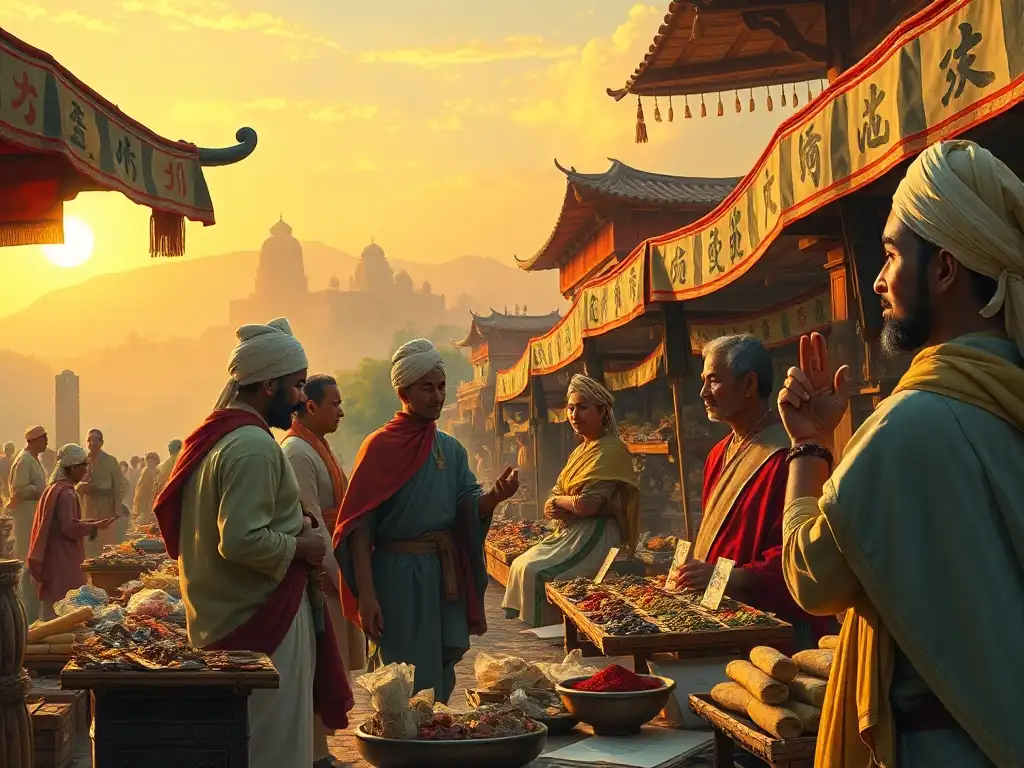
Introduction to Trade Guilds in Ancient India
Trade guilds in ancient India played a pivotal role in shaping economic interactions and cultural exchanges, particularly in fostering relationships with neighboring civilizations, including China. These organizations were not merely commercial entities; they were complex social structures that facilitated trade, ensured quality control, and provided support for their members. By examining the influence of trade guilds, we can gain insights into the intricate web of economic and cultural ties that existed between India and China during ancient times.
Definition and Purpose of Trade Guilds
Trade guilds, known as shrenis or sreni in ancient India, were associations of merchants and artisans who banded together to protect their interests. Their primary purposes included:
- Regulation of Trade: Ensuring fair practices, standardizing weights and measures, and safeguarding against fraud.
- Collective Bargaining: Negotiating better prices for raw materials and securing favorable terms of trade.
- Support Systems: Providing financial assistance, education, and welfare services to members and their families.
- Cultural Exchange: Serving as conduits for the exchange of ideas, art, and technology between different regions, including cross-border interactions with Chinese counterparts.
Trade guilds thus acted as fundamental pillars of the economic landscape, contributing to the stability and growth of trade networks across the Indian subcontinent and beyond.
Historical Context of Trade Guilds in Ancient India
The history of trade guilds in ancient India can be traced back to the Vedic period (1500–500 BCE), where early forms of trade associations began to emerge. By the time of the Maurya Empire (c. 322–185 BCE), these guilds had become well-organized entities, with documented regulations and practices.
- Mauryan Period: Trade guilds flourished under the patronage of powerful kings, who recognized their importance in facilitating trade routes and economic prosperity.
- Post-Mauryan Era: The rise of regional kingdoms further enhanced the role of trade guilds, as they adapted to local needs and demands, leading to the establishment of extensive trade networks.
The integration of trade guilds into the socio-economic fabric of ancient India allowed for a dynamic exchange of goods and cultural practices, laying the groundwork for international trade relations, particularly with China.
The Emergence of Indian-Chinese Trade Relations
Overview of Early Indian-Chinese Interactions
The interactions between India and China date back thousands of years, characterized by both trade and cultural exchanges. The Silk Road, a network of trade routes connecting Asia with Europe, facilitated the movement of goods such as silk, spices, and precious stones between the two great civilizations.
- Buddhism: One of the significant cultural exchanges was the spread of Buddhism from India to China, which was facilitated by traders and monks traveling along these routes.
- Goods Exchange: In return, China exported silk and other luxury items, enriching both economies and fostering a mutual interest in trade.
As these interactions grew, trade guilds played a crucial role in organizing and managing these exchanges, ensuring that the flow of goods continued smoothly.
Influence of Trade Guilds on Indian-Chinese Economic Exchanges
Trade guilds were instrumental in enhancing Indian-Chinese economic exchanges through several mechanisms:
- Facilitating Trade: By establishing networks that connected merchants from both civilizations, trade guilds ensured that goods could be exchanged efficiently and reliably.
- Cultural Brokers: Guild members often acted as cultural intermediaries, sharing knowledge and practices that enriched both societies.
- Standardization: The influence of trade guilds helped standardize trade practices and regulations, which were essential for building trust and encouraging long-term trade relationships.
The role of trade guilds in ancient India was multifaceted, significantly impacting the economic and cultural dynamics of Indian-Chinese relationships. Their legacy continues to be felt in the context of trade and cultural exchange that laid the groundwork for future interactions between these rich civilizations.
Key Characteristics of Trade Guilds in Ancient India
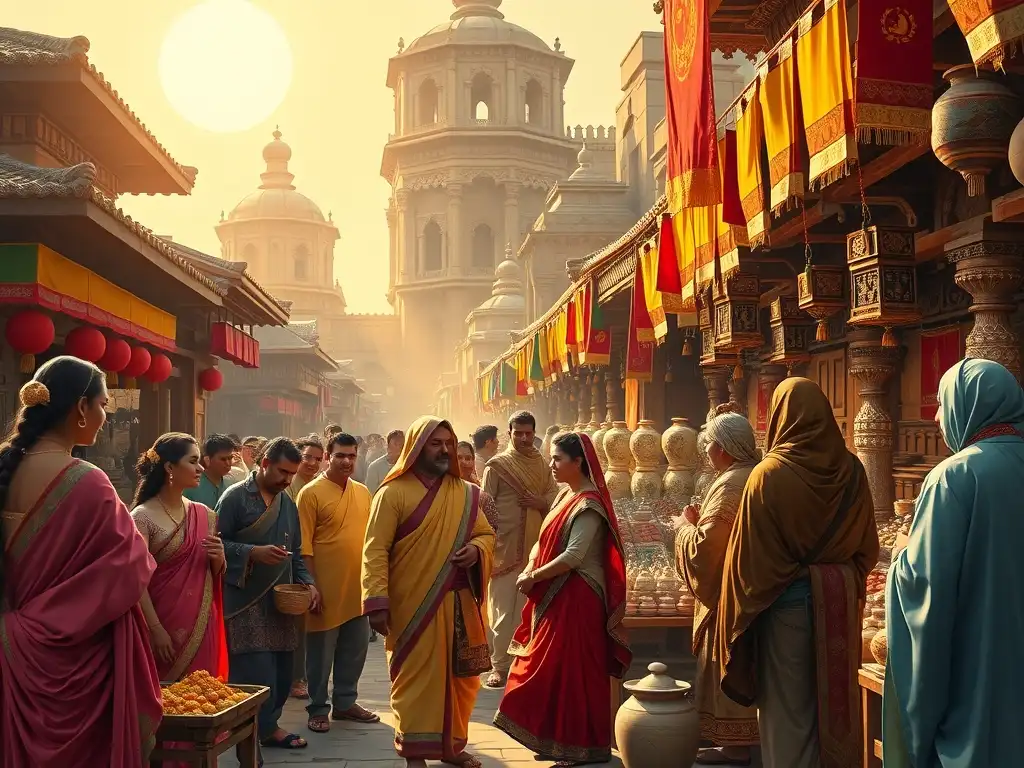
Trade guilds, known as shrenis in ancient India, were essential to the economic landscape, serving as associations that facilitated trade and commerce. They exhibited several key characteristics that defined their function and influence:
- Collective Bargaining: Guilds provided a platform for merchants to negotiate prices, terms of trade, and working conditions collectively, which enhanced their bargaining power in the marketplace.
- Quality Control: Members adhered to stringent quality standards, ensuring that goods traded were of a high standard, thereby fostering trust between traders and consumers.
- Regulation of Trade Practices: Trade guilds implemented rules governing transactions, standardizing weights and measures, and establishing practices that promoted fair trade.
- Social and Economic Networks: They formed extensive networks that connected various traders across regions, enabling the movement of goods and information, and fostering relationships with foreign markets, including China.
These characteristics not only facilitated trade but also contributed to the cultural and economic exchanges between India and China.
Structure and Organization of Trade Guilds
The structure of trade guilds in ancient India was hierarchical and well-organized, typically featuring:
- Leadership: Guilds were often led by a chief or a council of elders who made decisions on behalf of the members. Their authority was crucial for maintaining order and resolving disputes.
- Membership: Membership was typically exclusive, with individuals required to meet specific criteria, such as trade expertise or adherence to guild regulations.
- Sub-guilds: Within larger guilds, there could be sub-guilds based on specific trades or crafts, allowing for specialization and focused governance.
- Meetings and Assemblies: Regular meetings were held to discuss matters of trade, resolve conflicts, and make collective decisions regarding guild activities.
This organization allowed trade guilds to operate efficiently, promoting unity among members and enhancing their collective strength in trade negotiations.
Roles and Responsibilities of Guild Members
Members of trade guilds had defined roles and responsibilities that contributed to their operations:
- Compliance with Guild Rules: Members were expected to adhere to the guild's regulations, contributing to the maintenance of quality and fair trading practices.
- Training and Mentorship: Experienced members often took on mentorship roles, training newcomers in trade skills and practices, which ensured the continuity of knowledge within the guild.
- Participation in Guild Activities: Members were expected to actively participate in guild meetings, trade fairs, and community events, fostering a sense of belonging and shared purpose.
- Support During Disputes: Guild members provided support to one another during trade disputes, often pooling resources to defend their interests against external pressures.
These responsibilities helped fortify the guild's internal cohesion and its reputation in the broader marketplace.
Types of Goods Traded by Indian Guilds with China
Indian trade guilds engaged in a rich tapestry of trade with China, facilitating the exchange of various goods, including:
- Spices: Indian spices, such as black pepper, cardamom, and turmeric, were highly sought after in Chinese markets for their culinary and medicinal properties.
- Textiles: Cotton and silk textiles from India were popular among Chinese consumers, showcasing intricate designs and craftsmanship.
- Metals and Minerals: Indian guilds traded metals like iron, copper, and precious stones, which were valued in Chinese manufacturing and ornamentation.
- Medicinal Herbs: Various herbs and natural remedies were exchanged, contributing to traditional Chinese medicine practices.
This diverse range of goods not only bolstered economic ties but also facilitated cultural exchanges between the two civilizations.
The Impact of Trade Guilds on Cultural Exchange
The role of trade guilds extended beyond mere economic transactions; they significantly impacted cultural exchange between India and China.
Transfer of Knowledge and Skills through Guilds
Trade guilds acted as conduits for knowledge and skills, facilitating the transfer of various cultural and technical practices:
- Craftsmanship Techniques: Indian artisans shared their expertise in textiles, metallurgy, and pottery with their Chinese counterparts, leading to the development of new techniques and styles.
- Culinary Exchange: The introduction of Indian spices to Chinese cuisine led to a fusion of culinary practices, influencing flavors, cooking methods, and dietary habits.
- Philosophical Ideas: Interaction between traders allowed for the exchange of philosophical and religious ideas, particularly between Hinduism, Buddhism, and Confucianism, enriching both cultures.
This cross-pollination of knowledge fostered a rich cultural tapestry that benefited both civilizations.
Influence of Indian Trade Guilds on Chinese Markets
The presence of Indian trade guilds in Chinese markets significantly affected local economies and practices:
- Market Development: Indian guilds contributed to the growth of trade routes and market systems in China, impacting local commerce and trade dynamics.
- Consumer Preferences: The introduction of Indian goods led to shifts in consumer preferences and trends within Chinese markets, enhancing the diversity of available products.
- Economic Competition: Indian guilds often competed with local traders, influencing pricing strategies and encouraging improvements in goods and services offered by both Indian and Chinese merchants.
This competition and collaboration ultimately enriched the economic landscape of ancient China.
Cultural Practices and Traditions Shared through Trade
Through their interactions, trade guilds played a vital role in sharing cultural practices and traditions:
- Festivals and Celebrations: Indian traders brought with them various festivals and celebrations, which were adapted and incorporated into local traditions in China.
- Artistic Influences: The exchange of goods often included artistic items, leading to the blending of Indian and Chinese artistic styles and motifs in visual arts.
- Linguistic Exchange: Merchants often learned each other’s languages, facilitating communication and leading to the exchange of vocabulary and expressions, enriching both linguistic traditions.
These shared cultural practices deepened the connections between the two civilizations, fostering a sense of mutual respect and understanding.
Case Studies of Prominent Trade Guilds
Trade guilds in ancient India played a significant role in the interactions between Indian and Chinese civilizations. These organizations not only facilitated commerce but also became pivotal in cultural exchanges, fostering relationships across borders. Among the prominent trade guilds, the Silk Weavers' Guild and the Spices Merchants' Guild stand out due to their substantial impact on trade dynamics and cultural transfer between India and China.
The Role of the Silk Weavers' Guild in Indian-Chinese Trade
The Silk Weavers' Guild was instrumental in the flourishing textile trade between India and China. This guild specialized in the production of silk and other luxury fabrics which were highly sought after in both markets. The guild's artisans were renowned for their intricate weaving techniques and vibrant dyes, which captured the attention of Chinese traders.
As silk became a crucial commodity along the Silk Road, the guild established trade routes that linked Indian weavers with Chinese merchants, leading to a vibrant exchange of goods and ideas. The guild organized trade fairs and facilitated negotiations, enabling Indian silk to reach Chinese courts, where it was prized by the elite.
Moreover, the Silk Weavers' Guild contributed to cultural exchange by introducing Chinese silk-making techniques to Indian artisans, which led to innovations in textile production. This collaboration not only enriched the Indian textile industry but also helped to cultivate a deeper appreciation for artistry and craftsmanship across both civilizations.
Influence of the Spices Merchants' Guild on Cultural Exchange
The Spices Merchants' Guild was another significant player in fostering Indian-Chinese relationships. India was known as the "land of spices," and the demand for Indian spices like pepper, cardamom, and saffron was immense in China. The guild's merchants operated extensive networks that connected Indian spice producers with Chinese traders, thereby promoting bilateral trade.
Through their interactions, not only were spices exchanged, but also culinary practices, medicinal knowledge, and agricultural techniques. The guild organized spice fairs that attracted merchants from various regions, encouraging cross-cultural dialogue. This exchange of ideas led to the incorporation of Indian spices into Chinese cuisine, enhancing flavors and creating new culinary traditions.
Furthermore, the Spices Merchants' Guild played a role in the transmission of cultural practices and beliefs, such as the use of spices in traditional medicine. This exchange significantly enriched both Indian and Chinese cultures, demonstrating how trade guilds were pivotal in shaping the social and cultural landscape of the time.
Challenges Faced by Trade Guilds in Promoting Indian-Chinese Relationships
While trade guilds significantly contributed to Indian-Chinese relationships, they also faced numerous challenges that hindered their efforts. These challenges included trade barriers, diplomatic issues, and economic competition that affected their operations and effectiveness in fostering cross-cultural ties.
Trade Barriers and Diplomatic Issues
Trade barriers, such as tariffs and restrictions imposed by local governments, often hampered the activities of trade guilds. These obstacles made it difficult for guilds to operate efficiently, leading to increased costs and reduced profit margins. Diplomatic tensions between India and China occasionally resulted in conflicts that disrupted trade routes, creating uncertainty for guild members.
Moreover, fluctuating diplomatic relations influenced the willingness of merchants to engage in cross-border trade. For instance, periods of hostility could lead to a decline in trade activities, prompting guilds to seek alternative routes or partners, which further complicates the dynamics of Indian-Chinese trade.
Economic Competition and its Impact on Guilds
Economic competition from rival trade guilds, both within India and from other regions, posed another significant challenge. As demand for certain goods grew, various guilds began to emerge, each vying for market share. This competition sometimes led to price wars and reduced profitability for individual guild members.
Additionally, the rise of new trade routes and the involvement of foreign traders further intensified competition, making it challenging for traditional guilds to maintain their influence. As a result, some guilds struggled to uphold their historical significance in Indian-Chinese trade, necessitating adaptations to their strategies and practices to remain relevant in a changing economic landscape.
While trade guilds played an essential role in nurturing Indian-Chinese relationships, they faced a multitude of challenges that tested their resilience and adaptability. Their ability to navigate these issues ultimately influenced the depth and longevity of cultural and commercial exchanges between these ancient civilizations.
The Legacy of Trade Guilds in Indian-Chinese Relations
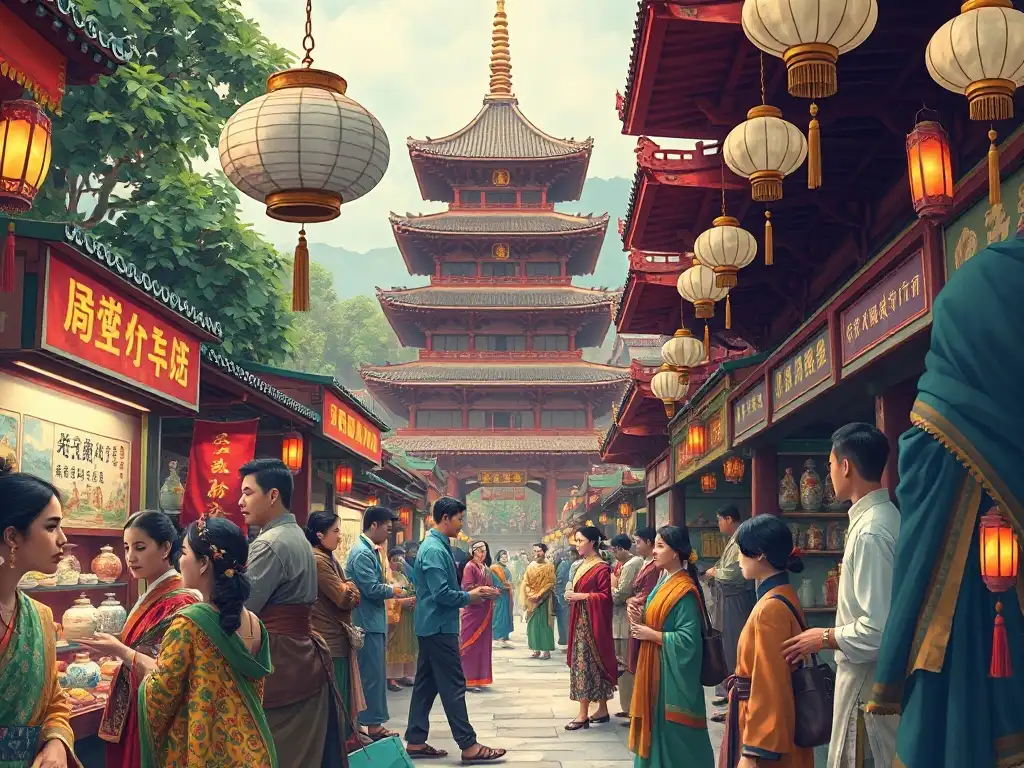
The trade guilds of ancient India played a pivotal role in shaping the relationships between Indian and Chinese civilizations. These guilds, often composed of skilled artisans, merchants, and traders, facilitated not only the exchange of goods but also the sharing of ideas, culture, and technology across borders. The legacy of these guilds is reflected in the deep-rooted connections forged through centuries of trade, which laid the groundwork for mutual understanding and collaboration between the two great civilizations.
Trade guilds such as the Shreshthas and Sarthavahas were instrumental in establishing trade routes that linked India to China, particularly via the Silk Road. They organized the logistics of trade, ensured the quality of goods, and maintained ethical standards, which fostered trust among traders from both regions. The guilds also created networks that transcended local boundaries, enabling merchants to engage in long-distance trade while providing a sense of community and support.
Long-Term Effects on Trade Practices
The long-term effects of trade guilds on Indian-Chinese relations can be observed in several key areas:
- Standardization of Trade Practices: Trade guilds established common standards for weights, measures, and quality of goods, which facilitated smoother transactions. This standardization helped in reducing disputes and enhancing trade efficiency between Indian and Chinese merchants.
- Cultural Exchange: Through their operations, trade guilds became conduits for cultural exchange. They brought not only goods but also ideas, philosophies, and technologies from one civilization to another. This exchange enriched both cultures, leading to advancements in art, science, and philosophy.
- Economic Integration: The establishment of trade guilds contributed to the economic integration of the region. As trade flourished, it encouraged the development of infrastructure, such as roads and ports, which further enhanced connectivity and facilitated ongoing exchanges.
- Diplomatic Relations: The consistent interaction between Indian and Chinese traders, facilitated by the guilds, played a significant role in fostering diplomatic ties. The guilds often acted as informal ambassadors, promoting goodwill and understanding between the two nations.
Continuing Influence on Modern India-China Trade Relations
The influence of ancient trade guilds is still evident in contemporary India-China trade relations. Although the nature of trade has evolved, the foundational principles established by these guilds persist. Key aspects include:
- Bilateral Trade Agreements: Modern trade agreements often reflect the spirit of collaboration and mutual benefit that characterized ancient trade guilds. The emphasis on strategic partnerships mirrors the cooperative ethos of the past.
- Cultural Diplomacy: Just as trade guilds facilitated cultural exchanges, modern trade relations increasingly incorporate cultural diplomacy. Events such as trade fairs and exhibitions celebrate the cultural heritage of both nations while promoting economic ties.
- Business Networks: The legacy of guilds can also be seen in contemporary business networks, where associations of traders and entrepreneurs from both countries work together to navigate the complexities of international trade.
- Innovation and Collaboration: The collaborative spirit of ancient guilds continues to inspire innovation and joint ventures in various sectors, including technology, textiles, and pharmaceuticals, fostering a mutually beneficial economic environment.
Conclusion
Summary of Trade Guilds' Contributions to Indian-Chinese Exchanges
Trade guilds played a crucial role in the historical exchanges between India and China. They not only facilitated trade but also served as cultural bridges, fostering understanding and collaboration. The legacy of these guilds is evident in the standardization of trade practices, the promotion of cultural exchanges, and the establishment of economic ties that have endured through the centuries.
The Importance of Understanding Trade Guilds in Ancient History
Understanding the role of trade guilds in ancient history is essential for grasping the dynamics of Indian-Chinese relations. These guilds were more than just economic entities; they were vital in shaping interactions between civilizations. By studying their contributions, we can gain insights into the foundations of trade, diplomacy, and cultural exchange that continue to influence modern relations between India and China. This historical perspective highlights the importance of collaboration and mutual respect in fostering enduring partnerships that transcend time and geography.
- Introduction to Trade Guilds in Ancient India
- Definition and Purpose of Trade Guilds
- Historical Context of Trade Guilds in Ancient India
- The Emergence of Indian-Chinese Trade Relations
- Key Characteristics of Trade Guilds in Ancient India
- The Impact of Trade Guilds on Cultural Exchange
- Case Studies of Prominent Trade Guilds
- Challenges Faced by Trade Guilds in Promoting Indian-Chinese Relationships
- The Legacy of Trade Guilds in Indian-Chinese Relations
- Long-Term Effects on Trade Practices
- Continuing Influence on Modern India-China Trade Relations
- Conclusion
Frequently Asked Questions
What were Trade Guilds in Ancient India?
Trade Guilds in Ancient India were organizations of merchants and artisans that regulated trade practices, provided support to members, and maintained quality standards.
How did Trade Guilds influence Indian-Chinese relationships?
Trade Guilds played a crucial role in fostering economic ties between India and China by facilitating the exchange of goods, ideas, and cultural practices along the Silk Road.
What were the main functions of Trade Guilds?
The main functions of Trade Guilds included regulation of trade, establishing fair prices, providing financial assistance to members, and ensuring the quality of products.
Did Trade Guilds contribute to the cultural exchange?
Yes, Trade Guilds significantly contributed to cultural exchange by promoting interactions that led to the sharing of religion, art, and technology between India and neighboring civilizations.
How did the decline of Trade Guilds impact trade in Ancient India?
The decline of Trade Guilds led to a disruption in regulated trade practices, resulting in increased competition and potential declines in quality and stability in the marketplace.
Final Reflection: The Enduring Legacy of Trade Guilds in Ancient India
The intricate web of relationships fostered by trade guilds in ancient India remains profoundly relevant today. As we navigate an increasingly interconnected world, the historical significance of these guilds serves as a reminder of how commerce can transcend borders and cultures, shaping diplomatic ties and mutual understanding. The essence of trade guilds lies not only in economic transactions but in their capacity to build bridges between diverse communities, illustrating that collaboration can lead to shared prosperity.
The influence of trade guilds extends far beyond their historical context, continuing to resonate in contemporary cultural and social landscapes. These guilds were more than mere economic entities; they were vibrant networks that facilitated cultural exchange and mutual respect between Indian and Chinese civilizations. The legacy of these interactions can still be seen in the rich tapestry of shared traditions, art forms, and philosophies that characterize both cultures today. Trade is not just about goods; it is about the relationships we build along the way.
This quote encapsulates the enduring impact of trade guilds, reminding us that the connections forged through commerce can lead to a deeper understanding and appreciation of one another.
As we reflect on the lessons from the past, let us embrace the spirit of collaboration and openness that trade guilds embodied. Consider how you can apply these principles in your own life—whether through fostering connections in your community, engaging in cross-cultural dialogues, or supporting local artisans and businesses. By doing so, you not only honor the legacy of ancient trade guilds but also contribute to a future where understanding and cooperation thrive across borders.
Forge Connections: Enhance Your Understanding of Trade Guilds!
Thank you for exploring the fascinating world of trade guilds and their influence on Indian-Chinese relationships! Your curiosity has opened a door to understanding how these historical networks shaped cultural and economic exchanges. Now, let's build on that knowledge!
Here are a few engaging steps you can take next:
- Join a Discussion: Head over to our community forums and share your thoughts on how trade guilds have influenced modern relationships in Asia. Your insights could spark an enlightening conversation!
- Explore Related Topics: Check out our articles on cultural exchanges between Ancient India and other regions— uncover unique stories that reveal the deep connections between these civilizations.
- Share Your Knowledge: Spread the word! Share this article with friends and family who are interested in history. Let’s keep the conversation going and inspire others to delve into this intriguing topic.
What aspect of trade guilds do you find most surprising or impactful in today's global landscape? We would love to hear your thoughts!