
The Role of Women in IndianPersian Diplomatic Relations

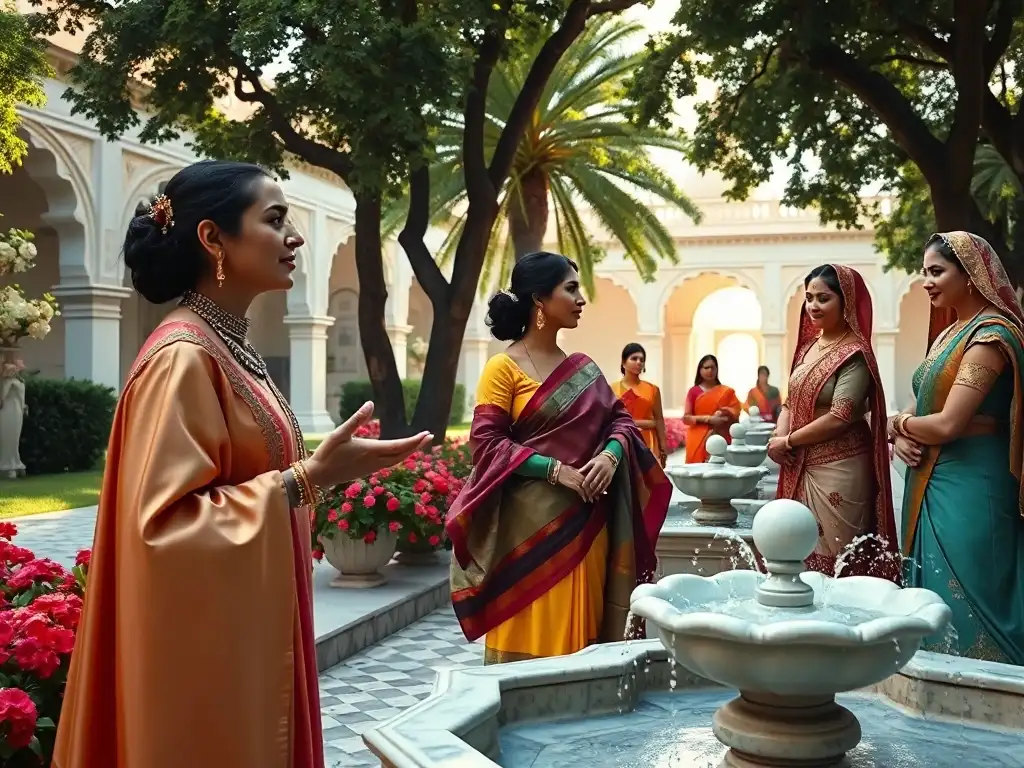
Welcome to Ancient India History, where we embark on a captivating journey through the rich tapestry of India's past. In our featured article, "The Role of Women in Indian Persian Diplomatic Relations," we delve into the often-overlooked influence of women in shaping the intricate interactions between Indian and Persian civilizations. Discover how these remarkable figures navigated the complexities of diplomacy, leaving an indelible mark on history. Join us as we unravel the stories that connect cultures and explore the profound contributions of women in this fascinating era. Your journey into the depths of ancient history begins now!
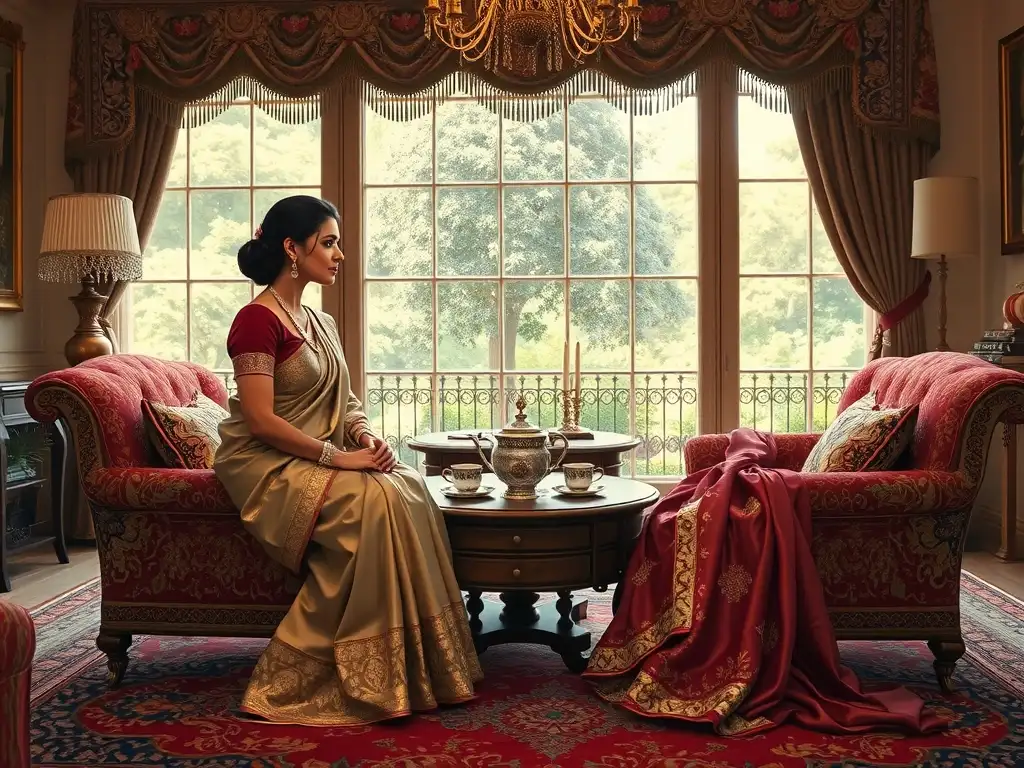
The intricate tapestry of Indian-Persian relations, woven through centuries of cultural, political, and economic exchanges, reveals a compelling narrative. Within this narrative, the role of women emerges as a significant yet often overlooked aspect. From the ancient trade routes that connected the two great civilizations to the more formal diplomatic engagements during the medieval period, women played crucial roles, both as symbols of alliance and as active participants in diplomacy. This article aims to explore the multifaceted contributions of women in Indian-Persian diplomatic relations, shedding light on their influence and significance in shaping interactions between these two rich cultures.
Introduction to Women in Indian-Persian Relations
The relationship between India and Persia dates back thousands of years, characterized by mutual respect, cultural exchange, and, at times, conflict. Women in Indian-Persian relations have served as important intermediaries, often transcending the limitations of their societal roles to foster diplomatic ties. Their contributions can be seen in various forms, from marriage alliances that solidified political ties to their involvement in cultural exchanges that enriched both civilizations. Understanding the role of women in this context not only broadens the scope of historical narratives but also highlights their agency in shaping diplomatic relations.
Overview of Indian-Persian Interactions
The interactions between India and Persia can be categorized into several distinct phases:
- Ancient Trade Relations: The early exchanges of goods and ideas along the Silk Road fostered a cultural syncretism that would influence both regions.
- Medieval Diplomacy: During the medieval period, particularly under the Mughal Empire, formal diplomatic relations flourished, with women often playing critical roles in statecraft.
- Cultural Exchanges: Art, literature, and philosophy were exchanged, often facilitated by women who acted as patrons or influencers within their societies.
These interactions reveal a complex web of relationships where women were not merely passive participants but active contributors to the diplomatic landscape.
Importance of Women in Historical Diplomacy
Women in historical diplomacy have often been overshadowed by their male counterparts, yet their influence is profound. They served as:
- Cultural Ambassadors: Women often introduced new customs, traditions, and artistic expressions that enriched the cultural fabric of both societies.
- Political Negotiators: Through strategic marriages and alliances, women facilitated peace and cooperation between kingdoms, demonstrating their pivotal role in maintaining stability.
- Symbolic Figures: Women embodied the ideals of their civilizations, acting as symbols of unity and continuity in diplomatic relations.
Recognizing the role of women in these contexts underscores the need for a more inclusive understanding of historical diplomacy.
Historical Context of Indian-Persian Diplomatic Relations
The historical context of Indian-Persian relations is essential to grasping the significance of women in this dynamic. The relations were shaped by various factors, including trade, conquest, and cultural exchange.
Early Interactions between India and Persia
Early interactions between India and Persia can be traced back to the Achaemenid Empire (circa 550-330 BCE), where Persian rulers recognized the wealth and diversity of the Indian subcontinent. The establishment of trade routes led to the exchange of not only goods but also cultural practices and ideas. Women, often involved in trade, played a role in the informal diplomacy that characterized these early interactions.
Key Historical Figures in Indian-Persian Relations
Several key historical figures illustrate the significant role women played in Indian-Persian relations:
- Rani Durgavati: The Gond queen who resisted Mughal invasions, symbolizing the strength and resilience of Indian women in the face of external threats.
- Nur Jahan: The wife of Mughal Emperor Jahangir, she was a powerful political figure whose influence extended beyond the royal court, impacting relations with Persia through her familial ties and diplomatic acumen.
These figures exemplify how women navigated the complexities of power and politics, influencing the course of Indian-Persian relations throughout history.
The exploration of women's roles in Indian-Persian diplomatic relations reveals a rich and complex history that deserves recognition and further study. Their contributions were integral to the development of these interactions, highlighting the importance of understanding history through a gendered lens.
Women as Diplomatic Agents in Ancient India and Persia
In both ancient India and Persia, women played significant roles as diplomatic agents, often serving as crucial links between royal families and their political alliances. While the male rulers typically held official power, women were frequently entrusted with the delicate task of negotiating treaties, establishing connections, and fostering goodwill through marriage and familial ties. These diplomatic marriages, often referred to as alliances, were a strategic means of ensuring peace and cooperation between two powerful nations.
Women such as queens and princesses often served as intermediaries during negotiations, leveraging their familial connections and personal influence. Their participation in diplomacy was not only a matter of personal agency but also a reflection of the societal norms that recognized women's importance in maintaining harmony within and between kingdoms. This involvement allowed women to exert indirect influence over political decisions and outcomes, showcasing their vital role in the broader context of Indian-Persian relations.
The Influence of Women in Political Alliances
Political alliances in ancient times often hinged on marital connections, where women were seen as valuable assets that could solidify ties between powerful families. In the context of Indian-Persian relations, marriages between Indian princesses and Persian kings or nobles were not uncommon. These unions served multiple purposes: they were a means of ensuring allegiance, facilitating trade, and promoting cultural exchanges.
The influence of women in these alliances extended beyond mere symbolic gestures; they often played active roles in the political landscape. For example, a queen might advocate for her homeland’s interests at court, emphasizing the importance of her native culture and trade practices. This influence was particularly pronounced in situations where women acted as regents or held power in their own right, as seen in cases where they governed effectively on behalf of their children or husbands.
The strategic importance of these alliances can be illustrated through historical accounts, such as the marriage of Indian princesses to Persian emperors, which not only strengthened political ties but also reinforced cultural connections, shaping the diplomatic landscape of the time.
Notable Women in Indian-Persian Diplomacy
Several noteworthy women emerged as pivotal figures in Indian-Persian diplomacy. One such figure is the legendary figure of Mumtaz Mahal, who was not only the beloved wife of Mughal Emperor Shah Jahan but also a significant influence in diplomatic matters during her husband’s reign. Her marriage symbolized the alliance between the Mughal Empire and Persia, fostering cultural exchanges that have had lasting impacts.
Similarly, Nur Jahan, the wife of Emperor Jahangir, played a crucial role in governance and diplomacy. She was known for her astute political acumen and was often involved in decision-making processes, including foreign relations with Persia. Her ability to navigate the complexities of diplomacy is well-documented, illustrating the substantial influence women had in shaping political landscapes.
These women, along with others, exemplified the unique roles that women held in diplomacy, often acting as agents of peace and cultural ambassadors between India and Persia.
Cultural Exchanges Facilitated by Women
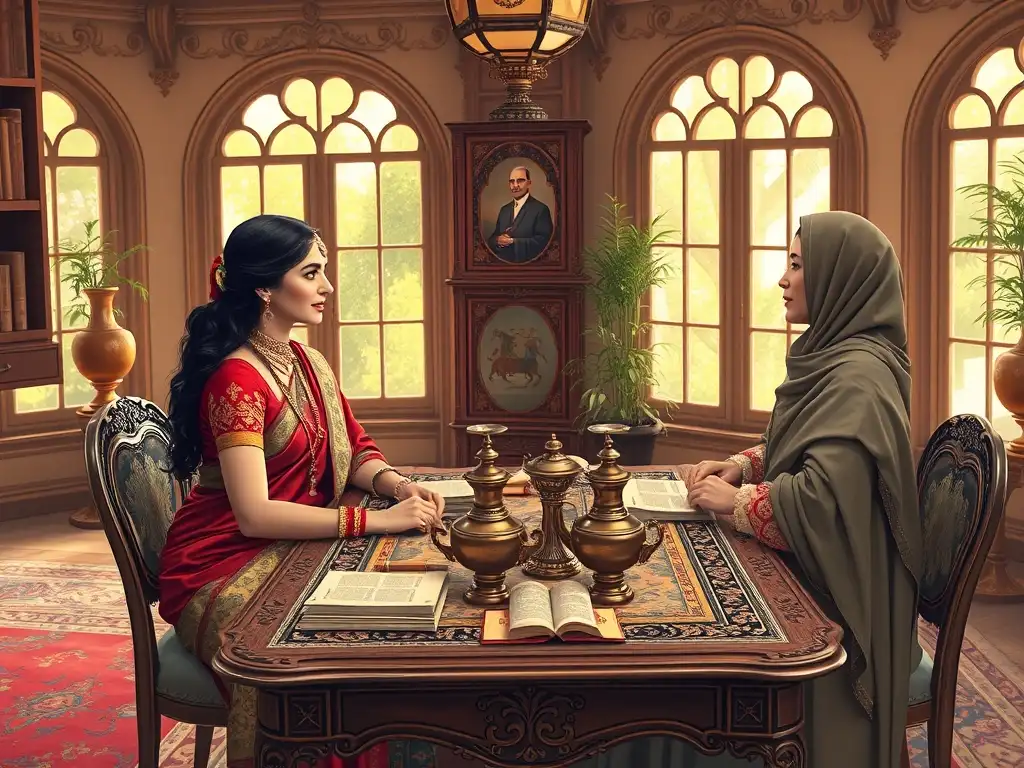
Women in ancient India and Persia not only participated in diplomatic negotiations but were also instrumental in facilitating cultural exchanges. Their roles often transcended political boundaries, allowing for the sharing of traditions, art, and knowledge between civilizations.
Women’s Roles in Cultural Diplomacy
In the realm of cultural diplomacy, women were key figures in promoting and preserving cultural heritage. They participated in the transmission of art, literature, and customs, often serving as cultural ambassadors within their families and communities. The exchange of gifts, rituals, and traditions between Indian and Persian courts often involved women, who were responsible for maintaining cultural practices and promoting understanding between the two civilizations.
For instance, women played crucial roles in the arts, literature, and music, which were vital components of cultural diplomacy. They were often patrons of the arts, fostering cross-cultural collaborations that enriched both Indian and Persian cultures. This cultural diplomacy not only enhanced mutual respect but also laid the groundwork for long-lasting relationships between the two regions.
Contributions of Women to Trade and Cultural Exchange
Women also significantly contributed to trade and cultural exchanges in ancient India and Persia. Their involvement in commerce, as traders and artisans, facilitated the movement of goods and ideas across borders. Women often managed trade routes, participated in markets, and engaged in the production of textiles, jewelry, and other goods that were highly valued in both cultures.
Moreover, women were often the custodians of traditional knowledge, ensuring the continuity of artisanal skills and practices that were exchanged along trade routes. This exchange of knowledge and goods not only enriched the cultural tapestry of both civilizations but also established a foundation for ongoing interactions that would shape the future dynamics of Indian-Persian relations.
Women played multifaceted roles in Indian-Persian relations, acting as diplomatic agents, cultural ambassadors, and key contributors to trade and exchanges. Their influence resonates through history, highlighting the significant yet often overlooked contributions of women in shaping the interactions between these two great civilizations.
The Impact of Women on Diplomatic Strategies
Women played a crucial role in shaping diplomatic strategies between ancient Indian and Persian civilizations. Their influence extended beyond mere political alliances, as they often acted as mediators, negotiators, and symbols of peace. In a time when marriages were frequently used as diplomatic tools, women became pivotal in fostering relationships between kingdoms. This intersection of gender and diplomacy enabled women to not only influence but also navigate the complex socio-political landscapes of their time.
Through marriages, women could create strong ties between Indian and Persian states, enhancing mutual cooperation. For instance, royal brides were sometimes exchanged to solidify treaties, thereby creating familial bonds that were difficult to sever. This strategy not only ensured peace but also facilitated cultural exchanges, leading to the blending of traditions and practices.
Women’s Influence on Political Decisions
Women in ancient India and Persia often wielded considerable influence over political decisions, despite the patriarchal structures that predominated their societies. Many royal women had access to political power through their familial connections, which allowed them to counsel kings and engage in diplomatic discussions. Historical texts indicate that women like the queens of the Maurya and Gupta empires were not only revered figures but also acted as advisors on matters of state.
In the Persian context, women of the Achaemenid dynasty, such as Atossa, exercised power and influence that extended beyond their immediate roles as wives or mothers. Atossa, for example, was known to have significant sway in court politics and was involved in the administration of her husband’s empire. Such examples illustrate that women were crucial players in the political arena, often shaping the outcomes of diplomatic relations through their insights and connections.
Case Studies of Women in Key Diplomatic Events
Several historical instances highlight the active role women played in diplomatic events between India and Persia. One prominent case is that of the marriage alliance between the Mauryan Emperor Chandragupta and a Persian princess. This union not only strengthened ties between their realms but also facilitated cultural exchanges that enriched both societies.
Another notable example is the role of women during the reign of the Gupta Empire. The marriages of Gupta princesses to Persian nobility served as strategic alliances that helped maintain peace and foster trade routes. These alliances often resulted in the exchange of goods, ideas, and cultural practices, showcasing how women were integral to diplomatic success.
Challenges Faced by Women in Diplomacy
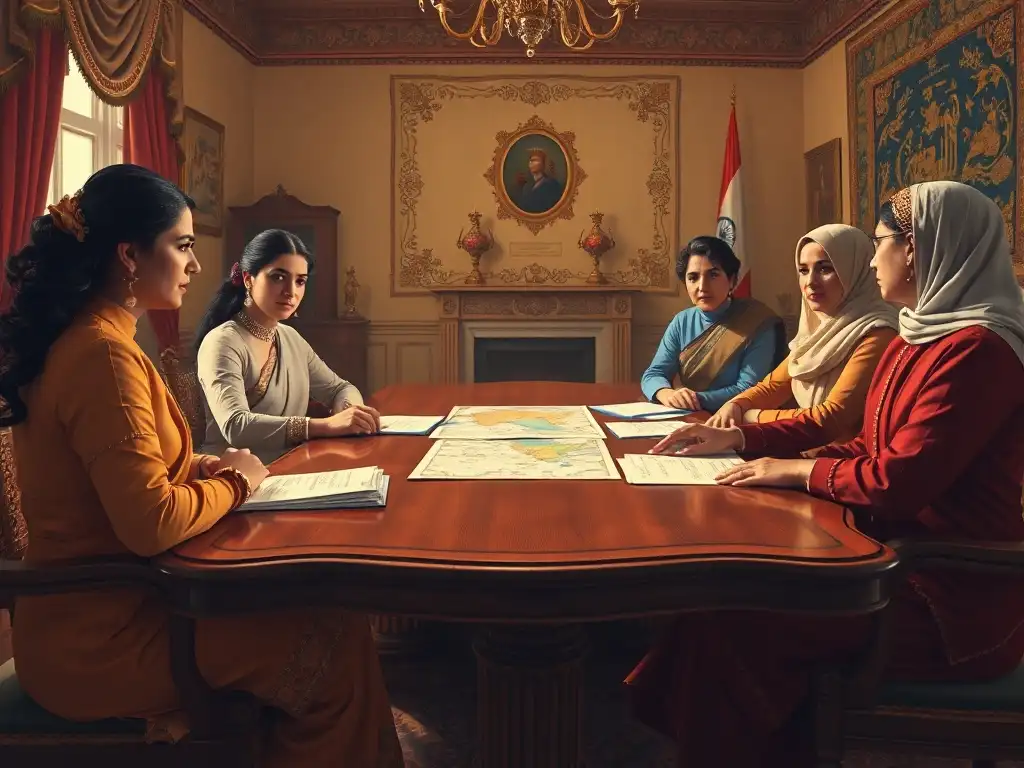
Despite their influential roles, women in ancient Indian and Persian diplomacy faced numerous challenges. The societal norms and constraints placed upon them often limited their opportunities to engage fully in political affairs. Cultural expectations dictated their behavior, often relegating them to the background while men took center stage in diplomatic negotiations.
Societal Constraints on Women in Ancient Civilizations
In both Indian and Persian societies, women were often subjected to strict societal norms that constrained their agency. Patriarchal structures defined their roles primarily as homemakers or caretakers, which limited their participation in public life. While some women managed to navigate these constraints, their influence was frequently overshadowed by male counterparts.
Moreover, the legal frameworks of the time often did not recognize women's rights to own property or engage in political discourse independently. This lack of formal recognition made it challenging for women to take on leadership roles within diplomatic contexts, even when they possessed the capability and knowledge to do so.
Overcoming Barriers: Women’s Resilience in Diplomacy
Despite the societal constraints, many women demonstrated remarkable resilience in asserting their influence in diplomatic relations. They often found ways to leverage their positions within the royal household to engage in political discourse. Women utilized their networks and familial ties to navigate the complexities of diplomacy, often influencing key decisions indirectly.
For example, women frequently played the role of confidantes and advisors to powerful male figures, thereby shaping the political landscape from behind the scenes. Their ability to form alliances and foster relationships with key players in both Indian and Persian courts exemplifies how they overcame societal barriers to contribute to diplomatic efforts.
While women faced significant challenges in ancient Indian and Persian diplomatic relations, their contributions were vital. By employing strategic marriages, leveraging their influence, and demonstrating resilience, women shaped the course of history in ways that continue to resonate in the understanding of gender roles in diplomacy today.
Legacy of Women in Indian-Persian Relations
The legacy of women in Indian-Persian relations is a fascinating aspect of the broader historical narrative that often goes unnoticed. Throughout history, women played pivotal roles in shaping diplomatic interactions between these two ancient civilizations. These roles were not only confined to the domestic sphere but also extended into political and cultural realms, thereby influencing the course of diplomatic relationships.
Royal marriages were a significant avenue through which women facilitated alliances, creating bonds that helped maintain peace and cooperation. For instance, the marriage of Persian princesses to Indian rulers often resulted in the exchange of culture, art, and knowledge. Such unions symbolized a melding of traditions and served as diplomatic tools to strengthen ties between the two regions. Through these marriages, women became cultural ambassadors, nurturing a sense of shared identity and mutual respect.
Moreover, women often held informal power and influence, particularly within the courts where they acted as advisors and mediators. Historical accounts suggest that women, especially those from royal backgrounds, were instrumental in negotiating peace treaties and resolving conflicts. This legacy underscores the importance of recognizing women not merely as passive figures in history, but as key actors in shaping diplomatic relations.
Long-term Effects on Diplomatic Practices
The long-term effects of women’s roles in Indian-Persian diplomatic practices are evident in the evolution of political strategies and cultural exchanges. Women’s contributions have laid a foundation for how diplomacy is conducted, emphasizing the importance of alliances based on mutual respect and understanding.
One significant effect is the establishment of a precedent for using marriage as a diplomatic tool. This practice influenced not only Indian-Persian relations but also set a standard for other civilizations engaged in diplomacy. The idea that personal relationships could transcend political boundaries became a common theme in diplomatic history.
Furthermore, the cultural exchanges initiated through these relationships have had lasting impacts on art, literature, and philosophy in both regions. The blending of Persian and Indian cultures can be seen in various art forms, including architecture and poetry, which reflect a synthesis that emerged from these historical interactions.
In contemporary diplomatic contexts, the recognition of women's roles in shaping these historical narratives has prompted a reevaluation of diplomatic practices. Modern diplomacy increasingly acknowledges the importance of inclusivity, recognizing that diverse perspectives, including those of women, can significantly enhance diplomatic outcomes.
Modern Implications of Historical Women’s Roles
The historical roles of women in Indian-Persian relations have modern implications that resonate in today's diplomatic landscape. As the world becomes more interconnected, the lessons learned from the past highlight the value of inclusivity and collaboration in international relations.
Contemporary diplomacy increasingly focuses on gender equality and the empowerment of women. The acknowledgment of women’s historical contributions serves as a reminder that women can play crucial roles in peacebuilding and conflict resolution. Efforts to include women in diplomatic processes can lead to more comprehensive and sustainable solutions to global challenges.
Moreover, the study of these historical dynamics encourages a more nuanced understanding of cultural diplomacy. In today’s globalized world, cultural exchanges remain vital for fostering understanding and cooperation among nations. Learning from the past, modern diplomats can appreciate the significance of cultural heritage and the role that women have played in its preservation and promotion.
Conclusion
Recap of Women’s Contributions to Indian-Persian Diplomatic Relations
The contributions of women to Indian-Persian diplomatic relations are multifaceted and significant. Their roles as mediators, cultural ambassadors, and political strategists have shaped the interactions between these two civilizations throughout history. By facilitating alliances through marriage and engagement, women not only influenced the political landscape of their time but also enriched the cultural fabric of both societies.
The legacy of these women continues to inform contemporary diplomatic practices, emphasizing the need for inclusivity and recognizing the diverse roles individuals can play in shaping history.
Reflection on the Importance of Women in Historical Narratives
Reflecting on the historical narratives surrounding women in Indian-Persian relations reveals the importance of integrating their stories into the broader discourse of history. Recognizing women’s contributions helps to create a more comprehensive understanding of past events and their implications.
By foregrounding the roles of women, historians can challenge traditional narratives that often marginalize their presence and contributions. This inclusion not only honors the legacy of these women but also enriches our understanding of historical dynamics, ultimately leading to a more equitable representation of history. Understanding the past is essential for fostering a future that values diversity and inclusivity in all spheres of life, including diplomacy.
- Introduction to Women in Indian-Persian Relations
- Historical Context of Indian-Persian Diplomatic Relations
- Women as Diplomatic Agents in Ancient India and Persia
- Cultural Exchanges Facilitated by Women
- The Impact of Women on Diplomatic Strategies
- Women’s Influence on Political Decisions
- Challenges Faced by Women in Diplomacy
- Legacy of Women in Indian-Persian Relations
- Conclusion
- What was the role of women in Indian-Persian diplomatic relations?
- How did marriages influence Indian-Persian relations?
- Were there any notable women involved in these relations?
- How did cultural exchanges occur through these relations?
- What impact did these relations have on women's status in society?
Frequently Asked Questions
What was the role of women in Indian-Persian diplomatic relations?
Women played a significant role as diplomatic agents, often facilitating marriages and alliances that strengthened ties between Indian and Persian empires.
How did marriages influence Indian-Persian relations?
Marriages between Indian and Persian royal families were a way to create political alliances and promote peaceful relations, showcasing the importance of women in diplomacy.
Were there any notable women involved in these relations?
Yes, figures like Nur Jahan, the wife of Emperor Jahangir, were pivotal in shaping political decisions and maintaining diplomatic connections with Persia.
How did cultural exchanges occur through these relations?
Cultural exchanges were facilitated by women through art, literature, and customs, enriching both Indian and Persian societies and highlighting the integral role of women in these interactions.
What impact did these relations have on women's status in society?
The involvement of women in diplomatic relations often led to an elevation of their status, granting them more influence and recognition within their respective societies.
Final Reflection: The Enduring Influence of Women in Indian-Persian Relations
The role of women in Indian-Persian diplomatic relations is not just a historical footnote; it is a powerful testament to the impact of female agency in shaping cross-cultural interactions. Today, as we navigate a world increasingly defined by globalization and interconnectedness, the contributions of women in diplomacy remind us that their voices have always been vital in fostering understanding and cooperation between nations. The stories of these remarkable women serve as a beacon, illuminating the path toward a more inclusive and equitable future in international relations.
The historical narratives explored in this article underscore how women have been pivotal in bridging cultural divides and influencing political landscapes. Their involvement in diplomacy has often gone unrecognized, yet their legacy continues to resonate in contemporary discussions about gender and power. As we reflect on this, we are reminded of the words of Eleanor Roosevelt: The future belongs to those who believe in the beauty of their dreams.
This sentiment rings true as we acknowledge the dreams and aspirations of women who have played crucial roles in diplomacy, often against the backdrop of societal constraints.
As we move forward, let us take a moment to reflect on the lessons learned from the past and consider how we can champion the role of women in diplomacy today. I invite you to recognize and celebrate the contributions of women in your own spheres of influence, whether in your community, workplace, or personal relationships.
By amplifying their voices and advocating for their participation in decision-making processes, we can honor the legacy of women in Indian-Persian relations and ensure that their stories continue to inspire future generations. Together, let us build a world where every woman’s contribution is valued and celebrated, creating a richer tapestry of diplomacy for all.
Empower Your Understanding: Dive Deeper into Indian-Persian Connections!
Thank you for exploring the pivotal role of women in Indian-Persian diplomatic relations! Your engagement with this rich history is invaluable. You’ve uncovered fascinating insights; now it's time to take action and deepen your understanding even further!
- Join a local history club or an online forum to discuss the impact of women in diplomacy with like-minded individuals.
- Share this article with friends and family to ignite discussions about the significant contributions of women throughout history.
- Research and write about a notable female figure from this era— who inspires you? You might discover a remarkable story!
What new perspective on gender and diplomacy will you explore next?