
The Future of Ancient Indian Scripts: Preservation and Education Efforts

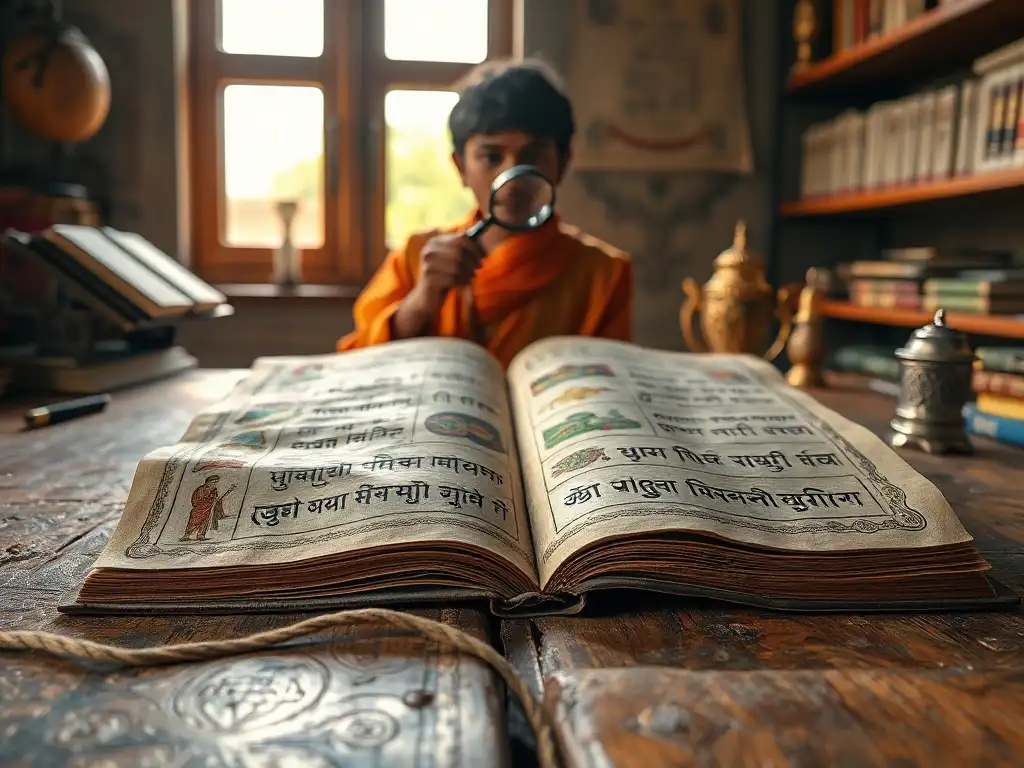
Welcome to Ancient India History, where we embark on a captivating journey through the rich and diverse tapestry of ancient Indian civilizations. As we delve into the intriguing topic of preserving ancient Indian scripts, we invite you to explore how these invaluable treasures shape our understanding of history, culture, and identity.
What efforts are being made to safeguard these scripts for future generations? Join us as we uncover the fascinating intersection of preservation and education in our latest article, “The Future of Ancient Indian Scripts: Preservation and Education Efforts.” Your adventure into the depths of India’s storied past starts here—let the exploration begin!
Introduction to Ancient Indian Scripts
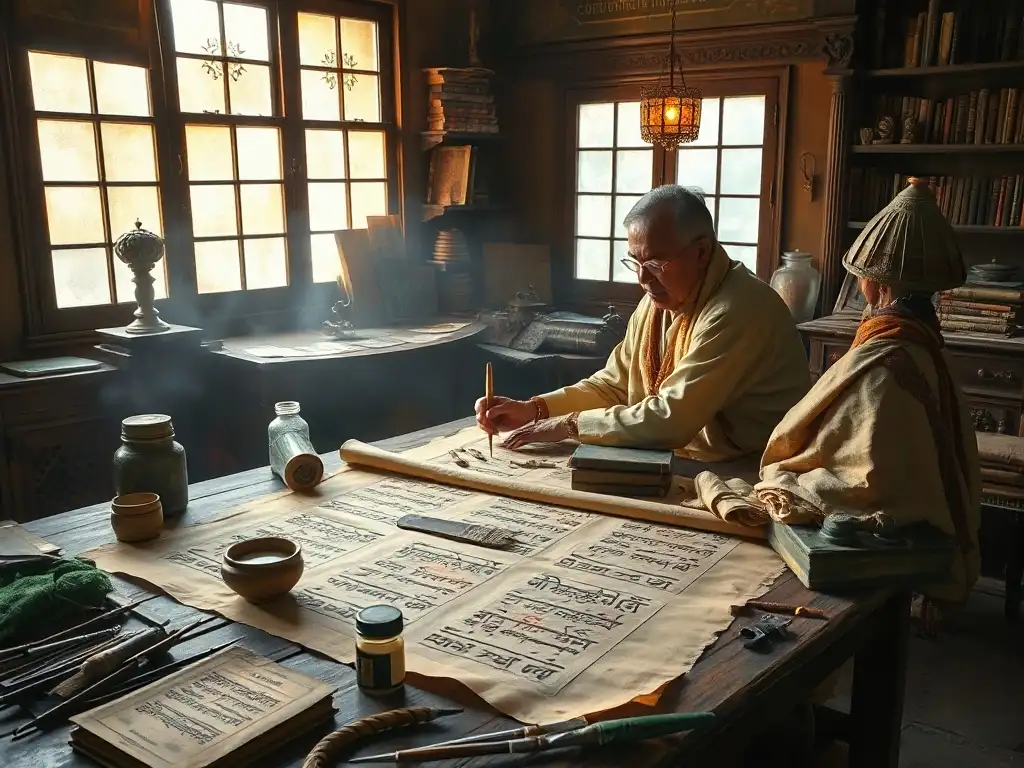
The intricate tapestry of ancient Indian history is woven with the threads of its diverse languages and scripts. From the earliest inscriptions of the Indus Valley Civilization to the sophisticated writings of the Gupta Empire, ancient Indian scripts have played a pivotal role in documenting the cultural, philosophical, and scientific advancements of the time.
Today, as we delve into the future of these scripts, it becomes increasingly crucial to focus on efforts to preserve ancient Indian scripts and educate future generations about their significance. This article aims to explore the various initiatives underway to safeguard these linguistic treasures and the importance of understanding their historical context.
Overview of Ancient Indian Scripts and Their Significance
Ancient Indian scripts, such as Brahmi and Kharosthi, are not merely tools for communication; they are windows into the past, offering insights into the thoughts, beliefs, and daily lives of ancient civilizations. These scripts have influenced many modern languages and scripts in the Indian subcontinent and beyond.
- Brahmi Script: The progenitor of many Indic scripts, it dates back to the 3rd century BCE and is known for its unique characters.
- Kharosthi Script: Used primarily in the northwest region of India, this script was prevalent from the 3rd century BCE to the 4th century CE.
The significance of these scripts extends beyond linguistics; they encapsulate historical narratives, religious texts, and administrative records that are crucial for understanding the socio-cultural landscape of ancient India.
Importance of Preserving Ancient Indian Scripts for Future Generations
The preservation of ancient Indian scripts is vital for several reasons:
- Cultural Heritage: They form a critical part of the cultural identity of numerous communities in India.
- Historical Research: Scholars rely on these scripts to study ancient texts, which can reshape our understanding of history.
- Linguistic Diversity: Preserving these scripts contributes to the maintenance of linguistic diversity, enriching the global linguistic heritage.
As we look to the future, the challenge lies in ensuring that these scripts are not only preserved but also taught and celebrated in educational settings.
The Current State of Ancient Indian Scripts
Despite their significance, the current state of ancient Indian scripts reveals a landscape fraught with challenges.
Overview of Existing Ancient Indian Scripts
Today, several ancient Indian scripts are recognized and studied, including:
- Brahmi
- Kharosthi
- Tamil Brahmi
- Devanagari
Each of these scripts has a unique history and geographical significance. While some are still in use today in various forms, others are at risk of fading into obscurity.
Challenges Facing the Preservation of Ancient Indian Scripts
The preservation of ancient Indian scripts faces several significant challenges:
- Lack of Awareness: Many individuals, educators, and institutions are unaware of the importance of these scripts and their historical contexts.
- Limited Resources: There is often insufficient funding and resources allocated for preservation efforts, which include digitization and conservation of ancient manuscripts.
- Cultural Displacement: As modernization continues, many traditional practices related to these scripts are being lost, impacting their transmission to future generations.
Addressing these challenges is crucial for the preservation efforts to be effective, ensuring that ancient Indian scripts remain a living part of our cultural heritage.
Efforts in Preserving Ancient Indian Scripts
The preservation of ancient Indian scripts is crucial for maintaining the cultural heritage and historical narratives of India. Over the years, various efforts have been made to ensure that these scripts do not fade into obscurity. These initiatives encompass government actions, educational programs, and community involvement, each playing a significant role in safeguarding this invaluable aspect of India's heritage.
Preserving ancient scripts involves various methodologies, including documentation, archiving, and the promotion of literacy in these scripts. The collective aim of these efforts is not only to protect the scripts but also to revitalize interest and scholarly engagement with them. As the world becomes more digital, traditional methods of preservation are being complemented by innovative technologies, which have opened new avenues for keeping these scripts alive for future generations.
Government Initiatives for Script Preservation
The Indian government has recognized the importance of preserving ancient scripts and has initiated several programs aimed at safeguarding this heritage. The Archaeological Survey of India (ASI) plays a pivotal role in this endeavor, conducting archaeological excavations and maintaining inscriptions and manuscripts that are vital to understanding ancient Indian languages.
Additionally, various state governments have launched projects focusing on regional scripts, particularly those that are less widely known. For example, initiatives have been implemented in states like Karnataka and Odisha, where efforts to document and promote local scripts such as Kannada and Odia have gained momentum. These projects often receive funding from cultural ministries and are aimed at fostering a deeper appreciation of local languages and scripts among the populace.
Moreover, the National Manuscript Mission, launched by the government, aims to locate, document, and conserve manuscripts across the country. By creating a digital repository of these manuscripts, the initiative ensures greater accessibility for scholars and the general public, thus encouraging the study and appreciation of ancient scripts.
Role of Educational Institutions in Script Preservation
Educational institutions are at the forefront of preserving ancient Indian scripts through research, teaching, and community outreach. Universities and colleges across India have incorporated ancient languages and scripts into their curricula, providing students with the opportunity to learn about their historical significance and cultural context. For instance, courses in Sanskrit, Pali, and Prakrit not only teach the languages themselves but also delve into the scripts associated with them.
Research programs and workshops conducted by these institutions foster a deeper understanding of ancient scripts and encourage students to engage with primary sources. Furthermore, collaborative projects between universities and heritage organizations help in the documentation and preservation of ancient manuscripts. Such partnerships can lead to the digitization of texts, making them accessible to a broader audience.
In addition to formal education, many institutions also hold workshops and seminars aimed at raising awareness about the importance of these scripts. These events often invite experts in the field to share knowledge and engage with students and the community, thus fostering a sense of ownership and responsibility towards preserving this cultural heritage.
Community Engagement in Preserving Ancient Indian Scripts
Community engagement is a vital component of the efforts to preserve ancient Indian scripts. Grassroots movements and local organizations often take the lead in raising awareness about the significance of these scripts within their communities. Through cultural festivals, workshops, and storytelling sessions, communities are encouraged to connect with their linguistic heritage.
Local initiatives often focus on reviving interest in scripts that may be at risk of becoming obsolete. For example, workshops that teach the basics of writing in ancient scripts like Brahmi or Kharosthi can inspire younger generations to appreciate their cultural roots. Such programs not only contribute to the preservation of these scripts but also foster a renewed interest in traditional arts and crafts associated with them.
Moreover, community-led documentation projects that involve local historians and enthusiasts help create a living archive of knowledge. This participatory approach ensures that the narratives associated with ancient scripts are preserved not just in textbooks but also in the collective memory of the community.
Innovative Technologies in Script Preservation
The advent of innovative technologies has revolutionized the field of script preservation. Digital tools and techniques offer new possibilities for documenting, analyzing, and disseminating knowledge about ancient Indian scripts, making them more accessible than ever before.
Digital Preservation Techniques for Ancient Indian Scripts
Digital preservation techniques are essential for ensuring the long-term survival of ancient Indian scripts. High-resolution digitization of manuscripts allows for the creation of digital archives that can be accessed globally. These archives not only serve as a resource for scholars but also become educational tools that promote awareness and appreciation of ancient scripts.
In addition to simple digitization, advanced technologies like 3D scanning can recreate physical artifacts and manuscripts in digital form, preserving their intricate details. Furthermore, digital platforms enable collaborative projects, where researchers from different parts of the world can contribute to a shared repository of knowledge. This open-access approach democratizes information and fosters global interest in ancient Indian scripts.
Use of Artificial Intelligence in Documenting Ancient Scripts
Artificial Intelligence (AI) is increasingly being utilized in the documentation and preservation of ancient scripts. Machine learning algorithms can analyze vast amounts of text data, identifying patterns and characteristics unique to specific scripts. This capability not only aids in deciphering damaged or incomplete manuscripts but also assists in the classification and cataloging of scripts.
AI-driven tools are also being developed to translate ancient scripts into contemporary languages, making them more accessible to modern audiences. Such technologies can assist researchers in cross-referencing ancient texts with modern linguistic studies, opening new avenues for understanding ancient civilizations. By harnessing the power of AI, scholars can enhance their research efforts, ensuring that ancient Indian scripts are celebrated and preserved for future generations.
Educational Efforts to Promote Ancient Indian Scripts
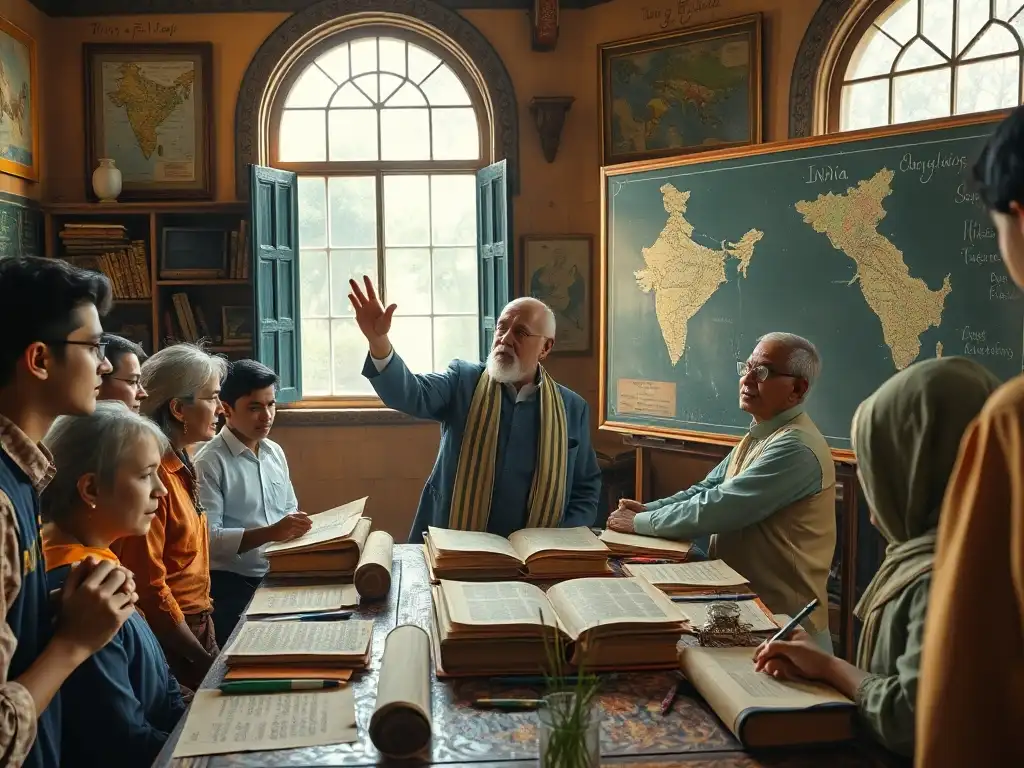
The preservation of ancient Indian scripts is not solely an archival endeavor; it also requires active educational efforts to ensure that these scripts remain relevant and accessible to contemporary society. Educational initiatives play a crucial role in raising awareness and fostering an appreciation for the rich linguistic heritage of ancient India. Various strategies have been employed to promote ancient Indian scripts through formal education, community engagement, and digital platforms.
In educational institutions, integrating ancient Indian scripts into the curriculum can spark interest among students. By teaching the historical context, structure, and significance of these scripts, educators can cultivate an understanding of their importance. Furthermore, community workshops and seminars have emerged as effective avenues for disseminating knowledge about these scripts, allowing individuals of all ages to engage with their cultural heritage. Such initiatives are vital in bridging the gap between the past and present, ensuring that future generations appreciate and contribute to the preservation of these ancient writing systems.
Curriculum Development Focused on Ancient Indian Scripts
Curriculum development focused on ancient Indian scripts involves designing educational programs that highlight the significance and intricacies of these writing systems. Schools and universities are beginning to incorporate modules that teach students about scripts such as Brahmi, Devanagari, and Tamil. These modules not only cover the linguistic aspects but also delve into the historical context and cultural narratives associated with these scripts.
Integrating ancient scripts into language courses can enhance students' linguistic skills while providing them with a broader understanding of India's cultural diversity. Additionally, interdisciplinary approaches that combine history, art, and literature can enrich the learning experience. For instance, students may analyze ancient texts, study their calligraphy, and explore their historical impact, thus fostering a holistic appreciation of ancient Indian scripts.
Moreover, collaboration with linguists, historians, and cultural organizations is essential for developing a robust curriculum. By ensuring that educators are well-equipped with knowledge and resources, the curriculum can effectively engage students and promote a lasting interest in ancient scripts.
Community Workshops and Seminars on Ancient Scripts
Community workshops and seminars serve as vital platforms for promoting awareness and understanding of ancient Indian scripts among the general public. These events often involve interactive sessions where participants can learn about the scripts through hands-on activities, such as calligraphy workshops and script reading exercises. By engaging with the scripts directly, participants can develop a personal connection to the cultural heritage embodied in these writing systems.
Organizations and cultural institutions frequently host these workshops, tapping into local experts and scholars who can share their knowledge and insights. For instance, sessions may focus on the evolution of scripts, their cultural significance, and their relevance in today's digital age. This approach not only educates participants but also encourages dialogue and collaboration within communities, fostering a collective effort towards preservation.
Additionally, seminars featuring guest speakers and panel discussions can provide deeper insights into the challenges and successes of preserving ancient scripts. These events often inspire participants to take an active role in conservation efforts and can lead to the establishment of local advocacy groups dedicated to promoting ancient Indian scripts and their study.
Case Studies on Successful Preservation Projects
Examining successful preservation projects can provide valuable insights and inspiration for ongoing efforts to protect ancient Indian scripts. Two notable case studies highlight the diverse approaches taken to ensure these writing systems are preserved for future generations.
Case Study 1: The Digital Library of India Project
The Digital Library of India Project is a pioneering initiative aimed at digitizing and making accessible a vast collection of ancient texts, manuscripts, and scripts. Launched in 2002, this project has successfully created a digital repository that includes materials in various Indian languages and scripts, such as Sanskrit, Tamil, and Persian. By utilizing advanced technology, the project has transformed physical texts into digital formats, making them available to scholars, students, and the general public worldwide.
One of the project's significant achievements is its emphasis on open access, allowing users from all backgrounds to explore and study these invaluable resources without any barriers. This democratization of knowledge not only aids in preserving ancient scripts but also encourages their use in contemporary academic research and cultural studies. The Digital Library of India serves as a model for similar initiatives aiming to blend technology with cultural preservation.
Case Study 2: The National Mission for Manuscripts
The National Mission for Manuscripts (NMM) was established in 2003 to safeguard and promote the vast heritage of Indian manuscripts, many of which are written in ancient scripts. This initiative involves cataloging, conserving, and digitizing manuscripts stored in various institutions and private collections across India. By systematically documenting these texts, the NMM aims to create a comprehensive database that highlights the diversity and richness of India's manuscript heritage.
In addition to preservation efforts, the NMM emphasizes public outreach and education. It organizes workshops, seminars, and exhibitions to raise awareness about the significance of manuscripts and the scripts in which they are written. By engaging with local communities, the NMM fosters a sense of ownership and responsibility toward preserving this cultural heritage.
The success of the National Mission for Manuscripts underscores the importance of collaborative efforts involving government agencies, cultural institutions, and local communities in preserving ancient scripts and ensuring their continued relevance in modern society.
The Role of Scholars and Linguists in Preservation
The preservation of ancient Indian scripts is a multifaceted endeavor that significantly relies on the expertise and dedication of scholars and linguists. These professionals play a critical role in deciphering, documenting, and disseminating knowledge about ancient scripts, ensuring their survival for future generations. Through research, fieldwork, and community engagement, scholars contribute to a deeper understanding of these scripts and their historical contexts.
Scholars often engage in extensive research to uncover the historical significance of ancient writings, analyzing inscriptions found on artifacts, temples, and manuscripts. Their work not only involves linguistic analysis but also incorporates archaeological findings, which provide a broader context for the scripts. This interdisciplinary approach enriches the preservation efforts and helps create a comprehensive narrative of ancient Indian civilizations.
Furthermore, linguists focus on the phonetic and grammatical aspects of these scripts. By studying the structure and use of ancient languages, they contribute to the development of educational materials and resources aimed at teaching these scripts to new generations. Their expertise is vital in creating accurate representations of sounds and meanings, which aids in both preservation and revitalization efforts.
Contributions of Linguists to Ancient Script Preservation
Linguists contribute to the preservation of ancient Indian scripts in several impactful ways. One significant contribution is the creation of databases and digital archives that store images and transcriptions of ancient texts. This not only makes the scripts accessible to researchers worldwide but also serves as a repository of knowledge for future linguists and historians.
Additionally, linguists are involved in the development of educational curricula that include ancient scripts. By integrating these scripts into language courses, they help foster an appreciation for the rich linguistic heritage of India. This educational approach ensures that students not only learn about the scripts but also understand their cultural significance.
Linguists also participate in public outreach programs, workshops, and seminars aimed at raising awareness about the importance of preserving ancient scripts. These initiatives encourage community involvement and inspire individuals to take an interest in their linguistic heritage. Through such efforts, linguists play an essential role in keeping the knowledge of ancient scripts alive.
Collaboration Between Scholars and Educational Institutions
Collaboration between scholars and educational institutions is vital for effective preservation efforts. Universities and research institutions often provide a platform for interdisciplinary collaboration, bringing together linguists, archaeologists, historians, and educators to work on projects related to ancient scripts. This collaboration fosters innovation and enables the pooling of resources, knowledge, and expertise.
Joint research initiatives often lead to the creation of comprehensive studies and publications that document the findings related to ancient scripts. These publications serve as valuable resources for both academic circles and the general public, raising awareness about the significance of these scripts.
Moreover, educational institutions can serve as hubs for community engagement, hosting workshops, lectures, and exhibitions that showcase the importance of ancient Indian scripts. By partnering with scholars, these institutions can initiate programs that not only educate students but also involve the wider community in preservation efforts. This collective approach enhances the visibility and appreciation of ancient scripts.
Conclusion: The Importance of Continued Efforts in Preserving Ancient Indian Scripts
The preservation of ancient Indian scripts is not just an academic pursuit; it is a crucial endeavor that connects modern society with its rich cultural heritage. Continued efforts in this field are necessary to ensure that the knowledge and wisdom encoded in these scripts are not lost to time. The work of scholars, linguists, and educational institutions is vital in this regard, as it promotes a holistic understanding of the scripts and their significance.
Call to Action for Future Generations
Future generations play a pivotal role in the ongoing preservation of ancient Indian scripts. It is essential for educators to inspire students to engage with their linguistic heritage, encouraging them to learn about and appreciate the historical significance of these scripts. Involving young people in preservation efforts through workshops, internships, and community projects can create a sense of ownership and responsibility toward their cultural legacy.
Moreover, technology can be leveraged to appeal to younger audiences. Digital platforms and applications that facilitate the learning of ancient scripts can spark interest and motivate students to explore their heritage further. By fostering a sense of curiosity and pride in ancient Indian scripts, future generations can actively participate in their preservation.
Final Thoughts on the Future of Ancient Indian Scripts
The future of ancient Indian scripts hinges on the collective efforts of scholars, linguists, educational institutions, and the community at large. While challenges remain, the increasing awareness and appreciation for cultural heritage provide a hopeful outlook. With sustained commitment and innovative approaches, the preservation of ancient Indian scripts can thrive, ensuring that these invaluable pieces of history continue to enlighten and inspire generations to come. As we look forward, it is clear that the journey of preserving ancient Indian scripts is a shared responsibility, one that requires dedication, creativity, and collaboration.
- Introduction to Ancient Indian Scripts
- The Current State of Ancient Indian Scripts
- Efforts in Preserving Ancient Indian Scripts
- Innovative Technologies in Script Preservation
- Educational Efforts to Promote Ancient Indian Scripts
- Case Studies on Successful Preservation Projects
- The Role of Scholars and Linguists in Preservation
- Conclusion: The Importance of Continued Efforts in Preserving Ancient Indian Scripts
Frequently Asked Questions
What are ancient Indian scripts?
Ancient Indian scripts refer to historical writing systems used in India, such as Brahmi, Kharosthi, and others, which played a crucial role in documenting literature, religion, and administration.
Why is preserving ancient Indian scripts important?
Preserving these scripts is vital for understanding cultural heritage, historical narratives, and the linguistic evolution of the region. It ensures that future generations can access and appreciate their rich history.
What efforts are being made to preserve ancient Indian scripts?
Numerous initiatives, including digitization projects, educational programs, and research collaborations, are underway to maintain and promote ancient scripts, ensuring they remain relevant in modern education.
How can individuals contribute to the preservation of ancient Indian scripts?
Individuals can support preservation by learning about these scripts, participating in workshops, and advocating for educational programs that focus on ancient Indian literature and languages.
Are there any challenges in preserving ancient Indian scripts?
Yes, challenges include limited resources, the need for expertise in ancient languages, and the decline in interest among younger generations. These factors hinder effective preservation and education efforts.
Final Reflection: Preserving Ancient Indian Scripts for Future Generations
In an age where digital communication often overshadows traditional forms of expression, the preservation of ancient Indian scripts is more relevant than ever. These scripts are not merely relics of the past; they are living embodiments of cultural identity, history, and wisdom. As we navigate a rapidly changing world, the urgency to protect and promote these scripts becomes a clarion call for educators, scholars, and communities alike. The future of our cultural heritage hinges on our commitment to these ancient forms of writing, which hold the key to understanding our roots and shaping our identity.
The influence of ancient Indian scripts extends far beyond their historical context; they continue to shape our cultural and social landscapes today. By engaging with these scripts, we foster a deeper appreciation for the diversity and richness of our heritage.
The ongoing efforts to teach and preserve these scripts serve as a bridge connecting generations, allowing us to learn from the past while informing our present. As Mahatma Gandhi once said, “A nation’s culture resides in the hearts and in the soul of its people.” > This sentiment underscores the importance of nurturing our cultural narratives through the preservation of ancient scripts, ensuring they remain vibrant and relevant in contemporary society.
As we reflect on the importance of preserving ancient Indian scripts, I invite you to consider your own role in this endeavor. How can you contribute to the safeguarding of this invaluable heritage? Whether through education, advocacy, or simply by exploring these scripts yourself, every effort counts. Let us commit to not only preserving these ancient forms of writing but also celebrating their significance in our lives. Together, we can ensure that the wisdom of our ancestors continues to illuminate the path for future generations.
Embrace the Future: Protect Ancient Scripts Today!
Thank you for exploring the captivating world of ancient Indian scripts! Your interest is crucial in preserving this invaluable heritage. Together, we can ensure these historical treasures are celebrated and understood by future generations.
Here are a few ways you can take action right now:
- Support local educational programs dedicated to ancient scripts: Find or contribute to initiatives that teach these languages and promote their significance.
- Share your discoveries: Discuss what you've learned with friends or on social media. Your enthusiasm can inspire others!
- Join a workshop or community event: Connect with others who share your passion for ancient Indian culture and lend your voice to its preservation.
What steps will you take to be part of the movement for safeguarding these ancient scripts?