
The Art of Pottery: Technological Advances in the Indus Valley Civilization

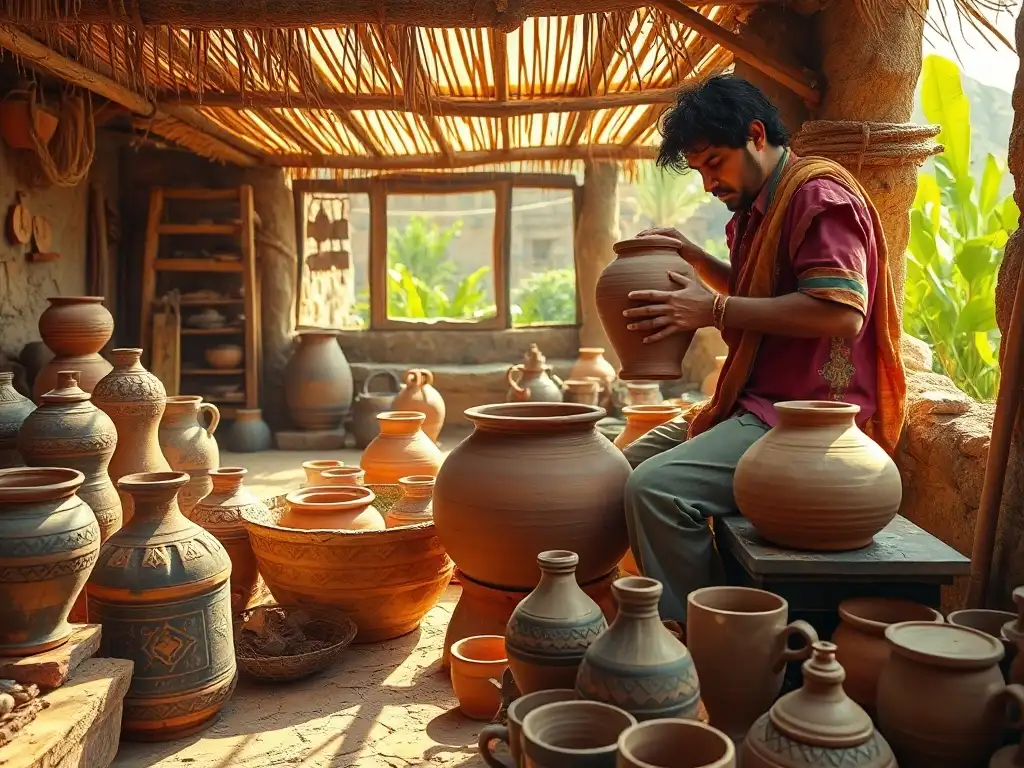
Welcome to Ancient India History, where we embark on a fascinating journey through the rich tapestry of ancient Indian civilizations. Our exploration begins with the Indus Valley pottery techniques, a remarkable aspect of cultural artistry that showcases the ingenuity and creativity of one of history's most advanced societies. Dive into the intricacies of how these early artisans shaped their world and contributed to the legacy of craftsmanship that continues to inspire today. Prepare to uncover the stories behind the clay, and let your curiosity lead you into the depths of this captivating civilization!
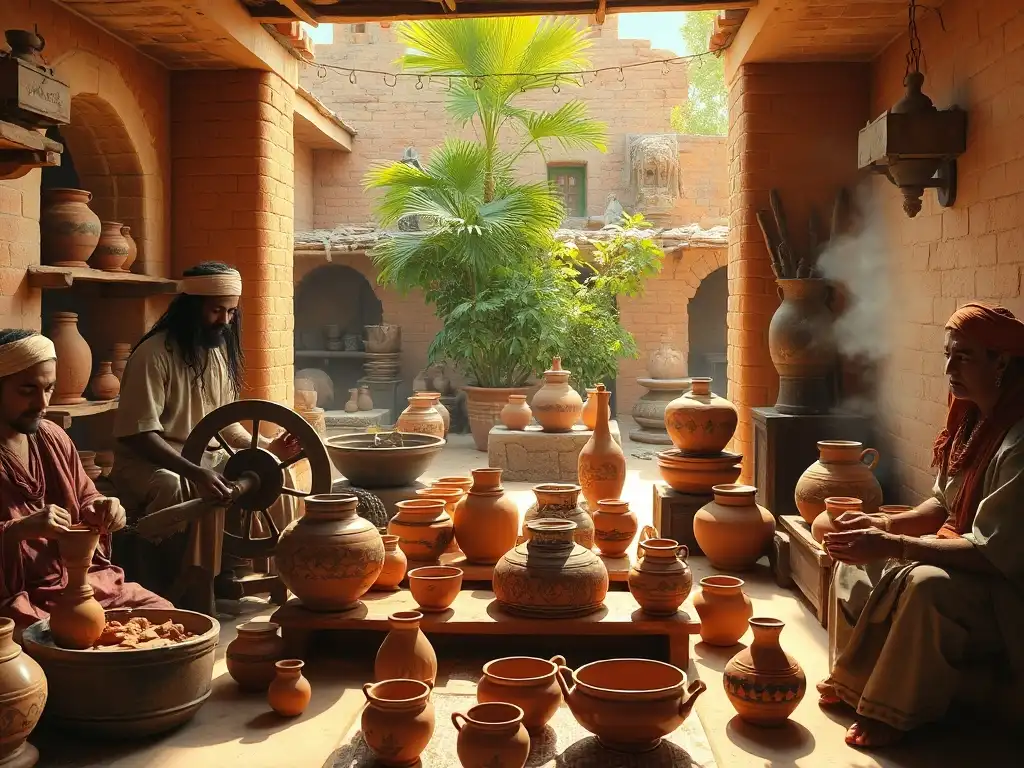
Introduction to Indus Valley Pottery Techniques
The Indus Valley Civilization, one of the world's earliest urban cultures, flourished between 3300 BCE and 1300 BCE in what is now modern-day Pakistan and northwest India. Among the remarkable achievements of this civilization, pottery stands out as a testament to their artistic and technological prowess. The techniques employed in Indus Valley pottery are not merely practical; they reflect the intricate cultural values, social structures, and environmental adaptations of the time. Understanding these techniques offers a glimpse into the daily life and societal organization of one of the most advanced ancient civilizations.
As we delve deeper into the complexities of Indus Valley pottery techniques, we will explore how these creations were more than utilitarian objects. They served as a canvas for artistic expression and a medium for trade and cultural exchange, showcasing the civilization's rich heritage.
Overview of Pottery in Ancient Civilizations
Pottery has been an essential aspect of human culture for millennia. Across various ancient civilizations, pottery served multiple functions:
- Practical Uses: Storage of food and water, cooking, and serving.
- Cultural Significance: Pottery often reflected the beliefs, values, and practices of a society.
- Artistic Expression: Different styles and techniques demonstrated the artistic capabilities of a culture.
The evolution of pottery techniques can be observed through archaeological findings, revealing advancements in materials, methods, and aesthetic choices.
Importance of Pottery in the Indus Valley Culture
In the Indus Valley, pottery was integral to daily life. Its importance can be highlighted through several key points:
- Economic Role: Pottery was a vital part of trade, with distinctive styles that facilitated identification and exchange.
- Cultural Identity: Unique pottery designs contributed to a sense of community and cultural identity among the various urban centers.
- Ritualistic Use: Some pottery pieces were used in religious or ceremonial contexts, indicating the spiritual dimensions of daily activities.
The diverse applications of pottery in the Indus Valley illustrate its significance in both practical and cultural realms.
Historical Context of the Indus Valley Civilization
To fully appreciate the advancements in pottery techniques, it is essential to understand the broader historical context of the Indus Valley Civilization.
Timeline and Geography of the Indus Valley Civilization
The Indus Valley Civilization spanned several centuries, with its peak between 2600 BCE and 1900 BCE. This civilization encompassed a vast geographical area, including major urban centers such as:
- Harappa
- Mohenjo-Daro
- Dholavira
These cities were strategically located near rivers, which provided essential resources for agriculture, trade, and pottery production.
Societal Structure and its Influence on Pottery Production
The societal structure of the Indus Valley Civilization was complex and sophisticated. Key aspects influencing pottery production included:
- Urban Planning: The organized layout of cities allowed for specialized workshops and artisans dedicated to pottery.
- Social Stratification: Different classes within society may have influenced the variety and quality of pottery produced, catering to both everyday needs and elite tastes.
- Technological Innovations: Advances in kiln construction and firing techniques led to the development of high-quality ceramics, enhancing both durability and aesthetic appeal.
Understanding these elements offers insights into how the Indus Valley Civilization not only produced pottery but also established a legacy that would influence future generations.
Key Indus Valley Pottery Techniques
The Indus Valley Civilization (IVC), flourishing between approximately 3300 and 1300 BCE, is well-known for its remarkable advancements in pottery. The pottery of this era showcases a variety of techniques that highlight both artistry and functionality. Among these techniques are:
- Wheel-Thrown Pottery: This technique allowed artisans to create symmetrical and finely crafted vessels with greater efficiency. The potter's wheel, an innovation that spread across various ancient cultures, was skillfully utilized in the IVC, enabling the production of uniform shapes and sizes.
- Hand-Built Techniques: Before the widespread use of the potter’s wheel, artisans relied on hand-building methods such as coiling and pinching. These techniques allowed for a diverse range of forms, from large storage jars to smaller decorative items.
- Glazing and Surface Treatments: The IVC potters employed various surface treatments, including slip (a liquid mixture of clay and water) and glazing, to create intricate designs. This not only enhanced the aesthetic appeal but also provided a protective layer to the pottery.
- Firing Techniques: The firing process was pivotal in determining the durability and finish of the pottery. The use of kilns allowed for higher temperatures, leading to the production of sturdier vessels with distinctive finishes.
These techniques collectively demonstrate the innovative spirit of the Indus Valley potters, reflecting their understanding of materials and craftsmanship.
Wheel-Thrown Pottery vs. Hand-Built Techniques
The distinction between wheel-thrown and hand-built pottery techniques is significant in understanding the advancements made by the Indus Valley potters.
- Wheel-Thrown Pottery: This method emerged as a revolutionary advancement, allowing for the rapid production of uniform and precisely shaped vessels. The use of the potter's wheel enabled potters to create intricate designs and consistent sizes, which were essential for trade and daily use. The speed and efficiency of this technique facilitated the mass production of pottery, catering to the growing needs of urban centers within the IVC.
- Hand-Built Techniques: In contrast, hand-built pottery, including coiling and pinching, showcased a different aspect of craftsmanship. While it was more labor-intensive and time-consuming, this method allowed for greater creativity and individuality in each piece. Artisans could experiment with forms and embellishments, resulting in a rich variety of shapes and decorative styles. Hand-built pottery often emphasized the artisan's skill and personal touch, distinguishing it from the more standardized wheel-thrown pieces.
Both techniques were crucial in the evolution of Indus Valley pottery and played complementary roles in the daily life and culture of the civilization.
Decorative Styles and Their Significance
The decorative styles found in Indus Valley pottery are not merely aesthetic choices but are deeply intertwined with cultural significance and social identity.
- Geometric Patterns and Motifs: Commonly seen across various pottery forms, geometric designs were often symbolic, reflecting the natural environment and cosmological beliefs of the IVC people. These patterns could denote status, beliefs, or even serve a practical function in identifying the contents of storage vessels.
- Animal and Human Figures: Some pottery pieces featured stylized depictions of animals and human figures, which may have had religious or cultural implications. These motifs could represent deities, rituals, or social narratives, providing insight into the beliefs and daily life of the Indus Valley inhabitants.
- Color Usage: The choice of colors, often derived from natural dyes and minerals, also played a critical role in the aesthetics of pottery. The use of red, black, and cream colors was prevalent, with each hue potentially holding symbolic meanings or denoting specific functions of the pottery.
The intricate decorative styles of Indus Valley pottery serve as a window into the civilization's culture, beliefs, and artistic expression, illustrating the importance of pottery beyond mere utility.
Materials Used in Indus Valley Pottery
The selection of materials was fundamental to the artistry and functionality of Indus Valley pottery. The choice of clay and additional resources influenced both the durability and aesthetic qualities of the pottery produced.
Types of Clay and Their Properties
The artisans of the Indus Valley utilized various types of clay, each with distinct properties that contributed to the final product.
- River Clay: Sourced from riverbanks, this clay was often rich in minerals and easy to mold. It was favored for its plasticity, allowing artisans to create detailed designs and forms.
- Terracotta Clay: Known for its reddish hue, terracotta was commonly used in pottery. It had a porous nature, making it suitable for functional items such as cooking pots and storage jars, which benefited from breathability.
- Stoneware Clay: This clay type, fired at higher temperatures, produced durable and non-porous vessels. Stoneware was ideal for items needing to withstand high heat or moisture.
The choice of clay not only affected the pottery's functionality but also its decorative potential, with different clays responding uniquely to firing techniques.
Natural Resources and their Role in Pottery Making
The availability of natural resources played a pivotal role in the pottery-making processes of the Indus Valley Civilization.
- Minerals for Glazing: Potters used natural minerals found in the region to create glazes, enhancing the durability and visual appeal of their pottery. Minerals like iron oxide and copper compounds were commonly employed to achieve various colors and finishes.
- Fuel Sources for Firing: The use of wood, dung, and other organic materials as fuel for kilns was vital. The choice of fuel influenced the temperature and atmosphere during firing, affecting the final appearance and strength of the pottery.
- Water Sources: Proximity to rivers and water bodies was crucial for both the preparation of clay and the cleaning of tools. Water was essential not only in the pottery-making process but also in the daily lives of the artisans.
The interplay between available materials and natural resources underscores the ingenuity of Indus Valley potters, who adapted their techniques and practices to maximize the potential of their environment.
Technological Innovations in Pottery Production
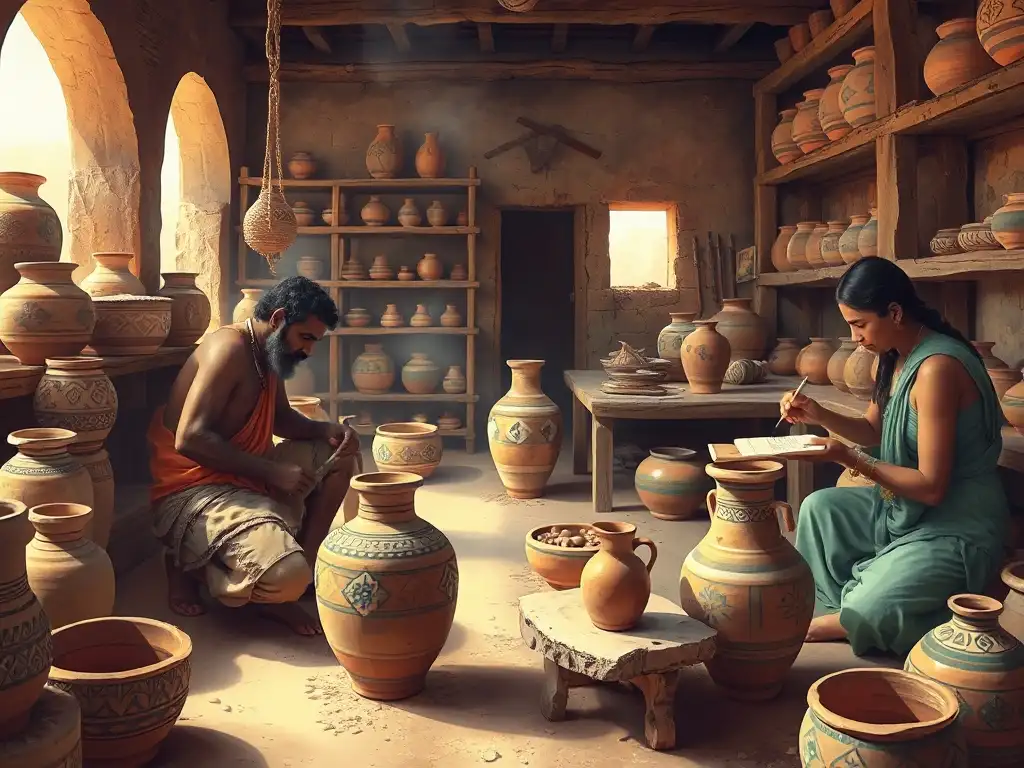
The Indus Valley Civilization, flourishing between 3300 and 1300 BCE, is renowned for its sophisticated pottery techniques that reflect the ingenuity and craftsmanship of its people. The pottery produced during this era showcases a variety of shapes, designs, and uses, indicating a high level of technological innovation. The production of pottery was not only an artistic endeavor but also a functional one, serving various domestic and ceremonial purposes.
Advances in Kiln Technology
One of the major technological advancements in pottery production during the Indus Valley Civilization was the development of kiln technology. Unlike earlier methods that relied on open-firing techniques, the Indus Valley potters utilized a more controlled firing process within kilns. These kilns were typically constructed as updraft or down-draft structures, allowing for higher and more consistent temperatures.
The ability to achieve higher temperatures significantly improved the durability and finish of the pottery. Glazing techniques began to emerge, leading to the creation of more vibrant colors and intricate designs. The potters also experimented with different clay compositions, enhancing the workability and aesthetic appeal of their pottery. This innovation in kiln technology not only elevated the quality of their goods but also facilitated large-scale production, catering to both local and distant markets.
Influence of Trade on Pottery Techniques
Trade played a pivotal role in shaping the pottery techniques of the Indus Valley Civilization. The extensive trade networks established with neighboring regions, such as Mesopotamia and Persia, facilitated the exchange of ideas and techniques. Potters in the Indus Valley were exposed to various styles and methodologies, which they adapted and incorporated into their own practices.
For instance, the introduction of new decorative motifs and glazing methods can be traced back to contact with other cultures through trade. Additionally, the demand for specific types of pottery—such as storage jars, cooking vessels, and decorative items—encouraged potters to innovate and refine their techniques to meet market needs. This dynamic interplay between trade and pottery production led to a rich tapestry of styles that characterized Indus Valley pottery.
Comparison of Indus Valley Pottery with Other Ancient Civilizations
The pottery of the Indus Valley exhibits unique characteristics that set it apart from that of other ancient civilizations. While there are similarities in form and function across various cultures, the distinct techniques and decorative styles of the Indus Valley reflect a unique cultural identity.
Contrasting Pottery Techniques of Mesopotamia and Egypt
When comparing the pottery techniques of the Indus Valley with those of Mesopotamia and Egypt, several key differences emerge. Mesopotamian pottery was often characterized by its use of wheel-throwing techniques, allowing for uniformity in shape and size. In contrast, Indus Valley potters predominantly used hand-building techniques, resulting in a variety of forms and a more organic feel to their pottery.
Similarly, Egyptian pottery often featured a more utilitarian approach, focusing on functionality over aesthetic appeal. In contrast, Indus Valley pottery was not only functional but also highly decorative, often adorned with intricate motifs and designs that reflected the civilization's artistic sensibilities. The use of vibrant colors and detailed incised patterns in Indus Valley pottery indicates a distinct cultural expression that differs from the more monochromatic and utilitarian pottery of Mesopotamia and Egypt.
Shared Innovations and Unique Features
Despite the differences, there were shared innovations among these ancient civilizations that influenced pottery techniques. For example, the introduction of kilns and advancements in firing techniques were common across regions, although the specifics varied.
Indus Valley potters also shared similarities with their contemporaries in the use of certain clay types and glazing methods. However, the unique features of Indus Valley pottery, such as the characteristic red and black ware, intricate geometric designs, and the prominence of animal motifs, set it apart as a significant cultural artifact. The combination of shared innovations and unique artistic expressions illustrates the complex interplay of influence and identity in ancient pottery techniques.
The technological advances in pottery production within the Indus Valley Civilization not only highlight the ingenuity of its artisans but also underscore the broader cultural exchanges that shaped the art of pottery during this remarkable period in history.
The Role of Pottery in Daily Life and Trade
The significance of pottery in the Indus Valley Civilization extends beyond mere functionality; it played a crucial role in the daily lives of its inhabitants and served as a vital component in trade networks. Pottery items were not only utilized for practical purposes but also reflected the artistic sensibilities of the era. The advanced pottery techniques developed during this period laid the groundwork for future artistic and functional innovations in India.
Pottery as Functional Art: Uses in Daily Life
Indus Valley pottery was characterized by its diversity in shapes, sizes, and designs, making it an integral part of daily life. Pottery vessels served various purposes, including:
- Storage: Large, sturdy pots were commonly used to store grains, oils, and water, which were essential for sustenance and domestic activities.
- Cooking: Cooking pots with thick walls were designed to withstand the heat, enabling efficient food preparation. Many of these pots featured a flat base, making them suitable for use over open flames.
- Ceremonial Uses: Certain pottery pieces were intricately designed for religious and ceremonial purposes, highlighting the cultural significance of pottery in spiritual practices.
- Artistic Expression: Potters utilized techniques such as painting and engraving to create visually stunning pieces that were both functional and decorative, showcasing the artistic talents of the civilization.
The variety of pottery available allowed for a rich tapestry of daily life, where aesthetics and utility coexisted harmoniously.
Trade Networks and the Economic Impact of Pottery
Pottery was not only significant for domestic use but also played a pivotal role in the economic framework of the Indus Valley Civilization. The development of extensive trade networks facilitated the exchange of pottery, which contributed to the region's prosperity. Key aspects include:
- Interregional Trade: Pottery items were traded with neighboring regions, including Mesopotamia, which indicates the value placed on Indus Valley pottery in external markets.
- Standardization: The production of pottery in standardized shapes and sizes enhanced its usability in trade, making it easier to transport and exchange.
- Economic Indicators: The presence of pottery in various archaeological sites serves as an indicator of economic activity. The abundance of certain pottery styles in trade hubs suggests a thriving economy driven by artisanal production and exchange.
The economic impact of pottery in the Indus Valley was profound, as it not only supported local communities but also fostered connections with other civilizations.
The Legacy of Indus Valley Pottery Techniques
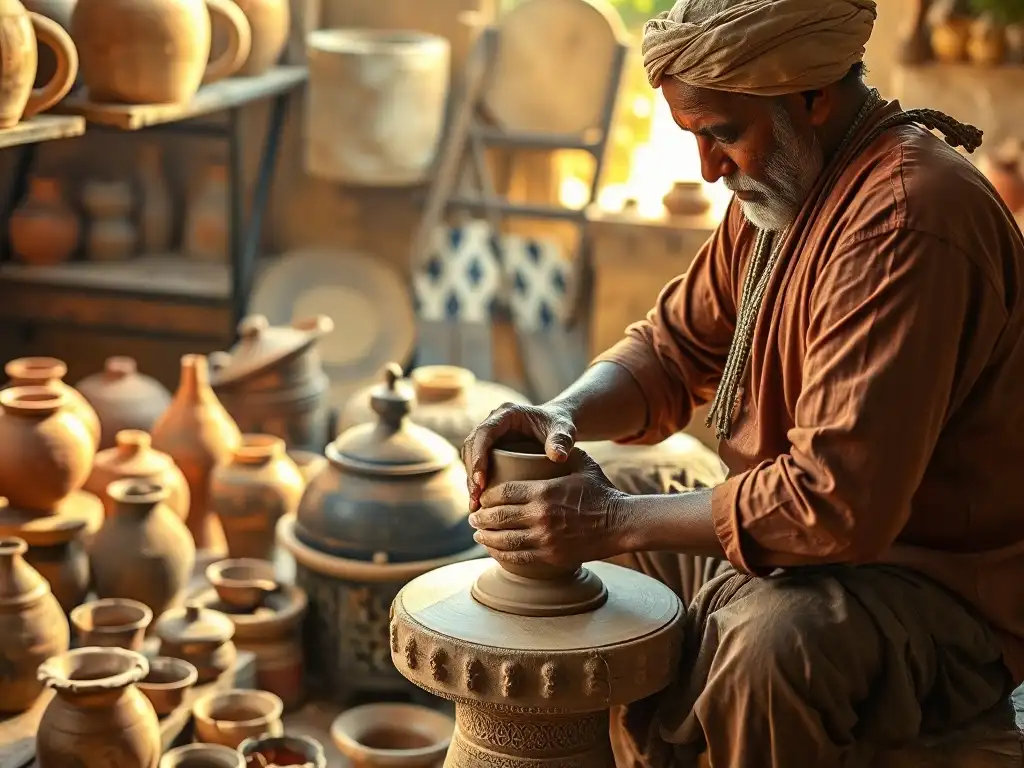
The pottery techniques developed during the Indus Valley Civilization left an indelible mark on the subsequent artistic traditions in India. The sophisticated methods and styles employed by Indus Valley potters contributed to a lasting legacy that would influence future generations.
Influence on Later Indian Pottery Styles
The techniques and styles of Indus Valley pottery can be seen echoed in later Indian pottery traditions. Some notable influences include:
- Continuity of Design: Many decorative motifs and patterns from Indus Valley pottery reappeared in subsequent styles, showcasing a continuity of artistic expression.
- Technique Transfer: The advanced techniques in wheel-throwing and glazing used during the Indus period were refined and adapted by later potters, enriching the pottery landscape of ancient India.
- Regional Variations: As pottery styles evolved, the foundational elements from the Indus Valley were incorporated into various regional styles, leading to a rich diversity of pottery across India.
The legacy of Indus Valley pottery techniques set a high standard for craftsmanship and artistic innovation in Indian pottery.
Archaeological Discoveries and Their Impact on Modern Understanding
Recent archaeological discoveries have greatly enhanced our understanding of Indus Valley pottery techniques and their significance. Key points include:
- Excavation Sites: Discoveries at sites like Mohenjo-Daro and Harappa have unearthed a wealth of pottery artifacts, providing insights into the technological advancements and artistic practices of the civilization.
- Scientific Analysis: Modern techniques such as thermoluminescence dating and residue analysis have allowed researchers to uncover information about the materials used and the firing techniques employed by ancient potters.
- Cultural Insights: The study of pottery has revealed much about the social and economic structures of the Indus Valley Civilization, offering a glimpse into the daily lives, trade practices, and cultural values of its people.
These archaeological findings not only shed light on the past but also help historians and archaeologists reconstruct a more comprehensive narrative of ancient Indian civilizations. The enduring legacy of Indus Valley pottery continues to inform our understanding of technological and artistic developments in the region.
Conclusion
The exploration of pottery techniques in the Indus Valley Civilization reveals a sophisticated understanding of materials and technologies that were far ahead of their time. The artisans of this ancient civilization not only created utilitarian items but also crafted intricate designs that reflected their cultural values and aesthetic sensibilities. The advancements made in pottery during this period are a testament to the ingenuity of the Indus people and their ability to adapt to their environment, utilizing local resources to produce functional and decorative pottery.
Summary of Key Points on Indus Valley Pottery Techniques
- Innovative Techniques: The potters of the Indus Valley employed advanced methods such as wheel-throwing and kiln firing. These techniques enabled the production of uniform shapes and sizes, enhancing both the aesthetic appeal and strength of the pottery.
- Variety of Forms: Indus Valley pottery included a wide range of forms, from everyday cooking pots to ceremonial vessels. The diversity in styles indicates a rich cultural life and varying functional needs.
- Decorative Elements: The use of slips, paints, and incised designs on pottery demonstrates the artistic capabilities of the artisans. Geometric patterns and motifs often depicted cultural narratives and beliefs.
- Material Use: Potters primarily used clay sourced from riverbanks, which was ideal for shaping and firing. The inclusion of mineral additives improved the durability of the final products.
- Trade and Influence: The pottery techniques of the Indus Valley were not isolated; they influenced and were influenced by neighboring cultures, as evidenced by findings in trade routes.
The Lasting Impact of Technological Advances in Pottery
The technological advances in pottery during the Indus Valley Civilization laid the groundwork for future ceramic traditions in South Asia. The skills and techniques developed by these artisans influenced subsequent cultures, as seen in later Indian pottery styles. The practices of using the potter's wheel and kiln firing continued to shape the ceramic landscape long after the decline of the Indus Valley Civilization. Moreover, the aesthetic qualities achieved during this period continue to inspire modern artisans, preserving the legacy of Indus Valley pottery techniques.
References
Suggested Readings on Indus Valley Civilization and Pottery Techniques
- "The Indus Valley Civilization: A Historical Overview" – This book provides an extensive examination of the socio-cultural aspects of the Indus Valley, including its pottery.
- "Pottery of the Indus Valley Civilization" – A detailed study focused specifically on the ceramic techniques, styles, and their historical significance.
- "Art and Artisans of Ancient India" – This work explores the various art forms in ancient India, highlighting the role of pottery in cultural expression.
Notable Archaeological Studies and Findings
- Mohenjo-Daro Excavations: Significant findings from this site reveal a wealth of pottery artifacts, showcasing the technological sophistication of Indus Valley potters.
- Harappa Pottery Studies: Research conducted on Harappan pottery has provided insights into trade networks and cultural exchanges during the height of the civilization.
- Rakhigarhi Excavations: Recent excavations at Rakhigarhi have uncovered pottery with unique characteristics, further contributing to our understanding of regional variations within Indus Valley pottery techniques.
- Introduction to Indus Valley Pottery Techniques
- Historical Context of the Indus Valley Civilization
- Key Indus Valley Pottery Techniques
- Materials Used in Indus Valley Pottery
- Technological Innovations in Pottery Production
- Comparison of Indus Valley Pottery with Other Ancient Civilizations
- The Role of Pottery in Daily Life and Trade
- The Legacy of Indus Valley Pottery Techniques
- Conclusion
- References
- What were the main techniques used in Indus Valley pottery?
- How did the potters of the Indus Valley influence later civilizations?
- What materials were commonly used in Indus Valley pottery?
- How did the pottery styles reflect Indus Valley culture?
- What role did pottery play in trade during the Indus Valley period?
Frequently Asked Questions
What were the main techniques used in Indus Valley pottery?
The Indus Valley pottery techniques included wheel-throwing, hand-building, and decorative glazing, showcasing the civilization's technological advancements and artistic expression.
How did the potters of the Indus Valley influence later civilizations?
The potters of the Indus Valley set a foundation for ceramic practices that influenced subsequent cultures in the region, particularly in design and manufacturing techniques.
What materials were commonly used in Indus Valley pottery?
Indus Valley potters primarily used clay sourced from the riverbanks, often mixed with fine sand or gravel to enhance durability and texture of the pottery.
How did the pottery styles reflect Indus Valley culture?
The styles of pottery featured intricate geometric patterns, animal motifs, and natural elements, reflecting the cultural values and aesthetic sensibilities of the Indus Valley civilization.
What role did pottery play in trade during the Indus Valley period?
Pottery was a significant aspect of trade, as the Indus Valley civilization exported their unique ceramics, which were highly sought after for their quality and artistic designs, enhancing their economic relations with other regions.
Final Reflection: The Enduring Legacy of Indus Valley Pottery Techniques
The art of pottery, particularly the innovative techniques developed in the Indus Valley Civilization, remains profoundly relevant today as we explore the intersection of tradition and technology. The intricate craftsmanship and advanced methods employed by ancient artisans not only showcase their ingenuity but also serve as a reminder of the cultural significance of pottery in human history. As we witness a resurgence of interest in handmade crafts and sustainable practices, the legacy of Indus Valley pottery continues to inspire contemporary artists and potters alike.
The influence of Indus Valley pottery techniques extends beyond mere aesthetics; it shapes our understanding of ancient societies and their technological advancements. The meticulous designs and functional forms reflect a deep connection to the environment and community, highlighting the importance of craftsmanship in cultural identity. Art is the most beautiful of all lies.
This quote resonates with the idea that the beauty of pottery transcends time, inviting us to appreciate the stories and traditions embedded within each piece. The ongoing exploration of these ancient techniques encourages a dialogue about sustainability and the value of artisanal practices in our modern world.
As you reflect on the artistry and innovation of the Indus Valley potters, consider how these lessons can be applied in your own life. Embrace the spirit of creativity and craftsmanship, whether through pottery or any other form of art. Allow the techniques and traditions of the past to inspire your journey, fostering a deeper appreciation for the cultural narratives that shape our world. Together, let us honor the legacy of the Indus Valley by nurturing our own creative expressions and connecting with the rich tapestry of human history.
Unleash Your Creativity: Dive Into Pottery Today!
Thank you for exploring the fascinating world of pottery within the Indus Valley Civilization! You've gained insights into how technology shaped artistic expression, and now it's time to turn that inspiration into action.
Ready to embark on your pottery journey? Here are a few steps to get you started:
- Start a pottery project: Gather some basic materials and try creating your own pottery pieces! Whether it's a simple bowl or a decorative item, let your creativity flow.
- Join a local pottery class: Seek out a community class or workshop where you can learn various techniques and connect with fellow pottery enthusiasts.
- Share your creations: Document your pottery process on social media or through a personal blog, inspiring others to explore this ancient art form!
What unique pottery piece are you excited to create that reflects your personal cultural inspiration?