
From the Mauryas to the Guptas: The Evolution of Western Indian Power

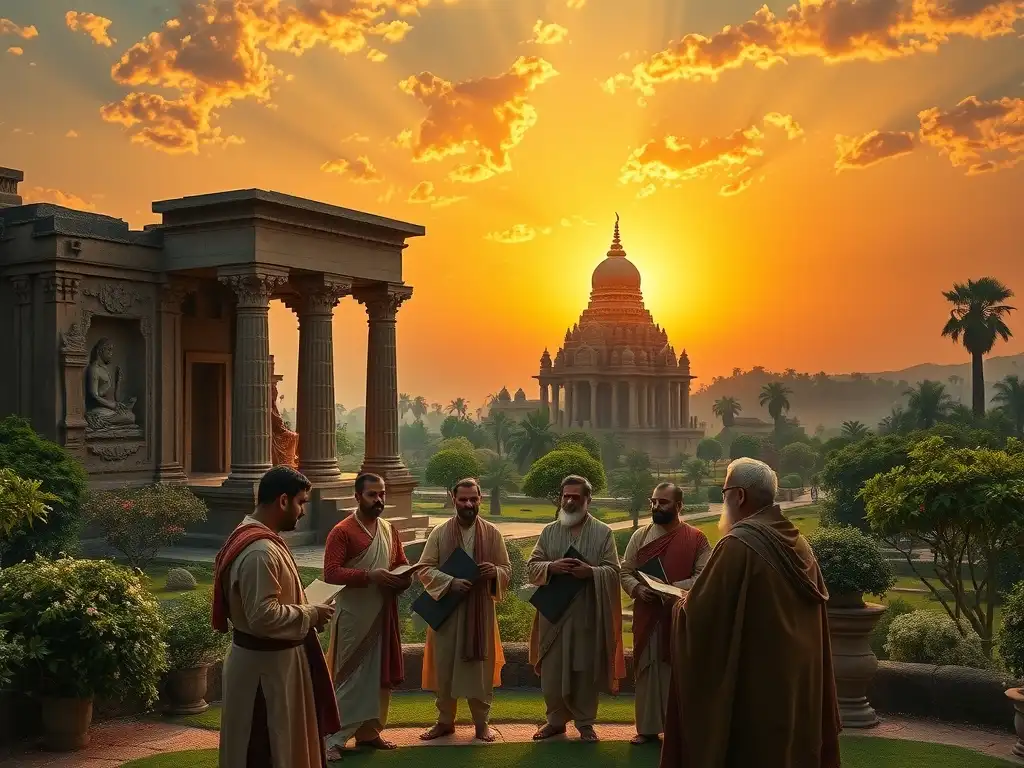
Welcome to Ancient India History, your gateway to uncovering the rich tapestry of civilizations that shaped the subcontinent. In our featured article, "From the Mauryas to the Guptas: The Evolution of Western Indian Power," we delve into the fascinating history of Western Indian dynasties that forged empires and influenced cultures from the majestic Indus Valley to the illustrious Gupta Empire. Get ready to embark on a journey through time, where each era unveils new mysteries and insights.
Join us as we explore the legacies of these powerful dynasties and discover the vibrant stories behind their rise and fall. Your adventure into the depths of ancient history begins here!
- Introduction to Western Indian Dynasties History
- The Mauryan Empire: Foundations of Power in Western India
- Transition from Mauryan Rule to Regional Powers
- The Shunga and Kanva Dynasties: Continuity and Change
- The Emergence of the Satavahana Dynasty
- The Gupta Empire: The Pinnacle of Western Indian Power
- Comparative Analysis: Mauryas vs. Guptas in Western Indian Dynasties History
- Conclusion: The Legacy of Western Indian Dynasties
- Frequently Asked Questions
- Final Reflection: The Enduring Legacy of Western Indian Dynasties
- Embrace the Legacy: Discover Your Place in History!
Introduction to Western Indian Dynasties History
The history of Western Indian dynasties is a rich tapestry woven from the threads of various cultures, religions, and political systems that have shaped the region over millennia. From the rise of the Mauryan Empire to the illustrious Gupta period, Western India has been a significant player in the evolution of ancient civilizations.
This article explores the intricate dynamics of power, governance, and cultural achievements that characterized these dynasties, highlighting their contributions to the broader narrative of Indian history. Understanding the historical context of these Western Indian dynasties not only sheds light on their individual stories but also reveals their collective impact on the development of Indian society as a whole.
Overview of Ancient Indian Civilizations
Ancient Indian civilizations are noted for their remarkable advancements in various fields, including urban planning, mathematics, astronomy, and philosophy. Among the most prominent civilizations were:
- Indus Valley Civilization (c. 3300–1300 BCE): Known for its sophisticated urban centers like Harappa and Mohenjo-Daro, this civilization showcased advanced drainage systems, standardized weights, and impressive architecture.
- Mauryan Empire (c. 322–185 BCE): Founded by Chandragupta Maurya, this empire unified much of India under a centralized administration. It was during this period that the renowned Emperor Ashoka propagated Buddhism and established various edicts promoting social welfare.
- Gupta Empire (c. 240–550 CE): Often referred to as the Golden Age of India, the Gupta period saw significant achievements in art, literature, and science. Notable figures such as Aryabhata and Kalidasa emerged, contributing to the intellectual wealth of the time.
These civilizations laid the groundwork for future dynasties in Western India, influencing cultural and political developments that would follow.
Importance of Western Indian Dynasties in Historical Context
Western Indian dynasties played a crucial role in shaping the socio-political landscape of ancient India. They were not only instrumental in fostering trade routes that connected India to the broader world but also in promoting cultural exchanges that enriched Indian heritage. Key dynasties include:
- Satavahanas (c. 230 BCE–250 CE): Known for their patronage of Buddhism and trade, the Satavahanas established a significant presence in Western India and facilitated commerce with regions such as Rome and Southeast Asia.
- Rashtrakutas (c. 753–982 CE): Renowned for their contributions to art and architecture, the Rashtrakutas built monumental rock-cut temples, notably the Kailasa Temple at Ellora, which remains a UNESCO World Heritage Site today.
- Chalukyas (c. 543–753 CE): This dynasty is famous for its unique architectural style that blended various regional influences, leading to the construction of stunning temples and forts across Western India.
The evolution of these dynasties reflects the dynamic nature of power in Western India and underscores their significance in the broader narrative of ancient Indian history. Understanding their contributions provides insight into the intricate web of relationships and influences that defined the region's past.
The Mauryan Empire: Foundations of Power in Western India
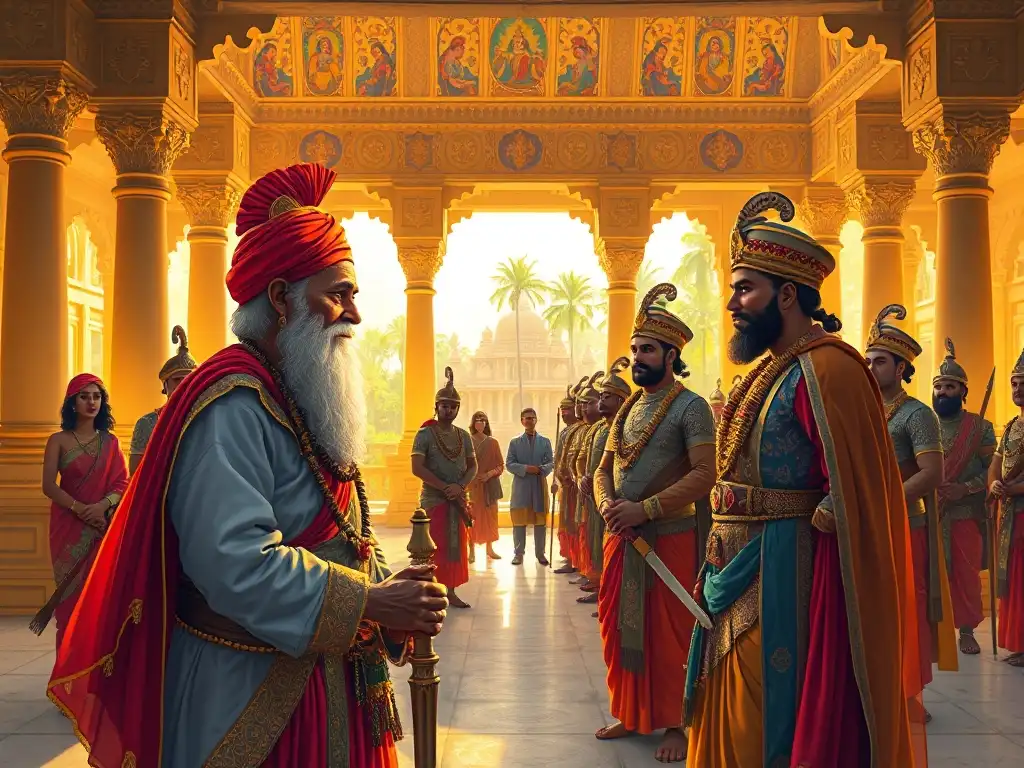
The Mauryan Empire, established in 322 BCE by Chandragupta Maurya, marks a significant turning point in the history of Western Indian dynasties. It was not just a political entity but a unifying force that laid the foundations for governance, culture, and economy across the region. The empire reached its zenith under Ashoka the Great, who expanded its territory and influence, fostering a climate of prosperity and cultural integration.
Key Figures of the Mauryan Dynasty
The Mauryan dynasty is characterized by several key figures whose leadership and policies shaped the framework of Western Indian history:
- Chandragupta Maurya: The founder of the Mauryan Empire, Chandragupta, overthrew the Nanda dynasty with the help of his mentor, Chanakya. His reign established a centralized administration and an extensive network of spies to maintain control over vast territories.
- Chanakya (Kautilya): A brilliant strategist and political philosopher, Chanakya authored the Arthashastra, a seminal work on statecraft and economics. His insights laid the groundwork for governance in ancient India, emphasizing the importance of diplomacy and military strategy.
- Ashoka the Great: Perhaps the most renowned Mauryan emperor, Ashoka expanded the empire to its greatest territorial extent. Following the bloody Kalinga War, he embraced Buddhism and promoted non-violence, leading to the spread of Buddhist principles across Asia. His edicts, inscribed on pillars and rocks, emphasized moral governance and social welfare.
- Dharma Mahamatras: Appointed by Ashoka, these officials were responsible for promoting the principles of Dharma, focusing on moral and ethical governance. They played a crucial role in overseeing the welfare of the populace and ensuring the implementation of the emperor’s vision.
The contributions of these figures were instrumental in consolidating power and establishing the Mauryan Empire as a formidable force in Western Indian history.
Political Structure and Administration
The political structure of the Mauryan Empire was highly organized, featuring a centralized administration that maintained control over diverse regions:
- Central Government:
- Emperor: The emperor held supreme authority, with mandates enforced throughout the empire.
- Council of Ministers: A group of advisors assisted the emperor in decision-making and policy formulation.
- Provincial Administration:
- Governors (Ujjain and Taxila): Major provinces were governed by appointed officials responsible for local administration, law, and order.
- District Administrators: Local officials managed smaller districts, ensuring that the emperor's policies were implemented effectively.
- Legal System:
- The Mauryan Empire established a codified legal system, with laws aimed at maintaining justice and order. The principles of Dharma influenced legal practices, promoting ethical conduct among rulers and subjects alike.
- Taxation and Economy:
- A well-structured taxation system funded the empire’s extensive administration and military. Taxes were collected on agriculture, trade, and crafts, facilitating economic stability.
The Mauryan political structure served as a model for subsequent Western Indian dynasties, influencing administrative practices long after the empire's decline.
Cultural Contributions and Legacy
The Mauryan Empire's cultural contributions were profound and far-reaching, leaving a lasting legacy on Western Indian civilization:
- Art and Architecture:
- The Mauryan period saw the creation of remarkable architectural achievements, such as the Ashoka Pillars and stupas, which served as symbols of Buddhist patronage. The intricate carvings and inscriptions reflect the artistic prowess of the time.
- Buddhism and Religion:
- Ashoka's embrace of Buddhism led to its proliferation across India and beyond. The establishment of monastic centers and the spread of Buddhist teachings contributed significantly to the cultural landscape of Western India.
- Literature and Philosophy:
- The Arthashastra remains a cornerstone of Indian political philosophy, influencing thinkers for centuries. The period also saw the emergence of various texts that explored ethics, governance, and society, enriching the intellectual tradition of the region.
- Economic Networks:
- The Mauryan Empire fostered trade routes that connected Western India with distant lands, facilitating cultural exchange and economic prosperity. The establishment of markets and trade guilds contributed to the growth of urban centers.
The Mauryan Empire not only established the foundations of power in Western India but also contributed richly to its cultural and intellectual heritage. Its influence persisted long after the empire's decline, shaping the trajectory of subsequent dynasties and the broader historical narrative of the region.
Transition from Mauryan Rule to Regional Powers
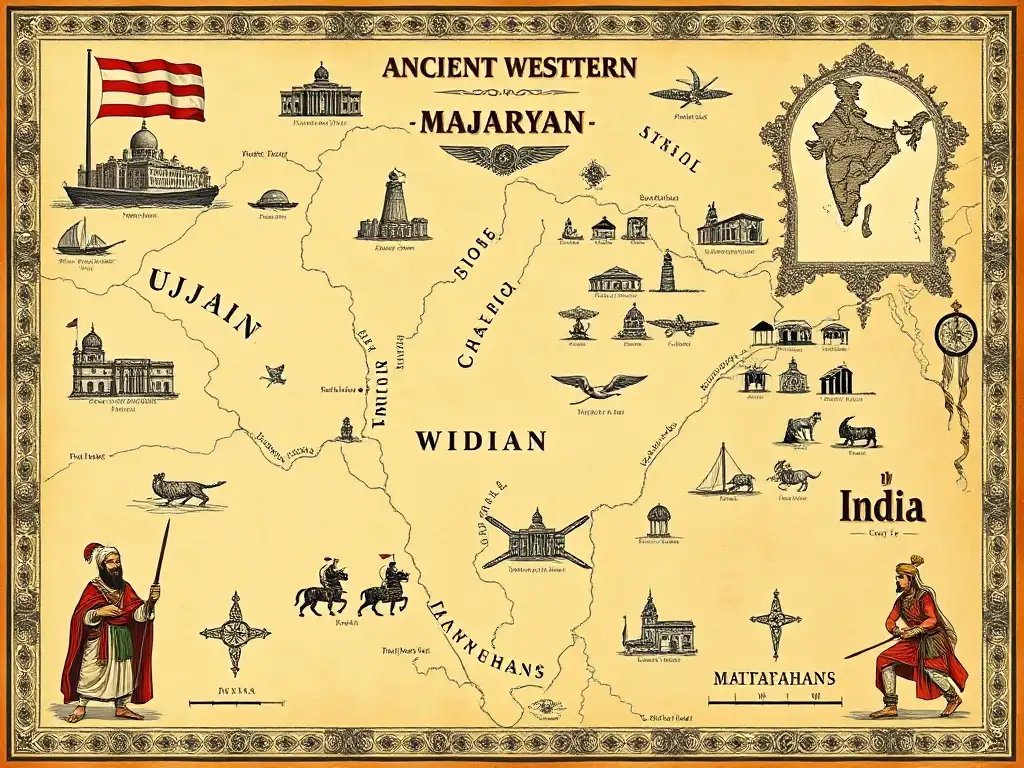
Factors Leading to the Decline of the Mauryan Empire
The decline of the Mauryan Empire, which flourished from approximately 322 to 185 BCE, can be attributed to a confluence of internal and external factors that ultimately fractured its unity and power.
- Economic Strain: The Mauryan Empire, despite its extensive reach, faced significant economic challenges toward its later years. Heavy taxation and the cost of maintaining a large military strained the empire's resources. The burden on the agrarian economy led to dissatisfaction among peasant classes, ultimately affecting agricultural productivity.
- Weak Successors: Following the reign of Ashoka, the Mauryan Empire was ruled by a succession of weaker emperors. Ashoka's successors lacked his vision and administrative capabilities, resulting in ineffective governance. The absence of strong leadership diminished central authority and led to localized power struggles.
- Regional Discontent: The vastness of the Mauryan Empire made it difficult to govern effectively. Various regional governors and local rulers began to exercise greater autonomy, often prioritizing their interests over those of the central authority. This growing discontent among regional powers eroded the empire's cohesion.
- External Invasions: The empire faced invasions from various external entities, including the Greco-Bactrians. These invasions not only threatened the territorial integrity of the Mauryan Empire but also exacerbated internal conflicts as local rulers sought to defend their regions independently.
- Religious Transformations: Ashoka’s promotion of Buddhism and his shift towards non-violence had mixed repercussions. While fostering a culture of peace, it also alienated certain groups who felt marginalized by the new religious policies. The decline in martial ethos among the elite contributed to weakening the military strength of the empire.
Rise of Regional Kingdoms in Western India
As the Mauryan Empire waned, Western India witnessed the emergence of several regional kingdoms that defined the political landscape for centuries to come. This period marked a significant transition from centralized imperial rule to localized governance, characterized by diverse cultures and power dynamics.
- Satavahanas: One of the prominent powers to rise in the post-Mauryan era was the Satavahana dynasty, which established its rule around the 1st century BCE. The Satavahanas, known for their patronage of Buddhism and trade, controlled vast territories in modern-day Maharashtra and Andhra Pradesh. Their coins and inscriptions provide invaluable insights into the socio-economic conditions of the time, highlighting a thriving trade network.
- Western Kshatrapas: Concurrently, the Western Kshatrapas emerged as a significant power in Western India, particularly in the regions of Gujarat and Maharashtra. They were instrumental in the continuation of trade routes and cultural exchange with the Western world. Their rule is noted for the influence of Greco-Roman culture, which was evident in the art and architecture of the region.
- Gupta Empire: By the 4th century CE, the Gupta Empire began to consolidate power in Northern India, eventually extending its influence into Western India. The Guptas are often referred to as the "Golden Age" of India due to their advancements in art, science, and literature. Their administration was marked by a decentralized approach that allowed regional governors to maintain a degree of autonomy while still aligning with centralized authority.
- Cultural Flourishing: The rise of regional kingdoms brought about a cultural renaissance in Western India. Local rulers became patrons of art and architecture, leading to the construction of notable monuments, temples, and educational institutions. This cultural growth was further propelled by the spread of Buddhism and Jainism, which flourished under the protection of these regional powers.
- Trade and Commerce: The regional kingdoms played a crucial role in revitalizing trade routes that connected Western India to other parts of Asia. The trade in textiles, spices, and precious stones thrived, facilitating economic growth and cultural exchange. Ports along the Western coast became bustling centers of commerce, attracting traders from distant lands.
The transition from Mauryan rule to the rise of regional powers in Western India marked a significant shift in the political and cultural landscape. The decline of centralized authority set the stage for a rich tapestry of regional dynasties, each contributing uniquely to the historical narrative of Western Indian dynasties history.
The Shunga and Kanva Dynasties: Continuity and Change
Overview of the Shunga Dynasty's Influence
The Shunga Dynasty, succeeding the Mauryan Empire around 185 BCE, played a pivotal role in shaping the cultural and political landscape of ancient India, particularly in Western India. Established by Pushyamitra Shunga, a former Mauryan general, the Shunga rule is marked by a resurgence of Brahmanical traditions and a notable decline in the influence of Buddhism, which had flourished under the Mauryas.
The Shungas are renowned for their contributions to art and architecture, which showcased an intricate blend of indigenous styles and influences from the Hellenistic world due to earlier interactions with the Greeks. They patronized the development of stupas, the most famous being the Sanchi Stupa, which stands as a testament to their architectural prowess. The Shunga period also saw the flourishing of literature, with significant works such as the Malavikagnimitram attributed to the playwright Kalidasa.
In terms of governance, the Shungas consolidated power in the western regions of India, asserting their authority over key trade routes and urban centers. They maintained a complex relationship with local rulers and tribal chieftains, often employing diplomatic marriages and strategic alliances to strengthen their position. This era was characterized by relative stability, which allowed for economic growth and cultural advancements that laid the groundwork for subsequent dynasties.
The Role of the Kanva Dynasty in Western Indian History
The Kanva Dynasty emerged as a successor to the Shunga Dynasty around 75 BCE, marking a significant transition in Western Indian history. Founded by Vasudeva Kanva, this dynasty is often perceived as a continuation of Shunga traditions but also introduced notable changes in administration and cultural practices.
While the Kanvas initially maintained the Shunga legacy, they were less influential in the realms of art and architecture. Instead, their reign is notable for the political fragmentation and the rise of regional powers. The Kanva Dynasty struggled to maintain control over the expansive territories inherited from the Shungas, facing challenges from emerging local rulers and rival dynasties.
Despite their relatively short reign, the Kanva period contributed to the ongoing evolution of Western Indian dynasties. They fostered trade relations with the western coastal regions, enhancing the economic landscape of Western India. The Kanvas also played a role in promoting the resurgence of Brahmanical traditions, although the ongoing competition with Buddhism persisted.
Both the Shunga and Kanva dynasties represent critical phases in the history of Western Indian dynasties, characterized by continuity in cultural practices and shifts in political dynamics. Their influence resonates through subsequent historical developments, setting the stage for the rise of more powerful entities like the Gupta Empire.
The Emergence of the Satavahana Dynasty
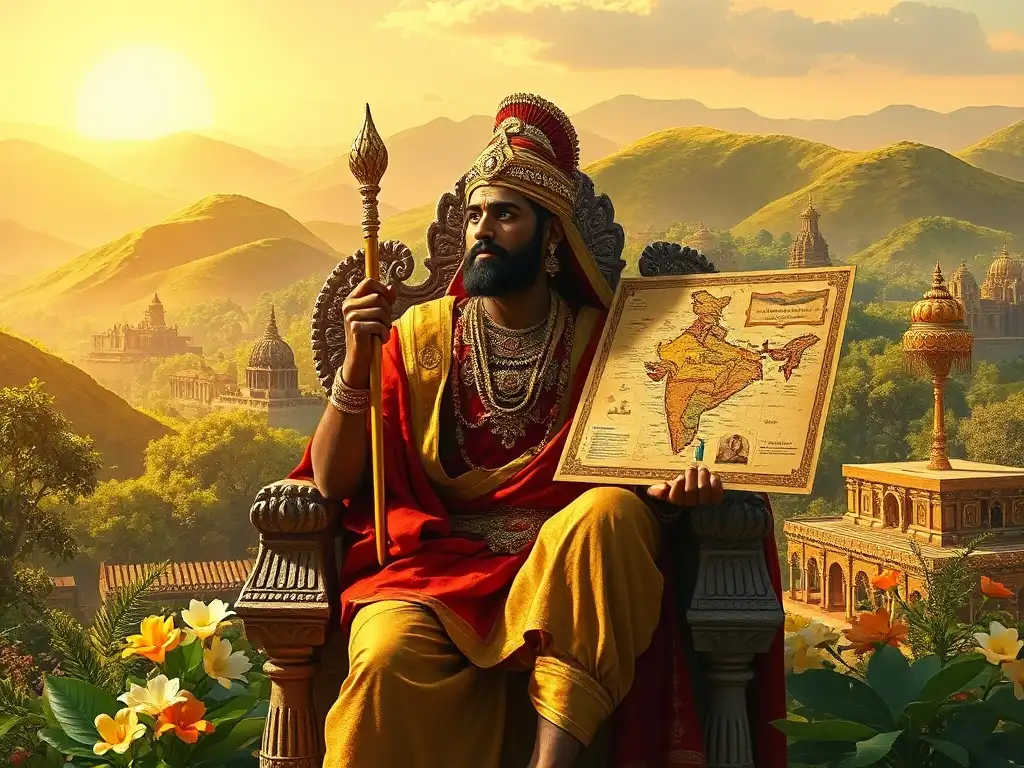
The Satavahana Dynasty, emerging around the 2nd century BCE, is a pivotal chapter in the history of Western Indian dynasties. This dynasty, with its capital at Pratishthana (modern-day Paithan), played a crucial role in shaping the cultural and political landscape of Western India. The Satavahanas are often recognized for their efforts in unifying various regions and communities, fostering trade, and nurturing advancements in art and architecture.
The Satavahana rule marked a transition from the fragmented regional powers of the early historical period to a more cohesive political structure that integrated diverse communities. Their influence extended over a significant part of Deccan, including modern Maharashtra, Telangana, and parts of Madhya Pradesh. The dynasty's rise was characterized by strategic alliances, military conquests, and effective administration that allowed them to flourish in a competitive environment.
Major Achievements of the Satavahana Empire
The Satavahana Empire is renowned for several achievements that contributed to its legacy in Western Indian dynasties history. Some of the most significant accomplishments include:
- Political Unification: The Satavahanas succeeded in unifying various tribal kingdoms and regions, creating a centralized political entity. This unification facilitated governance and allowed for the implementation of standardized systems of administration.
- Economic Prosperity: Under the Satavahana rule, trade flourished, both internally and with foreign regions. The empire benefitted from control over critical trade routes, including those connecting the west coast of India with the eastern regions. This economic prosperity was marked by the minting of coins, which facilitated trade and commerce.
- Cultural Patronage: The Satavahanas were notable patrons of art and culture, fostering Buddhist and Hindu traditions. They commissioned numerous stupas and rock-cut caves, such as the famous Ajanta and Ellora caves, which exhibit remarkable artistry and architectural ingenuity.
- Literary Contributions: The period saw significant literary advancements, with the emergence of Prakrit as a prominent language of literature. The Gatha Saptashati, a collection of 700 verses attributed to King Hala, reflects the richness of the cultural milieu of the time.
- Religious Tolerance: The Satavahanas practiced a policy of religious tolerance, supporting Buddhism, Jainism, and Hinduism. This inclusivity contributed to the flourishing of various religious practices and the establishment of significant religious sites.
Cultural Integration and Trade in Western India
The cultural landscape of Western India during the Satavahana period was characterized by a vibrant integration of diverse influences, largely due to their extensive trade networks. The following factors illustrate the cultural integration and trade dynamics of this era:
- Trade Networks: The Satavahana Empire was strategically positioned along major trade routes that connected the Indian subcontinent with the Mediterranean and the Middle East. These routes facilitated the exchange of goods such as spices, textiles, and precious stones, leading to economic interdependence.
- Cultural Exchange: The influx of traders and travelers from different regions contributed to a rich cultural tapestry. This exchange led to the assimilation of various customs, art forms, and ideologies, fostering a unique blend that characterized the region.
- Art and Architecture: The architectural innovations of the Satavahanas, particularly in rock-cut caves and stupas, reflected both indigenous styles and influences from external cultures. The intricate carvings and sculptures found in these sites are a testament to the artistic achievements of the time.
- Religious Syncretism: The coexistence of multiple religions enriched the cultural fabric of Western India. The Satavahanas supported various religious practices, which resulted in the establishment of important religious centers that attracted pilgrims and scholars.
- Socio-Political Structures: The integration of diverse communities under the Satavahana rule led to the development of more complex social hierarchies and political structures. This adaptability fostered a sense of unity among varied groups, contributing to the stability of the empire.
The Satavahana Dynasty played a crucial role in shaping the history of Western Indian dynasties through its achievements in politics, culture, trade, and religion. Their legacy continues to influence the region's historical narrative and identity.
The Gupta Empire: The Pinnacle of Western Indian Power
The Gupta Empire, which flourished from approximately 320 to 550 CE, is often regarded as the golden age of ancient India, particularly in the context of Western Indian dynasties history. This period marked significant advancements in various fields, including governance, culture, and intellectual pursuits. Under the Gupta rulers, Western India experienced a remarkable consolidation of power, leading to increased stability and prosperity.
The Gupta dynasty was established by Sri Gupta, but it was his successors, particularly Chandragupta I and his son Samudragupta, who expanded their influence across vast regions, including parts of modern-day Maharashtra and Gujarat. The strategic location of Western India facilitated trade and cultural exchanges, enhancing the empire's wealth and power.
Key Characteristics of Gupta Rule in Western India
The Gupta Empire exhibited several key characteristics that defined its rule in Western India:
-
Decentralized Administration:
The Gupta kings employed a unique approach to governance, allowing local rulers substantial autonomy while maintaining overarching control. This decentralized system fostered loyalty among regional chieftains, thereby ensuring stability and effective administration.
-
Religious Tolerance:
The Gupta period is notable for its religious pluralism. While Hinduism was the predominant faith, the empire was characterized by its acceptance of Buddhism and Jainism. This tolerant atmosphere encouraged cultural exchanges and the coexistence of diverse religious practices.
-
Economic Prosperity:
The Gupta Empire thrived on trade, agriculture, and craftsmanship. The agrarian economy flourished due to advancements in irrigation and farming techniques. Cities like Ujjain and Pataliputra became bustling trade hubs, facilitating commerce with regions as far as the Mediterranean and Southeast Asia.
-
Strong Military Presence:
The Guptas maintained a formidable military that not only defended their territories but also expanded their influence through strategic conquests. The army was well-organized, with a mix of infantry, cavalry, and war elephants, contributing to the empire's territorial integrity.
-
Cultural Patronage:
Gupta rulers were significant patrons of the arts and learning. They supported scholars, poets, and artists, leading to remarkable developments in literature and visual arts. This cultural patronage laid the foundation for the flourishing of Indian civilization.
Contributions to Art, Science, and Literature
The Gupta Empire is renowned for its profound contributions to art, science, and literature, marking a high point in Western Indian dynasties history:
-
Artistic Achievements:
Gupta art is famous for its distinctive style, characterized by grace and naturalism. The period saw the creation of exquisite sculptures, frescoes, and temple architecture. Notable examples include the intricate carvings at the Ajanta and Ellora caves, which depict Buddhist themes and narratives.
-
Scientific Advancements:
The Gupta era was a period of remarkable scientific inquiry. Notable figures such as Aryabhata made groundbreaking contributions in mathematics and astronomy, including the concept of zero and the calculation of the Earth's circumference. These innovations significantly influenced future generations.
-
Literary Flourishing:
The Gupta period produced some of India's greatest literary works. Kalidasa, one of the most celebrated poets and playwrights, composed timeless classics like "Shakuntala" and "Meghaduta". The period also saw the compilation of significant texts in various fields, contributing to the rich literary heritage of India.
-
Philosophical Developments:
This era was marked by a revival of Hindu philosophy and the consolidation of various schools of thought. The works of philosophers like Vatsyayana and their treatises on ethics and aesthetics enriched the intellectual landscape of the time.
The Gupta Empire stands as a testament to the cultural and intellectual vitality of Western India during ancient times. Its legacy in art, science, and literature continues to resonate, illustrating the profound impact of this remarkable period on the history of Western Indian dynasties.
Comparative Analysis: Mauryas vs. Guptas in Western Indian Dynasties History
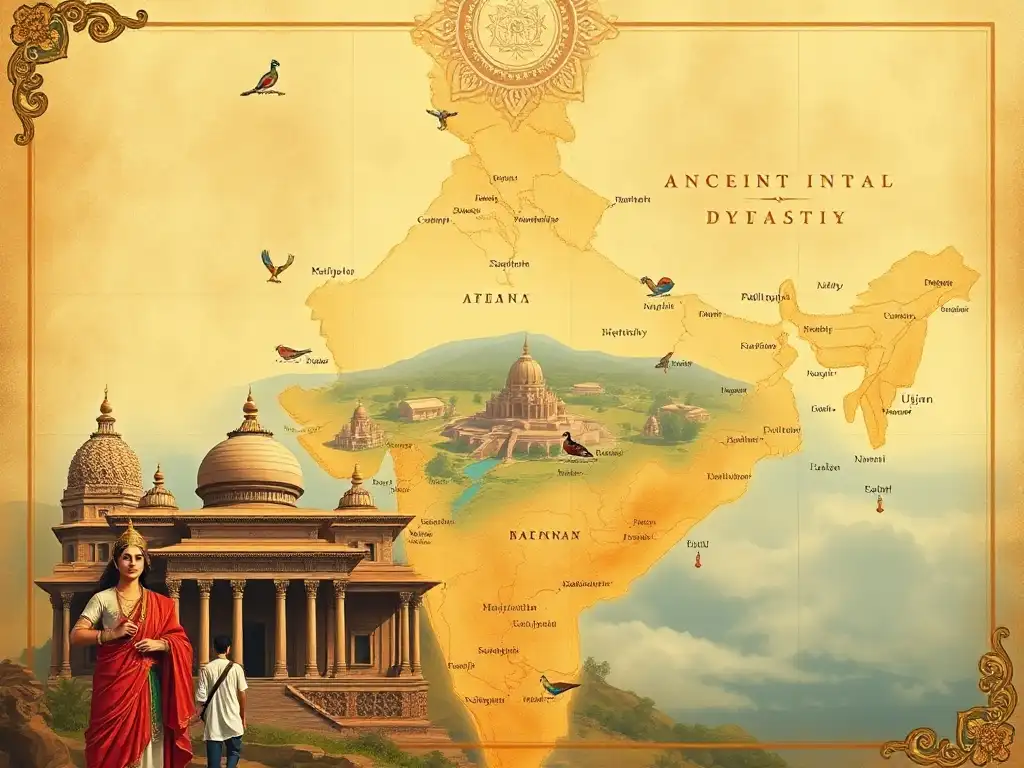
Political Strategies and Governance
The political landscape of Western India during the reigns of the Mauryas and the Guptas illustrates a fascinating evolution in governance and administrative strategies. The Mauryan Empire, founded by Chandragupta Maurya in the 4th century BCE, established a highly centralized system of governance. This structure was characterized by:
- Bureaucratic Efficiency: The Mauryas implemented a complex bureaucracy that included various levels of officials overseeing different regions. This enabled effective tax collection and administration.
- Royal Edicts: Emperor Ashoka, in particular, is noted for his use of inscriptions and edicts to communicate governance policies and moral guidelines across his empire, emphasizing the importance of dharma.
In contrast, the Gupta Empire, which flourished from around 320 to 550 CE, adopted a more decentralized approach. Key features of Gupta governance included:
- Regional Autonomy: The Guptas allowed a degree of autonomy to local rulers, which fostered loyalty and reduced the burden on central authority. This led to the emergence of regional powers that contributed to local governance.
- Increased Focus on Trade: The Gupta administration placed a significant emphasis on trade and commerce, which was facilitated by a network of roads and safe trade routes. This focus on economic prosperity helped legitimize their rule.
Both dynasties employed military power as a key strategy; however, the Mauryas relied on a strong standing army and conquests to expand their territory, while the Guptas often engaged in diplomatic marriages and alliances to secure their borders.
Cultural and Economic Contributions
Culturally, both the Mauryas and the Guptas made significant contributions that shaped the identity of Western India and the broader Indian subcontinent.
- Mauryan Contributions:
- Art and Architecture: The Mauryan period is renowned for its monumental architecture, including the construction of stupas, the most famous being the Sanchi Stupa. These structures not only served religious purposes but also showcased advanced engineering and artistic skills.
- Spread of Buddhism: Ashoka's promotion of Buddhism played a crucial role in its spread across Western India and beyond, influencing social norms and cultural practices.
- Gupta Contributions:
- Golden Age of Culture: The Gupta Empire is often referred to as the Golden Age of India, marked by remarkable achievements in arts, literature, and sciences. Notable figures such as Kalidasa in literature and Aryabhata in mathematics emerged during this period.
- Advancements in Trade: The Guptas enhanced trade networks that connected Western India with regions as far as Southeast Asia and the Mediterranean. This not only enriched their economy but also facilitated cultural exchange.
| Aspect | Mauryan Empire | Gupta Empire |
|---|---|---|
| Governance Style | Centralized | Decentralized |
| Major Religion | Buddhism | Hinduism |
| Cultural Achievements | Stupas, Edicts of Ashoka | Literature, Science |
| Economic Focus | Taxation and Redistribution | Trade and Commerce |
The contrasting political strategies and cultural contributions of the Mauryas and Guptas encapsulate the dynamic evolution of Western Indian dynasties. While both played pivotal roles in shaping the region's history, their approaches to governance and cultural patronage reflect the diverse and rich legacy of ancient Indian civilizations.
Conclusion: The Legacy of Western Indian Dynasties
The legacy of the Western Indian dynasties is a profound narrative woven into the tapestry of ancient Indian history. From the Mauryas to the Guptas, these dynasties not only shaped the political landscape of their time but also laid the foundations for cultural, economic, and social developments that echoed through the ages. Their influence can be traced in various domains, including governance, trade, art, and philosophy, creating a multifaceted legacy that continues to resonate in modern India.
Lasting Impact on Indian History and Culture
The Western Indian dynasties, particularly the Mauryas and Guptas, played crucial roles in the evolution of Indian civilization.
- Political Innovations: The Mauryan Empire, under the leadership of Chandragupta Maurya and later Ashoka, established a centralized and efficient administration that set a benchmark for subsequent rulers. Ashoka’s promotion of Buddhism and the use of edicts to communicate with his subjects exemplified a paradigm of governance that emphasized moral responsibility and social welfare.
- Cultural Flourishing: The Gupta Empire is often referred to as the "Golden Age" of India due to its remarkable achievements in science, literature, and the arts. This era saw the emergence of significant literary works, advancements in mathematics (such as the concept of zero), and the flourishing of classical dance and sculpture, influencing cultural practices that remain integral to Indian identity today.
- Trade and Economy: Western India was a hub for trade, connecting inland regions to maritime routes. The prosperity generated from trade facilitated the exchange of ideas, cultures, and goods, fostering a cosmopolitan environment that embraced diversity. The establishment of trade networks not only enriched local economies but also helped disseminate Indian culture abroad, influencing neighboring regions.
Reflections on the Evolution of Power in Western India
The evolution of power in Western India is a story marked by resilience and adaptability.
- Transition of Power: The transition from the Mauryan to the Gupta rule represents a significant shift in the political dynamics of the region. While the Mauryas focused on extensive territorial expansion and integration, the Guptas emphasized consolidation and cultural renaissance, reflecting a nuanced understanding of governance and statecraft.
- Cultural Syncretism: The interactions between various ethnic groups, religions, and cultures during these dynasties led to a unique blend of traditions and practices. The patronage of arts and philosophy by rulers encouraged the synthesis of diverse cultural elements, enriching the Indian heritage.
- Enduring Lessons: The legacy of these dynasties offers crucial lessons in leadership, governance, and cultural diplomacy. Their ability to adapt to changing circumstances, embrace innovation, and promote inclusivity has important implications for contemporary governance and societal cohesion.
The exploration of Western Indian dynasties history reveals a rich tapestry of power, culture, and resilience. The enduring impact of these dynasties continues to shape the historical narrative of India, highlighting the significance of their contributions to the broader spectrum of Indian civilization. As we reflect on their legacy, it becomes evident that the lessons learned from their evolution remain relevant in addressing modern challenges and aspirations.
Frequently Asked Questions
What were the major dynasties in Western Indian history?
The major dynasties included the Mauryas, Guptas, and later the Rashtrakutas and Chalukyas, each contributing significantly to the rich tapestry of Western Indian power.
How did the Mauryan Empire influence Western India?
The Mauryan Empire, under Ashoka, established a unified governance model, promoted Buddhism, and facilitated trade, laying the groundwork for subsequent Western Indian dynasties.
What cultural contributions came from Western Indian dynasties?
Western Indian dynasties were known for their art, architecture, and advancements in science and literature, significantly enriching Indian culture during their reigns.
How did the Gupta Empire impact Western India?
The Gupta Empire is often regarded as a golden age for India, marked by advancements in mathematics, astronomy, and literature, influencing the cultural landscape of Western India.
What role did trade play in the evolution of Western Indian power?
Trade was crucial, as it facilitated not only economic growth but also cultural exchanges, helping to establish Western India as a significant hub within ancient civilizations.
Final Reflection: The Enduring Legacy of Western Indian Dynasties
The evolution of power in Western India, from the Mauryas to the Guptas, reveals a profound narrative that is not only historical but also deeply relevant in today's context. As we navigate through modern complexities, understanding the dynamics of governance, culture, and societal change from these ancient dynasties offers invaluable lessons on resilience and adaptability. The rise and fall of these empires remind us that power is not static; it is a continuous journey shaped by the interplay of various forces.
The influence of these dynasties extends far beyond their time, shaping the cultural and social landscape of India and beyond. Their legacies can be seen in the rich tapestry of art, philosophy, and governance that continues to inspire contemporary society. As historian Romila Thapar once said, "> History is not just about the past; it is a living dialogue with the present." This dialogue encourages us to reflect on how the principles of leadership and community established by these dynasties can inform our current societal structures and personal lives.
As we conclude this exploration of Western Indian dynasties history, I invite you to reflect on the lessons of adaptability, cultural synthesis, and the importance of strong leadership. Consider how these ancient narratives resonate with your own experiences and the world around you. Let the stories of the Mauryas and Guptas inspire you to embrace change, foster community, and contribute positively to the evolving narrative of our society. Your engagement in this dialogue can help shape a future that honors the past while paving the way for new legacies.
Embrace the Legacy: Discover Your Place in History!
Thank you for taking the time to explore the fascinating evolution of power in Western India from the Mauryan to the Gupta empires! You've uncovered invaluable insights into a pivotal era that shaped the region’s culture and governance. Now, it’s time to harness that knowledge and make it part of your journey.
Here’s how you can dive deeper and engage with this rich history:
- Join a discussion: Connect with fellow history enthusiasts and share your thoughts on the lessons we can draw from the Mauryan and Gupta periods. Find or start a forum on our website to engage in meaningful conversations!
- Visit a local museum: Experience the artifacts and exhibits related to these great empires in person. Visualizing history can inspire a deeper appreciation!
- Explore further: Read more articles on our site to expand your knowledge. We offer a variety of free resources that delve into specific events or influential figures from this captivating timeline.
What aspect of the Mauryan or Gupta legacy resonates most with you, and how can it influence our modern understanding of governance and culture?