
The Influence of Yoga Sutras on Modern Philosophical Practices and Mindfulness

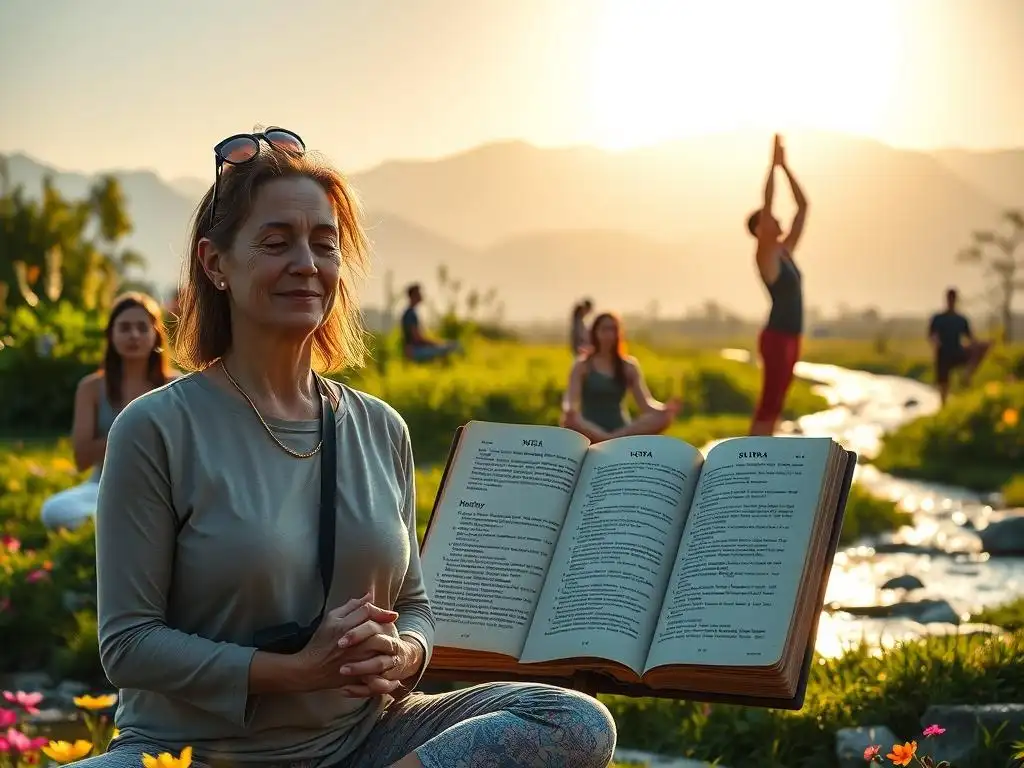
Welcome to Ancient India History, where we embark on a fascinating journey through the rich tapestry of ancient Indian civilizations. From the awe-inspiring Indus Valley to the intellectual heights of the Gupta Empire, our exploration reveals the profound contributions that shaped not only India but the world. In this article, we delve into the modern influence of the Yoga Sutras, uncovering how these timeless teachings have woven themselves into contemporary philosophical practices and mindfulness.
Prepare to be intrigued as we connect the wisdom of the past with the insights of today—discover how ancient principles are transforming modern thought and practice. Your adventure into the depths of history and philosophy begins now!
- Introduction to Yoga Sutras and Their Relevance Today
- Key Concepts of Yoga Sutras
- Yoga Sutras' Influence on Modern Philosophical Practices
- Mindfulness and the Yoga Sutras
- The Popularity of Yoga Sutras in Modern Culture
- Critiques and Misinterpretations of Yoga Sutras
- Conclusion: The Enduring Legacy of Yoga Sutras
- Frequently Asked Questions
- Final Reflection: Embracing the Timeless Wisdom of the Yoga Sutras
- Embrace Mindfulness: Transform Your Perspective Today!
Introduction to Yoga Sutras and Their Relevance Today
The Yoga Sutras, attributed to the ancient sage Patanjali, represent a foundational text in the philosophy of yoga, encapsulating the essence of spiritual practice and mental discipline. Composed around the 2nd century BCE, these aphorisms provide a comprehensive guide to achieving mental clarity, emotional stability, and spiritual enlightenment. As we delve into the intricate tapestry of ancient Indian philosophy, it becomes evident that the teachings of the Yoga Sutras have transcended time and geography, influencing not only spiritual practices but also contemporary philosophical discourse.
In today’s fast-paced world, where mindfulness and mental well-being have become paramount, the relevance of the Yoga Sutras is more pronounced than ever. This article explores how these ancient teachings continue to shape modern philosophical practices and mindfulness, shedding light on their enduring legacy.
Overview of Yoga Sutras
The Yoga Sutras consist of 196 short verses that outline the philosophy and practice of yoga. The text is divided into four main sections:
- Samadhi Pada: Focuses on the nature of consciousness and the state of yoga.
- Sadhana Pada: Discusses the practice of yoga, including various paths to spiritual growth.
- Vibhuti Pada: Explores the supernatural powers that can arise from deep meditation and spiritual practice.
- Kaivalya Pada: Addresses the ultimate goal of yoga—liberation and self-realization.
Each sutra encapsulates profound wisdom, often requiring careful interpretation and contemplation. The structure of the sutras promotes a systematic approach to understanding the mind and the universe, making it a critical text for both scholars and practitioners alike.
Importance of Yoga in Ancient Indian Philosophy
Yoga in ancient Indian philosophy is not merely a physical discipline but a holistic approach to life that encompasses ethical principles, mental practices, and spiritual insights. The Yoga Sutras emphasize concepts such as ahimsa (non-violence), sattva (purity), and dhyana (meditation), which are essential in cultivating a balanced and harmonious existence.
- Ethical Foundations: The moral precepts outlined in the Yoga Sutras serve as a guide for personal conduct and social responsibility.
- Mental Clarity: Through practices such as meditation and mindfulness, individuals can achieve greater self-awareness and emotional resilience.
- Spiritual Growth: The ultimate aim of yoga, as delineated in the sutras, is moksha (liberation), a state of freedom from the cycles of birth and rebirth.
These principles have not only enriched the spiritual landscape of ancient India but have also permeated various aspects of modern philosophical thought.
Modern Context of Yoga Sutras Influence
In contemporary society, the influence of Yoga Sutras can be observed in various fields, including psychology, wellness, and even corporate leadership. The integration of mindfulness practices in therapeutic settings highlights the relevance of ancient wisdom in addressing modern-day challenges.
- Mindfulness Practices: Concepts from the Yoga Sutras, such as samyama (the mastery of concentration, meditation, and contemplation), have been adapted into mindfulness-based stress reduction programs, promoting mental health and emotional well-being.
- Philosophical Discourse: Scholars and practitioners draw upon the sutras to explore topics related to consciousness, ethics, and the nature of reality, enriching modern philosophical debates.
- Cultural Relevance: The global rise of yoga as a practice reflects a growing recognition of its benefits, emphasizing the timeless nature of the teachings found in the Yoga Sutras.
As we continue to explore the modern influence of Yoga Sutras, it becomes clear that these ancient teachings hold significant value for individuals seeking deeper understanding and fulfillment in their lives.
Key Concepts of Yoga Sutras

The Yoga Sutras, composed by the sage Patanjali around the 2nd century BCE, serve as a foundational text for understanding the philosophy of yoga. They encapsulate a blend of metaphysical ideas and practical techniques aimed at achieving spiritual insight and liberation. This ancient text has significantly influenced modern philosophical practices and mindfulness techniques, which draw upon its teachings to foster well-being, self-awareness, and ethical living.
The Eight Limbs of Yoga (Ashtanga)
The concept of Ashtanga, or the Eight Limbs of Yoga, outlines a comprehensive path for personal development and spiritual growth. Each limb serves as a guideline to cultivate a balanced and fulfilling life. Here’s a breakdown of these eight components:
- Yama: Ethical standards and moral values.
- Ahimsa: Non-violence
- Satya: Truthfulness
- Asteya: Non-stealing
- Brahmacharya: Celibacy or moderation
- Aparigraha: Non-possessiveness
- Niyama: Observances and personal disciplines.
- Saucha: Purity
- Santosha: Contentment
- Tapas: Self-discipline
- Svadhyaya: Self-study
- Ishvara Pranidhana: Surrender to a higher power
- Asana: Physical postures that prepare the body for meditation.
- Pranayama: Breath control, enhancing the flow of prana (life energy).
- Pratyahara: Withdrawal of the senses, turning inward to focus on the self.
- Dharana: Concentration, the practice of focusing the mind.
- Dhyana: Meditation, the act of sustained contemplation.
- Samadhi: A state of blissful union with the object of meditation, representing the ultimate goal of yoga.
These eight limbs not only provide a structured approach to personal development but also influence modern practices of mindfulness by emphasizing a holistic integration of ethical living, physical health, and mental focus.
The Role of Meditation and Mindfulness
Meditation, a central aspect of the Yoga Sutras, is crucial for cultivating mindfulness and achieving a state of inner peace. The practice encourages individuals to observe their thoughts and emotions without judgment, fostering a deeper understanding of the self.
Key Elements of Meditation in Yoga Sutras:
- Dharana and Dhyana: These two limbs specifically highlight the process of concentration and meditation.
- Dharana involves focusing the mind on a single point, such as the breath or a mantra.
- Dhyana expands this focus into a deeper state of meditation, where the practitioner becomes absorbed in the meditative state.
- Mindfulness in Daily Life: Modern interpretations of mindfulness often draw on the principles found in the Yoga Sutras. This involves being present in the moment and fully engaging with one's experiences, emotions, and surroundings.
- Scientific Research: Studies have shown that meditation practices derived from the Yoga Sutras can reduce stress, enhance emotional regulation, and improve overall mental health.
By integrating these meditation techniques into modern life, individuals can cultivate greater awareness and emotional resilience, aligning with the fundamental teachings of Patanjali.
Ethical Foundations: Yamas and Niyamas
The ethical foundations of the Yoga Sutras, encapsulated in the Yamas and Niyamas, are crucial for fostering a mindful and harmonious existence. These principles guide individuals in their interactions with others and themselves, promoting a balanced lifestyle.
Importance of Yamas and Niyamas:
- Yamas: These five ethical precepts encourage respectful and compassionate behavior towards others. Practicing Ahimsa, for example, not only fosters a non-violent mindset but also encourages a lifestyle of kindness that enhances social harmony.
- Niyamas: These observances promote self-discipline and personal growth. For instance, practicing Svadhyaya (self-study) encourages individuals to engage in reflective practices, leading to greater self-awareness and understanding of personal values.
- Modern Application: The principles of Yamas and Niyamas are increasingly relevant in modern contexts, including workplaces and community settings. They promote ethical behavior, emotional intelligence, and a sense of responsibility towards oneself and society.
The ethical foundations outlined in the Yoga Sutras serve as guiding principles that not only influence individual behavior but also contribute to a more mindful and compassionate society. By integrating these teachings into daily life, individuals can foster a deeper connection with themselves and the world around them, ultimately enhancing their overall well-being.
Yoga Sutras' Influence on Modern Philosophical Practices
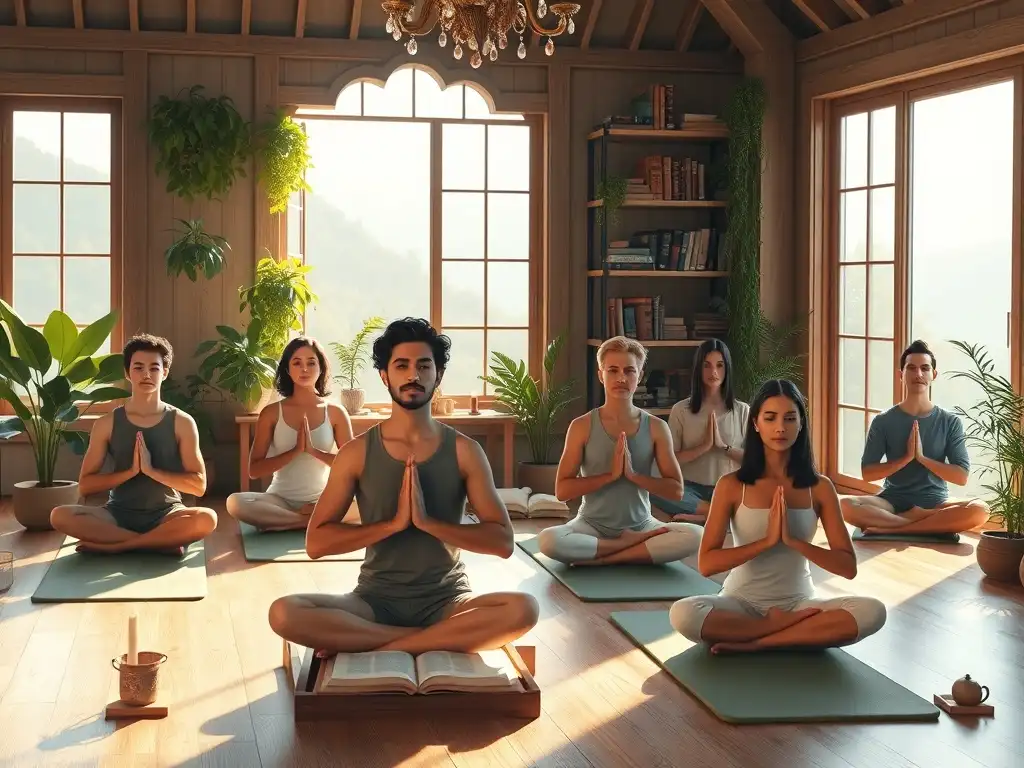
Integration of Yoga Sutras in Contemporary Philosophy
The Yoga Sutras of Patanjali, composed around 400 CE, have become a cornerstone in both spiritual and philosophical discourse. Their influence extends beyond traditional yogic practices, permeating contemporary philosophical thought. The core concepts of the Sutras, such as ashtanga (eight limbs of yoga), provide a framework for understanding the mind, body, and spirit connection, which is essential in modern holistic approaches to well-being.
- Mindfulness and Consciousness: Modern practices often emphasize mindfulness, a concept rooted in the Sutras' teachings on awareness and self-regulation. The Sutras detail techniques for achieving dharana (concentration) and dhyana (meditative absorption), which align closely with current mindfulness methodologies used in therapeutic settings.
- Ethical Living: The first two limbs of the eightfold path— yama (ethical restraints) and niyama (observances)—have seen particular resonance in contemporary ethical discussions. Philosophers and practitioners alike reference these principles to advocate for a balanced lifestyle, fostering personal growth while promoting societal harmony.
- Psychological Insights: The Sutras provide insights into the nature of the mind, emphasizing the importance of overcoming kleshas (afflictions) such as ignorance and attachment. This psychological perspective has influenced modern cognitive behavioral therapies (CBT) and other psychological frameworks that aim to address mental health through understanding and reconditioning thought patterns.
Comparative Analysis: Eastern vs. Western Philosophical Traditions
The Yoga Sutras present a unique perspective when compared to Western philosophical traditions. While Western philosophy often emphasizes rationalism and empirical evidence, the Sutras advocate for experiential knowledge and inner exploration.
| Aspect | Eastern Philosophy (Yoga Sutras) | Western Philosophy |
|---|---|---|
| Knowledge Source | Introspection and meditation | Rational analysis and observation |
| Nature of Reality | Interconnectedness and unity | Dualism and separation |
| Goals | Liberation ( moksha) | Knowledge, truth, and ethical living |
| Methods | Meditation and self-discipline | Logic and debate |
This comparative analysis reveals how the Yoga Sutras encourage a holistic understanding of existence, which contrasts sharply with the often compartmentalized approach of Western thought. For instance, while Western philosophies may prioritize the mind over the body, the Yoga Sutras emphasize the synergy between the two, advocating for a balanced approach to knowledge and existence.
Influence on Modern Ethical Frameworks
The ethical tenets grounded in the Yoga Sutras have significantly impacted modern ethical frameworks. The yama and niyama provide a comprehensive guideline for ethical behavior that resonates with contemporary moral philosophy.
- Compassion and Non-Violence: The principle of ahimsa (non-violence) remains a central tenet in various ethical discussions today, from animal rights to conflict resolution. This principle encourages individuals to cultivate compassion, which is vital in an increasingly interconnected world.
- Truthfulness: The concept of satya (truthfulness) in the Sutras echoes in modern discussions about integrity and authenticity in both personal and professional realms. This emphasis on truth informs many ethical frameworks, advocating for transparency and honesty.
- Self-Discipline: The ethical implications of brahmacharya (self-control) and aparigraha (non-possessiveness) challenge individuals to rethink consumerism and personal conduct, fostering a sense of responsibility towards oneself and society.
The Yoga Sutras have not only contributed to ancient Indian philosophy but have also laid the groundwork for modern philosophical practices and ethical frameworks, reflecting their enduring relevance in contemporary discourse.
Mindfulness and the Yoga Sutras

Definition of Mindfulness in Ancient Texts
Mindfulness, as a concept, does not have a direct equivalent in ancient Indian texts, but its essence can be traced through various philosophies, particularly within the Yoga Sutras. The term "mindfulness" is often associated with being fully present and aware, without judgment. In the Yoga Sutras, particularly in Sutra 1.2, it states:
Yoga is the cessation of the fluctuations of the mind.
This foundational idea suggests that mindfulness involves quieting the mind and focusing on the present moment. The practice of Dharana (concentration) and Dhyana (meditation) from the Yoga Sutras emphasizes sustained attention and awareness, serving as precursors to modern interpretations of mindfulness. Additionally, concepts found in the Bhagavad Gita and Upanishads elaborate on the importance of self-awareness and introspection, highlighting how individuals can achieve a state of mental clarity and peace.
How Yoga Sutras Inform Mindfulness Practices Today
The influence of the Yoga Sutras on contemporary mindfulness practices is profound and multifaceted. The Sutras provide a systematic approach to mental discipline and emotional regulation, which are cornerstones of modern mindfulness techniques. Here are some key ways the Yoga Sutras inform these practices:
- Eight Limbs of Yoga:
- The Ashtanga Yoga system outlines an eightfold path that includes ethical guidelines (Yamas and Niyamas), physical postures (Asanas), breath control (Pranayama), sensory withdrawal (Pratyahara), concentration (Dharana), meditation (Dhyana), and ultimately, enlightenment (Samadhi). This holistic framework encourages practitioners to cultivate mindfulness in various aspects of life.
- Cultivation of Awareness:
- The emphasis on Pratyahara teaches the importance of withdrawing from distractions and tuning into one’s inner self. This principle is instrumental in modern mindfulness practices, where individuals learn to observe their thoughts and feelings non-judgmentally.
- Regular Practice:
- The Sutras advocate for regularity in practice, stating that consistency leads to mastery. This principle is mirrored in contemporary mindfulness programs that encourage daily meditation and reflection.
- Non-Attachment:
- Sutra 1.15 discusses the concept of non-attachment (Vairagya), which is critical in mindfulness practices. By letting go of judgments and expectations, individuals can experience a more profound sense of presence and acceptance.
Case Studies: Mindfulness Programs Inspired by Yoga Sutras
Several modern mindfulness programs have been explicitly inspired by the Yoga Sutras, demonstrating their relevance in today’s world. Here are a few notable examples:
- Mindfulness-Based Stress Reduction (MBSR):
- Developed by Dr. Jon Kabat-Zinn, MBSR incorporates mindfulness meditation practices that resonate with the principles found in the Yoga Sutras. The program focuses on cultivating awareness and acceptance, paralleling the Sutras' teachings on mental discipline and emotional regulation.
- Yoga Therapy Programs:
- Many contemporary yoga therapy programs integrate the Yoga Sutras into their curriculum, emphasizing mindfulness as a therapeutic tool. These programs often highlight the Sutras’ teachings on self-awareness and mental clarity, benefiting individuals dealing with stress, anxiety, and other mental health issues.
- Corporate Mindfulness Initiatives:
- Organizations are increasingly adopting mindfulness practices to enhance employee well-being and productivity. These initiatives often reference the Yoga Sutras when discussing the importance of reducing distractions and fostering a focused work environment.
- Educational Mindfulness Curricula:
- Schools are beginning to implement mindfulness programs based on the Yoga Sutras to help students develop emotional intelligence and coping skills. These curricula often emphasize the Sutras' teachings on awareness and presence in daily life.
The Yoga Sutras not only provide a philosophical foundation for mindfulness but also offer practical tools that continue to shape modern practices. Their enduring influence is evident in various mindfulness programs, demonstrating the timeless relevance of ancient wisdom in addressing contemporary challenges.
The Popularity of Yoga Sutras in Modern Culture

Yoga Sutras in Wellness and Health Movements
The Yoga Sutras, penned by the sage Patanjali around 400 CE, have significantly influenced modern wellness and health movements. In today’s fast-paced world, individuals seek holistic approaches to health that encompass both physical and mental well-being. The principles found in the Yoga Sutras offer a roadmap for achieving this balance.
- Mind-Body Connection: The Yoga Sutras emphasize the unity of mind and body, advocating for practices that nurture both. This holistic view has inspired various wellness programs that incorporate yoga as a means of enhancing physical fitness while also promoting mental clarity and emotional stability. For instance, programs often blend traditional yoga postures (asanas) with mindfulness techniques derived from the Sutras, fostering a comprehensive approach to health.
- Stress Reduction: The teachings of the Yoga Sutras address the importance of calming the mind, which resonates with contemporary efforts to combat stress. Techniques such as pranayama (breath control) and meditation, rooted in the Sutras, are widely adopted in stress management programs, demonstrating their practical application in modern health practices.
- Lifestyle Integration: The Sutras advocate for a lifestyle that includes ethical living, self-discipline, and devotion, which aligns with the modern shift towards holistic health. Many wellness movements encourage individuals to adopt these principles, promoting healthier lifestyles that emphasize mindfulness, ethical consumption, and community engagement.
Yoga Sutras in Psychotherapy and Self-Help
The integration of the Yoga Sutras into psychotherapy and self-help practices highlights their profound impact on modern mental health strategies. Their teachings provide valuable insights that can be applied in therapeutic contexts:
- Cognitive Restructuring: The Sutras emphasize the importance of understanding and transforming thoughts. Modern cognitive-behavioral therapies (CBT) echo this sentiment by encouraging individuals to recognize and modify negative thought patterns, similar to the Sutras' guidance on achieving mental clarity.
- Mindfulness and Presence: Concepts such as dhyana (meditation) and samadhi (state of meditative absorption) are foundational in the Sutras and have been embraced by contemporary mindfulness practices. Therapists often incorporate mindfulness techniques, derived from the Sutras, to help clients remain present and engaged, enhancing emotional resilience.
- Self-Reflection and Growth: The Sutras promote self-awareness and personal growth, which resonate with self-help methodologies. Many self-help books and workshops draw upon the philosophical insights of the Sutras, encouraging individuals to engage in practices that foster introspection and self-discovery.
The Rise of Yoga Studios and Online Platforms
The proliferation of yoga studios and online platforms has played a pivotal role in disseminating the teachings of the Yoga Sutras to a global audience.
- Community Engagement: Local yoga studios often serve as community hubs where individuals come together to practice and explore the philosophical dimensions of yoga. Classes frequently incorporate discussions on the Yoga Sutras, fostering a deeper understanding of their relevance in contemporary life.
- Digital Accessibility: The rise of online platforms has made the teachings of the Yoga Sutras accessible to anyone, anywhere. Virtual classes, workshops, and seminars allow enthusiasts to engage with these ancient texts and practices at their convenience, expanding their reach and impact.
- Integration into Modern Curricula: Many yoga instructors and wellness coaches now integrate the Yoga Sutras into their teaching frameworks, highlighting their modern influence. This integration not only educates practitioners about the philosophical underpinnings of yoga but also emphasizes its relevance in fostering well-being in today’s society.
Overall, the Yoga Sutras continue to shape modern philosophical practices and mindfulness, demonstrating their enduring legacy in the realm of health, psychotherapy, and community engagement.
Critiques and Misinterpretations of Yoga Sutras

The Yoga Sutras of Patanjali, an ancient text foundational to yoga philosophy, have undergone numerous interpretations and critiques throughout history. While they provide profound insights into the nature of consciousness, ethics, and the mind, their application in modern contexts often leads to misinterpretations. These critiques are essential to understanding how the Yoga Sutras maintain relevance in contemporary philosophical practices and mindfulness disciplines.
Common Misconceptions about Yoga Sutras
One prevalent misconception about the Yoga Sutras is that they solely focus on physical postures (asanas). While asanas are mentioned, the Sutras primarily address the mind's nature, meditation, and ethical living. This narrow interpretation can diminish the text's holistic approach to yoga, which encompasses mental, emotional, and spiritual dimensions.
Another common misunderstanding is that the Yoga Sutras promote a rigid or dogmatic approach to spirituality. In reality, Patanjali emphasizes a personal journey towards enlightenment, encouraging practitioners to adapt the teachings to their unique experiences and contexts. This flexibility is crucial in modern interpretations where individual practices may vary significantly.
Moreover, some critics argue that the Yoga Sutras are outdated or irrelevant to contemporary life. However, many principles outlined in the Sutras, such as mindfulness, self-discipline, and ethical conduct, resonate deeply with modern philosophical practices. For instance, the concept of "ahimsa" (non-violence) is increasingly recognized as vital in discussions around social justice, mental health, and personal relationships today.
The Challenge of Cultural Appropriation in Modern Practices
As yoga has gained popularity in the West, the challenge of cultural appropriation has emerged. Many modern adaptations of the Yoga Sutras strip the teachings of their cultural and historical contexts, leading to a diluted understanding of their significance. This raises ethical questions about who has the right to teach and practice these ancient philosophies.
Cultural appropriation often manifests when elements of the Yoga Sutras are commercialized without acknowledgment of their roots. For example, yoga studios may market classes that tout "authentic" yoga experiences while ignoring the deeper philosophical frameworks that inform these practices. This disconnect can foster a superficial engagement with the teachings, potentially alienating the rich heritage from which they arise.
Critics argue that such practices can perpetuate stereotypes and misunderstandings about Indian culture and spirituality. Thus, there is a growing call for practitioners and teachers to engage more respectfully with the origins of the Yoga Sutras, embracing a more informed and culturally sensitive approach to their study and application.
Balancing Tradition with Modern Adaptations
To honor the Yoga Sutras while adapting them for modern audiences, a balance must be struck between tradition and contemporary practice. This includes recognizing the historical context of the Sutras and integrating their teachings into modern frameworks of psychology, mindfulness, and personal development.
One effective way to achieve this balance is by fostering dialogue between traditional practitioners and modern scholars. Such discussions can illuminate how ancient wisdom can inform current philosophical practices without losing its essence. For instance, the Sutras' teachings on mindfulness can be aligned with modern psychological practices, thereby enhancing both fields.
Additionally, educators and practitioners can emphasize a "back to the roots" approach, encouraging students to explore the philosophical underpinnings of yoga rather than merely its physical aspects. This may involve incorporating discussions on ethics (yamas and niyamas), meditation techniques, and the nature of consciousness, allowing students to appreciate the depth of the Yoga Sutras.
While the Yoga Sutras face critiques and misinterpretations in modern contexts, they remain a vital source of wisdom. By addressing common misconceptions, navigating cultural sensitivities, and balancing tradition with modern adaptations, practitioners can ensure that these ancient teachings continue to inspire and guide future generations in their philosophical and mindfulness pursuits.
Conclusion: The Enduring Legacy of Yoga Sutras
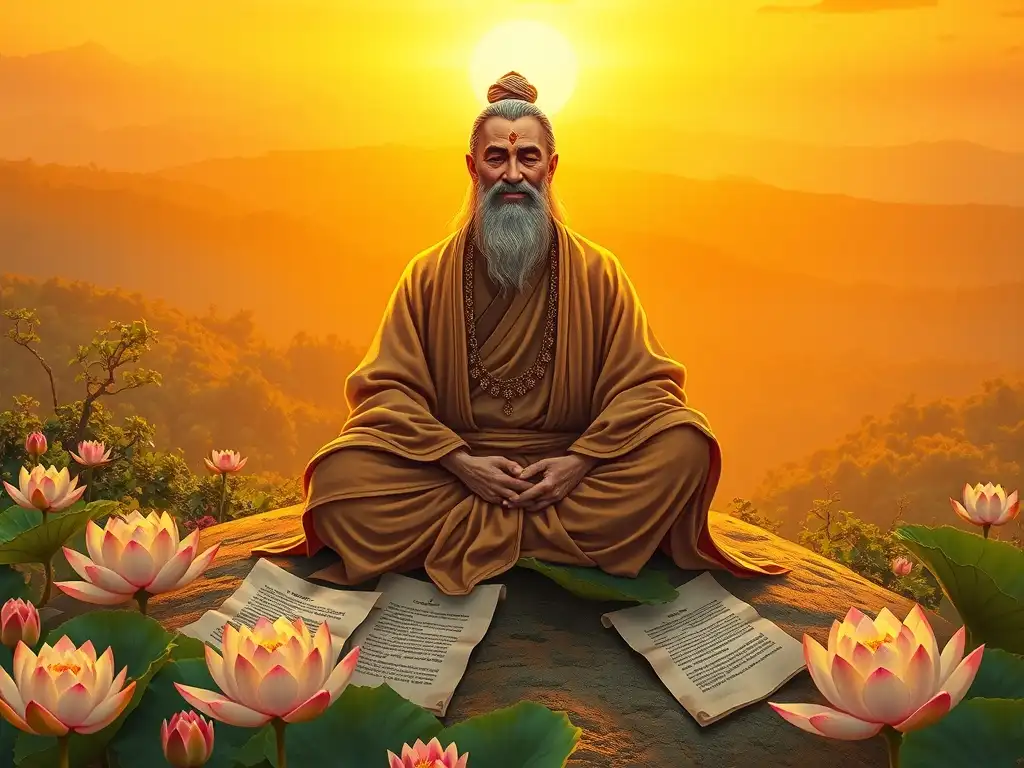
Summary of Yoga Sutras' Modern Influence
The Yoga Sutras of Patanjali, an ancient text composed around the 2nd century BCE, have transcended time and cultural boundaries, exerting a profound influence on modern philosophical practices and mindfulness. At their core, the Yoga Sutras provide a comprehensive framework for understanding the mind, consciousness, and the path to enlightenment through eightfold yoga (Ashtanga Yoga). This structure has shaped contemporary practices in various disciplines, including psychotherapy, personal development, and wellness.
- Mindfulness Practices:
- The principles outlined in the Yoga Sutras have significantly contributed to the rise of mindfulness practices in the West. Techniques such as meditation, breath control (pranayama), and ethical living (yamas and niyamas) are now integrated into therapeutic settings to improve mental health and emotional resilience.
- Research has shown that these practices can reduce stress, anxiety, and depression, echoing the Sutras' emphasis on mental clarity and emotional stability.
- Philosophical Integration:
- Modern philosophers and psychologists have drawn upon the concepts within the Sutras to explore the nature of self and consciousness. The Sutras' exploration of the mind and its fluctuations (vrittis) has inspired contemporary discussions on cognitive science and consciousness studies.
- Notably, the Sutras advocate for a disciplined approach to mental inquiry, which resonates strongly with modern philosophical methodologies.
- Holistic Wellness:
- The holistic approach to health and wellness, championed by the Yoga Sutras, has influenced various lifestyle practices today. The integration of physical, mental, and spiritual well-being is now a cornerstone of many wellness programs and holistic health practices.
Future Directions for Yoga Studies and Mindfulness Practices
As the interest in the Yoga Sutras continues to grow in contemporary society, several future directions can be anticipated in the fields of yoga studies and mindfulness practices:
- Interdisciplinary Research:
- Future studies are likely to adopt an interdisciplinary approach, merging insights from philosophy, psychology, neuroscience, and cultural studies. This could lead to a deeper understanding of how ancient philosophies can inform modern therapeutic practices.
- Globalization of Yoga:
- The globalization of yoga has resulted in diverse interpretations and adaptations of the Yoga Sutras. Future research may focus on how these adaptations can be balanced with traditional teachings to preserve the integrity of the original text while remaining relevant in contemporary contexts.
- Technological Integration:
- With the rise of technology, digital platforms and applications for mindfulness and yoga practices are becoming prevalent. Exploring how these technologies can incorporate the principles of the Yoga Sutras will be crucial in making ancient wisdom accessible to modern practitioners.
Final Thoughts on the Ongoing Relevance of Ancient Philosophies
The Yoga Sutras serve as a testament to the timeless nature of ancient philosophies and their adaptability to modern life. As we continue to navigate the complexities of contemporary existence, the Sutras offer profound insights into the nature of the mind, the importance of ethical living, and the pursuit of inner peace.
The modern influence of the Yoga Sutras extends beyond mere physical practice; it invites individuals to engage deeply with their mental and emotional landscapes. By fostering a holistic understanding of self and cultivating mindfulness, the teachings of Patanjali remain not only relevant but essential in fostering a balanced and meaningful life. In essence, the Yoga Sutras illuminate a pathway that can lead to enduring peace and enlightenment, echoing through the ages and into our modern world.
Frequently Asked Questions
What are the Yoga Sutras?
The Yoga Sutras are a collection of aphorisms written by Patanjali that outline the philosophy and practice of yoga, emphasizing the importance of mindfulness and meditation.
How do the Yoga Sutras influence modern practices?
The Yoga Sutras provide a foundational framework for many modern philosophical practices and mindfulness techniques, promoting self-awareness and mental clarity.
What is the significance of mindfulness in the context of the Yoga Sutras?
Mindfulness, as taught in the Yoga Sutras, encourages practitioners to cultivate present-moment awareness, which is essential for achieving inner peace and personal growth.
Can the teachings of the Yoga Sutras be applied in daily life?
Yes, the Yoga Sutras offer practical insights that can be integrated into daily routines to enhance mental well-being, reduce stress, and improve focus.
What are some key concepts from the Yoga Sutras that influence modern philosophy?
Key concepts such as non-attachment, self-discipline, and the eight limbs of yoga serve as guiding principles that influence modern philosophical thought and encourage a holistic approach to well-being.
Final Reflection: Embracing the Timeless Wisdom of the Yoga Sutras
The teachings of the Yoga Sutras resonate profoundly in today's world, reminding us that the pursuit of mindfulness and philosophical understanding is not merely a trend but a vital aspect of human existence. In an age marked by rapid change and constant distraction, the principles outlined in the Yoga Sutras offer a grounding force that encourages us to reconnect with our inner selves and cultivate a deeper awareness of our thoughts and actions. This ancient wisdom is more relevant than ever, serving as a beacon for those seeking clarity and purpose in their lives.
The influence of the Yoga Sutras extends far beyond the realm of yoga practitioners; it permeates various aspects of modern culture, from psychology to leadership development. The Sutras invite us to explore the interconnectedness of mind, body, and spirit, fostering a holistic approach to well-being that resonates with many contemporary philosophies. As we navigate the complexities of modern life, we can draw inspiration from the words of Patanjali, who reminds us, Yoga is the journey of the self, through the self, to the self.
This enduring message encourages us to look inward and embrace our unique paths toward self-discovery and fulfillment.
As we reflect on the teachings of the Yoga Sutras, let us commit to integrating their wisdom into our daily lives. Consider how you can cultivate mindfulness and philosophical inquiry in your own journey. Whether through meditation, self-study, or simply pausing to breathe amidst the chaos, each small step can lead to profound transformation. Embrace this opportunity to deepen your understanding of yourself and the world around you, and carry forward the timeless lessons of the Yoga Sutras as you navigate your own path toward enlightenment and peace.
Embrace Mindfulness: Transform Your Perspective Today!
Thank you for exploring the profound influence of the Yoga Sutras on modern philosophical practices and mindfulness with us! We hope you gained valuable insights that inspire you to deepen your understanding and personal practice. Now, it’s time to take those insights and put them into action!
Here are a few ways to get started on your journey of mindfulness and philosophical exploration:
- Begin a Daily Meditation Practice: Dedicate just 10 minutes each day to reflect on a specific Sutra that resonates with you. This simple habit can elevate your mindfulness and enrich your life.
- Join a Local Yoga or Philosophy Group: Connect with individuals who share your interests and engage in discussions that deepen your comprehension and application of these ancient teachings.
- Share Your Learning: Consider starting a blog or creating social media posts to detail your experiences and insights. Sharing knowledge not only reinforces your understanding but also inspires others on their journey.
As you contemplate these actions, here’s a question to ponder: How do you envision the principles of the Yoga Sutras influencing your daily life and choices? We’d love to hear your thoughts!