
From Clay Tablets to Stone Pillars: The Evolution of Writing in Ancient India

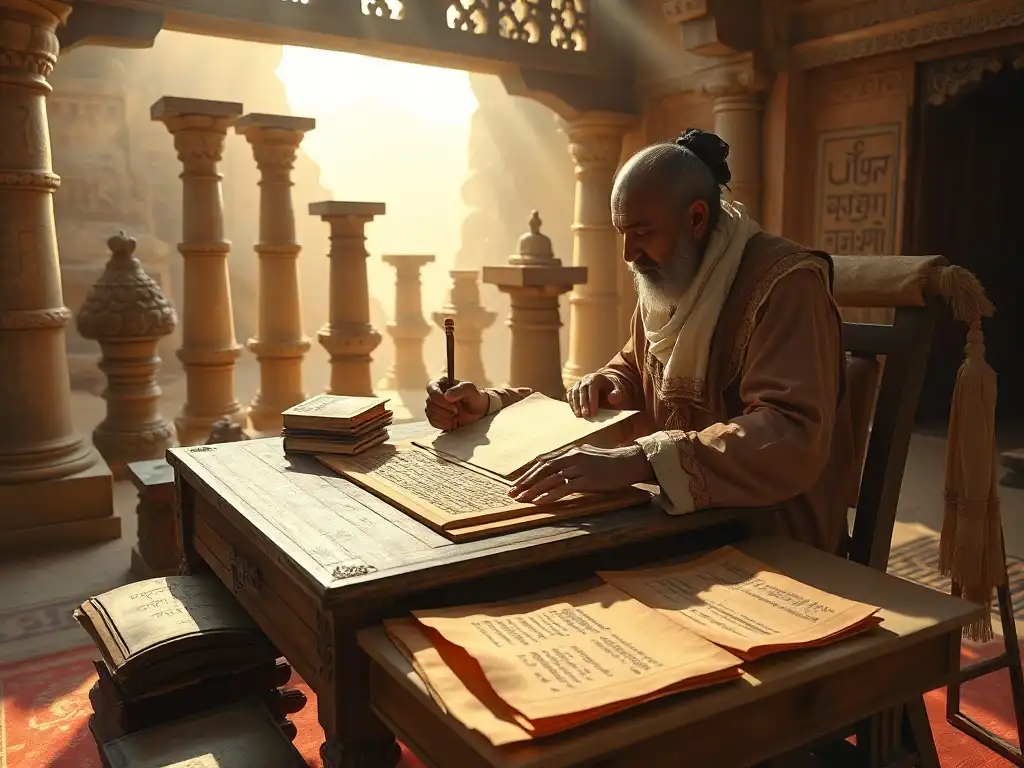
Welcome to Ancient India History, where we invite you to journey through the tapestry of time and uncover the remarkable legacy of ancient Indian civilizations. In our featured article, "From Clay Tablets to Stone Pillars: The Evolution of Writing in Ancient India," we delve into the fascinating transformation of writing in this vibrant culture. Discover how the scripts evolved, reflecting not just communication, but the very essence of a civilization that thrived for centuries.
Are you ready to unlock the secrets of India’s linguistic heritage? Continue exploring to see how these ancient forms of expression shaped the world we know today!
- Introduction to the Evolution of Writing in India
- The Origins of Writing in Ancient India
- Transition from Clay Tablets to Stone Pillars
- Major Ancient Indian Scripts
- Inscriptions and Their Historical Context
- The Role of Writing in Ancient Indian Society
- Conclusion: The Legacy of Writing in Ancient India
- References and Further Reading
-
Frequently Asked Questions
- What is the significance of clay tablets in the evolution of writing in ancient India?
- How did the writing systems change from the Indus Valley to the Gupta Empire?
- What contributions did ancient Indian civilizations make to the field of literature?
- How did writing impact trade and communication in ancient India?
- Are there any modern influences of ancient Indian writing systems?
- Final Reflection: The Enduring Legacy of Writing in India
- Unveil the Power of Ancient Writing!
Introduction to the Evolution of Writing in India
The evolution of writing in India is a fascinating journey that reflects the profound cultural and intellectual developments of ancient Indian civilizations. From the sophisticated symbols of the Indus Valley Civilization to the ornate inscriptions of the Gupta Empire, writing has played a pivotal role in shaping the socio-political landscape, religious practices, and artistic expressions throughout India's history.
This article delves into the various ancient writing systems, exploring their origins, transformations, and the cultural significance they held for diverse communities across the subcontinent. As we embark on this exploration, we will uncover how these scripts not only facilitated communication but also preserved the philosophical and literary heritage of one of the world's oldest civilizations.
Overview of Ancient Indian Writing Systems
Ancient India witnessed the emergence and evolution of several unique writing systems, each reflecting the region's linguistic diversity and cultural richness. Some of the most notable scripts include:
- Indus Script:
- The earliest known form of writing in India, used during the Indus Valley Civilization (c. 3300–1300 BCE).
- Characterized by short inscriptions on seals and pottery, the script remains undeciphered, adding an air of mystery to this ancient civilization.
- Brahmi Script:
- Developed around the 3rd century BCE, Brahmi is considered one of the progenitors of many South Asian scripts.
- It served as the foundation for several modern Indian scripts and was used to write languages such as Sanskrit and Prakrit.
- Kharosthi:
- This script emerged in the northwest regions of India and was used primarily to write Gandhari, a Middle Indo-Aryan language.
- Kharosthi is notable for its right-to-left writing direction, contrasting with the left-to-right orientation of Brahmi.
- Tamil Brahmi:
- An adaptation of Brahmi, this script was used in ancient Tamil Nadu and is significant in the study of Tamil literature and inscriptions.
- Gupta Script:
- Evolving from Brahmi, the Gupta script emerged during the Gupta Empire (c. 320–550 CE) and saw significant use in inscriptions and manuscripts.
These scripts not only reflect the linguistic evolution but also the artistic and cultural developments of their respective periods, marking significant milestones in the history of writing.
Significance of Writing in Ancient Indian Culture
Writing in ancient India was more than just a means of communication; it was a crucial element in the development of culture, religion, and governance. The significance of writing can be summarized as follows:
- Preservation of Knowledge:
- Ancient texts, including religious scriptures such as the Vedas and Upanishads, were meticulously recorded and transmitted across generations, ensuring the continuity of knowledge.
- Cultural Identity:
- Scripts like Brahmi and Tamil Brahmi played a vital role in establishing regional identities and linguistic pride, influencing local literature and arts.
- Administrative Function:
- Writing facilitated the management of vast empires, with inscriptions serving as official records, decrees, and proclamations, thus enhancing governance and administration.
- Religious Expression:
- Inscriptions on temples and monuments often depicted religious narratives and philosophical teachings, showcasing the deep intertwining of language, spirituality, and art.
The evolution of writing in India is a testament to the ingenuity of ancient civilizations, highlighting their contributions to the broader tapestry of human history. As we continue to explore this topic, we will gain deeper insights into specific scripts, their historical contexts, and the enduring legacy they have left on modern Indian writing systems.
The Origins of Writing in Ancient India
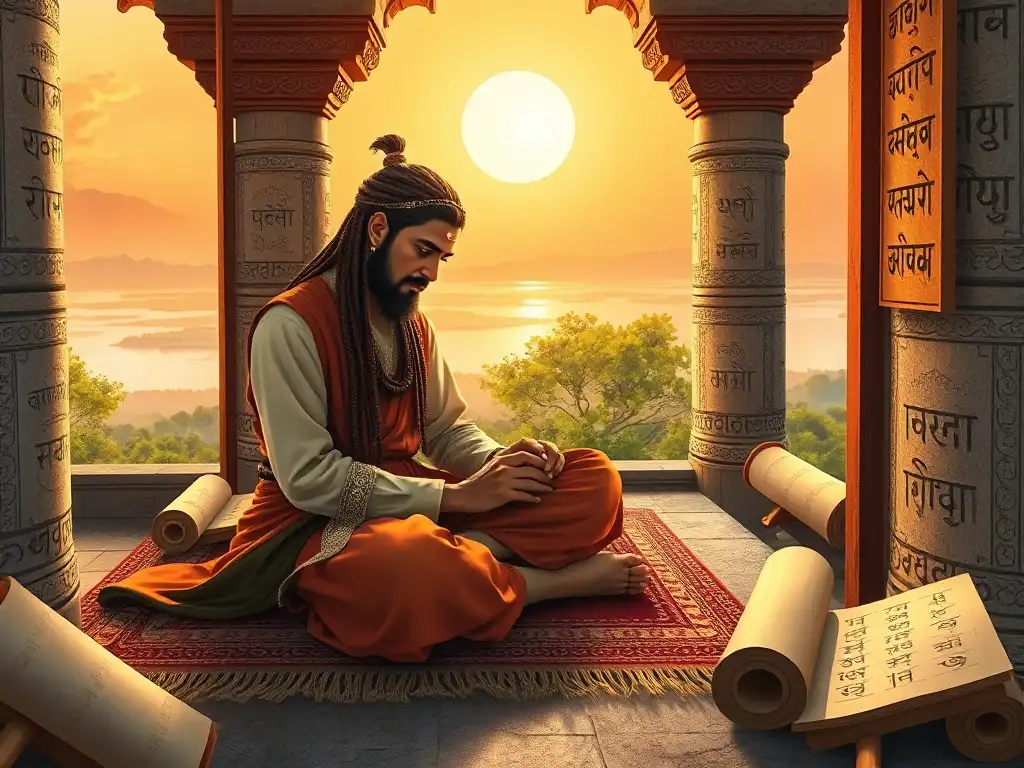
The Indus Valley Civilization and Early Scripts
The Indus Valley Civilization, which flourished around 2500 BCE in what is now modern-day Pakistan and northwest India, is one of the earliest known urban cultures in the world. This civilization is notable for its advanced urban planning, architecture, and most significantly, its early system of writing. The script used during this period, commonly referred to as the Indus script, represents a critical link in the evolution of writing in India.
The Indus script consists of a series of symbols and signs, often inscribed on seals, pottery, and other artifacts. These inscriptions have been found at various archaeological sites, including Harappa and Mohenjo-Daro. Although the exact number of distinct symbols is still debated, estimates suggest there are over 400 unique characters. The enigmatic nature of this script continues to intrigue scholars and researchers worldwide.
Characteristics of Indus Script
The Indus script exhibits several distinct characteristics:
- Pictorial Nature: Many symbols resemble animals or objects, indicating a possible pictographic origin. This suggests that the script may have initially served as a form of visual communication before evolving into a more abstract representation of language.
- Brevity: Most inscriptions are relatively short, often consisting of just a few signs. This brevity indicates that the script may have been used for specific purposes, such as trade transactions, rather than for extensive literary works.
- Lack of Bilingual Texts: Unlike other ancient scripts, such as cuneiform or hieroglyphs, no bilingual texts have been discovered to aid in the decipherment of the Indus script. This absence poses a significant challenge for researchers attempting to unlock its meaning.
- Directional Writing: Evidence suggests that the script may have been written in multiple directions, including left to right and right to left, which is uncommon in other contemporary scripts.
- Standardization: The uniformity of the inscriptions found across vast geographical distances suggests a standardized system of writing, potentially indicating a centralized authority or a shared cultural identity among the Indus Valley communities.
Theories on Indus Script Decipherment
Despite extensive research, the decipherment of the Indus script remains one of the most significant challenges in the study of ancient Indian writing. Several theories have emerged regarding its interpretation:
- Linguistic Theories: Some researchers propose that the Indus script may represent a Dravidian language, while others suggest it could be linked to the Indo-Aryan languages. These theories rely heavily on comparative linguistics and the study of phonetics.
- Contextual Analysis: Another approach involves analyzing the context of the inscriptions. Scholars examine artifacts, seals, and their associated archaeological contexts to derive meaning from the symbols based on their usage in trade or religious practices.
- Statistical Methods: Some researchers have employed statistical analysis and pattern recognition techniques to identify recurring symbols and their possible combinations, aiming to uncover underlying linguistic structures.
- Cultural Symbolism: A more interpretive angle suggests that the symbols may represent broader cultural concepts or ideologies rather than a strictly phonetic language. This perspective emphasizes the importance of understanding the sociocultural context of the Indus Valley Civilization.
While the Indus script remains undeciphered, ongoing research continues to shed light on its characteristics and significance within the evolution of writing in India. The exploration of this ancient script not only enhances our understanding of the early civilizations of the Indian subcontinent but also contributes to the broader narrative of human communication and expression.
Transition from Clay Tablets to Stone Pillars
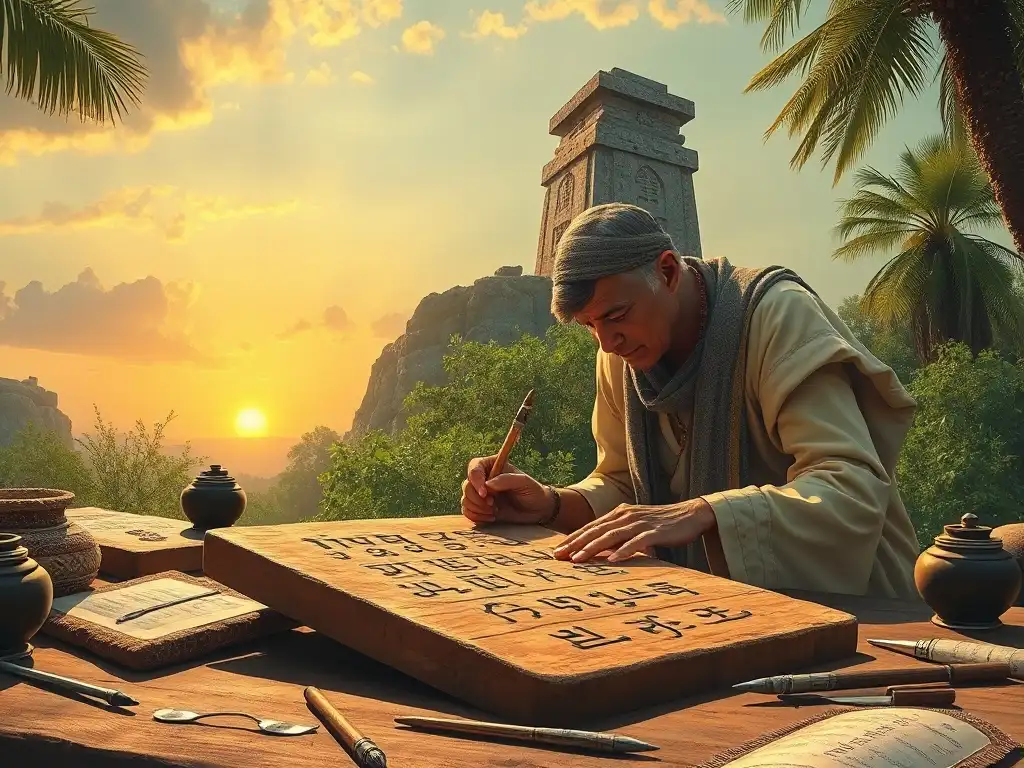
The evolution of writing in India represents a fascinating journey that reflects the broader socio-cultural developments of ancient Indian civilizations. One of the most significant transitions in this evolution was from the use of clay tablets to the monumental stone pillars that became iconic during various empires. This shift not only marked a change in material but also indicated advancements in the complexity and permanence of written communication.
Use of Clay Tablets in Early Indian Civilization
Clay tablets served as one of the earliest mediums for writing in ancient India, particularly during the Indus Valley Civilization (approximately 3300–1300 BCE). These tablets were typically inscribed with pictographic symbols and script, which are still a subject of debate among scholars regarding their precise meanings and linguistic affiliations.
- Materials: The tablets were made from locally available clay, which was easily shaped and hardened through sun-drying or baking.
- Functionality: The inscriptions on these tablets likely served various purposes, including record-keeping, trade transactions, and possibly religious or administrative functions.
Examples of Clay Tablet Inscriptions
Some noteworthy examples of clay tablet inscriptions include:
- Harappan Seals: These artifacts feature intricate carvings, often depicting animals and symbols, which may indicate ownership or trade relations. The Indus script found on these seals remains undeciphered but provides critical insight into the communication practices of the time.
- Cuneiform-like Symbols: Similarities have been drawn between the symbols found on Harappan tablets and cuneiform scripts, suggesting possible influences or parallel developments in writing systems across cultures.
The use of clay tablets laid a foundational understanding of written communication, paving the way for more durable and complex forms of writing.
The Shift to Stone Pillars
The transition to stone inscriptions marked a significant evolution in the writing practices of ancient India. The emergence of stone pillars, particularly during the Maurya Empire (circa 322–185 BCE) and beyond, reflected advancements in both artistry and the desire for permanence in communication.
- Materials: Stone, as a medium, provided durability and resistance to natural elements, allowing inscriptions to endure for centuries.
- Expansion of Context: Stone inscriptions were not merely functional; they often carried philosophical, religious, or political messages, aimed at a broader audience.
Importance of Stone Inscriptions in Ancient India
The significance of stone inscriptions in ancient India can be summarized through several key aspects:
- Cultural Heritage: Stone pillars, such as the famous Ashoka Pillars, are adorned with edicts that promote dharma (moral law) and social welfare, showcasing the ethical dimensions of governance during the Mauryan era.
- Historical Documentation: These inscriptions serve as a primary source for historians, providing insights into the political, social, and religious landscapes of the time. The content often includes decrees, proclamations, and records of significant events.
- Artistic Expression: The engravings on stone pillars exhibit remarkable craftsmanship, combining artistic skill with textual communication. This highlights the dual role of writing as both a practical tool and an art form.
The evolution from clay tablets to stone pillars marks a pivotal chapter in the history of writing in India. This transition not only reflects advancements in material and technique but also signifies deeper cultural and political developments that shaped the ancient subcontinent.
Major Ancient Indian Scripts
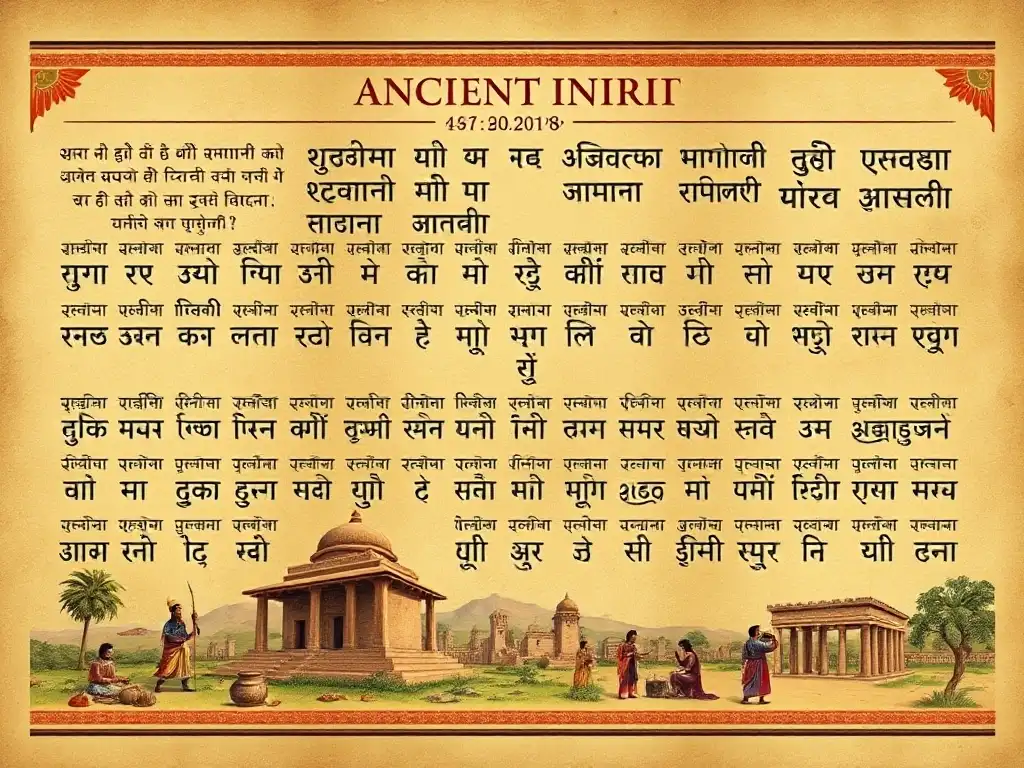
Brahmi Script: The Foundation of Indian Writing
Brahmi script is widely recognized as the foundational writing system of ancient India, dating back to the 3rd century BCE. It was first documented during the reign of Emperor Ashoka, who used it to inscribe edicts on pillars and rocks throughout his empire. Brahmi is considered the ancestor of many modern Indian scripts, including Devanagari, Bengali, and Tamil.
The script is characterized by its unique style of writing, which combines phonetic and syllabic elements, making it versatile for various languages. Brahmi was written from left to right and consisted of consonants and vowel diacritics, which allowed for a nuanced expression of sounds.
Features and Evolution of Brahmi Script
- Phonetic Nature: Brahmi is primarily phonetic, meaning each character represents a sound. This feature made it adaptable to different languages spoken in the Indian subcontinent.
- Syllabic Structure: The script's structure allows for the representation of syllables, which is crucial for capturing the diverse phonetics of Indian languages.
- Inscriptions and Manuscripts: Brahmi was used in various inscriptions, including those found in Ashoka's edicts, and later transitioned into manuscripts for religious and administrative purposes.
- Evolution Over Time: Throughout the centuries, Brahmi evolved into several regional scripts, adapting to local languages and cultural contexts. This evolution played a vital role in the dissemination of knowledge and literature across India.
The influence of Brahmi is profound, marking a significant turning point in the evolution of writing in India. Its adaptability and phonetic richness allowed it to serve as a vehicle for communication and cultural exchange.
Kharosthi Script: A Parallel Development
Kharosthi script emerged around the same time as Brahmi but developed independently, primarily in the northwestern regions of India, particularly in present-day Pakistan and Afghanistan. It was used predominantly by the Gandhara culture and is often associated with Buddhist texts and inscriptions.
Kharosthi script is unique in its right-to-left writing direction and its distinct character forms. While Brahmi became the foundation for many scripts in the Indian subcontinent, Kharosthi's influence was more localized, primarily impacting the region's languages and scripts.
Comparison with Brahmi Script
| Feature | Brahmi Script | Kharosthi Script |
|---|---|---|
| Direction of Writing | Left to Right | Right to Left |
| Cultural Association | Widespread across India | Primarily in Gandhara region |
| Phonetic Structure | Consonant-vowel combination | Consonant-based with vowel markings |
| Usage | Inscriptions, manuscripts, literature | Mainly religious texts, inscriptions |
| Influence | Ancestor of many modern Indian scripts | Limited impact, mostly regional |
Both Brahmi and Kharosthi scripts are crucial to understanding the evolution of writing in India. While they share similarities in their phonetic approaches, their distinct characteristics and regional uses highlight the diverse tapestry of ancient Indian writing systems. The interplay between these scripts showcases the linguistic richness of the time and the cultural exchanges that shaped the Indian subcontinent.
Inscriptions and Their Historical Context
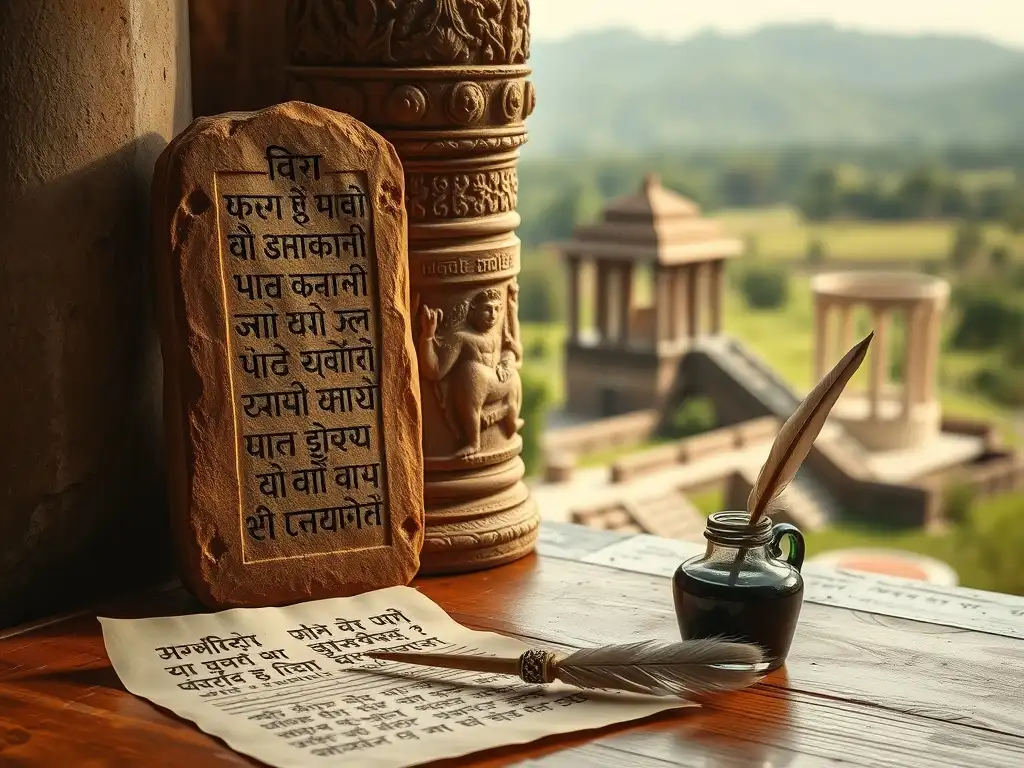
Inscriptions in ancient India serve as critical links to understanding the evolution of writing and the socio-political landscape of the time. These inscriptions, often etched on materials such as stone, metal, and clay, provide invaluable insights into the languages, scripts, and contexts in which they were created. They reflect the administrative, religious, and cultural aspects of ancient Indian societies, highlighting the importance of written communication in governance and daily life.
Ashoka's Edicts: A Milestone in Indian Writing
Ashoka the Great, the third Mauryan emperor, is renowned for his extensive use of inscriptions as a means of governance and communication. His edicts, inscribed on pillars and rocks across the Indian subcontinent, mark a significant milestone in the evolution of writing in India. They not only exhibit the use of the Brahmi script but also demonstrate the adoption of a formalized language aimed at reaching a wider audience.
Content and Importance of Ashoka's Inscriptions
Ashoka's edicts encompass various themes, including moral instruction, social welfare, and religious tolerance. They are often categorized into two main types: the Major Edicts and the Minor Edicts.
- Major Edicts: These typically contain philosophical and ethical teachings derived from Buddhism, aimed at guiding his subjects toward righteous living. For example, the Rock Edict XIII emphasizes non-violence and respect for all forms of life.
- Minor Edicts: These focus more on practical governance, including regulations on trade, the treatment of prisoners, and the establishment of hospitals.
The significance of Ashoka's inscriptions lies not only in their content but also in their intent to foster unity among diverse populations. By promoting a common ethical framework, Ashoka aimed to transcend regional differences and encourage a collective identity among his subjects. The inscriptions are a testament to the potential of writing as a tool for social cohesion and governance.
Other Notable Inscriptions in Ancient India
Beyond Ashoka, numerous other inscriptions from various periods have contributed to the understanding of ancient Indian writing. These inscriptions reveal the linguistic diversity of the region and the evolution of scripts over time.
Contributions of Gupta Period Inscriptions
The Gupta period (circa 320 to 550 CE) is often referred to as a golden age of Indian culture, and its inscriptions reflect this flourishing era. The inscriptions from this time are notable for their artistic quality and linguistic richness.
- Sanskrit Inscriptions: The Gupta rulers popularized the use of Sanskrit for administrative and ceremonial purposes. Inscriptions from this period, such as those found in Udayagiri Caves and the Allahabad Pillar Inscription, illustrate the elevated status of Sanskrit as a language of governance and literature.
- Artistic Developments: Gupta inscriptions are characterized by ornate scripts and decorative elements that reflect the artistic sensibilities of the time. The blending of textual and visual elements highlights the importance of inscriptions as not just functional but also as artistic expressions.
- Regional Variations: The Gupta period also saw the emergence of regional scripts, which contributed to the linguistic diversity of India. This evolution ultimately paved the way for the development of various modern Indian languages.
The inscriptions from the Gupta period are invaluable for understanding the evolution of writing in India, showcasing how writing evolved from simple records to a sophisticated medium of communication that encapsulated the cultural and political ethos of the time.
The Role of Writing in Ancient Indian Society
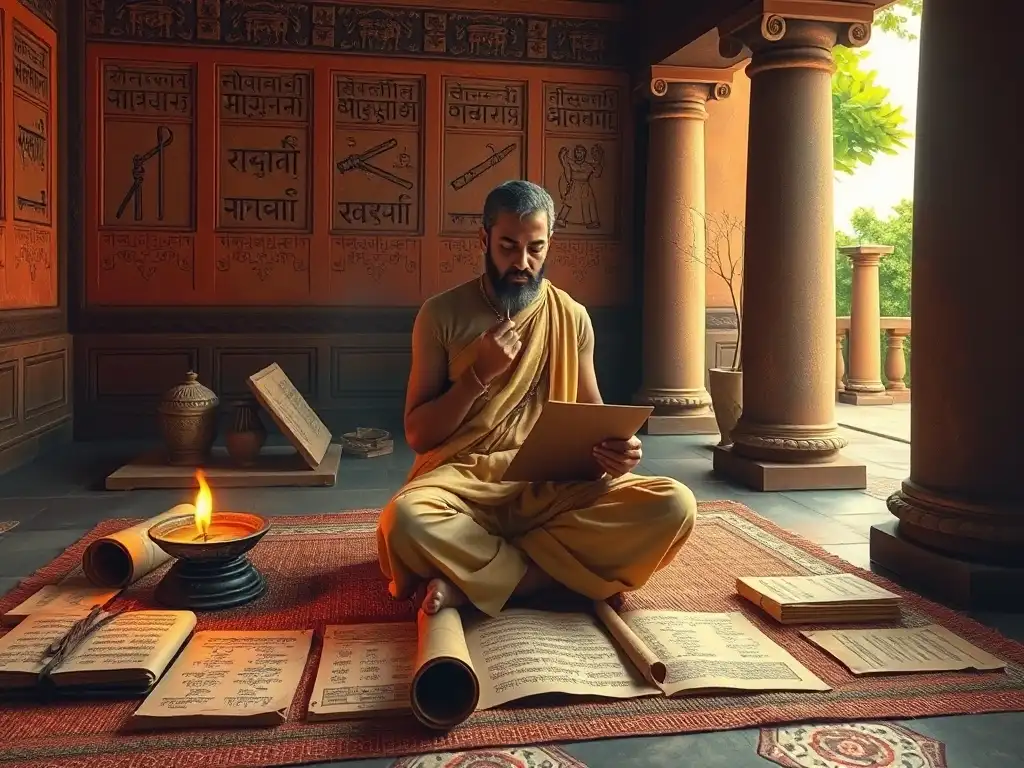
Writing as a Tool for Administration and Governance
In ancient India, writing played a crucial role in the administration and governance of various kingdoms and empires. The advent of writing systems allowed rulers to maintain records, issue orders, and communicate effectively with their subjects. This was particularly evident during the Maurya and Gupta empires, where inscriptions on stone pillars and edicts served as official announcements and proclamations.
- Record Keeping: Ancient scripts like Brahmi and Kharosthi facilitated record-keeping in trade, taxation, and land ownership. This was essential for both economic stability and social organization.
- Legal Documentation: The use of writing enabled the codification of laws and regulations, which helped maintain order and justice. For instance, the Arthashastra, attributed to Chanakya, is a treatise that outlines various aspects of governance, including law and administration.
- Diplomatic Correspondence: Writing also played a significant role in diplomacy. Kings communicated with one another through letters, often inscribed on materials like palm leaves and parchment, which conveyed both political and cultural exchanges.
The administrative utility of writing in ancient India not only streamlined governance but also contributed to the rise of complex state structures.
Influence of Writing on Religion and Philosophy
Writing had a profound impact on the religious and philosophical landscape of ancient India. It facilitated the transmission of ideas, beliefs, and practices that shaped the spiritual fabric of the society.
- Sacred Texts: The Vedas, Upanishads, and Puranas were composed in ancient languages such as Sanskrit and Prakrit, and their preservation in written form ensured the continuity of religious practices. The oral tradition was complemented by writing, which allowed for a broader dissemination of these texts.
- Philosophical Discourse: The evolution of writing enabled the documentation of philosophical thoughts and debates. Schools of thought such as Buddhism and Jainism flourished with the help of texts like the Tripitaka and the Agamas, which articulated their doctrines and ethics.
- Cultural Syncretism: The exchange of written ideas across different regions led to a fusion of beliefs and practices. This is evident in the development of various sects and movements that emerged in ancient India, influenced by regional scripts and languages.
The written word became a powerful medium for religious expression and philosophical inquiry, allowing diverse voices to contribute to the cultural discourse.
Preservation of Texts and Scriptures
The preservation of texts and scriptures in ancient India is a testament to the significance of writing in the continuity of knowledge and culture. Various methods and materials were employed to ensure that these invaluable resources endured through time.
- Materials Used: Ancient Indians utilized a variety of materials for writing, including bark, palm leaves, and even metal plates. The choice of material often depended on the intended purpose and the audience. For instance, religious texts were often inscribed on durable materials to withstand the test of time.
- Libraries and Monasteries: Centers of learning, such as Nalanda and Takshashila, housed vast collections of written works. Monasteries played a pivotal role in copying and preserving texts, ensuring that knowledge was not lost to the ravages of time.
- Translation and Commentary: The practice of translating works into different languages and dialects contributed to the preservation and accessibility of knowledge. Commentaries on sacred texts further enriched the understanding and interpretation of ancient scriptures.
The evolution of writing in India not only facilitated the preservation of knowledge but also fostered a rich literary tradition that continues to influence contemporary thought.
Conclusion: The Legacy of Writing in Ancient India

The evolution of writing in ancient India is a fascinating journey that traces the development of scripts and language over thousands of years. From the early pictographic symbols of the Indus Valley Civilization to the sophisticated scripts of the Gupta Empire, the trajectory of writing in India is marked by innovation and adaptation.
Lasting Impact on Modern Indian Languages and Scripts
The influence of ancient Indian scripts is profoundly felt in the languages spoken today. The Brahmi script, for instance, is considered the mother of many modern Indian scripts, including Devanagari, Bengali, and Tamil. This script, which dates back to the 3rd century BCE, has played a crucial role in shaping the linguistic landscape of the subcontinent.
- Brahmi: As the foundational script, Brahmi has given rise to numerous derivatives. Its structured approach to phonetics and syllable representation has informed the development of modern alphabets.
- Kharosthi: Another significant ancient script, Kharosthi was predominantly used in the northwest regions of India and has left its mark on the development of scripts in Central Asia.
- Siddham and Sharda: These scripts emerged during the medieval period, influenced by their ancient predecessors. They are still studied for their artistic and historical significance.
The interplay between these ancient scripts has led to a rich tapestry of written languages, where phonetic accuracy and aesthetic beauty coexist. For example, the Devanagari script, used for languages like Hindi and Sanskrit, retains elements of the ancient Brahmi structure while incorporating unique characteristics that reflect the regional linguistic diversity.
Reflection on the Evolution of Writing in India
The evolution of writing in India is not merely a historical account; it serves as a mirror reflecting the socio-cultural dynamics of various epochs. Ancient inscriptions provide insights into the administrative practices, religious beliefs, and artistic expressions of their time.
- Inscriptional Evidence: Inscriptions on stone pillars and edicts, such as those from Emperor Ashoka, reveal the philosophical underpinnings and governance of ancient India. These inscriptions were not just records; they were tools for disseminating moral teachings and policies.
- Cultural Exchange: The interaction between different regions and cultures facilitated the exchange of ideas and scripts. Trade routes connected India to other civilizations, leading to the adoption and adaptation of various writing systems.
- Technological Advancements: The transition from clay tablets to stone inscriptions marks a significant technological advancement in the preservation of language. The durability of stone allowed for messages to endure through time, ensuring their legacy for future generations.
The legacy of writing in ancient India is a testament to the ingenuity and creativity of its civilizations. The scripts developed during this period continue to influence modern languages and remain a vital part of India's cultural heritage. Understanding this evolution provides a deeper appreciation for the rich tapestry of Indian history and its enduring impact on contemporary society.
References and Further Reading
Suggested Books and Articles on Ancient Indian Scripts
The evolution of writing in India is a fascinating journey that has been explored through various scholarly works. Here are some recommended books and articles that delve into the intricacies of ancient Indian scripts:
-
"The Indus Script: Texts, Concordance and Tables" by Iravatham Mahadevan
This comprehensive work provides an in-depth analysis of the Indus script, its symbols, and their possible meanings. Mahadevan's meticulous research sheds light on one of the earliest forms of writing in India.
-
"The Brahmi Script: A Historical and Linguistic Analysis" by Peter T. Daniels
This book examines the Brahmi script, which is a precursor to many modern Indian scripts. It discusses its historical context and linguistic significance, making it essential for understanding the evolution of writing in India.
-
"Ancient Indian Inscriptions: A Study of the Epigraphical Sources" by R. C. Majumdar
Majumdar's work focuses on the vast array of inscriptions found across India, offering insights into the various scripts and languages used throughout different periods.
-
"The Scripts of Ancient India" by Michael Witzel
In this article, Witzel explores the development of scripts in ancient India, tracing their origins and their impact on culture and society.
-
"Writing in Ancient India: The Historical Context" by Richard Salomon
This article provides an overview of the various writing systems that emerged in ancient India, highlighting their significance in the broader context of Indian civilization.
Online Resources for Studying Ancient Indian Writing
In addition to printed literature, there are numerous online resources available for those interested in exploring the evolution of writing in India:
-
Digital South Asia Library
This comprehensive digital archive contains a wealth of texts, documents, and images related to ancient Indian scripts and inscriptions. It serves as a valuable resource for researchers and enthusiasts alike.
-
Epigraphia Indica
An online database that offers access to inscriptions from various periods of Indian history, including detailed descriptions and analyses. This resource is essential for understanding the practical applications of ancient writing.
-
The Archaeological Survey of India (ASI)
The ASI's official website features a section dedicated to ancient scripts and inscriptions, providing access to reports, publications, and ongoing research projects.
-
YouTube Channels: Ancient Indian History
Channels dedicated to ancient history often feature lectures and discussions about Indian scripts, offering visual insights into their development and significance.
-
Coursera and edX
Both platforms offer courses on South Asian history that include modules on writing systems, providing structured learning opportunities from expert instructors.
Exploring these resources will provide a deeper understanding of the evolution of writing in India, highlighting its importance in shaping the cultural and historical landscape of the subcontinent.
Frequently Asked Questions
What is the significance of clay tablets in the evolution of writing in ancient India?
Clay tablets were among the earliest forms of writing used in the Indus Valley Civilization, showcasing the advanced administrative practices and communication methods of that era.
How did the writing systems change from the Indus Valley to the Gupta Empire?
The transition from pictographic scripts to Brahmi and Kharosthi alphabets marked a significant evolution, reflecting changes in language and culture during the Gupta Empire period.
What contributions did ancient Indian civilizations make to the field of literature?
Ancient Indian civilizations contributed immensely to literature, with texts such as the Vedas, epics, and philosophical writings that have influenced cultures and languages worldwide.
How did writing impact trade and communication in ancient India?
The development of writing systems facilitated trade across vast regions, enhancing communication and record-keeping, which were crucial for economic and social interactions.
Are there any modern influences of ancient Indian writing systems?
Yes, modern Indian scripts, such as Devanagari, have evolved from ancient writing systems, preserving the linguistic heritage and demonstrating the lasting impact of ancient Indian civilizations on contemporary culture.
Final Reflection: The Enduring Legacy of Writing in India
The evolution of writing in India is not just a historical journey; it is a testament to the resilience and creativity of human expression. From the intricate carvings on clay tablets to the monumental inscriptions on stone pillars, each phase of this evolution reflects the cultural and intellectual advancements of its time. Today, as we navigate an increasingly digital world, the significance of these ancient writing systems remains profoundly relevant. They remind us of the power of words to shape societies and preserve knowledge across generations.
The impact of writing in ancient India has been monumental, influencing not only the subcontinent but also the broader world. The diverse scripts and languages that emerged from this rich tradition have contributed to a vibrant tapestry of literature, philosophy, and art that continues to inspire. As we reflect on this legacy, we can appreciate how these early forms of communication laid the groundwork for modern languages and literary traditions. Writing is the painting of the voice.
– Voltaire. This quote encapsulates the essence of how writing serves as a bridge between thoughts and their expression, a bridge that has only grown wider and more intricate over time.
As we consider the lessons from the evolution of writing in India, let us invite ourselves to reflect on our own modes of communication. How can we harness the power of words in our lives today? Whether through writing, speaking, or digital media, we have the opportunity to contribute to the ongoing narrative of human experience.
Embrace the legacy of those who came before us and recognize that each word we share has the potential to inspire, educate, and connect. Let us carry forward the spirit of creativity and expression that has defined the evolution of writing in India, shaping our future with the wisdom of the past.
Unveil the Power of Ancient Writing!
Thank you for exploring the fascinating journey of writing in ancient India! Your interest today sheds light on how words have shaped cultures and societies through the ages. Now, it's time to take that knowledge further and engage with this rich history in exciting ways.
Here are some simple yet impactful steps you can take right now:
- Dive Deeper: Explore additional resources about ancient Indian literature and scripts. Check out the suggested readings linked below!
- Share Your Insights: Discuss this article with friends or on social media, and invite others to discover the evolution of writing together.
- Visit Local Exhibits: Find and explore museums or exhibitions that showcase ancient Indian texts. Experience history firsthand!
As you contemplate these ideas, we’d love to hear from you: How do you envision the influence of ancient writing shaping our future communication?