
Rediscovering the Ancient Roots of India's Most Celebrated Festivals

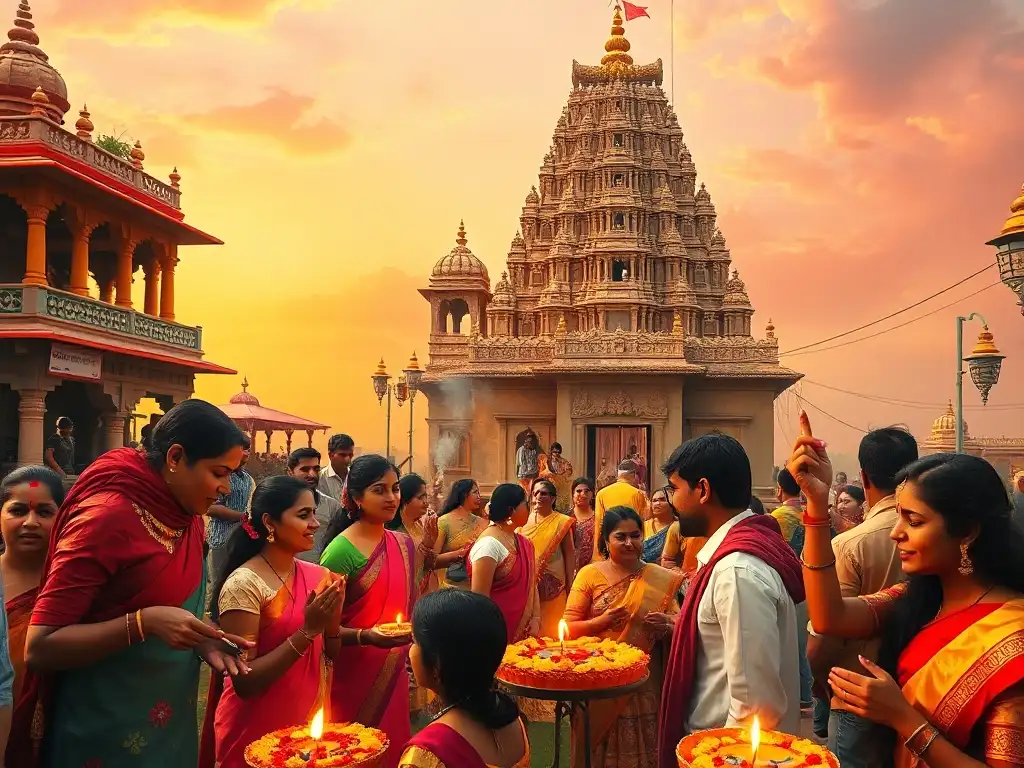
Welcome to Ancient India History, where we embark on a captivating journey through the rich tapestry of India's past. Discover the ancient Indian festival traditions that have shaped the vibrant culture we celebrate today. In our featured article, "Rediscovering the Ancient Roots of India's Most Celebrated Festivals," you'll uncover the fascinating stories and customs that have been passed down through generations.
Prepare to be intrigued as we delve into the colorful celebrations that connect us to the wisdom of our ancestors. Join us in exploring how these time-honored traditions continue to resonate in contemporary India, sparking joy and unity across communities. Let the exploration begin!
India is a tapestry woven with vibrant threads of history, culture, and spirituality, and nowhere is this more evident than in its festivals. Across the vast landscape of the subcontinent, ancient Indian festival traditions have flourished, reflecting the rich heritage and diversity of its civilizations. From the early celebrations of the Indus Valley Civilization to the grand festivities of the Gupta Empire, these traditions have not only shaped religious practices but also fostered communal harmony and cultural exchange.
Festivals in ancient India were often intertwined with agricultural cycles, celestial events, and significant mythological narratives, allowing people to connect with both the natural world and their spiritual beliefs. Understanding these ancient roots provides insight into the contemporary celebrations that continue to thrive today, as many of these festivals have undergone transformations while retaining their core essence.
In this article, we will delve into the fascinating history behind India's most celebrated festivals, exploring the ancient practices that laid the groundwork for these vibrant celebrations. By examining the significance, rituals, and historical contexts of these festivals, we aim to illuminate the enduring legacy of ancient Indian festival traditions and their relevance in today's world. Join us as we embark on a journey through time, rediscovering the roots of joy, gratitude, and togetherness that these festivals embody.
- Introduction to Ancient Indian Festival Traditions
- The Historical Background of Ancient Indian Festivals
- Key Ancient Indian Festival Traditions
- Regional Variations in Ancient Indian Festival Celebrations
- The Role of Festivals in Ancient Indian Society
- The Evolution of Ancient Festival Traditions into Modern Celebrations
- Conclusion: The Importance of Rediscovering Ancient Indian Festival Traditions
-
Frequently Asked Questions
- What are some key ancient Indian festival traditions?
- How did ancient Indian civilizations influence modern festival celebrations?
- What role did religion play in ancient Indian festivals?
- Are there specific historical texts that document these festival traditions?
- How have festival traditions evolved from ancient times to the present?
- Final Reflection: Embracing the Wisdom of Ancient Indian Festival Traditions
- Unveil the Magic of India's Festivals!
Introduction to Ancient Indian Festival Traditions
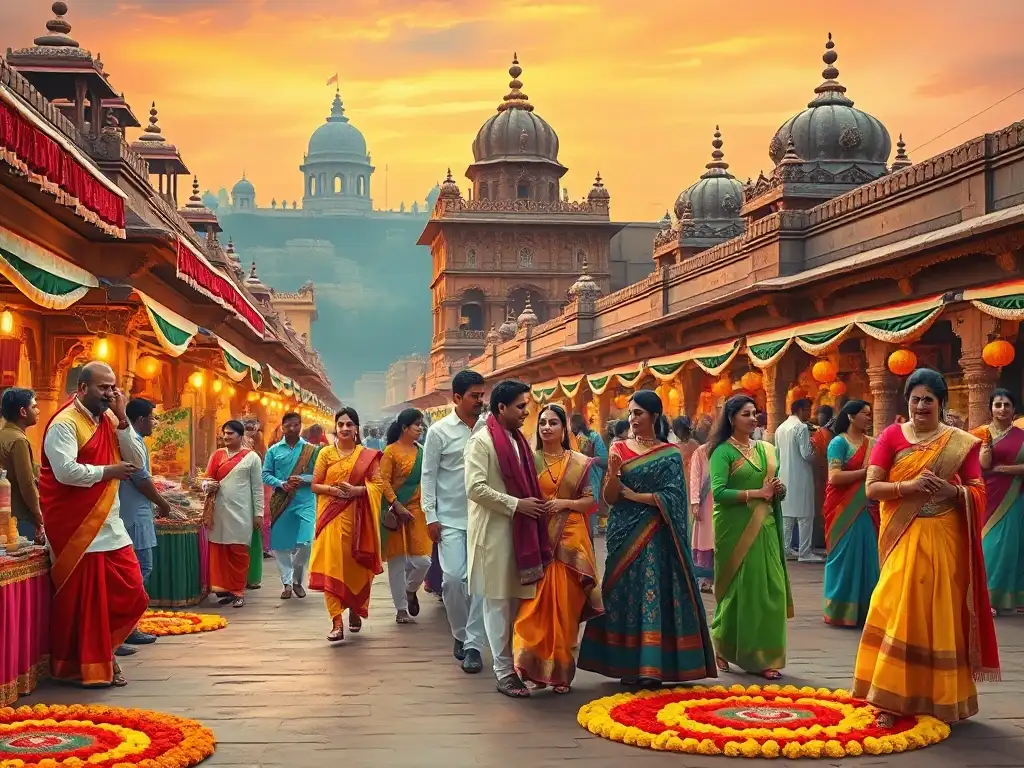
Ancient Indian festival traditions form a vibrant tapestry that reflects the rich cultural heritage of the subcontinent. These festivals, deeply rooted in the historical, religious, and agricultural practices of ancient civilizations, have evolved over millennia yet retain their essence in contemporary celebrations. Festivals served as pivotal moments in ancient society, marking the changing seasons, honoring deities, and fostering community bonds. Understanding these traditions provides valuable insights into the social fabric and spiritual beliefs that shaped ancient Indian life.
Understanding the Significance of Festivals in Ancient India
Festivals in ancient India were not merely occasions for revelry; they were imbued with profound significance that transcended the mere act of celebration. Here are some key aspects of their importance:
- Religious Observance: Many festivals were dedicated to specific deities, serving as an expression of devotion and gratitude. For instance, Diwali, the festival of lights, celebrates the return of Lord Rama to Ayodhya after defeating Ravana, symbolizing the victory of light over darkness.
- Cultural Identity: Festivals played a crucial role in reinforcing cultural identity and community bonds. They provided a platform for the transmission of traditions, folklore, and rituals from one generation to the next.
- Agricultural Cycles: Ancient Indian festivals often coincided with agricultural seasons. Makar Sankranti, for example, marks the harvest season and is celebrated with kite flying and feasting, celebrating the fruits of the earth.
- Social Cohesion: Festivals fostered social interaction and cooperation among community members. They served as a means to strengthen familial ties and build relationships among neighbors, thereby enhancing social harmony.
- Art and Expression: Festivals were occasions for artistic expression, encompassing music, dance, and various forms of visual art. The intricate designs of Rangoli created during festivals like Pongal exemplify the aesthetic value placed on these occasions.
Overview of Major Ancient Indian Festivals
Ancient India was home to numerous festivals, each with its own unique significance and traditions. Here is an overview of some of the most celebrated festivals:
- Diwali (Deepavali)
- Significance: Celebrated as the victory of light over darkness, it honors Goddess Lakshmi, the deity of wealth and prosperity.
- Traditions: Lighting oil lamps, decorating homes, and exchanging sweets.
- Holi
- Significance: Known as the festival of colors, Holi celebrates the arrival of spring and the triumph of good over evil.
- Traditions: Throwing colored powders, singing, dancing, and communal feasting.
- Makar Sankranti
- Significance: Marks the sun's transition into Capricorn, signaling the end of winter and the beginning of the harvest season.
- Traditions: Kite flying, bonfires, and special dishes made from sesame and jaggery.
- Navratri
- Significance: A nine-night festival dedicated to the worship of Goddess Durga, symbolizing the triumph of good over evil.
- Traditions: Fasting, dancing (Garba and Dandiya), and elaborate prayers.
- Pongal
- Significance: A harvest festival celebrated primarily in Tamil Nadu, honoring the sun god and thanking nature for bounty.
- Traditions: Cooking a special dish called Pongal, decorating homes, and performing rituals.
- Raksha Bandhan
- Significance: Celebrates the bond between brothers and sisters, symbolizing protection and love.
- Traditions: Sisters tie a protective thread (rakhi) on their brothers' wrists, who in return offer gifts and promises of protection.
These festivals not only encapsulate the spiritual beliefs of ancient Indian civilizations but also reflect a culture that values community, gratitude, and the cyclical nature of life. As we explore these ancient festival traditions, we gain deeper appreciation for their enduring impact on contemporary Indian culture and society.
The Historical Background of Ancient Indian Festivals
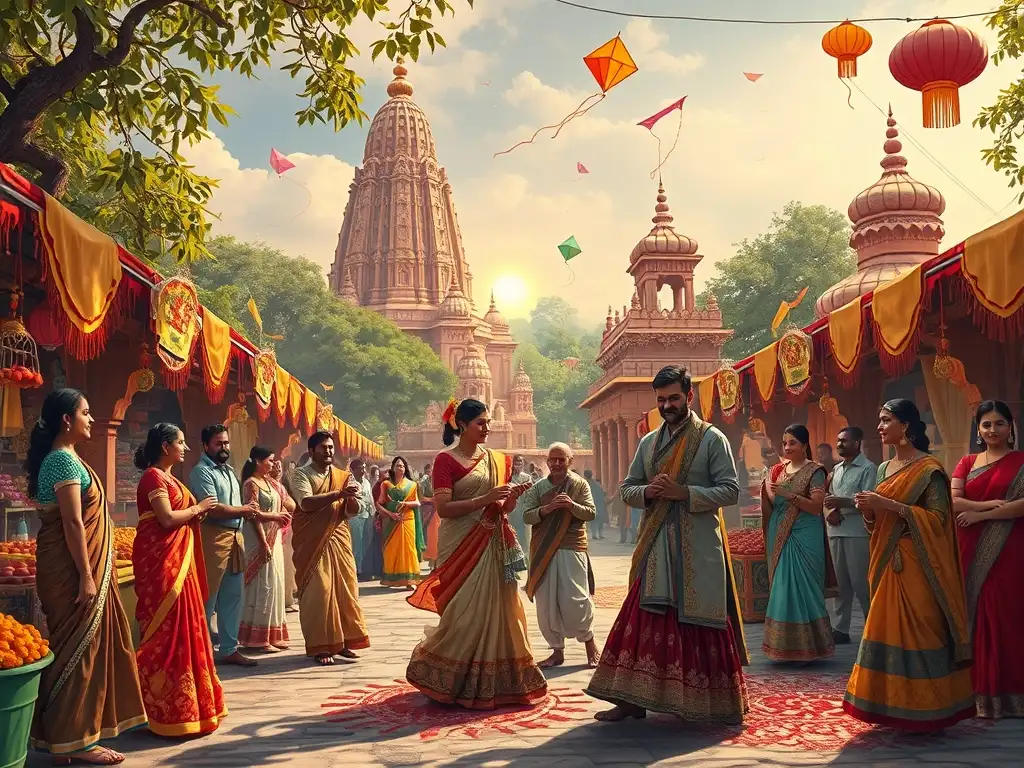
Ancient Indian festivals are a vibrant tapestry woven from the threads of history, culture, and spirituality, reflecting the evolution of Indian civilization over millennia. These celebrations, which often coincide with agricultural cycles, religious observances, and seasonal changes, have deep historical roots that can be traced back to some of the earliest civilizations in the Indian subcontinent.
The origins of many contemporary Indian festivals lie in ancient practices and traditions, revealing how communities honored their deities, celebrated harvests, and marked significant life events. The rich and diverse festival traditions of ancient India not only illustrate the social and cultural fabric of the times but also highlight the intermingling of various influences that shaped them.
The Influence of Ancient Civilizations on Festival Traditions
Ancient civilizations in India laid the groundwork for a myriad of festival traditions that are still celebrated today. Each civilization contributed its unique cultural elements, rituals, and religious beliefs, further enriching the festival landscape.
Festivals of the Indus Valley Civilization
The Indus Valley Civilization, one of the world's earliest urban societies (circa 3300–1300 BCE), showcased the importance of agricultural cycles, which likely influenced their festival practices. While direct evidence of specific festivals is scarce, archaeological findings suggest that the people of this civilization celebrated the fertility of the land and worshipped deities associated with agriculture and prosperity.
- Harvest Celebrations: It is believed that the arrival of the harvest season was marked by communal gatherings, feasting, and offerings to deities, which can be seen as early forms of seasonal festivals.
- Ritualistic Practices: The presence of terracotta figurines and seals depicting animals and deities indicates that rituals were performed, possibly to invoke blessings for bountiful crops.
Festivals during the Vedic Period
The Vedic period (circa 1500–500 BCE) brought significant advancements in religious and philosophical thought, which directly influenced festival traditions. The texts of this era, particularly the Vedas, provide insights into various ceremonies and rituals that formed the foundation of many later festivals.
- Yajnas and Sacrifices: Central to Vedic traditions were yajnas (sacrificial rituals) conducted to appease gods and seek their blessings. These rituals often culminated in communal feasts and celebrations.
- Seasonal Festivals: The Vedic texts mention festivals linked to agricultural cycles, such as the celebration of the harvest (known as Pusa), which involved offerings to deities ensuring fertility and prosperity.
The Role of Religion and Mythology in Shaping Festivals
Religion and mythology played a pivotal role in shaping ancient Indian festival traditions, providing a rich narrative that imbued these celebrations with meaning and purpose. The stories of deities, heroes, and cosmic events have been central to the festival experience.
- Mythological Narratives: Festivals often commemorate significant mythological events, such as the victory of good over evil. For instance, the festival of Dussehra symbolizes the triumph of Lord Rama over the demon king Ravana, rooted in the epic of Ramayana.
- Ritual Significance: Many festivals involve specific rituals that reflect the beliefs and values of the society. For example, Diwali, the festival of lights, celebrates the return of Lord Rama to Ayodhya after defeating Ravana, embodying themes of light conquering darkness and hope triumphing over despair.
Understanding the historical background and the influence of ancient civilizations on festival traditions provides invaluable insight into the rich cultural heritage of India. The interplay of religion, mythology, and community practices continues to resonate in the festival celebrations of modern India, reminding us of our enduring connection to these ancient roots.
Key Ancient Indian Festival Traditions
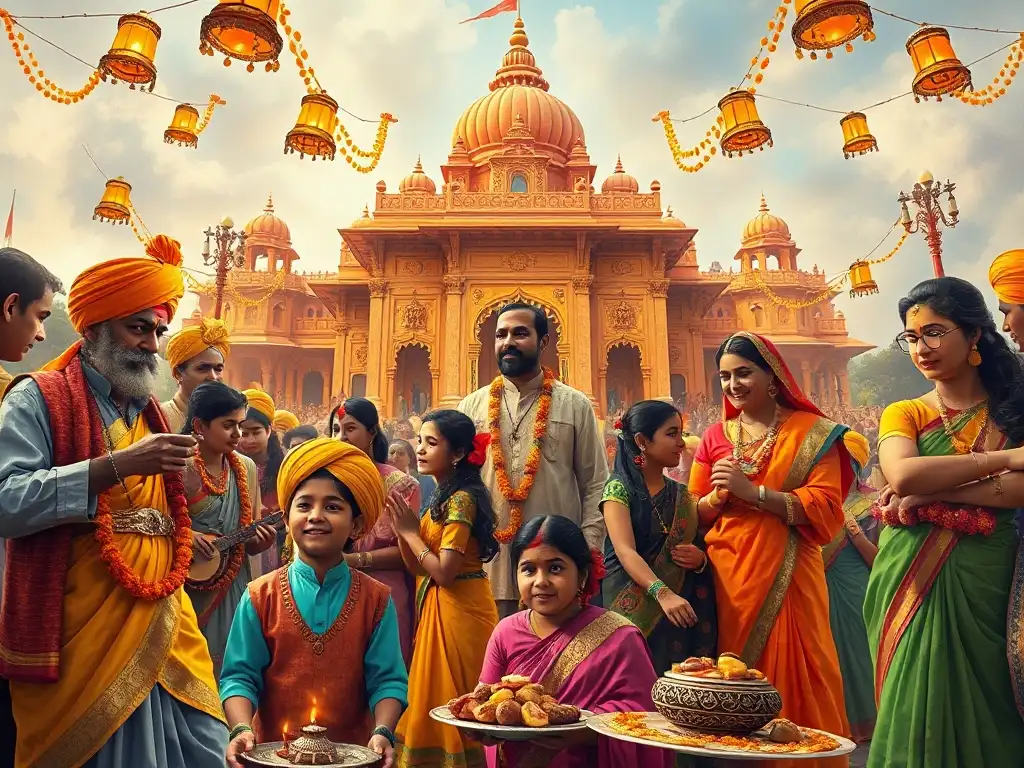
Diwali: The Festival of Lights and Its Ancient Origins
Diwali, often referred to as the Festival of Lights, is one of the most widely celebrated festivals in India, characterized by the lighting of lamps, fireworks, and joyous gatherings. Its origins can be traced back to various ancient texts and traditions, making it a rich tapestry of cultural significance.
Historical Significance of Diwali in Ancient India
The historical roots of Diwali are multifaceted, with references found in ancient Hindu scriptures such as the Ramayana and the Puranas. The festival commemorates Lord Rama's return to Ayodhya after a 14-year exile, during which he defeated the demon king Ravana. This victory symbolizes the triumph of good over evil, a central theme in many ancient Indian narratives.
Additionally, Diwali is associated with the goddess Lakshmi, the deity of wealth and prosperity. Historical texts indicate that merchants and farmers would celebrate the festival to seek blessings for a fruitful harvest and successful trade. The festival's timing, aligned with the lunar calendar, marks the end of the harvest season and the beginning of the new financial year.
Rituals and Customs Associated with Diwali
The customs and rituals associated with Diwali have evolved over the centuries, yet many ancient practices remain integral to the celebration:
- Lighting of Diyas: Traditionally, small oil lamps called diyas are lit to symbolize the dispelling of darkness and ignorance.
- Rangoli: Colorful patterns made from colored powders and flower petals are crafted at the entrance of homes, welcoming guests and deities.
- Puja (Worship): Families perform puja rituals, particularly dedicated to goddess Lakshmi, seeking blessings for prosperity.
- Feasting and Sharing: Sweets and snacks are prepared and distributed among friends and family, fostering community bonds.
These traditions reflect the rich cultural heritage of ancient India and continue to be celebrated with great fervor today.
Holi: Celebrating the Arrival of Spring
Holi, known as the Festival of Colors, marks the arrival of spring and is celebrated with vibrant festivities across the country. Its ancient origins are steeped in mythology and historical significance, making it a beloved tradition.
Historical Roots of Holi in Ancient Texts
The celebration of Holi can be traced back to ancient texts such as the Bhagavata Purana, which narrates the playful exploits of Lord Krishna and his beloved Radha. The festival signifies the victory of love and the arrival of spring, symbolizing renewal and the blossoming of life.
Another important aspect of Holi's history is its connection to the legend of Holika Dahan, which commemorates the triumph of Prahlad over the demoness Holika, representing the victory of devotion over evil. The ancient practice of lighting bonfires on the eve of Holi serves as a reminder of this story.
Traditional Practices and Their Cultural Importance
The traditional practices of Holi are a vibrant reflection of ancient Indian customs:
- Throwing Colors: Participants engage in playful color throwing, symbolizing joy and the arrival of spring. This practice is steeped in the myth of Krishna, who is said to have colored Radha's face.
- Bonfires: The ritual of lighting bonfires, known as Holika Dahan, signifies the destruction of evil and is an essential part of the celebration.
- Sweets and Festivities: Traditional sweets like gujiya and bhang-infused drinks are prepared and shared, emphasizing community and togetherness.
- Music and Dance: Folk songs and dances are integral to Holi, with communities coming together to celebrate in a spirit of harmony.
Holi not only celebrates the changing of seasons but also fosters social bonds, transcending barriers of caste and class, thus embodying the essence of ancient Indian festival traditions.
Navaratri, one of the most significant festivals in ancient Indian tradition, is celebrated over nine nights, honoring the goddess Durga in her various forms. This festival embodies the cultural richness and spiritual depth of ancient India, serving as a reminder of the eternal struggle between good and evil. The roots of Navaratri can be traced back to the Vedic age, with its rituals and celebrations evolving over millennia into the vibrant festivity we see today.
Mythological Background of Navaratri
The mythological origins of Navaratri are deeply interwoven with ancient texts such as the Devi Mahatmya and the Puranas. According to legend, the festival commemorates the battle between the goddess Durga and the buffalo demon Mahishasura, who represents chaos and ignorance. This epic confrontation symbolizes the triumph of divine feminine energy over malevolent forces.
The narrative unfolds as Durga, created by the collective energies of the gods, is endowed with various powers to combat the demon. Her tenacity and courage in the face of adversity resonate with the ancient Indian ethos of dharma (righteousness) and the protection of cosmic order. Each day of Navaratri is dedicated to a different form of Durga, such as Durga, Lakshmi, and Saraswati, reflecting the multifaceted nature of femininity and divinity in ancient Indian culture.
Ancient Rituals and Their Evolution Over Time
The rituals associated with Navaratri have undergone significant transformations throughout history, yet many of the ancient practices remain intact. Originally, the festival involved elaborate rituals that included fasting, chanting of mantras, and the performance of specific pujas (worship ceremonies) dedicated to the goddess.
In ancient times, communities would come together for communal worship, creating a sense of unity and shared purpose. The use of specific offerings, such as flowers, fruits, and sweets, was integral to these rituals. The traditional "Garba" dance and "Dandiya Raas" also have their roots in these ancient practices, wherein devotees would perform dances around the idol of the goddess, signifying joy and devotion.
As centuries passed, the rituals evolved to incorporate local customs, leading to a diverse array of celebrations across different regions of India. The essence of the festival, however, remains unchanged—an annual homage to the power of the divine feminine and a reflection of ancient Indian values of devotion, community, and resilience. Today, while modern celebrations may include grand processions and elaborate decorations, they still echo the core spiritual principles that have defined Navaratri for centuries.
Regional Variations in Ancient Indian Festival Celebrations
Festivals in Northern India: A Historical Perspective
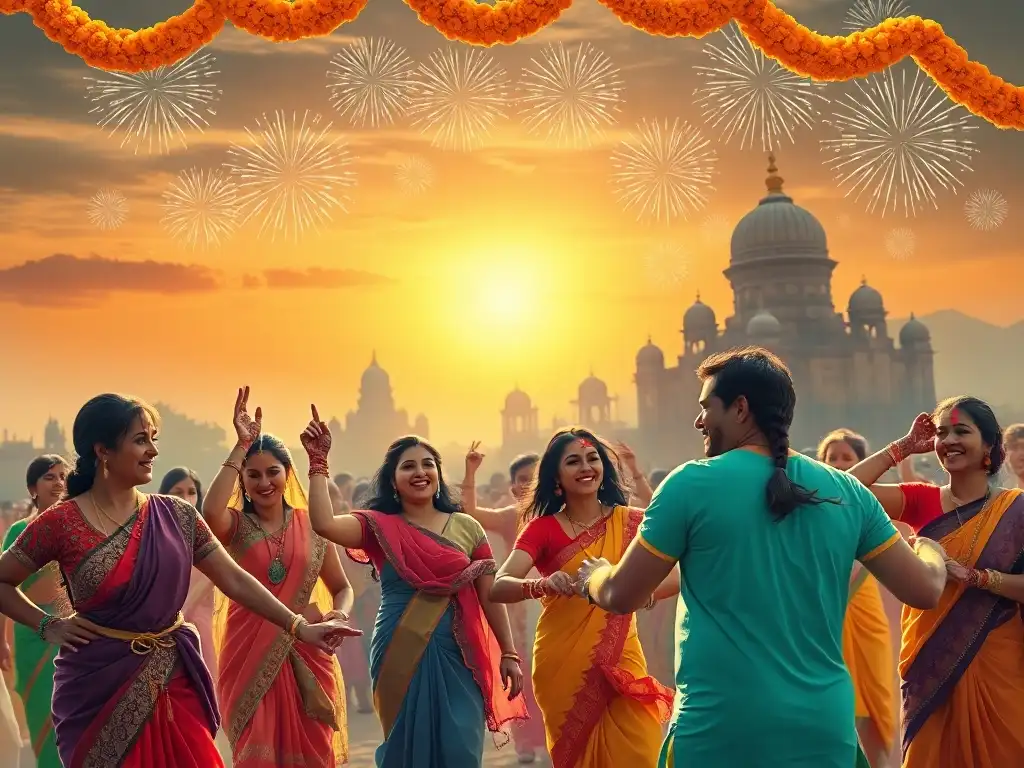
Northern India is a vibrant tapestry woven with diverse cultures, languages, and traditions, which is vividly reflected in its festival celebrations. The region is home to some of the most significant ancient Indian festival traditions, including Diwali, Holi, and Navratri. Each of these festivals has deep historical roots and showcases the unique cultural and religious practices of the area.
- Diwali, the festival of lights, celebrates the return of Lord Rama to Ayodhya after defeating Ravana. Its origins can be traced back to the ancient texts, such as the Ramayana, and has evolved into a pan-Indian celebration with regional variations. In Northern India, it is observed with intricate rangoli designs and the bursting of firecrackers, symbolizing the victory of light over darkness.
- Holi, known as the festival of colors, has its roots in the legend of Prahlada and Hiranyakashipu. This festival marks the arrival of spring and the triumph of good over evil. In the northern states, the festivities often begin with the burning of Holika (a bonfire) and culminate in playful color fights, embodying the spirit of joy and camaraderie.
- Navratri, dedicated to the worship of Goddess Durga, showcases various forms of dance, music, and rituals. In the northern regions, particularly in Gujarat and Uttar Pradesh, traditional Garba and Dandiya Raas dances play a significant role in the celebrations, reflecting the cultural heritage of the area.
These festivals not only serve as a means of religious expression but also reinforce social bonds, cultural identity, and regional pride, showcasing the rich historical narrative of Northern India.
Festivals in Southern India: Unique Traditions Rooted in History
Southern India boasts a rich heritage of festivals steeped in ancient traditions and cultural significance. Festivals like Pongal, Onam, and Vaisakha exemplify the unique customs and historical narratives of the region.
- Pongal, celebrated mainly in Tamil Nadu, is an agrarian festival that marks the harvest season. Rooted in the ancient practice of honoring the sun god (Surya) and nature, the festival involves cooking a special dish called Pongal made from freshly harvested rice, which is then offered to deities. The festival's rituals reflect the deep agricultural connection of the Tamil people to their lands.
- Onam, celebrated in Kerala, is a harvest festival that honors the mythical King Mahabali. The festival includes traditional activities like the famous Vallam Kali (boat races) and elaborate Onam Sadhya (feast). The celebrations are steeped in legends and ancient customs, showcasing the region's rich cultural heritage and communal harmony.
- Vaisakha, celebrated across various southern states, marks the beginning of the harvest season and is dedicated to different deities depending on the region. The festival often includes temple fairs, traditional dances, and community gatherings, emphasizing unity and cultural pride.
These festivals illustrate how Southern India has preserved its ancient cultural practices while adapting to the changing times, thereby enriching the tapestry of ancient Indian festival traditions.
Festivals in Eastern and Western India: Cultural Influences and Ancient Practices
Eastern and Western India exhibit distinct festival traditions that are deeply intertwined with their historical and cultural narratives. Festivals like Durga Puja, Makar Sankranti, and Ganesh Chaturthi highlight the region's diversity.
- Durga Puja, predominantly celebrated in West Bengal, is one of the most significant festivals dedicated to Goddess Durga. Originating from ancient rituals and folk traditions, it embodies the triumph of good over evil. The elaborate pandals (temporary structures) and intricate idol decorations reflect the artistic heritage and community spirit of the Bengali culture.
- Makar Sankranti, celebrated in both Eastern and Western India, marks the transition of the sun into Capricorn. The festival is observed with kite flying, bonfires, and traditional sweets made from sesame seeds and jaggery. Its ancient origins are linked to agricultural practices and seasonal changes, illustrating the agrarian roots of Indian civilization.
- Ganesh Chaturthi, celebrated primarily in Maharashtra, honors Lord Ganesha and signifies new beginnings. The festival has evolved into a grand celebration characterized by community gatherings, elaborate idol installations, and processions. Its roots can be traced to ancient worship practices that have been revitalized in modern times.
These festivals reflect the rich cultural influences that have shaped Eastern and Western India, showcasing how ancient practices continue to thrive and adapt, enriching the legacy of ancient Indian festival traditions.
The Role of Festivals in Ancient Indian Society
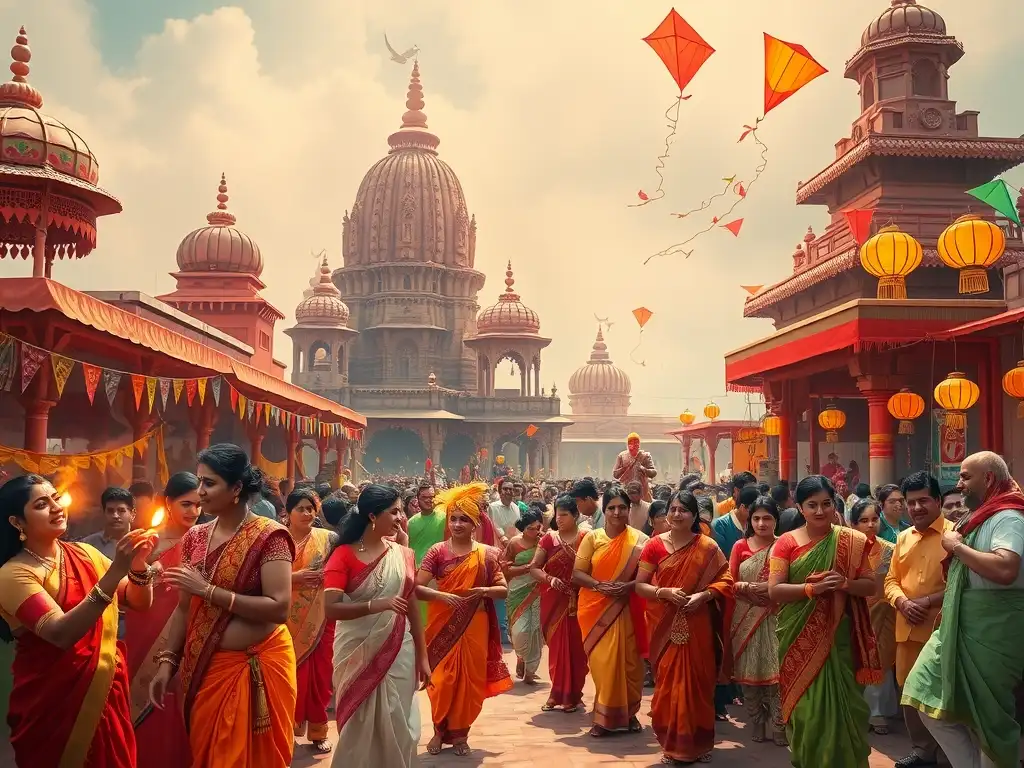
Festivals in ancient India played a pivotal role in shaping the cultural and social landscape of the civilization. They were not merely occasions for celebration but served as a lens through which the values, beliefs, and norms of society were articulated. The significance of festivals extended beyond religious observance; they encapsulated the intricate relationships between community, economy, and identity.
Ancient Indian festival traditions were deeply embedded in the social fabric of the time. Each festival often mirrored the prevailing social hierarchy and communal relationships. For instance, major festivals like Diwali and Holi were communal in nature, promoting unity among diverse groups. These celebrations allowed different strata of society to participate in shared rituals, reinforcing a sense of belonging and cultural identity.
- Caste and Occupation: Specific festivals were associated with particular castes or occupations. For example, the festival of Makar Sankranti coincided with the harvest season, celebrating the agrarian lifestyle and involving farmers, laborers, and traders alike. This connection to occupation demonstrated how festivals aligned with the socio-economic roles within the community.
- Rituals and Traditions: Each festival had its own set of rituals that often reflected the values and beliefs of the society. The Navaratri festival, dedicated to the goddess Durga, involved nine nights of worship, dancing, and fasting, symbolizing the victory of good over evil. Such rituals reinforced social bonds and established a communal rhythm of life.
Moreover, festivals served as a platform for the exchange of ideas and cultural practices among different communities. The interactions that occurred during these celebratory periods facilitated cultural diffusion and cohesion, ultimately enriching the social tapestry of ancient India.
The Economic Impact of Festivals in Ancient Times
The economic impact of ancient Indian festival traditions cannot be understated. Festivals were instrumental in stimulating local economies and fostering trade. The influx of people during major celebrations generated significant economic activity, providing a boost to various sectors.
- Marketplaces and Trade: Festivals often transformed towns and villages into bustling marketplaces, where artisans, traders, and farmers showcased their goods. For instance, the Pongal festival in Tamil Nadu not only celebrated the harvest but also facilitated the exchange of agricultural products, handicrafts, and other goods. This economic dynamism contributed to regional prosperity and helped sustain local economies.
- Job Creation: The celebratory nature of festivals led to temporary job creation in various fields, from hospitality to transportation. Artisans and craftsmen found opportunities to sell festival-related items, such as decorative items, clothing, and food. This seasonal employment was crucial for many families, enhancing their economic stability.
- Cultural Tourism: Festivals also attracted visitors from neighboring regions, promoting cultural tourism. The grandeur of festivals like Durga Puja in Bengal has historically drawn people from afar, creating a vibrant atmosphere that not only celebrated cultural heritage but also contributed to the local economy through hospitality and services.
Ancient Indian festival traditions were deeply interwoven with social structures and economic systems. They provided a framework for community bonding, reflected societal values, and stimulated economic activity, illustrating the multifaceted role festivals played in ancient Indian society.
The Evolution of Ancient Festival Traditions into Modern Celebrations
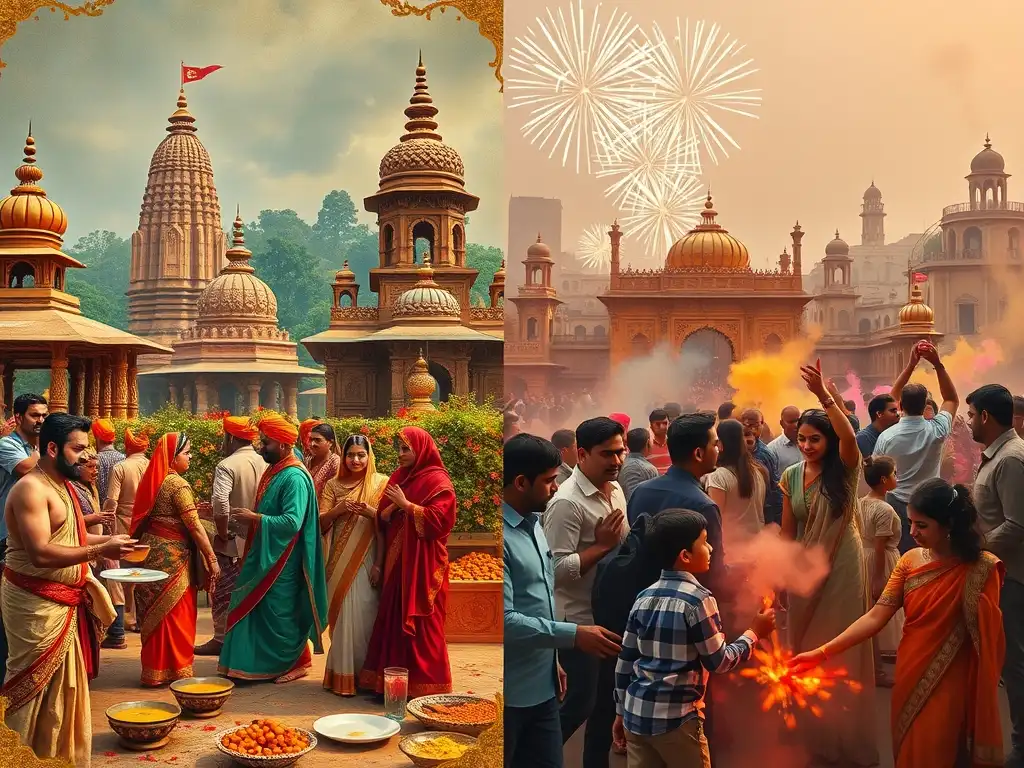
The evolution of ancient festival traditions into modern celebrations in India reflects a rich tapestry woven through centuries of cultural and religious practices. Ancient Indian festival traditions, rooted in the Vedic period and shaped by various dynasties, have transformed considerably while retaining their core essence.
Historically, festivals in ancient India served as a means to connect communities, celebrate seasonal changes, and honor deities. The Indus Valley Civilization (c. 3300–1300 BCE) featured early forms of communal gatherings, likely linked to agricultural cycles. Over time, these rituals evolved, influenced by religious texts such as the Vedas, Upanishads, and Puranas.
Key Milestones in the Evolution of Festival Traditions:
- Vedic Era: Rituals such as Yajnas (fire sacrifices) were performed to appease deities, marking the beginnings of structured festival celebrations.
- Mauryan Empire: Festivals like Chhath and Maha Shivaratri gained prominence, integrating local traditions with broader religious practices.
- Gupta Period: The golden age of Indian culture saw the emergence of numerous festivals, including Holi and Diwali, with elaborate rituals and community participation.
- Medieval Period: The advent of Bhakti movements and Sufi traditions introduced new dimensions to festival celebrations, emphasizing devotion and inclusivity.
Today, while many modern celebrations maintain these historical ties, they are often infused with contemporary elements, reflecting societal changes and globalization.
How Ancient Indian Festival Traditions Are Preserved Today
The preservation of ancient Indian festival traditions in contemporary society is a testament to India's commitment to cultural continuity. Various methods ensure that these practices remain vibrant and relevant.
- Cultural Institutions: Organizations and institutions dedicated to preserving Indian heritage play a crucial role. They conduct workshops, seminars, and festivals that educate communities about the significance of ancient traditions.
- Oral Traditions: Storytelling, folk songs, and dance forms are vital in passing down knowledge about ancient festivals. Local artists and performers often incorporate traditional narratives into their presentations, keeping the essence of these celebrations alive.
- Religious Practices: Many festivals are intricately linked to religious observances. Temples and religious organizations actively promote ancient rituals, ensuring that the practices are not only remembered but also actively celebrated.
- Community Participation: Local communities often organize festivals that draw from ancient traditions, encouraging participation across all age groups. Events such as Navratri and Diwali involve elaborate preparations and collective celebrations, fostering a sense of belonging and continuity.
- Digital Preservation: In the modern age, social media platforms and online resources allow for the documentation and sharing of ancient festival traditions. Virtual celebrations have also emerged, particularly during times when physical gatherings are restricted.
By actively engaging with these traditions, contemporary society ensures that the essence of ancient Indian festival traditions continues to thrive.
The Influence of Ancient Festivals on Contemporary Celebrations
The influence of ancient festivals on contemporary celebrations in India is profound, shaping not only the form but also the spirit of modern festivities. Many current celebrations are rooted in the customs and rituals established by ancient civilizations.
Key Influences:
- Ritualistic Elements: Many contemporary festivals retain specific rituals from ancient traditions. For instance, the lighting of lamps during Diwali has its origins in ancient practices of worshipping deities with light.
- Seasonal Celebrations: Festivals often align with agricultural cycles, a practice that dates back to ancient times. Festivals like Makar Sankranti celebrate the harvest season, reflecting the agrarian roots of ancient Indian society.
- Cultural Syncretism: The blending of various cultural influences over centuries has led to the emergence of hybrid celebrations. For example, Eid and Diwali coexist in many regions, showcasing a fusion of traditions stemming from ancient practices.
- Art and Craft: The art forms associated with ancient festivals, such as Rangoli designs during Pongal or Gudi Padwa, have seen a revival in contemporary celebrations, emphasizing the aesthetic aspects of these traditions.
- Community and Family Bonds: Ancient festivals emphasized community involvement and familial ties, a sentiment that persists today. Modern celebrations often revolve around gatherings, reinforcing the importance of relationships.
The continuous thread of ancient Indian festival traditions in contemporary society not only honors the past but also enriches the cultural landscape of modern India, ensuring that these vibrant celebrations will endure for generations to come.
Conclusion: The Importance of Rediscovering Ancient Indian Festival Traditions
Rediscovering ancient Indian festival traditions plays a crucial role in understanding the rich cultural tapestry of India. These traditions, deeply rooted in historical practices and beliefs, offer a window into the values, spiritual philosophies, and communal bonds that have shaped Indian society over millennia. Acknowledging and celebrating these festivals not only preserves heritage but also fosters a sense of identity among contemporary generations.
The resurgence of interest in ancient festivals encourages a holistic appreciation of India's diverse cultural landscape. By revisiting these traditions, we can uncover the stories, rituals, and meanings behind each celebration, which are often filled with lessons of unity, resilience, and reverence for nature. This exploration helps bridge the gap between past and present, ensuring that future generations remain connected to their roots.
The Cultural Legacy of Ancient Indian Festivals
Ancient Indian festivals are not merely events marked on the calendar; they are a vibrant expression of the country's cultural legacy. Each festival is imbued with symbolism and serves different purposes, reflecting the agricultural, seasonal, and spiritual rhythms of life in ancient India.
- Religious Significance:
- Many festivals are tied to ancient mythologies and epics, such as Diwali, which celebrates the victory of light over darkness, rooted in the Ramayana.
- Similarly, Holi, the festival of colors, commemorates the triumph of devotion and love, particularly through the stories of Radha and Krishna.
- Agricultural Roots:
- Festivals like Pongal and Makar Sankranti celebrate the harvest and honor the earth's bounty. These festivals remind communities of their dependency on nature and the importance of sustainable practices.
- Such celebrations highlight ancient practices of agriculture, fostering respect and gratitude towards the land.
- Community and Social Cohesion:
- Festivals serve as a means to strengthen community bonds. They bring people together, transcending social and economic barriers, fostering unity and shared cultural identity.
- Events like Navratri promote dance and music, allowing communities to express joy collectively.
- Art and Craftsmanship:
- The artistic expressions embedded in festivals, from intricate rangoli designs to elaborate decorations, showcase the craftsmanship that has been passed down through generations.
- Such festivals are a platform for artisans, ensuring that traditional arts remain vibrant and relevant.
In essence, ancient Indian festivals are a treasure trove of cultural heritage, providing insights into the values and practices that have shaped Indian civilization.
Encouraging the Exploration of Ancient Traditions in Modern Times
In an era dominated by technological advancements and globalization, it is essential to encourage the exploration of ancient traditions within modern contexts. Integrating these ancient Indian festival traditions into contemporary life can enhance cultural literacy and appreciation among younger generations.
- Educational Initiatives:
- Schools and educational institutions can incorporate lessons on ancient festivals into their curricula, emphasizing their historical and cultural significance. This can foster a sense of pride and ownership among students regarding their heritage.
- Community Celebrations:
- Organizing community events that celebrate ancient festivals can help revive interest and participation. Engaging local artisans, performers, and historians can enrich these celebrations, making them both entertaining and educational.
- Digital Platforms:
- Utilizing social media and digital platforms to share stories, rituals, and historical contexts of ancient festivals can reach a broader audience. Virtual workshops and interactive sessions can engage younger audiences in meaningful discussions about their cultural heritage.
- Cultural Exchange Programs:
- Encouraging cultural exchange programs that focus on ancient traditions can foster a deeper understanding and appreciation of diversity. Such programs can highlight the universal values shared across different cultures, enhancing global connectivity.
By actively promoting the exploration of ancient Indian festival traditions, we can ensure that these invaluable aspects of heritage continue to thrive, bridging the gaps between past and present and paving the way for a culturally rich future.
Frequently Asked Questions
What are some key ancient Indian festival traditions?
Ancient Indian festival traditions include Diwali, Holi, and Makar Sankranti, each celebrated with unique rituals and cultural significance that reflect the diversity of Indian heritage.
How did ancient Indian civilizations influence modern festival celebrations?
Many modern festivals still incorporate age-old customs and rituals established by ancient Indian civilizations, showcasing their enduring influence on contemporary cultural practices.
What role did religion play in ancient Indian festivals?
Religion was a central element, as festivals often celebrated deities, harvests, and seasonal changes, fostering a deep connection between spirituality and community life in ancient times.
Are there specific historical texts that document these festival traditions?
Yes, ancient scriptures like the Vedas and Puranas detail various festivals, rituals, and their mythological origins, providing insight into the cultural landscape of ancient India.
How have festival traditions evolved from ancient times to the present?
Over the centuries, festival traditions have adapted to social changes and regional variations, blending ancient practices with modern influences while retaining their core significance.
Final Reflection: Embracing the Wisdom of Ancient Indian Festival Traditions
Rediscovering the ancient roots of India's most celebrated festivals is not just a journey into the past; it is a vital connection to our present and future. In an age where rapid modernization often overshadows cultural heritage, understanding the significance of these ancient Indian festival traditions becomes essential. They serve as a reminder of our shared values, communal bonds, and the rich tapestry of stories that shape our identities. As we navigate the complexities of contemporary life, these festivals offer a grounding force, connecting us to our ancestors and the wisdom they imparted.
Celebrating these ancient traditions is not merely about preserving history; it is about recognizing their ongoing influence in our cultural and social landscape. The vibrant rituals, the communal gatherings, and the shared narratives foster a sense of belonging and continuity that transcends generations. As we engage with these festivals, we are reminded of the words of Mahatma Gandhi: A nation's culture resides in the hearts and in the soul of its people.
This connection to our cultural roots enriches our lives and strengthens our communities, allowing us to navigate the modern world with a sense of purpose and identity.
As you reflect on the ancient Indian festival traditions, I invite you to consider how these celebrations can inspire your own life. Take a moment to embrace the values they embody—unity, gratitude, and reverence for nature—and think about how you can incorporate these principles into your daily existence.
Whether it's through participating in local festivities, sharing stories with loved ones, or simply taking a moment to appreciate the beauty of these traditions, let them guide you toward a more connected and meaningful life. Rediscovering these roots is not just an act of remembrance; it is a celebration of who we are and who we aspire to be.
Unveil the Magic of India's Festivals!
Thank you for diving into the enchanting world of India’s festivals with us! We hope you’ve uncovered fascinating insights into the traditions and stories that shape these vibrant celebrations. Now, let's take what you've learned and experience the magic in action.
Here are some simple yet impactful steps you can take:
- Join a local celebration: Find an upcoming festival in your area and immerse yourself in the lively culture and community.
- Share your newfound knowledge: Discuss this article with friends or family and plan a festive gathering to celebrate together.
- Explore further: Delve deeper into the history and significance of another festival by reading more articles on the cultural heritage of India.
How do you plan to incorporate the spirit of India’s festivals into your own life?