
The Legacy of the Chola Dynasty: Architectural Marvels of Southern India

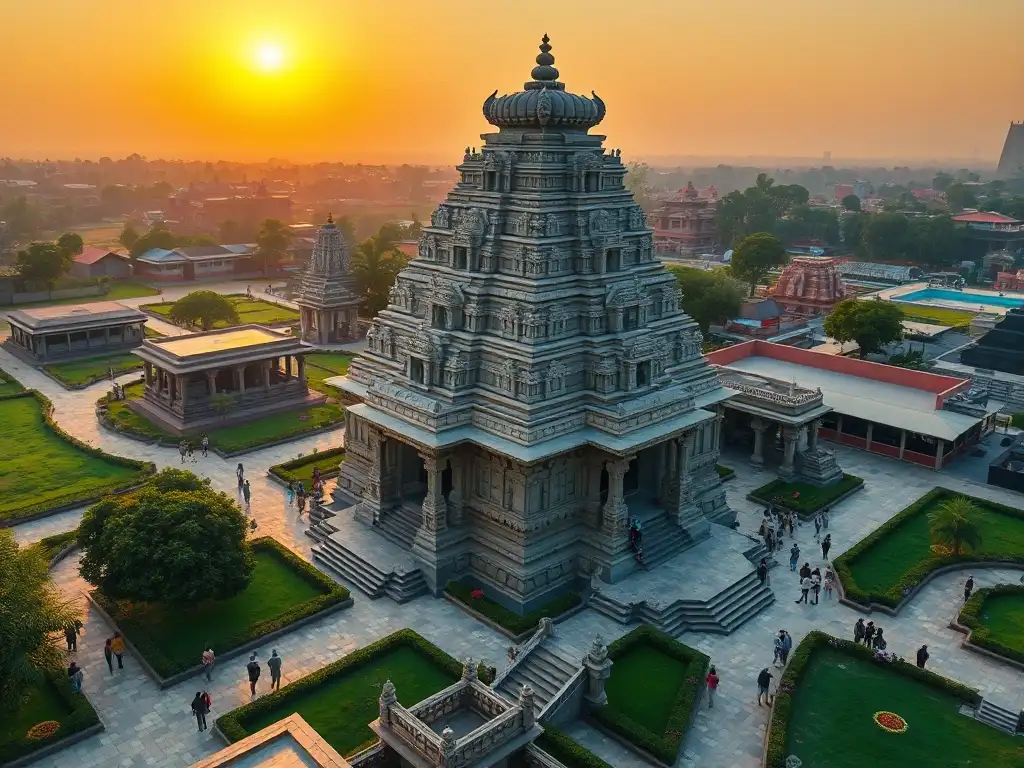
Welcome to Ancient India History! Delve into the fascinating realms of our past, where the echoes of ancient civilizations still resonate through time. Today, we invite you to explore the Chola Dynasty architectural heritage, a testament to the ingenuity and artistry that flourished in Southern India. Uncover the secrets behind their magnificent temples and structures, which not only served as places of worship but also as cultural hubs that shaped the very fabric of society.
As we embark on this journey through the legacy of the Chola Dynasty, prepare to be captivated by the stories etched in stone and the philosophies that inspired these architectural marvels. Are you ready to uncover the beauty of this incredible heritage? Let’s dive in!
Introduction to the Chola Dynasty
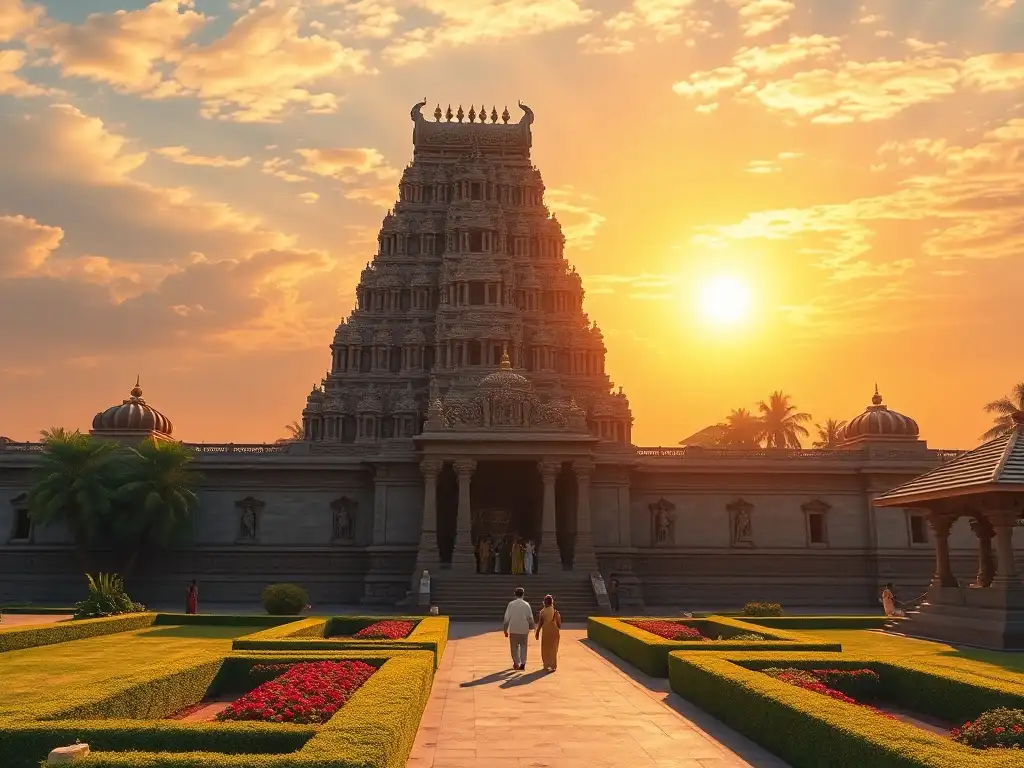
The Chola Dynasty stands as one of the most illustrious empires in ancient Indian history, renowned not only for its military prowess but also for its immense contributions to art, culture, and architecture. Spanning from the 9th to the 13th centuries, the Chola reign transformed Southern India into a vibrant center of political power and cultural richness.
The dynasty's architectural legacy is particularly noteworthy, with its temples and monuments reflecting a unique blend of artistic excellence and religious devotion. This article delves into the architectural marvels of the Chola Dynasty, highlighting the significance of their contributions to the heritage of Southern India.
Overview of the Chola Dynasty and Its Historical Significance
The Chola Dynasty, originating in the fertile plains of Tamil Nadu, emerged as a formidable power under the leadership of King Vijayalaya Chola in the 9th century. Over the centuries, the dynasty expanded its territory through conquests and strategic alliances, reaching its zenith under the rule of Rajaraja Chola I and his son Rajendra Chola I. This period marked significant advancements in military, economic, and cultural realms, establishing the Cholas as influential rulers not only in India but also across Southeast Asia.
The Chola Empire was characterized by a well-structured administration, thriving trade routes, and a robust agricultural system. The dynasty's historical significance lies in its role in promoting Hinduism, fostering Tamil literature, and enhancing regional and international trade, which facilitated cultural exchanges beyond India. The architectural heritage left behind by the Cholas serves as a testament to their grandeur and influence, embodying the spirit of an era that shaped Southern India's cultural landscape.
The Cultural and Artistic Context of the Chola Era
The Chola era was a period of cultural renaissance, marked by a flourishing of the arts, literature, and religious practices. The dynasty was predominantly Hindu, which influenced the artistic expressions of the time. Temples built during this period were not merely places of worship but also centers of learning and community engagement, reflecting the socio-religious dynamics of the time.
Artisans and craftsmen thrived under royal patronage, producing intricate sculptures, bronze castings, and exquisite carvings. The Nataraja, or the dancing Shiva, is one of the most celebrated examples of Chola bronze sculpture, symbolizing the aesthetic and spiritual depth of the era. The Cholas also contributed significantly to Tamil literature, with notable poets and scholars emerging during this period, enriching the cultural tapestry of Southern India.
The Chola Dynasty Architectural Heritage
The architectural heritage of the Chola Dynasty is a significant aspect of India's historical narrative, representing the zenith of temple architecture in the region. These structures, characterized by their grandeur and intricate artistry, continue to inspire awe and admiration.
Definition and Importance of Architectural Heritage
Architectural heritage encompasses the buildings, structures, and spaces that hold historical, cultural, and aesthetic value. For the Chola Dynasty, this heritage is vital for understanding the socio-political and religious contexts of their time. The temples serve not only as places of worship but also as cultural landmarks that reflect the artistic and engineering prowess of the Chola builders.
The significance of preserving such architectural wonders lies in their ability to provide insights into the lifestyle, beliefs, and traditions of the people who lived during the Chola period. Furthermore, these structures contribute to the identity and continuity of Southern Indian culture, fostering a sense of pride and connection among contemporary communities.
Key Characteristics of Chola Architecture
Chola architecture is distinguished by several key characteristics that set it apart from other architectural styles in India:
- Temple Design: Chola temples often feature a grand vimana (tower) over the sanctum, adorned with intricate sculptures and carvings that narrate mythological stories.
- Use of Stone: The Cholas primarily used granite for constructing their temples, resulting in durable and majestic structures that have stood the test of time.
- Sculptural Artistry: The temples are renowned for their exquisite stone carvings, depicting deities, celestial beings, and intricate motifs that showcase the skill of Chola artisans.
- Innovative Engineering: The architectural techniques employed, such as the corbel arch and complex drainage systems, reflect the advanced engineering knowledge of the Chola builders.
The architectural marvels of the Chola Dynasty not only exemplify the aesthetic values of the time but also embody the spiritual and cultural heritage of Southern India, leaving an indelible mark on the historical landscape.
Major Architectural Marvels of the Chola Dynasty
The Chola Dynasty, which flourished between the 9th and 13th centuries CE, is renowned for its extraordinary contributions to architecture in Southern India. The architectural legacy of the Cholas is characterized by grand temples, intricate sculptures, and an innovative use of space and materials. These structures not only served as places of worship but also as centers of art, culture, and community life. The architectural marvels of the Chola era reflect a deep understanding of aesthetics, engineering, and spirituality, leaving a lasting impact on subsequent generations and shaping the architectural landscape of India.
The Brihadeeswarar Temple in Thanjavur
The Brihadeeswarar Temple, also known as Peruvudaiyar Kovil, stands as the crowning jewel of Chola architecture. Built during the reign of Raja Raja Chola I in the early 11th century, this temple is a UNESCO World Heritage Site and a prime example of Dravidian architecture.
- Design and Structure: The temple features a massive vimana (tower) rising to about 66 meters, crowned with a colossal granite dome. The intricate carvings, towering pillars, and expansive courtyards showcase the Cholas' architectural ingenuity.
- Cultural Significance: The temple is dedicated to Lord Shiva and embodies the Chola's devotion to Hinduism. Its construction not only demonstrated religious fervor but also symbolized the political power and artistic prowess of the Chola dynasty.
- Artistic Features: The temple complex includes stunning frescoes and sculptures, depicting various deities and mythological scenes, which are a testament to the high level of artistry during the Chola period.
The Gangaikonda Cholapuram Temple
Gangaikonda Cholapuram Temple, built by Rajendra Chola I in the early 11th century, is another outstanding example of Chola architecture. This temple was constructed to commemorate the Chola victory over the kingdoms of northern India and the Ganges River.
- Architectural Style: The temple follows a similar architectural style to the Brihadeeswarar Temple, featuring a grand vimana adorned with exquisite sculptures and intricate carvings. The temple’s layout is meticulously planned, displaying the Chola's mastery in temple architecture.
- Historical Context: The temple was part of a larger city, Gangaikonda Cholapuram, which served as the Chola capital for a time. This underscores the significance of the temple not just as a religious site but also as a political statement of the Chola dynasty’s power and reach.
- Significant Elements: The temple houses a unique feature—a large Nandi (bull) statue carved from a single stone, symbolizing the divine vehicle of Lord Shiva.
The Airavatesvara Temple in Darasuram
The Airavatesvara Temple, constructed during the reign of Rajaraja Chola II in the 12th century, is yet another UNESCO World Heritage Site that exemplifies the architectural brilliance of the Chola Dynasty.
- Design Characteristics: This temple is known for its exquisite detail and intricate carvings depicting various deities, dancers, and mythological narratives. The temple’s layout is designed to enhance the experience of devotion and spirituality.
- Cultural Importance: Dedicated to Lord Shiva, the temple reflects the strong influence of Shaivism during the Chola period. It also serves as a cultural hub, with festivals and rituals that have continued for centuries.
- Sculptural Elements: The temple features a unique temple tank and a series of mandapas (pillared halls) that are adorned with intricate sculptures, showcasing the craftsmanship of the artisans of that era.
Sculptural Masterpieces of the Chola Period
Sculpture played a pivotal role in the architectural heritage of the Chola Dynasty. The Chola sculptors were not only skilled artisans but also storytellers, using stone as their canvas to narrate tales from mythology and religion. The sculptures often served both decorative and functional purposes, enhancing the spiritual atmosphere of the temples while providing insights into the cultural and religious life of the time.
The Role of Sculpture in Chola Architecture
In Chola architecture, sculpture is intricately woven into the fabric of temple design, serving as a medium of expression that reflects the religious and cultural values of the society.
- Integration with Architecture: Sculptures are often integrated into the temple's pillars, walls, and facades, creating a cohesive visual narrative that enhances the architectural beauty. This integration signifies the importance of art in worship and daily life.
- Symbolic Representation: Many sculptures depict deities, celestial beings, and mythological events, serving as a means to convey religious teachings and moral lessons to devotees. They also reflect the Chola's artistic vision and technical skill.
- Artistic Techniques: The Chola artisans employed sophisticated techniques in stone carving, including the use of drapery, expressions, and anatomical precision, showcasing their mastery in creating lifelike representations.
Notable Sculptures and Their Meanings
The Chola period produced numerous notable sculptures, each with its unique significance and artistic merit.
- Nataraja: The iconic representation of Lord Shiva as Nataraja, the cosmic dancer, is perhaps the most celebrated sculpture from the Chola era. This sculpture encapsulates the dynamic rhythm of the universe and the balance of creation and destruction.
- Dvarapalas: The temple guardians, or Dvarapalas, are often depicted at the entrances of Chola temples. These imposing figures symbolize protection and the guarding of sacred spaces, reinforcing the spiritual sanctity of the temple.
- Sculptural Panels: Various panels depict scenes from the epics, such as the Ramayana and Mahabharata, illustrating heroic tales and moral lessons. These panels serve not only as decorative elements but also as educational tools for the devotees.
The architectural and sculptural heritage of the Chola Dynasty remains a remarkable testament to the creativity, spirituality, and cultural richness of ancient Indian civilization. Their legacy continues to inspire awe and admiration, drawing visitors and scholars to explore the profound contributions of the Chola era to the world of art and architecture.
Influence of Chola Architecture on Later Indian Architecture
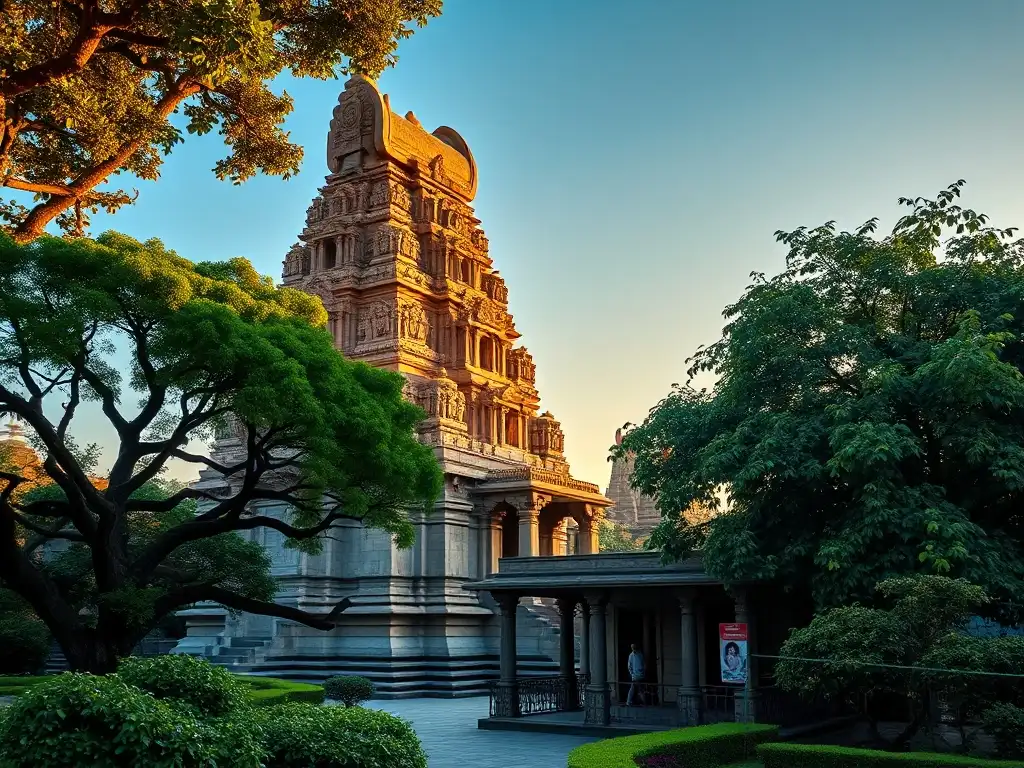
The Chola Dynasty's architectural heritage has had a profound influence on the development of later Indian architecture, particularly in the southern regions. Chola temples, characterized by their grandeur, intricate sculptures, and innovative designs, set a benchmark for subsequent dynasties. The use of granite in construction and the introduction of the Dravidian style of architecture became fundamental elements in the temples built by later South Indian rulers.
One of the most significant contributions of Chola architecture is the evolution of temple design. The Chola temples, with their towering vimanas (temple towers) and expansive courtyards, inspired later architectural styles, particularly during the Pandya and Vijayanagara periods. Temples such as the Brihadeeswarar Temple in Thanjavur not only showcased the artistry of their time but also influenced the architectural language of subsequent constructions, leading to the standardization of temple layouts across southern India.
Moreover, the sculptural techniques and iconography developed during the Chola period laid the groundwork for future artisans. The detailed carvings that adorned the Chola temples became a template for later craftspeople, ensuring that the exquisite artistry of the Chola era continued to resonate in the architecture of subsequent generations.
The Legacy of Chola Architectural Techniques
The architectural techniques pioneered by the Chola Dynasty have left a lasting legacy that continues to influence contemporary practices. One of the most notable techniques was the use of intricate stone carvings, which transformed simple structures into extraordinary works of art. This practice not only enhanced the aesthetic appeal of temples but also served as a means to convey religious narratives and cultural stories.
Additionally, the Cholas were adept at engineering, evident in their advanced water management systems that included canals and reservoirs. These innovations not only supported agriculture but also influenced the layout and sustainability of urban centers. The techniques developed by the Cholas in hydraulic engineering were later emulated by other civilizations, demonstrating their impact beyond mere architecture.
Furthermore, the emphasis on symmetry and proportion in Chola architectural design set a standard for future temple builders. The careful consideration of spatial organization and aesthetic harmony in Chola constructions is still evident in modern architectural practices, especially in the context of temple architecture in India.
Comparison with Other Southern Indian Architectural Styles
While Chola architecture is celebrated for its grandeur and intricate detailing, it is essential to compare it with other southern Indian architectural styles to appreciate its unique contributions. The Chola style can be contrasted with the earlier Pallava architecture, which laid the groundwork for temple construction in South India. Pallava temples, such as those at Mahabalipuram, are primarily rock-cut, showcasing a different approach to stone architecture compared to the free-standing granite structures of the Cholas.
Another significant style is the Pandya architecture, which evolved after the Chola period. Pandyan temples often exhibit a more austere design compared to the elaborate Chola temples. While both styles share similarities, such as the use of sculptures and vimanas, the Chola Dynasty's emphasis on grandeur and intricate embellishments set it apart.
The Vijayanagara Empire also drew inspiration from Chola architecture, but with its distinct features. The incorporation of Indo-Islamic elements into Vijayanagara temples marked a departure from traditional Chola designs, illustrating how the Chola architectural legacy evolved and influenced a diverse range of styles in southern India.
Preservation and Conservation of Chola Architectural Heritage
As one of the most significant legacies of ancient India, the preservation and conservation of Chola architectural heritage is of paramount importance. These monuments not only reflect the artistic and engineering prowess of the Chola Dynasty but also serve as vital links to India's cultural and historical narrative. Efforts to maintain these structures are critical to ensuring that future generations can appreciate and learn from this rich heritage.
Current Efforts in Preserving Chola Monuments
Numerous initiatives have been undertaken to preserve Chola monuments, particularly in Tamil Nadu, where many of these architectural marvels are located. The Archaeological Survey of India (ASI) plays a pivotal role in the restoration and maintenance of Chola temples, implementing methods that respect the original materials and techniques used in their construction.
In addition to government efforts, several non-governmental organizations and heritage conservation groups are actively involved in raising awareness about the importance of Chola architecture. These organizations often organize workshops, seminars, and cultural events to engage the community in preservation efforts, emphasizing the need for sustainable tourism practices that respect the integrity of these ancient sites.
Moreover, international collaborations have emerged to safeguard these monuments. UNESCO has designated several Chola temples as World Heritage Sites, which has helped mobilize resources and expertise for their conservation. This recognition not only aids in preservation but also enhances global awareness of the significance of Chola architectural heritage.
Challenges Faced in Conservation
Despite ongoing efforts, the preservation of Chola architectural heritage faces several challenges. One of the most pressing issues is environmental degradation, including pollution and climate change, which can cause significant damage to these ancient structures. The acidic nature of pollution, combined with heavy monsoon rains, can erode stone surfaces and compromise the structural integrity of temples.
Another challenge is the lack of funding and resources dedicated to conservation projects. While government initiatives exist, they often fall short of the financial support required to maintain these large and complex structures. Limited budgets can lead to inadequate restoration practices, risking further deterioration of the monuments.
Additionally, the rapid urbanization and development around historical sites pose a threat to their preservation. Encroachment and infrastructure projects can disrupt the historical context of these monuments, leading to a loss of their cultural significance. It is crucial for policymakers to balance development with heritage conservation to protect the legacy of the Chola Dynasty for future generations.
Conclusion: The Enduring Legacy of Chola Dynasty Architectural Heritage
The Chola Dynasty stands as a monumental chapter in the history of ancient Indian architecture, celebrated for its innovative designs and artistic excellence. The architectural heritage left behind by the Cholas not only reflects their grandeur but also serves as a testament to their advanced understanding of engineering and aesthetics.
From the majestic Brihadeeswarar Temple to the intricate sculptures of the Nataraja, the legacy of the Chola Dynasty continues to inspire and captivate scholars, architects, and tourists alike. The enduring presence of these structures reinforces the Cholas' significant role in shaping the architectural landscape of Southern India, ensuring their contributions remain relevant through the ages.
Reflection on the Importance of Chola Contributions to Indian Architecture
The Chola contributions to Indian architecture are paramount, marking a distinctive evolution in temple design and urban planning. Notably, their emphasis on monumental stone temples established a template that influenced subsequent architectural styles in Southern India and beyond. The intricate carvings and sculptures of Chola temples showcase not only religious devotion but also the zenith of artistic craftsmanship.
Moreover, the use of the Dravidian architectural style, characterized by towering vimanas and expansive courtyards, set a precedent for future temple constructions. The Chola architectural philosophy, intertwining spirituality with artistry, created a cultural milieu that fostered the growth of art and architecture in India, leaving an indelible mark on the nation's heritage.
The Relevance of Chola Architectural Marvels Today
Today, the architectural marvels of the Chola Dynasty hold significant relevance, serving as cultural symbols and tourist attractions that draw visitors from around the globe. These sites offer insights into the socio-political and religious dynamics of the time, enriching our understanding of ancient Indian civilization. Furthermore, the preservation and promotion of Chola architecture contribute to regional identity and pride, encouraging local communities to engage with their heritage.
Modern architects and designers often look to Chola architecture for inspiration, incorporating traditional elements into contemporary designs. The ongoing study and appreciation of these marvels underscore their timelessness and the continuing influence of the Chola Dynasty's architectural legacy in today's world.
References and Further Reading on Chola Dynasty Architectural Heritage
Suggested Books and Articles
- "Chola Architecture and Sculpture" by K. Ranganathan – This book provides an in-depth analysis of Chola architectural styles and their artistic expressions through various sculptures.
- "Temples of the South: The Architecture of the Chola Dynasty": by S. R. Rao – A comprehensive guide detailing the architectural innovations and religious significance of Chola temples.
- "The Chola Dynasty: A Historical Study": by K. S. Rajasekaran – This historical overview includes a section dedicated to the architectural contributions of the Chola era, contextualizing their significance.
Online Resources for Exploring Chola Architecture
- Archaeological Survey of India: The official website offers resources and articles on various Chola monuments and their historical significance.
- UNESCO World Heritage Sites: This platform provides detailed information about the Chola temples that have been designated as World Heritage Sites, including images and historical context.
- Digital South Asia Library: A resource for accessing digitized versions of historical texts and studies related to Chola architecture and its impact on Indian culture.
- Introduction to the Chola Dynasty
- The Chola Dynasty Architectural Heritage
- Major Architectural Marvels of the Chola Dynasty
- Sculptural Masterpieces of the Chola Period
- Influence of Chola Architecture on Later Indian Architecture
- Preservation and Conservation of Chola Architectural Heritage
- Conclusion: The Enduring Legacy of Chola Dynasty Architectural Heritage
- References and Further Reading on Chola Dynasty Architectural Heritage
- What was the significance of the Chola Dynasty in Indian history?
- What are some notable architectural achievements of the Chola Dynasty?
- How did the Chola Dynasty influence later architectural styles?
- What materials were primarily used in Chola architecture?
- How does the Chola Dynasty's architectural heritage impact modern India?
Frequently Asked Questions
What was the significance of the Chola Dynasty in Indian history?
The Chola Dynasty played a crucial role in shaping southern India through its extensive territorial expansion, rich cultural contributions, and innovative administrative practices.
What are some notable architectural achievements of the Chola Dynasty?
The Chola Dynasty is renowned for its temples, especially those like the Brihadeeswarar Temple in Thanjavur, which exemplify their advanced engineering and artistic excellence.
How did the Chola Dynasty influence later architectural styles?
The Chola architectural style greatly influenced subsequent South Indian temple architecture, characterized by its grand structures, intricate sculptures, and the use of gopurams (towered gateways).
What materials were primarily used in Chola architecture?
Chola architects predominantly used granite and stone, which allowed for the creation of durable and ornate structures that have withstood the test of time.
How does the Chola Dynasty's architectural heritage impact modern India?
The Chola architectural heritage continues to inspire modern architects and artists and plays a vital role in cultural tourism, showcasing India’s rich history and artistic traditions.
Final Reflection: The Enduring Legacy of Chola Dynasty Architectural Heritage
The architectural marvels of the Chola Dynasty are not merely relics of the past; they are vibrant testaments to a rich cultural heritage that continues to resonate in contemporary society. Today, as we navigate a world increasingly defined by rapid change and globalization, the intricate craftsmanship and innovative designs of the Chola temples remind us of the importance of preserving our historical narratives. These structures stand as a striking statement of identity, artistry, and the profound connection between culture and architecture.
The influence of Chola architectural heritage extends far beyond the confines of Southern India; it has shaped the cultural and social landscape of the region and inspired generations of artists and architects. The grandeur of these temples, with their towering gopurams and exquisite sculptures, serves as a source of pride and inspiration, fostering a sense of belonging and continuity. As the poet and philosopher John Keats once said, A thing of beauty is a joy forever.
This sentiment rings true as we appreciate the beauty of Chola architecture, which continues to evoke admiration and respect, bridging the past with the present.
As we reflect on the lessons embedded in the architectural legacy of the Chola Dynasty, let us embrace the call to honor and preserve our own cultural heritages. I invite you to explore the stories behind the structures that surround you, to appreciate the artistry that has shaped your community, and to advocate for the preservation of these treasures for future generations.
By doing so, we not only celebrate our history but also enrich our understanding of who we are and where we come from, ensuring that the legacy of the Chola Dynasty—and all cultural heritages—remains alive and vibrant in our collective consciousness.
Unveil Your Journey Through Chola Grandeur!
Thank you for taking the time to explore the magnificent legacy of the Chola Dynasty! You’ve uncovered how their architectural marvels not only showcase artistic brilliance but also tell profound stories of a vibrant heritage. Now, let’s take those insights further and connect deeper with this rich history.
Here are a few steps you can take to continue your exploration:
- Visit a local museum or historical site featuring Chola artifacts, allowing you to experience this captivating history up close.
- Share your newfound knowledge with friends and family! Host a mini-discussion or create a social media post about your favorite Chola architectural masterpiece.
- Dive deeper into Chola artistry by exploring additional resources or books that highlight their influence on Southern Indian culture.
What inspires you the most about the architectural achievements of the Chola Dynasty, and how do you see their influence reflected in modern society?