
The Women of the Maurya Empire: Powerful Figures Behind the Throne

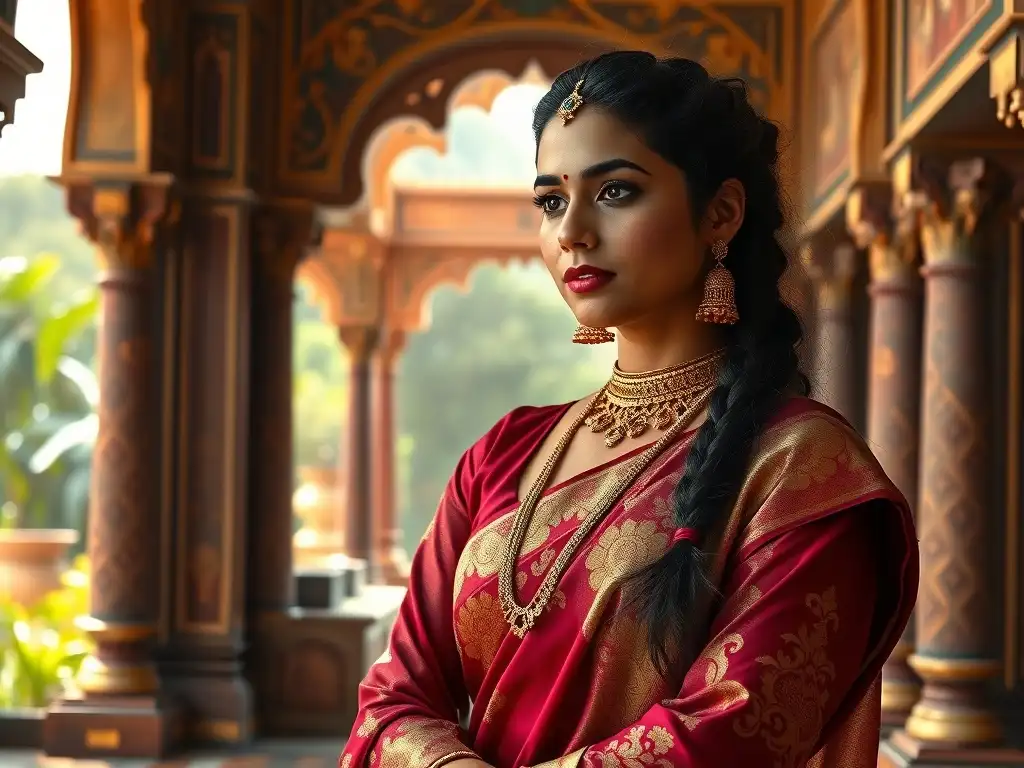
Welcome to Ancient India History, where we embark on a journey through the rich tapestry of India's past. Here, we delve into the fascinating stories and remarkable contributions of ancient civilizations that shaped a nation. In our featured article, “The Women of the Maurya Empire: Powerful Figures Behind the Throne,” we shine a light on the influential roles women played during this dynamic period.
Their strength and wisdom often went unrecognized, but they were pivotal in the empire's narrative. Prepare to uncover the hidden legacies of these formidable women and how they helped mold the course of history. Explore with us and discover what lies beyond the pages of time!
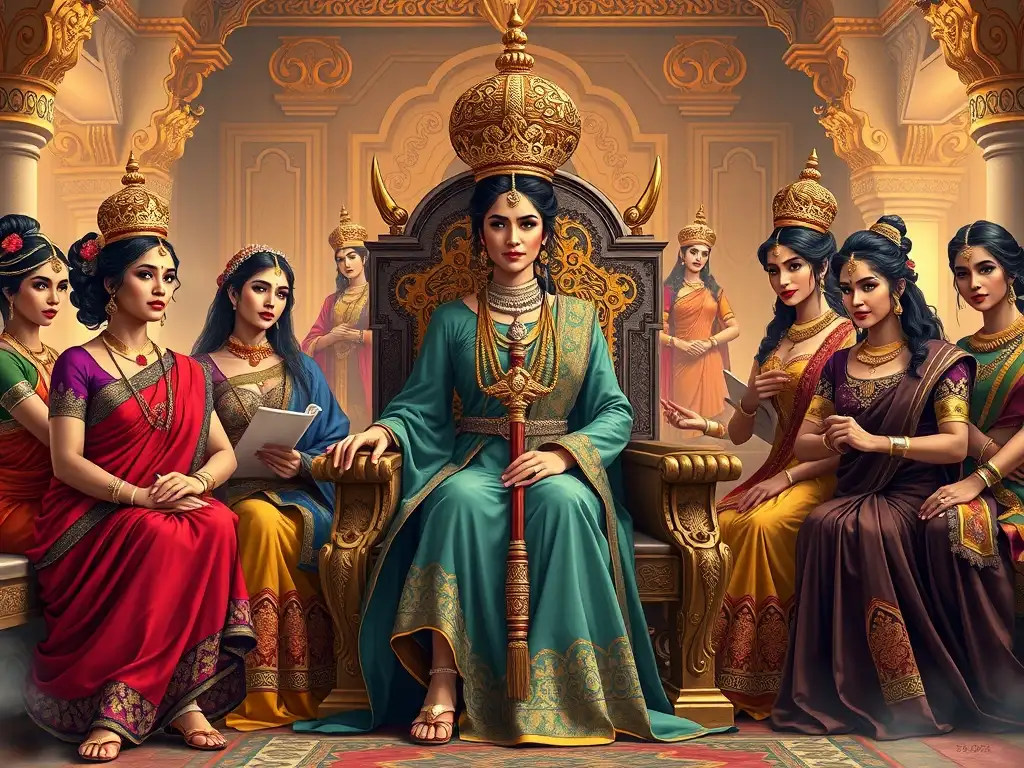
Introduction to Women in Maurya Empire History
The Maurya Empire, which thrived from approximately 322 to 185 BCE, is one of the most significant periods in ancient Indian history, marked by remarkable political, economic, and cultural advancements. While the empire is predominantly celebrated for its emperors, such as Chandragupta Maurya and Ashoka the Great, the role of women during this era is often overlooked.
Women in Maurya Empire history played crucial roles as influential figures behind the throne, shaping the political landscape and contributing to the empire's legacy. By examining their stories, we can gain a deeper understanding of the complex societal structure and the vital contributions of women in ancient Indian civilizations.
Overview of the Maurya Empire
The Maurya Empire was established by Chandragupta Maurya, who unified vast territories across the Indian subcontinent. Under his rule, the empire expanded significantly, covering regions that include present-day India, Pakistan, and parts of Afghanistan. The Maurya Empire is known for its efficient administration, economic prosperity, and cultural advancements, including the spread of Buddhism and the development of art and architecture.
Key features of the Maurya Empire include:
- Political Structure: A centralized government that maintained control over a vast territory.
- Cultural Flourishing: The promotion of arts, literature, and philosophy, with notable contributions from thinkers like Chanakya.
- Economic Growth: A robust trade network that facilitated commerce and cultural exchange.
Understanding the empire's history provides context for the influential roles women played within this powerful dynasty.
Importance of Women in Ancient Indian Civilizations
Women in ancient Indian civilizations were more than mere figures in the background; they were integral to the social, political, and economic fabric of their societies. In the Maurya Empire, women were often involved in governance, diplomacy, and cultural patronage. Their contributions were vital in maintaining the stability and legacy of the empire.
Key aspects of women's roles include:
- Political Influence: Many women served as advisors and strategists, wielding significant power in political matters.
- Cultural Patrons: Women actively participated in the promotion of art, literature, and religious practices.
- Economic Contributors: They played crucial roles in managing households and engaging in trade.
Recognizing the importance of women helps us appreciate the multifaceted nature of ancient Indian history and the diverse contributions of all its members.
Key Women Figures of the Maurya Empire
The Maurya Empire is home to several notable women whose influence extended beyond the traditional roles assigned to them. These figures were instrumental in shaping the empire's political dynamics and cultural heritage.
Chandragupta Maurya's Queens
Chandragupta Maurya, the founder of the empire, had multiple queens who not only supported him but also played active roles in governance. Among them, Durdhara, his primary queen, is often remembered for her loyalty and intelligence. She was not only a companion to Chandragupta but also contributed to the empire's political strategies.
- Political Alliances: Queens often negotiated strategic marriages that strengthened alliances and ensured stability.
- Advisory Roles: Many of these women served as trusted advisors, influencing key decisions made by their husbands.
The stories of these queens reveal the often unseen power dynamics that existed within the royal court of the Maurya Empire.
The Impact of Empress Helena
Empress Helena, known for her diplomatic skills, played a pivotal role in the Maurya Empire's relations with foreign kingdoms. Her marriage to a Mauryan prince symbolized the empire's openness to cultural exchange and political alliances.
- Cultural Exchange: Helena's influence facilitated the introduction of Hellenistic ideas into Indian society, enriching the cultural landscape.
- Diplomatic Relations: Her efforts in diplomacy helped establish peace and foster trade relationships with neighboring regions.
Empress Helena's contributions highlight the important diplomatic roles women held, shaping not only the Maurya Empire but also the broader ancient world.
The women of the Maurya Empire were far from passive figures; they were dynamic agents of change, influencing politics, culture, and society. By recognizing their contributions, we gain a fuller understanding of the complexities of Maurya Empire history.
Women in Maurya Empire Society
The Maurya Empire, which thrived between 322 and 185 BCE, was marked by a complex social structure where women played significant roles, albeit within the confines of a patriarchal society. Women's status varied across different strata, influenced by factors such as class, caste, and individual circumstances. Generally, women were expected to fulfill traditional roles, primarily focused on family and household responsibilities. However, many women transcended these limitations, engaging in activities that contributed to both their families and society at large.
In urban areas, women from affluent families often enjoyed a degree of autonomy, allowing them to participate in economic activities such as trade and craftsmanship. Although their opportunities were more limited in rural settings, women were crucial to agricultural production and household management. The presence of women in the marketplace and their involvement in religious and cultural events highlighted their visibility in society.
Despite the patriarchal constraints, the Maurya Empire recognized the importance of women in various spheres, such as politics, religion, and philosophy. Their contributions, whether direct or indirect, were essential to the socio-political dynamics of the time.
Social Status of Women in the Maurya Empire
The social status of women during the Maurya Empire was multifaceted. While the Vedic texts and subsequent literature often portrayed women as subordinate to men, this was not entirely reflective of their lived experiences. Women of higher social classes had better access to education, wealth, and influence compared to their lower-class counterparts.
In royal families, women wielded significant power. For instance, the mothers of emperors often played crucial roles in governance, acting as regents or advisors in the absence of their sons or husbands. The queens, such as the famed Empress Chandragupta Maurya and later, his grandson Ashoka’s consorts, were not only influential in court politics but also in the cultural and religious life of the empire.
Despite some challenges, the Maurya Empire allowed for a range of social roles for women. They were seen as bearers of lineage and cultural values, and their participation in rituals and ceremonies was deemed vital. However, the emphasis on purity and domesticity often meant that women's freedoms were curtailed, as their honor was closely linked to their behavior and public conduct.
Women as Political Advisors and Strategists
Women of the Maurya Empire were not merely passive figures; many actively participated in political life as advisors and strategists. Historical accounts suggest that women often served as confidantes to kings and played pivotal roles in shaping policy decisions.
A notable example is the role of Queen Durdhara, the wife of Chandragupta Maurya, who is believed to have provided counsel during critical periods of her husband's reign. Her influence extended beyond the domestic sphere, impacting political alliances and decisions.
Additionally, women were instrumental in diplomatic relations, often being married into royal families to strengthen alliances. These marriages were strategic, and the women involved could leverage their positions to protect their families' interests. This practice illustrates how women could maneuver through the political landscape, showcasing their skills as diplomats and strategists.
The Role of Women in Religion and Philosophy
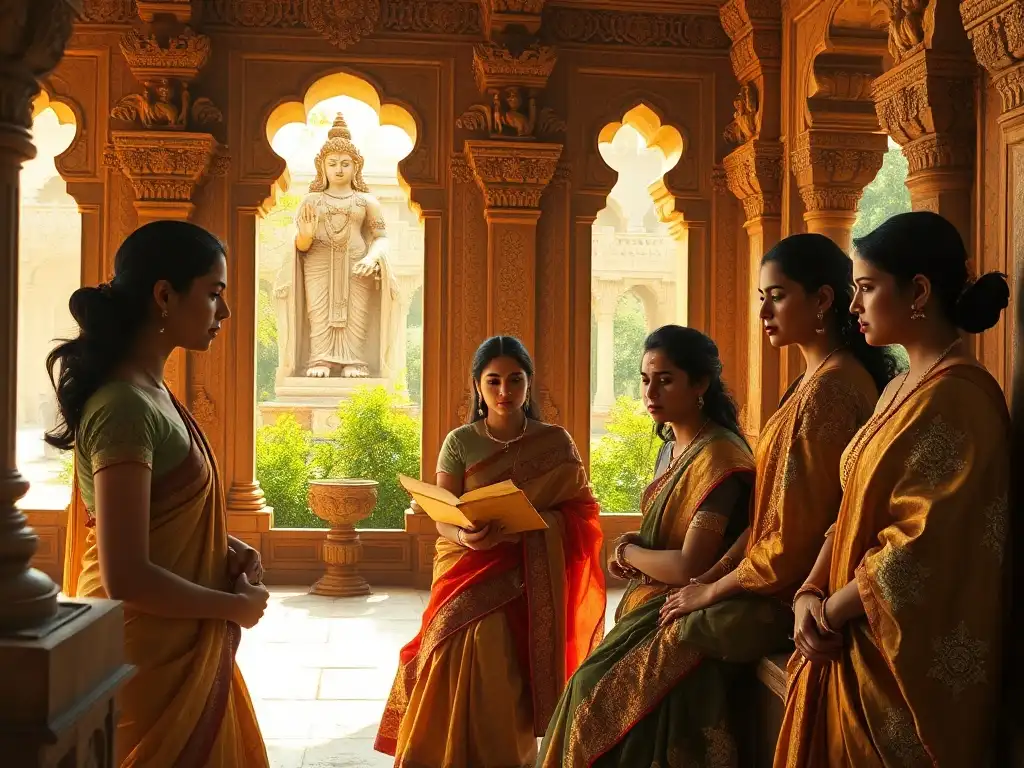
Women in the Maurya Empire were not just passive participants in religious and philosophical life; they were actively engaged in both fields, shaping spiritual discourse and community practices. Their roles in religion and philosophy reflect a deeper understanding of their significance in maintaining cultural continuity.
Women in Maurya Empire Religious Practices
Religious practices in the Maurya Empire were diverse, with Hinduism, Buddhism, and Jainism being the most prominent. Women were integral to rituals, ceremonies, and community worship. They participated in festivals and often took on the roles of priestesses in certain religious practices, particularly in local and folk traditions.
Buddhism, in particular, offered women a platform for spiritual growth and leadership. The establishment of nunneries provided women with opportunities to engage in religious life outside of traditional domestic roles. Female followers of Buddha, such as Mahaprajapati, were key figures in the early Buddhist community, advocating for the inclusion of women in monastic life.
Through these practices, women not only contributed to the spiritual fabric of society but also gained respect and authority within their communities.
Philosophical Contributions by Women
The philosophical landscape of the Maurya Empire also saw contributions from women, although their voices are often underrepresented in historical texts. Women engaged in philosophical discourse, particularly within the frameworks of Hindu and Buddhist philosophies.
While specific names and texts from the Maurya period are scarce, the existence of female scholars and thinkers is suggested by references in later texts that acknowledge their contributions to philosophical debates. Women were involved in discussions about ethics, morality, and spirituality, influencing the philosophical thought of the time.
The philosophical contributions of women were significant in challenging traditional narratives and offering alternative perspectives on ethics and social responsibilities. Their involvement in these intellectual pursuits highlights the complexity of women's roles in the Maurya Empire, showcasing them as active participants in shaping the ideological foundations of their society.
Conclusion: Legacy of Women in Maurya Empire History
The legacy of women in Maurya Empire history is profound and multifaceted, emphasizing their critical roles not just as figures behind the throne, but as active participants in the political, social, and cultural life of the empire. Women such as Queen Helena and the influential figures of the royal court demonstrated remarkable agency and influence in shaping the empire's direction. Their contributions were not merely supportive but often pivotal in matters of governance and policy. This legacy invites a deeper exploration of women’s roles throughout Indian history, challenging traditional narratives that often overlook their contributions.
The Maurya Empire serves as a reminder that women's involvement in leadership and decision-making processes has deep historical roots in India, paving the way for future generations. Their stories, often overshadowed by their male counterparts, are essential to understanding the broader socio-political dynamics of ancient India.
Lasting Impact on Subsequent Indian History
The impact of women from the Maurya Empire transcended their immediate historical context, influencing subsequent generations and shaping the cultural fabric of India. The recognition of women’s political acumen and leadership during this period set precedents for future female figures in Indian history.
For instance, the narratives of women like Chandragupta Maurya’s queens can be seen echoed in later dynasties, where royal women played significant roles in governance and diplomacy. This legacy also reflects in the epics and literature that followed, which began to portray women not just as passive figures but as strategic influencers in their own right. The acknowledgment of women's contributions during the Maurya period has sparked a renewed interest in studying female agency across various historical epochs in India.
Reflection on the Role of Women in Ancient Indian Civilizations
Reflecting on the role of women in ancient Indian civilizations reveals a complex and often contradictory picture. While patriarchal structures were prevalent, women in the Maurya Empire enjoyed certain privileges that allowed them to exercise power and influence. The presence of women in administrative roles and their strategic marriages illustrate a nuanced understanding of gender dynamics in ancient Indian society.
This duality of oppression and empowerment invites scholars to reconsider the narratives surrounding women in ancient cultures. The Maurya Empire, with its rich tapestry of female figures, serves as a critical case study in understanding how women navigated the socio-political landscapes of their time. Their stories highlight the importance of recognizing women's contributions as integral to the historical narrative, rather than as mere footnotes.
Additional Resources
Recommended Readings on Women in Ancient India
-
"Women in Ancient India" by Kumkum Sangari
This book provides an extensive analysis of women's roles and representations in ancient Indian texts, emphasizing their social and political significance.
-
"The Status of Women in Ancient India" by R. C. Majumdar
Majumdar's work offers a comprehensive overview of women’s rights, duties, and positions in various ancient Indian civilizations, with a particular focus on the Maurya Empire.
-
"Women and Society in Ancient India" by R. S. Sharma
Sharma explores the social fabric of ancient Indian society, shedding light on the various roles women played and the evolution of their status over time.
Documentaries and Lectures on the Maurya Empire
-
"The Maurya Empire: A History"
This documentary provides an engaging overview of the Maurya Empire, highlighting notable figures, including influential women and their impact on the empire's legacy.
-
"Women of Ancient India" - Lecture Series
This series features expert historians discussing the contributions of women across various periods in Indian history, including a focus on the Maurya Empire.
-
"The Rise and Fall of the Maurya Empire"
A comprehensive documentary that explores the political landscape of the Maurya Empire while addressing the often-overlooked roles of women in its governance and society.
- Introduction to Women in Maurya Empire History
- Key Women Figures of the Maurya Empire
- Women in Maurya Empire Society
- The Role of Women in Religion and Philosophy
- Conclusion: Legacy of Women in Maurya Empire History
- Additional Resources
Frequently Asked Questions
What role did women play in the Maurya Empire?
Women in the Maurya Empire held significant positions, often influencing political decisions and participating in cultural practices that shaped society.
Were there any notable women in the Maurya Empire?
Yes, figures like Durdhara, the wife of Chandragupta Maurya, and Vijaya, who played crucial roles in their husbands’ reigns, are celebrated for their influence and leadership.
How did the status of women in the Maurya Empire compare to earlier periods?
The status of women in the Maurya Empire was relatively elevated compared to earlier periods, with more opportunities for education and participation in public life.
What contributions did women make to Mauryan society?
Women contributed to economic activities, such as trade and craftsmanship, and were also pivotal in the preservation of cultural heritage through arts and literature.
How is the legacy of women in the Maurya Empire viewed today?
Today, the legacy of women in the Maurya Empire is recognized as a vital part of Indian history, highlighting their roles as leaders and influencers in a predominantly patriarchal society.
Final Reflection: The Enduring Legacy of Women in the Maurya Empire
The remarkable contributions of women in the Maurya Empire resonate profoundly in today's discussions about gender equality and empowerment. As we explore the historical narratives of powerful figures behind the throne, we uncover not only their influence in ancient times but also the ongoing relevance of their stories in contemporary society. The legacy of these women serves as a powerful reminder that history is often shaped by those who are not always in the spotlight, yet their impact is undeniable.
The stories of women in the Maurya Empire challenge us to reconsider the roles of women throughout history and their significance in shaping political and cultural landscapes. Their influence is not merely a relic of the past; it continues to inspire movements for women's rights and representation today. As historian R. S. Sharma aptly noted, The strength of a society is reflected in the status of its women.
This observation underscores the importance of recognizing and celebrating the contributions of women, not just in ancient empires but in all facets of life.
As we reflect on the powerful narratives of women in the Maurya Empire, I invite you to consider how these lessons can be applied in your own life. Take a moment to acknowledge the women who have shaped your world, whether in history or your personal experiences. Let their stories inspire you to advocate for equality and to recognize the strength that lies in diverse voices. Together, we can honor the legacy of these remarkable women by ensuring that their contributions are remembered and celebrated in our ongoing quest for justice and empowerment.
Unveil the Legacy of Empowering Women in History!
Thank you for diving into the remarkable story of the women of the Maurya Empire! Your interest highlights the significance of these powerful figures who shaped a pivotal era in ancient history. Now, let’s take your curiosity to the next level!
Here’s how you can explore further and make a lasting impact:
- Dive deeper into the history of influential women by reading about their contributions in our exclusive article series.
- Join the conversation! Share this article with friends or on social media to inspire others and spark discussions about the critical role women have played throughout history.
- Consider visiting a local library or an online archive to uncover unique historical insights that may not be widely known.
What powerful story about the women of the Maurya Empire resonates with you the most, and how do you think their legacy influences contemporary society? We would love to hear your thoughts!