
The Legacy of Ancient Indian Artists: Preserving Techniques and Traditions

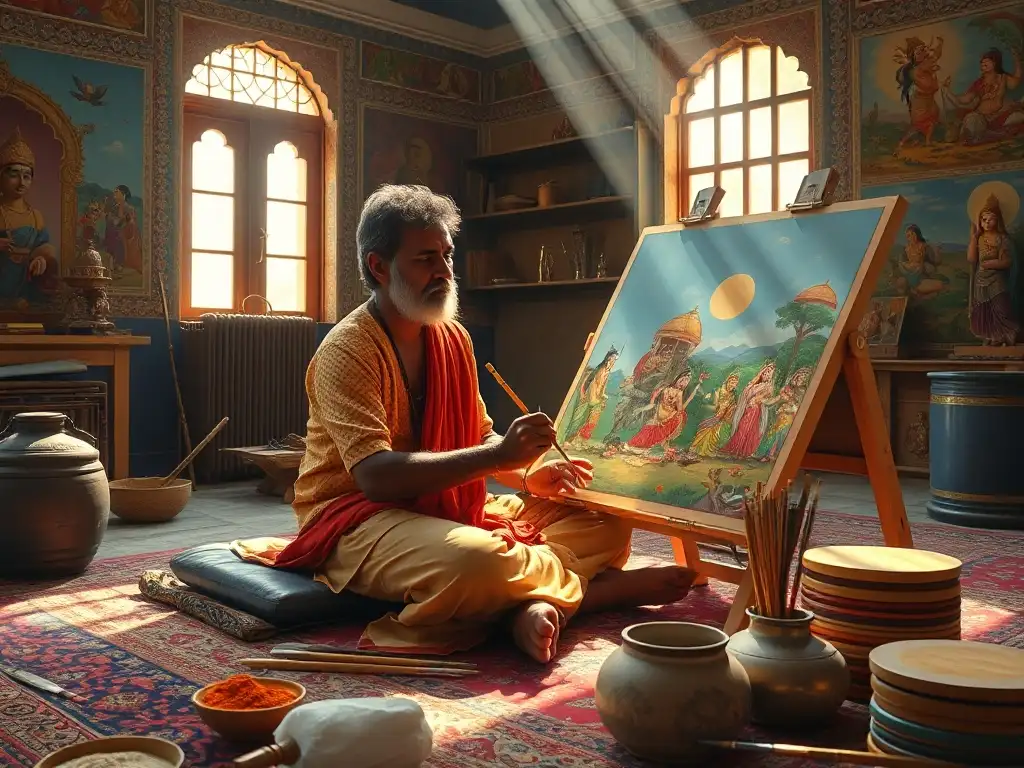
Welcome to Ancient India History, where we embark on a journey through the vibrant tapestry of ancient Indian civilizations. Discover the captivating world of artistic expression as we delve into the main article, "The Legacy of Ancient Indian Artists: Preserving Techniques and Traditions." Prepare to be amazed by the intricate artistic techniques that have not only shaped the cultural landscape of India but have also left an indelible mark on global art movements.
As you explore, you'll uncover the secrets behind these age-old practices and the stories they tell. Join us in celebrating the brilliance and creativity of our ancestors, and let your curiosity guide you deeper into this enthralling narrative!
Introduction to Ancient Indian Artistic Techniques
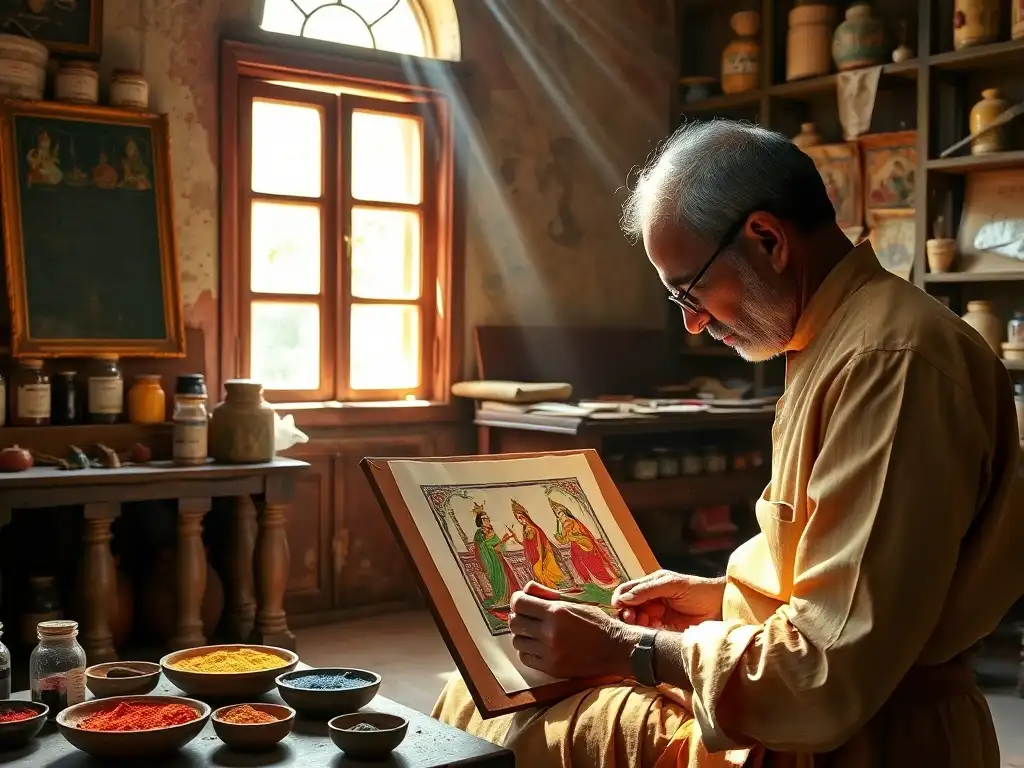
The legacy of ancient Indian artists is a profound testament to the innovative spirit and cultural richness of the Indian subcontinent. Spanning thousands of years, ancient Indian artistic techniques encompass a diverse range of styles, mediums, and philosophies that have significantly influenced not only Indian culture but also the global art scene.
From the intricate carvings of the Indus Valley Civilization to the vibrant frescoes of the Gupta period, these techniques are imbued with symbolic meanings and reflective of the societal values of their time. Understanding and preserving these artistic traditions is crucial, as they provide insights into the social, religious, and philosophical underpinnings of ancient Indian life.
Overview of Ancient Indian Art Forms
Ancient Indian art is characterized by its diversity and complexity, encompassing various forms such as:
- Sculpture: Renowned for its intricate details, ancient Indian sculptures often depict deities, mythological figures, and scenes from everyday life.
- Painting: From frescoes in caves to miniature paintings on palm leaves, ancient Indian paintings are vibrant and richly detailed, often conveying spiritual narratives.
- Architecture: The construction of grand temples, stupas, and palaces showcases advanced engineering techniques and a deep understanding of aesthetics.
- Textiles and Pottery: The use of natural dyes and intricate patterns in textiles and pottery reflects the artistic sensibility of ancient artisans.
These art forms were not merely for aesthetic appreciation; they served religious, cultural, and social functions, embedding themselves deeply into the fabric of ancient Indian society.
Importance of Preserving Artistic Heritage
Preserving the artistic heritage of ancient India is essential for several reasons:
- Cultural Identity: Artistic techniques are a vital part of a community's identity, reflecting its history, beliefs, and values.
- Educational Resource: These techniques serve as a rich educational resource, offering insights into past civilizations and their worldviews.
- Inspiration for Contemporary Art: Ancient techniques continue to inspire modern artists, encouraging a dialogue between the past and present.
- Tourism and Economic Benefits: Preserved art forms attract tourists, contributing to the local economy and promoting cultural exchange.
By safeguarding these artistic traditions, we can ensure that future generations appreciate and learn from the rich tapestry of ancient Indian art.
Historical Context of Ancient Indian Artists
Understanding the historical context of ancient Indian artists is crucial for appreciating their contributions to art and culture. The evolution of artistic practices can be traced through various periods, each marked by distinctive styles and techniques.
Major Periods of Artistic Development
- Indus Valley Civilization (c. 3300–1300 BCE): Known for its terracotta figurines and seals, this period laid the foundation for artistic expression in India.
- Maurya Period (c. 322–185 BCE): The emergence of monumental sculptures, including the famous Ashoka Pillars, marked advancements in stone-carving techniques.
- Gupta Period (c. 240–550 CE): Often referred to as the "Golden Age" of India, this era saw a flourishing of both sculpture and painting, with techniques that emphasized grace and beauty.
Each period contributed unique elements to the evolution of ancient Indian artistic techniques, reflecting the changing dynamics of society and culture.
Influential Ancient Indian Artists and Their Contributions
While many artists remain anonymous, several notable figures have left an indelible mark on the art world:
- Brahmagupta: An influential mathematician and astronomer, his contributions to art included intricate astronomical diagrams and celestial motifs.
- Vishnu Sharma: Known for his storytelling through art, his works often depicted scenes from the Panchatantra, blending narrative with visual representation.
- Kshatrapati: A master sculptor whose works in the Gupta period are celebrated for their elegance and emotive expression, influencing many subsequent generations.
These artists exemplify the creativity and skill that characterized ancient Indian artistic traditions, highlighting the significance of their contributions to the broader narrative of art history.
Key Ancient Indian Artistic Techniques
Ancient Indian artistic techniques encompass a wide array of practices that reflect the rich cultural heritage and diversity of the subcontinent. These techniques not only showcase the creativity and skill of ancient artisans but also provide insight into the social, religious, and political contexts of their time. The legacy of these techniques can still be observed in contemporary art forms, highlighting their enduring significance.
Some of the prominent artistic techniques include fresco painting, stone carving, metalwork, and textile weaving. Each of these methods played a crucial role in expressing the aesthetic values, spiritual beliefs, and narratives of the ancient Indian civilization.
Traditional Painting Techniques in Ancient India
Traditional painting techniques in ancient India are characterized by their intricate detailing and vibrant colors. One of the most notable methods is fresco painting, which involves applying pigment onto freshly laid wet plaster. This technique was extensively used in the creation of murals in temples, palaces, and caves, with the Ajanta and Ellora caves serving as prime examples.
Another significant style is miniature painting, which emerged during the Mughal period, where artists created detailed artworks on small surfaces, often depicting court scenes, nature, and religious themes. The use of natural pigments made from minerals and plants contributed to the vividness and longevity of these paintings. Additionally, the Madhubani and Warli styles, originating from specific regions, utilize distinct patterns and motifs that reflect local traditions and beliefs.
Sculpting Methods Used by Ancient Indian Artists
Sculpting methods in ancient India were diverse and evolved over centuries. Stone carving was one of the most prominent techniques, with artists skillfully chiseling intricate figures from harder stones such as granite and sandstone. The Khajuraho and Konark temples are excellent representations of this technique, showcasing complex sculptures that narrate stories from mythology and daily life.
Bronze casting, particularly the lost-wax technique, was another significant sculpting method. This process allowed for the creation of detailed and expressive figures, often used in religious contexts. The famous Dancing Shiva statue is a prime example of this technique, reflecting the artistic prowess and spiritual significance attributed to such sculptures. Additionally, terracotta sculptures, which were more accessible to common artisans, were used to create figurines and decorative elements, further enriching the artistic landscape of ancient India.
Unique Textile Arts and Weaving Techniques
Textile arts in ancient India are renowned for their complexity and craftsmanship. Techniques such as block printing, ikat, and tie-dyeing were widely practiced, each offering unique patterns and colors. Block printing, particularly in regions like Rajasthan and Gujarat, involved carving intricate designs into wooden blocks, which were then stamped onto fabric. This method allowed for mass production and vibrant designs.
Ikat is another fascinating technique that involves dyeing the threads before weaving them into fabric. This requires great skill to ensure that the patterns align perfectly during the weaving process. The result is often a visually stunning textile that tells a story of its own.
Moreover, the intricate art of weaving has been preserved in various forms, such as the famous Kanchipuram silk sarees and Banarasi brocades, showcasing the finesse of ancient artisans in creating luxurious fabrics that were often used in ceremonial contexts.
The Role of Religion and Spirituality in Ancient Indian Art
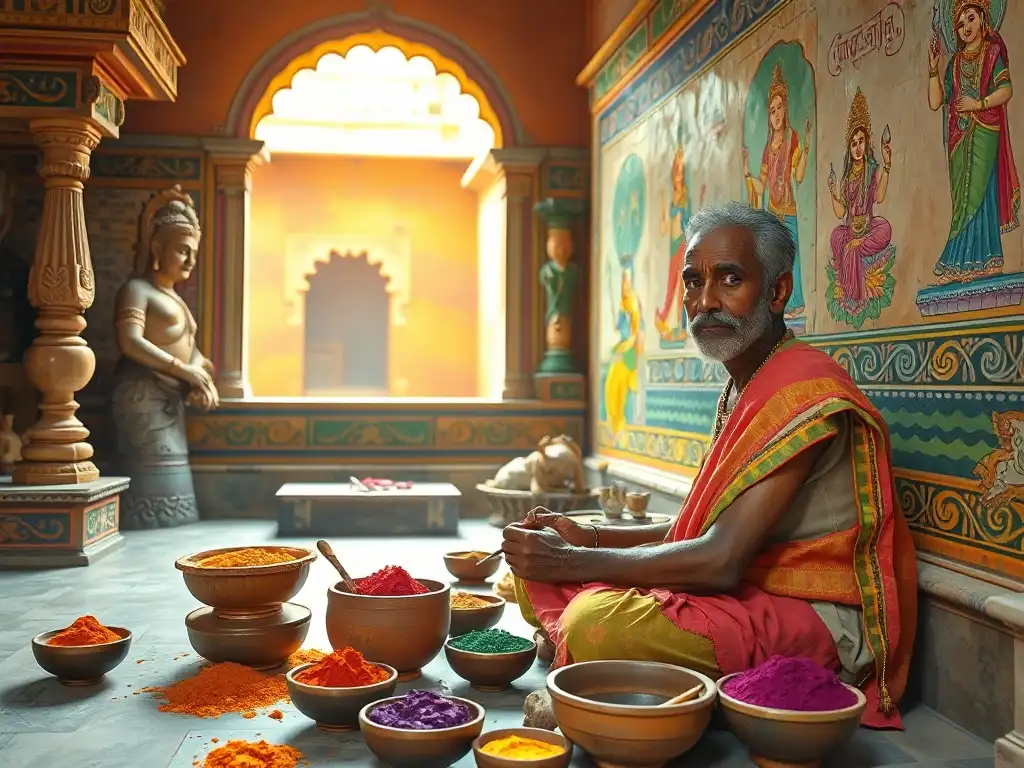
Religion and spirituality have played a pivotal role in shaping ancient Indian art. Artistic expressions were often intertwined with religious beliefs, serving as a medium to convey spiritual narratives and values. Temples and sacred sites were adorned with sculptures and paintings that depicted deities, mythological stories, and moral teachings, reflecting the deep connection between art and spirituality in ancient Indian society.
Influence of Hinduism on Artistic Practices
Hinduism has significantly influenced artistic practices in ancient India, evident in the myriad of sculptures, paintings, and architectural designs dedicated to its pantheon of gods and goddesses. The depiction of deities such as Vishnu, Shiva, and Durga in various forms and poses speaks to the richness of Hindu mythology and the importance of worship in daily life.
The Shikhara architecture of Hindu temples, often embellished with carvings and intricate relief work, serves as a testament to the devotion and skill of ancient craftsmen. Iconography in Hindu art is highly symbolic, with each element representing specific attributes and teachings. This spiritual dimension infused in artistic practices has ensured the preservation of these techniques through generations.
Buddhist and Jain Artistic Contributions
Buddhism and Jainism also made significant contributions to ancient Indian art, each with its distinct styles and themes. Buddhist art, particularly during the Mauryan and Gupta periods, is marked by the creation of stupas, cave complexes, and sculptures that depict the life of Buddha and his teachings. The Sanchi Stupa and the Ajanta Caves are prime examples, showcasing the use of narrative art to convey spiritual messages.
Jain art, characterized by its detailed and ornate style, often focuses on the Tirthankaras—spiritual teachers in Jainism. The Dilwara Temples in Mount Abu illustrate this craftsmanship, featuring intricate marble carvings and exquisite sculptures that reflect the Jain ethos of non-violence and truth.
Both Buddhist and Jain artistic traditions emphasize the importance of spirituality and moral values, further enriching the cultural tapestry of ancient India and preserving these artistic techniques for future generations.
Preservation of Ancient Indian Artistic Techniques
The preservation of ancient Indian artistic techniques is a vital aspect of maintaining the rich cultural heritage that has flourished in the Indian subcontinent for millennia. These techniques encompass a wide range of practices, including painting, sculpture, pottery, textile weaving, and metalwork. Each medium carries with it unique methods and philosophies that have been passed down through generations, reflecting the values, beliefs, and stories of ancient civilizations.
Efforts to preserve these art forms involve documenting traditional practices, conducting workshops, and engaging artisans to ensure that the knowledge and skills are not lost to time. Institutions and cultural organizations play a crucial role in this preservation, often collaborating with local communities to promote the significance of these techniques. By fostering an appreciation for ancient art forms, they help keep the traditions alive, allowing contemporary society to connect with its historical roots.
Challenges in Preserving Traditional Techniques
Despite the sustained efforts in preservation, several challenges hinder the longevity of ancient Indian artistic techniques. One significant challenge is the rapid urbanization and globalization that threaten traditional ways of life. Many artisans face economic pressures that compel them to abandon their craft in favor of more lucrative job opportunities, leading to a decline in the number of skilled practitioners.
Additionally, the lack of formal recognition and support for traditional artists can hinder their ability to sustain their craft. Many artisans work in isolation, without access to markets or resources that could help them thrive. Furthermore, the transmission of knowledge from master to apprentice is becoming increasingly rare, as younger generations are drawn to modern professions and lifestyles.
Initiatives for Reviving Ancient Art Forms
In response to these challenges, various initiatives have emerged to revive and promote ancient Indian art forms. Government programs, non-profit organizations, and art collectives are actively working to create platforms for artisans to showcase their work and connect with audiences. These initiatives often include:
- Workshops and Training Programs: These programs aim to teach younger generations the skills needed to practice traditional techniques, ensuring the continuation of these art forms.
- Festivals and Exhibitions: Cultural festivals provide a stage for artisans to display their work, fostering public interest and appreciation for ancient artistic traditions.
- Online Platforms: The rise of digital technology has opened new avenues for artisans to market their crafts, allowing for greater visibility and potential sales.
By facilitating these initiatives, stakeholders are not only preserving ancient techniques but also revitalizing the economic prospects of traditional artisans.
Modern Applications of Ancient Indian Artistic Techniques
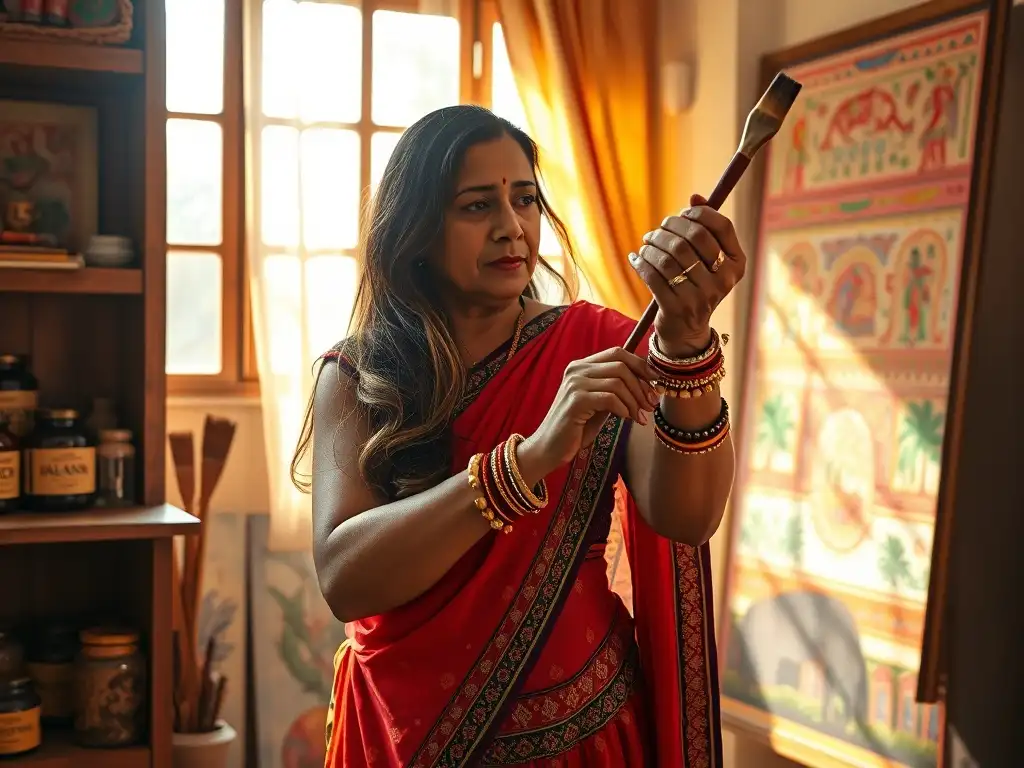
The legacy of ancient Indian artistic techniques is not just a relic of the past; it has found relevance in modern art forms as well. Contemporary artists are increasingly drawing inspiration from traditional methods, integrating them into their work to create a dialogue between the past and present. This blend of old and new results in innovative art pieces that honor ancient practices while addressing contemporary themes.
Contemporary Artists Inspired by Ancient Traditions
Many contemporary Indian artists are consciously incorporating ancient artistic techniques into their practice. For example, artists like Subodh Gupta utilize traditional materials and methods to comment on modern issues such as identity and globalization. Similarly, Bharti Kher integrates traditional motifs and techniques into her work, creating pieces that resonate with both historical significance and modern relevance.
These artists not only pay homage to their cultural heritage but also challenge the boundaries of contemporary art by showcasing how ancient practices can inform and enrich modern artistic expressions. Their work serves as a bridge, connecting audiences to the depth of Indian history and the enduring power of its artistic traditions.
Integration of Ancient Techniques in Modern Art Forms
The integration of ancient Indian artistic techniques into modern art forms has led to a resurgence of interest in these age-old practices. From mural paintings that employ traditional styles to modern installations that utilize ancient materials, artists are finding innovative ways to incorporate historical elements into their work.
For instance, the use of Madhubani painting techniques in contemporary canvases showcases the adaptability of ancient styles to modern themes. Similarly, traditional block printing techniques are being reimagined in fashion and textile design, bridging the gap between heritage and contemporary style.
This fusion of past and present not only keeps the ancient artistic techniques alive but also enriches the contemporary art scene, proving that the legacy of ancient Indian artists continues to inspire and influence new generations. By embracing these techniques, modern artists contribute to the ongoing story of Indian art, ensuring that it remains dynamic and vibrant in the global cultural landscape.
Conclusion: The Enduring Legacy of Ancient Indian Artists
The legacy of ancient Indian artists is not merely a collection of historical artifacts; it is a vibrant tapestry that continues to influence contemporary art forms around the world. From intricate sculptures to mesmerizing frescoes, the techniques and traditions established by these artists have endured the test of time, shaping the cultural landscape of India. Their artistic expressions, deeply rooted in spirituality and philosophy, provide insights into the societal values, beliefs, and everyday life of ancient civilizations.
The preservation of ancient Indian artistic techniques is crucial not only for historical understanding but also for fostering a sense of identity and continuity in modern society. These techniques, often passed down through generations, embody the creativity and craftsmanship that have characterized Indian art for millennia. As we explore and celebrate this rich heritage, we honor the artists who dedicated their lives to creating works that inspire and provoke thought.
Reflection on the Importance of Artistic Preservation
Artistic preservation plays a pivotal role in maintaining the cultural fabric of society. Ancient Indian artistic techniques, which include various forms of painting, sculpture, and textile arts, reflect the unique narratives and traditions of diverse communities across India. By safeguarding these practices, we ensure that future generations can appreciate and learn from the rich history embedded in each art form.
Moreover, preserving these techniques provides an opportunity for cross-cultural dialogue and understanding. As global interest in ancient Indian art grows, it is essential to maintain authenticity while also allowing for innovation. This balance fosters an environment where traditional methods can evolve, ensuring they remain relevant in contemporary contexts. The role of artists, historians, and cultural institutions in this endeavor cannot be overstated, as they work collectively to document, teach, and promote these invaluable artistic heritages.
Future Directions for the Study of Ancient Indian Artistic Techniques
The study of ancient Indian artistic techniques is poised for exciting developments in the coming years. As technology advances, new methods of analysis and documentation are emerging, allowing researchers to gain deeper insights into the materials and processes used by ancient artists. Techniques such as digital imaging, 3D scanning, and chemical analysis of pigments will further enhance our understanding of the complexities involved in these art forms.
Additionally, interdisciplinary approaches that incorporate anthropology, archaeology, and cultural studies are essential for a holistic understanding of ancient Indian art. Collaborations between scholars from different fields can lead to new interpretations and appreciation of artistic practices, as well as the societal contexts that shaped them.
Lastly, increased emphasis on community involvement in the documentation and preservation of these techniques can pave the way for grassroots movements that celebrate local traditions. By engaging artisans, local historians, and the public, we can foster a greater appreciation for ancient Indian artistic techniques, ensuring their survival and relevance in an ever-changing world.
- Introduction to Ancient Indian Artistic Techniques
- Overview of Ancient Indian Art Forms
- Historical Context of Ancient Indian Artists
- Key Ancient Indian Artistic Techniques
- The Role of Religion and Spirituality in Ancient Indian Art
- Preservation of Ancient Indian Artistic Techniques
- Challenges in Preserving Traditional Techniques
- Initiatives for Reviving Ancient Art Forms
- Modern Applications of Ancient Indian Artistic Techniques
- Contemporary Artists Inspired by Ancient Traditions
- Integration of Ancient Techniques in Modern Art Forms
- Conclusion: The Enduring Legacy of Ancient Indian Artists
Frequently Asked Questions
What are some prominent ancient Indian artistic techniques?
Ancient Indian artists employed various techniques such as cave painting, sculpture carving, and textile weaving, each showcasing intricate craftsmanship and cultural narratives.
How did ancient Indian artistic techniques influence other cultures?
The rich legacy of ancient Indian art, including styles like Mughal miniatures and Pahari painting, significantly influenced neighboring regions and contributed to a cross-cultural exchange.
What materials were commonly used in ancient Indian art?
Artists in ancient India often utilized natural materials such as clay, stone, wood, and vegetable dyes, emphasizing a connection to the environment and sustainability in their works.
How have ancient techniques been preserved in modern India?
Many traditional artists still practice ancient techniques, often blending them with contemporary styles, ensuring that these cultural traditions remain alive and relevant today.
What role did religion play in ancient Indian art?
Religious themes were central to ancient Indian artistry, with many works depicting deities, mythological stories, and spiritual symbols, serving both aesthetic and devotional purposes.
Final Reflection: Embracing the Legacy of Ancient Indian Artistic Techniques
The legacy of ancient Indian artistic techniques is not just a relic of the past; it is a vibrant thread woven into the fabric of contemporary culture. As we navigate a rapidly changing world, the preservation of these techniques becomes increasingly vital, reminding us of the rich heritage that shapes our identities. The artistry of ancient India offers profound insights into creativity, spirituality, and community, urging us to recognize the value of tradition in our modern lives.
The influence of ancient Indian artists extends far beyond their time, resonating through generations and inspiring countless creators today. The intricate craftsmanship and philosophical depth embedded in their work continue to inform contemporary artistic practices, fostering a dialogue between the past and the present. Art is the most beautiful of all lies.
This quote encapsulates the transformative power of art, highlighting how ancient techniques can inspire new expressions and innovations in the cultural landscape.
As we reflect on the lessons from ancient Indian artistic traditions, let us embrace the call to preserve and celebrate these techniques in our own lives. Consider how you can incorporate elements of this rich heritage into your creative endeavors, whether through art, storytelling, or community engagement. By honoring the legacy of these artists, we not only pay tribute to their contributions but also enrich our own lives and the world around us, ensuring that their spirit continues to thrive for generations to come.
Unleash Your Creativity: Honor Ancient Indian Artistry!
Thank you for exploring the rich legacy of ancient Indian artists with us! We hope you’ve gained insight into the timeless techniques and traditions that continue to inspire today. Now, it’s time to put your newfound knowledge into action and embrace the world of creativity.
Here’s how you can honor and preserve these remarkable traditions:
- Start your own art project using ancient techniques—whether it’s painting, pottery, or textile work, channel the essence of these artistic practices.
- Join a local workshop to learn more about traditional Indian art forms. This not only enhances your skills but also supports local artisans.
- Share your creations on social media and connect with our community! Let’s create a vibrant dialogue about ancient techniques and inspire others.
What unique perspective will you bring to ancient art forms to make them your own? We’d love to hear your thoughts!