
Urban Planning and Agriculture: How Ancient Indian Cities Managed Resources


Welcome to Ancient India History, where we journey through the fascinating tapestry of one of the world's oldest civilizations! Immerse yourself in the intricacies of ancient Indian urban planning, a remarkable feat that showcases how cities thrived through innovative resource management and agricultural practices. Discover the secrets behind the architectural brilliance and sustainable strategies that defined urban life from the Indus Valley to the Gupta Empire. Are you ready to unlock the mysteries of these ancient cities and their contributions to modern society? Continue reading to explore how these pioneers shaped their world!
- Introduction to Ancient Indian Urban Planning and Agriculture
- Key Features of Ancient Indian Urban Planning
- Resource Management in Ancient Indian Urban Centers
- Case Studies of Ancient Indian Cities and Their Agricultural Practices
- Challenges Faced in Ancient Indian Urban Agriculture
- Legacy of Ancient Indian Urban Planning on Modern Practices
- Conclusion: The Interconnection of Urban Planning and Agriculture in Ancient India
-
Frequently Asked Questions
- What was the significance of urban planning in ancient Indian cities?
- How did agriculture influence urban planning in ancient India?
- What were some key features of urban planning in the Indus Valley Civilization?
- How did the Gupta Empire contribute to urban planning?
- What modern lessons can we learn from ancient Indian urban planning?
- Final Reflection: The Timeless Wisdom of Ancient Indian Urban Planning
- Unveil the Secrets of Sustainable Urban Planning!
Introduction to Ancient Indian Urban Planning and Agriculture
The intricate relationship between urban planning and agriculture in ancient India is a testament to the advanced civilizations that flourished in the subcontinent. From the meticulously designed cities of the Indus Valley Civilization to the sprawling urban centers of the Gupta Empire, ancient Indian urban planning reflects a profound understanding of resource management and sustainability.
This article delves into how these civilizations optimized land use and irrigation systems to support their agricultural needs, ensuring food security and economic stability. By exploring the key features of urban planning and the pivotal role of agriculture, we aim to illuminate the ingenuity of ancient Indian societies and their lasting contributions to modern urban development.
Overview of Urban Planning in Ancient India
Ancient Indian cities were remarkable for their sophisticated urban planning, which integrated residential, commercial, and agricultural spaces in a harmonious manner. Notable examples include:
- Indus Valley Civilization (c. 3300–1300 BCE): Cities like Harappa and Mohenjo-Daro were characterized by:
- Grid layout: Streets were laid out in a grid pattern, ensuring efficient movement and organization.
- Drainage systems: Advanced drainage systems were employed to manage wastewater, showcasing a keen understanding of sanitation.
- Public buildings: Structures such as granaries and baths indicated a focus on community welfare and hygiene.
- Mauryan Empire (c. 322–185 BCE): Under the Mauryan dynasty, urban planning evolved further with:
- Strategic location: Cities were often located near rivers or trade routes, enhancing economic activities.
- Fortifications: Defensive walls and fortifications were common, providing security to residents.
- Garden layouts: Parks and gardens were incorporated, emphasizing the aesthetic aspect of urban life.
These features highlight how ancient Indian urban planning was not merely a function of aesthetics but was deeply intertwined with the practical needs of its inhabitants, balancing agricultural demands with urban growth.
Importance of Agriculture in Ancient Indian Societies
Agriculture served as the backbone of ancient Indian societies, influencing their economic structures, cultural practices, and societal hierarchies. Key aspects include:
- Diverse Crops: Ancient Indians cultivated a variety of crops, including rice, wheat, barley, and pulses. This diversity ensured:
- Food security: Different crops could withstand varying climatic conditions, reducing the risk of famine.
- Trade opportunities: Surplus production allowed for trade with neighboring regions, fostering economic ties.
- Irrigation Systems: The development of sophisticated irrigation techniques was crucial for maximizing agricultural output. Techniques included:
- Canal systems: Constructed to divert river water to fields, enhancing crop yield.
- Wells and tanks: Water storage systems that provided a reliable source of irrigation during dry seasons.
- Cultural Significance: Agriculture was not only an economic activity but also a cultural cornerstone. Festivals and rituals often centered around agricultural cycles, reflecting the deep connection between the land and the people.
The interplay between urban planning and agriculture in ancient India underscores the remarkable ingenuity of its civilizations. By effectively managing resources and developing sustainable practices, they laid the groundwork for future generations, making their contributions invaluable to the study of urban planning and agricultural systems today.
Key Features of Ancient Indian Urban Planning
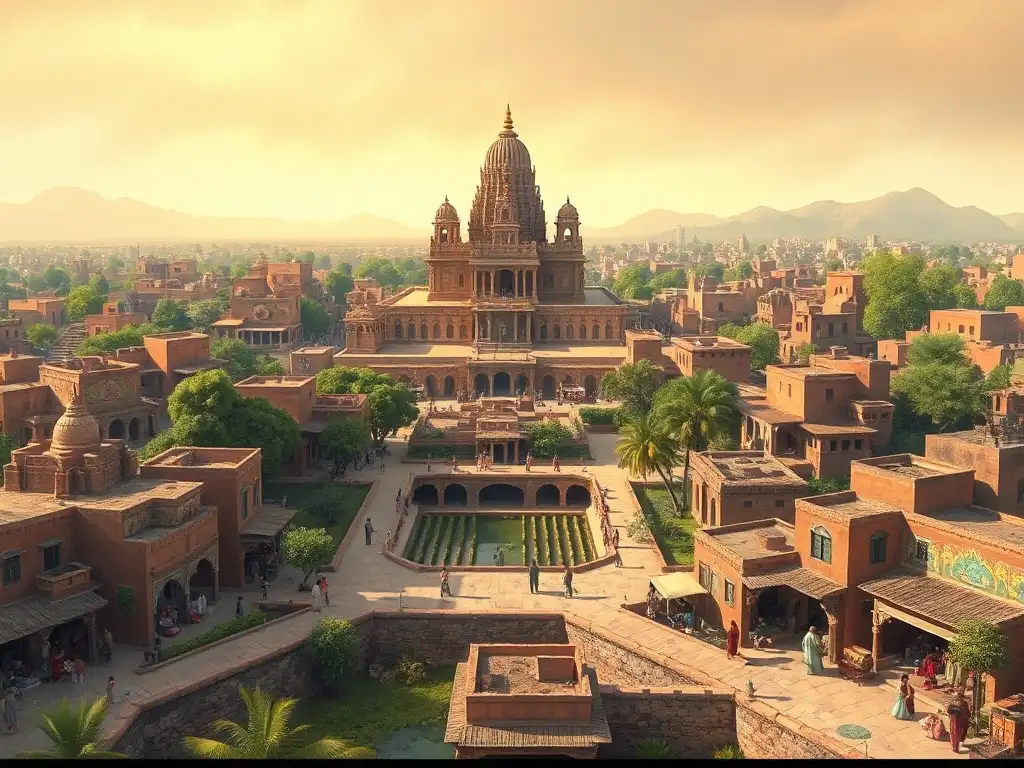
Layout and Design of Ancient Indian Cities
Ancient Indian urban planning exhibits remarkable sophistication, characterized by systematic layouts and attention to functionality. Cities like Mohenjo-Daro and Harappa from the Indus Valley Civilization (approximately 3300–1300 BCE) exemplify this advanced planning.
- Grid Pattern: Many ancient Indian cities were designed with a grid pattern, demonstrating a high level of organization. Streets were often laid out at right angles, facilitating movement and trade. For instance:
- Mohenjo-Daro: Its streets were well-planned, with some main avenues reaching widths of 30 feet.
- Harappa: Featured carefully constructed brick houses and drainage systems, showing foresight in urban sanitation.
- Zoning: Different areas within the cities were designated for specific purposes, such as residential, commercial, and administrative zones. This strategic zoning minimized congestion and optimized land use.
- Drainage and Water Management: Advanced drainage systems were integral to city planning. The cities had:
- Covered Drains: These were constructed along streets to manage wastewater effectively.
- Wells and Reservoirs: Ensuring a steady supply of water, which was crucial for both domestic use and agriculture.
- Public Spaces: The inclusion of public baths, assembly halls, and granaries reflected a focus on community and hygiene. The Great Bath of Mohenjo-Daro is often cited as a testament to the importance of public health and social interaction.
Integration of Agricultural Practices in Urban Planning
Ancient Indian urban planning intricately linked urban environments with agricultural practices, ensuring sustainable resource management and food security. Here are some key elements of this integration:
- Proximity to Fertile Land: Cities were often situated near fertile agricultural land, maximizing access to resources. This strategic placement facilitated easy transport of agricultural products to urban centers.
- Irrigation Systems: Ancient Indians developed various irrigation techniques that complemented urban planning. For example:
- Canal Systems: Used to divert water from rivers, these canals supported both agriculture and urban needs.
- Rainwater Harvesting: Techniques were employed to collect and store rainwater, reducing dependency on external water sources.
- Crop Diversification: The urban planners encouraged a variety of crops, which not only supported dietary needs but also contributed to the economy. Evidence of diverse crop cultivation can be found in archaeological sites, indicating a sophisticated understanding of agriculture.
- Marketplaces: Cities featured marketplaces that facilitated trade between urban and rural areas. These hubs played a crucial role in economic exchange, allowing farmers to sell their produce directly to city dwellers, thus promoting interdependence.
Examples of Prominent Ancient Indian Cities
Several ancient Indian cities serve as exemplary models of urban planning and agricultural integration. Here are notable examples:
- Mohenjo-Daro:
- Renowned for its advanced drainage system and grid layout, this city reflects the pinnacle of Indus Valley urban planning.
- Its public baths and granaries highlight the importance placed on sanitation and food storage.
- Harappa:
- Similar to Mohenjo-Daro, Harappa featured a well-planned layout and sophisticated water management systems.
- The presence of large granaries indicates a strong agricultural economy supporting urban life.
- Pataliputra:
- As the capital of the Maurya Empire, Pataliputra was a bustling metropolis with strategic urban planning that included fortified walls and extensive gardens.
- Its location near the Ganges River facilitated agricultural productivity and trade.
- Ayodhya:
- Known for its religious significance, Ayodhya also showcased advanced urban planning with structured streets and residential areas.
- The city’s layout was designed to accommodate both urban dwellers and agricultural practices surrounding it.
Ancient Indian urban planning was marked by a profound understanding of resource management, agricultural integration, and societal needs, setting a standard in urban development that resonates even today.
Resource Management in Ancient Indian Urban Centers

Ancient Indian urban planning demonstrates a sophisticated understanding of resource management, particularly in water management and agricultural practices. Cities like Harappa and Mohenjo-Daro from the Indus Valley Civilization showcased strategic layouts and techniques that ensured the efficient use of water and land. This section delves into the methods employed by these civilizations to manage resources effectively, contributing to their sustainability and economic prosperity.
Water Management Systems: Wells, Tanks, and Canals
Water management was a cornerstone of ancient Indian urban planning. The cities of the Indus Valley Civilization implemented advanced systems that included wells, tanks, and canals, showcasing their expertise in hydraulic engineering.
- Wells:
- Homes in urban centers often had access to individual wells, providing a decentralized supply of freshwater.
- These wells were strategically dug deep to tap into the groundwater table, ensuring a reliable source of water even during dry periods.
- Tanks:
- Large public tanks served dual purposes: water storage and communal bathing.
- These tanks were meticulously constructed to collect rainwater and runoff, reflecting an understanding of hydrology.
- Canals:
- Canals facilitated irrigation and connected different water bodies, ensuring that agricultural lands received adequate water.
- The network of canals not only supported farming but also enhanced trade by allowing transportation of goods.
The integration of these systems exemplifies how ancient Indian cities prioritized water management, essential for sustaining large populations and their agricultural needs.
Soil Conservation Techniques in Urban Agriculture
Ancient Indian civilizations employed various soil conservation techniques that enhanced agricultural productivity while preventing soil degradation. The adoption of these practices played a crucial role in sustaining urban agriculture.
- Terracing:
- In hilly regions, terraces were constructed to reduce soil erosion and manage water runoff.
- This method allowed farmers to cultivate crops on slopes by creating flat areas that held moisture and nutrients.
- Crop Rotation:
- Farmers practiced crop rotation, alternating between different crops to maintain soil fertility and reduce pest infestations.
- This practice ensured that the soil remained productive over time, supporting diverse agricultural activities.
- Organic Fertilizers:
- The use of organic materials like compost and animal manure enriched the soil, promoting healthy crop growth.
- This sustainable approach minimized dependence on chemical fertilizers, aligning with eco-friendly practices.
These soil conservation methods highlight the ingenuity of ancient Indian urban planning and its commitment to sustainable agricultural practices.
Crop Selection and Agricultural Diversity
The diversity of crops cultivated in ancient Indian urban centers contributed significantly to food security and economic stability. The choice of crops was influenced by various factors, including climate, soil type, and cultural preferences.
- Staple Crops:
- Major staples included wheat and barley, which thrived in the fertile alluvial plains.
- These grains formed the backbone of the diet for urban populations and were essential for trade.
- Cash Crops:
- Cash crops such as cotton and indigo were cultivated for trade, showcasing the economic foresight of urban planners.
- The demand for these crops in regional and international markets stimulated economic growth.
- Diverse Cropping Systems:
- Ancient Indian agriculture embraced polyculture, growing multiple crops simultaneously to maximize yields and minimize risks.
- This diversity ensured that urban centers were less vulnerable to crop failures, enhancing food security.
The strategic selection of crops and the promotion of agricultural diversity reflect the advanced understanding of agronomy in ancient Indian urban planning, which played a pivotal role in supporting thriving civilizations.
Case Studies of Ancient Indian Cities and Their Agricultural Practices

The Indus Valley Civilization: A Model of Urban Planning
The Indus Valley Civilization (IVC), flourishing around 3300-1300 BCE, is renowned for its sophisticated urban planning and advanced agricultural practices. Cities like Harappa and Mohenjo-Daro exemplify how ancient Indian urban planning integrated agriculture with urban life. The layout of these cities was meticulously designed, featuring grid patterns, standardized fired-brick buildings, and intricate drainage systems, which collectively facilitated efficient agricultural management.
Resource Allocation and Agricultural Efficiency
Resource allocation in the IVC was strategically organized to optimize agricultural productivity. The civilization's reliance on the fertile floodplains of the Indus River allowed for the cultivation of various crops, including wheat, barley, and cotton. The following points illustrate key aspects of their agricultural efficiency:
- Irrigation Systems: The IVC had an extensive irrigation network, utilizing seasonal flooding to inundate fields and support crop growth. This ensured a steady water supply and minimized drought impacts.
- Granaries: Centralized granaries found in major cities indicate a systematic approach to food storage and distribution. These granaries not only facilitated surplus management but also acted as a buffer during lean seasons.
- Crop Rotation and Diversification: Evidence suggests that farmers practiced crop rotation and diversified their crops, which enhanced soil fertility and reduced the risk of crop failure due to pests or disease.
The combination of these practices underscores the importance of resource management in ancient Indian urban planning, showcasing a civilization that was adept at balancing urban growth with agricultural sustainability.
The Mauryan Empire: Urban Growth and Agricultural Innovation
The Mauryan Empire, which reached its zenith under Emperor Ashoka (268-232 BCE), marked a significant era in ancient Indian urban planning and agricultural innovation. The empire's vast territorial expanse necessitated advanced strategies for agricultural development to support its large population and urban centers like Pataliputra.
Policies Supporting Agricultural Development
The Mauryan administration implemented several policies aimed at enhancing agricultural productivity and ensuring food security. Key initiatives included:
- State Control and Oversight: The Mauryan state exerted control over agricultural practices, including the regulation of crop prices and the provision of seeds and tools to farmers, ensuring that agricultural output met the needs of the growing urban populace.
- Land Reforms: Clear records indicate that the Mauryan regime engaged in land surveys to assess productivity and allocate land efficiently. This facilitated the redistribution of land to optimize agricultural output.
- Infrastructure Development: The construction of roads and irrigation canals greatly improved access to markets and facilitated the transport of goods. This infrastructure not only supported agricultural trade but also connected rural producers with urban consumers.
These strategies underscore the Mauryan Empire's recognition of the integral relationship between urban planning and agricultural development, paving the way for future civilizations in India to adopt similar approaches to resource management.
Challenges Faced in Ancient Indian Urban Agriculture

Environmental Factors Affecting Agriculture
Ancient Indian urban agriculture faced a multitude of environmental challenges that significantly impacted food production and resource management. Key factors included:
- Climate Variability: The Indian subcontinent experiences diverse climatic conditions, from the arid deserts of Rajasthan to the monsoonal regions of the south. The variability in rainfall patterns could lead to either droughts or floods, severely affecting crop yields. For instance, during the Indus Valley Civilization, the reliance on the seasonal monsoon for irrigation meant that any shift in patterns could jeopardize food security.
- Soil Fertility: The fertility of soil was another crucial factor in urban agriculture. The alluvial plains along riverbanks, such as those of the Ganges and the Indus, offered fertile ground ideal for cultivation. However, over time, soil exhaustion due to continuous cropping without proper restorative practices resulted in declining productivity. Ancient texts highlight the importance of techniques like crop rotation and fallowing to maintain soil health.
- Water Resources: Access to water for irrigation was vital for agricultural success in ancient urban centers. The construction of canals, wells, and reservoirs was common, especially in regions like the Indus Valley, where advanced hydraulic engineering facilitated the management of water resources. Nonetheless, competition for water among urban settlements often led to conflicts and mismanagement, impacting agricultural productivity.
Socio-Political Issues and Their Impact on Urban Planning
The socio-political landscape of ancient India played a significant role in shaping urban planning and agricultural practices. Several pressing issues included:
- Land Ownership and Tenure Systems: The structure of land ownership varied across regions and periods, influencing agricultural productivity. In some areas, land was owned communally, while in others, it was privately controlled by elites or temples. The differing land tenure systems affected how resources were allocated for urban agriculture, with more affluent landowners often having better access to irrigation and farming technology.
- Political Stability and Governance: The stability of political regimes greatly influenced urban planning and agricultural policies. Strong centralized governments, such as those during the Maurya and Gupta Empires, facilitated the development of infrastructure, including irrigation systems and markets, leading to increased agricultural efficiency. Conversely, periods of political turmoil often resulted in neglect of agricultural lands and urban decay.
- Caste and Labor Dynamics: The caste system influenced labor availability and agricultural practices. Certain castes were traditionally associated with farming, while others engaged in trading or artisan work. This division of labor impacted urban agriculture by determining who had access to land and resources. Additionally, the reliance on agricultural labor during harvest seasons created a demand for seasonal migration, further complicating urban resource management.
- Trade and Economic Policies: Trade routes and economic policies established by ancient kingdoms were pivotal in shaping agricultural output. Cities that were strategically located along trade routes, such as Pataliputra, benefited from the exchange of goods, including agricultural products. However, heavy taxation or trade restrictions could adversely affect farmers' livelihoods, leading to resistance and social unrest.
The challenges faced in ancient Indian urban agriculture were multifaceted, influenced by environmental factors and socio-political dynamics. The interplay of these aspects not only shaped agricultural practices but also the broader urban planning strategies of ancient Indian civilizations.
Legacy of Ancient Indian Urban Planning on Modern Practices

The legacy of ancient Indian urban planning is a profound testament to the ingenuity and foresight of civilizations that thrived millennia ago. Ancient Indian cities, such as those in the Indus Valley Civilization, displayed remarkable urban design and resource management practices that laid a foundation for contemporary urban planning and sustainable agricultural practices.
Cities like Mohenjo-Daro and Harappa were meticulously planned with grid-like street layouts, advanced drainage systems, and standardized brick sizes. The attention to sanitation and public health was unparalleled for their time, with drainage channels built alongside streets to manage wastewater effectively. This focus on infrastructure has influenced modern urban design, which often emphasizes sustainable waste management systems and efficient land use.
Moreover, ancient Indian urban planners recognized the importance of water management, utilizing complex irrigation systems to support agriculture. These practices have informed current methodologies in water conservation and agricultural efficiency, demonstrating the timeless relevance of ancient techniques.
Influence on Contemporary Urban Design and Agricultural Practices
The principles of ancient Indian urban planning continue to resonate in modern practices across the globe. Key influences include:
- Grid Layouts: Inspired by the organized street planning of ancient cities, contemporary urban designs often adopt grid layouts to facilitate navigation and maximize land use.
- Water Management Systems: Modern cities are increasingly implementing sustainable drainage systems and rainwater harvesting techniques, echoing the sophisticated water management of ancient civilizations.
- Community-Centric Spaces: Ancient Indian cities featured public spaces that fostered community interaction. Today’s urban design often prioritizes parks, plazas, and communal areas to enhance social connectivity.
Modern Agricultural Practices
Ancient resource management strategies are also reflected in contemporary agricultural practices:
- Irrigation Techniques: The use of canals and reservoirs in ancient times has inspired modern irrigation methods that are both efficient and sustainable. Techniques such as drip irrigation are designed to minimize water waste, akin to the water conservation methods of the past.
- Crop Rotation and Diversity: Ancient farmers practiced crop rotation and the cultivation of diverse crops to maintain soil fertility. This sustainable practice is now widely recognized as a crucial aspect of modern agriculture.
The principles derived from ancient Indian urban planning and agricultural systems serve as a guide for sustainable practices, emphasizing the importance of harmonizing urban development with environmental stewardship.
Lessons Learned from Ancient Resource Management
Ancient Indian urban planning provides valuable lessons in resource management that remain relevant today. The following insights can be derived from these historical practices:
- Integrated Planning: Ancient cities effectively integrated agricultural land with urban spaces, ensuring that food production was closely linked to urban populations. This integration is a vital consideration for modern urban planners aiming to achieve food security in growing cities.
- Sustainable Water Use: The emphasis on sustainable water management in ancient India highlights the necessity of adopting a holistic approach to water resources. Efficient water use not only supports agriculture but also promotes urban resilience against climate change.
- Community Involvement: The participatory approach evident in ancient urban planning, where local communities played a role in resource management, underscores the importance of engaging citizens in modern urban development. Community involvement fosters a sense of ownership and responsibility towards local resources.
- Adaptability: Ancient civilizations demonstrated an ability to adapt to changing environmental conditions through innovative resource management strategies. This adaptability is crucial in contemporary contexts, where climate variability poses significant challenges to urban and agricultural systems.
The legacy of ancient Indian urban planning continues to inform and enrich contemporary practices, offering timeless lessons in sustainability, efficiency, and community engagement. By studying these historical precedents, modern societies can navigate the complexities of urban development and resource management more effectively.
Conclusion: The Interconnection of Urban Planning and Agriculture in Ancient India

The intricate relationship between urban planning and agriculture in ancient India reveals a sophisticated understanding of resource management that contributed to the sustainability and prosperity of its civilizations. By seamlessly integrating agricultural practices with urban development, ancient Indian cities not only optimized land use but also enhanced the quality of life for their inhabitants.
The cities of the Indus Valley, for instance, exemplified meticulous urban planning, characterized by grid layouts and advanced drainage systems. These innovations were crucial for effective agriculture, as they ensured the efficient management of water resources, which were vital for crop production. The emphasis on irrigation, evidenced by the extensive canal systems, allowed for the cultivation of various crops, including wheat, barley, and cotton, thereby supporting a thriving economy.
Furthermore, during periods such as the Maurya and Gupta empires, urban centers expanded rapidly, reflecting the need for increased agricultural output to support growing populations. The establishment of markets and trade routes facilitated the exchange of agricultural products, underscoring the economic interdependence between urban areas and surrounding agricultural lands.
Reflection on the Sustainable Practices of Ancient Indian Civilizations
Ancient Indian civilizations demonstrated remarkable insights into sustainable practices, particularly in their approach to urban planning and agriculture. They recognized the importance of maintaining ecological balance and preserving resources for future generations.
- Water Management Systems:
- The construction of wells, reservoirs, and step wells showcased a deep understanding of water conservation, crucial in arid regions.
- Techniques such as rainwater harvesting were employed, ensuring a sustainable water supply for agricultural and domestic use.
- Crop Rotation and Diversity:
- Ancient farmers practiced crop rotation, which enhanced soil fertility and reduced pest infestations.
- The cultivation of diverse crops ensured food security and resilience against climate variability.
- Community Involvement:
- The social structure of ancient Indian societies encouraged communal efforts in agriculture and urban maintenance, promoting a sense of responsibility towards communal resources.
These sustainable practices highlight the ingenuity of ancient Indian civilizations, whose strategies can inspire modern urban planners and agriculturalists in addressing contemporary challenges.
The Relevance of Ancient Urban Planning Concepts Today
The principles of ancient Indian urban planning remain highly relevant in today's context, especially as urban areas face increasing pressures from population growth and environmental concerns.
- Integrated Planning: The ancient model of integrating agriculture with urban development offers a framework for modern cities to adopt mixed-use developments that prioritize sustainability.
- Resilient Infrastructure: The focus on water management and efficient drainage systems can inform contemporary approaches to climate resilience, particularly in flood-prone areas.
- Community Engagement: The communal approach to resource management encourages modern urban planners to involve local populations in decision-making processes related to land use and agricultural practices.
The legacy of ancient Indian urban planning provides valuable insights into sustainable development, emphasizing the importance of harmonizing urban growth with agricultural productivity. By learning from these historical practices, modern societies can work towards building more resilient and sustainable urban environments.
Frequently Asked Questions
What was the significance of urban planning in ancient Indian cities?
Urban planning in ancient Indian cities was crucial for resource management and ensured the efficient use of land, water, and infrastructure, reflecting the sophistication of these civilizations.
How did agriculture influence urban planning in ancient India?
Agriculture played a vital role in shaping urban layouts, as cities were often built near fertile land, allowing for sustainable food production and supporting larger populations.
What were some key features of urban planning in the Indus Valley Civilization?
The Indus Valley Civilization showcased advanced urban planning with features like grid layouts, sophisticated drainage systems, and standardized brick sizes, highlighting their engineering skills.
How did the Gupta Empire contribute to urban planning?
During the Gupta Empire, urban planning evolved further with the establishment of planned cities that included public spaces, temples, and markets, promoting cultural and economic growth.
What modern lessons can we learn from ancient Indian urban planning?
Modern urban planners can learn from ancient Indian practices by focusing on sustainability, efficient resource management, and the importance of community spaces in urban design.
Final Reflection: The Timeless Wisdom of Ancient Indian Urban Planning
The exploration of ancient Indian urban planning reveals a profound understanding of resource management that resonates with contemporary challenges. As urban areas continue to expand and face the pressures of population growth, the principles established by ancient civilizations serve as a crucial reminder of the importance of sustainable practices. The intricate balance between urban development and agricultural needs in ancient Indian cities is not merely a historical curiosity; it is a blueprint for modern cities striving for resilience in the face of climate change and resource scarcity.
The impact of ancient Indian urban planning extends far beyond its historical context, influencing our cultural and social landscapes today. The wisdom embedded in these ancient practices encourages us to rethink our relationship with the environment. As we grapple with urban sprawl and food security, the lessons learned from the past can guide us toward innovative solutions. The greatest challenge of the 21st century is to create cities that are sustainable, equitable, and resilient.
This quote encapsulates the ongoing relevance of ancient practices, reminding us that the past holds valuable insights for our future.
As we reflect on the lessons of ancient Indian urban planning, I invite you to consider how these principles can be integrated into your own life and community. How can we honor the wisdom of our ancestors while addressing the pressing challenges of our time? Let this reflection inspire you to advocate for sustainable practices, engage in community planning, and foster a deeper connection with the resources that sustain us. Together, we can build a future that respects the balance between urban growth and agricultural vitality, ensuring that the legacy of ancient wisdom continues to thrive.
Unveil the Secrets of Sustainable Urban Planning!
Thank you for taking the time to explore the fascinating intersection of urban planning and agriculture in ancient Indian cities! Through this article, you've uncovered valuable insights into how these remarkable civilizations managed their resources sustainably.
Now, it's time to put that knowledge into action! Here are some steps you can take to further engage with this critical topic:
- Dive deeper: Research modern sustainable practices inspired by ancient techniques—consider exploring community gardens or permaculture initiatives in your area.
- Share your findings: Discuss your insights about resource management with friends or on social media—let's spread the wisdom of our ancestors!
- Join a community: Participate in local workshops or forums focused on urban sustainability—connect with others who are passionate about responsible resource management.
How can the principles of ancient resource management inspire your community today? We encourage you to share your thoughts in the comments below!