
The Cultural Significance of Agriculture in Ancient Indian Literature

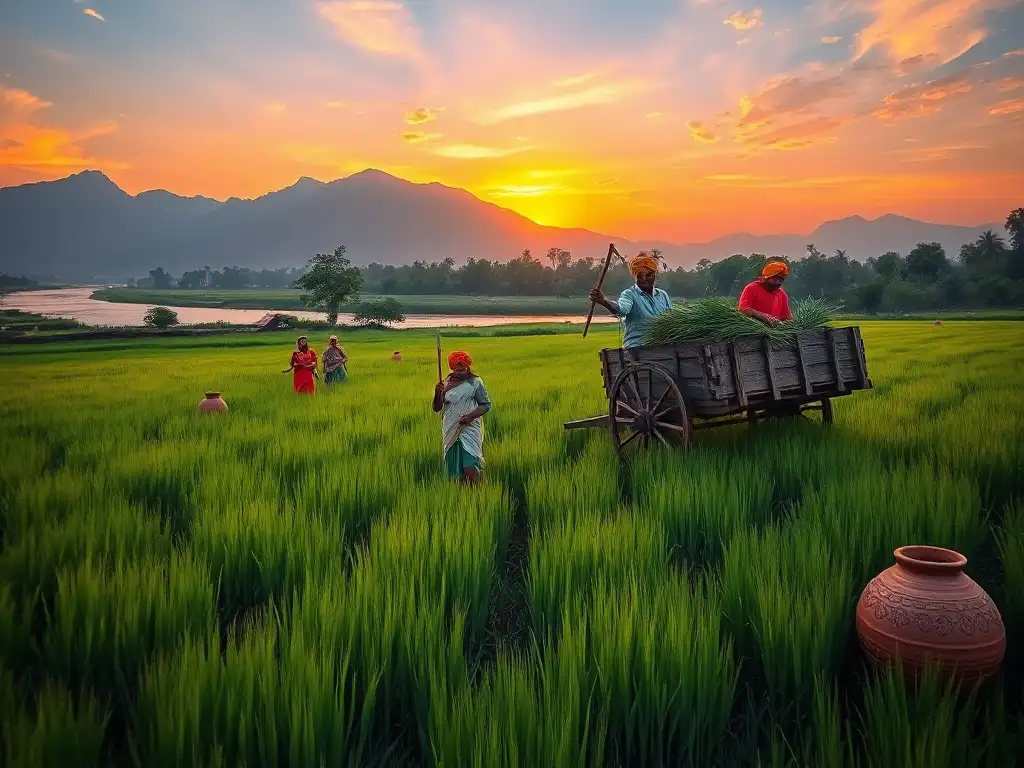
Welcome to Ancient India History, where we embark on a fascinating journey through the rich tapestry of India’s past! In our exploration today, we delve into the cultural significance of agriculture in ancient Indian literature, revealing how this vital practice shaped not only the economy but also the very essence of society.
As you uncover the intricate connections between agriculture and the diverse traditions of ancient Indian civilizations, prepare to be captivated by stories that highlight the profound impact of farming on culture, spirituality, and daily life. Join us as we cultivate a deeper understanding of a heritage that continues to influence modern India.
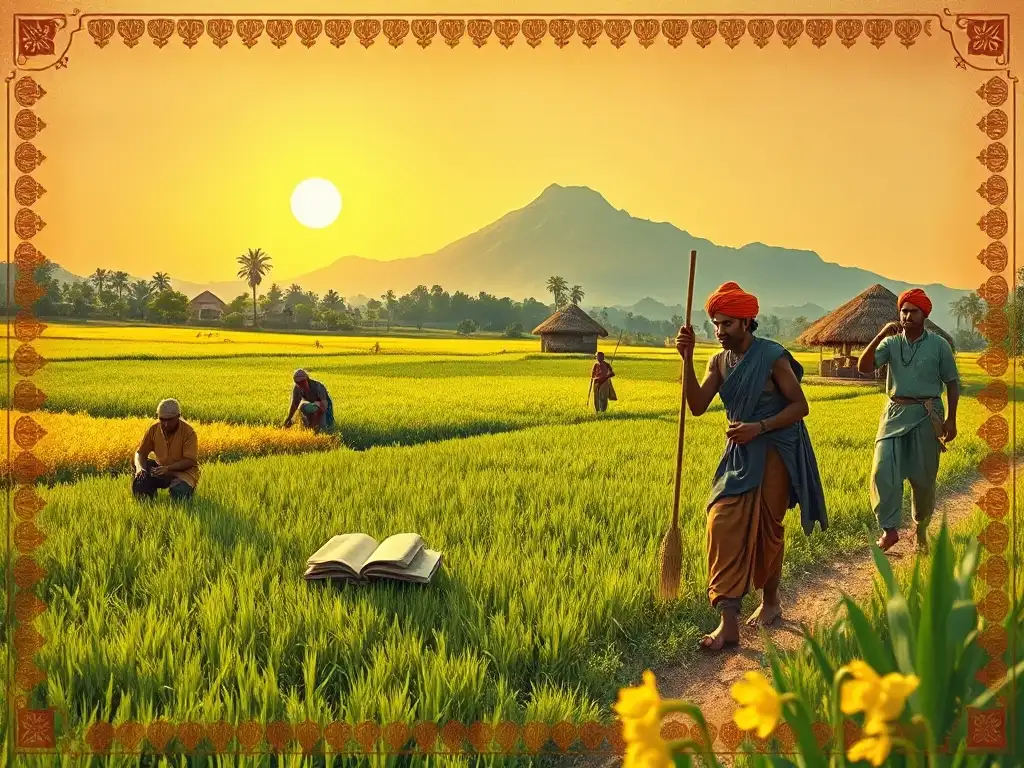
Agriculture has played a pivotal role in shaping the cultural and economic landscape of ancient India. As one of the earliest civilizations to practice settled farming, ancient Indian societies developed a deep connection with the land, which is vividly reflected in their literature.
The cultural significance of agriculture in India extends beyond mere sustenance; it encompasses a rich tapestry of traditions, rituals, and philosophies that have influenced various aspects of life. This article delves into the profound ways agriculture is portrayed in ancient Indian literature, highlighting its impact on society, culture, and the economy from the times of the Indus Valley Civilization to the Gupta Empire.
Introduction to Agriculture in Ancient India
Agriculture in ancient India was not just an economic activity; it was a way of life that permeated every aspect of society. The agrarian lifestyle fostered a close relationship with nature, leading to the development of agricultural practices that were both innovative and sustainable. From the cultivation of staple crops like rice and wheat to the introduction of advanced irrigation techniques, ancient Indians laid the groundwork for agricultural practices that resonate even today.
Overview of Agricultural Practices in Ancient Indian Civilization
- Crop Diversity: Ancient Indian farmers cultivated a variety of crops, including cereals, pulses, fruits, and vegetables. This diversity was essential for food security and nutrition.
- Irrigation Techniques: Various irrigation methods, such as canals and wells, were employed to maximize agricultural productivity, particularly in arid regions.
- Seasonal Cycles: Farmers adhered to the seasonal cycles of monsoons, which dictated planting and harvesting times, leading to the development of a calendar that celebrated agricultural festivals.
Importance of Agriculture in Shaping Culture and Society
Agriculture fostered a sense of community and collaboration among ancient Indians. Social structures, customs, and religious practices were often intertwined with agricultural activities. Notably:
- Festivals: Many festivals, such as Pongal and Makar Sankranti, celebrate the harvest, showcasing the integral role of agriculture in cultural identity.
- Rituals and Beliefs: Agricultural practices were often accompanied by rituals and prayers to ensure bountiful harvests, reflecting the reverence ancient Indians had for nature.
The Role of Agriculture in Ancient Indian Literature
Ancient Indian literature serves as a testament to the centrality of agriculture in society. From the Vedic texts to epics, the references to agricultural practices are abundant and multifaceted.
Depictions of Agriculture in Vedic Texts
The Vedas, which are among the oldest sacred texts in India, contain numerous references to agriculture. They discuss:
- Rituals for Fertility: Vedic rituals often included prayers for fertility and abundance, highlighting the spiritual connection to agricultural success.
- Agricultural Deities: The worship of deities associated with agriculture, such as Parvati and Bhumi, underscores the importance of farming in spiritual practices.
Symbolism of Agriculture in Epics like Mahabharata and Ramayana
The Mahabharata and Ramayana, two of India's greatest epics, intricately weave agricultural themes into their narratives:
- Moral Lessons: Agricultural practices are often used to convey moral lessons, illustrating values such as hard work, patience, and respect for nature.
- Societal Structure: The depiction of agrarian life reflects the social hierarchies and relationships that were prevalent in ancient Indian society.
Agricultural References in Classical Sanskrit Literature
Classical Sanskrit literature is rich with references to agriculture, showcasing its significance in everyday life:
- Poetry and Prose: Works by poets like Kalidasa often include vivid descriptions of rural life and agricultural landscapes, celebrating the beauty and bounty of the land.
- Treatises on Agriculture: Texts such as the Krishi Parashara provide insights into ancient agricultural techniques and crop management, emphasizing the knowledge and expertise of ancient farmers.
The cultural significance of agriculture in ancient Indian literature is profound and multifaceted, reflecting the deep-rooted connections between agriculture, culture, and society. This exploration not only highlights the practices of ancient civilizations but also underscores the enduring legacy of agriculture in shaping India's rich literary heritage.
Themes of Agriculture in Ancient Indian Poetry
Agriculture has been a central theme in ancient Indian poetry, reflecting the deep-rooted connection between the land and its people. Poets often depicted the beauty of the agricultural landscape, the toil of the farmers, and the cyclical nature of planting and harvesting. These themes were not merely an homage to farming but also a metaphor for life, growth, and sustenance. The vibrant imagery associated with crops and the changing seasons resonated with the cultural identity of various communities, showcasing how integral agriculture was to the survival and prosperity of ancient Indian civilization.
The celebration of agricultural practices in poetry served to elevate the status of the farmer, recognizing their contributions to society. This is evident in the works of renowned poets, who often infused their verses with themes of fertility, abundance, and the divine connection between humans and nature. The intricate relationship between agriculture and daily life is also highlighted, as the poets captured the essence of rural existence, making these themes timeless and relatable across generations.
Celebration of Harvest Seasons in Poetic Works
The harvest season is often regarded as a time of joy and festivity, and ancient Indian poetry reflects this sentiment beautifully. Poets have celebrated the bountiful harvests through vivid descriptions that evoke a sense of abundance and gratitude. The arrival of the harvest season not only marked the end of hard labor but also brought communities together, reinforcing social bonds and cultural identity.
In various poetic works, the imagery of golden fields ripe for harvest, the sounds of laughter and song among farmers, and the sharing of the bounty illustrate the communal spirit associated with this time. Harvest festivals, like Makar Sankranti and Pongal, are often depicted in literature, symbolizing hope and renewal. The celebration of these seasons in poetry serves as a reminder of the importance of agriculture in ancient Indian society and its contribution to the cultural fabric of the region.
Agricultural Imagery in Folk Songs and Ballads
Folk songs and ballads in ancient India are rich with agricultural imagery, often serving as an oral tradition to pass down knowledge and cultural values. These songs encapsulate the essence of agrarian life, depicting the various stages of crop cultivation—from sowing seeds to reaping the harvest. The lyrical quality of these songs transforms mundane agricultural tasks into beautiful narratives, celebrating the connection between people and the land.
The use of metaphors related to nature, such as comparing a beloved to a blossoming flower or the monsoon rains to blessings from the heavens, illustrates the significance of agriculture in everyday life. Through these folk traditions, the cultural significance of agriculture is preserved, showcasing its role in shaping community identity and social cohesion. Such songs not only entertain but also educate listeners about the nuances of farming, seasonal changes, and environmental stewardship.
Cultural Rituals Associated with Agriculture in Literature
Cultural rituals associated with agriculture play a crucial role in ancient Indian literature, often portrayed as sacred practices that honor the earth and its fertility. These rituals, ranging from the worship of agricultural deities to seasonal ceremonies, reflect the spiritual bond between humans and nature. Texts frequently describe the rites performed before sowing seeds, the offerings made during harvest, and the rituals of thanksgiving for a fruitful year.
Literature often documents specific rituals like the Baisakhi festival, which marks the harvest of wheat in Punjab, where communities come together to celebrate and express gratitude for the earth's bounty. Such rituals are imbued with symbolism, serving to reinforce social values and cultural heritage. The depiction of these practices in literature underscores the reverence ancient Indian civilizations held for agriculture, emphasizing its role as a cornerstone of both cultural identity and spiritual life.
The Influence of Agriculture on Religion and Philosophy
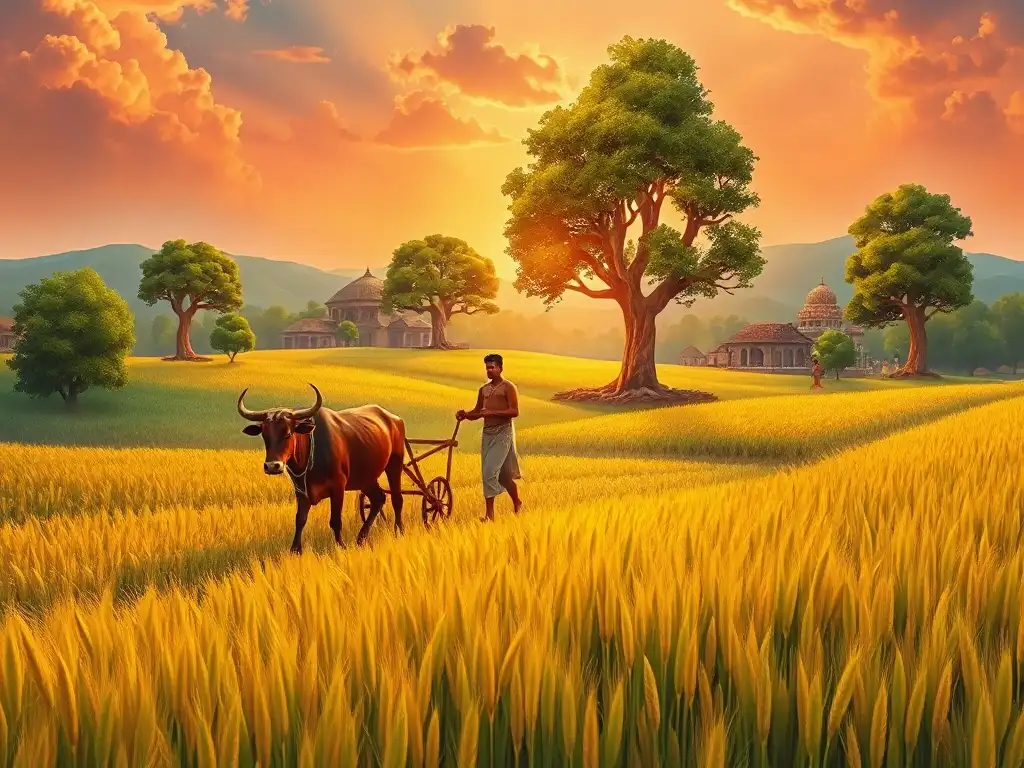
Agriculture has significantly influenced the religious and philosophical landscape of ancient India, shaping beliefs and practices across various cultures. The agrarian lifestyle fostered a deep respect for nature and the cycles of life, reflected in religious texts and philosophical treatises. This connection between agriculture and spirituality is evident in the way farming practices are intertwined with rituals and moral teachings.
The relationship between agriculture and religion is often portrayed through the reverence afforded to the land, as well as the deities associated with fertility and harvest. The philosophical reflections on agriculture further illustrate how essential farming was to understanding the human condition, ethics, and the pursuit of a harmonious existence.
Agricultural Deities in Ancient Indian Beliefs
In ancient Indian belief systems, numerous deities were associated with agriculture, reflecting the significance of farming in daily life. Deities such as Annada (the giver of food) and Lakshmi (goddess of wealth and prosperity) were revered as embodiments of agricultural abundance. The worship of these deities was integral to ensuring bountiful harvests and favorable weather conditions.
Ancient texts often recount stories and hymns dedicated to these deities, highlighting the rituals conducted to seek their blessings. This reverence showcases the cultural significance of agriculture in spiritual practices, emphasizing the belief that human prosperity is intertwined with the fertility of the land. Such divine associations not only reinforced the importance of agriculture but also illustrated the respect for nature inherent in ancient Indian philosophies.
Philosophical Reflections on Agriculture in Texts
Philosophical reflections on agriculture can be found throughout ancient Indian literature, where farming is often portrayed as a metaphor for life’s journey. Texts such as the Bhagavad Gita and various Upanishads draw parallels between the cultivation of crops and the cultivation of the self. The themes of patience, hard work, and the cyclical nature of life resonate deeply within agricultural practices, offering insights into broader existential questions.
These reflections illustrate how agriculture was not merely a means of sustenance but a profound source of wisdom and understanding. The cycles of planting and harvesting reflect life's transient nature and the importance of living in harmony with the environment. Such philosophical underpinnings highlight the cultural significance of agriculture as a lens through which ancient Indians viewed the world and their place within it.
Festivals and Agricultural Practices in Religious Literature
Festivals play a pivotal role in ancient Indian literature, often centered around agricultural practices and the changing seasons. These celebrations, such as Pongal, Makar Sankranti, and Onam, are intricately woven into the fabric of religious texts, illustrating the communal joy derived from successful harvests and the gratitude expressed towards the deities.
Religious literature often details the rituals associated with these festivals, including the preparation of special dishes from freshly harvested crops, offerings made to gods, and communal gatherings to share in the bounty. These practices not only emphasize the importance of agriculture in sustaining communities but also reflect the deep spiritual connection to the land. The portrayal of such festivals in literature underscores the cultural significance of agriculture, highlighting its role in fostering unity, identity, and reverence for nature within ancient Indian societies.
Agricultural Techniques and Their Cultural Implications
Agricultural techniques in ancient India not only shaped the economic landscape but also influenced cultural practices and social structures. The cultivation of various crops was deeply intertwined with the rituals, festivals, and literary expressions of the time, reflecting the significance of agriculture in daily life. These techniques encompassed a range of practices, from the selection of seeds and crop rotation to the use of organic fertilizers, all of which contributed to sustainable farming. The meticulous documentation of these practices in ancient texts highlights the reverence for agriculture as a means of sustaining life and fostering community.
Traditional Crop Cultivation Methods in Ancient Texts
Ancient Indian literature, including texts like the Vedas, Puranas, and various agricultural treatises, provides insights into traditional crop cultivation methods. These methods often emphasized a holistic approach to farming, integrating environmental factors with agricultural practices.
- Mixed Cropping: Farmers practiced mixed cropping to improve soil fertility and reduce pest infestations. This technique was often mentioned in texts, showcasing its importance in ensuring food security.
- Seasonal Planting: The timing of planting was critical, with references to monsoon cycles and specific lunar phases guiding agricultural activities.
- Use of Organic Fertilizers: Ancient texts also highlight the use of cow dung and compost, underscoring a deep understanding of sustainable agriculture and soil health.
These methods were not only practical but also held cultural significance, as they were often linked to rituals and celebrations related to harvest and fertility.
Irrigation and Land Management Practices in Literature
Irrigation systems and land management practices were pivotal in ancient Indian agriculture, as evidenced by literary references. The implementation of irrigation techniques, such as the construction of canals and wells, is frequently celebrated in ancient texts.
- Canal Systems: Literature documents extensive canal systems, especially in regions like the Indus Valley, which facilitated agriculture in arid areas. These systems were not merely functional but were symbolic of the relationship between human ingenuity and nature.
- Terracing and Crop Rotation: Practices such as terracing on hillsides and crop rotation were discussed in ancient texts as ways to maximize yield and maintain soil fertility.
- Water Conservation: The emphasis on water conservation techniques in literature reflects an early understanding of environmental sustainability.
These practices illustrate the advanced agricultural knowledge of ancient Indian civilizations and their ability to adapt to geographical challenges.
The Interconnection Between Agriculture and Economy in Historical Context
Agriculture was the backbone of the ancient Indian economy, fundamentally influencing trade, social structure, and cultural practices. The interconnection between agriculture and economy is well-documented in historical literature.
- Economic Trade: Agricultural surplus enabled trade with neighboring regions, as noted in various texts. This trade was not just an economic activity but also a means of cultural exchange, enriching societal values and norms.
- Social Hierarchies: The agrarian economy contributed to the formation of social hierarchies, with landowners often holding significant power and influence. This aspect is reflected in literary works that depict the roles and responsibilities of different social classes in the agricultural framework.
- Cultural Festivals: Festivals celebrating harvests, such as Makar Sankranti and Pongal, exemplify how agricultural success was intertwined with economic stability and cultural identity.
Such connections underscore agriculture's role as a cornerstone of both economic prosperity and cultural heritage in ancient India.
Conclusion: The Lasting Impact of Agricultural Culture in Ancient Indian Literature
The cultural significance of agriculture in ancient Indian literature is profound and multifaceted. It reflects the intricate relationship between human life and the natural environment, showcasing how agricultural practices shaped societal values and cultural expressions.
Summary of Key Cultural Elements Related to Agriculture
Key cultural elements related to agriculture in ancient Indian literature include:
- Rituals and Celebrations: Various agricultural festivals reflecting gratitude for bountiful harvests.
- Literary References: The use of agricultural metaphors and imagery in poetry and epics that symbolize life, prosperity, and fertility.
- Community Practices: The importance of communal efforts in farming activities, emphasizing collective responsibility and cultural cohesion.
These elements highlight agriculture as a vital aspect of life that transcended mere economic function to become integral to cultural identity.
The Legacy of Agricultural Practices in Contemporary Indian Society
The legacy of ancient agricultural practices continues to resonate in contemporary Indian society. Many traditional methods, such as organic farming and community-based irrigation systems, are experiencing a resurgence as modern society seeks sustainable solutions to agricultural challenges.
- Cultural Festivals: Many contemporary festivals still celebrate agricultural cycles, demonstrating the enduring cultural significance of agriculture.
- Sustainable Practices: There is a growing movement towards sustainable farming techniques, reflecting a return to the wisdom embedded in ancient practices.
- Community Engagement: Modern agricultural initiatives often emphasize community involvement, echoing the communal spirit of ancient practices.
This continuity illustrates how the cultural significance of agriculture in ancient India remains relevant, shaping not only agricultural practices but also cultural identities in today's society.
References
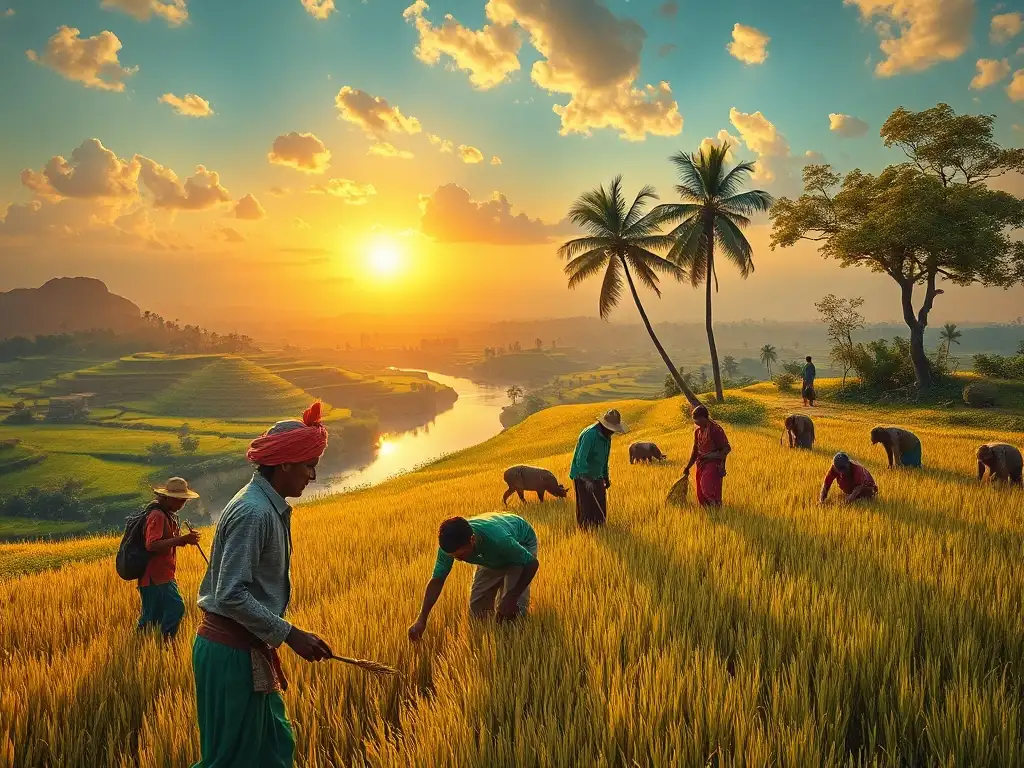
The cultural significance of agriculture in ancient India is well-documented across various literary sources, historical texts, and archaeological findings. These references provide insight into how deeply intertwined agriculture was with the social, economic, and spiritual aspects of ancient Indian life. Notable texts include the Vedas, which contain hymns celebrating agricultural practices and the importance of the earth as a nurturing entity.
The Mahabharata and Ramayana also showcase agricultural activities, depicting the agrarian lifestyle and its relevance to the characters' lives. Additionally, the writings of ancient scholars such as Kautilya in the Arthashastra emphasize the economic importance of agriculture and the strategies for effective crop management.
Suggested Readings on Agriculture in Ancient India
-
"The Vedic Age: A Cultural History" by A.L. Basham
This book explores the cultural and social practices of the Vedic period, including agricultural rituals and their significance in daily life.
-
"Agriculture in Ancient India" by P. K. Mishra
A comprehensive overview of farming techniques, crop varieties, and the role of agriculture in the economy and society of ancient India.
-
"The Mahabharata: An Inquiry in the Human Condition" by J.A. van Buitenen
This work examines the epic's narrative, emphasizing the agricultural references and their implications for understanding ancient Indian culture.
-
"The Ramayana: A Historical Perspective" by R. K. Narayan
This retelling provides insights into the agrarian aspects of the epic and the cultural significance of farming within the narrative.
Further Resources on Ancient Indian Literature and Culture
-
Digital Library of India
A vast repository of ancient texts and manuscripts that provide access to primary sources related to agriculture and literature in ancient India.
-
"Ancient Indian Literature: A Comprehensive Anthology" by R. S. Sharma
This anthology includes various literary works that reflect on the themes of agriculture and its cultural importance in ancient Indian society.
-
India: A History by John Keay
This book gives a broader historical context of India, with sections devoted to agricultural practices and their impact on civilization.
-
"Cultural History of Ancient India" by B. D. Chattopadhyaya
This resource delves into the cultural practices of ancient India, highlighting the role of agriculture in shaping societal norms and values.
These readings and resources provide a deeper understanding of the cultural significance of agriculture in ancient India, showcasing its integral role in literature and life.
- Introduction to Agriculture in Ancient India
- The Role of Agriculture in Ancient Indian Literature
- Themes of Agriculture in Ancient Indian Poetry
- The Influence of Agriculture on Religion and Philosophy
- Agricultural Techniques and Their Cultural Implications
- Conclusion: The Lasting Impact of Agricultural Culture in Ancient Indian Literature
- References
- Suggested Readings on Agriculture in Ancient India
- Further Resources on Ancient Indian Literature and Culture
- What is the cultural significance of agriculture in ancient Indian literature?
- How did agriculture shape ancient Indian societies?
- What role did agriculture play in ancient religious texts?
- Can you name some ancient Indian texts that discuss agriculture?
- How did agriculture contribute to the economy of ancient India?
Frequently Asked Questions
What is the cultural significance of agriculture in ancient Indian literature?
The cultural significance of agriculture in ancient Indian literature is profound, as it reflects the agricultural practices and their influence on society, economy, and spirituality.
How did agriculture shape ancient Indian societies?
Agriculture served as the foundation for ancient Indian societies, fostering settlement, trade, and the development of complex social structures and civilizations.
What role did agriculture play in ancient religious texts?
In ancient religious texts, agriculture is often associated with fertility and prosperity, highlighting the spiritual connection between the people and the land they cultivated.
Can you name some ancient Indian texts that discuss agriculture?
Key texts such as the Vedas, Upanishads, and Arthashastra provide insights into agricultural practices and their importance in sustaining life and culture in ancient India.
How did agriculture contribute to the economy of ancient India?
Agriculture was a primary driver of the economy, leading to trade, craftsmanship, and the rise of cities, which ultimately contributed to the wealth and stability of ancient Indian civilizations.
Final Reflection: The Enduring Legacy of Agriculture in Indian Culture
The cultural significance of agriculture in India is not merely a relic of the past; it is a vibrant thread woven into the fabric of our contemporary society. As we navigate through modern challenges, the wisdom embedded in ancient Indian literature reminds us of the profound relationship between land, community, and sustenance. This connection is not just historical; it shapes our identity, values, and even our aspirations for the future.
The influence of agriculture on Indian culture transcends time, echoing in our festivals, rituals, and daily lives. The reverence for the earth and its bounty is a recurring theme in ancient texts, illustrating how agriculture has been a cornerstone of societal development. As Mahatma Gandhi once said, The future depends on what you do today.
This sentiment resonates deeply as we consider how the agricultural practices and philosophies of our ancestors continue to inform our approach to sustainability and community living today.
As we reflect on the lessons of ancient Indian literature, let us embrace the call to honor our agricultural heritage. Consider how you can integrate these values into your own life, whether through supporting local farmers, practicing sustainable living, or simply appreciating the food that nourishes you. By doing so, we not only pay homage to our past but also cultivate a future where agriculture remains a vital part of our cultural identity.
Embrace the Wisdom of the Past: Connect with Ancient Agriculture!
Thank you for diving into the rich tapestry of Ancient Indian literature and its profound connection to agriculture! Your journey has revealed the deep-rooted significance of farming practices in shaping culture, values, and community life. Now, let’s take this knowledge further!
Here are a few ways you can engage with this fascinating theme:
- Explore ancient texts: Visit your local library or an online resource to seek out notable works that discuss agriculture in Ancient India. Look for translations of foundational texts that highlight agricultural practices and their societal impact.
- Start a discussion: Share your insights about the cultural significance of agriculture in Ancient India with friends or classmates. You could organize a small gathering or an online forum to explore how these ancient practices influence modern agriculture.
- Dive deeper: Conduct your own research into how agriculture is portrayed in various cultures—don’t limit yourself to just Indian literature. You might find fascinating parallels that enrich your understanding of agricultural history worldwide.
What aspect of Ancient Indian agricultural practices resonates most with you, and how do you think they can inform our approach to sustainability today? Share your thoughts below!