
Understanding the Symbolism of the Ramayana's Weapons and Armaments

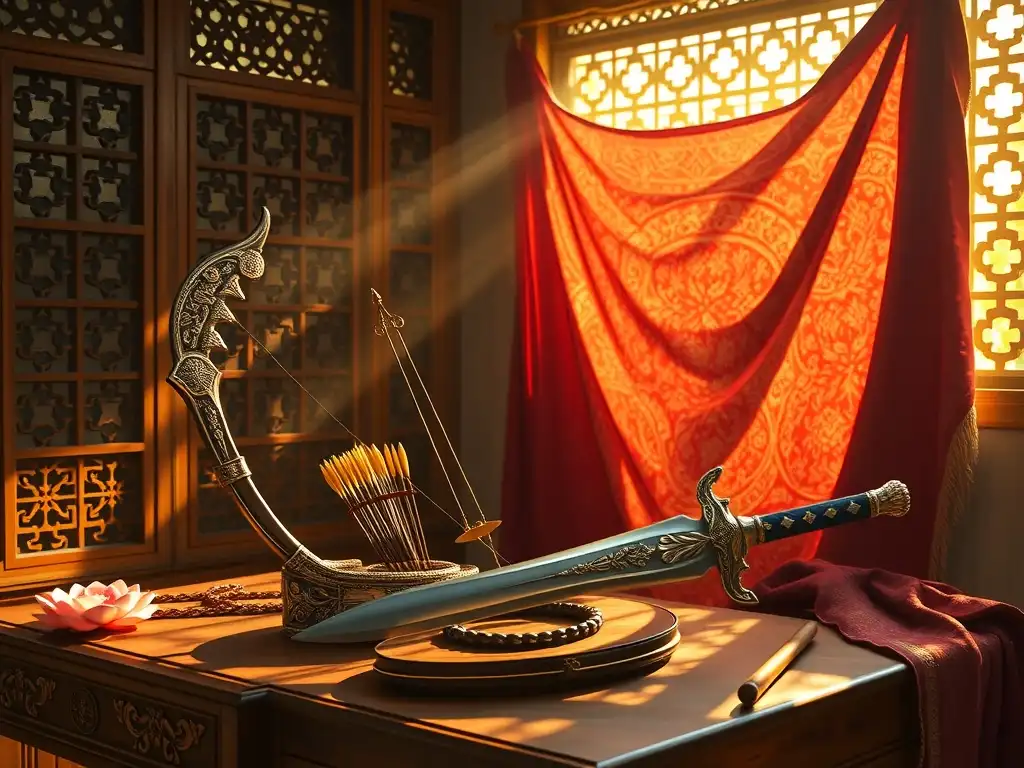
Welcome to Ancient India History, where we delve deep into the rich tapestry of one of the world's oldest civilizations. Today, we invite you to explore the fascinating world of epic literature with our focus on the "Ramayana weapons symbolism explained." Discover how the intricate symbolism behind the weapons in the Ramayana reflects the values, virtues, and struggles of its legendary characters.
What do these armaments reveal about ancient Indian culture, and how do they resonate with our understanding of heroism and morality? Join us on this enlightening journey as we unpack the layers of meaning woven into these powerful symbols. Your adventure into the heart of ancient Indian wisdom begins here!
Introduction to the Ramayana and Its Significance
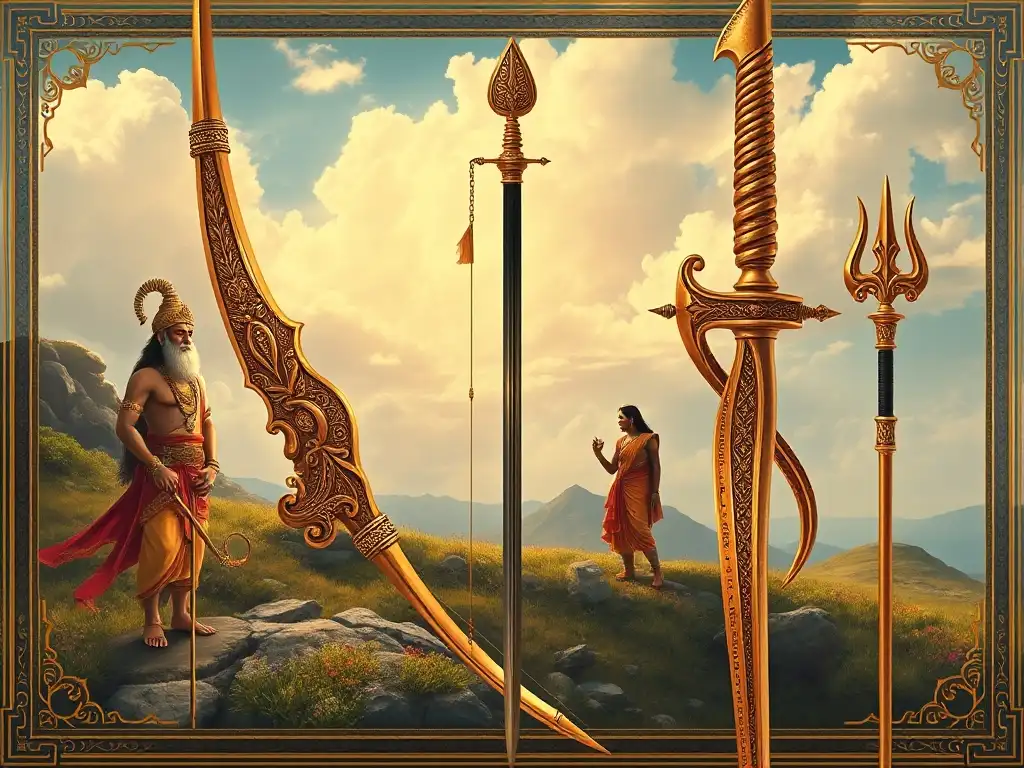
The Ramayana is one of the two great epics of ancient Indian literature, alongside the Mahabharata. Composed by the sage Valmiki, this monumental work not only narrates the tale of Lord Rama's quest to rescue his wife Sita but also encapsulates a wealth of moral, philosophical, and cultural teachings. The significance of the Ramayana extends beyond mere storytelling; it provides profound insights into dharma (righteousness), devotion, and the complexities of human relationships.
Throughout its verses, the Ramayana paints a vivid picture of ancient Indian society, its values, and its beliefs. The characters, especially Rama, Sita, and Hanuman, embody virtues that serve as ideals for followers of Hindu philosophy. Additionally, the epic has influenced various forms of art, literature, and performance across centuries, making it a cornerstone of Indian cultural identity.
In this exploration, we delve into the symbolism of the weapons and armaments featured in the Ramayana. These elements are not mere tools of war; instead, they carry deep metaphysical meanings and represent the moral struggles faced by the characters. Understanding this symbolism is essential for grasping the broader themes of the epic.
The Importance of Weapons in the Ramayana
Weapons in the Ramayana serve multiple purposes beyond their literal function in battle. They symbolize power, duty, and the eternal struggle between good and evil. The epic features a range of weapons, each with its own significance, wielded by key characters such as Rama, Ravana, and Hanuman.
- Rama's Bow and Arrow: The most iconic weapon of Lord Rama, his bow symbolizes dharma and righteousness. The act of stringing the bow is not only a physical feat but also a representation of the readiness to uphold justice.
- Ravana's Sword: The ten-headed demon king, Ravana, wields a sword that signifies his prowess and arrogance. It represents the destructive nature of unchecked power and the consequences of adharma (unrighteousness).
- Hanuman's Gada (Mace): Hanuman's mace symbolizes strength and devotion. As a loyal devotee of Rama, his weapon reflects the inner power derived from faith and loyalty to a higher cause.
These weapons are often imbued with mythological significance, showcasing the intricate relationship between the characters and their tools of warfare. The battles fought with these weapons are not merely physical confrontations but also represent moral dilemmas, illustrating the confrontation of virtues against vices.
Overview of Ramayana Weapons Symbolism Explained
The symbolism of weapons in the Ramayana can be understood through various lenses, including philosophical, spiritual, and cultural perspectives.
- Philosophical Significance:
- Weapons symbolize the duality of existence— creation and destruction. They remind readers that every action has consequences and that righteousness must prevail over evil.
- Spiritual Insights:
- Each weapon represents a spiritual journey. For instance, the bow and arrow reflect the quest for self-realization, while the mace signifies the strength gained through devotion.
- Cultural Context:
- The depiction of these weapons in the Ramayana has influenced artistic representations in sculptures, paintings, and performances. They are often depicted in temples and cultural narratives, reinforcing their importance in Indian heritage.
The exploration of the symbolism of the Ramayana's weapons reveals a rich tapestry of meanings that resonate deeply within the moral and spiritual landscape of Indian tradition. By understanding these symbols, readers can gain a more profound appreciation for the epic's messages and its impact on ancient and contemporary society.
- Introduction to the Ramayana and Its Significance
- The Importance of Weapons in the Ramayana
- Overview of Ramayana Weapons Symbolism Explained
Major Weapons in the Ramayana
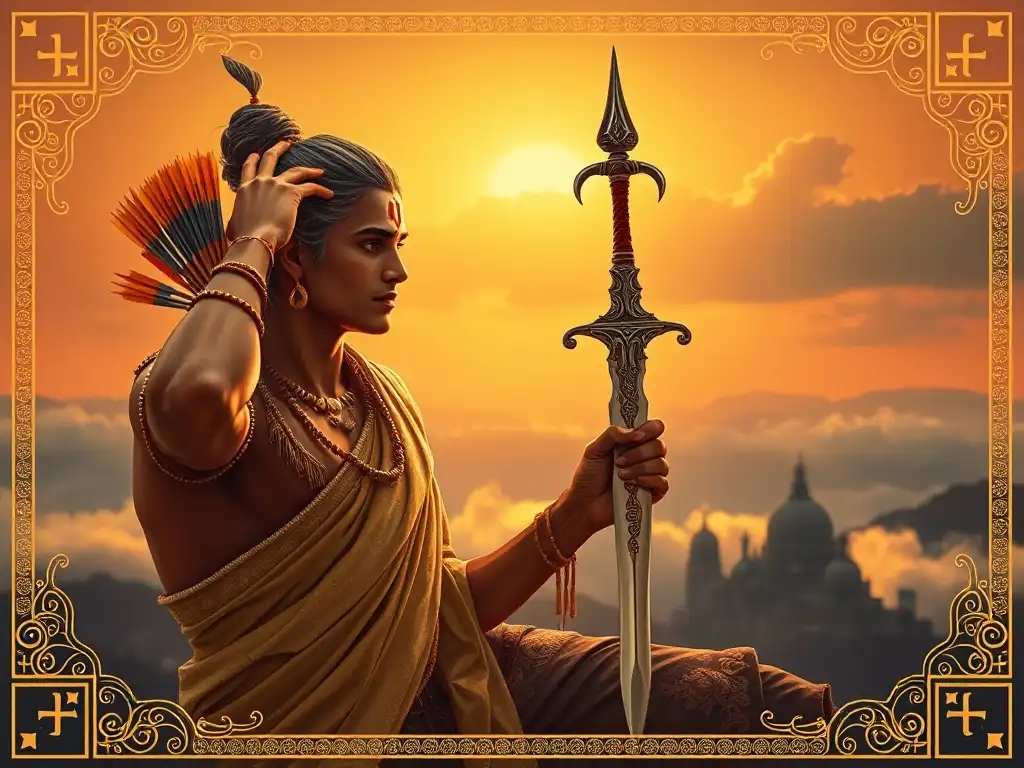
The epic of the Ramayana is not only a profound narrative of duty, honor, and the struggle between good and evil, but it also intricately weaves the symbolism of various weapons that play crucial roles in the story. Each weapon embodies deeper meanings and reflects the values and philosophies of ancient Indian culture. Understanding these symbols helps to appreciate the nuances of the Ramayana's teachings.
The Bow and Arrow: A Symbol of Dharma
The bow and arrow are perhaps the most iconic weapons in the Ramayana, representing not only physical prowess but also the moral and ethical backbone of dharma (righteousness).
- Connection to Lord Rama:
- Lord Rama, the protagonist, is often depicted wielding a bow and arrow, symbolizing his role as the ideal king and warrior.
- His mastery of the bow signifies his commitment to dharma, as he uses it to uphold justice and protect the innocent.
- The Significance of the Bow:
- The bow itself can be seen as a representation of potential energy, waiting to be unleashed. This mirrors the nature of dharma, which must be actively pursued and enacted in the world.
- The act of drawing the bowstring is akin to the necessity of effort and intention in following one's path of righteousness.
- The Arrow as a Tool of Justice:
- The arrows, once released, symbolize the consequences of one's actions. Just as an arrow cannot be retrieved once shot, actions taken in life have irreversible repercussions.
- This aspect emphasizes the importance of mindfulness and responsibility in one's duties.
The Sword: Representing Valor and Justice
The sword in the Ramayana serves as a potent symbol of valor, justice, and the authority to enforce dharma.
- Warrior Ethos:
- Characters like Lord Rama and his allies wield swords to combat evil, embodying the warrior ethos that champions justice over tyranny.
- The sword signifies courage and the readiness to fight for righteousness, showcasing the importance of bravery in the face of adversity.
- The Duality of the Sword:
- While the sword is a weapon of destruction, it also serves as a tool for protection. This duality highlights the balance between aggression and defense in the pursuit of justice.
- The act of unsheathing the sword symbolizes the readiness to confront evil, reinforcing the idea that one must sometimes take bold actions to safeguard dharma.
- A Metaphor for Discrimination:
- The sword can also be viewed as a metaphor for intellectual discernment, cutting through ignorance and illusion to reveal truth and justice.
- This aspect of the sword emphasizes the need for clarity of thought and moral integrity when making decisions.
The Axe: A Tool of Destruction and Creation
The axe possesses a unique symbolic significance within the Ramayana, representing both destruction and the potential for renewal.
- Destructive Power:
- The axe is often associated with the ability to cut through obstacles, symbolizing the destruction of ignorance and evil.
- Characters like Lord Hanuman wield the axe as a means to eradicate demonic forces, emphasizing the necessity of eliminating negativity to pave the way for progress.
- Creation and Renewal:
- Beyond destruction, the axe also signifies the potential for creation and rebuilding. Just as it can fell a tree, it can also be used to craft new structures and pathways.
- This dual symbolism resonates with the cyclical nature of life in Hindu philosophy, where destruction often leads to new beginnings.
- The Role of the Axe in Rituals:
- In many ancient rituals, the axe plays a role in sacrifices and offerings, representing the importance of surrendering the old to make way for the new.
- This highlights the spiritual journey of transformation and the necessity of letting go of outdated beliefs and practices to embrace higher truths.
The weapons in the Ramayana are rich in symbolism, serving as metaphors for the broader themes of dharma, justice, and transformation. By understanding the symbolism of the Ramayana's weapons, one gains deeper insights into the moral lessons embedded within this epic tale, reflecting the profound wisdom of ancient Indian civilization.
The Shield: Protection and Faith
In the context of the Ramayana, the shield is not merely a physical piece of armor; it symbolizes protection and faith, serving as a vital instrument for warriors like Rama and his allies. Within the epic, the shield embodies the idea of safeguarding one’s beliefs, values, and loved ones against adversities. It represents the faith that the characters place in their righteousness and moral integrity as they face formidable foes.
The shield worn by Rama, for instance, is described as being imbued with divine protection. According to the text, it is not only crafted from the finest materials but also blessed by celestial beings, reinforcing the belief that righteousness and devotion attract divine assistance. This divine endorsement transforms the shield from a mere weapon of defense into a symbol of faith that empowers the wielder.
Moreover, the act of raising a shield can be interpreted as a metaphorical gesture of standing firm in one’s beliefs. In the face of chaos and conflict, the shield signifies the strength derived from faith in dharma (moral law) and the commitment to uphold it, even when challenged by evil forces like Ravana. This aspect of the shield resonates deeply with the overarching themes of the Ramayana, where the struggle between good and evil is ever-present.
The shield also plays a significant role in the interpersonal dynamics of the characters. Warriors who carry shields are often seen as protectors, and their shields become a focal point of trust and reliance for those they defend. This reinforces the notion that protection is not just physical; it is an emotional and spiritual bond between the defender and those they safeguard.
The shield in the Ramayana carries profound symbolism, representing the dual themes of protection and faith. It illustrates the importance of upholding moral values while also serving as a reminder of the divine support that accompanies those who act with righteousness. The shield thus becomes a powerful emblem within the epic, encapsulating the essence of the struggle between good and evil, and the faith that underpins this eternal battle.
Mythological Context of Weapons in the Ramayana
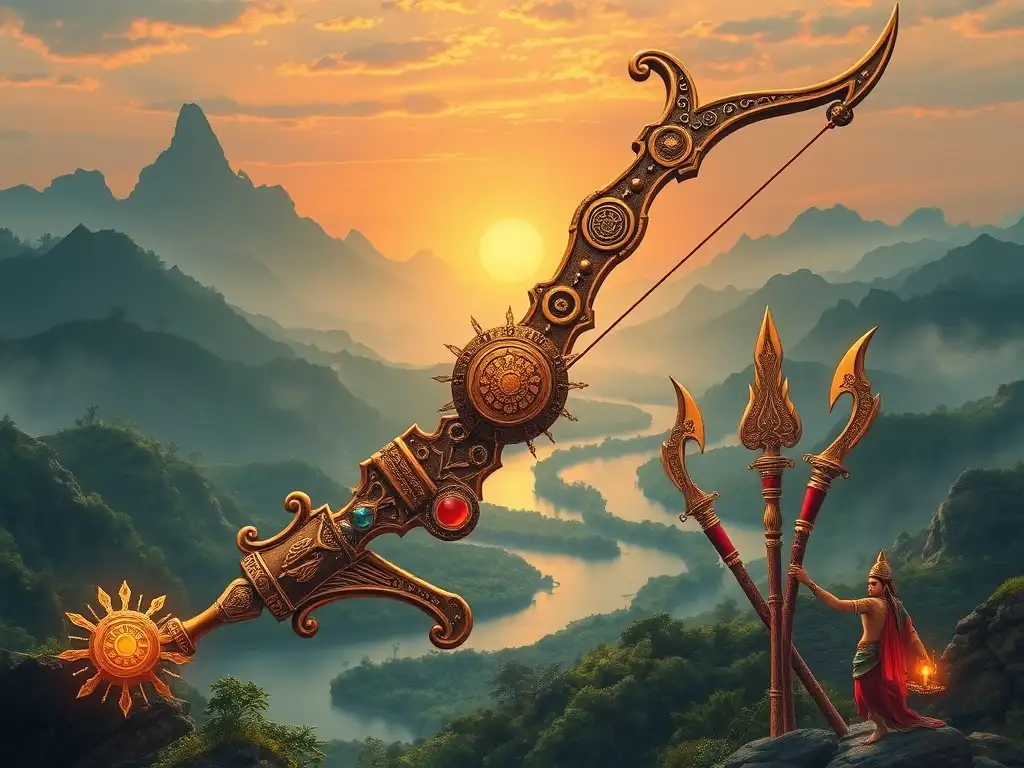
The Ramayana, one of the greatest epics of ancient Indian literature, is not only a tale of heroism and righteousness but also a rich tapestry of symbolism, particularly reflected through the weapons and armaments wielded by its characters. These weapons are not mere tools of warfare; they embody deeper meanings that resonate with the moral and ethical dimensions of the narrative. Understanding the symbolism of the Ramayana's weapons requires an exploration of their divine origins, their alignment with the characters' traits, and the significant role of deities in bestowing these formidable instruments.
Divine Origins of the Weapons
The weapons featured in the Ramayana are often depicted as having divine origins, crafted by celestial beings or bestowed by gods. This imbues them with a sense of sanctity and power, elevating their significance beyond mere physical tools. For instance, the bow of Lord Rama, known as Kodanda, is not only a weapon of choice but also symbolizes righteousness and dharma (moral duty).
- Example of Divine Craftsmanship:
- The Brahmastra, a powerful weapon capable of annihilating entire armies, is said to have been created by Lord Brahma himself. Its ability to destroy virtually anything reflects the profound themes of creation and destruction inherent in the cosmic order.
- Symbolism of Righteousness:
- Rama’s bow is indicative of his role as a righteous warrior. The act of stringing the bow signifies his readiness to uphold dharma against adharma (unrighteousness).
This divine connection emphasizes how the weapons serve as extensions of the divine authority and cosmic order reflected throughout the epic.
Weapons as Extensions of Character Traits
In the Ramayana, weapons often mirror the character traits and virtues of their wielders. The manner in which a character uses their weapon—whether in defense, aggression, or moral conflict—reveals their inner qualities and ethical frameworks.
- Lord Rama and the Bow:
- Rama’s use of Kodanda is characterized by precision and restraint. His arrows, which are said to never miss their mark, symbolize his unwavering commitment to truth and justice.
- Ravana and the Scimitar:
- In stark contrast, Ravana’s scimitar represents his arrogance and tyranny. His prowess in battle is not just a display of strength but also a reflection of his ego and disregard for dharma.
This correlation between weapons and character traits serves to deepen the reader's understanding of the protagonists and antagonists in the epic, highlighting the moral lessons that can be drawn from their actions.
The Role of Deities in Bestowing Weapons
The act of deities bestowing weapons to characters within the Ramayana is a significant motif that reinforces the connection between the divine and human realms. This divine intervention underscores themes of destiny and divine favor.
- Indra’s Gift to Rama:
- Lord Indra, the king of the gods, gifts Rama the Vajra (thunderbolt) to strengthen his resolve in battle against Ravana. This act not only signifies divine support but also marks Rama as a hero chosen by the gods to restore cosmic order.
- Sita’s Agni Pariksha:
- After her abduction, Sita’s ordeal by fire (Agni Pariksha) not only tests her purity but also symbolizes the divine protection she receives, which is echoed in her later empowerment through divine weapons given to Rama.
Through these narratives, the Ramayana illustrates the intrinsic connection between divine will and human agency, emphasizing that the true power of these weapons lies in the righteousness of their bearers.
The weapons in the Ramayana are imbued with rich symbolism that reflects the epic's moral and ethical teachings. Their divine origins, alignment with character traits, and the involvement of deities in their bestowment weave a complex narrative tapestry that enhances our understanding of this ancient text. The Ramayana weapons symbolism explained transcends mere physicality, revealing profound insights into the human condition and the cosmic order.
Symbolism of Specific Weapons and Armaments
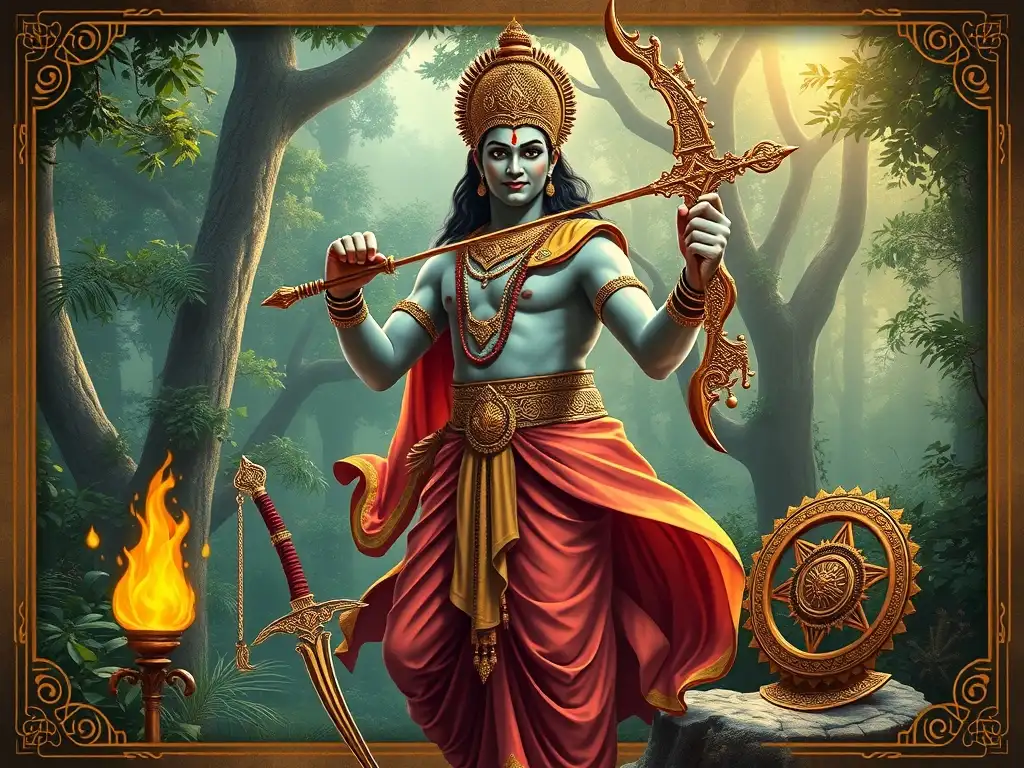
Rama’s Bow (Kodanda) and Its Symbolic Meaning
Rama’s bow, known as Kodanda, holds a prominent place in the narrative of the Ramayana, symbolizing righteousness, courage, and the ultimate triumph of good over evil. The bow itself is not merely a weapon; it is a representation of Rama's divine authority and his role as the ideal hero.
- Righteousness and Dharma: The bow signifies Rama's commitment to dharma (righteousness). He wields it to uphold justice, protect the innocent, and restore order. The destruction of evil forces through the use of Kodanda embodies the moral imperative to fight against wrongdoing.
- Strength and Valor: The physical prowess required to string the bow is a metaphor for the strength of character and valor that Rama possesses. In the epic, the challenge of stringing the bow is a test of worthiness, symbolizing that true strength lies not only in physical might but also in moral integrity.
- Divine Connection: Kodanda is often depicted as a celestial weapon, bestowed upon Rama by the sage Vishwamitra. This connection to the divine underlines the belief that Rama is not just a warrior but an incarnation of the god Vishnu, sent to restore cosmic balance.
Ravana’s Sword (Nandaka): Power and Ambition
Ravana’s sword, named Nandaka, encapsulates the themes of power, ambition, and the perils of hubris. As the king of Lanka, Ravana possesses this formidable weapon, which serves as a symbol of his strength and aspirations.
- Symbol of Authority: Nandaka represents Ravana's sovereignty and his desire for dominance. The sword is emblematic of his ambitions to conquer the heavens and establish his reign over all worlds, showcasing the lengths to which he will go to assert his power.
- Destructive Force: Although Nandaka is a symbol of strength, it also embodies destruction. Ravana's misuse of the sword highlights the dangers of power when wielded with selfish intentions. This aspect of the weapon serves as a cautionary tale about the consequences of unchecked ambition.
- Conflict of Ideals: The clashes between Rama and Ravana, with their respective weapons, symbolize the broader struggle between good and evil. Nandaka, while powerful, ultimately succumbs to the righteousness of Rama's Kodanda, illustrating that true power lies in virtue rather than sheer might.
Hanuman’s Mace (Gada): Strength and Devotion
Hanuman’s mace, known as Gada, is a multifaceted symbol representing strength, devotion, and loyalty. As a devoted follower of Rama, Hanuman’s weapon is a testament to his unwavering commitment to protecting dharma.
- Symbol of Strength: The mace signifies Hanuman's immense physical strength and his ability to overcome any obstacle. This strength is not just physical; it also represents emotional and spiritual resilience, showcasing Hanuman's role as a protector and warrior for righteousness.
- Devotion and Service: Gada is deeply intertwined with Hanuman's devotion to Rama. The act of wielding the mace in battle is an extension of his loyalty, emphasizing that true strength is rooted in service to a higher cause. Hanuman's readiness to use his power for Rama's mission highlights the importance of devotion in achieving greatness.
- Restoration of Balance: In various confrontations throughout the Ramayana, Hanuman's use of the mace signifies his role as a bridge between the divine and the earthly realms. His actions help restore balance and order, reinforcing the idea that divine strength, when channeled through devotion, can lead to the triumph of good over evil.
The Chariot: Mobility and Strategy in Warfare
The chariot, known as "Ratha" in Sanskrit, plays a pivotal role in the Ramayana, serving as a powerful symbol of mobility, strategy, and divine intervention in warfare. In ancient Indian warfare, chariots were not merely vehicles; they were embodiments of status, strength, and tactical advantage on the battlefield.
Symbol of Status and Power
Chariots were often associated with royalty and warriors of high status. In the Ramayana, characters like Rama and Ravana are depicted as formidable charioteers, wielding their chariots with remarkable skill. The chariot symbolized not only the physical prowess of the warrior but also their divine right to rule and protect their kingdom. The grandeur of a chariot, adorned with intricate designs and often drawn by majestic horses, reflected the wealth and power of its owner.
Mobility and Tactical Advantage
In the context of warfare, the chariot provided significant advantages. It allowed for greater mobility, enabling warriors to traverse the battlefield swiftly. The Ramayana illustrates several battles where the use of chariots turned the tide in favor of the chariot-borne warriors. For instance, during the epic confrontation between Rama and Ravana, the maneuverability offered by chariots allowed Rama to execute strategic attacks while remaining elusive.
Moreover, chariots facilitated a unique combat style that combined archery and close combat. Warriors would shoot arrows from their chariots while remaining protected, creating a formidable offensive strategy. The depiction of chariot warfare in the Ramayana emphasizes the importance of speed, positioning, and adaptability in battle, showcasing how these elements were crucial for victory.
Divine Intervention and Symbolic Significance
Beyond their practical applications, chariots in the Ramayana often symbolize divine support and intervention. Rama's chariot, for example, is not just a mode of transport but a vehicle of righteousness, reflecting his role as an avatar of Vishnu. The presence of divine beings, such as Hanuman and the celestial steeds, further underscores the notion that the success of a charioteer is intertwined with divine blessing.
In this light, the chariot transcends its physical form, representing the journey of the soul, the quest for dharma (righteousness), and the struggle against adharma (unrighteousness). The battles fought in chariots are allegorical, reflecting the larger cosmic battle between good and evil, making the chariot a profound symbol within the narrative of the Ramayana.
The chariot in the Ramayana serves as a multifaceted symbol, representing status, mobility, strategy, and divine intervention in warfare. Its role is not merely functional; it encapsulates deeper philosophical and moral themes that resonate throughout the epic, enriching our understanding of its characters and their journeys.
Comparative Analysis: Weapons in Other Epics
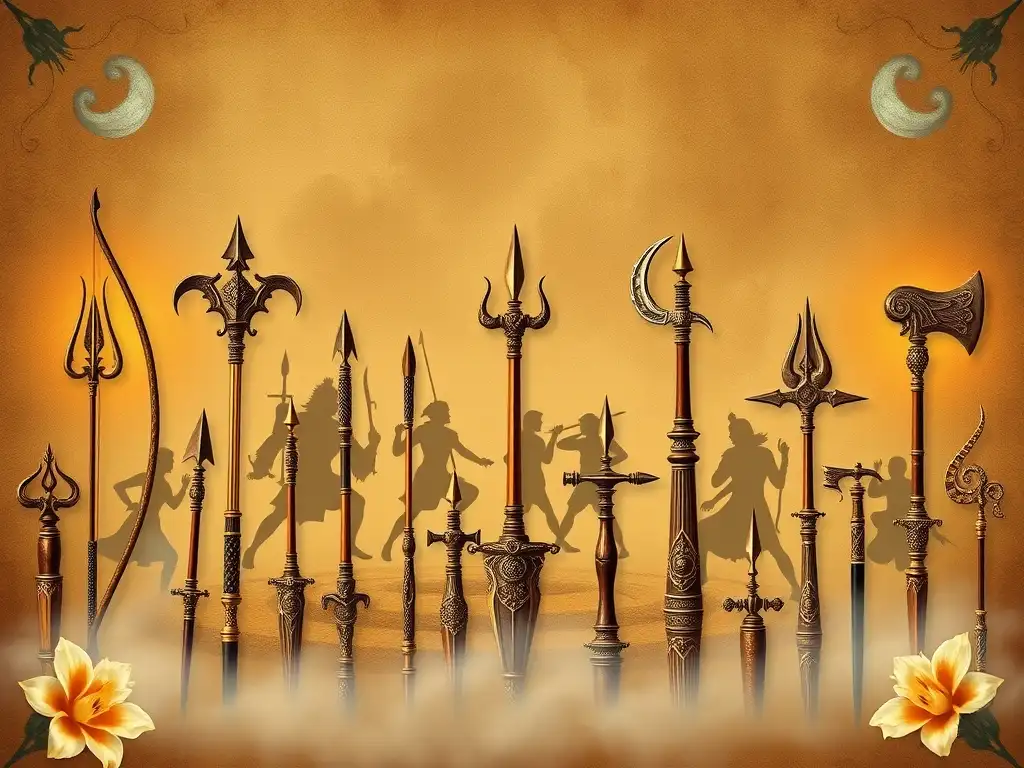
Ramayana Weapons vs. Mahabharata Weapons
The Ramayana and Mahabharata, two of the most significant epics in ancient Indian literature, showcase a rich tapestry of symbolism through their weaponry. The Ramayana weapons symbolism explained provides insight into the moral and spiritual connotations of the arms wielded by its characters, while a similar analysis can be conducted for the Mahabharata.
Key Differences in Weapons
| Aspect | Ramayana Weapons | Mahabharata Weapons |
|---|---|---|
| Types of Weapons | Primarily bows, arrows, and divine weapons like the Brahmastra | A wider range including swords, maces, and the iconic Gandiva bow |
| Symbolic Use | Emphasis on righteousness (Dharma) and divine intervention | Focus on duty (Karma) and the complexities of war |
| Wielders | Heroes like Rama and Lakshmana, embodying virtue | Heroes and anti-heroes, such as Arjuna and Duryodhana, representing moral ambiguity |
The weaponry in the Ramayana typically represents divine justice and the struggle between good and evil. For instance, Rama's bow, often described as an extension of his will, symbolizes his dedication to Dharma. In contrast, the Mahabharata presents a more nuanced perspective, where weapons symbolize the ethical dilemmas faced by its heroes, exemplified by Arjuna's moral hesitation before the Kurukshetra war.
Symbolism in Different Cultural Contexts
The symbolism of weapons in the Ramayana extends beyond the narrative itself, resonating with various cultural and philosophical interpretations.
Hindu Philosophy and Morality
- Dharma and Righteousness: The weapons symbolize the upholding of Dharma, where each character's use of arms reflects their moral standing. For instance, Rama's use of the bow not only signifies his warrior status but also his role as a protector of the righteous.
- Divine Empowerment: Weapons like the Vishnu Danda illustrate the belief in divine empowerment, where warriors are viewed as instruments of divine will.
Cross-Cultural Symbolism
- Western Literature: Similar to Excalibur in Arthurian legends, the Ramayana's weapons symbolize the rightful claim to power. They serve as metaphors for the internal struggles of the heroes, articulating themes of destiny and moral choice.
- East Asian Contexts: In certain East Asian interpretations, the bow and arrow are seen as symbols of balance and harmony, akin to concepts in Taoism, where the act of drawing a bow represents the tension between opposing forces.
The exploration of weapon symbolism within the Ramayana, therefore, reveals a complex interplay of cultural narratives, ethical considerations, and philosophical underpinnings. Understanding these symbols not only enriches our comprehension of the Ramayana but also invites comparisons with other epic literatures, illustrating the universal themes of righteousness, duty, and the moral dilemmas faced by individuals in conflict.
Conclusion: The Enduring Legacy of Ramayana Weapons Symbolism
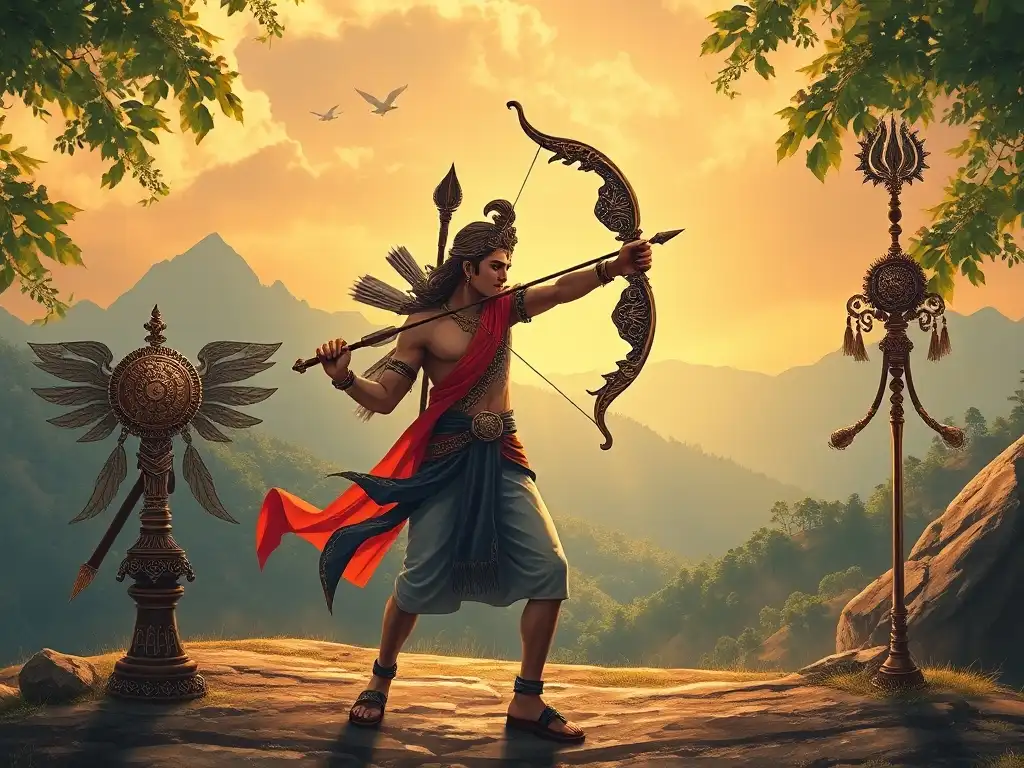
The Ramayana, as one of the two great epics of ancient Indian literature, carries profound significance not just in its narrative but also in the symbolism of its weapons and armaments. The weapons depicted in the Ramayana serve as more than mere tools of warfare; they embody various philosophical and moral lessons that resonate through the ages.
The enduring legacy of these symbols can be traced through their impact on various facets of Indian culture, spirituality, and the arts. These weapons reflect the virtues of righteousness (dharma), valor, and devotion, serving as archetypes for ideal behavior. For instance, Lord Rama’s bow, known as the Kodanda, symbolizes the strength of dharma and the duty of a warrior to protect the innocent and uphold justice. Such symbols remain deeply ingrained in the cultural consciousness of India, influencing literature, theater, dance, and religious practices across generations.
The Influence of Ramayana Weapons on Indian Culture
The symbolism of Ramayana weapons has profoundly influenced Indian culture, shaping moral values and societal norms. Here are a few notable impacts:
- Literary Tradition: The weapons and their symbolism have inspired countless literary works that explore themes of righteousness, heroism, and sacrifice. Authors and poets draw upon these symbols to convey moral lessons, often using them as metaphors for conflict resolution and the struggles between good and evil.
- Art and Iconography: In various art forms, depictions of the characters wielding their weapons convey deeper meanings. For example, the depiction of Goddess Durga wielding multiple arms with various weapons symbolizes the triumph of good over evil. This iconography is prevalent in sculptures, paintings, and temple designs throughout India.
- Festivals and Rituals: Many festivals, such as Dussehra, celebrate the victory of Lord Rama over Ravana, with processions often featuring representations of the epic's iconic weapons. Such celebrations reinforce the cultural significance of these symbols, reminding communities of the values encapsulated in the Ramayana.
- Martial Arts: Traditional Indian martial arts, like Kalaripayattu and Gatka, often draw inspiration from the weapons of the Ramayana. The techniques and philosophies embedded in these arts reflect the epic's teachings about discipline, respect, and the righteous use of power.
Modern Interpretations of Ramayana Weapons Symbolism
In contemporary times, the symbolism of Ramayana weapons continues to evolve and be reinterpreted across various mediums:
- Literature and Cinema: Modern retellings of the Ramayana in novels and films often reinterpret the significance of weapons. For instance, filmmakers may emphasize the emotional and psychological aspects of warfare depicted in the epic, exploring the internal conflicts faced by characters like Rama and Ravana.
- Psychological Analysis: Scholars and psychologists analyze the weapons' symbolism in terms of human behavior and societal dynamics. The weapons are seen as representations of the inner battles individuals face, such as the struggle between duty and desire, or righteousness and temptation.
- Global Context: As the Ramayana gains international recognition, its weapons symbolism is examined through a global lens. Scholars explore how these symbols relate to universal themes in mythology and literature, connecting the Ramayana with other epic narratives worldwide.
- Artistic Expressions: Contemporary artists and performers are increasingly integrating the symbolism of Ramayana weapons into their work. Through dance, theater, and visual arts, they reinterpret traditional themes, making them relevant to modern audiences while preserving their essence.
The symbolism of Ramayana weapons transcends the narrative of the epic itself, influencing a wide array of cultural, artistic, and philosophical realms. It serves as a testament to the timeless nature of the values embedded in the Ramayana, ensuring its relevance across generations. As we explore these symbols, we gain insights into not only ancient Indian civilization but also the universal human experience.
Frequently Asked Questions
What is the significance of weapons in the Ramayana?
The weapons in the Ramayana symbolize power, dharma, and the struggle between good and evil, representing the moral choices and challenges faced by the characters.
How do the weapons reflect the characters' personalities?
Each character's weapon often mirrors their traits; for example, Rama’s bow symbolizes his duty and valor, while Ravana's sword reflects his destructive ambition.
What role does symbolism play in the narrative of the Ramayana?
Symbolism in the Ramayana enhances the storytelling by conveying deeper meanings, such as the spiritual journey of the characters and the moral lessons embedded in their conflicts.
Can the weapons be interpreted in a modern context?
Yes, the weapons can be interpreted as metaphors for personal struggles and ethical dilemmas faced in contemporary life, encouraging readers to reflect on their own moral choices.
What are some examples of prominent weapons in the Ramayana?
Prominent weapons include Rama's bow, Shiva's trident, and Indra's thunderbolt, each carrying its own symbolic meaning and significance within the story.
Final Reflection: The Enduring Symbolism of Ramayana's Weapons
The exploration of the Ramayana's weapons and armaments reveals a profound connection between ancient narratives and contemporary values. In a world increasingly defined by conflict and division, the symbolism embedded in these weapons serves as a reminder of the virtues of righteousness, courage, and the eternal struggle between good and evil. The lessons drawn from the Ramayana resonate today, urging us to reflect on our own battles and the tools we wield in our daily lives.
The Ramayana's weapons are not merely instruments of war; they are metaphors for the inner struggles we face. Each weapon symbolizes a different aspect of human experience, from the bow of Lord Rama representing focus and determination to the sword of Goddess Durga embodying the fierce protection of dharma. As we navigate our own challenges, we can draw inspiration from these symbols. The greatest weapon is not the sword, but the heart that wields it.
This quote encapsulates the essence of the Ramayana's teachings, emphasizing that true strength lies within us.
As you reflect on the symbolism of the Ramayana's weapons, consider how these lessons can be applied in your own life. What battles are you facing, and what tools do you possess to overcome them? Embrace the wisdom of the Ramayana and let it guide you in your journey toward righteousness and self-discovery. The power of these ancient symbols can inspire you to forge your own path, armed not just with physical tools, but with the virtues that define true heroism.
Unleash the Power of the Ramayana Today!
Thank you for taking the time to explore the fascinating symbolism behind the weapons and armaments in the Ramayana. You've unlocked insights that not only enrich your understanding of this epic but also connect you to the deeper meanings that resonate through history. Now, let's put this wisdom into action!
- Dive deeper into the Ramayana: Read additional texts or translations to expand your understanding. Comparing different versions of the epic can reveal how symbolism varies across cultures.
- Share your insights: Discuss the themes you've uncovered with friends or in online communities. Engaging in conversations can unveil new perspectives and interpretations.
- Create your own art: Use the symbolism of the weapons as inspiration! Whether through drawing, writing, or crafting, express what you've learned in a creative way.
Which weapon or armament from the Ramayana resonates with you the most? Reflect on how its symbolism relates to your own life experiences.