
The Mahabharata's Ethical Dilemmas: Navigating Right and Wrong

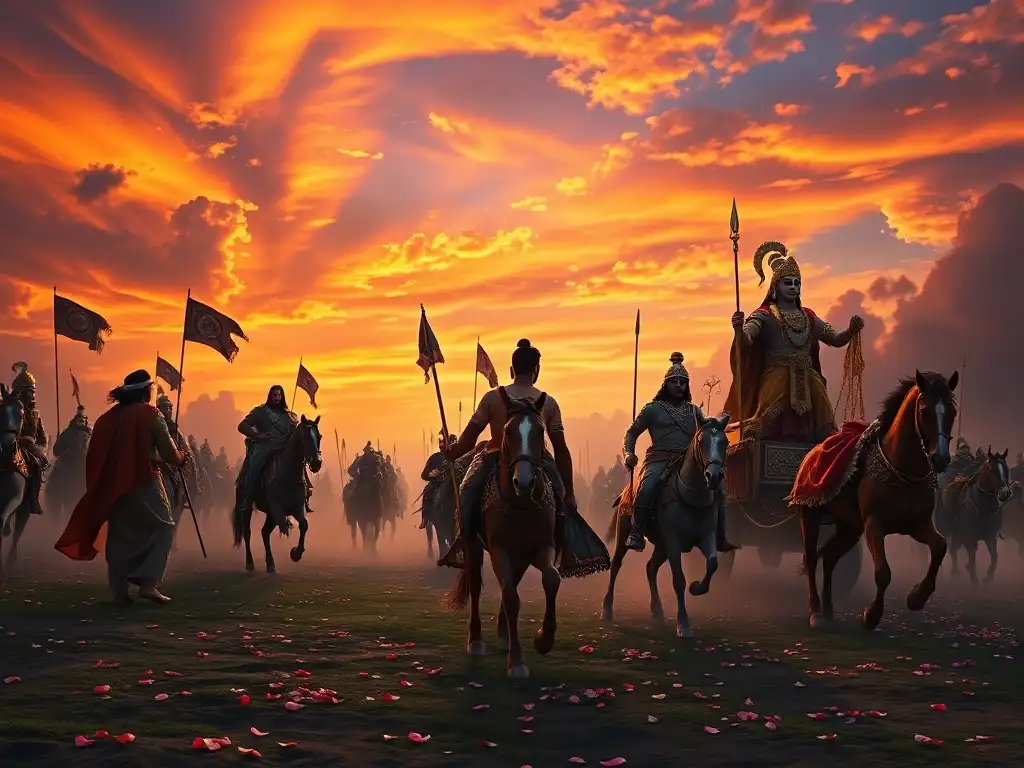
Welcome to Ancient India History, where we delve deep into the captivating tapestry of India's past! In this exploration, we invite you to journey through the intricate world of epic literature as we unravel the ethical dilemmas in the Mahabharata. This timeless saga not only poses profound questions about morality and justice but also reflects the rich cultural heritage of ancient Indian civilizations. Are you ready to navigate the complexities of right and wrong alongside legendary characters? Join us as we uncover the layers of meaning within this extraordinary epic and discover how its lessons resonate even today!
Introduction to the Mahabharata
The Mahabharata stands as one of the most monumental and revered epics in ancient Indian literature, exploring not only the grand narratives of war and heroism but also delving deeply into the inherent ethical dilemmas that arise throughout its story. These dilemmas reflect the complexities of human behavior and moral decision-making, making them profoundly relevant even in contemporary discourse.
As the narrative unfolds, characters are often faced with choices that challenge their values, beliefs, and societal norms, prompting readers to ponder the nature of right and wrong. In examining these ethical quandaries, we gain insight into the moral fabric of ancient Indian society and its philosophical underpinnings.
Overview of the Epic
The Mahabharata, attributed to the sage Vyasa, is not only a story of war between the Pandavas and Kauravas but also a comprehensive compendium of ideas, teachings, and ethical reflections. Spanning over 100,000 verses, the epic encompasses various sub-stories, philosophies, and cultural narratives. At its core, it presents a rich tapestry of human emotions, relationships, and the perennial struggle between good and evil. This complexity allows readers to engage with the text on multiple levels, examining the motives and choices of its characters, such as Arjuna, Yudhishthira, and Duryodhana, who grapple with their own ethical challenges.
Significance in Ancient Indian Literature
The Mahabharata holds a pivotal place in ancient Indian literature, transcending mere storytelling to become a vital source of moral and ethical guidance. Its influence extends beyond literary boundaries, impacting philosophy, politics, and even religious thought in Indian culture. The epic's teachings, particularly through dialogues like the Bhagavad Gita, have shaped the moral landscape of Indian society, offering profound insights into duty (dharma), righteousness, and the consequences of one's actions. As such, the Mahabharata serves as a crucial text for understanding the ethical frameworks that have guided Indian civilization over centuries.
Understanding Ethical Dilemmas in Mahabharata
As we delve into the intricate web of ethical dilemmas presented in the Mahabharata, it becomes essential to define what constitutes an ethical dilemma and to contextualize these issues within the framework of ancient Indian society.
Definition of Ethical Dilemmas
An ethical dilemma occurs when an individual faces conflicting moral principles, making it challenging to determine the right course of action. In the Mahabharata, characters frequently encounter situations where their duties and desires clash, forcing them to make choices that can lead to moral ambiguity and personal turmoil. For instance, Arjuna's initial reluctance to fight in the Kurukshetra war stems from his internal conflict between his duties as a warrior (kshatriya) and his love for his family, highlighting the complexities of ethical decision-making.
Contextualizing Ethics in Ancient Indian Society
To fully appreciate the ethical dilemmas in the Mahabharata, it is crucial to understand the societal context of ancient India. The concept of dharma, or duty, played a central role in guiding moral decisions, but its interpretation varied across different circumstances and castes.
The rigid social structure often posed challenges for individuals, as adhering to one's dharma could sometimes lead to actions that appeared unjust or immoral from another perspective. This intricate interplay of societal norms, personal values, and moral principles creates a rich landscape for exploring the ethical conundrums faced by the characters in the Mahabharata, making it a timeless reflection on the human condition.
Major Ethical Dilemmas Faced by Characters
The Mahabharata is replete with ethical dilemmas that challenge its characters and, by extension, the readers. These dilemmas often revolve around the complex interplay of duty, righteousness, and personal morality, illustrating the intricate fabric of human decision-making. As the epic unfolds, characters encounter situations that force them to weigh their values against the backdrop of societal expectations and cosmic principles.
Arjuna’s Moral Crisis on the Battlefield
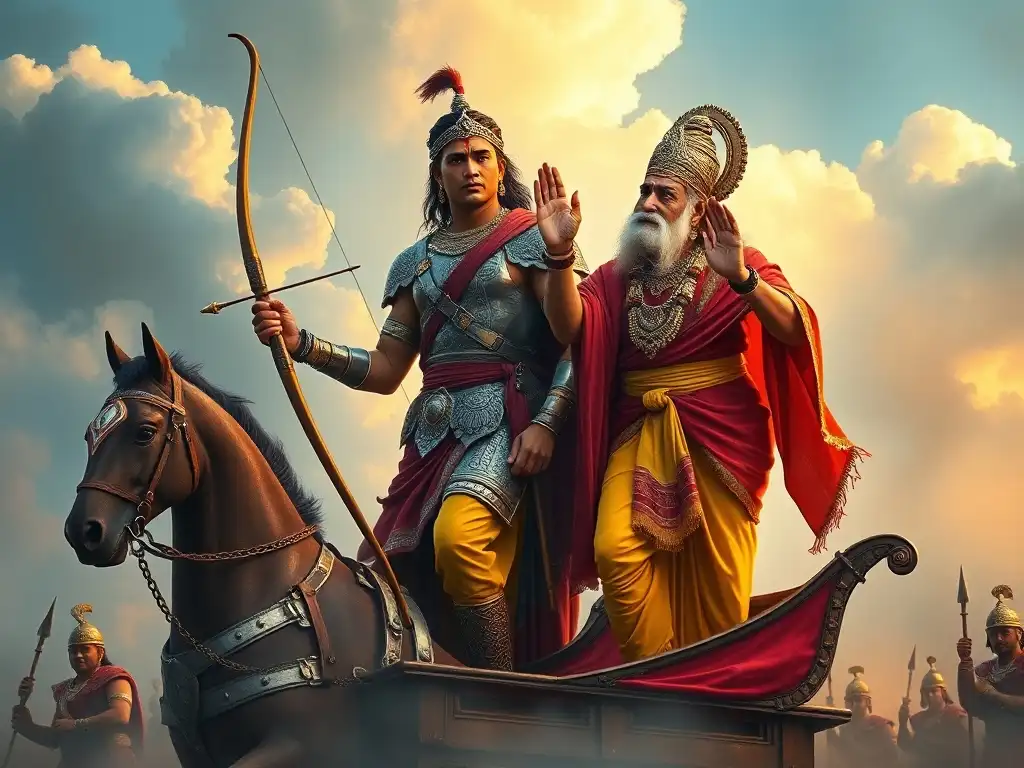
One of the most profound ethical dilemmas in the Mahabharata arises with Arjuna’s moral crisis on the battlefield of Kurukshetra. Faced with the prospect of fighting against his own relatives, teachers, and friends, Arjuna is plunged into a deep internal conflict. He grapples with the fear of killing his kin and the moral implications of war. This moment is vividly depicted in the Bhagavad Gita, where Arjuna questions the righteousness of his duty as a warrior (Kshatriya) and the consequences of his actions.
Arjuna’s hesitation reflects a broader theme of dharma (righteousness) versus personal emotions. His initial refusal to fight symbolizes the struggle between adhering to one’s duty and the love for family, leading to a pivotal moment where Lord Krishna imparts wisdom on the nature of the self and the importance of fulfilling one’s duty without attachment. This dilemma not only highlights Arjuna’s personal struggle but also serves as a moral compass for readers, prompting questions about the nature of duty in the face of personal loss.
Yudhishthira’s Dilemma of Truth vs. Duty
Yudhishthira, the eldest of the Pandavas, embodies the conflict between truth and duty throughout the epic. Known for his unwavering commitment to truth, Yudhishthira faces an agonizing choice during the game of dice, where he sacrifices his kingdom, his brothers, and even his wife, Draupadi. In this scenario, his adherence to the principles of truth leads to catastrophic consequences, raising questions about the rigidity of ethical principles when faced with dire circumstances.
Later, during the battle, Yudhishthira confronts the dilemma of whether to tell the truth or to strategize for victory. His commitment to truth is put to the test when he must decide whether to uphold it even if it means losing everything. This ethical quandary illustrates the complexities of dharma, where the right choice is not always clear, and the weight of one’s decisions can have far-reaching impacts on oneself and society.
Draupadi’s Struggle for Justice
Draupadi’s plight in the Mahabharata serves as a powerful exploration of justice and the quest for dignity. After being humiliated in the court of Hastinapur, Draupadi faces a moral dilemma that is both personal and political. Her struggle is not just for her own honor but symbolizes the broader fight for justice against oppression.
In her response to the injustice she faces, Draupadi challenges the moral fabric of the Kaurava brothers and their supporters, calling into question the ethical standards of society. Her insistence on justice highlights the theme of agency and the role of women in a patriarchal society. Draupadi’s dilemma illustrates how personal ethics can clash with societal norms, prompting a reevaluation of what justice truly means within the context of dharma.
Themes of Right and Wrong in the Mahabharata
The exploration of right and wrong is central to the Mahabharata, with characters consistently navigating the murky waters of moral and ethical dilemmas. The epic not only presents various perspectives on righteousness but also emphasizes the necessity of understanding context in ethical decision-making.
The Concept of Dharma (Righteousness)
Dharma, or righteousness, is a recurring theme throughout the Mahabharata, serving as a guiding principle for characters as they confront various ethical dilemmas. However, the interpretation of dharma is often subjective and influenced by personal circumstances, societal roles, and broader cosmic laws.
The text illustrates that dharma is not a fixed set of rules but a flexible concept that adapts to the situation at hand. Characters like Krishna and Vyasa emphasize that understanding the essence of dharma requires wisdom and discernment, as what is considered right in one context may be wrong in another. This nuanced understanding challenges readers to think critically about ethical principles and their applications in real-life scenarios.
The Conflict between Personal Ethics and Societal Expectations
The Mahabharata poignantly captures the tension between personal ethics and societal expectations. Many characters face dilemmas where their personal beliefs clash with the duties imposed by society, leading to profound internal conflict.
For instance, Arjuna’s reluctance to fight and Yudhishthira’s struggle to maintain truth amidst chaos exemplify how societal roles can dictate actions, often at the expense of personal morals. The epic encourages readers to reflect on the importance of balancing personal convictions with societal duties, ultimately suggesting that true righteousness lies in the ability to navigate these conflicts with wisdom and compassion.
The Mahabharata serves as a rich tapestry of ethical dilemmas, prompting both characters and readers to grapple with the complexities of right and wrong in a world where moral absolutes are rare.
Lessons from the Ethical Dilemmas of the Mahabharata
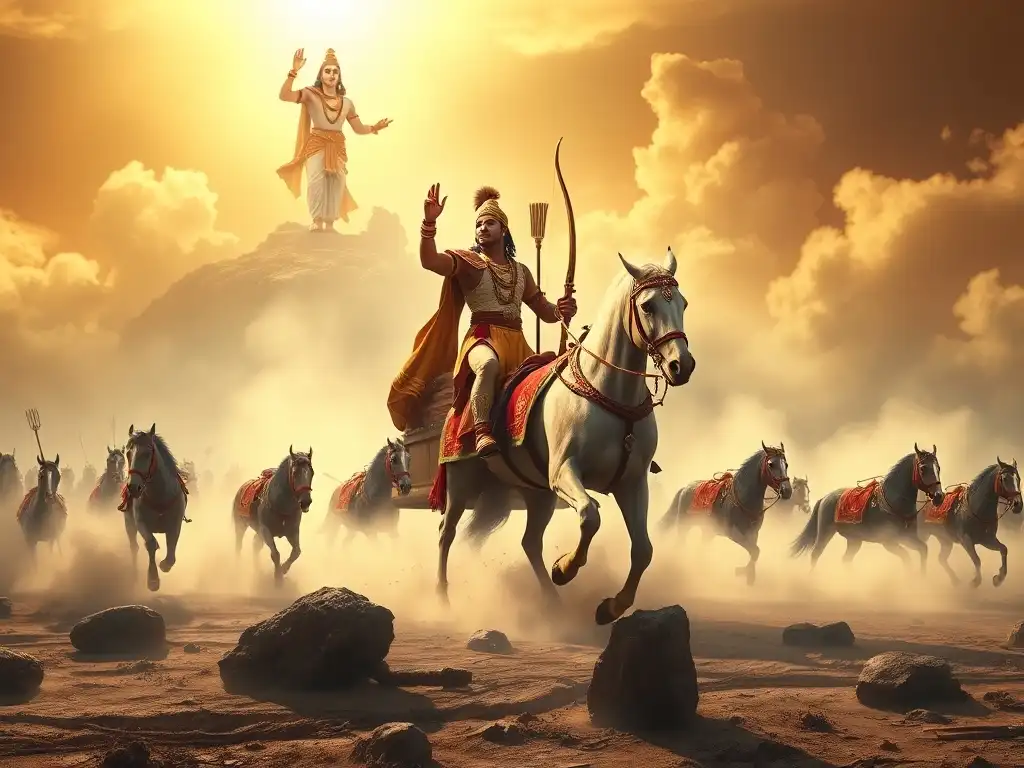
The Mahabharata is not merely an epic tale of war and valor; it is a profound exploration of ethical dilemmas that challenge the very fabric of human morality. The stories and characters within this epic serve as a mirror reflecting the complexities of human nature and the choices faced in life. Each dilemma presents a unique lesson that resonates with the essence of right and wrong, urging readers to contemplate their own moral standings.
This epic illustrates that ethical dilemmas often do not have clear answers; rather, they compel individuals to grapple with conflicting values and make choices that may carry heavy consequences. The Mahabharata's rich narrative provides a framework for understanding the intricacies of ethical decision-making, emphasizing that the path to righteousness is often fraught with challenges and uncertainties.
Understanding the Complexity of Human Nature
One of the critical lessons from the Mahabharata is the nuanced portrayal of human nature. Characters such as Yudhishthira, Arjuna, and Duryodhana embody various aspects of morality, demonstrating that virtue and vice can co-exist within individuals. For instance, Yudhishthira's unwavering commitment to truth leads him into ethical quandaries, especially during the game of dice that ultimately results in the Pandavas' exile. This scenario highlights how adherence to a moral code can lead to unintended consequences.
Moreover, Arjuna’s initial reluctance to fight against his kin in the Kurukshetra War underscores the internal conflict between duty (dharma) and personal values. His moral struggle reflects the complexity of human emotions and the difficulty in making choices that align with one's principles. The Mahabharata teaches that understanding this complexity is vital for navigating ethical dilemmas, as it encourages empathy and deeper reflection on the motivations and circumstances of others.
The Relevance of Mahabharata’s Ethical Lessons in Modern Times
The ethical dilemmas presented in the Mahabharata remain strikingly relevant in contemporary society. Issues such as justice, loyalty, and the greater good continue to resonate in modern contexts, whether in politics, business, or personal relationships. The choices made by characters in the Mahabharata can serve as case studies for individuals grappling with their own moral decisions today.
For instance, the dilemma faced by Arjuna can parallel the ethical challenges encountered in modern warfare, where soldiers must navigate the complexities of loyalty to their country against the moral implications of their actions. Similarly, the themes of sacrifice and duty explored in the epic can be applied to various fields, emphasizing the importance of balancing personal interests with societal responsibilities. The Mahabharata encourages individuals to engage in critical thinking and ethical reasoning, fostering a deeper understanding of the implications of their choices.
Conclusion: The Enduring Impact of Ethical Dilemmas in Mahabharata
The Mahabharata's exploration of ethical dilemmas offers timeless insights into the human condition. Its narratives compel readers to reflect on their values and the choices they make in their lives. The lessons drawn from these dilemmas emphasize the importance of self-awareness and the courage to confront moral challenges, a necessity in both personal and societal contexts.
Reflection on Moral Choices
As we navigate our own lives, the ethical dilemmas presented in the Mahabharata prompt us to reflect on our moral choices. Each decision we make can have far-reaching consequences, and understanding the weight of these choices is integral to personal growth and societal harmony. The epic serves as a reminder that the journey of ethical decision-making is ongoing, requiring vigilance, introspection, and a willingness to learn from past mistakes.
The Mahabharata as a Guide for Ethical Decision-Making
Ultimately, the Mahabharata stands as a profound guide for ethical decision-making. By presenting characters with morally ambiguous situations, it encourages readers to explore different perspectives and the implications of various choices. This epic teaches that ethical dilemmas are not merely obstacles but opportunities for growth, understanding, and the pursuit of righteousness. Embracing its lessons can empower individuals to make informed decisions that align with their values and contribute positively to society.
Further Reading and Resources
To delve deeper into the complex ethical dilemmas presented in the Mahabharata, a variety of texts and resources are available. These readings not only illuminate the narrative's moral intricacies but also provide insights into the philosophical underpinnings of ancient Indian thought. Here are some recommended texts and articles that can enhance your understanding of the ethical challenges faced by the characters in this epic.
Recommended Texts on Mahabharata and Ethics
-
The Mahabharata (Translated by Ramesh Menon)
This modern retelling of the Mahabharata captures the essence of the original text while making it accessible to contemporary readers. Menon's translation provides critical commentary on the ethical dilemmas faced by key characters, making it a valuable resource for understanding moral conflicts.
-
The Mahabharata: A Modern Rendering (By Kamala Subramaniam)
Subramaniam’s version of the Mahabharata distills the narrative into a more straightforward format, emphasizing the ethical lessons and dilemmas. It serves as an excellent introduction for readers new to the epic.
-
Mahabharata: An Inquiry in the Human Condition (By R. K. Narayan)
Narayan's interpretation of the Mahabharata focuses on the human experience and the ethical questions that arise from it. This book is essential for those looking to explore the philosophical dimensions of the epic.
-
Ethics in the Mahabharata (By B. R. Ambedkar)
In this scholarly work, Ambedkar examines the ethical frameworks presented in the Mahabharata, critiquing and analyzing the moral dilemmas that arise throughout the narrative. His perspective provides a unique lens through which to view the text.
-
The Concept of Dharma in Mahabharata (By K. S. Shukla)
This book explores the notion of dharma (duty/righteousness) as it manifests in the Mahabharata. Shukla discusses various characters and their ethical decisions, making it an important resource for understanding the moral fabric of the epic.
Related Articles on Ancient Indian Philosophy and Literature
-
The Role of Dharma in Ancient Indian Texts
This article explores the concept of dharma and its significance in various ancient Indian texts, including the Mahabharata. It discusses how ethical dilemmas are framed within the larger discourse of duty and righteousness.
-
Moral Conflicts in Epic Literature: A Comparative Study
An analysis that compares ethical dilemmas across various epic literatures, including the Mahabharata, offering insights into universal moral questions and cultural distinctions in ethical thought.
-
Philosophical Underpinnings of the Mahabharata
This article delves into the philosophical themes present in the Mahabharata, discussing how these themes influence the characters' ethical choices and actions throughout the narrative.
-
The Influence of the Mahabharata on Indian Ethics
An examination of how the ethical dilemmas presented in the Mahabharata have shaped Indian philosophical thought and moral reasoning over the centuries.
These texts and articles provide a comprehensive foundation for exploring the ethical dilemmas in the Mahabharata, enriching your understanding of this monumental work and its relevance to both ancient and modern ethical discussions.
- Introduction to the Mahabharata
- Understanding Ethical Dilemmas in Mahabharata
- Major Ethical Dilemmas Faced by Characters
- Themes of Right and Wrong in the Mahabharata
- Lessons from the Ethical Dilemmas of the Mahabharata
- Conclusion: The Enduring Impact of Ethical Dilemmas in Mahabharata
- Further Reading and Resources
- What are the main ethical dilemmas presented in the Mahabharata?
- How does the concept of dharma play a role in these dilemmas?
- Can the dilemmas in the Mahabharata be applied to modern ethical challenges?
- What lessons can be learned from the Mahabharata regarding ethical decision-making?
- How did the Mahabharata influence ancient Indian society's view on ethics?
Frequently Asked Questions
What are the main ethical dilemmas presented in the Mahabharata?
The Mahabharata features numerous ethical dilemmas, such as the conflict between duty (dharma) and personal morals, particularly illustrated in the decisions faced by characters like Arjuna and Yudhishthira.
How does the concept of dharma play a role in these dilemmas?
Dharma is central to the ethical dilemmas in the Mahabharata, as characters struggle to balance their responsibilities to family, society, and righteousness, often leading to complex moral choices.
Can the dilemmas in the Mahabharata be applied to modern ethical challenges?
Yes, the ethical dilemmas in the Mahabharata reflect timeless issues that resonate with contemporary life, such as loyalty, justice, and the cost of choices in personal and social contexts.
What lessons can be learned from the Mahabharata regarding ethical decision-making?
The Mahabharata teaches that ethical decision-making often involves nuanced considerations and that there may not always be a clear right or wrong, encouraging individuals to reflect on their values and consequences.
How did the Mahabharata influence ancient Indian society's view on ethics?
The Mahabharata significantly shaped the ethical framework in ancient Indian society, offering insights into moral dilemmas and providing guidance on navigating the complexities of right and wrong in various situations.
The exploration of ethical dilemmas in the Mahabharata resonates profoundly in today's world, where moral ambiguity often clouds our judgment. As we grapple with complex decisions in our personal and professional lives, the lessons from this ancient epic remind us that the struggle between right and wrong is not merely a narrative but a reflection of our own experiences. The Mahabharata teaches us that ethical choices are rarely black and white, and understanding this complexity is crucial for navigating our contemporary moral landscape.
The impact of the Mahabharata extends beyond its narrative; it has shaped cultural and social dialogues around ethics for centuries. The dilemmas faced by its characters echo in our own lives, urging us to confront our values and beliefs. The timeless nature of these conflicts invites us to engage in self-reflection and dialogue about our ethical frameworks. As Mahatma Gandhi once said, “The Mahabharata is a great book of life,” highlighting its enduring relevance in guiding our moral compass. In the midst of chaos, there is also opportunity,
a reminder that even in our most challenging ethical dilemmas, we can find clarity and purpose.
As you reflect on the ethical dilemmas presented in the Mahabharata, consider how these ancient teachings can inform your own decision-making processes. Embrace the complexity of your choices and allow the wisdom of this epic to inspire you toward greater understanding and compassion. Remember, every dilemma presents an opportunity for growth and insight; take the time to navigate your own ethical landscape with intention and awareness.
Thank you for diving into the intricate world of The Mahabharata! Your exploration of its profound ethical dilemmas has equipped you with valuable insights into navigating complex moral landscapes. Now, let's put that knowledge into action!
Here are a few ways you can engage with the theme of ethical decision-making:
- Reflect and Journal: Take a moment to consider a recent ethical dilemma you faced. What decision did you make, and what influenced your choice? This exercise can deepen your understanding of your own values.
- Start a Conversation: Share your insights from this article with friends or within a community group. Discussing these topics can lead to broader perspectives and richer understandings.
- Explore Further: Dive deeper into other characters of The Mahabharata by reading additional texts or watching documentaries. Uncover the hidden layers of moral lessons that resonate with today’s world.
Which ethical dilemma from The Mahabharata resonates most with your own life choices? We invite you to share your thoughts in the comments below!