
How Ancient Indian Agricultural Practices Contributed to Global Food Diversity

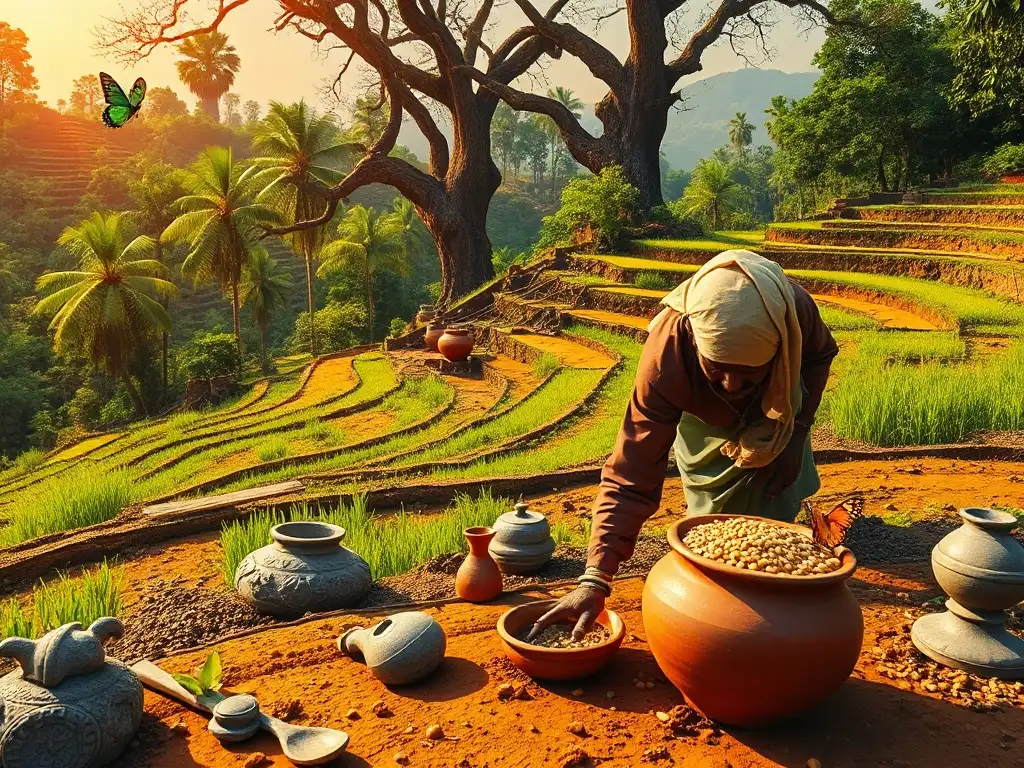
Welcome to Ancient India History, where we embark on a fascinating journey through the vibrant tapestry of India's past! In this exploration, we invite you to uncover how ancient Indian agricultural practices not only shaped the civilization but also contributed to global food diversity. From the innovative techniques of the Indus Valley to the prosperous methods of the Gupta Empire, discover the remarkable legacy of agricultural wisdom that has influenced cultures worldwide.
Prepare to be intrigued as we delve deeper into the agricultural roots that nourished an entire civilization and continue to resonate through time. Let’s dig into the past!
- Introduction to Ancient Indian Agricultural Practices
- Historical Context of Agriculture in Ancient India
- Key Ancient Indian Agricultural Practices
- Major Crops Cultivated in Ancient India
- Ancient Indian Agricultural Knowledge and Its Global Influence
- Conclusion: The Legacy of Ancient Indian Agricultural Practices
- References
-
Frequently Asked Questions
- What were the main agricultural practices in ancient India?
- How did ancient Indian agriculture influence global food diversity?
- What role did the Indus Valley Civilization play in agriculture?
- How did the Gupta Empire impact agricultural development?
- What were some significant crops cultivated in ancient India?
- Final Reflection: Embracing the Legacy of Ancient Indian Agricultural Practices
- Cultivate Your Knowledge and Transform Your World!
Introduction to Ancient Indian Agricultural Practices
Agriculture has long been a cornerstone of human civilization, and ancient India is no exception. The agricultural practices developed in this region not only sustained its burgeoning populations but also contributed significantly to global food diversity. From the sophisticated irrigation systems of the Indus Valley Civilization to the crop rotation methods employed during the Gupta Empire, ancient Indian agricultural practices were innovative, adaptive, and highly influential. This article delves into the rich tapestry of agricultural techniques used in ancient India, exploring their significance and impact on both local and global food systems.
Overview of Agricultural Techniques in Ancient India
Ancient Indian agricultural practices were marked by a variety of techniques that showcased the ingenuity of its farmers. Some key methods included:
- Irrigation Systems: The Indus Valley Civilization is renowned for its advanced irrigation techniques, which included canals and wells that enabled the cultivation of crops in arid regions. This not only increased crop yields but also allowed for the expansion of agricultural areas.
- Crop Rotation: Farmers in ancient India understood the importance of maintaining soil fertility. They practiced crop rotation, which involved alternating the types of crops grown in a particular field to prevent soil depletion and manage pests effectively.
- Use of Organic Fertilizers: To enhance soil fertility, ancient Indian farmers utilized natural fertilizers such as cow dung, which enriched the soil and promoted healthy crop growth.
- Diverse Crop Cultivation: Ancient Indian agricultural practices were characterized by a wide variety of crops, including cereals, pulses, and spices. This biodiversity not only provided a balanced diet but also contributed to the resilience of agricultural systems against pests and diseases.
Importance of Agriculture in Ancient Indian Civilization
Agriculture played a crucial role in the development of ancient Indian civilization, influencing various aspects of society:
- Economic Foundation: The agrarian economy provided the basis for trade and commerce, allowing surplus crops to be exchanged for goods and services. This economic activity contributed to the rise of urban centers and facilitated cultural exchanges.
- Social Structure: Agricultural practices shaped the social hierarchy, with landowners and skilled farmers holding significant status within communities. This structure laid the groundwork for the complex social systems that would evolve over time.
- Cultural Significance: Agriculture was deeply intertwined with religious and cultural practices. Festivals celebrating harvests, like Pongal and Makar Sankranti, highlight the reverence for agricultural cycles and the connection between the land and the people.
- Impact on Global Food Diversity: The crops cultivated in ancient India, such as rice, wheat, and various spices, spread to different parts of the world, significantly enhancing global food diversity and agricultural practices.
Ancient Indian agricultural practices were not only pivotal for the sustenance of its civilization but also contributed to shaping agricultural methodologies worldwide. The innovations and techniques developed in this era laid the foundation for future advancements in agriculture, making it a vital chapter in the history of food production.
Historical Context of Agriculture in Ancient India
Early Agricultural Developments in the Indus Valley Civilization
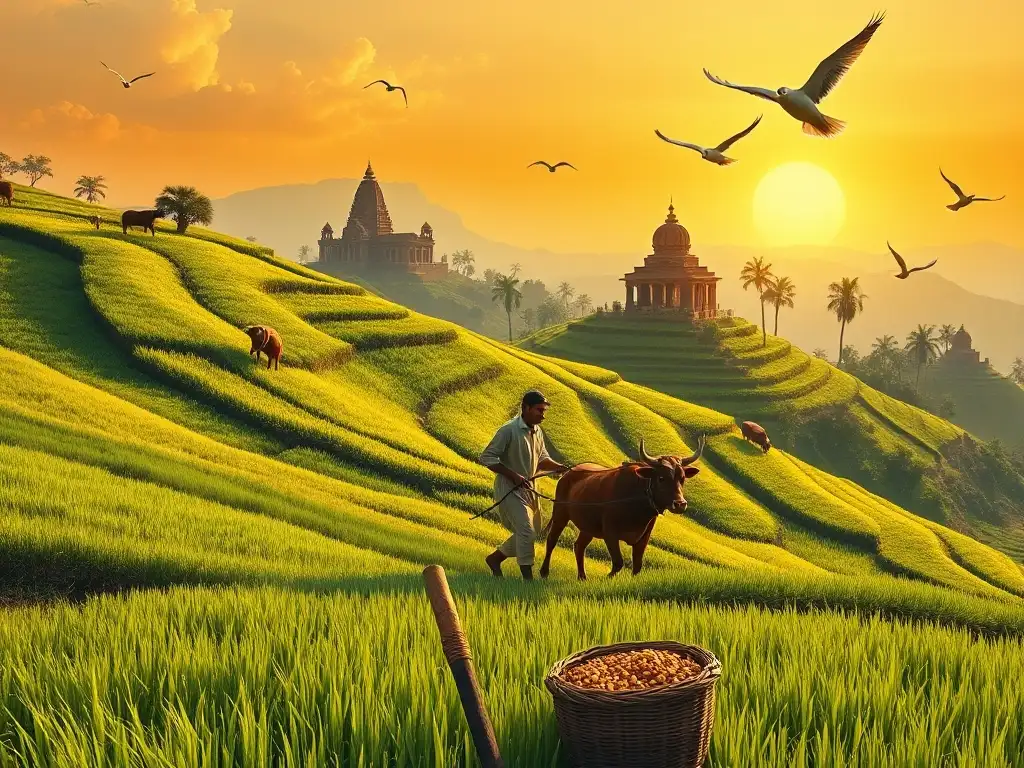
The Indus Valley Civilization (circa 3300–1300 BCE) marked one of the earliest instances of structured agricultural practices in ancient India. This civilization, known for its advanced urban planning and sophisticated drainage systems, also showcased remarkable agricultural techniques that contributed significantly to food diversity.
- Crop Varieties: The inhabitants cultivated a range of crops, including wheat, barley, peas, and cotton. Archaeological evidence suggests that the Indus Valley farmers practiced crop rotation and mixed farming, which enhanced soil fertility and increased yield.
- Irrigation Systems: The use of irrigation was crucial for agricultural productivity. The civilization developed canals and reservoirs to support agriculture, particularly in regions with unpredictable rainfall. These systems allowed for the cultivation of crops in arid conditions, demonstrating ingenuity in water management.
- Agricultural Tools: Tools made from copper and bronze were utilized for plowing and harvesting. The development of these tools improved efficiency and productivity. Plows, in particular, allowed for deeper tilling of the soil, which enhanced crop growth.
The agricultural practices of the Indus Valley Civilization laid the groundwork for subsequent developments in ancient Indian agriculture, influencing future civilizations in the region.
Agricultural Innovations During the Vedic Period
The Vedic period (circa 1500–500 BCE) witnessed significant advancements in agricultural practices, driven by the socio-economic needs of a growing population.
- Introduction of New Crops: The Vedic texts mention various crops, including rice, millet, and legumes, which were increasingly cultivated. The introduction of rice cultivation, particularly in the eastern regions, expanded food diversity and supported larger communities.
- Farming Techniques: The Vedic people are credited with the early use of oxen for plowing, which allowed for more extensive cultivation than manual methods. They also employed techniques such as bunding and terracing to manage water runoff and soil erosion, thereby improving yield.
- Agricultural Rituals: Agriculture was deeply intertwined with Vedic rituals, which emphasized the significance of farming in sustaining life. The performance of rituals and sacrifices for agricultural prosperity indicates the cultural importance placed on farming.
These innovations not only enhanced agricultural output but also contributed to the socio-economic structure of Vedic society, laying a foundation for future agrarian developments.
The Role of Agriculture in the Maurya and Gupta Empires
During the Maurya (circa 322–185 BCE) and Gupta (circa 320–550 CE) Empires, agriculture became the backbone of the economy and a pivotal factor in the empires' prosperity.
- State Support and Regulation: The Mauryan Empire, under Chandragupta Maurya and his successors, established agricultural policies that promoted crop cultivation. Land revenue systems were implemented, ensuring that agriculture was well-managed and supported by the state.
- Technological Advancements: The period saw further technological innovations, including improved plowing techniques and the introduction of new agricultural tools. The use of iron plows, for example, allowed for the cultivation of tougher soils, thereby expanding arable land.
- Trade and Agriculture: The Gupta Empire is often referred to as the "Golden Age" of India, in part due to its flourishing agricultural sector. The surplus production of crops not only fed the growing population but also supported trade networks, contributing to economic stability and cultural exchange.
The emphasis on agriculture during these empires not only shaped the agrarian landscape of ancient India but also had lasting impacts on regional and global food diversity.
The rich history of ancient Indian agricultural practices, from the innovations of the Indus Valley to the organized farming systems of the Maurya and Gupta Empires, played a crucial role in the evolution of agricultural techniques and contributed significantly to global food diversity.
Key Ancient Indian Agricultural Practices
Crop Rotation and Its Impact on Soil Fertility
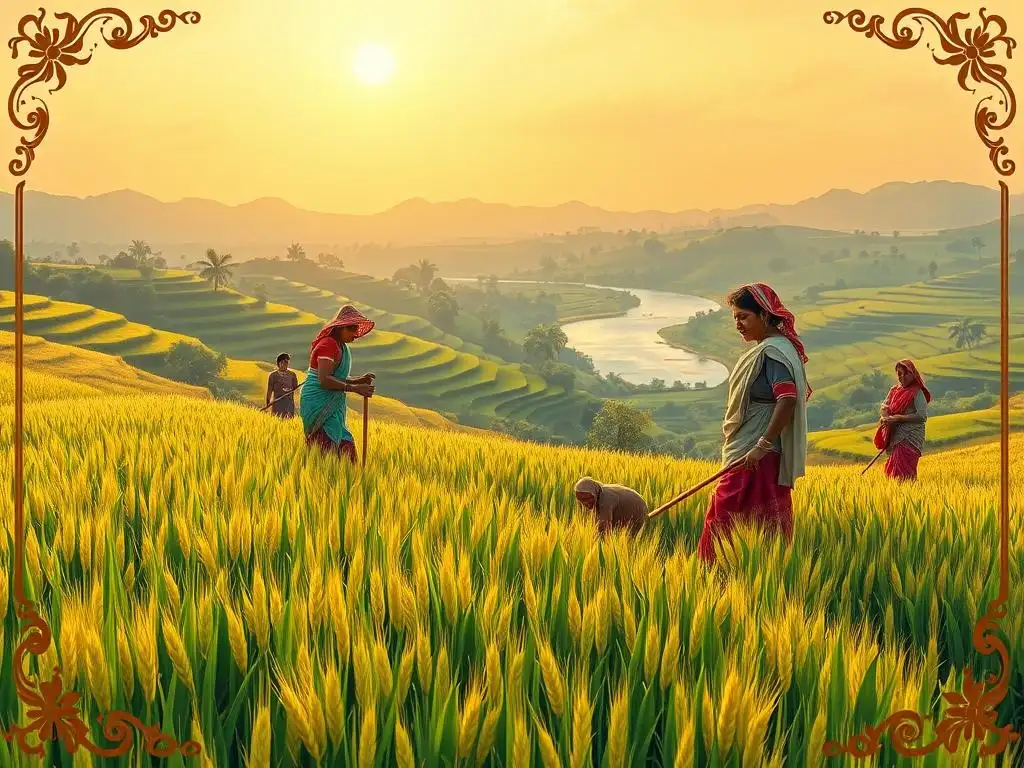
Crop rotation was a fundamental practice among ancient Indian farmers, significantly contributing to soil fertility and agricultural sustainability. This method involved alternating the cultivation of different crops in the same field across seasons. By doing so, farmers could prevent soil depletion and manage nutrient levels effectively.
- Nutrient Management: Different crops have varying nutrient requirements. For instance, legumes such as lentils and chickpeas enrich the soil with nitrogen, which benefits subsequent crops like wheat or barley. This natural replenishment of nutrients reduced the need for synthetic fertilizers, maintaining the health of the soil.
- Pest and Disease Control: Rotating crops also helped in managing pests and diseases. By changing the type of crop grown, farmers could disrupt the lifecycle of pests that thrive on specific plants. This practice not only safeguarded yield but also promoted biodiversity within agricultural systems.
- Increased Yields: Historical records suggest that crop rotation led to increased yields. A well-planned rotation cycle could enhance productivity, allowing ancient Indian civilizations to support larger populations and contribute to food diversity.
Use of Organic Manures and Natural Fertilizers
The application of organic manures and natural fertilizers was intrinsic to ancient Indian agricultural practices. Farmers utilized a variety of organic materials to enrich their soils, fostering sustainable agricultural systems.
- Types of Organic Manure:
- Animal Waste: Cow dung was widely used as a fertilizer, not only providing essential nutrients like nitrogen and phosphorus but also improving soil structure.
- Green Manure: Farmers incorporated cover crops like clover or mustard into the soil to enhance organic matter content and boost nutrient availability.
- Benefits of Natural Fertilizers:
- Soil Health: The use of organic materials contributed to soil health by increasing microbial activity, which is crucial for breaking down organic matter and cycling nutrients.
- Environmental Sustainability: By relying on organic fertilizers, ancient Indian farmers minimized the ecological footprint of their agriculture, promoting a balanced ecosystem.
- Cultural Practices: The practice of incorporating organic materials was often interwoven with cultural beliefs, emphasizing respect for nature and sustainable farming. This holistic approach to agriculture ensured the longevity of farming practices and the health of the environment.
Traditional Irrigation Techniques: Wells, Canals, and Rainwater Harvesting
Ancient Indian agricultural practices were characterized by innovative irrigation techniques that maximized water use efficiency, critical in a region where monsoon rains were unpredictable.
- Wells:
- Construction: Farmers dug wells to access groundwater, which was vital for irrigation during dry spells. These wells were often lined with stones to prevent collapse and ensure longevity.
- Impact on Agriculture: The availability of well water allowed for year-round cultivation and supported diverse cropping systems, thus enhancing food diversity.
- Canals:
- Irrigation Networks: Ancient civilizations, particularly during the Mauryan and Gupta periods, constructed extensive canal systems to divert rivers and irrigate fields.
- Socio-Economic Effects: These canals not only facilitated agricultural productivity but also fostered trade and commerce by connecting communities.
- Rainwater Harvesting:
- Techniques: Ancient Indian farmers devised methods to capture and store rainwater, utilizing tanks and reservoirs to ensure water availability during dry periods.
- Sustainability: This practice reflected an understanding of the importance of water conservation and its role in sustainable agriculture.
By employing these traditional irrigation techniques, ancient Indian civilizations were able to create resilient agricultural systems that not only sustained their populations but also contributed to the global food diversity we appreciate today.
Major Crops Cultivated in Ancient India
Staple Grains: Rice, Wheat, and Barley
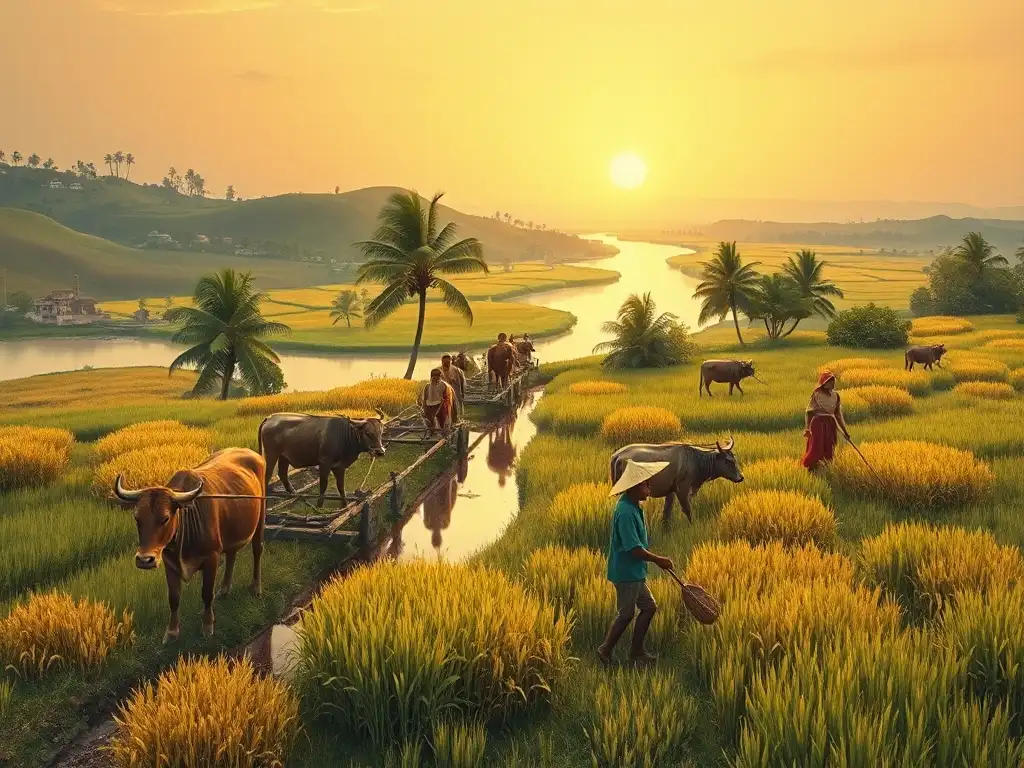
Ancient Indian agricultural practices were pivotal in establishing staple crops that not only sustained local populations but also influenced agricultural systems globally. Among these staples, rice, wheat, and barley stood out due to their adaptability to diverse climatic conditions and soil types.
- Rice: Cultivated primarily in the river valleys and fertile deltas, rice became a staple food in southern and eastern India. Archaeological evidence suggests that rice cultivation in India dates back to 2000 BCE in the Indus Valley Civilization, where sophisticated irrigation techniques were employed. Varieties like Basmati emerged, known for their aromatic qualities, which later gained prominence in global markets.
- Wheat: Predominantly grown in the northern plains, wheat was integral to the diet of ancient Indian societies. The Harrapan civilization cultivated wheat extensively, utilizing crop rotation methods to enhance soil fertility. The introduction of durum wheat allowed for the production of pasta-like foods, influencing culinary practices beyond Indian borders.
- Barley: Often associated with arid regions, barley was valued for its drought resistance. It played a crucial role in the diets of pastoral communities and was also used to produce fermented beverages, an early form of beer. The cultivation of barley in ancient India facilitated trade with neighboring regions, thus contributing to economic exchanges.
Pulses and Legumes: Varieties and Nutritional Importance
Pulses and legumes formed another critical component of ancient Indian agricultural practices, significantly contributing to the nutritional landscape of the region.
- Diverse Varieties: Ancient Indian farmers cultivated a wide range of legumes, such as lentils (masoor), chickpeas (chana), and green gram (moong). These crops were integral to the Indian diet, providing essential proteins and nutrients. The cultivation techniques included intercropping and crop rotation, which enhanced soil fertility and reduced pest infestations.
- Nutritional Significance: Pulses are renowned for their high protein content, making them a vital source of nutrition, especially in a predominantly vegetarian diet. For example, lentils contain about 25% protein by weight, which was crucial in sustaining the health of ancient Indian civilizations.
- Cultural Role: Beyond their nutritional benefits, pulses and legumes held cultural significance in ancient Indian society. They featured prominently in religious rituals and were often associated with fertility and prosperity. Additionally, these crops laid the foundation for sustainable agricultural practices that are still prevalent today.
Spices and Cash Crops: A Prelude to Global Trade
The cultivation of spices and cash crops in ancient India was not only a reflection of agricultural innovation but also a catalyst for global trade.
- Spice Cultivation: India was known as the "land of spices," with crops like black pepper, cardamom, and cinnamon being highly sought after. The Malabar Coast became a hub for spice trade, attracting merchants from around the world. The Silk Road and Maritime Spice Route facilitated the exchange of these valuable commodities, leading to a flourishing trade network.
- Economic Impact: The export of spices significantly contributed to the ancient Indian economy. Spices were not just culinary ingredients; they were also used for medicinal purposes, preservation, and even in rituals. The high demand for Indian spices in Europe and the Middle East established India as a key player in global trade.
- Agricultural Techniques: The cultivation of these cash crops required advanced agricultural practices, such as intercropping and agroforestry, which promoted biodiversity and soil health. Ancient texts, like the Arthashastra, provide insights into innovative farming techniques and the management of agricultural resources, underpinning the importance of spices in the socio-economic fabric of ancient India.
Ancient Indian agricultural practices, particularly the cultivation of staple grains, pulses, and spices, laid the groundwork for food diversity that has continued to evolve and influence global agricultural systems. The sophisticated techniques developed by farmers during this era not only ensured food security but also positioned India as a significant contributor to the world's agricultural heritage.
Ancient Indian Agricultural Knowledge and Its Global Influence
Transfer of Knowledge Through Trade Routes
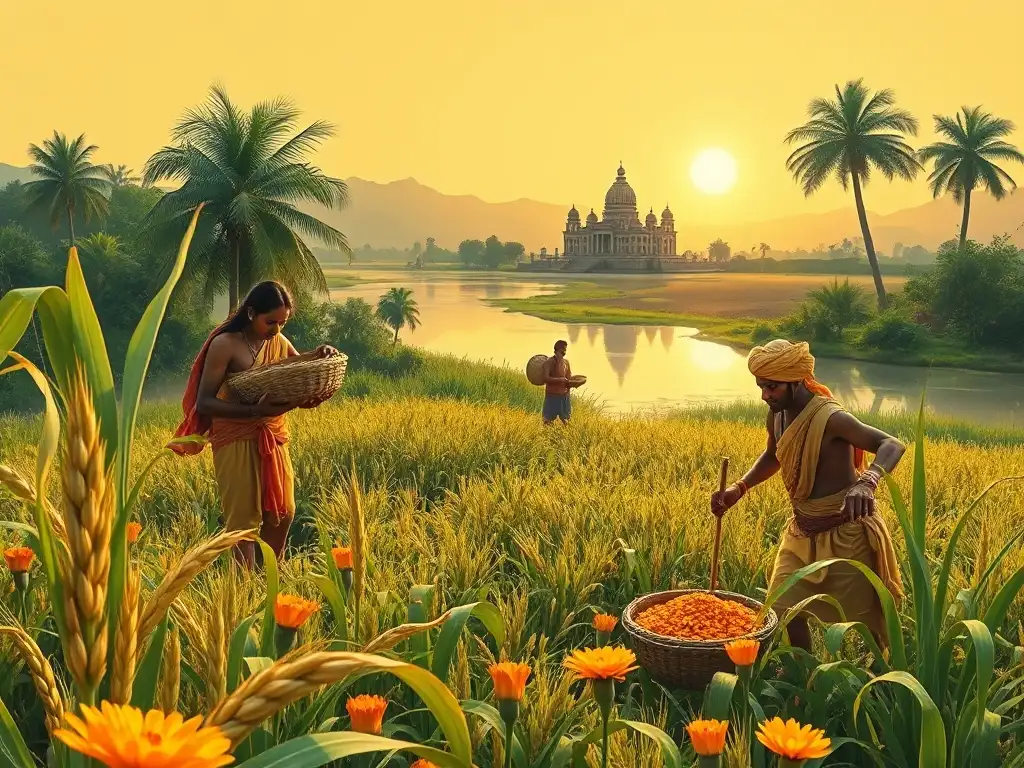
Ancient Indian agricultural practices were not only advanced for their time but also served as a conduit for knowledge that influenced farming techniques across the globe. The establishment of trade routes, such as the Silk Road and maritime paths, allowed for the exchange of agricultural knowledge alongside goods.
- Silk Road: This ancient trade route facilitated the movement of grains, spices, and agricultural techniques between India and regions as far as Central Asia and the Mediterranean.
- Maritime Trade: Indian seafarers traveled to Southeast Asia, where they introduced rice cultivation techniques that would later evolve into local varieties.
These interactions led to a mutual exchange of ideas, where neighboring cultures adopted and adapted Indian agricultural practices to suit their climates and soils, thus enriching their agricultural systems and enhancing food diversity.
Influence on Agricultural Practices in Neighboring Regions
The impact of ancient Indian agricultural practices can be observed in various neighboring regions, where Indian innovations were integrated into local farming methods.
- Southeast Asia:
- Rice Cultivation: Indian methods of wet rice cultivation significantly influenced the agricultural landscape of countries like Thailand and Vietnam. The introduction of specific irrigation techniques enabled higher yields and supported population growth.
- Crop Rotation: The practice of rotating crops, which originated in India, was adopted in the region to improve soil fertility and manage pests.
- Middle East:
- Spice Cultivation: The trade of spices such as black pepper and cardamom not only satisfied culinary needs but also introduced advanced cultivation techniques that were later adapted by Middle Eastern farmers.
- Central Asia:
- Cotton Farming: The techniques for growing cotton were disseminated through trade, leading to the establishment of cotton as a staple crop in regions like Persia and the Mediterranean.
The adaptability of these practices highlights the ingenuity of ancient Indian farmers and their role in shaping agricultural methodologies beyond their borders.
Preservation of Biodiversity Through Indigenous Cropping Systems
Ancient Indian agricultural practices were characterized by a rich diversity of indigenous cropping systems that contributed significantly to the preservation of biodiversity.
- Mixed Cropping: Farmers often grew multiple crops in the same field, which not only maximized space but also reduced the risk of total crop failure due to pests or diseases. This practice promoted genetic diversity among crops, making them more resilient to environmental changes.
- Traditional Seed Saving: The practice of saving seeds from the best plants ensured the continuation of crop varieties that were well adapted to local conditions. This method preserved unique genetic traits within these crops, which are critical for future agricultural resilience.
- Agroforestry: Incorporating trees into agricultural systems provided multiple benefits, including shade for crops, habitat for wildlife, and improved soil quality. This method fostered a balanced ecosystem, contributing to overall biodiversity.
The emphasis on sustainable practices among ancient Indian farmers not only supported food security but also laid the groundwork for modern agricultural biodiversity conservation efforts, highlighting the long-lasting impact of their methods on global food systems.
Conclusion: The Legacy of Ancient Indian Agricultural Practices

The legacy of ancient Indian agricultural practices is profound and far-reaching, significantly shaping not just local ecosystems and economies, but also influencing global agricultural trends. From the sophisticated irrigation techniques of the Indus Valley Civilization to the diverse crop rotations of the Gupta Empire, these practices have laid the groundwork for sustainable agriculture methods that are still relevant today.
The ancient farmers of India demonstrated a keen understanding of their environment, utilizing natural resources efficiently while also respecting the ecological balance. This relationship with nature allowed them to cultivate a wide variety of crops, contributing to a rich agricultural biodiversity that is evident in modern agricultural practices. Their innovations in crop cultivation not only increased yields but also enhanced resilience against pests and diseases, a principle that modern agriculture strives to emulate.
Lasting Impact on Modern Agriculture
The influence of ancient Indian agricultural practices extends into modern farming techniques, particularly in the areas of biodiversity and sustainable practices. Key contributions include:
- Diverse Crop Cultivation: Ancient farmers practiced intercropping and polyculture, which are now recognized for their ability to enhance soil fertility and reduce the need for chemical fertilizers. By planting multiple crops together, they minimized pest outbreaks and improved overall yield stability.
- Irrigation Techniques: The use of canals and wells in ancient India has informed contemporary irrigation strategies. Techniques such as rainwater harvesting, which was prevalent in ancient times, are increasingly being adopted to combat water scarcity in modern agriculture.
- Organic Farming Methods: Ancient texts and practices illustrated the use of natural fertilizers like compost and green manures. This organic approach has gained renewed interest as consumers demand more eco-friendly farming practices, leading to a resurgence in organic farming globally.
- Seed Preservation: The tradition of saving seeds from the best crops for future planting has roots in ancient Indian practices. This method not only promotes genetic diversity but also encourages farmers to select seeds that are well-adapted to local conditions, fostering resilience in the face of climate change.
The enduring impact of these practices is evident in the way modern agriculture is evolving to meet the challenges of sustainability and food security.
Future Implications for Sustainable Farming Practices
As the world faces increasing challenges such as climate change, population growth, and diminishing natural resources, the insights gained from ancient Indian agricultural practices provide valuable lessons for the future. Key implications for sustainable farming practices include:
- Emphasis on Biodiversity: The importance of maintaining a diverse agricultural system is increasingly recognized. By integrating ancient practices of crop diversity, future farming can enhance resilience against pests and diseases while securing food sources.
- Innovation in Water Management: The ancient techniques of water conservation and management can inspire new technologies and methods to optimize water usage in agriculture, particularly in arid regions where water scarcity is a pressing issue.
- Holistic Approaches to Soil Health: The ancient understanding of soil ecology and its maintenance through natural amendments can inform current efforts to restore soil health, which is crucial for sustainable crop production.
- Community-Based Farming Models: Learning from the community-oriented practices of ancient farmers can help develop modern cooperative farming initiatives that support local economies and empower smallholder farmers.
The study of ancient Indian agricultural practices not only enriches our understanding of historical agriculture but also offers a roadmap for creating sustainable and resilient agricultural systems in the future. By embracing the wisdom of the past, we can address contemporary challenges in agriculture, ensuring food security for generations to come.
References
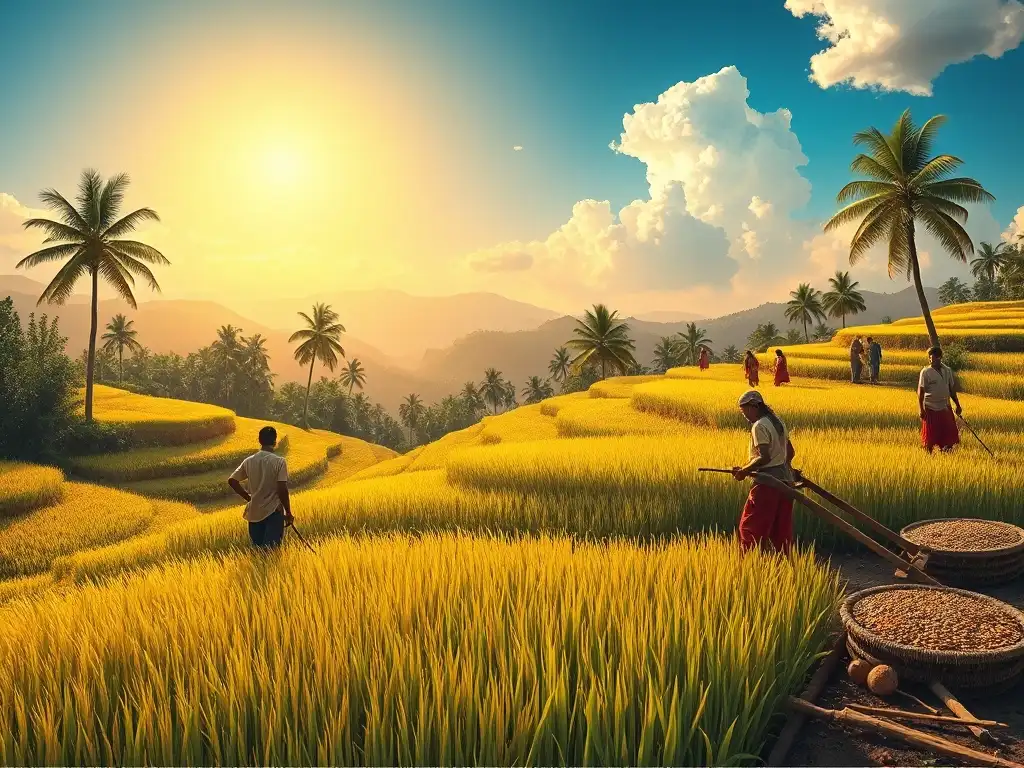
Ancient Indian agricultural practices have played a pivotal role in shaping global food diversity. These practices, which evolved over millennia, showcase the ingenuity of ancient Indian civilizations in cultivating a variety of crops. The following references provide insights into the agricultural techniques, crop varieties, and their global impact:
- Books and Publications
- "The Agriculture of Ancient India" by J. D. K. Rao: This comprehensive text delves into the methods and tools used in ancient Indian agriculture, highlighting the transition from subsistence farming to more organized agricultural systems.
- "Agricultural History of India" by D. P. Chattopadhyay: A detailed exploration of the evolution of agriculture in India, emphasizing the contributions of various ancient civilizations.
- Research Articles
- "Diversity in Ancient Indian Crops: A Historical Perspective": This article analyzes the genetic diversity of crops cultivated in ancient India and their subsequent spread to other regions.
- "The Role of Irrigation in Ancient Indian Agriculture": A study examining how ancient irrigation techniques contributed to increased agricultural productivity.
- Online Resources
- Indian Council of Agricultural Research (ICAR): Provides extensive information on traditional agricultural practices and their modern adaptations.
- National Bureau of Plant Genetic Resources (NBPGR): A repository of data on the genetic resources of crops cultivated in India, showcasing ancient varieties still in use today.
Suggested Reading on Ancient Indian Agricultural Techniques
For those interested in a deeper understanding of ancient Indian agricultural practices, the following materials are recommended:
- "Crop Cultivation in Ancient India: Techniques and Tools": This book covers various techniques used by farmers in ancient India, including plowing methods and crop rotation.
- "Seeds of Change: Ancient Indian Agriculture and Its Global Impact": An exploration of how ancient Indian agricultural practices influenced global crop diversity, including the introduction of crops like rice and cotton to other parts of the world.
- "From Fields to Forks: The Story of Ancient Indian Food Production": This narrative provides insights into the agricultural journey from cultivation to consumption, emphasizing the cultural significance of various crops.
Additional Resources on Agricultural History and Contributions
To further explore the history of agriculture and its contributions to society, consider the following resources:
- Documentaries and Lectures
- "The Green Revolution: A Historical Overview": A documentary examining the evolution of agricultural practices in India, from ancient times to modern techniques.
- Online lectures from universities: Many institutions offer free courses on ancient agricultural practices, with specific modules dedicated to Indian civilizations.
- Research Databases
- JSTOR and Google Scholar: These platforms provide access to a wealth of scholarly articles on the history of agriculture, including studies focused on ancient Indian practices.
- Museums and Archives
- The Indian Agricultural Research Institute (IARI): Offers exhibitions and resources related to the history of agricultural innovations in India.
- National Museum of India: Hosts artifacts and exhibits that showcase ancient agricultural tools and techniques.
These references and resources will provide a comprehensive understanding of ancient Indian agricultural practices and their significance in the broader context of global food diversity.
Frequently Asked Questions
What were the main agricultural practices in ancient India?
Ancient Indian agricultural practices included crop rotation, irrigation techniques, and the use of organic fertilizers. These methods significantly enhanced crop yields and contributed to food security.
How did ancient Indian agriculture influence global food diversity?
The diverse crops cultivated in ancient India, such as rice, wheat, and spices, played a crucial role in shaping global food diversity. Indian agricultural innovations spread to other regions over time, enriching their cuisines.
What role did the Indus Valley Civilization play in agriculture?
The Indus Valley Civilization is known for its advanced urban planning and sophisticated irrigation systems. These innovations laid the groundwork for successful agriculture, enabling large-scale crop production.
How did the Gupta Empire impact agricultural development?
During the Gupta Empire, advancements in farming techniques and the introduction of new crops led to significant agricultural growth. This era is often referred to as a golden age for Indian agriculture.
What were some significant crops cultivated in ancient India?
Ancient Indian farmers cultivated a variety of significant crops, including millets, barley, legumes, and various fruits and vegetables. These crops not only sustained the population but also contributed to trade and cultural exchange.
Final Reflection: Embracing the Legacy of Ancient Indian Agricultural Practices
The significance of ancient Indian agricultural practices in shaping global food diversity cannot be overstated. Today, as we grapple with the challenges of food security and climate change, the wisdom embedded in these age-old techniques offers a beacon of hope. The sustainable methods and diverse crop cultivation that flourished in ancient India remind us that innovation in agriculture is not solely a modern endeavor; it is deeply rooted in our history. Recognizing this connection is crucial as we navigate the complexities of feeding a growing population while preserving our planet.
Cultural and social landscapes have been profoundly influenced by these practices, which continue to resonate in contemporary agricultural methods. The principles of crop rotation, intercropping, and organic farming, derived from ancient Indian wisdom, are increasingly relevant in today’s discussions about sustainability and biodiversity. To forget the past is to lose the future.
This quote encapsulates the importance of honoring and integrating these ancient practices into our modern agricultural systems, ensuring that we not only preserve our heritage but also enhance our food systems for generations to come.
As we reflect on the lessons from ancient Indian agricultural practices, I invite you to consider how these insights can be applied in your own life. Whether you are a gardener, a consumer, or a policymaker, embracing the principles of sustainability and diversity can lead to meaningful change. Let us take inspiration from the past and commit to nurturing our food systems, ensuring they are resilient, diverse, and sustainable for the future. Together, we can honor the legacy of ancient wisdom while forging a path toward a more sustainable world.
Cultivate Your Knowledge and Transform Your World!
Thank you for exploring the fascinating realm of ancient Indian agricultural practices! We hope you’ve gained a deeper appreciation for the significant contributions these methods have made to global food diversity. Now, it's time to take what you've learned and put it into action!
Here are some ways you can embrace this knowledge:
- Explore local biodiversity: Visit a nearby farmer’s market to discover unique heirloom varieties of fruits and vegetables that thrive in your region.
- Share the wisdom: Initiate a conversation with friends or community members about the importance of preserving traditional agricultural practices.
- Try your hand at sustainable gardening: Start a small garden using heirloom seeds or traditional methods you've learned about. Engage with and experiment using techniques from ancient cultures!
What unique agricultural practices from your culture could be preserved and shared to enhance our global food landscape?