
How Ancient Indian Agronomy Influenced Modern Farming Techniques


Welcome to Ancient India History, where we embark on a fascinating journey through the rich tapestry of ancient Indian civilizations. Dive deep into the intriguing world of ancient Indian agronomy techniques and discover how these time-honored practices laid the groundwork for modern farming methods. As you explore the innovations and contributions that shaped the agricultural landscape, you'll uncover the secrets of sustainability and resilience that resonate even today. Join us in unraveling the threads of history that connect past to present, and let your curiosity guide you through the remarkable evolution of agriculture in ancient India!
- Introduction to Ancient Indian Agronomy Techniques
- Key Ancient Indian Agronomy Techniques
- Influence of Ancient Indian Agronomy on Modern Farming
- Case Studies of Ancient Agronomy Techniques
- Comparative Analysis: Ancient vs. Modern Agronomy Techniques
- Conclusion: The Legacy of Ancient Indian Agronomy
- References
- Frequently Asked Questions
- Final Reflection: The Enduring Legacy of Ancient Indian Agronomy Techniques
- Unleash the Power of Ancient Wisdom in Your Garden!
Introduction to Ancient Indian Agronomy Techniques
The study of ancient Indian agronomy techniques provides a fascinating glimpse into the agricultural practices that shaped one of the world's oldest civilizations. From the fertile lands of the Indus Valley to the expansive fields of the Gupta Empire, ancient Indian societies developed sophisticated methods of crop cultivation and harvesting that laid the foundational principles for modern farming techniques.
This article delves into the diverse agronomical innovations of ancient India, exploring their significance and how they have influenced contemporary agricultural practices. By examining the historical context and advancements in agronomy, we can appreciate the profound impact these ancient techniques continue to have on today’s agricultural landscape.
Overview of Ancient Indian Agronomy
Ancient Indian agronomy is characterized by its diverse techniques that were tailored to the unique climatic and geographical conditions of the subcontinent. Archaeological evidence indicates that as early as 7000 BCE, communities in the Indus Valley were engaged in agriculture, cultivating crops such as wheat, barley, and pulses.
Key aspects of ancient Indian agronomy included:
- Irrigation Systems: The development of intricate irrigation techniques, including canals and wells, allowed for the effective management of water resources. This was crucial in regions with variable rainfall.
- Crop Rotation: Farmers practiced crop rotation to maintain soil fertility. By alternating the types of crops planted, they could minimize nutrient depletion and control pests naturally.
- Organic Fertilization: The use of organic fertilizers, such as cow dung and compost, was common, promoting sustainable agricultural practices long before modern concepts of organic farming emerged.
- Seed Selection and Breeding: Ancient farmers were skilled in selecting and breeding seeds for improved yield and resilience against pests and diseases, laying the groundwork for modern plant breeding techniques.
These techniques not only enhanced agricultural productivity but also contributed to the socio-economic stability of ancient Indian societies, supporting large populations and facilitating trade.
Importance of Agronomy in Ancient Civilizations
Agronomy played a pivotal role in the development of ancient Indian civilizations, influencing various aspects of life, including:
- Food Security: The advancement of agricultural techniques ensured a stable food supply, which was essential for sustaining populations and fostering urbanization.
- Economic Growth: Agriculture was the backbone of the economy, with surplus crops allowing for trade and the development of a market economy.
- Cultural Practices: Agricultural cycles influenced cultural and religious practices, with numerous festivals and rituals centered around sowing and harvesting.
- Technological Innovations: The need to improve farming efficiency led to innovations in tools and techniques, some of which are still in use today.
The agronomic practices of ancient India were not merely methods of farming; they were integral to the cultural and economic fabric of civilization. Understanding these techniques offers invaluable insights into the evolution of agriculture and its lasting impact on modern farming practices.
Key Ancient Indian Agronomy Techniques
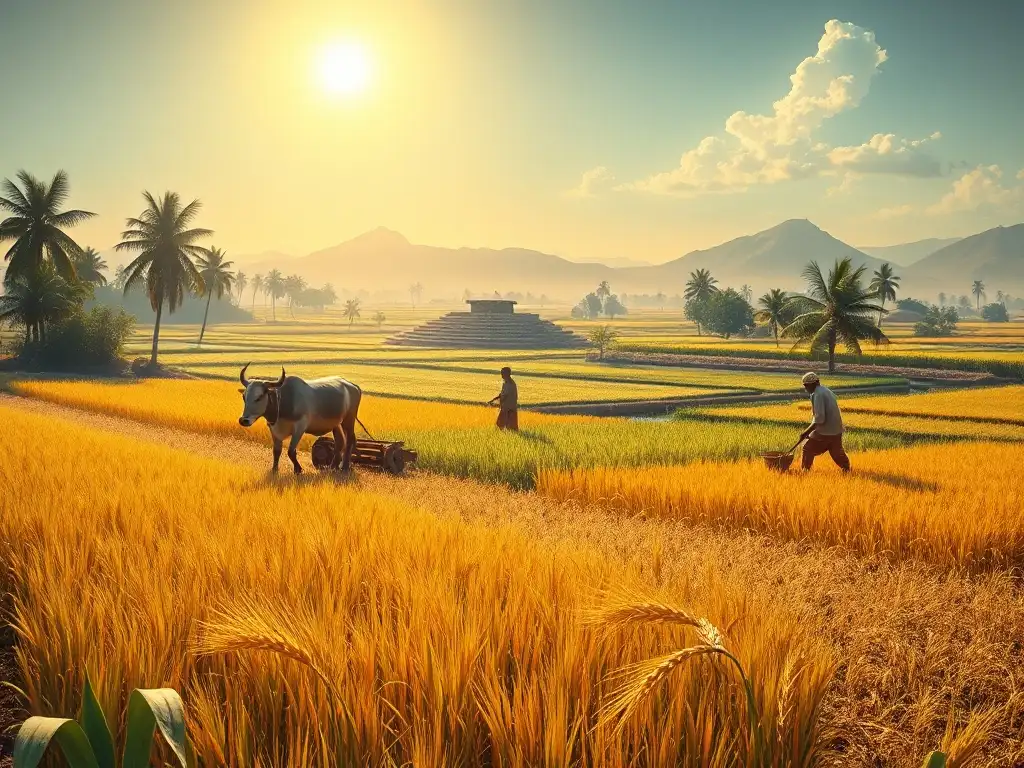
Ancient Indian agronomy techniques laid the foundation for many modern farming practices. The rich agricultural history of India encompasses a variety of methods and practices that were finely tuned to the diverse environmental and climatic conditions across the subcontinent. These techniques not only fostered agricultural productivity but also contributed to the development of society, economy, and culture in ancient India.
Traditional Crop Cultivation Methods
Traditional crop cultivation in ancient India was characterized by a deep understanding of local ecosystems and a commitment to sustainable practices. Farmers utilized a variety of methods to optimize crop yields, including:
- Crop Rotation: Ancient Indian agronomists practiced crop rotation to maintain soil fertility. By alternating crops, they minimized pest infestations and reduced soil depletion.
- Mixed Cropping: This technique involved planting multiple crops in the same field simultaneously. For example, legumes were often grown alongside cereals to enhance soil nitrogen levels, benefiting both crops.
- Use of Indigenous Seeds: Farmers relied on local seed varieties that were well adapted to the regional climate and soil conditions. These indigenous seeds had higher resilience to pests and diseases.
- Seasonal Timing: Knowledge of seasonal weather patterns allowed ancient farmers to plant crops at optimal times, maximizing their growth potential and minimizing losses due to adverse conditions.
These methods reflect a profound understanding of ecological balance and resource management, showcasing the sophistication of ancient Indian agronomy.
Soil Management Practices in Ancient India
Soil management was critical to the agricultural success of ancient Indian civilizations. The following practices were commonly implemented to preserve and enhance soil quality:
- Natural Fertilizers: Farmers utilized organic matter such as compost, cow dung, and green manure to enrich the soil. These materials improved soil structure and fertility, promoting healthy crop growth.
- Terracing: In hilly areas, terracing was employed to reduce soil erosion and maximize arable land. This practice allowed for more effective water retention and minimized runoff.
- Mulching: The application of organic mulches helped retain moisture in the soil and suppress weed growth. This practice not only enhanced soil fertility but also reduced the need for chemical herbicides.
- Pits and Puddles: Farmers created pits and puddles to capture rainwater, allowing it to seep into the soil. This technique was particularly useful in regions with erratic rainfall patterns.
These soil management practices demonstrate how ancient Indian agronomists developed techniques based on observation and experimentation, ensuring long-term agricultural sustainability.
Irrigation Techniques Used in Ancient Agronomy
Irrigation was pivotal in ancient Indian agronomy, enabling farmers to cultivate crops in regions with irregular rainfall. Some notable irrigation techniques included:
- Stepwells and Baolis: These underground water storage systems were designed to collect rainwater and provide a consistent water supply. They were often adorned with intricate architecture, reflecting the cultural significance of water management.
- Canal Systems: Ancient civilizations, such as the Indus Valley, constructed extensive canal networks to divert river water for irrigation. This engineering innovation allowed for the cultivation of larger areas and supported population growth.
- Surface Irrigation: Farmers utilized surface irrigation methods, where water was directed to flow over the fields. Techniques such as furrow and basin irrigation were common, effectively distributing water to crops.
- Rainwater Harvesting: Ancient communities developed systems to capture and store rainwater, optimizing water use during dry spells. This technique was crucial in arid regions, where water scarcity was a significant challenge.
These irrigation techniques highlight the ingenuity of ancient Indian agronomists in addressing the challenges posed by the environment, ensuring food security and agricultural sustainability throughout history.
Crop Rotation and Diversification Strategies
Crop rotation and diversification are fundamental agronomy techniques that have been practiced in ancient India for centuries, significantly influencing modern agricultural practices. These methods involve systematically alternating the types of crops grown on a particular piece of land over different seasons or years. This strategy not only maximizes the use of available soil nutrients but also minimizes the risk of crop failure due to pests and diseases.
Crop Rotation
Crop rotation is a technique that involves the sequential planting of different crops in the same field. Ancient Indian farmers understood the importance of this practice, which allowed them to maintain soil fertility and optimize yields. By rotating crops such as legumes with cereals, they could enhance nitrogen levels in the soil, benefiting subsequent crops. For instance, pulses like chickpeas and lentils were often planted after cereals like wheat and barley, enriching the soil with nitrogen through nitrogen-fixing bacteria present in their roots.
The advantages of crop rotation include:
- Nutrient Management: Different crops require varying nutrients. By rotating them, farmers can prevent nutrient depletion in the soil.
- Pest Control: Changing crops disrupts the life cycles of pests and diseases, reducing their prevalence and the need for chemical interventions.
- Soil Structure Improvement: Different root systems can improve soil aeration and structure, making it more conducive for future crops.
Diversification Strategies
Diversification in ancient Indian agronomy encompassed growing multiple crops simultaneously or within a single agricultural system. This method was particularly effective in maximizing land use and minimizing risk. For example, ancient farmers often practiced intercropping, where two or more crops were grown in proximity. This not only optimized space but also promoted beneficial interactions between plants, such as pest repellence and improved pollination.
Key benefits of diversification strategies included:
- Risk Mitigation: By planting various crops, farmers could safeguard against total crop failure due to adverse weather conditions or pest infestations.
- Enhanced Biodiversity: A diverse cropping system fosters a balanced ecosystem, supporting various beneficial organisms and improving overall soil health.
- Improved Economic Stability: Growing multiple crops provided farmers with a variety of produce to sell or consume, enhancing their economic resilience.
Overall, the ancient Indian techniques of crop rotation and diversification laid the groundwork for sustainable agricultural practices that continue to inform modern farming methods. These strategies highlight the ingenuity of ancient farmers in managing resources effectively and their understanding of ecological principles that remain relevant today.
Influence of Ancient Indian Agronomy on Modern Farming

Adoption of Traditional Practices in Contemporary Agriculture
Ancient Indian agronomy techniques have significantly influenced modern farming practices, particularly in the adoption of traditional methods that emphasize sustainability and ecological balance. Farmers today are increasingly turning to these time-tested practices to enhance crop yields while minimizing environmental impact.
- Natural Fertilization:
- The use of organic compost and animal manure was widespread in ancient India. This approach not only nourished the soil but also maintained its health over time, contrasting sharply with the synthetic fertilizers often used in contemporary agriculture.
- Modern farmers are now recognizing the benefits of these organic methods as they seek to reduce dependency on chemicals.
- Crop Diversity:
- Ancient Indian farmers practiced polyculture, cultivating multiple crops simultaneously. This strategy is now being revisited as a means to improve biodiversity, reduce pest outbreaks, and enhance soil fertility.
- For instance, the intercropping of legumes with cereals, which was common in ancient times, is now seen as a beneficial practice in modern agroecology.
- Farmers' Knowledge Systems:
- The oral traditions and local knowledge passed down through generations have been invaluable. This indigenous knowledge informs contemporary practices, enabling farmers to adapt to local conditions and climate variations.
- Educational programs focusing on traditional farming techniques are being developed, showcasing the importance of ancient wisdom in modern agricultural education.
Integration of Ancient Irrigation Techniques in Modern Systems
The sophisticated irrigation systems utilized in ancient India provide a wealth of knowledge that is being integrated into contemporary agricultural practices. These techniques highlight the importance of efficient water management, crucial in today's context of climate change and water scarcity.
- Stepwell and Baoli Construction:
- Ancient stepwells and baolis were ingeniously designed to collect and store rainwater. Modern methods are now incorporating similar designs, promoting rainwater harvesting as a sustainable water management practice.
- These structures not only serve agricultural purposes but also contribute to groundwater recharge, thus ensuring a steady water supply.
- Canal Irrigation:
- The extensive canal systems developed during the Mauryan and Gupta periods enabled large-scale irrigation of crops. Today, modern engineering is adapting these ancient designs to create efficient irrigation networks that minimize water loss.
- Techniques such as drip irrigation, inspired by ancient methods of channeling water, help conserve water while providing adequate moisture to crops.
- Diversity in Irrigation Sources:
- Ancient agronomy emphasized the use of diverse water sources, including rivers, lakes, and groundwater. This principle is being revived in modern farming, encouraging farmers to utilize multiple water sources for irrigation, thereby enhancing resilience against droughts.
Lessons from Ancient Crop Rotation for Sustainable Farming
Crop rotation is a practice with deep roots in ancient Indian agronomy, offering valuable insights for sustainable farming today. This method not only improves soil health but also enhances crop productivity and pest management.
- Soil Nutrient Management:
- Ancient farmers understood the importance of rotating crops to maintain soil fertility. By alternating deep-rooted and shallow-rooted plants, they effectively managed nutrient depletion.
- Modern farming is rediscovering these practices, implementing structured crop rotation schedules that prevent soil exhaustion and promote nutrient cycling.
- Pest and Disease Control:
- The separation of crops through rotation disrupts pest cycles, reducing the need for chemical pesticides. Historical methods of crop rotation have shown to be effective in managing pest populations naturally.
- Organic farming initiatives are now adopting these practices, focusing on integrated pest management strategies inspired by ancient techniques.
- Climate Adaptation:
- Ancient agronomists carefully selected crop varieties based on climatic conditions, a practice that is increasingly relevant as farmers face the challenges posed by climate change.
- By learning from their ancestors, modern farmers can diversify their crops and select varieties that are resilient to extreme weather, ensuring food security.
The ancient Indian agronomy techniques provide a rich reservoir of knowledge that is being increasingly recognized and integrated into modern farming practices. The emphasis on sustainability, ecological balance, and efficient resource management can serve as a model for contemporary agriculture, ensuring a more resilient and productive future.
Case Studies of Ancient Agronomy Techniques
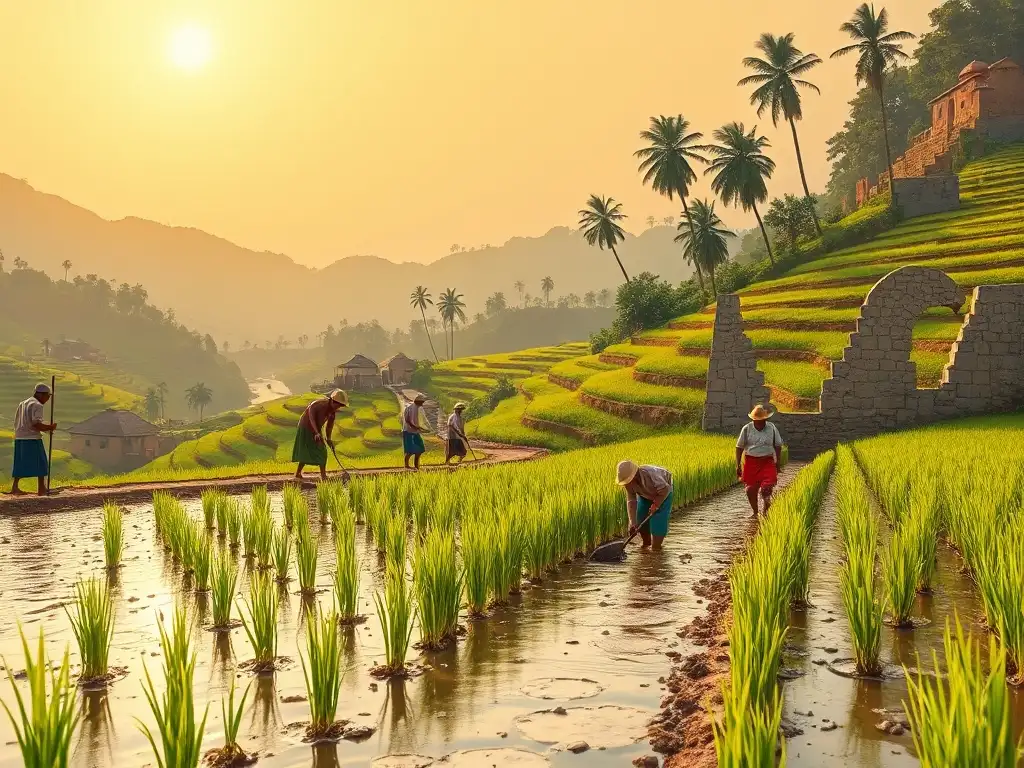
The Indus Valley Civilization: Innovations in Crop Cultivation
The Indus Valley Civilization, flourishing around 2500 BCE in what is now Pakistan and northwest India, is renowned for its sophisticated urban planning and advanced agronomy techniques. This civilization made significant contributions to crop cultivation, employing various innovative methods that laid the groundwork for future agricultural practices.
Irrigation Systems
One of the most remarkable features of the Indus Valley Civilization was its extensive irrigation systems. The inhabitants utilized canals and drainage systems to manage water supply effectively. These systems allowed for the cultivation of crops in areas that would otherwise be unarable. 🌾
- Canal Construction: The construction of canals helped divert water from rivers to fields, optimizing the use of natural resources.
- Water Management: The civilization implemented an intricate drainage system to prevent flooding and soil salinity, ensuring sustainable agricultural productivity.
Crop Selection and Rotation
The people of the Indus Valley were adept at selecting crops suited to their environment. They cultivated a variety of crops, notably wheat, barley, and pulses, demonstrating a keen understanding of local soil and climate conditions.
- Diverse Crop Cultivation: Evidence suggests that farmers practiced crop rotation, allowing different crops to replenish soil nutrients and reduce pest infestations.
- Use of Legumes: Incorporating legumes such as lentils into their crop rotations improved soil fertility through nitrogen fixation, a practice that aligns with modern sustainable farming techniques.
Storage Techniques
To safeguard their harvests, the Indus Valley civilization developed advanced storage techniques. They built granaries that were well-ventilated and elevated to protect grains from moisture and pests.
- Granary Structures: Archaeological findings indicate that these granaries were not only functional but also strategically located to facilitate easy access for farmers.
- Preservation Methods: Techniques included drying and using airtight storage containers, which are foundational practices still relevant in contemporary agriculture.
The Gupta Empire: Advancements in Agricultural Practices
The Gupta Empire, which thrived from approximately 320 to 550 CE, is often referred to as the Golden Age of India. During this period, significant advancements in agricultural practices were made, further refining ancient Indian agronomy techniques.
Introduction of New Crops
The Gupta period saw an expansion in the variety of crops cultivated, including rice, sugarcane, and spices, which were critical for trade and economy. This diversification played a crucial role in enhancing food security.
- Rice Cultivation: Techniques such as transplanting seedlings were refined, leading to more efficient rice production.
- Sugarcane Farming: The introduction of sugarcane cultivation marked a significant economic development, as sugar became a valuable commodity.
Agricultural Tools and Implements
The Gupta Empire witnessed the innovation and improvement of agricultural tools, which significantly increased farming efficiency.
- Plow Development: The wooden plow was enhanced with iron tips, allowing for deeper tillage and better soil aeration.
- Improved Harvesting Tools: Tools like sickles became more widespread, aiding in the effective harvesting of crops.
Agricultural Texts and Knowledge Dissemination
The Gupta period was marked by the production of agricultural texts that documented various farming techniques. Scholars such as Varahamihira contributed to the knowledge base, promoting best practices.
- Agricultural Manuals: These texts served as guides for farmers, detailing crop rotation, soil management, and pest control methods.
- Knowledge Sharing: The establishment of institutions and networks facilitated the spread of agronomic knowledge across regions, contributing to agricultural advancements.
The case studies of ancient Indian agronomy techniques reveal a rich tapestry of innovation and adaptation that has influenced modern farming practices. The expertise in irrigation, crop selection, and agricultural tools developed during these ancient civilizations laid a strong foundation for contemporary agricultural systems.
Comparative Analysis: Ancient vs. Modern Agronomy Techniques
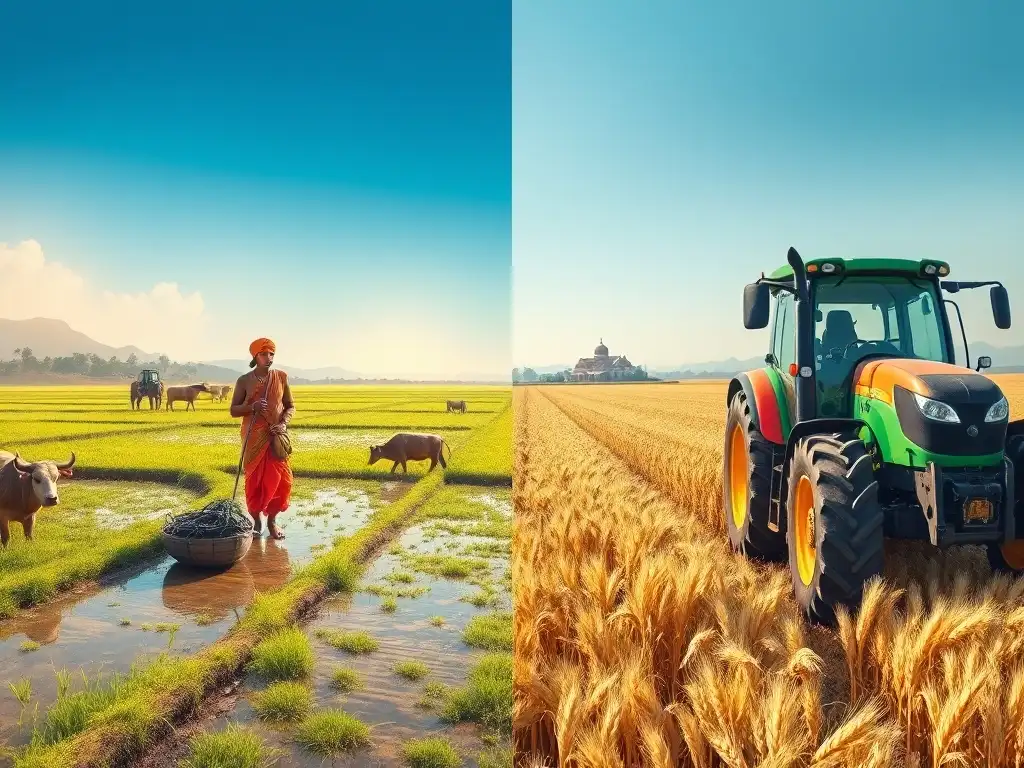
Similarities Between Ancient and Modern Farming Practices
Ancient Indian agronomy techniques have left an indelible mark on contemporary farming practices. Despite the vast advancements in technology and methodology, several core principles remain remarkably consistent across centuries. Here are some key similarities:
- Crop Rotation:
- Ancient farmers practiced crop rotation to maintain soil fertility and reduce pest infestations. This technique is still employed today, with farmers alternating crops to prevent nutrient depletion.
- Use of Organic Fertilizers:
- Traditional practices emphasized the use of compost and animal manure, which are echoed in modern organic farming. The reliance on natural fertilizers showcases a long-standing understanding of soil health.
- Irrigation Techniques:
- Ancient civilizations, particularly in the Indus Valley, developed sophisticated irrigation methods, such as canal systems and wells. Modern irrigation still utilizes similar principles, adapting ancient methods to enhance efficiency and sustainability.
- Selection of Varieties:
- The selective breeding of crops to enhance yield and resistance to diseases can be traced back to ancient times. Today, genetic selection continues to be a cornerstone of agricultural development.
These similarities highlight the enduring wisdom of ancient practices, which have been adapted rather than completely replaced in modern agronomy.
Differences and Evolution of Agricultural Techniques
While the foundational principles of agronomy may share similarities, significant differences have emerged due to technological advancements and evolving agricultural needs. Key areas of divergence include:
- Mechanization:
- Ancient Techniques: Farming relied heavily on manual labor and simple tools like plows made from wood or metal.
- Modern Techniques: The advent of tractors, harvesters, and automated systems has revolutionized farming efficiency, allowing for large-scale operations that were previously unimaginable.
- Scientific Approaches:
- Ancient Techniques: Agronomy was often based on empirical knowledge and local traditions, with little understanding of underlying scientific principles.
- Modern Techniques: Today's farmers utilize scientific research, soil analysis, and climate data to make informed decisions, enhancing productivity and sustainability.
- Pesticides and Herbicides:
- Ancient Techniques: Natural methods such as intercropping and companion planting were employed to manage pests.
- Modern Techniques: The introduction of synthetic pesticides and herbicides has changed the landscape of pest control, though there is a growing trend towards organic alternatives.
- Biotechnology:
- Ancient Techniques: Genetic variation was achieved through traditional breeding methods.
- Modern Techniques: Biotechnology has enabled the development of genetically modified organisms (GMOs) that can withstand harsh conditions, resist diseases, and increase yields.
While ancient Indian agronomy techniques laid the groundwork for many modern practices, the evolution of technology and science has significantly transformed agricultural methodologies. Understanding these differences not only honors the past but also guides future innovations in sustainable farming.
Conclusion: The Legacy of Ancient Indian Agronomy
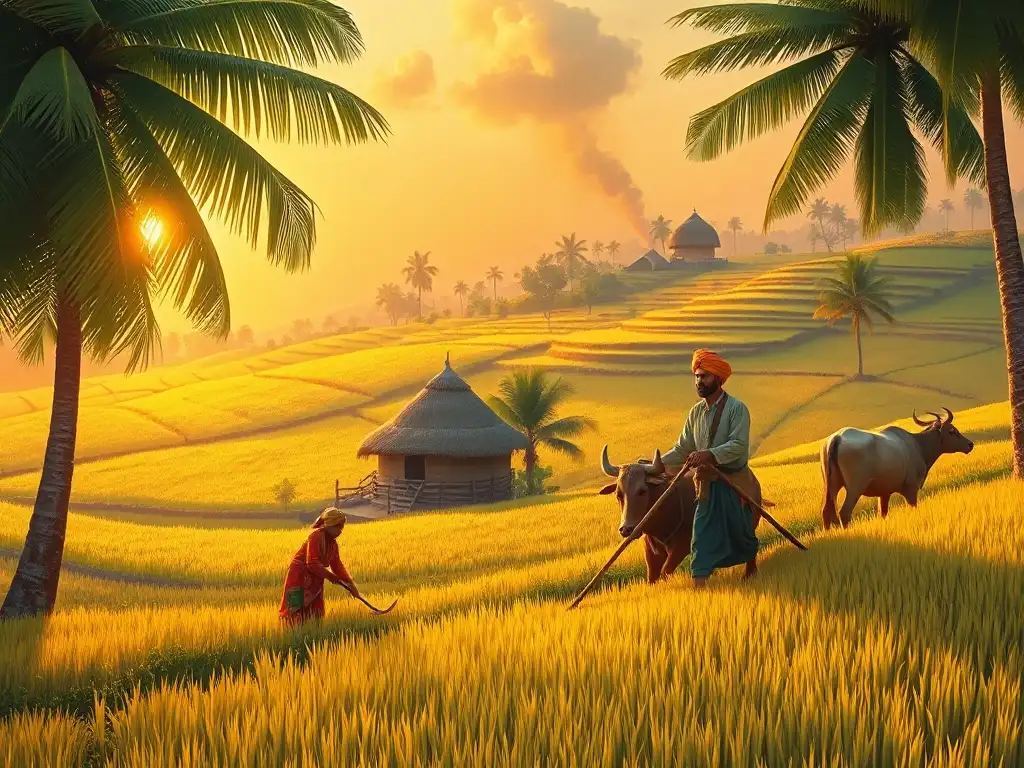
Ancient Indian agronomy techniques have left an indelible mark on modern agricultural practices, showcasing the ingenuity and resourcefulness of civilizations that thrived thousands of years ago. The sophisticated methods employed by ancient Indian farmers not only enhanced crop yields but also established sustainable practices that resonate with contemporary farming. By examining the legacy of these techniques, we can appreciate the foundational role they played in shaping agricultural advancements across the globe.
Lasting Impact on Global Agricultural Practices
The influence of ancient Indian agronomy is evident in various global agricultural practices today. For instance, the crop rotation methods developed in ancient India have been adopted worldwide to maintain soil fertility and reduce pest infestations. This technique involves alternating the types of crops grown on a particular piece of land to prevent the depletion of specific nutrients.
Moreover, ancient Indian farmers utilized intercropping, which involves cultivating two or more crops in proximity for mutual benefit. This practice not only maximizes space but also enhances biodiversity, leading to healthier ecosystems. Historical texts, such as the Krishi Parashara, detail these innovative approaches, which have been recognized as precursors to modern permaculture principles.
Another significant contribution is the use of organic fertilizers, such as cow dung and compost, which were integral to ancient Indian agronomy. These materials contributed to soil health and fertility, paving the way for the organic farming movement we see gaining traction today. The emphasis on sustainable practices in ancient agronomy aligns with the growing global focus on environmentally friendly agricultural methods.
| Ancient Technique | Modern Equivalent |
|---|---|
| Crop Rotation | Sustainable Crop Management |
| Intercropping | Polyculture |
| Organic Fertilization | Organic Farming |
Future Implications of Ancient Techniques in Sustainable Farming
As the world grapples with climate change and food security challenges, revisiting ancient Indian agronomy techniques offers valuable insights for sustainable farming. The principles of water conservation practiced in the ancient Indus Valley Civilization, such as rainwater harvesting and the construction of reservoirs, can inform modern water management strategies in agriculture.
Moreover, the deep understanding of local agro-ecological conditions that ancient farmers possessed emphasizes the importance of site-specific cultivation. This approach encourages farmers to adapt their practices to the unique characteristics of their land, thus enhancing resilience against climate variability.
Incorporating ancient wisdom into modern agricultural research can lead to innovative solutions. For example, the use of traditional pest management techniques—like planting pest-repellent crops alongside main crops—can reduce reliance on chemical pesticides, promoting biodiversity and ecosystem health.
As we look toward the future, the integration of ancient Indian agronomy techniques with cutting-edge agricultural technology—such as precision farming and biotechnology—holds great promise. By marrying tradition with innovation, we can cultivate a more sustainable and productive agricultural system that honors the legacy of ancient Indian farmers while addressing the needs of a growing global population.
The rich heritage of ancient Indian agronomy techniques continues to inspire and shape the future of sustainable farming practices, reminding us of the profound wisdom that lies in our agricultural past.
References
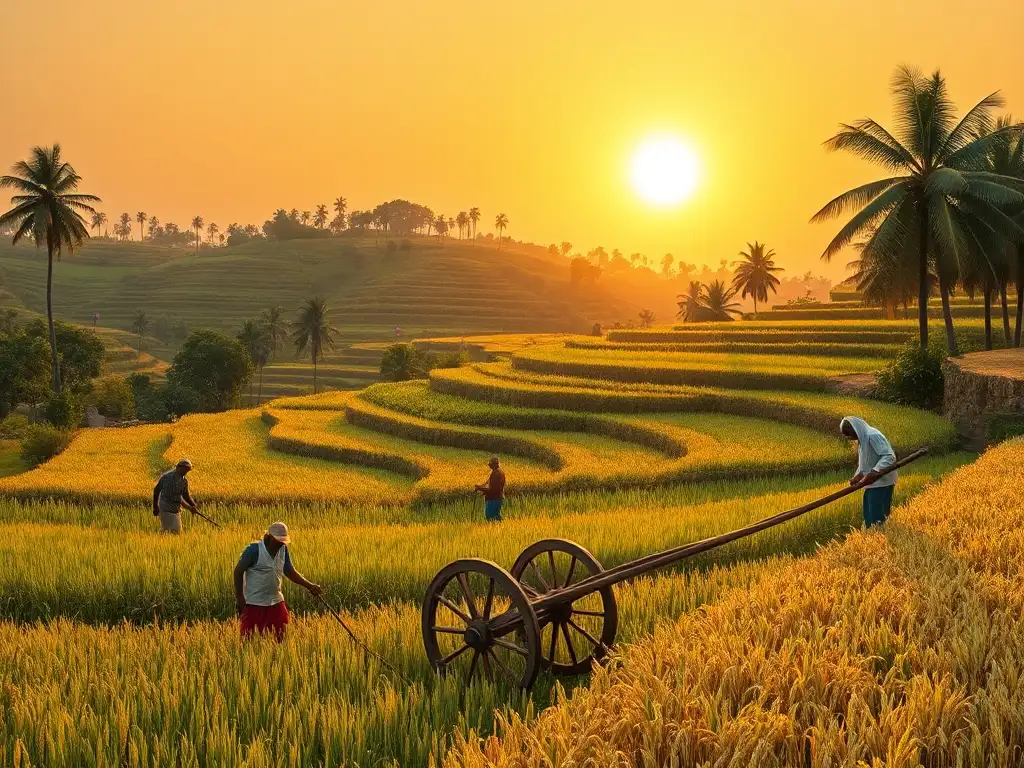
The study of ancient Indian agronomy techniques reveals a wealth of knowledge and practices that have significantly influenced modern farming. This section provides a curated list of essential references that can enhance your understanding of ancient agronomy and its lasting impact.
Suggested Reading on Ancient Indian Agronomy Techniques
Here are some recommended books and articles that delve into the various aspects of ancient Indian agronomy:
-
"Agricultural Practices in Ancient India" by Dr. Ramesh Shankar
This book explores the techniques used in crop cultivation during the Vedic period, detailing the tools and methods that laid the foundation for sustainable agriculture.
-
"The Indus Valley Civilization: Agriculture and Urbanization" by Dr. Anita Kumar
This comprehensive study discusses the agricultural advancements of the Indus Valley civilization, highlighting irrigation systems and crop diversity.
-
"Medicinal Plants and Agriculture in Ancient India" by Prof. Meera Joshi
This work examines the intersection of agriculture and herbal medicine in ancient Indian societies, showcasing how traditional practices contributed to agronomy.
-
"Farming Techniques of Ancient India" by Dr. Vijay Singh
A detailed analysis of various farming methods, including crop rotation and organic fertilization, based on archaeological findings.
-
"Ancient Indian Agriculture: A Historical Perspective" by Dr. Priya Chatterjee
This article reviews the evolution of agricultural practices from the Harappan period to the Gupta Empire, emphasizing technological innovations.
Academic Sources for Further Research
For those seeking a deeper academic understanding, the following sources provide peer-reviewed articles and research papers on ancient Indian agronomy techniques:
-
Journal of Indian History and Culture
This journal frequently publishes articles on the agricultural practices of ancient civilizations, including case studies focused on India's agronomic history.
-
Indian Journal of Agricultural Sciences
This journal includes research papers that analyze the historical context of agricultural techniques and their influence on modern practices.
-
"Historical Development of Agriculture in India" - Asian Agricultural History
A scholarly article that traces the agricultural evolution in India and its implications for contemporary agronomy.
-
"Sustainable Agriculture Practices in Ancient India" - Journal of Sustainable Agriculture
This paper discusses ancient practices that align with modern sustainable agriculture principles, providing valuable insights for contemporary farmers.
-
"Irrigation Systems in Ancient India" - Water History
An exploration of ancient irrigation techniques, this article highlights the engineering prowess of ancient Indian civilizations and their relevance today.
These references will not only enrich your knowledge of ancient Indian agronomy techniques but also provide a framework for understanding their significance in the context of modern agricultural practices.
Frequently Asked Questions
What are ancient Indian agronomy techniques?
Ancient Indian agronomy techniques refer to the agricultural practices developed in India, focusing on crop rotation, irrigation methods, and the use of organic fertilizers, which laid the groundwork for modern farming.
How did ancient Indian agronomy influence modern farming?
Ancient Indian agronomy contributed significantly to sustainable agriculture by promoting practices that enhance soil fertility and biodiversity, influencing contemporary farming techniques and eco-friendly practices.
What role did the Indus Valley Civilization play in agronomy?
The Indus Valley Civilization is known for its advanced agricultural practices, including the creation of irrigation systems and the cultivation of crops like wheat and barley, which were pivotal in shaping agronomy.
Were there any notable figures in ancient Indian agronomy?
Yes, figures like Kautilya and Varahamihira made significant contributions to agronomy, documenting practices and theories that emphasized the importance of agriculture in society and economy.
How can we learn about ancient Indian agronomy today?
Today, scholars study ancient texts like the Arthashastra and Surapala's work to uncover insights into ancient techniques, which can be integrated into modern sustainable farming practices.
Final Reflection: The Enduring Legacy of Ancient Indian Agronomy Techniques
The wisdom of ancient Indian agronomy techniques continues to resonate in today's agricultural practices, reminding us that sustainable farming is not just a modern innovation but a time-honored tradition. As we face the challenges of climate change and food security, revisiting these age-old methods offers invaluable insights that can guide contemporary farming towards a more sustainable future. The lessons learned from our ancestors are not merely historical footnotes; they are essential blueprints for thriving in a rapidly changing world.
The influence of ancient Indian agronomy techniques on modern farming is profound and far-reaching. From crop rotation to organic fertilizers, these practices have shaped the very foundation of sustainable agriculture today. As we integrate these techniques into our current systems, we recognize the importance of respecting the land and nurturing it for future generations. The greatest threat to our planet is the belief that someone else will save it.
– Robert Swan. This quote encapsulates the urgency of adopting sustainable practices, reminding us that the responsibility lies with each of us to honor the wisdom of the past while forging a path forward.
As you reflect on the insights shared in this article, consider how you can incorporate the principles of ancient Indian agronomy into your own life, whether through supporting local farmers, practicing sustainable gardening, or advocating for eco-friendly policies. Let us embrace the lessons of history and take action today, ensuring that the legacy of ancient agronomy not only survives but thrives for generations to come. Your commitment to these practices can make a significant difference, fostering a more sustainable and harmonious relationship with our environment.
Unleash the Power of Ancient Wisdom in Your Garden!
Thank you for taking the time to delve into the fascinating world of ancient Indian agronomy and its profound influence on modern farming techniques. You've uncovered valuable insights into how traditional practices can enhance contemporary agriculture. Now, it’s time to turn that knowledge into action!
- Start experimenting with **traditional techniques** in your own gardening or farming practices. Implement crop rotation or companion planting inspired by age-old methods.
- Explore local community gardens or forums to **share your insights** and learn from others who are passionate about sustainable farming.
- Consider adopting **organic principles** rooted in ancient wisdom, such as natural pest control and soil enrichment practices.
What ancient practice will you introduce to your modern farming routine, and how do you think it might change your approach? **We encourage you to share your thoughts! **