
Understanding the Decline of Major Trade Routes in Ancient India


Welcome to Ancient India History, where we embark on a fascinating journey through the rich tapestry of ancient Indian civilizations. As we delve into the Decline of Ancient Indian Trade, you'll uncover the intricate dynamics that once fueled bustling trade routes and shaped the economy from the Indus Valley to the Gupta Empire. What factors led to this decline, and how did it impact the vibrant cultures of the time? Prepare to explore the answers as we unravel the complexities of trade and economy in ancient India, igniting your curiosity for the stories that shaped this remarkable era.
Introduction to Ancient Indian Trade
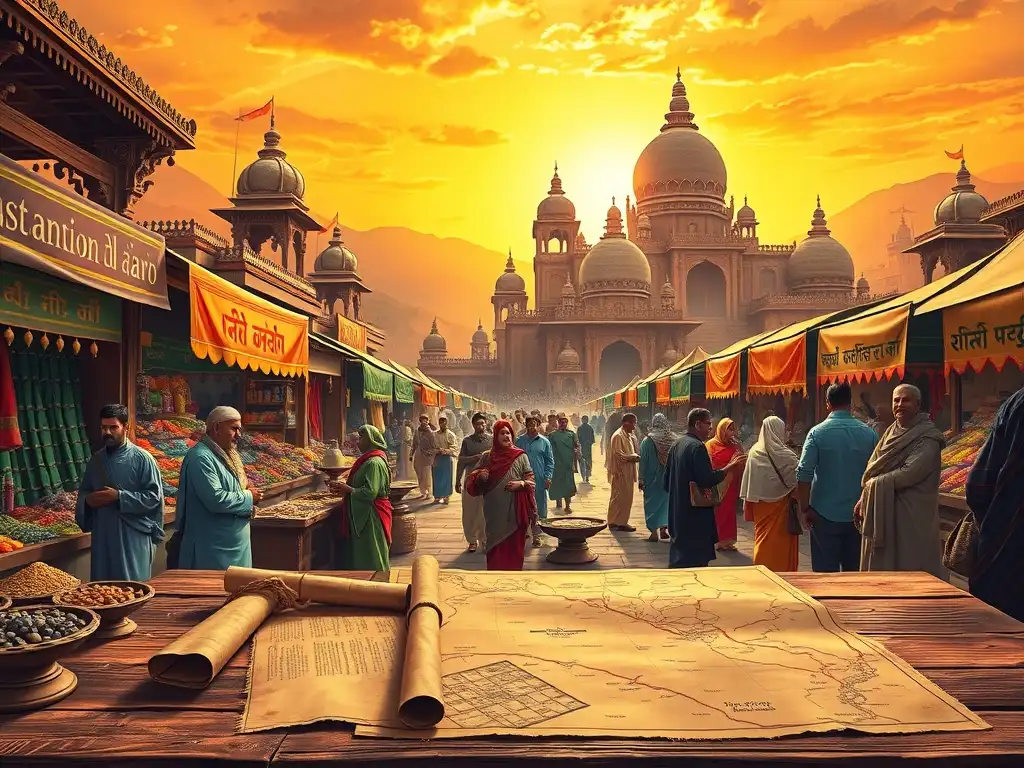
The decline of trade routes in ancient India is a pivotal topic that encapsulates the complexities of economic, political, and environmental factors shaping the history of this vibrant civilization. Ancient India, known for its rich cultural heritage and extensive trade networks, served as a significant hub for commerce, connecting the East with the West.
From the bustling markets of the Indus Valley Civilization to the thriving exchanges during the Gupta Empire, trade played a crucial role in not only boosting the economy but also facilitating cultural exchanges. Understanding the reasons behind the decline of these vital trade routes provides profound insights into the broader historical narrative of ancient Indian society.
The Importance of Trade in Ancient Indian Civilization
Trade in ancient India was not merely an economic activity; it was a cornerstone of civilization. The following points highlight its significance:
- Cultural Exchange: Trade routes facilitated the exchange of ideas, art, and religion. For instance, the spread of Buddhism from India to Central Asia and beyond was significantly influenced by trade interactions.
- Economic Prosperity: Major cities like Taxila and Pataliputra flourished due to their strategic positions along trade routes, leading to wealth accumulation and urban development.
- Resource Distribution: India was rich in spices, textiles, and precious stones, which were highly sought after in foreign markets. This resource distribution generated significant revenue and fostered economic interdependence.
Overview of Major Trade Routes in Ancient India
Ancient India's trade routes were diverse and extensive, connecting various regions and cultures. Key routes included:
- The Silk Road: Linking India to China and Central Asia, it facilitated trade in silk, spices, and precious goods.
- Maritime Trade Routes: The Indian Ocean trade network connected India with Africa, the Middle East, and Southeast Asia, allowing for the exchange of spices, textiles, and ideas.
- Overland Routes: These included pathways through the northwest passes, which were crucial for trade with Persia and beyond.
Key Factors Contributing to the Decline of Ancient Indian Trade
The decline of ancient Indian trade routes was influenced by a multitude of factors, each contributing to the weakening of this once-thriving economic system.
Economic Factors Influencing Trade Decline
- Market Saturation: As trade expanded, certain markets became saturated, leading to price drops and reduced profits. This saturation often discouraged merchants from investing in trade.
- Competition: The emergence of competing trade routes, especially after the rise of new empires and civilizations, diverted trade away from traditional routes.
Political Instability and Its Impact on Trade Routes
- Invasions and Warfare: Periods of invasions, such as those by the Huns and later the Turks, disrupted established trade routes, making them unsafe for merchants.
- Fragmentation of Power: The decline of powerful empires like the Gupta Empire led to political fragmentation, creating instability that further hampered trade activities.
Environmental Changes Affecting Trade Activities
- Climate Change: Shifts in climate may have disrupted agricultural production, affecting trade supplies and the economic viability of trade routes.
- Natural Disasters: Floods, droughts, and other natural calamities could have devastated infrastructure and reduced the capacity for trade, leading to a decline.
Through an exploration of these factors, we can better understand the complex dynamics that led to the decline of ancient Indian trade routes, significantly impacting the broader historical and cultural tapestry of the region.
Major Trade Routes in Ancient India
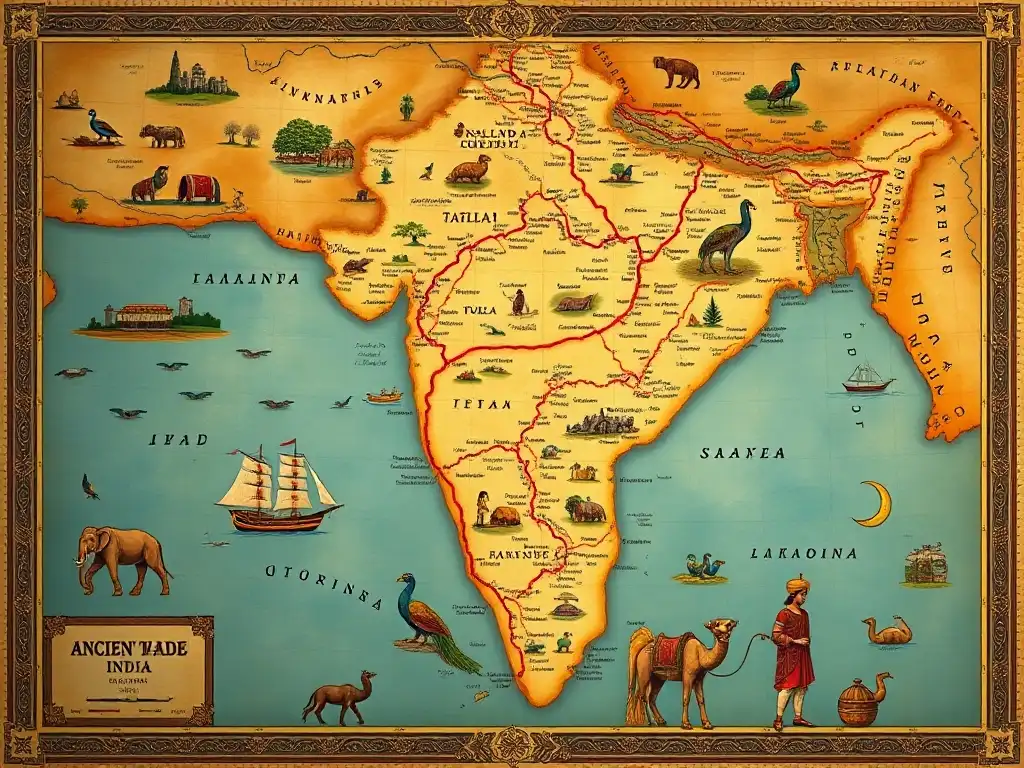
Ancient India was a hub of trade and commerce, connected to various regions through a network of vital trade routes. These routes facilitated not only the exchange of goods but also the flow of ideas, cultures, and technologies. The major trade routes included the famed Silk Road, the Spice Route, and maritime pathways that connected India with distant shores. Each of these routes played a crucial role in the economic prosperity of ancient Indian civilizations and significantly influenced their cultural dynamics.
The Silk Road, for instance, linked India to Central Asia and beyond, while the Spice Route opened up trade with the Roman Empire and the Middle East. Maritime trade routes connected the coastal cities of India with Southeast Asia and Africa, allowing for a rich exchange of spices, textiles, and other goods. The decline of these trade routes not only impacted the economy but also the cultural exchanges that enriched Indian society over the centuries.
The Silk Road and Its Role in Indian Trade
The Silk Road was a network of trade routes that connected the East and West, facilitating the exchange of silk, spices, precious stones, and other commodities. For ancient India, the Silk Road was particularly significant as it allowed merchants to engage in trade with regions such as Persia, China, and the Mediterranean. Indian goods, especially textiles, were highly sought after in international markets.
Indian traders played a pivotal role in this vast trading network, often acting as intermediaries between the East and the West. The exchange of goods was accompanied by a rich transfer of knowledge, art, and religion, with Buddhism spreading along these routes into Central Asia and beyond. The flourishing trade along the Silk Road contributed to the prosperity of Indian cities like Taxila and Pataliputra, which became bustling centers of commerce and culture.
The Spice Route: A Vital Link to the West
The Spice Route was essential for the exchange of valuable spices such as pepper, cinnamon, and cardamom, which were in high demand in the Roman Empire and the Middle East. This maritime route connected the coastal regions of India, particularly the Malabar Coast, with various trading hubs across the Arabian Sea and the Indian Ocean. Indian merchants established thriving trade networks, often collaborating with Arab traders who facilitated the exchange with Western markets.
The Spice Route not only enhanced India's economy but also led to significant cultural interactions. The influx of foreign traders resulted in the exchange of culinary practices, languages, and religious beliefs, contributing to the rich tapestry of Indian society. The importance of the Spice Route is evident from the historical records detailing the voyages of traders and the discovery of new lands in pursuit of spices.
The Maritime Trade Networks of Ancient India
Ancient India's maritime trade networks were instrumental in connecting the subcontinent with regions like Southeast Asia, Africa, and the Arabian Peninsula. Ports such as Lothal, Bharuch, and Kozhikode served as key points for trade, facilitating the exchange of goods like textiles, gems, and spices. The use of advanced shipbuilding techniques and navigational skills allowed Indian traders to venture into open seas, creating a vibrant trade culture.
These maritime routes were not only about commerce; they were also avenues for cultural exchange. The spread of Indian religions, particularly Hinduism and Buddhism, reached distant shores through these trade networks. The interactions between Indian traders and local populations led to the establishment of trade colonies and cultural relationships that enriched both sides.
Case Studies of Declined Trade Routes
The Decline of the Silk Road and Its Effects on India
The decline of the Silk Road can be attributed to several factors, including the rise of maritime trade routes, political instability in Central Asia, and the spread of diseases such as the plague. As trade shifted towards sea routes, the overland Silk Road saw a significant reduction in traffic, impacting the economies of ancient Indian cities that thrived on this trade.
The effects of this decline were profound. Cities that once flourished as trade hubs began to decline economically, leading to a decrease in cultural exchanges and the eventual stagnation of local economies. The loss of access to lucrative markets also diminished the wealth and influence of Indian traders, resulting in a long-lasting impact on the region's economic landscape.
The Fall of the Spice Trade and Economic Consequences
The Spice Trade experienced decline due to the emergence of new routes and the competition posed by European powers in the 15th century. As European nations sought direct access to the spice-rich regions, traditional trade routes began to fragment. The discovery of sea routes around Africa diminished the reliance on overland routes, leading to a significant decline in trade through established channels.
The economic consequences of this decline were severe for Indian merchants and local economies dependent on spice trade. Many coastal towns that had thrived on the trade of spices faced economic hardships. The shift in trade dynamics also led to changes in political power, as European colonial powers began to dominate the spice trade, often at the expense of local economies.
Disruption of Maritime Trade and Cultural Exchange
The disruption of maritime trade routes in ancient India can be traced to a combination of factors, including piracy, political upheaval, and changing trade patterns. The rise of powerful empires in the Indian Ocean region often resulted in conflicts that disrupted trade, leading to a decline in cultural exchanges that had previously flourished through these maritime networks.
As maritime trade declined, the cultural richness that had thrived through the interactions of diverse populations began to wane. The loss of trade connections diminished the exchange of ideas, technologies, and cultural practices, leading to a more isolated Indian society. This decline marked a significant shift in the historical trajectory of ancient India, ultimately contributing to its socio-economic transformation.
The Role of External Factors in Trade Decline
The decline of ancient Indian trade routes was significantly influenced by a series of external factors that disrupted established patterns of commerce. These factors can be broadly categorized into invasions, the emergence of competing trade powers, and shifts in global trade dynamics. Each of these elements played a crucial role in reshaping the landscape of trade in ancient India, leading to a decrease in economic prosperity and cultural exchange.
Invasions and Their Impact on Trade Routes
Invasions were one of the most direct threats to the stability of trade routes in ancient India. Throughout history, various groups such as the Greeks, Scythians, and later the Huns, launched invasions that not only disrupted trade but also led to the destruction of key trading hubs. These invasions created an atmosphere of uncertainty and fear, which discouraged merchants and traders from using these routes.
- Destruction of Infrastructure: The invasions often resulted in the physical destruction of roads, ports, and marketplace facilities. This degradation made it challenging for traders to transport goods safely.
- Political Instability: Frequent conflicts led to political fragmentation, making it difficult to maintain the security needed for trade. Regions once known for their stability became battlegrounds, forcing traders to reroute or abandon their activities altogether.
- Loss of Patronage: With the decline of centralized powers due to invasions, the patronage that supported trade diminished. Formerly prosperous cities and kingdoms that thrived on trade lost their influence, resulting in economic decline.
The Emergence of Competing Trade Powers
As ancient Indian trade routes began to falter, new trade powers emerged in the surrounding regions, competing for control over lucrative markets. The rise of these competing powers shifted the focus of trade away from India towards other emerging trade hubs.
- The Rise of Maritime Trade: As trade networks expanded, maritime routes became increasingly popular. Powers such as the Roman Empire and later Islamic traders began to dominate sea trade, diverting goods away from overland routes in India.
- Central Asian Trade Networks: The establishment of the Silk Road and its subsequent expansion allowed Central Asian powers to gain prominence. These routes provided faster and more efficient means of transporting goods, making them more appealing compared to traditional paths through India.
- New Economic Alliances: Competing powers formed new alliances that sidelined Indian traders. This shift in relationships and economic power dynamics further compounded the decline of ancient Indian trade.
The Cultural and Economic Consequences of Trade Decline
The decline of trade routes had far-reaching cultural and economic consequences for ancient India. These changes not only affected the economy but also led to a transformation in cultural exchanges and interactions.
Shifts in Economic Structures and Local Economies
As trade routes declined, local economies began to undergo significant transformations. The reliance on trade diminished, leading to a shift towards self-sustaining agricultural practices.
- Decline of Urban Centers: Many cities that thrived on trade experienced economic downturns, leading to depopulation and a decrease in urban activities. The vibrant markets that once attracted traders dwindled in size and importance.
- Increased Focus on Agriculture: With the decline of trade, local economies shifted their focus toward agriculture. This shift resulted in the growth of agrarian societies that relied on subsistence farming, reducing the overall economic diversity within regions.
- Emergence of Barter Systems: As currency-based trade diminished, barter systems became more prevalent. This regression limited the scope of economic transactions and stifled innovation in trade practices.
Changes in Cultural Exchange and Influence
The decline of trade routes also had a profound impact on cultural exchange. The interactions that facilitated the sharing of ideas, art, and technology were significantly reduced.
- Diminished Cultural Interactions: The reduced movement of traders led to fewer cultural exchanges. Artistic styles, religious beliefs, and technological advancements that once spread through trade routes became localized.
- Isolation of Regions: As trade routes fell into disuse, regions became increasingly isolated. This isolation inhibited the flow of new ideas and innovation, leading to cultural stagnation in some areas.
- Shift in Cultural Identity: Local cultures began to evolve independently, leading to a diversification of practices and traditions. While this could foster unique identities, it also meant that the rich tapestry of shared cultural heritage diminished.
The decline of ancient Indian trade was not merely an economic issue; it reshaped the very fabric of society, altering cultural dynamics and economic structures for generations to come. Understanding these external factors and their consequences is crucial in appreciating the complex history of trade in ancient India.
Lessons Learned from the Decline of Ancient Indian Trade
The decline of ancient Indian trade routes offers valuable lessons that resonate even in contemporary economic contexts. Understanding these lessons helps modern societies appreciate the intricate balance between trade relations and the socio-political factors that influence them.
- Adaptability is Key: Ancient trade systems thrived on adaptability. Trade routes were often redirected due to changing political landscapes, natural disasters, or the emergence of new trading powers. This adaptability is crucial for current economies as they navigate globalization and shifting market dynamics.
- Cultural Exchange: Trade was not solely about the exchange of goods; it was also about the exchange of ideas, cultures, and technologies. The decline of trade routes often led to cultural stagnation. Thus, fostering cultural connections remains essential in today’s interconnected world.
- Infrastructure Development: The decline highlighted the importance of maintaining and developing infrastructure. Well-maintained routes, ports, and marketplaces are vital for sustaining trade. Investing in infrastructure facilitates smoother trade operations and can prevent economic decline.
Historical Insights into Trade Sustainability
Examining the historical context of trade in ancient India reveals several insights into what constitutes sustainable trade practices. The thriving trade routes of the Indus Valley civilization, for instance, were supported by a well-organized administrative structure and advanced urban planning.
- Resource Management: Ancient traders often faced resource scarcity, leading to unsustainable practices. Effective resource management, coupled with sustainable practices, ensures long-term viability in trade.
- Market Dynamics: The ebb and flow of trade in ancient India were influenced by market demands, foreign competition, and environmental factors. Understanding these dynamics helps modern economies anticipate market shifts and prepare accordingly.
- Consumer Behavior: The preferences and behaviors of consumers played a critical role in trade sustainability. Ancient Indian merchants adapted to consumer needs, illustrating the importance of market research and responsiveness in trade strategies.
The Importance of Political Stability for Trade
Political stability has always been a cornerstone for successful trade routes. The rise and fall of empires in ancient India frequently disrupted trade, leading to significant economic decline.
- Security and Safety: Merchants needed protection from bandits and rival states. Political stability ensured the safety of trade routes, encouraging merchants to engage in long-distance trade without fear of loss.
- Consistent Policies: Stable governments provide consistent trade policies and regulations, which are essential for long-term trade agreements. The decline of trade routes often coincided with political turmoil, which led to inconsistent policies that dissuaded trade.
- Diplomatic Relations: Strong diplomatic ties among regions facilitated trade agreements, enhancing economic prosperity. The decline of diplomatic relations often resulted in the breakdown of trade networks, showcasing how interconnected politics is with trade.
Conclusion: Reflecting on the Decline of Ancient Indian Trade
The decline of ancient Indian trade routes serves as a poignant reminder of the intricate relationship between trade, politics, and sustainability. By analyzing these historical trends, we can glean insights that remain relevant in today’s global economy.
Summary of Key Points on Trade Decline
- Impact of Political Factors: The instability of political entities significantly contributed to the decline of trade routes.
- Economic Consequences: Trade decline had far-reaching economic implications, affecting local economies and livelihoods.
- Cultural and Technological Stagnation: Reduced trade led to a decrease in cultural exchanges and technological advancements, limiting societal growth.
The Legacy of Ancient Trade Routes in Indian History
Despite their decline, ancient trade routes have left a lasting legacy in Indian history. They not only facilitated economic prosperity but also fostered cultural exchanges that shaped the Indian civilization.
- Cultural Integration: The routes enabled interactions among diverse cultures, leading to a rich tapestry of traditions, languages, and customs that define India today.
- Historical Narratives: The stories of these trade routes are embedded in Indian folklore and literature, illustrating their significance in shaping historical narratives.
- Modern Trade Lessons: The experiences of ancient Indian trade routes provide contemporary societies with lessons on maintaining sustainable trade practices, the importance of political stability, and the need for cultural integration in an increasingly globalized world.
Understanding the decline of ancient Indian trade ultimately allows us to appreciate the complexities of economic systems and the enduring impact of history on modern trade practices.
- Introduction to Ancient Indian Trade
- The Importance of Trade in Ancient Indian Civilization
- Overview of Major Trade Routes in Ancient India
- Key Factors Contributing to the Decline of Ancient Indian Trade
- Major Trade Routes in Ancient India
- Case Studies of Declined Trade Routes
- The Role of External Factors in Trade Decline
- The Cultural and Economic Consequences of Trade Decline
- Lessons Learned from the Decline of Ancient Indian Trade
- Conclusion: Reflecting on the Decline of Ancient Indian Trade
- What were the major trade routes in ancient India?
- What factors contributed to the decline of trade in ancient India?
- How did the decline of trade affect ancient Indian society?
- Were there any specific empires affected by the decline of trade?
- What were the long-term impacts of the decline of ancient Indian trade?
Frequently Asked Questions
What were the major trade routes in ancient India?
Ancient India had several major trade routes, including the Silk Road and maritime paths through the Indian Ocean, facilitating trade with various civilizations and promoting cultural exchange.
What factors contributed to the decline of trade in ancient India?
The decline of ancient Indian trade was influenced by political instability, invasions, and the shift in trade routes, which redirected commerce to regions such as the Middle East and Europe.
How did the decline of trade affect ancient Indian society?
The decline of trade led to economic downturns, reduced cultural exchange, and a decrease in the prosperity of urban centers, significantly impacting the societal structure of ancient India.
Were there any specific empires affected by the decline of trade?
Yes, the Gupta Empire and the Mauryan Empire faced significant challenges due to the decline of trade, which impacted their economic stability and led to a decrease in their power.
What were the long-term impacts of the decline of ancient Indian trade?
The long-term impacts included a shift towards self-sufficiency, changes in cultural dynamics, and the eventual isolation of some regions, which diminished India's role in global trade networks.
Final Reflection: The Enduring Legacy of Ancient Indian Trade
The decline of ancient trade routes in India is not merely a historical footnote; it serves as a profound reminder of how interconnected economies shape civilizations. As we navigate the complexities of our globalized world today, understanding the factors that led to the decline of these vital trade networks can offer invaluable lessons about resilience, adaptation, and the importance of maintaining connections across cultures. The ebb and flow of trade in ancient India illustrates the delicate balance between prosperity and decline, urging us to reflect on our current economic practices and the fragility of our own trade relationships.
The historical significance of these trade routes has left an indelible mark on the cultural and social fabric of India. The exchange of goods, ideas, and cultures fostered a rich tapestry of diversity that continues to influence contemporary society. As we witness the resurgence of interest in sustainable trade practices and cultural exchange in our modern world, we are reminded of the wisdom encapsulated in the words of Mahatma Gandhi: A nation's greatness is measured by how it treats its weakest members.
This sentiment resonates deeply as we consider the implications of trade and commerce on communities, urging us to prioritize inclusivity and sustainability in our economic endeavors.
As we conclude our exploration of the decline of ancient Indian trade, I invite you to reflect on the lessons learned from this historical narrative. Consider how the principles of connectivity, adaptability, and respect for cultural diversity can be applied in your own life and community.
In a world that often feels fragmented, let us strive to build bridges rather than walls, fostering relationships that honor our shared humanity and the rich legacies of our past. Together, we can create a future that celebrates the spirit of trade as a means of connection and understanding, ensuring that the lessons of history guide us toward a more harmonious global community.
Revitalize Your Understanding of Ancient Trade Routes!
Thank you for exploring the rich tapestry of ancient trade routes in India with us! We hope you gained valuable insights into their significance and the factors that contributed to their decline. Now, it’s time to turn this knowledge into action!
Here are some exciting steps you can take to further your exploration of this fascinating topic:
- Dive Deeper: Uncover lesser-known trade routes by visiting a local library or exploring online resources to enhance your understanding of ancient commerce.
- Engage and Discuss: Share your thoughts with friends or family about the impact of these trade routes on today’s economy. Consider starting a conversation on social media to connect with fellow history enthusiasts.
- Join a Community: Find local or online groups focused on ancient history. Participating in discussions can provide new perspectives and foster a deeper appreciation for this subject.
As you reflect on these actions, consider this question: How do you think the decline of trade routes has shaped the cultural identity of modern India?