
Discovering Lost Trade Routes of Ancient India


Welcome to Ancient India History, where we embark on a fascinating journey through the rich tapestry of India's past. In this exploration, we shine a spotlight on the intriguing world of ancient Indian trade routes, uncovering the pathways that once connected civilizations and shaped economies. From the bustling markets of the Indus Valley to the vibrant exchanges during the Gupta Empire, each route tells a story of innovation and cultural exchange.
Are you ready to delve into the secrets of these lost trade routes? Join us as we unravel the mysteries and celebrate the remarkable contributions of ancient Indian civilizations!
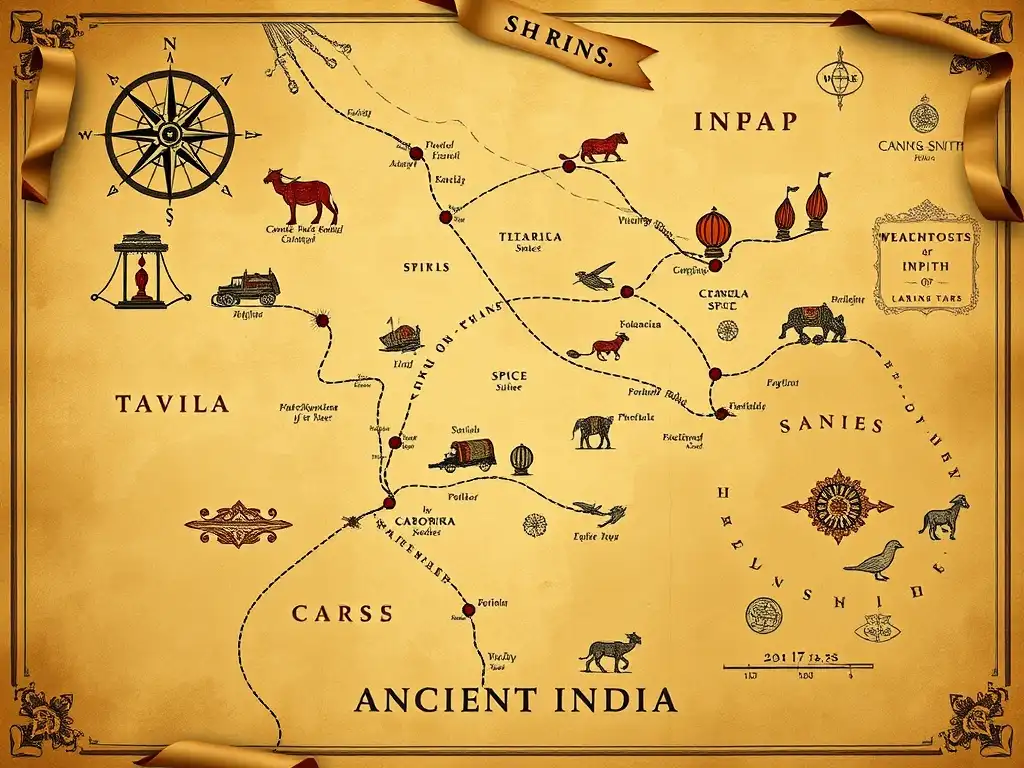
Exploring the ancient Indian trade routes offers a fascinating glimpse into the intricate web of commerce that connected diverse cultures and civilizations across the Indian subcontinent and beyond. From the bustling markets of the Indus Valley to the flourishing trade during the Gupta Empire, these routes played a crucial role in shaping the economic and cultural landscape of ancient India. This article delves into the significance, evolution, and historical context of these trade routes, shedding light on how they facilitated not only the exchange of goods but also the sharing of ideas, religions, and technologies that influenced countless generations.
Introduction to Ancient Indian Trade Routes
Trade routes in ancient India were instrumental in establishing connections between regions and peoples. These well-trodden paths facilitated the movement of a variety of goods, including spices, textiles, precious stones, and more, fostering a vibrant exchange that enriched the economies and cultures of all involved. The strategic geographical position of India made it a pivotal player in international trade, linking the East and the West.
The Significance of Trade in Ancient Indian Civilization
- Economic Growth: Trade was essential for the prosperity of ancient Indian states. It stimulated economic growth and urbanization, leading to the rise of major cities and trading hubs.
- Cultural Exchange: Through trade, diverse cultures interacted, allowing for the exchange of art, philosophy, and religious beliefs, which contributed to the rich tapestry of Indian civilization.
- Political Alliances: The establishment of trade routes often facilitated diplomatic relationships and alliances between different kingdoms, enhancing political stability and cooperation.
Overview of Major Ancient Indian Trade Routes
- The Silk Road: This famous trade route connected India with Central Asia and beyond, allowing for the exchange of silk, spices, and other luxury goods.
- Maritime Trade Routes: The Indian Ocean trade routes linked India with the Middle East, Africa, and Southeast Asia, facilitating maritime commerce and cultural exchanges.
- Overland Routes: Key overland routes, such as the Grand Trunk Road, connected the northern plains with the Deccan and the southern regions, promoting trade across the subcontinent.
Historical Context of Trade in Ancient India
Understanding the evolution of trade in ancient India requires examining its historical context, which is marked by various civilizations and empires that contributed to the development of trade networks.
The Indus Valley Civilization and Early Trade Networks
The Indus Valley Civilization (c. 3300–1300 BCE) is one of the earliest known urban cultures that engaged in extensive trade. Archaeological findings indicate:
- Trade Goods: The civilization traded commodities such as cotton textiles, pottery, and semi-precious stones.
- Trade Partners: Evidence suggests connections with Mesopotamia, highlighting the significance of trade in fostering early international relationships.
Trade During the Vedic Period
During the Vedic Period (c. 1500–500 BCE), trade continued to flourish through:
- Agrarian-Based Economy: Agricultural surplus contributed to trade, as communities exchanged grains and livestock for other goods.
- Emergence of Guilds: The establishment of guilds and merchant classes facilitated organized trade practices, marking the transition to a more structured economic framework.
The Impact of the Maurya Empire on Trade Routes
The Maurya Empire (c. 322–185 BCE) marked a pivotal moment in the history of ancient Indian trade routes:
- Infrastructure Development: The Mauryan rulers invested in infrastructure, such as roads and rest houses, enhancing trade efficiency and connectivity.
- Regulation of Trade: The empire implemented trade regulations that promoted commerce, ensuring safety and stability for traders, which in turn attracted more merchants and increased trade volume.
Through these historical lenses, we unveil the rich and complex narrative of ancient Indian trade routes, which not only contributed to the economic prosperity of their time but also laid the foundation for the cultural exchanges that continue to shape India today.
Key Ancient Indian Trade Routes
Ancient India was a hub of trade and commerce, characterized by its intricate web of trade routes that facilitated not only economic exchange but also cultural interactions. These routes connected India to various regions, enabling the flow of goods, ideas, and innovations. The ancient Indian trade routes can be broadly classified into overland routes and maritime routes, with each playing a significant role in shaping the economic landscape of the Indian subcontinent.
The Silk Road: Connecting India to the World
The Silk Road was one of the most significant overland trade routes in history, stretching from China to the Mediterranean. India played a critical role in this vast network, particularly through its western regions. Indian merchants traded a variety of goods, including textiles, spices, and precious stones, which were highly sought after in foreign markets.
The Silk Road not only facilitated the exchange of goods but also cultural and religious ideas. It was along this route that Buddhism spread from India to Central Asia and beyond. Key cities like Taxila and Ujjain served as important nodes on the Silk Road, where traders would gather, exchange goods, and share knowledge. The interactions along this route contributed to a rich tapestry of cultural exchange that shaped civilizations.
The Spice Route: India’s Role in Global Commerce
The Spice Route was another crucial network that underscored India’s prominence in global trade. Spices such as black pepper, cinnamon, and cardamom were highly prized in ancient times for their culinary and medicinal properties. Indian merchants transported these spices to markets in the Middle East, Europe, and East Asia, establishing India as a leading spice exporter.
This trade not only enriched Indian economies but also attracted foreign traders, leading to the establishment of vibrant trading ports along the western and eastern coasts of India. Cities like Kochi and Calicut became bustling centers of commerce, where spices were traded for gold, silver, and other valuable commodities. The allure of Indian spices played a pivotal role in maritime exploration, eventually leading to the Age of Discovery.
Maritime Trade Routes: Ports and Sea Trade
Maritime trade routes were vital for India, given its extensive coastline and access to major oceans. The Indian Ocean facilitated trade with regions such as East Africa, the Arabian Peninsula, and Southeast Asia. Indian ports like Lothal, Bharukachchha, and Surat were significant hubs for maritime trade, where ships carried goods to and from distant lands.
The maritime routes enabled the exchange of not only goods but also cultural practices, art, and technology. The trade in textiles, gemstones, and metals flourished, with Indian ships traversing the seas, connecting with diverse cultures. The establishment of trade alliances and the use of monsoon winds for navigation were crucial in developing a robust maritime trade network that sustained economic prosperity.
Lesser-Known Trade Routes of Ancient India
While the major trade routes are well-documented, several lesser-known routes also played essential roles in the trade dynamics of ancient India. These routes facilitated local commerce and connected India to neighboring regions, often influencing cultural and economic exchanges.
The Ujjain Route: A Forgotten Path of Commerce
The Ujjain route, connecting the ancient city of Ujjain to various trade centers, was a vital commercial artery in central India. Known for its strategic location, Ujjain served as a significant trading hub during the Mauryan and Gupta periods. This route facilitated the movement of goods such as textiles, grains, and metalwork.
Moreover, Ujjain was an important religious center, and the convergence of trade and pilgrimage contributed to its prosperity. The route fell into relative obscurity over time, but its historical significance in fostering trade and cultural interactions remains noteworthy.
The Southern Trade Routes: Links to Southeast Asia
The southern trade routes linked India to the rich markets of Southeast Asia, enhancing the cultural and commercial ties between these regions. Indian merchants sailed from ports like Nagapattinam and Kanyakumari, trading goods such as silk, metalwork, and spices with kingdoms in present-day Indonesia, Thailand, and Malaysia.
These interactions led to the establishment of Indianized kingdoms in Southeast Asia, where Indian culture, language, and religion took root. The exchange of goods and ideas significantly influenced the historical trajectory of Southeast Asian civilizations, highlighting the importance of these trade routes in ancient Indian history.
The Role of the Khyber Pass in Trade Dynamics
The Khyber Pass has historically been a crucial overland route connecting India to Central Asia and the Middle East. This narrow mountain pass allowed traders to traverse the formidable Hindu Kush range, facilitating the movement of goods and cultural exchange between regions.
As a gateway for invasions and migrations, the Khyber Pass played a pivotal role in the dynamics of trade and power in ancient India. The movement of commodities such as horses, textiles, and precious stones through this route influenced economic conditions in the Indian subcontinent and beyond. Its significance as a trading corridor highlights the interconnectedness of ancient civilizations and the complexities of trade routes that shaped history.
Cultural and Economic Impact of Ancient Trade Routes
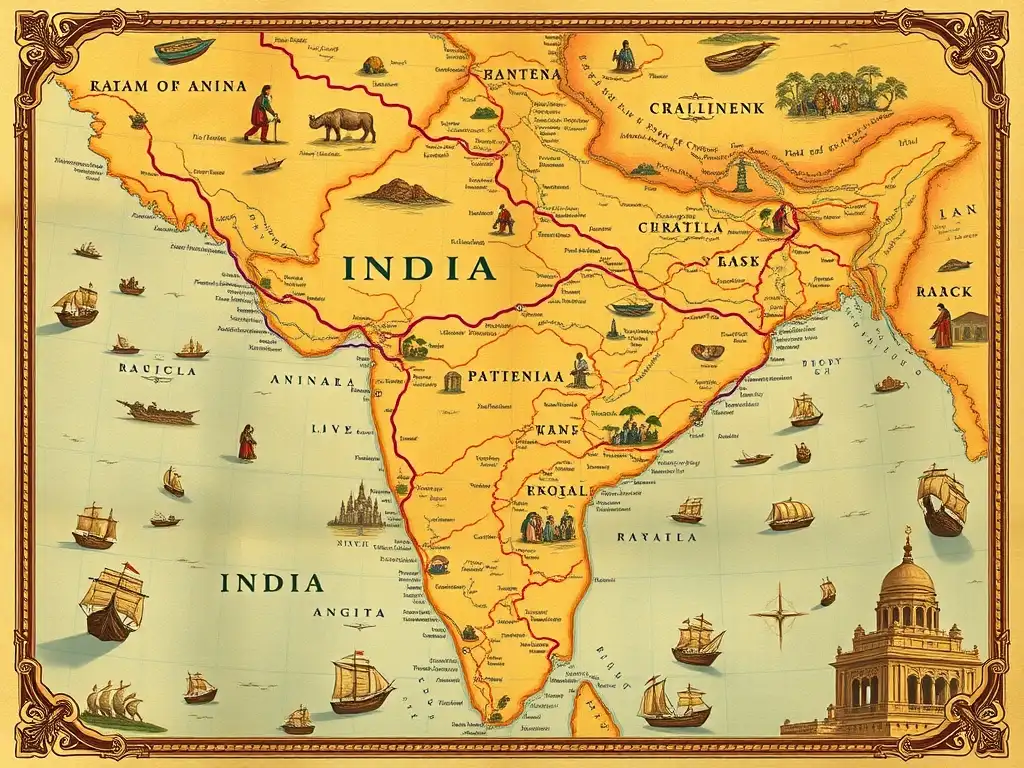
The ancient Indian trade routes played a pivotal role in shaping the cultural and economic landscapes of the region. These routes facilitated not only the exchange of goods but also the mingling of ideas, beliefs, and practices among diverse civilizations. The economic prosperity generated by trade significantly contributed to the rise of urban centers and the overall development of society. Moreover, the cultural exchanges that occurred along these routes fostered a rich tapestry of influences, allowing ancient India to become a melting pot of traditions and innovations.
Exchange of Goods: What Was Traded Along These Routes?
The trade routes of ancient India were bustling corridors of commerce where a vast array of goods was exchanged. Key items traded included:
- Spices: India was renowned for its spices, such as black pepper, cardamom, and cinnamon, which were highly sought after in international markets.
- Textiles: Fine cotton and silk textiles were exported to various regions, contributing to India's reputation as a center of textile production.
- Metals: Precious metals like gold and silver, along with copper and iron products, were traded extensively, highlighting the advanced metallurgy of ancient Indian civilizations.
- Agricultural Products: Grains, pulses, and other agricultural goods formed a crucial part of the trade, ensuring food security and trade surplus.
- Luxury Items: Gemstones, jewelry, and artifacts showcased India's craftsmanship and were popular among elite traders and royalty abroad.
This diverse exchange of goods not only enriched the economy but also established India as a critical player in global trade networks.
Cultural Exchange: The Influence of Trade on Indian Society
Trade routes were avenues of cultural interaction, leading to the exchange of ideas, art, and religious beliefs. Merchants and travelers brought with them stories, philosophies, and technologies from distant lands, which contributed to cultural diffusion. Key influences included:
- Religion: Buddhism and Hinduism spread along trade routes, with merchants often acting as patrons for religious establishments. This led to the establishment of monasteries and temples that became important cultural hubs.
- Art and Architecture: The contact with other cultures inspired artistic styles and architectural techniques. For example, the influence of Hellenistic art can be seen in the sculptures of the Gandhara region.
- Language and Literature: The interaction among traders led to the development of new dialects and the sharing of literary works, which enriched the Indian literary tradition.
The cumulative effect of these cultural exchanges fostered a vibrant society, where innovation and creativity flourished.
Economic Implications: Wealth Accumulation and Urban Development
The economic impact of ancient trade routes was profound, leading to significant wealth accumulation and urbanization. Key aspects included:
- Urban Growth: Major trading cities like Taxila, Pataliputra, and Ujjain emerged as bustling economic centers, facilitating trade and commerce. These cities became melting pots of cultures and ideas.
- Wealth Distribution: Successful merchants and traders accumulated wealth, which they often invested in local infrastructure, including roads, irrigation systems, and public buildings, further enhancing economic growth.
- Taxation and Revenue: Trade routes generated considerable tax revenue for local and regional governments, enabling rulers to maintain power and fund public works.
The interdependence between trade and economic development laid the groundwork for the flourishing of ancient Indian civilizations.
Decline of Ancient Trade Routes
Despite their initial prosperity, ancient trade routes eventually faced decline due to various factors that disrupted the intricate networks established over centuries. Understanding these factors sheds light on the historical shifts within the region.
Factors Leading to the Decline of Trade in Ancient India
Several internal and external factors contributed to the decline of ancient Indian trade routes:
- Environmental Changes: Shifts in climate and land degradation affected agricultural productivity, which in turn impacted trade flows, as fewer goods were available for exchange.
- Economic Shifts: The rise of alternative trade routes, especially maritime routes, diminished the significance of overland trade. The advent of sea trade routes altered the dynamics of commerce, redirecting traffic away from traditional pathways.
- Infrastructure Deterioration: The maintenance of roads and trade facilities became increasingly neglected, leading to logistical challenges for traders and merchants.
These factors collectively eroded the commercial viability of ancient trade routes, contributing to their eventual decline.
The Role of Invaders and Political Changes on Trade Routes
Political instability and the influx of invaders also played a significant role in the decline of ancient trade routes:
- Invasions: The incursions of various groups, such as the Huns and later Muslim invaders, disrupted trade networks and created a climate of uncertainty. These invasions often led to the destruction of trade infrastructure and a decline in safety for traders.
- Fragmentation of Empires: The fall of powerful empires, such as the Gupta Empire, resulted in a fragmented political landscape where local powers struggled to maintain control. This fragmentation weakened the governance necessary to support and protect trade routes.
- Shifts in Trade Dynamics: As political power shifted, so did trade relationships, leading to a reconfiguration of trading partners and routes. This change diminished the importance of previously dominant routes in favor of newly emerging pathways.
The combination of these political and social factors ultimately led to the decline of ancient Indian trade routes, marking a significant transition in the region’s historical landscape.
Rediscovering Ancient Indian Trade Routes Today
The exploration of ancient Indian trade routes has become a focal point for historians and archaeologists, revealing the interconnectedness of civilizations and the economic frameworks that supported them. Today's scholars utilize advanced technologies such as satellite imagery, Geographic Information Systems (GIS), and ground-penetrating radar to uncover the remnants of these lost pathways. These methodologies have illuminated ancient routes that facilitated trade not only within India but also with distant lands such as Rome, Persia, and China.
Research has shown that trade routes were more than mere pathways for goods; they were conduits for cultural exchange, allowing ideas, technology, and religion to flow between diverse populations. This rediscovery not only enhances our understanding of ancient economies but also showcases the sophisticated nature of trade networks in ancient India.
Archaeological Discoveries: Uncovering Lost Trade Paths
Archaeological excavations across India have yielded significant findings that provide insights into the ancient trade routes. Key sites such as Taxila, a prominent center of learning and trade in ancient times, have unearthed artifacts like coins, pottery, and inscriptions that point to extensive trade links. Similarly, the excavation of the ports at Lothal and Sopara has revealed dockyards and trade goods, indicating that these were bustling hubs of commerce during the Harappan civilization.
In addition, the discovery of ancient caravanserais—resting places for traders—along routes like the Grand Trunk Road has highlighted the logistical aspects of trade. Researchers have also identified trade goods such as spices, textiles, and precious stones, which were highly sought after in international markets, further emphasizing the economic significance of these routes.
Modern Implications of Ancient Trade Routes on Current Trade Practices
The ancient trade routes of India have left a lasting legacy that continues to influence modern trade practices. Today's supply chains can trace their origins back to these historical pathways, demonstrating how the foundational principles of trade—such as barter, negotiation, and the importance of connectivity—remain relevant. The revival of interest in these routes has also prompted initiatives to enhance trade relations with neighboring countries, echoing the spirit of ancient commerce.
Furthermore, the Indian government's emphasis on improving infrastructure, such as highways and railways, reflects an understanding of the importance of connectivity in fostering economic growth. In a globalized world, the historical significance of these routes serves as a reminder of the potential for collaboration across borders, promoting trade partnerships that mirror those established centuries ago.
Conclusion: The Legacy of Ancient Indian Trade Routes
The ancient Indian trade routes serve as a testament to the ingenuity and resourcefulness of past civilizations. They not only facilitated the exchange of goods but also played a crucial role in shaping cultural identities and fostering diplomatic relations. The legacy of these routes is evident in the diverse cultural tapestry of modern India, where the influences of trade are still palpable.
Reflection on the Importance of Trade in Ancient India’s History
Trade was integral to the economic and cultural development of ancient Indian societies. It contributed to urbanization, the rise of powerful kingdoms, and the spread of religions such as Buddhism and Hinduism. The bustling markets and trade fairs that characterized ancient Indian cities are a reflection of the vibrant economic life that thrived along these routes. Through trade, ancient India not only enriched its own culture but also left an indelible mark on the civilizations it interacted with.
The Relevance of Ancient Trade Routes in Today's Global Economy
In today’s interconnected world, the ancient trade routes of India continue to hold relevance. They remind us of the importance of global trade networks and the historical ties that can facilitate modern economic partnerships. As nations seek to strengthen trade relationships, the lessons learned from ancient exchanges can inform strategies for cooperation and collaboration. Understanding these routes offers valuable insights into the dynamics of trade, economic resilience, and the potential for cultural diplomacy in the contemporary landscape. The legacy of ancient Indian trade routes thus remains a vital part of our global economic narrative.
- Introduction to Ancient Indian Trade Routes
- Historical Context of Trade in Ancient India
- Key Ancient Indian Trade Routes
- Lesser-Known Trade Routes of Ancient India
- Cultural and Economic Impact of Ancient Trade Routes
- Decline of Ancient Trade Routes
- Rediscovering Ancient Indian Trade Routes Today
- Conclusion: The Legacy of Ancient Indian Trade Routes
Frequently Asked Questions
What were the ancient Indian trade routes?
Ancient Indian trade routes were vital pathways that facilitated the exchange of goods, ideas, and culture across regions, including the Silk Road and maritime routes connecting India to Southeast Asia and beyond.
How did trade influence ancient Indian civilizations?
Trade significantly influenced ancient Indian civilizations by promoting economic growth, fostering cultural exchanges, and leading to the development of urban centers, such as Taxila and Pataliputra.
What goods were commonly traded along these routes?
Commonly traded goods included spices, textiles, gems, and metals. These commodities were highly sought after and played a crucial role in establishing trade networks throughout Asia and beyond.
How did the geography of India affect its trade?
India's diverse geography, including its mountains, rivers, and coastlines, provided natural advantages for trade. The Himalayas acted as a barrier and a bridge to Central Asia, while coastlines facilitated maritime trade.
What impact did ancient Indian trade routes have on cultural exchange?
Ancient Indian trade routes were instrumental in the cultural exchange of ideas and practices, leading to the spread of religions, art forms, and technologies, enriching both Indian civilization and its trading partners.
Final Reflection: Rediscovering the Legacy of Ancient Indian Trade Routes
The exploration of ancient Indian trade routes reveals not only the rich tapestry of commerce and culture that flourished in the past but also underscores their profound relevance in today's interconnected world. As we navigate through the complexities of globalization, understanding these historical pathways can illuminate the ways in which trade has shaped societies, fostered relationships, and influenced economies across time. The legacy of these ancient trade routes is a testament to human ingenuity and resilience, reminding us that the exchange of goods and ideas has always been a catalyst for progress.
Clearly, the impact of these trade routes extends beyond mere commerce; they have woven a narrative that connects diverse cultures and civilizations. The routes facilitated not only the exchange of spices, textiles, and precious stones but also the sharing of philosophies, art, and technology. This cultural amalgamation continues to resonate today, as we witness the ongoing influence of these exchanges in our globalized society. Trade is not just about the exchange of goods; it is about the exchange of ideas and cultures that enrich our lives.
This sentiment echoes the importance of understanding our shared history as we move forward.
As we reflect on the significance of ancient Indian trade routes, let us be inspired to explore our own paths of connection and collaboration. Consider how you can engage with the world around you, fostering relationships that transcend borders and cultures. Embrace the spirit of inquiry and openness that characterized these ancient traders, and allow their legacy to guide you in building bridges in your own life. The lessons of the past are not merely historical; they are a call to action for us to continue the journey of discovery and connection in our modern world.
Unveil the Mysteries of Ancient Trade Routes!
Thank you for diving into the fascinating world of lost trade routes in ancient India! Your interest not only enriches your understanding of history but also helps to preserve the legacy of these routes. Now, let’s take the next step on this journey together!
- Explore further: Visit local museums or historical sites that showcase remnants or stories of these trade routes.
- Share your findings: Connect with fellow history enthusiasts! Discuss your insights on social media or in community forums.
- Join a workshop or guided tour focused on ancient trade routes to broaden your perspective and delve deeper into this captivating subject.
What new insights or discoveries will you uncover about the trade routes that once connected ancient civilizations? **We encourage you to share your thoughts and findings! **