
The Influence of Chandragupta Maurya on Indian Governance and Administration

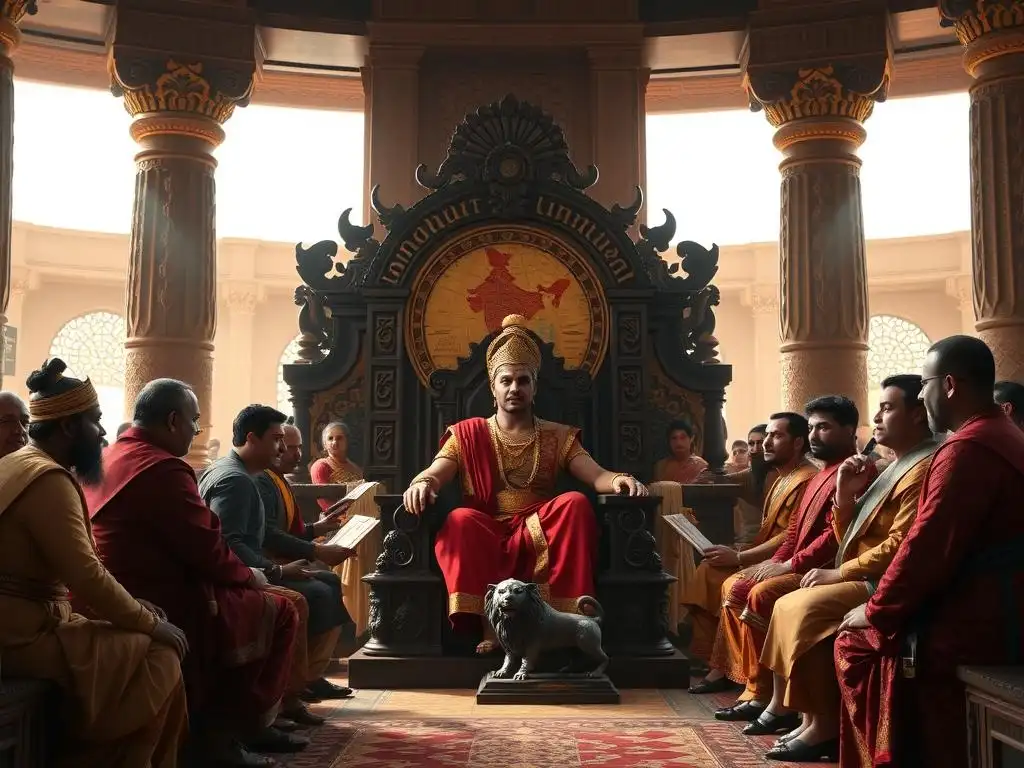
Welcome to Ancient India History, where we embark on an enlightening journey through the rich tapestry of one of the world's oldest civilizations. Our focus today is on the remarkable impact of Chandragupta Maurya's governance, a pivotal figure whose strategic insights laid the groundwork for Indian administration as we know it. Curious about how his reign shaped the very fabric of governance in ancient India?
Dive into our main article, "The Influence of Chandragupta Maurya on Indian Governance and Administration," and uncover the profound legacy that continues to influence modern governance. Your exploration of ancient wisdom and cultural richness starts here!
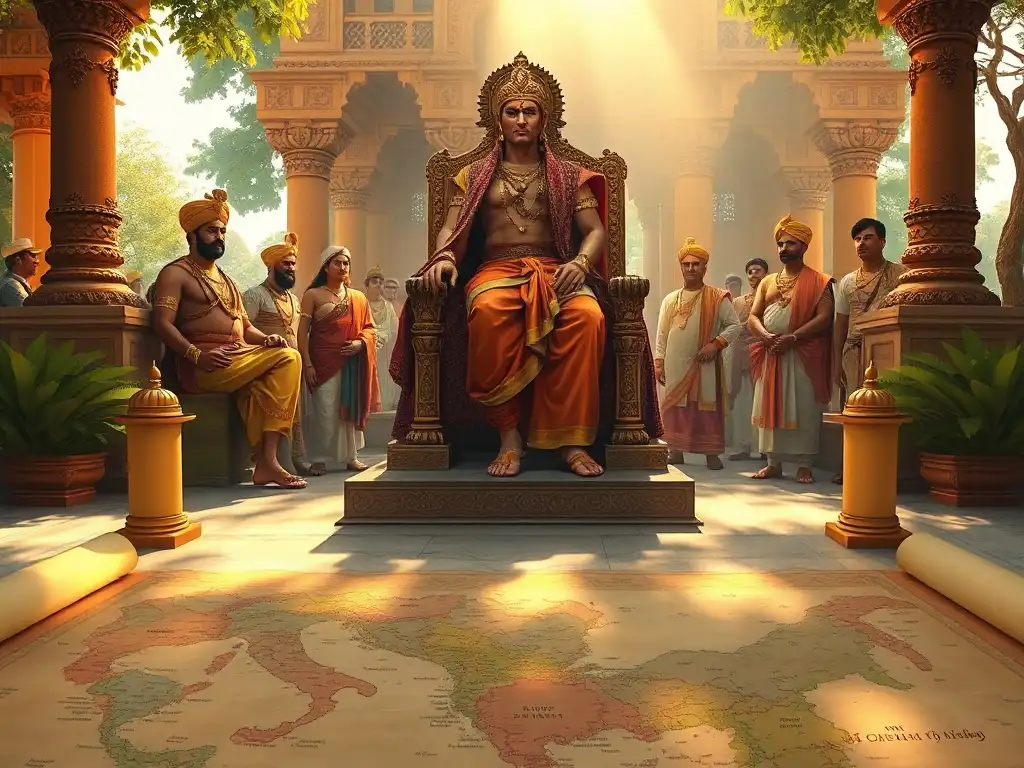
Chandragupta Maurya stands as a towering figure in the annals of Indian history, renowned for his pivotal role in establishing one of the largest empires of ancient India—the Mauryan Empire. His governance not only marked a significant shift in the political landscape of the time but also laid the groundwork for administrative practices that would resonate through centuries.
This article delves into the profound impact of Chandragupta Maurya on Indian governance and administration, exploring the key features of his rule and the enduring legacy he left behind. By examining the intricacies of his life, the historical context of his reign, and the structure of his governance, we aim to provide a comprehensive understanding of the term Chandragupta Maurya governance impact.
Introduction to Chandragupta Maurya
Overview of Chandragupta Maurya's Life
Chandragupta Maurya was born around 340 BCE in a humble family in present-day Bihar, India. His early life was marked by struggles and a quest for power that would ultimately lead him to overthrow the Nanda dynasty, which ruled the region at the time. With the guidance of his mentor, Chanakya (also known as Kautilya), a learned Brahmin and strategist, Chandragupta began his journey towards establishing the Mauryan Empire. His rise to power was not just a personal triumph but a reflection of the socio-political dynamics of ancient India, where ambition and strategy could alter the course of history.
Historical Context of His Reign
Chandragupta's reign took place during a time of significant upheaval and transformation in ancient India. The political landscape was fragmented, with various kingdoms vying for dominance. The Nanda dynasty, though wealthy and powerful, faced discontent among the populace. This discontent provided the perfect backdrop for Chandragupta's ambitions. By 321 BCE, he successfully established the Mauryan Empire, marking a new era characterized by centralized governance and administrative reforms. This period not only witnessed the unification of diverse territories but also the introduction of innovative policies that would influence future rulers.
The Foundation of Mauryan Governance
Establishing the Mauryan Empire
Chandragupta's establishment of the Mauryan Empire was a monumental achievement that set the stage for a new administrative order. He utilized a combination of military prowess, strategic alliances, and political acumen to expand his territory. The empire stretched across northern India, including key regions such as Punjab, Bihar, and parts of modern-day Afghanistan. This unification of territories under a centralized authority allowed for more effective governance and resource management, which was crucial for the empire's stability and growth.
Key Features of Chandragupta Maurya's Governance Structure
The governance structure implemented by Chandragupta Maurya was pioneering and set a precedent for future Indian empires. Some key features included:
- Centralized Authority: Chandragupta established a strong central government that exercised control over the vast empire, ensuring uniformity in law and administration.
- Bureaucratic Administration: The establishment of a bureaucratic system allowed for efficient governance. Officials were appointed to oversee various aspects of administration, including taxation, law enforcement, and public welfare.
- Legal Reforms: Chandragupta's reign saw the codification of laws, which provided a framework for justice and order, enhancing the rule of law across the empire.
- Economic Management: A focus on economic prosperity was evident, with policies aimed at improving trade, agriculture, and infrastructure, laying the groundwork for a thriving economy.
Through these features, Chandragupta Maurya not only transformed the governance of ancient India but also left a legacy that would influence future generations of rulers. His impact on governance remains a critical area of study for understanding the evolution of administrative practices in Indian history.
Administrative Innovations Introduced by Chandragupta Maurya
Chandragupta Maurya, the founder of the Maurya Empire, is renowned for his significant contributions to the administrative framework that laid the foundation for future governance in India. His reign marked a departure from the fragmented political systems that preceded him, leading to a more cohesive and structured administration. One of the key innovations introduced by Chandragupta was the establishment of a centralized authority, which enabled efficient governance across vast territories. This centralization was complemented by the introduction of local governance systems that facilitated better communication and resource management.
Chandragupta also emphasized the importance of a well-organized bureaucratic structure, which included various departments responsible for finance, military, and public works. This innovation not only improved administrative efficiency but also ensured that the empire could respond effectively to the diverse needs of its populace. Furthermore, his implementation of a comprehensive taxation system helped to consolidate economic power, providing the necessary resources for the empire's expansion and maintenance.
Centralized Administration: A New Approach
The centralized administration established by Chandragupta Maurya was revolutionary for its time. Instead of relying on local rulers or tribal leaders, he created a system where authority was concentrated in a central government. This approach allowed for uniformity in laws and policies throughout his empire, which stretched from the northern plains to the southern regions of India.
Chandragupta's administrative model incorporated a hierarchy of officials who reported directly to him, making it easier to enforce royal decrees and manage the empire’s vast resources. This centralization also facilitated the establishment of a standing army, which was essential for both defense and territorial expansion. The efficient communication systems, including roads and messengers, allowed the central authority to maintain control and respond swiftly to any challenges.
Role of Provincial Governance under Chandragupta Maurya
While Chandragupta Maurya emphasized centralization, he also recognized the importance of provincial governance. The empire was divided into several provinces, each overseen by a governor or a local official who acted on behalf of the central authority. This strategy not only helped in managing the vast territories but also ensured that local issues and cultural nuances were addressed effectively.
The provincial governors were tasked with maintaining law and order, collecting taxes, and overseeing public works. This delegation of authority allowed for a more responsive governance structure, where local challenges could be addressed by officials with a better understanding of regional dynamics. The provincial system also played a crucial role in fostering loyalty among diverse populations, as it encouraged local participation in governance while adhering to the overarching policies of the Maurya Empire.
Bureaucratic Reforms and Their Impact on Governance
Chandragupta Maurya introduced several bureaucratic reforms that transformed the way governance was executed in his empire. One of the most critical reforms was the establishment of a formal bureaucracy that was organized into different departments, each responsible for specific functions such as taxation, agriculture, and law enforcement. This specialization improved efficiency and accountability within the administration.
Moreover, Chandragupta’s focus on meritocracy ensured that capable individuals were appointed to key administrative positions, irrespective of their social backgrounds. This merit-based approach not only enhanced the competency of the bureaucracy but also motivated officials to perform their duties diligently. The reforms instituted under Chandragupta laid the groundwork for a more systematic and organized governance structure, which influenced subsequent Indian empires, including the Gupta Empire.
The Influence of Kautilya (Chanakya) on Governance
Kautilya, also known as Chanakya, was a pivotal figure in shaping the governance principles during Chandragupta Maurya's reign. As a philosopher, economist, and political strategist, Kautilya's insights into statecraft became the guiding principles for administration. His profound influence is encapsulated in the seminal work, Arthashastra, which outlines strategies for effective governance and state management.
Kautilya's ideas extended beyond mere administration; they encompassed economic policies, military tactics, and diplomatic relations. His strategic vision helped Chandragupta navigate the complexities of ruling a vast empire and solidify its power against external threats.
Kautilya's Arthashastra: Principles of Administration
Kautilya's Arthashastra is a comprehensive treatise that delves into various aspects of governance, including political theory, economics, and military strategy. One of the core principles emphasized in the text is the importance of a well-structured administration that is adaptable to changing circumstances. Kautilya advocated for a centralized authority, similar to what Chandragupta implemented, ensuring that the king retained ultimate control while delegating responsibilities among trusted officials.
The Arthashastra also outlines the significance of intelligence gathering and espionage, which were crucial for maintaining stability and security within the empire. Kautilya's pragmatic approach to governance, prioritizing realpolitik over idealism, provided Chandragupta with the tools necessary to navigate the political landscape of ancient India effectively.
Strategic Policies Influenced by Kautilya
Kautilya's influence on governance extended to the formulation of strategic policies that shaped the Maurya Empire’s approach to both internal and external affairs. His strategies included the establishment of alliances through diplomacy, as well as the use of military force when necessary, to safeguard the empire's interests. This dual approach allowed for a balanced foreign policy that could adapt to various geopolitical scenarios.
Additionally, Kautilya emphasized economic policies that promoted trade and agriculture, recognizing their role in strengthening the empire's foundation. The implementation of fair taxation and efficient resource management further solidified the empire's economic power, enabling it to support a robust military and comprehensive public services. Kautilya's strategies and principles not only influenced Chandragupta's reign but also left a lasting legacy on the governance of future Indian empires.
Chandragupta Maurya's Impact on Indian Political Philosophy
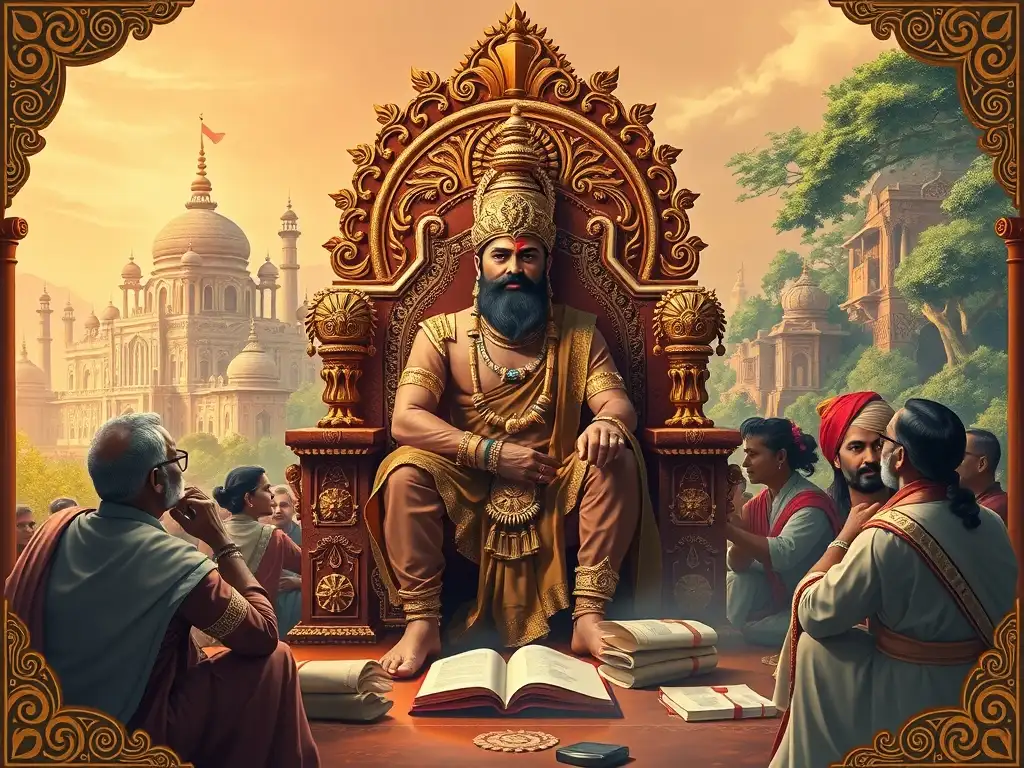
Chandragupta Maurya, as the founder of the Maurya Empire, significantly influenced the political philosophy of ancient India. His reign marked a departure from the fragmented regional states that characterized the subcontinent prior to his rule. By unifying these territories under a centralized authority, he laid the groundwork for a governance model that emphasized both the power of the state and the role of the ruler.
One of the key aspects of his political philosophy was the concept of Dharma, which he integrated into governance. This principle stressed the importance of moral duty and righteousness, influencing not only policy-making but also the ruler's responsibilities towards the subjects. Chandragupta's vision of governance included the idea that a ruler's legitimacy stemmed from their ability to uphold Dharma, a philosophy that resonated through subsequent Indian empires.
Moreover, his establishment of a bureaucratic system to administer the vast empire demonstrated a sophisticated understanding of governance. This system included various officials responsible for different facets of administration, which allowed for efficient management of resources and territories. Thus, his influence can be seen in the evolution of Indian political thought, where the ruler's authority became intertwined with ethical governance and civic responsibility.
Concepts of Sovereignty and Authority
Chandragupta Maurya's reign redefined the concepts of sovereignty and authority in ancient India. He transformed the notion of kingship from being merely a hereditary position to one that required competence and moral integrity. His successful consolidation of power through military prowess and strategic alliances illustrated a pragmatic approach to sovereignty, where authority was not only claimed but effectively exercised.
Under his rule, sovereignty was characterized by the centralization of power, which was a significant shift from the decentralized systems of earlier states. Chandragupta established a strong, centralized authority that allowed for uniform laws and governance across the empire, promoting stability and coherence in administration.
Additionally, his use of advisors and a council of ministers in decision-making processes demonstrated a nuanced understanding of authority. This collaborative approach ensured that governance was not solely dependent on the ruler's will but was also informed by the insights of knowledgeable officials. The Mauryan system of governance emphasized the importance of both the ruler's authority and the administrative structure that supported it, laying the foundation for future concepts of governance in India.
Legacy of Mauryan Governance in Subsequent Indian Dynasties
The governance model established by Chandragupta Maurya had a profound and lasting impact on subsequent Indian dynasties. His centralized administration and bureaucratic innovations served as a blueprint for future empires, including the Gupta Empire and various regional kingdoms that followed.
The Mauryan Empire's emphasis on effective taxation and law enforcement became key features of later governance structures. Rulers after Chandragupta adopted similar administrative strategies, which included the establishment of local governors and a system of checks and balances to prevent abuse of power.
Furthermore, the Maurya legacy influenced the philosophical underpinnings of governance in India. The integration of moral and ethical considerations into statecraft, as championed by Chandragupta, continued to resonate in the writings of later scholars and rulers. This enduring influence can be seen in texts like the Arthashastra by Kautilya, which elaborated on statecraft, economics, and military strategy, reflecting the principles that Chandragupta had set in motion.
The Socio-Economic Policies of Chandragupta Maurya
Chandragupta Maurya implemented a series of socio-economic policies that were pivotal in shaping the prosperity of his empire. These policies facilitated trade, improved agricultural productivity, and fostered urbanization, contributing to the overall stability and growth of the Mauryan economy.
A critical aspect of his approach was the establishment of a structured taxation system. This system not only generated revenue for the state but also ensured that resources were allocated efficiently for public welfare and infrastructure development. By focusing on agriculture, manufacturing, and trade, Chandragupta laid the groundwork for a diverse economy that could support a large population.
The Mauryan administration also promoted state-sponsored trade and commerce, which helped in the formation of a vibrant market economy. Chandragupta's policies encouraged the establishment of trade routes that connected various regions, facilitating the exchange of goods and cultural ideas across the empire.
Taxation and Revenue Collection Methods
Chandragupta Maurya's taxation and revenue collection methods were characterized by their efficiency and fairness. He recognized the need for a systematic approach to taxation to support his expansive empire. This involved categorizing taxes based on the type of economic activity and the resources of different regions.
The primary sources of revenue included taxes on land, trade, and crafts. Land tax was particularly significant, as agriculture was the backbone of the Mauryan economy. Tax rates were often based on the productivity of the land, which ensured that farmers were not overburdened, thus promoting agricultural stability.
Chandragupta also established a network of officials responsible for revenue collection, ensuring that taxes were collected consistently and transparently. This bureaucratic approach minimized corruption and helped maintain trust between the state and its citizens. The emphasis on fair taxation practices not only strengthened the empire's financial base but also contributed to social cohesion, as subjects felt they were treated justly by their rulers.
Economic Reforms and Their Effects on Society
The economic reforms instituted by Chandragupta Maurya had far-reaching effects on Indian society. His policies aimed at enhancing agricultural productivity and promoting trade led to increased wealth and improved living standards for many citizens.
One significant reform was the promotion of irrigation and agricultural techniques, which enabled farmers to cultivate more land and increase crop yields. This focus on agricultural enhancement ensured food security and supported population growth, leading to the emergence of thriving urban centers.
Moreover, the encouragement of trade helped foster a sense of community among various regions, as people engaged in commerce and cultural exchanges. The establishment of standardized weights and measures facilitated fair trade practices, further stimulating economic activity.
These reforms contributed not only to the economic prosperity of the Maurya Empire but also to the establishment of a more organized and interconnected society. The legacy of Chandragupta's economic policies can thus be seen in the subsequent development of India's commercial and agricultural systems, which continued to evolve over the centuries.
The Role of Religion and Culture in Governance
Chandragupta Maurya's reign marked a significant intersection of governance, religion, and culture in ancient India. His administration not only focused on establishing a robust political structure but also emphasized the importance of religious and cultural values in maintaining social order and harmony. This approach fostered a sense of unity among the diverse populations of his empire, which included various religious and ethnic groups.
The Mauryan Empire, under Chandragupta, embraced a form of governance that recognized the significance of religion in shaping societal norms and values. By integrating religious principles into state policies, he aimed to create a cohesive society where different communities could coexist peacefully. This was particularly important in a vast empire where regional identities and beliefs varied widely.
Religious Tolerance and Its Influence on Administration
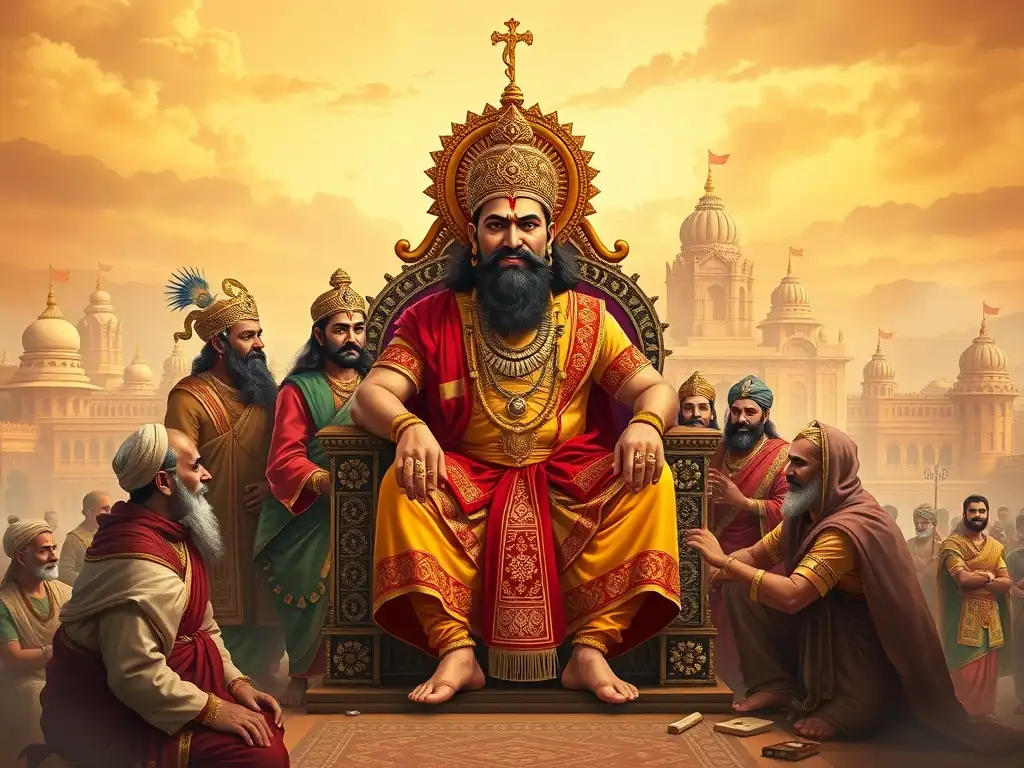
One of the hallmarks of Chandragupta Maurya's governance was his commitment to religious tolerance. Unlike many contemporary rulers, who often imposed their beliefs upon their subjects, Chandragupta allowed for a pluralistic society where different religions could thrive. This approach not only reduced social tensions but also cultivated loyalty among the various religious communities within the empire.
Chandragupta's administration implemented policies that respected and supported various religious practices. For instance, he appointed officials from different religious backgrounds and ensured that state resources were allocated to support religious institutions and festivals. This inclusive governance model encouraged cooperation and mutual respect among diverse groups, which in turn strengthened the administrative framework of the Mauryan Empire.
Cultural Contributions during the Mauryan Era
The Mauryan period was marked by significant cultural advancements that were closely tied to governance. Chandragupta, along with his advisor Chanakya, fostered an environment where art, literature, and philosophy flourished. The establishment of a centralized administration allowed for the patronage of scholars and artists, leading to remarkable contributions in various fields.
Notably, this era saw the compilation of texts on governance, economics, and military strategy, such as the "Arthashastra" by Chanakya. This work not only provided insights into statecraft but also emphasized the importance of ethics and justice in governance. Moreover, the Mauryan Empire's support for Buddhism under Chandragupta’s grandson, Ashoka, led to the spread of Buddhist art and architecture, further enriching the cultural landscape of ancient India.
Conclusion: The Lasting Legacy of Chandragupta Maurya on Indian Governance
Chandragupta Maurya’s influence on Indian governance is profound and far-reaching. His approach to administration, deeply rooted in the principles of religious tolerance and cultural patronage, laid the groundwork for future Indian rulers. The systems he established not only addressed the immediate needs of his empire but also set a precedent for governance that valued diversity and cultural richness.
Summary of Governance Impact
The governance impact of Chandragupta Maurya can be summarized in several key areas:
- Centralized Administration: He established a centralized bureaucratic system that improved efficiency and accountability.
- Religious Inclusivity: His policies encouraged religious harmony and tolerance, fostering unity within a diverse empire.
- Cultural Flourishing: The Mauryan era saw significant advancements in literature, arts, and philosophy, driven by state patronage.
These contributions not only strengthened the Mauryan Empire during his reign but also influenced subsequent Indian political thought and governance models.
Relevance of Chandragupta Maurya's Governance Today
The principles of governance established by Chandragupta Maurya remain relevant in contemporary discussions on administration and public policy. His emphasis on religious tolerance, cultural inclusivity, and state support for various communities resonates in today's multicultural societies. Modern leaders can draw lessons from his methods, particularly in promoting unity amid diversity and ensuring that governance reflects the values and beliefs of all citizens.
In an increasingly globalized world, where cultural and religious differences often lead to tension, the Mauryan model of governance serves as an enduring reminder of the importance of inclusivity and respect in maintaining social harmony.
- Introduction to Chandragupta Maurya
- The Foundation of Mauryan Governance
- Administrative Innovations Introduced by Chandragupta Maurya
- The Influence of Kautilya (Chanakya) on Governance
- Chandragupta Maurya's Impact on Indian Political Philosophy
- The Socio-Economic Policies of Chandragupta Maurya
- The Role of Religion and Culture in Governance
- Religious Tolerance and Its Influence on Administration
- Cultural Contributions during the Mauryan Era
- Conclusion: The Lasting Legacy of Chandragupta Maurya on Indian Governance
- What was the significance of Chandragupta Maurya in Indian history?
- How did Chandragupta Maurya's governance impact administration?
- What role did Kautilya play in Chandragupta Maurya's rule?
- What were some of the key reforms introduced by Chandragupta Maurya?
- How did Chandragupta Maurya's governance influence future Indian leaders?
Frequently Asked Questions
What was the significance of Chandragupta Maurya in Indian history?
Chandragupta Maurya is known for founding the Mauryan Empire, which marked a turning point in Indian governance by uniting various small kingdoms into a powerful state.
How did Chandragupta Maurya's governance impact administration?
His governance emphasized centralized administration, introducing a structured bureaucracy that improved efficiency and order in governance across the empire.
What role did Kautilya play in Chandragupta Maurya's rule?
Kautilya, also known as Chanakya, was a key advisor who influenced Chandragupta's policies, emphasizing realpolitik and effective statecraft, which shaped the empire's governance.
What were some of the key reforms introduced by Chandragupta Maurya?
Chandragupta implemented reforms such as taxation systems, law enforcement, and public welfare programs that aimed to enhance the quality of life and maintain stability within the empire.
How did Chandragupta Maurya's governance influence future Indian leaders?
His administrative practices and governing principles laid the foundation for future Indian rulers, inspiring them to adopt structured governance, which had a lasting impact on Indian political thought.
Final Reflection: The Enduring Legacy of Chandragupta Maurya's Governance Impact
Chandragupta Maurya's governance impact remains profoundly relevant today, as it laid the foundational principles of administration that continue to shape modern Indian governance. In an era where effective leadership and structured governance are more crucial than ever, the lessons drawn from Chandragupta's strategies resonate with contemporary challenges. His ability to unify diverse territories and implement a cohesive administrative framework serves as a timeless reminder of the power of visionary leadership.
The influence of Chandragupta Maurya on the cultural and social landscape of India is undeniable and continues to inspire leaders and citizens alike. His emphasis on a well-organized bureaucracy and the importance of ethical governance has left an indelible mark on the Indian psyche. As we navigate the complexities of modern governance, we can reflect on the words of Mahatma Gandhi: A nation's greatness is measured by how it treats its weakest members.
This sentiment echoes the principles that Chandragupta championed, emphasizing the need for a just and equitable administration.
As we conclude this exploration of Chandragupta Maurya's governance impact, I invite you to reflect on how these historical lessons can be applied in your own life and community. Consider the ways in which you can embody the principles of effective leadership, ethical governance, and social responsibility in your daily actions. By embracing these ideals, we can honor the legacy of Chandragupta Maurya and contribute to a more just and unified society.
Embrace History: Transform Your Understanding of Governance!
Thank you for diving into the fascinating world of Chandragupta Maurya and his impact on Indian governance! We hope you’ve gained valuable insights into how his leadership shaped administrative practices that resonate even today. Now, it's time to put that knowledge into action!
Here are some steps you can take to deepen your understanding and engage with this remarkable era:
- Explore Further: Dive into additional research about the Maurya Empire. Look for books or documentaries that provide a comprehensive analysis of Chandragupta's policies and innovations.
- Share Your Knowledge: Engage with others by discussing your newfound insights! Share this article with friends or participate in online forums dedicated to ancient history.
- Reflect Creatively: Consider writing a short essay or blog post on how modern governance can draw inspiration from Chandragupta Maurya’s strategies.
What aspect of Chandragupta’s governance do you find most relevant to today’s world? We invite you to share your thoughts in the comments below!