
From Vedic Texts to Classical Literature: The Journey of Sanskrit


Welcome to Ancient India History, where we embark on a captivating journey through the rich tapestry of ancient Indian civilizations. Dive into the historical significance of Sanskrit literature, a cornerstone of India's cultural heritage that has shaped its linguistic landscape for centuries. From the profound Vedic texts to the flourishing classical literature of the Gupta Empire, the evolution of Sanskrit reveals a world of wisdom, creativity, and intellect.
Are you ready to uncover the stories and legacies that have influenced generations? Join us as we explore the profound impact of Sanskrit on language and culture, igniting your curiosity for the remarkable past of ancient India!
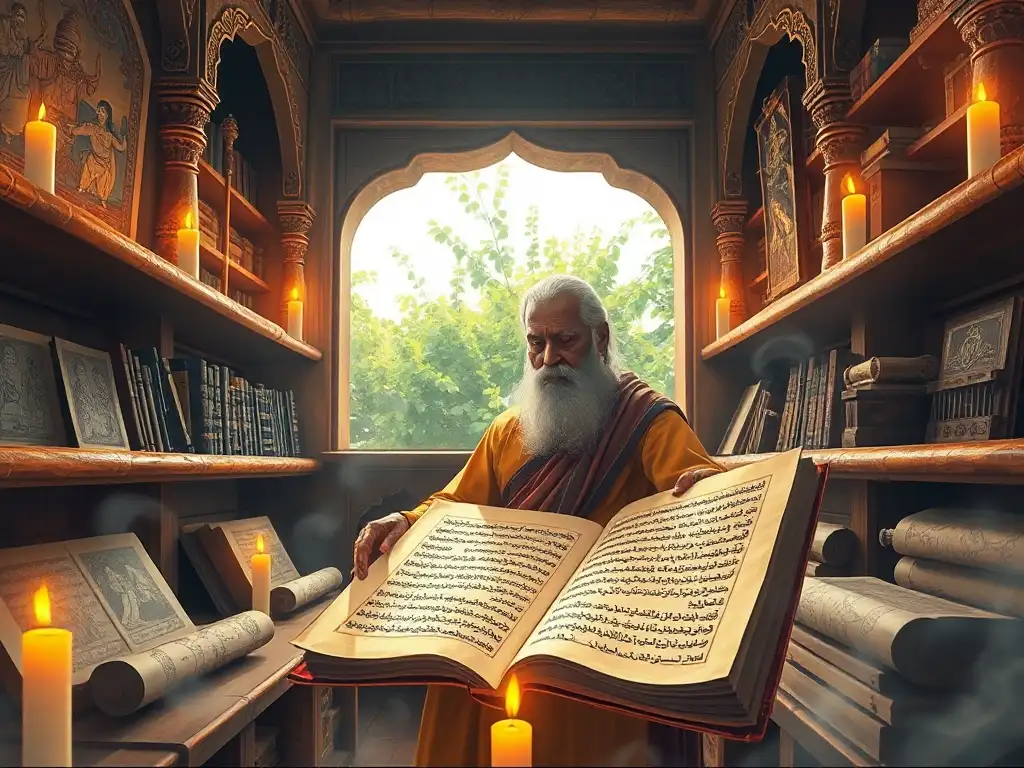
Introduction to Sanskrit Literature Historical Significance
Sanskrit literature holds a pivotal place in the historical tapestry of ancient Indian civilization. As one of the oldest languages still in use today, Sanskrit has not only shaped the linguistic landscape of India but has also profoundly influenced its culture, philosophy, and spiritual practices.
This article explores the journey of Sanskrit from its Vedic origins to its classical forms, highlighting its historical significance and the contributions it has made to the literary heritage of India. By delving into the intricacies of Vedic texts and the subsequent development of classical literature, we can appreciate the enduring legacy of Sanskrit as a medium of knowledge, art, and expression throughout the ages.
Overview of Sanskrit as an Ancient Language
Sanskrit, derived from the root word 'samskrta,' meaning "refined" or "perfected," is often referred to as the mother of many modern Indo-Aryan languages. Its grammatical structure, phonetics, and vocabulary have laid a foundation for linguistic studies and have influenced numerous languages across the globe.
- Historical Context: Sanskrit emerged around 1500 BCE, during the Vedic period, where it was primarily used in religious and philosophical texts.
- Grammatical Excellence: The language is renowned for its systematic grammar, codified by the ancient grammarian Panini in his work, the Ashtadhyayi. This text is a seminal work in linguistic theory and has been instrumental in the study of grammar in various languages.
Importance of Sanskrit in Ancient Indian Civilization
The significance of Sanskrit in ancient Indian civilization cannot be overstated. It served as a crucial vehicle for the transmission of knowledge across generations and played an essential role in various domains:
- Religious Texts: Sanskrit is the language of the Vedas, Upanishads, and other significant religious scriptures, forming the bedrock of Hindu philosophy.
- Literary Contributions: The richness of Sanskrit literature encompasses poetry, drama, and philosophical treatises, showcasing the intellectual and artistic achievements of ancient Indian society.
Vedic Texts: The Foundation of Sanskrit Literature
Vedic texts represent the earliest literary corpus in Sanskrit, encapsulating the religious, philosophical, and cultural ethos of ancient India. They are considered foundational to the development of subsequent Sanskrit literature.
Characteristics of Vedic Literature
Vedic literature is characterized by its profound spiritual insights, intricate rituals, and poetic expressions. Key features include:
- Oral Tradition: The Vedas were primarily transmitted orally before being written down, ensuring the preservation of linguistic purity and cultural significance.
- Poetic Structure: The texts employ various meters, making them not only sacred but also aesthetically pleasing to recite and hear.
Major Vedic Texts and Their Contributions
Several key texts stand out within the Vedic literature, each contributing uniquely to the cultural and intellectual landscape of ancient India:
- Rigveda: The oldest of the Vedas, containing hymns that invoke deities and explore fundamental questions of existence.
- Samaveda: Focused on melodies and chants, it underscores the role of music in Vedic rituals.
- Yajurveda: A compilation of prose mantras, it provides guidelines for conducting rituals, blending the poetic and practical elements of Vedic practices.
- Atharvaveda: This text introduces a more diverse range of topics, including folklore, medicinal practices, and magical spells, reflecting the everyday life of ancient Indians.
Through these texts, Sanskrit literature began its illustrious journey, setting the stage for the classical literary tradition that would follow.
Transition from Vedic to Classical Literature
The transition from Vedic to Classical Sanskrit marks a significant evolution in the historical and linguistic landscape of ancient India. Vedic Sanskrit, primarily used in the sacred texts known as the Vedas, was characterized by its complex phonetics and the rich use of meter and rhythm. This period, which spanned from approximately 1500 BCE to 500 BCE, was largely oral in nature, with the texts being transmitted through memorization and recitation.
As society progressed into the post-Vedic period, around 600 BCE, Sanskrit began to undergo substantial changes toward what we recognize as Classical Sanskrit. This transition was influenced by various factors, including the rise of urban centers, trade, and the burgeoning of philosophical thought. The introduction of new literary forms, such as drama and narrative poetry, began to reflect the complexities of human experience and societal structures.
Additionally, the establishment of grammar as a systematic study, notably through the works of Panini, marked a pivotal shift. His grammar, the Ashtadhyayi, not only codified the rules of Sanskrit but also allowed for greater precision in expression and creativity in literature, paving the way for the rich tapestry of Classical Sanskrit literature that would follow.
Evolution of Sanskrit Language and Grammar
The evolution of the Sanskrit language is a fascinating journey that showcases its transformation from a primarily liturgical language to a vibrant medium of literature and philosophy. Early Sanskrit, found in the Vedas, exhibited a high degree of inflection and a complex syntactic structure. However, as the language evolved, certain phonetic and grammatical simplifications began to emerge.
Panini’s Ashtadhyayi, composed around the 4th century BCE, served as a cornerstone for the grammatical framework of Sanskrit. It not only standardized the language but also introduced a comprehensive set of rules that systematically described its morphology and syntax. His work laid the foundation for subsequent linguistic studies and ensured that Sanskrit remained a living language, adaptable to the needs of various literary and philosophical traditions.
By the time Classical Sanskrit emerged, the language had matured, characterized by a greater clarity and elegance. The literary works from this period reflect a shift towards more nuanced expressions of emotion, philosophy, and aesthetics. This evolution was instrumental in establishing Sanskrit as a language of culture and intellect, influencing many subsequent languages and literatures across Asia.
Key Figures in Early Sanskrit Literature
The early phase of Sanskrit literature is adorned with several notable figures whose contributions have profoundly shaped its trajectory. Among these is Vyasa, often revered as the author of the Mahabharata, one of the longest epics in world literature. His work is not only a monumental narrative but also a philosophical text that explores duty, righteousness, and the complexities of human nature.
Another key figure is Valmiki, credited with composing the Ramayana. This epic not only narrates the life of Lord Rama but also encapsulates the ideals of dharma (duty/righteousness), devotion, and ethical dilemmas. Valmiki's poetic prowess and narrative techniques set a benchmark for subsequent poets and playwrights.
Additionally, Panini, while primarily known for his grammatical work, also contributed to the standardization of Sanskrit, which facilitated the growth of literature. His influence extended beyond grammar, impacting the structure and style of literary compositions in Classical Sanskrit.
These figures, along with others, laid the groundwork for a rich literary tradition that would flourish in the Classical period, showcasing the depth and diversity of human thought and experience.
Classical Sanskrit Literature: A Cultural Renaissance
Classical Sanskrit literature represents a cultural renaissance in ancient India, spanning from approximately the 4th century BCE to the 12th century CE. This era was marked by a flourishing of artistic expression, philosophical inquiry, and the development of various literary forms, including poetry, drama, and prose. The confluence of diverse ideas from various regions and the patronage of royal courts greatly contributed to this vibrant literary culture.
The works from this period often explore profound themes such as love, morality, and spirituality. They reflect the intricate interplay between human emotions and the philosophical paradigms of the time. The rise of theatre, particularly with the works of playwrights like Kalidasa, signifies this cultural renaissance. His plays, such as Shakuntala, not only showcase the beauty of the Sanskrit language but also engage with the themes of love and destiny, making them timeless classics.
Moreover, the influence of Sanskrit literature extended beyond India, shaping literary traditions in Tibet, Southeast Asia, and even influencing the development of languages like Thai and Indonesian. This period's emphasis on artistic expression and intellectual exploration solidified Sanskrit’s position as a cornerstone of Indian culture and heritage.
Major Works and Authors of Classical Sanskrit
Classical Sanskrit literature boasts an impressive array of works and authors, each contributing unique perspectives and styles that have endured through the ages. Some of the most significant works include:
- Mahabharata by Vyasa
- An epic narrative that delves into the complexities of human nature, ethics, and the concept of dharma.
- Ramayana by Valmiki
- A foundational text that tells the story of Rama and Sita, exploring themes of love, loyalty, and moral duty.
- Shakuntala by Kalidasa
- A celebrated play that combines lyrical beauty with deep emotional resonance, showcasing the intricacies of love and longing.
- Kumarasambhava by Kalidasa
- A poetic epic that narrates the birth of Lord Kartikeya and encapsulates themes of love and valor.
- Natyashastra by Bharata Muni
- A seminal text on the performing arts, detailing theories of drama, music, and dance, which have had a lasting impact on Indian classical arts.
- Panchatantra by Vishnu Sharma
- A collection of fables and moral tales that uses animal characters to impart wisdom and ethical lessons.
These works not only reflect the linguistic richness of Sanskrit but also its capacity to engage with universal themes and human experiences. Together, they form a vital part of the literary heritage of India, exemplifying the historical significance of Sanskrit literature in shaping cultural and intellectual thought throughout the ages.
The Role of Sanskrit in Philosophy and Science

Sanskrit has played a pivotal role in shaping the philosophical and scientific discourse in ancient India. As a language, it served as the medium through which profound philosophical ideas were articulated and scientific concepts were systematically documented. The intricate structure and rich vocabulary of Sanskrit made it particularly suitable for conveying complex ideas, thus fostering a culture of intellectual exploration and innovation.
Sanskrit Literature in Indian Philosophy
The philosophical texts written in Sanskrit, such as the Upanishads, the Bhagavad Gita, and various schools of thought like Advaita Vedanta and Nyaya, underscore the language's foundational role in Indian philosophy. The Upanishads, for instance, delve into metaphysical questions regarding the nature of reality, the self (Atman), and the ultimate reality (Brahman). The precision of Sanskrit allows for nuanced discussions, making it possible to explore concepts of existence, ethics, and knowledge with great depth.
Moreover, various treatises, such as those by philosophers like Adi Shankaracharya and Ramanuja, further enriched the philosophical landscape, providing interpretations that have influenced generations. The dialectical methodology employed in Sanskrit literature influenced not only Indian but also global philosophical traditions, with ideas from these texts resonating in contemporary philosophical debates.
Contributions of Sanskrit to Science and Mathematics
Sanskrit literature is also a treasure trove of scientific knowledge. Ancient Indian scholars made significant contributions to various fields such as astronomy, medicine, and mathematics, all documented in Sanskrit. Notable works include the "Aryabhatiya" by Aryabhata, which outlined principles of mathematics and astronomy, and "Siddhanta Shiromani" by Bhaskara II, which further advanced these fields.
In mathematics, Sanskrit texts introduced the concept of zero, the decimal system, and advanced calculations that laid the groundwork for modern mathematics. The clarity of expression in Sanskrit enabled scholars to convey complex scientific ideas effectively, making it a vital tool for intellectual advancement in ancient India.
The Decline and Revival of Sanskrit Literature
The decline of Sanskrit literature can be attributed to several historical and social factors that emerged over the centuries, leading to a diminished role of the language in scholarly and cultural contexts. However, efforts to revive Sanskrit literature have gained momentum, reflecting a renewed interest in the language and its vast literary heritage.
Factors Leading to the Decline of Sanskrit
The decline of Sanskrit literature began during the medieval period, when invasions and the consequent political upheaval led to the patronage of regional languages over Sanskrit. The rise of Persian and later British influences diminished the use of Sanskrit in administrative and educational settings. Additionally, the proliferation of vernacular languages created a shift in literary expression, as scholars and poets began to write in languages accessible to the common populace. This transition, while enriching the cultural tapestry of India, contributed to the gradual neglect of Sanskrit as a literary and scholarly language.
Efforts for the Revival of Sanskrit Literature
In recent decades, there has been a notable revival of interest in Sanskrit literature, spearheaded by educational institutions, cultural organizations, and government initiatives. Various universities offer courses in Sanskrit studies, promoting its literature, philosophy, and linguistic heritage.
Additionally, the establishment of cultural festivals and literary forums dedicated to Sanskrit has enabled scholars to engage with ancient texts, fostering an appreciation for their historical significance. The use of modern technology, such as online platforms and digital archives, has also facilitated access to Sanskrit literature, making it more available to a wider audience. These efforts are crucial not only for preserving the language but also for re-establishing its significance in contemporary discourse on culture and philosophy.
Conclusion: The Enduring Legacy of Sanskrit Literature
Sanskrit literature has played a pivotal role in shaping not only the cultural and intellectual landscape of ancient India but also influencing various aspects of modern society. As a classical language that thrived over millennia, Sanskrit has left an indelible mark on philosophy, art, and science, creating a rich tapestry of knowledge that continues to resonate today. The texts created during the Vedic period, through to the classical era, have provided foundational insights into spirituality, ethics, and governance, which remain relevant across cultures and time.
The enduring legacy of Sanskrit literature can be seen in the way it has fostered a deep appreciation for linguistic precision and richness. It has served as a medium for the expression of profound philosophical ideas, storytelling, and poetic creativity. As a result, Sanskrit literature has not only contributed to the preservation of knowledge but has also inspired countless generations of scholars, writers, and thinkers across the globe.
The Lasting Influence of Sanskrit on Modern Languages
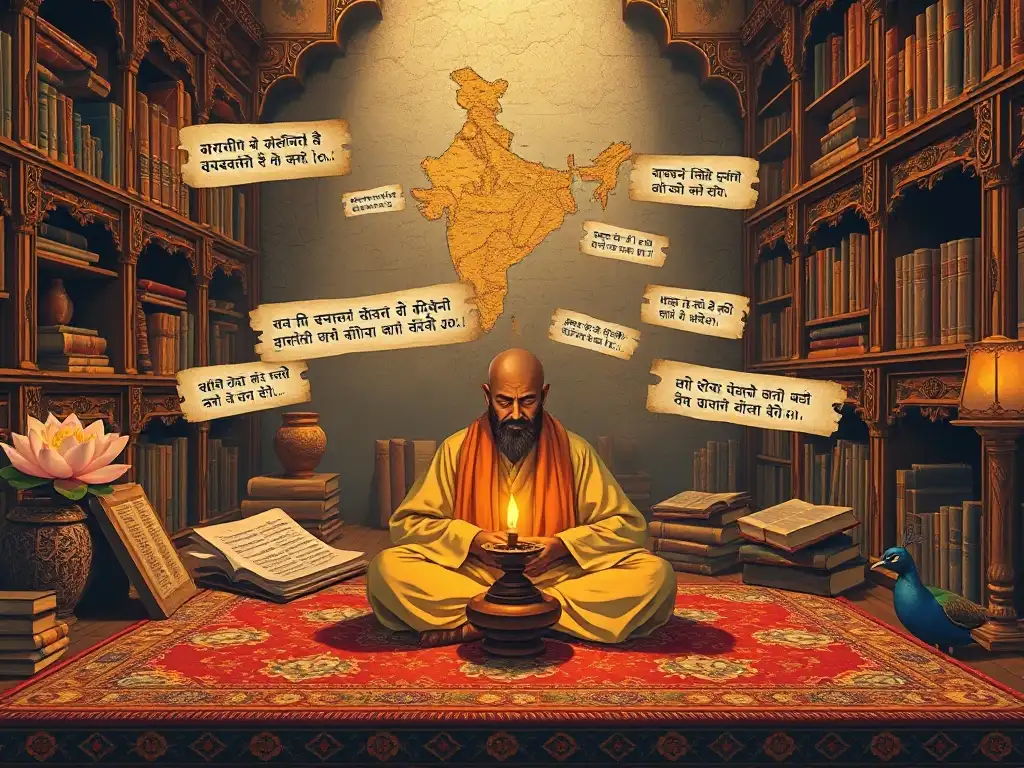
The influence of Sanskrit extends beyond its own literary corpus; it has significantly impacted many modern languages, especially those in the Indo-Aryan and Dravidian families. For example:
- Hindi: A significant portion of its vocabulary is derived from Sanskrit, making it the most direct descendant of the language.
- Bengali: This language has absorbed a considerable amount of Sanskrit influence, particularly in its literary and poetic forms.
- Marathi and Gujarati: Both languages showcase extensive Sanskrit terminology, especially in academic and literary contexts.
The structural aspects of Sanskrit, including its grammar and phonetics, have also influenced modern linguistic studies. The systematic nature of Sanskrit grammar, as codified by Panini, has been foundational to the development of linguistic theory and has inspired many modern linguists in their explorations of language universals.
The Importance of Preserving Sanskrit Literature Historical Significance
Preserving Sanskrit literature is crucial for several reasons:
- Cultural Heritage: Sanskrit literature embodies the cultural and philosophical heritage of ancient India. It is vital for understanding the historical context of Indian civilization and its contributions to world heritage.
- Linguistic Study: The study of Sanskrit provides insights into the evolution of languages and the development of linguistic theories. By preserving these texts, we ensure that future scholars have access to critical linguistic data.
- Philosophical Insights: Many of the philosophical texts written in Sanskrit, such as the Upanishads and the Bhagavad Gita, continue to offer valuable insights into ethics, morality, and human existence. Preserving these texts ensures that their teachings remain accessible to future generations.
- Interdisciplinary Research: Sanskrit literature provides a rich resource for interdisciplinary studies, including anthropology, history, and religious studies. Preserving this literature allows for a deeper understanding of the interconnectedness of various fields of knowledge.
In essence, the preservation of Sanskrit literature is not merely an academic pursuit; it is a celebration of the enduring legacy of a language that has profoundly shaped human thought and culture.
References
Academic references and literature on Sanskrit
- Macdonell, A. A. (2008). A History of Sanskrit Literature. New York: D. Appleton and Company.
- Pollock, S. (2006). The Language of the Gods in the World of Men: Sanskrit, Culture, and Power in Premodern India. Berkeley: University of California Press.
- Dani, A. H. (1998). Sanskrit Literature: A Historical Overview. Pune: Deccan College Postgraduate and Research Institute.
- Mishra, R. (2012). Sanskrit Literature and Its Impact on Regional Languages. Jaipur: Rajasthan Prakashan.
By engaging with these academic works, readers can gain a deeper understanding of the historical significance of Sanskrit literature and its place within the broader narrative of cultural development in ancient India.
- Introduction to Sanskrit Literature Historical Significance
- Vedic Texts: The Foundation of Sanskrit Literature
- Transition from Vedic to Classical Literature
- Classical Sanskrit Literature: A Cultural Renaissance
- The Role of Sanskrit in Philosophy and Science
- The Decline and Revival of Sanskrit Literature
- Conclusion: The Enduring Legacy of Sanskrit Literature
- The Lasting Influence of Sanskrit on Modern Languages
- The Importance of Preserving Sanskrit Literature Historical Significance
- References
- What is the historical significance of Sanskrit literature?
- How did Sanskrit evolve from Vedic texts to classical literature?
- What are some key literary works from the Sanskrit literature tradition?
- How did Sanskrit literature influence other cultures?
- What role did the Gupta Empire play in the development of Sanskrit literature?
Frequently Asked Questions
What is the historical significance of Sanskrit literature?
Sanskrit literature holds immense historical significance as it provides insights into the cultural, philosophical, and spiritual life of ancient India, influencing various aspects of Indian civilization.
How did Sanskrit evolve from Vedic texts to classical literature?
The evolution of Sanskrit from Vedic texts to classical literature reflects a linguistic transformation and the development of more sophisticated literary forms and themes, marking significant cultural shifts in society.
What are some key literary works from the Sanskrit literature tradition?
Key literary works include the Mahabharata, Ramayana, and numerous plays by Kalidasa, which exemplify the richness of Sanskrit literature and its narrative complexity.
How did Sanskrit literature influence other cultures?
Sanskrit literature influenced various cultures across Asia, particularly in Buddhism and Hinduism, where it served as a foundation for the transmission of ideas and texts to other regions.
What role did the Gupta Empire play in the development of Sanskrit literature?
The Gupta Empire is often regarded as the Golden Age of Sanskrit literature, fostering an environment that promoted art, science, and literature, leading to notable advancements in poetry and drama.
Final Reflection: The Enduring Legacy of Sanskrit Literature
The journey of Sanskrit literature is not just a historical narrative; it is a testament to the profound impact that language and culture have on human civilization. Today, as we navigate an increasingly globalized world, the significance of Sanskrit literature resonates more than ever, reminding us of the rich tapestry of thought, philosophy, and artistry that has shaped our collective consciousness. The exploration of Sanskrit texts reveals not only the depth of ancient wisdom but also the timeless relevance of these ideas in contemporary discourse.
Sanskrit literature has profoundly influenced various cultural and social landscapes, from philosophy to art, and continues to inspire countless individuals across the globe. The teachings and narratives embedded in these texts encourage us to reflect on our values and beliefs, fostering a deeper understanding of ourselves and our place in the world.
As Mahatma Gandhi once said, “A language is something infinitely greater than grammar and philology. It is the poetic testament of the genius of a race and culture, and the living embodiment of the thoughts and fancies that have moulded them.” This observation underscores the ongoing influence of Sanskrit literature, which serves as a bridge connecting us to our past while guiding us toward a more enlightened future.
As we conclude this exploration of Sanskrit literature's historical significance, I invite you to reflect on how these ancient texts can inform your own life. Consider the lessons they impart about resilience, wisdom, and the interconnectedness of all beings. Let the stories and philosophies of the past inspire you to cultivate a deeper appreciation for your own cultural heritage and to engage with the world around you in a more meaningful way. Embrace the journey of learning and growth that Sanskrit literature offers, and allow it to guide you toward a brighter, more thoughtful future.
Embrace the Timeless Journey of Sanskrit!
Thank you for diving into the rich world of Sanskrit, where ancient wisdom meets literary mastery! By exploring the evolution from Vedic texts to classical literature, you now hold a key to understanding a profound cultural heritage. Are you ready to take the next step in your journey?
Here’s how you can deepen your connection with Sanskrit today:
- Explore further: Discover a vast collection of Sanskrit texts and translations available online, immersing yourself in the beauty of this ancient language.
- Join a community: Connect with fellow enthusiasts in online forums or local groups to share insights and collaboratively learn about the significance of Sanskrit.
- Try your hand at Sanskrit: Begin learning the basics through online courses or mobile applications, and gain the ability to read original texts independently!
Which aspect of Sanskrit's rich legacy inspires you the most to learn or share with others?